Silicon Valley Innovation Center
We help global corporations grow by empowering them with new technologies, top experts and best startups
Get In Touch
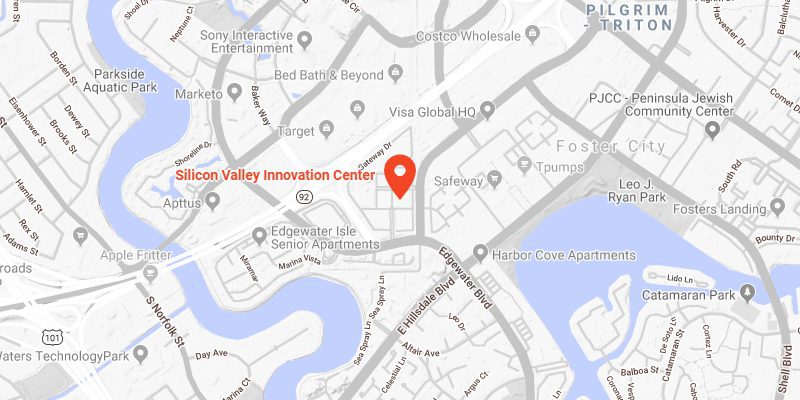
Our Location
\n

DataPrivacy<\/a>, HealthcareBlockchain<\/a>, PatientCentricity<\/a>, MedicalResearch<\/a><\/p>\n\n\n\n

<\/p>\n","post_title":"Blockchain in Healthcare Data Management","post_excerpt":"","post_status":"publish","comment_status":"closed","ping_status":"closed","post_password":"","post_name":"blockchain-in-healthcare-data-management","to_ping":"","pinged":"","post_modified":"2023-09-13 14:12:31","post_modified_gmt":"2023-09-13 21:12:31","post_content_filtered":"","post_parent":0,"guid":"https:\/\/siliconvalley.center\/?p=9854","menu_order":0,"post_type":"post","post_mime_type":"","comment_count":"0","filter":"raw"}],"next":false,"prev":false,"total_page":1},"paged":1,"column_class":"jeg_col_2o3","class":"epic_block_5"};

Search

Latest

\n

DataSecurity<\/a>, DigitalHealth<\/a>, HealthTech<\/a>, HealthcareTechnology<\/a>, BlockchainRevolution<\/a>, <\/p>\n\n\n\n

DataPrivacy<\/a>, HealthcareBlockchain<\/a>, PatientCentricity<\/a>, MedicalResearch<\/a><\/p>\n\n\n\n

<\/p>\n","post_title":"Blockchain in Healthcare Data Management","post_excerpt":"","post_status":"publish","comment_status":"closed","ping_status":"closed","post_password":"","post_name":"blockchain-in-healthcare-data-management","to_ping":"","pinged":"","post_modified":"2023-09-13 14:12:31","post_modified_gmt":"2023-09-13 21:12:31","post_content_filtered":"","post_parent":0,"guid":"https:\/\/siliconvalley.center\/?p=9854","menu_order":0,"post_type":"post","post_mime_type":"","comment_count":"0","filter":"raw"}],"next":false,"prev":false,"total_page":1},"paged":1,"column_class":"jeg_col_2o3","class":"epic_block_5"};

Search

Latest

\n

HealthcareDataSharing<\/a>, HealthDataManagement<\/a>, PatientEmpowerment<\/a>, <\/p>\n\n\n\n

DataSecurity<\/a>, DigitalHealth<\/a>, HealthTech<\/a>, HealthcareTechnology<\/a>, BlockchainRevolution<\/a>, <\/p>\n\n\n\n

DataPrivacy<\/a>, HealthcareBlockchain<\/a>, PatientCentricity<\/a>, MedicalResearch<\/a><\/p>\n\n\n\n

<\/p>\n","post_title":"Blockchain in Healthcare Data Management","post_excerpt":"","post_status":"publish","comment_status":"closed","ping_status":"closed","post_password":"","post_name":"blockchain-in-healthcare-data-management","to_ping":"","pinged":"","post_modified":"2023-09-13 14:12:31","post_modified_gmt":"2023-09-13 21:12:31","post_content_filtered":"","post_parent":0,"guid":"https:\/\/siliconvalley.center\/?p=9854","menu_order":0,"post_type":"post","post_mime_type":"","comment_count":"0","filter":"raw"}],"next":false,"prev":false,"total_page":1},"paged":1,"column_class":"jeg_col_2o3","class":"epic_block_5"};

Search

Latest

\n

Tags: BlockchainInHealthcare<\/a>, HealthcareInnovation<\/a>, HealthcareTransformation<\/a>, <\/p>\n\n\n\n

HealthcareDataSharing<\/a>, HealthDataManagement<\/a>, PatientEmpowerment<\/a>, <\/p>\n\n\n\n

DataSecurity<\/a>, DigitalHealth<\/a>, HealthTech<\/a>, HealthcareTechnology<\/a>, BlockchainRevolution<\/a>, <\/p>\n\n\n\n

DataPrivacy<\/a>, HealthcareBlockchain<\/a>, PatientCentricity<\/a>, MedicalResearch<\/a><\/p>\n\n\n\n

<\/p>\n","post_title":"Blockchain in Healthcare Data Management","post_excerpt":"","post_status":"publish","comment_status":"closed","ping_status":"closed","post_password":"","post_name":"blockchain-in-healthcare-data-management","to_ping":"","pinged":"","post_modified":"2023-09-13 14:12:31","post_modified_gmt":"2023-09-13 21:12:31","post_content_filtered":"","post_parent":0,"guid":"https:\/\/siliconvalley.center\/?p=9854","menu_order":0,"post_type":"post","post_mime_type":"","comment_count":"0","filter":"raw"}],"next":false,"prev":false,"total_page":1},"paged":1,"column_class":"jeg_col_2o3","class":"epic_block_5"};

Search

Latest

\n

In conclusion, blockchain in healthcare offers a transformative paradigm shift, unlocking new opportunities for data management, patient care, research, and innovation. By harnessing the potential of this groundbreaking technology, the healthcare industry can overcome its traditional challenges, paving the way for a patient-centric, secure, and efficient healthcare ecosystem. As blockchain technology continues to evolve and mature, it is our collective responsibility to embrace its potential fully and build a future where healthcare is enhanced, accessible, and safer for all.<\/p>\n\n\n\n

Tags: BlockchainInHealthcare<\/a>, HealthcareInnovation<\/a>, HealthcareTransformation<\/a>, <\/p>\n\n\n\n

HealthcareDataSharing<\/a>, HealthDataManagement<\/a>, PatientEmpowerment<\/a>, <\/p>\n\n\n\n

DataSecurity<\/a>, DigitalHealth<\/a>, HealthTech<\/a>, HealthcareTechnology<\/a>, BlockchainRevolution<\/a>, <\/p>\n\n\n\n

DataPrivacy<\/a>, HealthcareBlockchain<\/a>, PatientCentricity<\/a>, MedicalResearch<\/a><\/p>\n\n\n\n

<\/p>\n","post_title":"Blockchain in Healthcare Data Management","post_excerpt":"","post_status":"publish","comment_status":"closed","ping_status":"closed","post_password":"","post_name":"blockchain-in-healthcare-data-management","to_ping":"","pinged":"","post_modified":"2023-09-13 14:12:31","post_modified_gmt":"2023-09-13 21:12:31","post_content_filtered":"","post_parent":0,"guid":"https:\/\/siliconvalley.center\/?p=9854","menu_order":0,"post_type":"post","post_mime_type":"","comment_count":"0","filter":"raw"}],"next":false,"prev":false,"total_page":1},"paged":1,"column_class":"jeg_col_2o3","class":"epic_block_5"};

Search

Latest

\n

The implementation of blockchain technology in healthcare necessitates collaborative efforts and continuous innovation. Key stakeholders, including healthcare providers, government bodies, technology companies, and researchers, must work together to establish standards, regulations, and interoperability protocols for seamless adoption.<\/p>\n\n\n\n

In conclusion, blockchain in healthcare offers a transformative paradigm shift, unlocking new opportunities for data management, patient care, research, and innovation. By harnessing the potential of this groundbreaking technology, the healthcare industry can overcome its traditional challenges, paving the way for a patient-centric, secure, and efficient healthcare ecosystem. As blockchain technology continues to evolve and mature, it is our collective responsibility to embrace its potential fully and build a future where healthcare is enhanced, accessible, and safer for all.<\/p>\n\n\n\n

Tags: BlockchainInHealthcare<\/a>, HealthcareInnovation<\/a>, HealthcareTransformation<\/a>, <\/p>\n\n\n\n

HealthcareDataSharing<\/a>, HealthDataManagement<\/a>, PatientEmpowerment<\/a>, <\/p>\n\n\n\n

DataSecurity<\/a>, DigitalHealth<\/a>, HealthTech<\/a>, HealthcareTechnology<\/a>, BlockchainRevolution<\/a>, <\/p>\n\n\n\n

DataPrivacy<\/a>, HealthcareBlockchain<\/a>, PatientCentricity<\/a>, MedicalResearch<\/a><\/p>\n\n\n\n

<\/p>\n","post_title":"Blockchain in Healthcare Data Management","post_excerpt":"","post_status":"publish","comment_status":"closed","ping_status":"closed","post_password":"","post_name":"blockchain-in-healthcare-data-management","to_ping":"","pinged":"","post_modified":"2023-09-13 14:12:31","post_modified_gmt":"2023-09-13 21:12:31","post_content_filtered":"","post_parent":0,"guid":"https:\/\/siliconvalley.center\/?p=9854","menu_order":0,"post_type":"post","post_mime_type":"","comment_count":"0","filter":"raw"}],"next":false,"prev":false,"total_page":1},"paged":1,"column_class":"jeg_col_2o3","class":"epic_block_5"};

Search

Latest

\n

Throughout this journey, the use of permissioned blockchains in healthcare promotes selective transparency and role-based access, striking a balance between data sharing and data protection. Additionally, zero-knowledge proofs offer robust privacy measures, enabling private transactions while maintaining data integrity and confidentiality.<\/p>\n\n\n\n

The implementation of blockchain technology in healthcare necessitates collaborative efforts and continuous innovation. Key stakeholders, including healthcare providers, government bodies, technology companies, and researchers, must work together to establish standards, regulations, and interoperability protocols for seamless adoption.<\/p>\n\n\n\n

In conclusion, blockchain in healthcare offers a transformative paradigm shift, unlocking new opportunities for data management, patient care, research, and innovation. By harnessing the potential of this groundbreaking technology, the healthcare industry can overcome its traditional challenges, paving the way for a patient-centric, secure, and efficient healthcare ecosystem. As blockchain technology continues to evolve and mature, it is our collective responsibility to embrace its potential fully and build a future where healthcare is enhanced, accessible, and safer for all.<\/p>\n\n\n\n

Tags: BlockchainInHealthcare<\/a>, HealthcareInnovation<\/a>, HealthcareTransformation<\/a>, <\/p>\n\n\n\n

HealthcareDataSharing<\/a>, HealthDataManagement<\/a>, PatientEmpowerment<\/a>, <\/p>\n\n\n\n

DataSecurity<\/a>, DigitalHealth<\/a>, HealthTech<\/a>, HealthcareTechnology<\/a>, BlockchainRevolution<\/a>, <\/p>\n\n\n\n

DataPrivacy<\/a>, HealthcareBlockchain<\/a>, PatientCentricity<\/a>, MedicalResearch<\/a><\/p>\n\n\n\n

<\/p>\n","post_title":"Blockchain in Healthcare Data Management","post_excerpt":"","post_status":"publish","comment_status":"closed","ping_status":"closed","post_password":"","post_name":"blockchain-in-healthcare-data-management","to_ping":"","pinged":"","post_modified":"2023-09-13 14:12:31","post_modified_gmt":"2023-09-13 21:12:31","post_content_filtered":"","post_parent":0,"guid":"https:\/\/siliconvalley.center\/?p=9854","menu_order":0,"post_type":"post","post_mime_type":"","comment_count":"0","filter":"raw"}],"next":false,"prev":false,"total_page":1},"paged":1,"column_class":"jeg_col_2o3","class":"epic_block_5"};

Search

Latest

\n

Credentialing and verification of qualifications gain efficiency through blockchain, streamlining the process and ensuring the accuracy and authenticity of healthcare professionals' credentials. Patient-controlled data access puts patients in the driver's seat, allowing them to manage and share their health information securely, ultimately empowering them to actively participate in their healthcare decisions.<\/p>\n\n\n\n

Throughout this journey, the use of permissioned blockchains in healthcare promotes selective transparency and role-based access, striking a balance between data sharing and data protection. Additionally, zero-knowledge proofs offer robust privacy measures, enabling private transactions while maintaining data integrity and confidentiality.<\/p>\n\n\n\n

The implementation of blockchain technology in healthcare necessitates collaborative efforts and continuous innovation. Key stakeholders, including healthcare providers, government bodies, technology companies, and researchers, must work together to establish standards, regulations, and interoperability protocols for seamless adoption.<\/p>\n\n\n\n

In conclusion, blockchain in healthcare offers a transformative paradigm shift, unlocking new opportunities for data management, patient care, research, and innovation. By harnessing the potential of this groundbreaking technology, the healthcare industry can overcome its traditional challenges, paving the way for a patient-centric, secure, and efficient healthcare ecosystem. As blockchain technology continues to evolve and mature, it is our collective responsibility to embrace its potential fully and build a future where healthcare is enhanced, accessible, and safer for all.<\/p>\n\n\n\n

Tags: BlockchainInHealthcare<\/a>, HealthcareInnovation<\/a>, HealthcareTransformation<\/a>, <\/p>\n\n\n\n

HealthcareDataSharing<\/a>, HealthDataManagement<\/a>, PatientEmpowerment<\/a>, <\/p>\n\n\n\n

DataSecurity<\/a>, DigitalHealth<\/a>, HealthTech<\/a>, HealthcareTechnology<\/a>, BlockchainRevolution<\/a>, <\/p>\n\n\n\n

DataPrivacy<\/a>, HealthcareBlockchain<\/a>, PatientCentricity<\/a>, MedicalResearch<\/a><\/p>\n\n\n\n

<\/p>\n","post_title":"Blockchain in Healthcare Data Management","post_excerpt":"","post_status":"publish","comment_status":"closed","ping_status":"closed","post_password":"","post_name":"blockchain-in-healthcare-data-management","to_ping":"","pinged":"","post_modified":"2023-09-13 14:12:31","post_modified_gmt":"2023-09-13 21:12:31","post_content_filtered":"","post_parent":0,"guid":"https:\/\/siliconvalley.center\/?p=9854","menu_order":0,"post_type":"post","post_mime_type":"","comment_count":"0","filter":"raw"}],"next":false,"prev":false,"total_page":1},"paged":1,"column_class":"jeg_col_2o3","class":"epic_block_5"};

Search

Latest

\n

In the pharmaceutical industry, blockchain enables traceability, combating counterfeit medicines, and ensuring the quality of medications in resource-limited settings. Furthermore, blockchain and the Internet of Things (IoT) create a comprehensive supply chain traceability system, securing the authenticity and integrity of pharmaceutical products.<\/p>\n\n\n\n

Credentialing and verification of qualifications gain efficiency through blockchain, streamlining the process and ensuring the accuracy and authenticity of healthcare professionals' credentials. Patient-controlled data access puts patients in the driver's seat, allowing them to manage and share their health information securely, ultimately empowering them to actively participate in their healthcare decisions.<\/p>\n\n\n\n

Throughout this journey, the use of permissioned blockchains in healthcare promotes selective transparency and role-based access, striking a balance between data sharing and data protection. Additionally, zero-knowledge proofs offer robust privacy measures, enabling private transactions while maintaining data integrity and confidentiality.<\/p>\n\n\n\n

The implementation of blockchain technology in healthcare necessitates collaborative efforts and continuous innovation. Key stakeholders, including healthcare providers, government bodies, technology companies, and researchers, must work together to establish standards, regulations, and interoperability protocols for seamless adoption.<\/p>\n\n\n\n

In conclusion, blockchain in healthcare offers a transformative paradigm shift, unlocking new opportunities for data management, patient care, research, and innovation. By harnessing the potential of this groundbreaking technology, the healthcare industry can overcome its traditional challenges, paving the way for a patient-centric, secure, and efficient healthcare ecosystem. As blockchain technology continues to evolve and mature, it is our collective responsibility to embrace its potential fully and build a future where healthcare is enhanced, accessible, and safer for all.<\/p>\n\n\n\n

Tags: BlockchainInHealthcare<\/a>, HealthcareInnovation<\/a>, HealthcareTransformation<\/a>, <\/p>\n\n\n\n

HealthcareDataSharing<\/a>, HealthDataManagement<\/a>, PatientEmpowerment<\/a>, <\/p>\n\n\n\n

DataSecurity<\/a>, DigitalHealth<\/a>, HealthTech<\/a>, HealthcareTechnology<\/a>, BlockchainRevolution<\/a>, <\/p>\n\n\n\n

DataPrivacy<\/a>, HealthcareBlockchain<\/a>, PatientCentricity<\/a>, MedicalResearch<\/a><\/p>\n\n\n\n

<\/p>\n","post_title":"Blockchain in Healthcare Data Management","post_excerpt":"","post_status":"publish","comment_status":"closed","ping_status":"closed","post_password":"","post_name":"blockchain-in-healthcare-data-management","to_ping":"","pinged":"","post_modified":"2023-09-13 14:12:31","post_modified_gmt":"2023-09-13 21:12:31","post_content_filtered":"","post_parent":0,"guid":"https:\/\/siliconvalley.center\/?p=9854","menu_order":0,"post_type":"post","post_mime_type":"","comment_count":"0","filter":"raw"}],"next":false,"prev":false,"total_page":1},"paged":1,"column_class":"jeg_col_2o3","class":"epic_block_5"};

Search

Latest

\n

The enhanced transparency and traceability offered by blockchain technology promote research reproducibility and ensure that data adheres to the FAIR guiding principles for scientific data management. Moreover, efficient and safe data sharing among researchers becomes possible, fostering collaboration and accelerating medical discoveries.<\/p>\n\n\n\n

In the pharmaceutical industry, blockchain enables traceability, combating counterfeit medicines, and ensuring the quality of medications in resource-limited settings. Furthermore, blockchain and the Internet of Things (IoT) create a comprehensive supply chain traceability system, securing the authenticity and integrity of pharmaceutical products.<\/p>\n\n\n\n

Credentialing and verification of qualifications gain efficiency through blockchain, streamlining the process and ensuring the accuracy and authenticity of healthcare professionals' credentials. Patient-controlled data access puts patients in the driver's seat, allowing them to manage and share their health information securely, ultimately empowering them to actively participate in their healthcare decisions.<\/p>\n\n\n\n

Throughout this journey, the use of permissioned blockchains in healthcare promotes selective transparency and role-based access, striking a balance between data sharing and data protection. Additionally, zero-knowledge proofs offer robust privacy measures, enabling private transactions while maintaining data integrity and confidentiality.<\/p>\n\n\n\n

The implementation of blockchain technology in healthcare necessitates collaborative efforts and continuous innovation. Key stakeholders, including healthcare providers, government bodies, technology companies, and researchers, must work together to establish standards, regulations, and interoperability protocols for seamless adoption.<\/p>\n\n\n\n

In conclusion, blockchain in healthcare offers a transformative paradigm shift, unlocking new opportunities for data management, patient care, research, and innovation. By harnessing the potential of this groundbreaking technology, the healthcare industry can overcome its traditional challenges, paving the way for a patient-centric, secure, and efficient healthcare ecosystem. As blockchain technology continues to evolve and mature, it is our collective responsibility to embrace its potential fully and build a future where healthcare is enhanced, accessible, and safer for all.<\/p>\n\n\n\n

Tags: BlockchainInHealthcare<\/a>, HealthcareInnovation<\/a>, HealthcareTransformation<\/a>, <\/p>\n\n\n\n

HealthcareDataSharing<\/a>, HealthDataManagement<\/a>, PatientEmpowerment<\/a>, <\/p>\n\n\n\n

DataSecurity<\/a>, DigitalHealth<\/a>, HealthTech<\/a>, HealthcareTechnology<\/a>, BlockchainRevolution<\/a>, <\/p>\n\n\n\n

DataPrivacy<\/a>, HealthcareBlockchain<\/a>, PatientCentricity<\/a>, MedicalResearch<\/a><\/p>\n\n\n\n

<\/p>\n","post_title":"Blockchain in Healthcare Data Management","post_excerpt":"","post_status":"publish","comment_status":"closed","ping_status":"closed","post_password":"","post_name":"blockchain-in-healthcare-data-management","to_ping":"","pinged":"","post_modified":"2023-09-13 14:12:31","post_modified_gmt":"2023-09-13 21:12:31","post_content_filtered":"","post_parent":0,"guid":"https:\/\/siliconvalley.center\/?p=9854","menu_order":0,"post_type":"post","post_mime_type":"","comment_count":"0","filter":"raw"}],"next":false,"prev":false,"total_page":1},"paged":1,"column_class":"jeg_col_2o3","class":"epic_block_5"};

Search

Latest

\n

In recap, blockchain's immutable records provide a secure and tamper-proof platform for storing sensitive medical data, assuring patients of data integrity and transparency. Encrypted data storage ensures that patient information remains confidential, only accessible to authorized individuals with the appropriate decryption keys. Access control through smart contracts empowers patients to have granular control over their health records, determining who can access their data and under what conditions.<\/p>\n\n\n\n

The enhanced transparency and traceability offered by blockchain technology promote research reproducibility and ensure that data adheres to the FAIR guiding principles for scientific data management. Moreover, efficient and safe data sharing among researchers becomes possible, fostering collaboration and accelerating medical discoveries.<\/p>\n\n\n\n

In the pharmaceutical industry, blockchain enables traceability, combating counterfeit medicines, and ensuring the quality of medications in resource-limited settings. Furthermore, blockchain and the Internet of Things (IoT) create a comprehensive supply chain traceability system, securing the authenticity and integrity of pharmaceutical products.<\/p>\n\n\n\n

Credentialing and verification of qualifications gain efficiency through blockchain, streamlining the process and ensuring the accuracy and authenticity of healthcare professionals' credentials. Patient-controlled data access puts patients in the driver's seat, allowing them to manage and share their health information securely, ultimately empowering them to actively participate in their healthcare decisions.<\/p>\n\n\n\n

Throughout this journey, the use of permissioned blockchains in healthcare promotes selective transparency and role-based access, striking a balance between data sharing and data protection. Additionally, zero-knowledge proofs offer robust privacy measures, enabling private transactions while maintaining data integrity and confidentiality.<\/p>\n\n\n\n

The implementation of blockchain technology in healthcare necessitates collaborative efforts and continuous innovation. Key stakeholders, including healthcare providers, government bodies, technology companies, and researchers, must work together to establish standards, regulations, and interoperability protocols for seamless adoption.<\/p>\n\n\n\n

In conclusion, blockchain in healthcare offers a transformative paradigm shift, unlocking new opportunities for data management, patient care, research, and innovation. By harnessing the potential of this groundbreaking technology, the healthcare industry can overcome its traditional challenges, paving the way for a patient-centric, secure, and efficient healthcare ecosystem. As blockchain technology continues to evolve and mature, it is our collective responsibility to embrace its potential fully and build a future where healthcare is enhanced, accessible, and safer for all.<\/p>\n\n\n\n

Tags: BlockchainInHealthcare<\/a>, HealthcareInnovation<\/a>, HealthcareTransformation<\/a>, <\/p>\n\n\n\n

HealthcareDataSharing<\/a>, HealthDataManagement<\/a>, PatientEmpowerment<\/a>, <\/p>\n\n\n\n

DataSecurity<\/a>, DigitalHealth<\/a>, HealthTech<\/a>, HealthcareTechnology<\/a>, BlockchainRevolution<\/a>, <\/p>\n\n\n\n

DataPrivacy<\/a>, HealthcareBlockchain<\/a>, PatientCentricity<\/a>, MedicalResearch<\/a><\/p>\n\n\n\n

<\/p>\n","post_title":"Blockchain in Healthcare Data Management","post_excerpt":"","post_status":"publish","comment_status":"closed","ping_status":"closed","post_password":"","post_name":"blockchain-in-healthcare-data-management","to_ping":"","pinged":"","post_modified":"2023-09-13 14:12:31","post_modified_gmt":"2023-09-13 21:12:31","post_content_filtered":"","post_parent":0,"guid":"https:\/\/siliconvalley.center\/?p=9854","menu_order":0,"post_type":"post","post_mime_type":"","comment_count":"0","filter":"raw"}],"next":false,"prev":false,"total_page":1},"paged":1,"column_class":"jeg_col_2o3","class":"epic_block_5"};

Search

Latest

\n

The transformative potential of blockchain in healthcare data management has emerged as a promising solution to address the longstanding challenges of data security, interoperability, and patient privacy in the healthcare industry. Throughout this article, we have explored the multifaceted applications of blockchain technology in various aspects of healthcare, showcasing its ability to revolutionize the way healthcare data is handled, shared, and accessed.<\/p>\n\n\n\n

In recap, blockchain's immutable records provide a secure and tamper-proof platform for storing sensitive medical data, assuring patients of data integrity and transparency. Encrypted data storage ensures that patient information remains confidential, only accessible to authorized individuals with the appropriate decryption keys. Access control through smart contracts empowers patients to have granular control over their health records, determining who can access their data and under what conditions.<\/p>\n\n\n\n

The enhanced transparency and traceability offered by blockchain technology promote research reproducibility and ensure that data adheres to the FAIR guiding principles for scientific data management. Moreover, efficient and safe data sharing among researchers becomes possible, fostering collaboration and accelerating medical discoveries.<\/p>\n\n\n\n

In the pharmaceutical industry, blockchain enables traceability, combating counterfeit medicines, and ensuring the quality of medications in resource-limited settings. Furthermore, blockchain and the Internet of Things (IoT) create a comprehensive supply chain traceability system, securing the authenticity and integrity of pharmaceutical products.<\/p>\n\n\n\n

Credentialing and verification of qualifications gain efficiency through blockchain, streamlining the process and ensuring the accuracy and authenticity of healthcare professionals' credentials. Patient-controlled data access puts patients in the driver's seat, allowing them to manage and share their health information securely, ultimately empowering them to actively participate in their healthcare decisions.<\/p>\n\n\n\n

Throughout this journey, the use of permissioned blockchains in healthcare promotes selective transparency and role-based access, striking a balance between data sharing and data protection. Additionally, zero-knowledge proofs offer robust privacy measures, enabling private transactions while maintaining data integrity and confidentiality.<\/p>\n\n\n\n

The implementation of blockchain technology in healthcare necessitates collaborative efforts and continuous innovation. Key stakeholders, including healthcare providers, government bodies, technology companies, and researchers, must work together to establish standards, regulations, and interoperability protocols for seamless adoption.<\/p>\n\n\n\n

In conclusion, blockchain in healthcare offers a transformative paradigm shift, unlocking new opportunities for data management, patient care, research, and innovation. By harnessing the potential of this groundbreaking technology, the healthcare industry can overcome its traditional challenges, paving the way for a patient-centric, secure, and efficient healthcare ecosystem. As blockchain technology continues to evolve and mature, it is our collective responsibility to embrace its potential fully and build a future where healthcare is enhanced, accessible, and safer for all.<\/p>\n\n\n\n

Tags: BlockchainInHealthcare<\/a>, HealthcareInnovation<\/a>, HealthcareTransformation<\/a>, <\/p>\n\n\n\n

HealthcareDataSharing<\/a>, HealthDataManagement<\/a>, PatientEmpowerment<\/a>, <\/p>\n\n\n\n

DataSecurity<\/a>, DigitalHealth<\/a>, HealthTech<\/a>, HealthcareTechnology<\/a>, BlockchainRevolution<\/a>, <\/p>\n\n\n\n

DataPrivacy<\/a>, HealthcareBlockchain<\/a>, PatientCentricity<\/a>, MedicalResearch<\/a><\/p>\n\n\n\n

<\/p>\n","post_title":"Blockchain in Healthcare Data Management","post_excerpt":"","post_status":"publish","comment_status":"closed","ping_status":"closed","post_password":"","post_name":"blockchain-in-healthcare-data-management","to_ping":"","pinged":"","post_modified":"2023-09-13 14:12:31","post_modified_gmt":"2023-09-13 21:12:31","post_content_filtered":"","post_parent":0,"guid":"https:\/\/siliconvalley.center\/?p=9854","menu_order":0,"post_type":"post","post_mime_type":"","comment_count":"0","filter":"raw"}],"next":false,"prev":false,"total_page":1},"paged":1,"column_class":"jeg_col_2o3","class":"epic_block_5"};

Search

Latest

\n

Conclusion<\/strong><\/h3>\n\n\n\n

The transformative potential of blockchain in healthcare data management has emerged as a promising solution to address the longstanding challenges of data security, interoperability, and patient privacy in the healthcare industry. Throughout this article, we have explored the multifaceted applications of blockchain technology in various aspects of healthcare, showcasing its ability to revolutionize the way healthcare data is handled, shared, and accessed.<\/p>\n\n\n\n

In recap, blockchain's immutable records provide a secure and tamper-proof platform for storing sensitive medical data, assuring patients of data integrity and transparency. Encrypted data storage ensures that patient information remains confidential, only accessible to authorized individuals with the appropriate decryption keys. Access control through smart contracts empowers patients to have granular control over their health records, determining who can access their data and under what conditions.<\/p>\n\n\n\n

The enhanced transparency and traceability offered by blockchain technology promote research reproducibility and ensure that data adheres to the FAIR guiding principles for scientific data management. Moreover, efficient and safe data sharing among researchers becomes possible, fostering collaboration and accelerating medical discoveries.<\/p>\n\n\n\n

In the pharmaceutical industry, blockchain enables traceability, combating counterfeit medicines, and ensuring the quality of medications in resource-limited settings. Furthermore, blockchain and the Internet of Things (IoT) create a comprehensive supply chain traceability system, securing the authenticity and integrity of pharmaceutical products.<\/p>\n\n\n\n

Credentialing and verification of qualifications gain efficiency through blockchain, streamlining the process and ensuring the accuracy and authenticity of healthcare professionals' credentials. Patient-controlled data access puts patients in the driver's seat, allowing them to manage and share their health information securely, ultimately empowering them to actively participate in their healthcare decisions.<\/p>\n\n\n\n

Throughout this journey, the use of permissioned blockchains in healthcare promotes selective transparency and role-based access, striking a balance between data sharing and data protection. Additionally, zero-knowledge proofs offer robust privacy measures, enabling private transactions while maintaining data integrity and confidentiality.<\/p>\n\n\n\n

The implementation of blockchain technology in healthcare necessitates collaborative efforts and continuous innovation. Key stakeholders, including healthcare providers, government bodies, technology companies, and researchers, must work together to establish standards, regulations, and interoperability protocols for seamless adoption.<\/p>\n\n\n\n

In conclusion, blockchain in healthcare offers a transformative paradigm shift, unlocking new opportunities for data management, patient care, research, and innovation. By harnessing the potential of this groundbreaking technology, the healthcare industry can overcome its traditional challenges, paving the way for a patient-centric, secure, and efficient healthcare ecosystem. As blockchain technology continues to evolve and mature, it is our collective responsibility to embrace its potential fully and build a future where healthcare is enhanced, accessible, and safer for all.<\/p>\n\n\n\n

Tags: BlockchainInHealthcare<\/a>, HealthcareInnovation<\/a>, HealthcareTransformation<\/a>, <\/p>\n\n\n\n

HealthcareDataSharing<\/a>, HealthDataManagement<\/a>, PatientEmpowerment<\/a>, <\/p>\n\n\n\n

DataSecurity<\/a>, DigitalHealth<\/a>, HealthTech<\/a>, HealthcareTechnology<\/a>, BlockchainRevolution<\/a>, <\/p>\n\n\n\n

DataPrivacy<\/a>, HealthcareBlockchain<\/a>, PatientCentricity<\/a>, MedicalResearch<\/a><\/p>\n\n\n\n

<\/p>\n","post_title":"Blockchain in Healthcare Data Management","post_excerpt":"","post_status":"publish","comment_status":"closed","ping_status":"closed","post_password":"","post_name":"blockchain-in-healthcare-data-management","to_ping":"","pinged":"","post_modified":"2023-09-13 14:12:31","post_modified_gmt":"2023-09-13 21:12:31","post_content_filtered":"","post_parent":0,"guid":"https:\/\/siliconvalley.center\/?p=9854","menu_order":0,"post_type":"post","post_mime_type":"","comment_count":"0","filter":"raw"}],"next":false,"prev":false,"total_page":1},"paged":1,"column_class":"jeg_col_2o3","class":"epic_block_5"};

Search

Latest

\n
\n\n\n\n

Conclusion<\/strong><\/h3>\n\n\n\n

The transformative potential of blockchain in healthcare data management has emerged as a promising solution to address the longstanding challenges of data security, interoperability, and patient privacy in the healthcare industry. Throughout this article, we have explored the multifaceted applications of blockchain technology in various aspects of healthcare, showcasing its ability to revolutionize the way healthcare data is handled, shared, and accessed.<\/p>\n\n\n\n

In recap, blockchain's immutable records provide a secure and tamper-proof platform for storing sensitive medical data, assuring patients of data integrity and transparency. Encrypted data storage ensures that patient information remains confidential, only accessible to authorized individuals with the appropriate decryption keys. Access control through smart contracts empowers patients to have granular control over their health records, determining who can access their data and under what conditions.<\/p>\n\n\n\n

The enhanced transparency and traceability offered by blockchain technology promote research reproducibility and ensure that data adheres to the FAIR guiding principles for scientific data management. Moreover, efficient and safe data sharing among researchers becomes possible, fostering collaboration and accelerating medical discoveries.<\/p>\n\n\n\n

In the pharmaceutical industry, blockchain enables traceability, combating counterfeit medicines, and ensuring the quality of medications in resource-limited settings. Furthermore, blockchain and the Internet of Things (IoT) create a comprehensive supply chain traceability system, securing the authenticity and integrity of pharmaceutical products.<\/p>\n\n\n\n

Credentialing and verification of qualifications gain efficiency through blockchain, streamlining the process and ensuring the accuracy and authenticity of healthcare professionals' credentials. Patient-controlled data access puts patients in the driver's seat, allowing them to manage and share their health information securely, ultimately empowering them to actively participate in their healthcare decisions.<\/p>\n\n\n\n

Throughout this journey, the use of permissioned blockchains in healthcare promotes selective transparency and role-based access, striking a balance between data sharing and data protection. Additionally, zero-knowledge proofs offer robust privacy measures, enabling private transactions while maintaining data integrity and confidentiality.<\/p>\n\n\n\n

The implementation of blockchain technology in healthcare necessitates collaborative efforts and continuous innovation. Key stakeholders, including healthcare providers, government bodies, technology companies, and researchers, must work together to establish standards, regulations, and interoperability protocols for seamless adoption.<\/p>\n\n\n\n

In conclusion, blockchain in healthcare offers a transformative paradigm shift, unlocking new opportunities for data management, patient care, research, and innovation. By harnessing the potential of this groundbreaking technology, the healthcare industry can overcome its traditional challenges, paving the way for a patient-centric, secure, and efficient healthcare ecosystem. As blockchain technology continues to evolve and mature, it is our collective responsibility to embrace its potential fully and build a future where healthcare is enhanced, accessible, and safer for all.<\/p>\n\n\n\n

Tags: BlockchainInHealthcare<\/a>, HealthcareInnovation<\/a>, HealthcareTransformation<\/a>, <\/p>\n\n\n\n

HealthcareDataSharing<\/a>, HealthDataManagement<\/a>, PatientEmpowerment<\/a>, <\/p>\n\n\n\n

DataSecurity<\/a>, DigitalHealth<\/a>, HealthTech<\/a>, HealthcareTechnology<\/a>, BlockchainRevolution<\/a>, <\/p>\n\n\n\n

DataPrivacy<\/a>, HealthcareBlockchain<\/a>, PatientCentricity<\/a>, MedicalResearch<\/a><\/p>\n\n\n\n

<\/p>\n","post_title":"Blockchain in Healthcare Data Management","post_excerpt":"","post_status":"publish","comment_status":"closed","ping_status":"closed","post_password":"","post_name":"blockchain-in-healthcare-data-management","to_ping":"","pinged":"","post_modified":"2023-09-13 14:12:31","post_modified_gmt":"2023-09-13 21:12:31","post_content_filtered":"","post_parent":0,"guid":"https:\/\/siliconvalley.center\/?p=9854","menu_order":0,"post_type":"post","post_mime_type":"","comment_count":"0","filter":"raw"}],"next":false,"prev":false,"total_page":1},"paged":1,"column_class":"jeg_col_2o3","class":"epic_block_5"};

Search

Latest

\n

These startups represent just a fraction of the growing ecosystem of companies leveraging blockchain to innovate and revolutionize healthcare data management. As the technology continues to advance and gain traction, more startups are likely to emerge, further enhancing the possibilities for a patient-centric and secure healthcare landscape.<\/p>\n\n\n\n


\n\n\n\n

Conclusion<\/strong><\/h3>\n\n\n\n

The transformative potential of blockchain in healthcare data management has emerged as a promising solution to address the longstanding challenges of data security, interoperability, and patient privacy in the healthcare industry. Throughout this article, we have explored the multifaceted applications of blockchain technology in various aspects of healthcare, showcasing its ability to revolutionize the way healthcare data is handled, shared, and accessed.<\/p>\n\n\n\n

In recap, blockchain's immutable records provide a secure and tamper-proof platform for storing sensitive medical data, assuring patients of data integrity and transparency. Encrypted data storage ensures that patient information remains confidential, only accessible to authorized individuals with the appropriate decryption keys. Access control through smart contracts empowers patients to have granular control over their health records, determining who can access their data and under what conditions.<\/p>\n\n\n\n

The enhanced transparency and traceability offered by blockchain technology promote research reproducibility and ensure that data adheres to the FAIR guiding principles for scientific data management. Moreover, efficient and safe data sharing among researchers becomes possible, fostering collaboration and accelerating medical discoveries.<\/p>\n\n\n\n

In the pharmaceutical industry, blockchain enables traceability, combating counterfeit medicines, and ensuring the quality of medications in resource-limited settings. Furthermore, blockchain and the Internet of Things (IoT) create a comprehensive supply chain traceability system, securing the authenticity and integrity of pharmaceutical products.<\/p>\n\n\n\n

Credentialing and verification of qualifications gain efficiency through blockchain, streamlining the process and ensuring the accuracy and authenticity of healthcare professionals' credentials. Patient-controlled data access puts patients in the driver's seat, allowing them to manage and share their health information securely, ultimately empowering them to actively participate in their healthcare decisions.<\/p>\n\n\n\n

Throughout this journey, the use of permissioned blockchains in healthcare promotes selective transparency and role-based access, striking a balance between data sharing and data protection. Additionally, zero-knowledge proofs offer robust privacy measures, enabling private transactions while maintaining data integrity and confidentiality.<\/p>\n\n\n\n

The implementation of blockchain technology in healthcare necessitates collaborative efforts and continuous innovation. Key stakeholders, including healthcare providers, government bodies, technology companies, and researchers, must work together to establish standards, regulations, and interoperability protocols for seamless adoption.<\/p>\n\n\n\n

In conclusion, blockchain in healthcare offers a transformative paradigm shift, unlocking new opportunities for data management, patient care, research, and innovation. By harnessing the potential of this groundbreaking technology, the healthcare industry can overcome its traditional challenges, paving the way for a patient-centric, secure, and efficient healthcare ecosystem. As blockchain technology continues to evolve and mature, it is our collective responsibility to embrace its potential fully and build a future where healthcare is enhanced, accessible, and safer for all.<\/p>\n\n\n\n

Tags: BlockchainInHealthcare<\/a>, HealthcareInnovation<\/a>, HealthcareTransformation<\/a>, <\/p>\n\n\n\n

HealthcareDataSharing<\/a>, HealthDataManagement<\/a>, PatientEmpowerment<\/a>, <\/p>\n\n\n\n

DataSecurity<\/a>, DigitalHealth<\/a>, HealthTech<\/a>, HealthcareTechnology<\/a>, BlockchainRevolution<\/a>, <\/p>\n\n\n\n

DataPrivacy<\/a>, HealthcareBlockchain<\/a>, PatientCentricity<\/a>, MedicalResearch<\/a><\/p>\n\n\n\n

<\/p>\n","post_title":"Blockchain in Healthcare Data Management","post_excerpt":"","post_status":"publish","comment_status":"closed","ping_status":"closed","post_password":"","post_name":"blockchain-in-healthcare-data-management","to_ping":"","pinged":"","post_modified":"2023-09-13 14:12:31","post_modified_gmt":"2023-09-13 21:12:31","post_content_filtered":"","post_parent":0,"guid":"https:\/\/siliconvalley.center\/?p=9854","menu_order":0,"post_type":"post","post_mime_type":"","comment_count":"0","filter":"raw"}],"next":false,"prev":false,"total_page":1},"paged":1,"column_class":"jeg_col_2o3","class":"epic_block_5"};

Search

Latest

\n
  • MedRec<\/strong><\/a>: MedRec, a project from MIT Media Lab, focuses on using blockchain technology to improve electronic health record (EHR) systems and medical research data management.<\/li>\n<\/ol>\n\n\n\n

    These startups represent just a fraction of the growing ecosystem of companies leveraging blockchain to innovate and revolutionize healthcare data management. As the technology continues to advance and gain traction, more startups are likely to emerge, further enhancing the possibilities for a patient-centric and secure healthcare landscape.<\/p>\n\n\n\n


    \n\n\n\n

    Conclusion<\/strong><\/h3>\n\n\n\n

    The transformative potential of blockchain in healthcare data management has emerged as a promising solution to address the longstanding challenges of data security, interoperability, and patient privacy in the healthcare industry. Throughout this article, we have explored the multifaceted applications of blockchain technology in various aspects of healthcare, showcasing its ability to revolutionize the way healthcare data is handled, shared, and accessed.<\/p>\n\n\n\n

    In recap, blockchain's immutable records provide a secure and tamper-proof platform for storing sensitive medical data, assuring patients of data integrity and transparency. Encrypted data storage ensures that patient information remains confidential, only accessible to authorized individuals with the appropriate decryption keys. Access control through smart contracts empowers patients to have granular control over their health records, determining who can access their data and under what conditions.<\/p>\n\n\n\n

    The enhanced transparency and traceability offered by blockchain technology promote research reproducibility and ensure that data adheres to the FAIR guiding principles for scientific data management. Moreover, efficient and safe data sharing among researchers becomes possible, fostering collaboration and accelerating medical discoveries.<\/p>\n\n\n\n

    In the pharmaceutical industry, blockchain enables traceability, combating counterfeit medicines, and ensuring the quality of medications in resource-limited settings. Furthermore, blockchain and the Internet of Things (IoT) create a comprehensive supply chain traceability system, securing the authenticity and integrity of pharmaceutical products.<\/p>\n\n\n\n

    Credentialing and verification of qualifications gain efficiency through blockchain, streamlining the process and ensuring the accuracy and authenticity of healthcare professionals' credentials. Patient-controlled data access puts patients in the driver's seat, allowing them to manage and share their health information securely, ultimately empowering them to actively participate in their healthcare decisions.<\/p>\n\n\n\n

    Throughout this journey, the use of permissioned blockchains in healthcare promotes selective transparency and role-based access, striking a balance between data sharing and data protection. Additionally, zero-knowledge proofs offer robust privacy measures, enabling private transactions while maintaining data integrity and confidentiality.<\/p>\n\n\n\n

    The implementation of blockchain technology in healthcare necessitates collaborative efforts and continuous innovation. Key stakeholders, including healthcare providers, government bodies, technology companies, and researchers, must work together to establish standards, regulations, and interoperability protocols for seamless adoption.<\/p>\n\n\n\n

    In conclusion, blockchain in healthcare offers a transformative paradigm shift, unlocking new opportunities for data management, patient care, research, and innovation. By harnessing the potential of this groundbreaking technology, the healthcare industry can overcome its traditional challenges, paving the way for a patient-centric, secure, and efficient healthcare ecosystem. As blockchain technology continues to evolve and mature, it is our collective responsibility to embrace its potential fully and build a future where healthcare is enhanced, accessible, and safer for all.<\/p>\n\n\n\n

    Tags: BlockchainInHealthcare<\/a>, HealthcareInnovation<\/a>, HealthcareTransformation<\/a>, <\/p>\n\n\n\n

    HealthcareDataSharing<\/a>, HealthDataManagement<\/a>, PatientEmpowerment<\/a>, <\/p>\n\n\n\n

    DataSecurity<\/a>, DigitalHealth<\/a>, HealthTech<\/a>, HealthcareTechnology<\/a>, BlockchainRevolution<\/a>, <\/p>\n\n\n\n

    DataPrivacy<\/a>, HealthcareBlockchain<\/a>, PatientCentricity<\/a>, MedicalResearch<\/a><\/p>\n\n\n\n

    <\/p>\n","post_title":"Blockchain in Healthcare Data Management","post_excerpt":"","post_status":"publish","comment_status":"closed","ping_status":"closed","post_password":"","post_name":"blockchain-in-healthcare-data-management","to_ping":"","pinged":"","post_modified":"2023-09-13 14:12:31","post_modified_gmt":"2023-09-13 21:12:31","post_content_filtered":"","post_parent":0,"guid":"https:\/\/siliconvalley.center\/?p=9854","menu_order":0,"post_type":"post","post_mime_type":"","comment_count":"0","filter":"raw"}],"next":false,"prev":false,"total_page":1},"paged":1,"column_class":"jeg_col_2o3","class":"epic_block_5"};

    Search

    Latest

    \n
  • Hu-manity.co<\/strong><\/a>: Hu-manity.co is working on a global consent ledger built on blockchain to give individuals sovereignty over their personal data, including health information. They advocate for patient data rights and ethical data monetization.<\/li>\n\n\n\n
  • MedRec<\/strong><\/a>: MedRec, a project from MIT Media Lab, focuses on using blockchain technology to improve electronic health record (EHR) systems and medical research data management.<\/li>\n<\/ol>\n\n\n\n

    These startups represent just a fraction of the growing ecosystem of companies leveraging blockchain to innovate and revolutionize healthcare data management. As the technology continues to advance and gain traction, more startups are likely to emerge, further enhancing the possibilities for a patient-centric and secure healthcare landscape.<\/p>\n\n\n\n


    \n\n\n\n

    Conclusion<\/strong><\/h3>\n\n\n\n

    The transformative potential of blockchain in healthcare data management has emerged as a promising solution to address the longstanding challenges of data security, interoperability, and patient privacy in the healthcare industry. Throughout this article, we have explored the multifaceted applications of blockchain technology in various aspects of healthcare, showcasing its ability to revolutionize the way healthcare data is handled, shared, and accessed.<\/p>\n\n\n\n

    In recap, blockchain's immutable records provide a secure and tamper-proof platform for storing sensitive medical data, assuring patients of data integrity and transparency. Encrypted data storage ensures that patient information remains confidential, only accessible to authorized individuals with the appropriate decryption keys. Access control through smart contracts empowers patients to have granular control over their health records, determining who can access their data and under what conditions.<\/p>\n\n\n\n

    The enhanced transparency and traceability offered by blockchain technology promote research reproducibility and ensure that data adheres to the FAIR guiding principles for scientific data management. Moreover, efficient and safe data sharing among researchers becomes possible, fostering collaboration and accelerating medical discoveries.<\/p>\n\n\n\n

    In the pharmaceutical industry, blockchain enables traceability, combating counterfeit medicines, and ensuring the quality of medications in resource-limited settings. Furthermore, blockchain and the Internet of Things (IoT) create a comprehensive supply chain traceability system, securing the authenticity and integrity of pharmaceutical products.<\/p>\n\n\n\n

    Credentialing and verification of qualifications gain efficiency through blockchain, streamlining the process and ensuring the accuracy and authenticity of healthcare professionals' credentials. Patient-controlled data access puts patients in the driver's seat, allowing them to manage and share their health information securely, ultimately empowering them to actively participate in their healthcare decisions.<\/p>\n\n\n\n

    Throughout this journey, the use of permissioned blockchains in healthcare promotes selective transparency and role-based access, striking a balance between data sharing and data protection. Additionally, zero-knowledge proofs offer robust privacy measures, enabling private transactions while maintaining data integrity and confidentiality.<\/p>\n\n\n\n

    The implementation of blockchain technology in healthcare necessitates collaborative efforts and continuous innovation. Key stakeholders, including healthcare providers, government bodies, technology companies, and researchers, must work together to establish standards, regulations, and interoperability protocols for seamless adoption.<\/p>\n\n\n\n

    In conclusion, blockchain in healthcare offers a transformative paradigm shift, unlocking new opportunities for data management, patient care, research, and innovation. By harnessing the potential of this groundbreaking technology, the healthcare industry can overcome its traditional challenges, paving the way for a patient-centric, secure, and efficient healthcare ecosystem. As blockchain technology continues to evolve and mature, it is our collective responsibility to embrace its potential fully and build a future where healthcare is enhanced, accessible, and safer for all.<\/p>\n\n\n\n

    Tags: BlockchainInHealthcare<\/a>, HealthcareInnovation<\/a>, HealthcareTransformation<\/a>, <\/p>\n\n\n\n

    HealthcareDataSharing<\/a>, HealthDataManagement<\/a>, PatientEmpowerment<\/a>, <\/p>\n\n\n\n

    DataSecurity<\/a>, DigitalHealth<\/a>, HealthTech<\/a>, HealthcareTechnology<\/a>, BlockchainRevolution<\/a>, <\/p>\n\n\n\n

    DataPrivacy<\/a>, HealthcareBlockchain<\/a>, PatientCentricity<\/a>, MedicalResearch<\/a><\/p>\n\n\n\n

    <\/p>\n","post_title":"Blockchain in Healthcare Data Management","post_excerpt":"","post_status":"publish","comment_status":"closed","ping_status":"closed","post_password":"","post_name":"blockchain-in-healthcare-data-management","to_ping":"","pinged":"","post_modified":"2023-09-13 14:12:31","post_modified_gmt":"2023-09-13 21:12:31","post_content_filtered":"","post_parent":0,"guid":"https:\/\/siliconvalley.center\/?p=9854","menu_order":0,"post_type":"post","post_mime_type":"","comment_count":"0","filter":"raw"}],"next":false,"prev":false,"total_page":1},"paged":1,"column_class":"jeg_col_2o3","class":"epic_block_5"};

    Search

    Latest

    \n
  • Doc.ai<\/strong><\/a>: Doc.ai utilizes blockchain and AI technologies to create a decentralized, data-driven health insights platform. Users can securely store and share health data while gaining valuable insights into their health.<\/li>\n\n\n\n
  • Hu-manity.co<\/strong><\/a>: Hu-manity.co is working on a global consent ledger built on blockchain to give individuals sovereignty over their personal data, including health information. They advocate for patient data rights and ethical data monetization.<\/li>\n\n\n\n
  • MedRec<\/strong><\/a>: MedRec, a project from MIT Media Lab, focuses on using blockchain technology to improve electronic health record (EHR) systems and medical research data management.<\/li>\n<\/ol>\n\n\n\n

    These startups represent just a fraction of the growing ecosystem of companies leveraging blockchain to innovate and revolutionize healthcare data management. As the technology continues to advance and gain traction, more startups are likely to emerge, further enhancing the possibilities for a patient-centric and secure healthcare landscape.<\/p>\n\n\n\n


    \n\n\n\n

    Conclusion<\/strong><\/h3>\n\n\n\n

    The transformative potential of blockchain in healthcare data management has emerged as a promising solution to address the longstanding challenges of data security, interoperability, and patient privacy in the healthcare industry. Throughout this article, we have explored the multifaceted applications of blockchain technology in various aspects of healthcare, showcasing its ability to revolutionize the way healthcare data is handled, shared, and accessed.<\/p>\n\n\n\n

    In recap, blockchain's immutable records provide a secure and tamper-proof platform for storing sensitive medical data, assuring patients of data integrity and transparency. Encrypted data storage ensures that patient information remains confidential, only accessible to authorized individuals with the appropriate decryption keys. Access control through smart contracts empowers patients to have granular control over their health records, determining who can access their data and under what conditions.<\/p>\n\n\n\n

    The enhanced transparency and traceability offered by blockchain technology promote research reproducibility and ensure that data adheres to the FAIR guiding principles for scientific data management. Moreover, efficient and safe data sharing among researchers becomes possible, fostering collaboration and accelerating medical discoveries.<\/p>\n\n\n\n

    In the pharmaceutical industry, blockchain enables traceability, combating counterfeit medicines, and ensuring the quality of medications in resource-limited settings. Furthermore, blockchain and the Internet of Things (IoT) create a comprehensive supply chain traceability system, securing the authenticity and integrity of pharmaceutical products.<\/p>\n\n\n\n

    Credentialing and verification of qualifications gain efficiency through blockchain, streamlining the process and ensuring the accuracy and authenticity of healthcare professionals' credentials. Patient-controlled data access puts patients in the driver's seat, allowing them to manage and share their health information securely, ultimately empowering them to actively participate in their healthcare decisions.<\/p>\n\n\n\n

    Throughout this journey, the use of permissioned blockchains in healthcare promotes selective transparency and role-based access, striking a balance between data sharing and data protection. Additionally, zero-knowledge proofs offer robust privacy measures, enabling private transactions while maintaining data integrity and confidentiality.<\/p>\n\n\n\n

    The implementation of blockchain technology in healthcare necessitates collaborative efforts and continuous innovation. Key stakeholders, including healthcare providers, government bodies, technology companies, and researchers, must work together to establish standards, regulations, and interoperability protocols for seamless adoption.<\/p>\n\n\n\n

    In conclusion, blockchain in healthcare offers a transformative paradigm shift, unlocking new opportunities for data management, patient care, research, and innovation. By harnessing the potential of this groundbreaking technology, the healthcare industry can overcome its traditional challenges, paving the way for a patient-centric, secure, and efficient healthcare ecosystem. As blockchain technology continues to evolve and mature, it is our collective responsibility to embrace its potential fully and build a future where healthcare is enhanced, accessible, and safer for all.<\/p>\n\n\n\n

    Tags: BlockchainInHealthcare<\/a>, HealthcareInnovation<\/a>, HealthcareTransformation<\/a>, <\/p>\n\n\n\n

    HealthcareDataSharing<\/a>, HealthDataManagement<\/a>, PatientEmpowerment<\/a>, <\/p>\n\n\n\n

    DataSecurity<\/a>, DigitalHealth<\/a>, HealthTech<\/a>, HealthcareTechnology<\/a>, BlockchainRevolution<\/a>, <\/p>\n\n\n\n

    DataPrivacy<\/a>, HealthcareBlockchain<\/a>, PatientCentricity<\/a>, MedicalResearch<\/a><\/p>\n\n\n\n

    <\/p>\n","post_title":"Blockchain in Healthcare Data Management","post_excerpt":"","post_status":"publish","comment_status":"closed","ping_status":"closed","post_password":"","post_name":"blockchain-in-healthcare-data-management","to_ping":"","pinged":"","post_modified":"2023-09-13 14:12:31","post_modified_gmt":"2023-09-13 21:12:31","post_content_filtered":"","post_parent":0,"guid":"https:\/\/siliconvalley.center\/?p=9854","menu_order":0,"post_type":"post","post_mime_type":"","comment_count":"0","filter":"raw"}],"next":false,"prev":false,"total_page":1},"paged":1,"column_class":"jeg_col_2o3","class":"epic_block_5"};

    Search

    Latest

    \n
  • SimplyVital Health<\/strong><\/a>: SimplyVital Health builds blockchain solutions to improve care coordination and data sharing among healthcare providers. Their platform, ConnectingCare, aims to enhance patient outcomes and reduce costs.<\/li>\n\n\n\n
  • Doc.ai<\/strong><\/a>: Doc.ai utilizes blockchain and AI technologies to create a decentralized, data-driven health insights platform. Users can securely store and share health data while gaining valuable insights into their health.<\/li>\n\n\n\n
  • Hu-manity.co<\/strong><\/a>: Hu-manity.co is working on a global consent ledger built on blockchain to give individuals sovereignty over their personal data, including health information. They advocate for patient data rights and ethical data monetization.<\/li>\n\n\n\n
  • MedRec<\/strong><\/a>: MedRec, a project from MIT Media Lab, focuses on using blockchain technology to improve electronic health record (EHR) systems and medical research data management.<\/li>\n<\/ol>\n\n\n\n

    These startups represent just a fraction of the growing ecosystem of companies leveraging blockchain to innovate and revolutionize healthcare data management. As the technology continues to advance and gain traction, more startups are likely to emerge, further enhancing the possibilities for a patient-centric and secure healthcare landscape.<\/p>\n\n\n\n


    \n\n\n\n

    Conclusion<\/strong><\/h3>\n\n\n\n

    The transformative potential of blockchain in healthcare data management has emerged as a promising solution to address the longstanding challenges of data security, interoperability, and patient privacy in the healthcare industry. Throughout this article, we have explored the multifaceted applications of blockchain technology in various aspects of healthcare, showcasing its ability to revolutionize the way healthcare data is handled, shared, and accessed.<\/p>\n\n\n\n

    In recap, blockchain's immutable records provide a secure and tamper-proof platform for storing sensitive medical data, assuring patients of data integrity and transparency. Encrypted data storage ensures that patient information remains confidential, only accessible to authorized individuals with the appropriate decryption keys. Access control through smart contracts empowers patients to have granular control over their health records, determining who can access their data and under what conditions.<\/p>\n\n\n\n

    The enhanced transparency and traceability offered by blockchain technology promote research reproducibility and ensure that data adheres to the FAIR guiding principles for scientific data management. Moreover, efficient and safe data sharing among researchers becomes possible, fostering collaboration and accelerating medical discoveries.<\/p>\n\n\n\n

    In the pharmaceutical industry, blockchain enables traceability, combating counterfeit medicines, and ensuring the quality of medications in resource-limited settings. Furthermore, blockchain and the Internet of Things (IoT) create a comprehensive supply chain traceability system, securing the authenticity and integrity of pharmaceutical products.<\/p>\n\n\n\n

    Credentialing and verification of qualifications gain efficiency through blockchain, streamlining the process and ensuring the accuracy and authenticity of healthcare professionals' credentials. Patient-controlled data access puts patients in the driver's seat, allowing them to manage and share their health information securely, ultimately empowering them to actively participate in their healthcare decisions.<\/p>\n\n\n\n

    Throughout this journey, the use of permissioned blockchains in healthcare promotes selective transparency and role-based access, striking a balance between data sharing and data protection. Additionally, zero-knowledge proofs offer robust privacy measures, enabling private transactions while maintaining data integrity and confidentiality.<\/p>\n\n\n\n

    The implementation of blockchain technology in healthcare necessitates collaborative efforts and continuous innovation. Key stakeholders, including healthcare providers, government bodies, technology companies, and researchers, must work together to establish standards, regulations, and interoperability protocols for seamless adoption.<\/p>\n\n\n\n

    In conclusion, blockchain in healthcare offers a transformative paradigm shift, unlocking new opportunities for data management, patient care, research, and innovation. By harnessing the potential of this groundbreaking technology, the healthcare industry can overcome its traditional challenges, paving the way for a patient-centric, secure, and efficient healthcare ecosystem. As blockchain technology continues to evolve and mature, it is our collective responsibility to embrace its potential fully and build a future where healthcare is enhanced, accessible, and safer for all.<\/p>\n\n\n\n

    Tags: BlockchainInHealthcare<\/a>, HealthcareInnovation<\/a>, HealthcareTransformation<\/a>, <\/p>\n\n\n\n

    HealthcareDataSharing<\/a>, HealthDataManagement<\/a>, PatientEmpowerment<\/a>, <\/p>\n\n\n\n

    DataSecurity<\/a>, DigitalHealth<\/a>, HealthTech<\/a>, HealthcareTechnology<\/a>, BlockchainRevolution<\/a>, <\/p>\n\n\n\n

    DataPrivacy<\/a>, HealthcareBlockchain<\/a>, PatientCentricity<\/a>, MedicalResearch<\/a><\/p>\n\n\n\n

    <\/p>\n","post_title":"Blockchain in Healthcare Data Management","post_excerpt":"","post_status":"publish","comment_status":"closed","ping_status":"closed","post_password":"","post_name":"blockchain-in-healthcare-data-management","to_ping":"","pinged":"","post_modified":"2023-09-13 14:12:31","post_modified_gmt":"2023-09-13 21:12:31","post_content_filtered":"","post_parent":0,"guid":"https:\/\/siliconvalley.center\/?p=9854","menu_order":0,"post_type":"post","post_mime_type":"","comment_count":"0","filter":"raw"}],"next":false,"prev":false,"total_page":1},"paged":1,"column_class":"jeg_col_2o3","class":"epic_block_5"};

    Search

    Latest

    \n
  • Healthereum<\/strong><\/a>: Healthereum combines blockchain with smart contract technology to offer a patient engagement platform. Patients receive incentives for participating in their own care plan and providing feedback, leading to better health outcomes.<\/li>\n\n\n\n
  • SimplyVital Health<\/strong><\/a>: SimplyVital Health builds blockchain solutions to improve care coordination and data sharing among healthcare providers. Their platform, ConnectingCare, aims to enhance patient outcomes and reduce costs.<\/li>\n\n\n\n
  • Doc.ai<\/strong><\/a>: Doc.ai utilizes blockchain and AI technologies to create a decentralized, data-driven health insights platform. Users can securely store and share health data while gaining valuable insights into their health.<\/li>\n\n\n\n
  • Hu-manity.co<\/strong><\/a>: Hu-manity.co is working on a global consent ledger built on blockchain to give individuals sovereignty over their personal data, including health information. They advocate for patient data rights and ethical data monetization.<\/li>\n\n\n\n
  • MedRec<\/strong><\/a>: MedRec, a project from MIT Media Lab, focuses on using blockchain technology to improve electronic health record (EHR) systems and medical research data management.<\/li>\n<\/ol>\n\n\n\n

    These startups represent just a fraction of the growing ecosystem of companies leveraging blockchain to innovate and revolutionize healthcare data management. As the technology continues to advance and gain traction, more startups are likely to emerge, further enhancing the possibilities for a patient-centric and secure healthcare landscape.<\/p>\n\n\n\n


    \n\n\n\n

    Conclusion<\/strong><\/h3>\n\n\n\n

    The transformative potential of blockchain in healthcare data management has emerged as a promising solution to address the longstanding challenges of data security, interoperability, and patient privacy in the healthcare industry. Throughout this article, we have explored the multifaceted applications of blockchain technology in various aspects of healthcare, showcasing its ability to revolutionize the way healthcare data is handled, shared, and accessed.<\/p>\n\n\n\n

    In recap, blockchain's immutable records provide a secure and tamper-proof platform for storing sensitive medical data, assuring patients of data integrity and transparency. Encrypted data storage ensures that patient information remains confidential, only accessible to authorized individuals with the appropriate decryption keys. Access control through smart contracts empowers patients to have granular control over their health records, determining who can access their data and under what conditions.<\/p>\n\n\n\n

    The enhanced transparency and traceability offered by blockchain technology promote research reproducibility and ensure that data adheres to the FAIR guiding principles for scientific data management. Moreover, efficient and safe data sharing among researchers becomes possible, fostering collaboration and accelerating medical discoveries.<\/p>\n\n\n\n

    In the pharmaceutical industry, blockchain enables traceability, combating counterfeit medicines, and ensuring the quality of medications in resource-limited settings. Furthermore, blockchain and the Internet of Things (IoT) create a comprehensive supply chain traceability system, securing the authenticity and integrity of pharmaceutical products.<\/p>\n\n\n\n

    Credentialing and verification of qualifications gain efficiency through blockchain, streamlining the process and ensuring the accuracy and authenticity of healthcare professionals' credentials. Patient-controlled data access puts patients in the driver's seat, allowing them to manage and share their health information securely, ultimately empowering them to actively participate in their healthcare decisions.<\/p>\n\n\n\n

    Throughout this journey, the use of permissioned blockchains in healthcare promotes selective transparency and role-based access, striking a balance between data sharing and data protection. Additionally, zero-knowledge proofs offer robust privacy measures, enabling private transactions while maintaining data integrity and confidentiality.<\/p>\n\n\n\n

    The implementation of blockchain technology in healthcare necessitates collaborative efforts and continuous innovation. Key stakeholders, including healthcare providers, government bodies, technology companies, and researchers, must work together to establish standards, regulations, and interoperability protocols for seamless adoption.<\/p>\n\n\n\n

    In conclusion, blockchain in healthcare offers a transformative paradigm shift, unlocking new opportunities for data management, patient care, research, and innovation. By harnessing the potential of this groundbreaking technology, the healthcare industry can overcome its traditional challenges, paving the way for a patient-centric, secure, and efficient healthcare ecosystem. As blockchain technology continues to evolve and mature, it is our collective responsibility to embrace its potential fully and build a future where healthcare is enhanced, accessible, and safer for all.<\/p>\n\n\n\n

    Tags: BlockchainInHealthcare<\/a>, HealthcareInnovation<\/a>, HealthcareTransformation<\/a>, <\/p>\n\n\n\n

    HealthcareDataSharing<\/a>, HealthDataManagement<\/a>, PatientEmpowerment<\/a>, <\/p>\n\n\n\n

    DataSecurity<\/a>, DigitalHealth<\/a>, HealthTech<\/a>, HealthcareTechnology<\/a>, BlockchainRevolution<\/a>, <\/p>\n\n\n\n

    DataPrivacy<\/a>, HealthcareBlockchain<\/a>, PatientCentricity<\/a>, MedicalResearch<\/a><\/p>\n\n\n\n

    <\/p>\n","post_title":"Blockchain in Healthcare Data Management","post_excerpt":"","post_status":"publish","comment_status":"closed","ping_status":"closed","post_password":"","post_name":"blockchain-in-healthcare-data-management","to_ping":"","pinged":"","post_modified":"2023-09-13 14:12:31","post_modified_gmt":"2023-09-13 21:12:31","post_content_filtered":"","post_parent":0,"guid":"https:\/\/siliconvalley.center\/?p=9854","menu_order":0,"post_type":"post","post_mime_type":"","comment_count":"0","filter":"raw"}],"next":false,"prev":false,"total_page":1},"paged":1,"column_class":"jeg_col_2o3","class":"epic_block_5"};

    Search

    Latest

    \n
  • Shivom<\/strong><\/a>: Shivom leverages blockchain to enable secure and privacy-preserving data sharing in genomics and precision medicine. Their decentralized platform connects patients, researchers, and DNA sequencing companies for collaborative research.<\/li>\n\n\n\n
  • Healthereum<\/strong><\/a>: Healthereum combines blockchain with smart contract technology to offer a patient engagement platform. Patients receive incentives for participating in their own care plan and providing feedback, leading to better health outcomes.<\/li>\n\n\n\n
  • SimplyVital Health<\/strong><\/a>: SimplyVital Health builds blockchain solutions to improve care coordination and data sharing among healthcare providers. Their platform, ConnectingCare, aims to enhance patient outcomes and reduce costs.<\/li>\n\n\n\n
  • Doc.ai<\/strong><\/a>: Doc.ai utilizes blockchain and AI technologies to create a decentralized, data-driven health insights platform. Users can securely store and share health data while gaining valuable insights into their health.<\/li>\n\n\n\n
  • Hu-manity.co<\/strong><\/a>: Hu-manity.co is working on a global consent ledger built on blockchain to give individuals sovereignty over their personal data, including health information. They advocate for patient data rights and ethical data monetization.<\/li>\n\n\n\n
  • MedRec<\/strong><\/a>: MedRec, a project from MIT Media Lab, focuses on using blockchain technology to improve electronic health record (EHR) systems and medical research data management.<\/li>\n<\/ol>\n\n\n\n

    These startups represent just a fraction of the growing ecosystem of companies leveraging blockchain to innovate and revolutionize healthcare data management. As the technology continues to advance and gain traction, more startups are likely to emerge, further enhancing the possibilities for a patient-centric and secure healthcare landscape.<\/p>\n\n\n\n


    \n\n\n\n

    Conclusion<\/strong><\/h3>\n\n\n\n

    The transformative potential of blockchain in healthcare data management has emerged as a promising solution to address the longstanding challenges of data security, interoperability, and patient privacy in the healthcare industry. Throughout this article, we have explored the multifaceted applications of blockchain technology in various aspects of healthcare, showcasing its ability to revolutionize the way healthcare data is handled, shared, and accessed.<\/p>\n\n\n\n

    In recap, blockchain's immutable records provide a secure and tamper-proof platform for storing sensitive medical data, assuring patients of data integrity and transparency. Encrypted data storage ensures that patient information remains confidential, only accessible to authorized individuals with the appropriate decryption keys. Access control through smart contracts empowers patients to have granular control over their health records, determining who can access their data and under what conditions.<\/p>\n\n\n\n

    The enhanced transparency and traceability offered by blockchain technology promote research reproducibility and ensure that data adheres to the FAIR guiding principles for scientific data management. Moreover, efficient and safe data sharing among researchers becomes possible, fostering collaboration and accelerating medical discoveries.<\/p>\n\n\n\n

    In the pharmaceutical industry, blockchain enables traceability, combating counterfeit medicines, and ensuring the quality of medications in resource-limited settings. Furthermore, blockchain and the Internet of Things (IoT) create a comprehensive supply chain traceability system, securing the authenticity and integrity of pharmaceutical products.<\/p>\n\n\n\n

    Credentialing and verification of qualifications gain efficiency through blockchain, streamlining the process and ensuring the accuracy and authenticity of healthcare professionals' credentials. Patient-controlled data access puts patients in the driver's seat, allowing them to manage and share their health information securely, ultimately empowering them to actively participate in their healthcare decisions.<\/p>\n\n\n\n

    Throughout this journey, the use of permissioned blockchains in healthcare promotes selective transparency and role-based access, striking a balance between data sharing and data protection. Additionally, zero-knowledge proofs offer robust privacy measures, enabling private transactions while maintaining data integrity and confidentiality.<\/p>\n\n\n\n

    The implementation of blockchain technology in healthcare necessitates collaborative efforts and continuous innovation. Key stakeholders, including healthcare providers, government bodies, technology companies, and researchers, must work together to establish standards, regulations, and interoperability protocols for seamless adoption.<\/p>\n\n\n\n

    In conclusion, blockchain in healthcare offers a transformative paradigm shift, unlocking new opportunities for data management, patient care, research, and innovation. By harnessing the potential of this groundbreaking technology, the healthcare industry can overcome its traditional challenges, paving the way for a patient-centric, secure, and efficient healthcare ecosystem. As blockchain technology continues to evolve and mature, it is our collective responsibility to embrace its potential fully and build a future where healthcare is enhanced, accessible, and safer for all.<\/p>\n\n\n\n

    Tags: BlockchainInHealthcare<\/a>, HealthcareInnovation<\/a>, HealthcareTransformation<\/a>, <\/p>\n\n\n\n

    HealthcareDataSharing<\/a>, HealthDataManagement<\/a>, PatientEmpowerment<\/a>, <\/p>\n\n\n\n

    DataSecurity<\/a>, DigitalHealth<\/a>, HealthTech<\/a>, HealthcareTechnology<\/a>, BlockchainRevolution<\/a>, <\/p>\n\n\n\n

    DataPrivacy<\/a>, HealthcareBlockchain<\/a>, PatientCentricity<\/a>, MedicalResearch<\/a><\/p>\n\n\n\n

    <\/p>\n","post_title":"Blockchain in Healthcare Data Management","post_excerpt":"","post_status":"publish","comment_status":"closed","ping_status":"closed","post_password":"","post_name":"blockchain-in-healthcare-data-management","to_ping":"","pinged":"","post_modified":"2023-09-13 14:12:31","post_modified_gmt":"2023-09-13 21:12:31","post_content_filtered":"","post_parent":0,"guid":"https:\/\/siliconvalley.center\/?p=9854","menu_order":0,"post_type":"post","post_mime_type":"","comment_count":"0","filter":"raw"}],"next":false,"prev":false,"total_page":1},"paged":1,"column_class":"jeg_col_2o3","class":"epic_block_5"};

    Search

    Latest

    \n
  • BurstIQ<\/strong><\/a>: BurstIQ focuses on providing a secure and unified platform for managing health data. Their blockchain-based network enables data exchange, consent management, and data analytics to support personalized medicine and research.<\/li>\n\n\n\n
  • Shivom<\/strong><\/a>: Shivom leverages blockchain to enable secure and privacy-preserving data sharing in genomics and precision medicine. Their decentralized platform connects patients, researchers, and DNA sequencing companies for collaborative research.<\/li>\n\n\n\n
  • Healthereum<\/strong><\/a>: Healthereum combines blockchain with smart contract technology to offer a patient engagement platform. Patients receive incentives for participating in their own care plan and providing feedback, leading to better health outcomes.<\/li>\n\n\n\n
  • SimplyVital Health<\/strong><\/a>: SimplyVital Health builds blockchain solutions to improve care coordination and data sharing among healthcare providers. Their platform, ConnectingCare, aims to enhance patient outcomes and reduce costs.<\/li>\n\n\n\n
  • Doc.ai<\/strong><\/a>: Doc.ai utilizes blockchain and AI technologies to create a decentralized, data-driven health insights platform. Users can securely store and share health data while gaining valuable insights into their health.<\/li>\n\n\n\n
  • Hu-manity.co<\/strong><\/a>: Hu-manity.co is working on a global consent ledger built on blockchain to give individuals sovereignty over their personal data, including health information. They advocate for patient data rights and ethical data monetization.<\/li>\n\n\n\n
  • MedRec<\/strong><\/a>: MedRec, a project from MIT Media Lab, focuses on using blockchain technology to improve electronic health record (EHR) systems and medical research data management.<\/li>\n<\/ol>\n\n\n\n

    These startups represent just a fraction of the growing ecosystem of companies leveraging blockchain to innovate and revolutionize healthcare data management. As the technology continues to advance and gain traction, more startups are likely to emerge, further enhancing the possibilities for a patient-centric and secure healthcare landscape.<\/p>\n\n\n\n


    \n\n\n\n

    Conclusion<\/strong><\/h3>\n\n\n\n

    The transformative potential of blockchain in healthcare data management has emerged as a promising solution to address the longstanding challenges of data security, interoperability, and patient privacy in the healthcare industry. Throughout this article, we have explored the multifaceted applications of blockchain technology in various aspects of healthcare, showcasing its ability to revolutionize the way healthcare data is handled, shared, and accessed.<\/p>\n\n\n\n

    In recap, blockchain's immutable records provide a secure and tamper-proof platform for storing sensitive medical data, assuring patients of data integrity and transparency. Encrypted data storage ensures that patient information remains confidential, only accessible to authorized individuals with the appropriate decryption keys. Access control through smart contracts empowers patients to have granular control over their health records, determining who can access their data and under what conditions.<\/p>\n\n\n\n

    The enhanced transparency and traceability offered by blockchain technology promote research reproducibility and ensure that data adheres to the FAIR guiding principles for scientific data management. Moreover, efficient and safe data sharing among researchers becomes possible, fostering collaboration and accelerating medical discoveries.<\/p>\n\n\n\n

    In the pharmaceutical industry, blockchain enables traceability, combating counterfeit medicines, and ensuring the quality of medications in resource-limited settings. Furthermore, blockchain and the Internet of Things (IoT) create a comprehensive supply chain traceability system, securing the authenticity and integrity of pharmaceutical products.<\/p>\n\n\n\n

    Credentialing and verification of qualifications gain efficiency through blockchain, streamlining the process and ensuring the accuracy and authenticity of healthcare professionals' credentials. Patient-controlled data access puts patients in the driver's seat, allowing them to manage and share their health information securely, ultimately empowering them to actively participate in their healthcare decisions.<\/p>\n\n\n\n

    Throughout this journey, the use of permissioned blockchains in healthcare promotes selective transparency and role-based access, striking a balance between data sharing and data protection. Additionally, zero-knowledge proofs offer robust privacy measures, enabling private transactions while maintaining data integrity and confidentiality.<\/p>\n\n\n\n

    The implementation of blockchain technology in healthcare necessitates collaborative efforts and continuous innovation. Key stakeholders, including healthcare providers, government bodies, technology companies, and researchers, must work together to establish standards, regulations, and interoperability protocols for seamless adoption.<\/p>\n\n\n\n

    In conclusion, blockchain in healthcare offers a transformative paradigm shift, unlocking new opportunities for data management, patient care, research, and innovation. By harnessing the potential of this groundbreaking technology, the healthcare industry can overcome its traditional challenges, paving the way for a patient-centric, secure, and efficient healthcare ecosystem. As blockchain technology continues to evolve and mature, it is our collective responsibility to embrace its potential fully and build a future where healthcare is enhanced, accessible, and safer for all.<\/p>\n\n\n\n

    Tags: BlockchainInHealthcare<\/a>, HealthcareInnovation<\/a>, HealthcareTransformation<\/a>, <\/p>\n\n\n\n

    HealthcareDataSharing<\/a>, HealthDataManagement<\/a>, PatientEmpowerment<\/a>, <\/p>\n\n\n\n

    DataSecurity<\/a>, DigitalHealth<\/a>, HealthTech<\/a>, HealthcareTechnology<\/a>, BlockchainRevolution<\/a>, <\/p>\n\n\n\n

    DataPrivacy<\/a>, HealthcareBlockchain<\/a>, PatientCentricity<\/a>, MedicalResearch<\/a><\/p>\n\n\n\n

    <\/p>\n","post_title":"Blockchain in Healthcare Data Management","post_excerpt":"","post_status":"publish","comment_status":"closed","ping_status":"closed","post_password":"","post_name":"blockchain-in-healthcare-data-management","to_ping":"","pinged":"","post_modified":"2023-09-13 14:12:31","post_modified_gmt":"2023-09-13 21:12:31","post_content_filtered":"","post_parent":0,"guid":"https:\/\/siliconvalley.center\/?p=9854","menu_order":0,"post_type":"post","post_mime_type":"","comment_count":"0","filter":"raw"}],"next":false,"prev":false,"total_page":1},"paged":1,"column_class":"jeg_col_2o3","class":"epic_block_5"};

    Search

    Latest

    \n
  • Nebula Genomics:<\/strong><\/a> Nebula Genomics is a blockchain-powered genomics platform that allows individuals to securely store and share their genomic data with researchers while maintaining control over their privacy and receiving rewards for data sharing.<\/li>\n\n\n\n
  • BurstIQ<\/strong><\/a>: BurstIQ focuses on providing a secure and unified platform for managing health data. Their blockchain-based network enables data exchange, consent management, and data analytics to support personalized medicine and research.<\/li>\n\n\n\n
  • Shivom<\/strong><\/a>: Shivom leverages blockchain to enable secure and privacy-preserving data sharing in genomics and precision medicine. Their decentralized platform connects patients, researchers, and DNA sequencing companies for collaborative research.<\/li>\n\n\n\n
  • Healthereum<\/strong><\/a>: Healthereum combines blockchain with smart contract technology to offer a patient engagement platform. Patients receive incentives for participating in their own care plan and providing feedback, leading to better health outcomes.<\/li>\n\n\n\n
  • SimplyVital Health<\/strong><\/a>: SimplyVital Health builds blockchain solutions to improve care coordination and data sharing among healthcare providers. Their platform, ConnectingCare, aims to enhance patient outcomes and reduce costs.<\/li>\n\n\n\n
  • Doc.ai<\/strong><\/a>: Doc.ai utilizes blockchain and AI technologies to create a decentralized, data-driven health insights platform. Users can securely store and share health data while gaining valuable insights into their health.<\/li>\n\n\n\n
  • Hu-manity.co<\/strong><\/a>: Hu-manity.co is working on a global consent ledger built on blockchain to give individuals sovereignty over their personal data, including health information. They advocate for patient data rights and ethical data monetization.<\/li>\n\n\n\n
  • MedRec<\/strong><\/a>: MedRec, a project from MIT Media Lab, focuses on using blockchain technology to improve electronic health record (EHR) systems and medical research data management.<\/li>\n<\/ol>\n\n\n\n

    These startups represent just a fraction of the growing ecosystem of companies leveraging blockchain to innovate and revolutionize healthcare data management. As the technology continues to advance and gain traction, more startups are likely to emerge, further enhancing the possibilities for a patient-centric and secure healthcare landscape.<\/p>\n\n\n\n


    \n\n\n\n

    Conclusion<\/strong><\/h3>\n\n\n\n

    The transformative potential of blockchain in healthcare data management has emerged as a promising solution to address the longstanding challenges of data security, interoperability, and patient privacy in the healthcare industry. Throughout this article, we have explored the multifaceted applications of blockchain technology in various aspects of healthcare, showcasing its ability to revolutionize the way healthcare data is handled, shared, and accessed.<\/p>\n\n\n\n

    In recap, blockchain's immutable records provide a secure and tamper-proof platform for storing sensitive medical data, assuring patients of data integrity and transparency. Encrypted data storage ensures that patient information remains confidential, only accessible to authorized individuals with the appropriate decryption keys. Access control through smart contracts empowers patients to have granular control over their health records, determining who can access their data and under what conditions.<\/p>\n\n\n\n

    The enhanced transparency and traceability offered by blockchain technology promote research reproducibility and ensure that data adheres to the FAIR guiding principles for scientific data management. Moreover, efficient and safe data sharing among researchers becomes possible, fostering collaboration and accelerating medical discoveries.<\/p>\n\n\n\n

    In the pharmaceutical industry, blockchain enables traceability, combating counterfeit medicines, and ensuring the quality of medications in resource-limited settings. Furthermore, blockchain and the Internet of Things (IoT) create a comprehensive supply chain traceability system, securing the authenticity and integrity of pharmaceutical products.<\/p>\n\n\n\n

    Credentialing and verification of qualifications gain efficiency through blockchain, streamlining the process and ensuring the accuracy and authenticity of healthcare professionals' credentials. Patient-controlled data access puts patients in the driver's seat, allowing them to manage and share their health information securely, ultimately empowering them to actively participate in their healthcare decisions.<\/p>\n\n\n\n

    Throughout this journey, the use of permissioned blockchains in healthcare promotes selective transparency and role-based access, striking a balance between data sharing and data protection. Additionally, zero-knowledge proofs offer robust privacy measures, enabling private transactions while maintaining data integrity and confidentiality.<\/p>\n\n\n\n

    The implementation of blockchain technology in healthcare necessitates collaborative efforts and continuous innovation. Key stakeholders, including healthcare providers, government bodies, technology companies, and researchers, must work together to establish standards, regulations, and interoperability protocols for seamless adoption.<\/p>\n\n\n\n

    In conclusion, blockchain in healthcare offers a transformative paradigm shift, unlocking new opportunities for data management, patient care, research, and innovation. By harnessing the potential of this groundbreaking technology, the healthcare industry can overcome its traditional challenges, paving the way for a patient-centric, secure, and efficient healthcare ecosystem. As blockchain technology continues to evolve and mature, it is our collective responsibility to embrace its potential fully and build a future where healthcare is enhanced, accessible, and safer for all.<\/p>\n\n\n\n

    Tags: BlockchainInHealthcare<\/a>, HealthcareInnovation<\/a>, HealthcareTransformation<\/a>, <\/p>\n\n\n\n

    HealthcareDataSharing<\/a>, HealthDataManagement<\/a>, PatientEmpowerment<\/a>, <\/p>\n\n\n\n

    DataSecurity<\/a>, DigitalHealth<\/a>, HealthTech<\/a>, HealthcareTechnology<\/a>, BlockchainRevolution<\/a>, <\/p>\n\n\n\n

    DataPrivacy<\/a>, HealthcareBlockchain<\/a>, PatientCentricity<\/a>, MedicalResearch<\/a><\/p>\n\n\n\n

    <\/p>\n","post_title":"Blockchain in Healthcare Data Management","post_excerpt":"","post_status":"publish","comment_status":"closed","ping_status":"closed","post_password":"","post_name":"blockchain-in-healthcare-data-management","to_ping":"","pinged":"","post_modified":"2023-09-13 14:12:31","post_modified_gmt":"2023-09-13 21:12:31","post_content_filtered":"","post_parent":0,"guid":"https:\/\/siliconvalley.center\/?p=9854","menu_order":0,"post_type":"post","post_mime_type":"","comment_count":"0","filter":"raw"}],"next":false,"prev":false,"total_page":1},"paged":1,"column_class":"jeg_col_2o3","class":"epic_block_5"};

    Search

    Latest

    \n
  • Coral Health<\/strong><\/a>: Coral Health utilizes blockchain to enhance patient data security, interoperability, and transparency. Their platform empowers patients to manage their health data and participate in medical research through incentivized data sharing.<\/li>\n\n\n\n
  • Nebula Genomics:<\/strong><\/a> Nebula Genomics is a blockchain-powered genomics platform that allows individuals to securely store and share their genomic data with researchers while maintaining control over their privacy and receiving rewards for data sharing.<\/li>\n\n\n\n
  • BurstIQ<\/strong><\/a>: BurstIQ focuses on providing a secure and unified platform for managing health data. Their blockchain-based network enables data exchange, consent management, and data analytics to support personalized medicine and research.<\/li>\n\n\n\n
  • Shivom<\/strong><\/a>: Shivom leverages blockchain to enable secure and privacy-preserving data sharing in genomics and precision medicine. Their decentralized platform connects patients, researchers, and DNA sequencing companies for collaborative research.<\/li>\n\n\n\n
  • Healthereum<\/strong><\/a>: Healthereum combines blockchain with smart contract technology to offer a patient engagement platform. Patients receive incentives for participating in their own care plan and providing feedback, leading to better health outcomes.<\/li>\n\n\n\n
  • SimplyVital Health<\/strong><\/a>: SimplyVital Health builds blockchain solutions to improve care coordination and data sharing among healthcare providers. Their platform, ConnectingCare, aims to enhance patient outcomes and reduce costs.<\/li>\n\n\n\n
  • Doc.ai<\/strong><\/a>: Doc.ai utilizes blockchain and AI technologies to create a decentralized, data-driven health insights platform. Users can securely store and share health data while gaining valuable insights into their health.<\/li>\n\n\n\n
  • Hu-manity.co<\/strong><\/a>: Hu-manity.co is working on a global consent ledger built on blockchain to give individuals sovereignty over their personal data, including health information. They advocate for patient data rights and ethical data monetization.<\/li>\n\n\n\n
  • MedRec<\/strong><\/a>: MedRec, a project from MIT Media Lab, focuses on using blockchain technology to improve electronic health record (EHR) systems and medical research data management.<\/li>\n<\/ol>\n\n\n\n

    These startups represent just a fraction of the growing ecosystem of companies leveraging blockchain to innovate and revolutionize healthcare data management. As the technology continues to advance and gain traction, more startups are likely to emerge, further enhancing the possibilities for a patient-centric and secure healthcare landscape.<\/p>\n\n\n\n


    \n\n\n\n

    Conclusion<\/strong><\/h3>\n\n\n\n

    The transformative potential of blockchain in healthcare data management has emerged as a promising solution to address the longstanding challenges of data security, interoperability, and patient privacy in the healthcare industry. Throughout this article, we have explored the multifaceted applications of blockchain technology in various aspects of healthcare, showcasing its ability to revolutionize the way healthcare data is handled, shared, and accessed.<\/p>\n\n\n\n

    In recap, blockchain's immutable records provide a secure and tamper-proof platform for storing sensitive medical data, assuring patients of data integrity and transparency. Encrypted data storage ensures that patient information remains confidential, only accessible to authorized individuals with the appropriate decryption keys. Access control through smart contracts empowers patients to have granular control over their health records, determining who can access their data and under what conditions.<\/p>\n\n\n\n

    The enhanced transparency and traceability offered by blockchain technology promote research reproducibility and ensure that data adheres to the FAIR guiding principles for scientific data management. Moreover, efficient and safe data sharing among researchers becomes possible, fostering collaboration and accelerating medical discoveries.<\/p>\n\n\n\n

    In the pharmaceutical industry, blockchain enables traceability, combating counterfeit medicines, and ensuring the quality of medications in resource-limited settings. Furthermore, blockchain and the Internet of Things (IoT) create a comprehensive supply chain traceability system, securing the authenticity and integrity of pharmaceutical products.<\/p>\n\n\n\n

    Credentialing and verification of qualifications gain efficiency through blockchain, streamlining the process and ensuring the accuracy and authenticity of healthcare professionals' credentials. Patient-controlled data access puts patients in the driver's seat, allowing them to manage and share their health information securely, ultimately empowering them to actively participate in their healthcare decisions.<\/p>\n\n\n\n

    Throughout this journey, the use of permissioned blockchains in healthcare promotes selective transparency and role-based access, striking a balance between data sharing and data protection. Additionally, zero-knowledge proofs offer robust privacy measures, enabling private transactions while maintaining data integrity and confidentiality.<\/p>\n\n\n\n

    The implementation of blockchain technology in healthcare necessitates collaborative efforts and continuous innovation. Key stakeholders, including healthcare providers, government bodies, technology companies, and researchers, must work together to establish standards, regulations, and interoperability protocols for seamless adoption.<\/p>\n\n\n\n

    In conclusion, blockchain in healthcare offers a transformative paradigm shift, unlocking new opportunities for data management, patient care, research, and innovation. By harnessing the potential of this groundbreaking technology, the healthcare industry can overcome its traditional challenges, paving the way for a patient-centric, secure, and efficient healthcare ecosystem. As blockchain technology continues to evolve and mature, it is our collective responsibility to embrace its potential fully and build a future where healthcare is enhanced, accessible, and safer for all.<\/p>\n\n\n\n

    Tags: BlockchainInHealthcare<\/a>, HealthcareInnovation<\/a>, HealthcareTransformation<\/a>, <\/p>\n\n\n\n

    HealthcareDataSharing<\/a>, HealthDataManagement<\/a>, PatientEmpowerment<\/a>, <\/p>\n\n\n\n

    DataSecurity<\/a>, DigitalHealth<\/a>, HealthTech<\/a>, HealthcareTechnology<\/a>, BlockchainRevolution<\/a>, <\/p>\n\n\n\n

    DataPrivacy<\/a>, HealthcareBlockchain<\/a>, PatientCentricity<\/a>, MedicalResearch<\/a><\/p>\n\n\n\n

    <\/p>\n","post_title":"Blockchain in Healthcare Data Management","post_excerpt":"","post_status":"publish","comment_status":"closed","ping_status":"closed","post_password":"","post_name":"blockchain-in-healthcare-data-management","to_ping":"","pinged":"","post_modified":"2023-09-13 14:12:31","post_modified_gmt":"2023-09-13 21:12:31","post_content_filtered":"","post_parent":0,"guid":"https:\/\/siliconvalley.center\/?p=9854","menu_order":0,"post_type":"post","post_mime_type":"","comment_count":"0","filter":"raw"}],"next":false,"prev":false,"total_page":1},"paged":1,"column_class":"jeg_col_2o3","class":"epic_block_5"};

    Search

    Latest

    \n
  • Medicalchain<\/strong><\/a>: Medicalchain aims to create a decentralized platform for secure and efficient health record sharing between patients and healthcare providers. Their blockchain-based EHR system allows patients to control access to their data while enabling seamless communication with medical professionals.<\/li>\n\n\n\n
  • Coral Health<\/strong><\/a>: Coral Health utilizes blockchain to enhance patient data security, interoperability, and transparency. Their platform empowers patients to manage their health data and participate in medical research through incentivized data sharing.<\/li>\n\n\n\n
  • Nebula Genomics:<\/strong><\/a> Nebula Genomics is a blockchain-powered genomics platform that allows individuals to securely store and share their genomic data with researchers while maintaining control over their privacy and receiving rewards for data sharing.<\/li>\n\n\n\n
  • BurstIQ<\/strong><\/a>: BurstIQ focuses on providing a secure and unified platform for managing health data. Their blockchain-based network enables data exchange, consent management, and data analytics to support personalized medicine and research.<\/li>\n\n\n\n
  • Shivom<\/strong><\/a>: Shivom leverages blockchain to enable secure and privacy-preserving data sharing in genomics and precision medicine. Their decentralized platform connects patients, researchers, and DNA sequencing companies for collaborative research.<\/li>\n\n\n\n
  • Healthereum<\/strong><\/a>: Healthereum combines blockchain with smart contract technology to offer a patient engagement platform. Patients receive incentives for participating in their own care plan and providing feedback, leading to better health outcomes.<\/li>\n\n\n\n
  • SimplyVital Health<\/strong><\/a>: SimplyVital Health builds blockchain solutions to improve care coordination and data sharing among healthcare providers. Their platform, ConnectingCare, aims to enhance patient outcomes and reduce costs.<\/li>\n\n\n\n
  • Doc.ai<\/strong><\/a>: Doc.ai utilizes blockchain and AI technologies to create a decentralized, data-driven health insights platform. Users can securely store and share health data while gaining valuable insights into their health.<\/li>\n\n\n\n
  • Hu-manity.co<\/strong><\/a>: Hu-manity.co is working on a global consent ledger built on blockchain to give individuals sovereignty over their personal data, including health information. They advocate for patient data rights and ethical data monetization.<\/li>\n\n\n\n
  • MedRec<\/strong><\/a>: MedRec, a project from MIT Media Lab, focuses on using blockchain technology to improve electronic health record (EHR) systems and medical research data management.<\/li>\n<\/ol>\n\n\n\n

    These startups represent just a fraction of the growing ecosystem of companies leveraging blockchain to innovate and revolutionize healthcare data management. As the technology continues to advance and gain traction, more startups are likely to emerge, further enhancing the possibilities for a patient-centric and secure healthcare landscape.<\/p>\n\n\n\n


    \n\n\n\n

    Conclusion<\/strong><\/h3>\n\n\n\n

    The transformative potential of blockchain in healthcare data management has emerged as a promising solution to address the longstanding challenges of data security, interoperability, and patient privacy in the healthcare industry. Throughout this article, we have explored the multifaceted applications of blockchain technology in various aspects of healthcare, showcasing its ability to revolutionize the way healthcare data is handled, shared, and accessed.<\/p>\n\n\n\n

    In recap, blockchain's immutable records provide a secure and tamper-proof platform for storing sensitive medical data, assuring patients of data integrity and transparency. Encrypted data storage ensures that patient information remains confidential, only accessible to authorized individuals with the appropriate decryption keys. Access control through smart contracts empowers patients to have granular control over their health records, determining who can access their data and under what conditions.<\/p>\n\n\n\n

    The enhanced transparency and traceability offered by blockchain technology promote research reproducibility and ensure that data adheres to the FAIR guiding principles for scientific data management. Moreover, efficient and safe data sharing among researchers becomes possible, fostering collaboration and accelerating medical discoveries.<\/p>\n\n\n\n

    In the pharmaceutical industry, blockchain enables traceability, combating counterfeit medicines, and ensuring the quality of medications in resource-limited settings. Furthermore, blockchain and the Internet of Things (IoT) create a comprehensive supply chain traceability system, securing the authenticity and integrity of pharmaceutical products.<\/p>\n\n\n\n

    Credentialing and verification of qualifications gain efficiency through blockchain, streamlining the process and ensuring the accuracy and authenticity of healthcare professionals' credentials. Patient-controlled data access puts patients in the driver's seat, allowing them to manage and share their health information securely, ultimately empowering them to actively participate in their healthcare decisions.<\/p>\n\n\n\n

    Throughout this journey, the use of permissioned blockchains in healthcare promotes selective transparency and role-based access, striking a balance between data sharing and data protection. Additionally, zero-knowledge proofs offer robust privacy measures, enabling private transactions while maintaining data integrity and confidentiality.<\/p>\n\n\n\n

    The implementation of blockchain technology in healthcare necessitates collaborative efforts and continuous innovation. Key stakeholders, including healthcare providers, government bodies, technology companies, and researchers, must work together to establish standards, regulations, and interoperability protocols for seamless adoption.<\/p>\n\n\n\n

    In conclusion, blockchain in healthcare offers a transformative paradigm shift, unlocking new opportunities for data management, patient care, research, and innovation. By harnessing the potential of this groundbreaking technology, the healthcare industry can overcome its traditional challenges, paving the way for a patient-centric, secure, and efficient healthcare ecosystem. As blockchain technology continues to evolve and mature, it is our collective responsibility to embrace its potential fully and build a future where healthcare is enhanced, accessible, and safer for all.<\/p>\n\n\n\n

    Tags: BlockchainInHealthcare<\/a>, HealthcareInnovation<\/a>, HealthcareTransformation<\/a>, <\/p>\n\n\n\n

    HealthcareDataSharing<\/a>, HealthDataManagement<\/a>, PatientEmpowerment<\/a>, <\/p>\n\n\n\n

    DataSecurity<\/a>, DigitalHealth<\/a>, HealthTech<\/a>, HealthcareTechnology<\/a>, BlockchainRevolution<\/a>, <\/p>\n\n\n\n

    DataPrivacy<\/a>, HealthcareBlockchain<\/a>, PatientCentricity<\/a>, MedicalResearch<\/a><\/p>\n\n\n\n

    <\/p>\n","post_title":"Blockchain in Healthcare Data Management","post_excerpt":"","post_status":"publish","comment_status":"closed","ping_status":"closed","post_password":"","post_name":"blockchain-in-healthcare-data-management","to_ping":"","pinged":"","post_modified":"2023-09-13 14:12:31","post_modified_gmt":"2023-09-13 21:12:31","post_content_filtered":"","post_parent":0,"guid":"https:\/\/siliconvalley.center\/?p=9854","menu_order":0,"post_type":"post","post_mime_type":"","comment_count":"0","filter":"raw"}],"next":false,"prev":false,"total_page":1},"paged":1,"column_class":"jeg_col_2o3","class":"epic_block_5"};

    Search

    Latest

    \n
      \n
    1. Medicalchain<\/strong><\/a>: Medicalchain aims to create a decentralized platform for secure and efficient health record sharing between patients and healthcare providers. Their blockchain-based EHR system allows patients to control access to their data while enabling seamless communication with medical professionals.<\/li>\n\n\n\n
    2. Coral Health<\/strong><\/a>: Coral Health utilizes blockchain to enhance patient data security, interoperability, and transparency. Their platform empowers patients to manage their health data and participate in medical research through incentivized data sharing.<\/li>\n\n\n\n
    3. Nebula Genomics:<\/strong><\/a> Nebula Genomics is a blockchain-powered genomics platform that allows individuals to securely store and share their genomic data with researchers while maintaining control over their privacy and receiving rewards for data sharing.<\/li>\n\n\n\n
    4. BurstIQ<\/strong><\/a>: BurstIQ focuses on providing a secure and unified platform for managing health data. Their blockchain-based network enables data exchange, consent management, and data analytics to support personalized medicine and research.<\/li>\n\n\n\n
    5. Shivom<\/strong><\/a>: Shivom leverages blockchain to enable secure and privacy-preserving data sharing in genomics and precision medicine. Their decentralized platform connects patients, researchers, and DNA sequencing companies for collaborative research.<\/li>\n\n\n\n
    6. Healthereum<\/strong><\/a>: Healthereum combines blockchain with smart contract technology to offer a patient engagement platform. Patients receive incentives for participating in their own care plan and providing feedback, leading to better health outcomes.<\/li>\n\n\n\n
    7. SimplyVital Health<\/strong><\/a>: SimplyVital Health builds blockchain solutions to improve care coordination and data sharing among healthcare providers. Their platform, ConnectingCare, aims to enhance patient outcomes and reduce costs.<\/li>\n\n\n\n
    8. Doc.ai<\/strong><\/a>: Doc.ai utilizes blockchain and AI technologies to create a decentralized, data-driven health insights platform. Users can securely store and share health data while gaining valuable insights into their health.<\/li>\n\n\n\n
    9. Hu-manity.co<\/strong><\/a>: Hu-manity.co is working on a global consent ledger built on blockchain to give individuals sovereignty over their personal data, including health information. They advocate for patient data rights and ethical data monetization.<\/li>\n\n\n\n
    10. MedRec<\/strong><\/a>: MedRec, a project from MIT Media Lab, focuses on using blockchain technology to improve electronic health record (EHR) systems and medical research data management.<\/li>\n<\/ol>\n\n\n\n

      These startups represent just a fraction of the growing ecosystem of companies leveraging blockchain to innovate and revolutionize healthcare data management. As the technology continues to advance and gain traction, more startups are likely to emerge, further enhancing the possibilities for a patient-centric and secure healthcare landscape.<\/p>\n\n\n\n


      \n\n\n\n

      Conclusion<\/strong><\/h3>\n\n\n\n

      The transformative potential of blockchain in healthcare data management has emerged as a promising solution to address the longstanding challenges of data security, interoperability, and patient privacy in the healthcare industry. Throughout this article, we have explored the multifaceted applications of blockchain technology in various aspects of healthcare, showcasing its ability to revolutionize the way healthcare data is handled, shared, and accessed.<\/p>\n\n\n\n

      In recap, blockchain's immutable records provide a secure and tamper-proof platform for storing sensitive medical data, assuring patients of data integrity and transparency. Encrypted data storage ensures that patient information remains confidential, only accessible to authorized individuals with the appropriate decryption keys. Access control through smart contracts empowers patients to have granular control over their health records, determining who can access their data and under what conditions.<\/p>\n\n\n\n

      The enhanced transparency and traceability offered by blockchain technology promote research reproducibility and ensure that data adheres to the FAIR guiding principles for scientific data management. Moreover, efficient and safe data sharing among researchers becomes possible, fostering collaboration and accelerating medical discoveries.<\/p>\n\n\n\n

      In the pharmaceutical industry, blockchain enables traceability, combating counterfeit medicines, and ensuring the quality of medications in resource-limited settings. Furthermore, blockchain and the Internet of Things (IoT) create a comprehensive supply chain traceability system, securing the authenticity and integrity of pharmaceutical products.<\/p>\n\n\n\n

      Credentialing and verification of qualifications gain efficiency through blockchain, streamlining the process and ensuring the accuracy and authenticity of healthcare professionals' credentials. Patient-controlled data access puts patients in the driver's seat, allowing them to manage and share their health information securely, ultimately empowering them to actively participate in their healthcare decisions.<\/p>\n\n\n\n

      Throughout this journey, the use of permissioned blockchains in healthcare promotes selective transparency and role-based access, striking a balance between data sharing and data protection. Additionally, zero-knowledge proofs offer robust privacy measures, enabling private transactions while maintaining data integrity and confidentiality.<\/p>\n\n\n\n

      The implementation of blockchain technology in healthcare necessitates collaborative efforts and continuous innovation. Key stakeholders, including healthcare providers, government bodies, technology companies, and researchers, must work together to establish standards, regulations, and interoperability protocols for seamless adoption.<\/p>\n\n\n\n

      In conclusion, blockchain in healthcare offers a transformative paradigm shift, unlocking new opportunities for data management, patient care, research, and innovation. By harnessing the potential of this groundbreaking technology, the healthcare industry can overcome its traditional challenges, paving the way for a patient-centric, secure, and efficient healthcare ecosystem. As blockchain technology continues to evolve and mature, it is our collective responsibility to embrace its potential fully and build a future where healthcare is enhanced, accessible, and safer for all.<\/p>\n\n\n\n

      Tags: BlockchainInHealthcare<\/a>, HealthcareInnovation<\/a>, HealthcareTransformation<\/a>, <\/p>\n\n\n\n

      HealthcareDataSharing<\/a>, HealthDataManagement<\/a>, PatientEmpowerment<\/a>, <\/p>\n\n\n\n

      DataSecurity<\/a>, DigitalHealth<\/a>, HealthTech<\/a>, HealthcareTechnology<\/a>, BlockchainRevolution<\/a>, <\/p>\n\n\n\n

      DataPrivacy<\/a>, HealthcareBlockchain<\/a>, PatientCentricity<\/a>, MedicalResearch<\/a><\/p>\n\n\n\n

      <\/p>\n","post_title":"Blockchain in Healthcare Data Management","post_excerpt":"","post_status":"publish","comment_status":"closed","ping_status":"closed","post_password":"","post_name":"blockchain-in-healthcare-data-management","to_ping":"","pinged":"","post_modified":"2023-09-13 14:12:31","post_modified_gmt":"2023-09-13 21:12:31","post_content_filtered":"","post_parent":0,"guid":"https:\/\/siliconvalley.center\/?p=9854","menu_order":0,"post_type":"post","post_mime_type":"","comment_count":"0","filter":"raw"}],"next":false,"prev":false,"total_page":1},"paged":1,"column_class":"jeg_col_2o3","class":"epic_block_5"};

      Search

      Latest

      \n

      Here is a list of the top 10 startups that are actively working on blockchain technology in healthcare data management:<\/p>\n\n\n\n

        \n
      1. Medicalchain<\/strong><\/a>: Medicalchain aims to create a decentralized platform for secure and efficient health record sharing between patients and healthcare providers. Their blockchain-based EHR system allows patients to control access to their data while enabling seamless communication with medical professionals.<\/li>\n\n\n\n
      2. Coral Health<\/strong><\/a>: Coral Health utilizes blockchain to enhance patient data security, interoperability, and transparency. Their platform empowers patients to manage their health data and participate in medical research through incentivized data sharing.<\/li>\n\n\n\n
      3. Nebula Genomics:<\/strong><\/a> Nebula Genomics is a blockchain-powered genomics platform that allows individuals to securely store and share their genomic data with researchers while maintaining control over their privacy and receiving rewards for data sharing.<\/li>\n\n\n\n
      4. BurstIQ<\/strong><\/a>: BurstIQ focuses on providing a secure and unified platform for managing health data. Their blockchain-based network enables data exchange, consent management, and data analytics to support personalized medicine and research.<\/li>\n\n\n\n
      5. Shivom<\/strong><\/a>: Shivom leverages blockchain to enable secure and privacy-preserving data sharing in genomics and precision medicine. Their decentralized platform connects patients, researchers, and DNA sequencing companies for collaborative research.<\/li>\n\n\n\n
      6. Healthereum<\/strong><\/a>: Healthereum combines blockchain with smart contract technology to offer a patient engagement platform. Patients receive incentives for participating in their own care plan and providing feedback, leading to better health outcomes.<\/li>\n\n\n\n
      7. SimplyVital Health<\/strong><\/a>: SimplyVital Health builds blockchain solutions to improve care coordination and data sharing among healthcare providers. Their platform, ConnectingCare, aims to enhance patient outcomes and reduce costs.<\/li>\n\n\n\n
      8. Doc.ai<\/strong><\/a>: Doc.ai utilizes blockchain and AI technologies to create a decentralized, data-driven health insights platform. Users can securely store and share health data while gaining valuable insights into their health.<\/li>\n\n\n\n
      9. Hu-manity.co<\/strong><\/a>: Hu-manity.co is working on a global consent ledger built on blockchain to give individuals sovereignty over their personal data, including health information. They advocate for patient data rights and ethical data monetization.<\/li>\n\n\n\n
      10. MedRec<\/strong><\/a>: MedRec, a project from MIT Media Lab, focuses on using blockchain technology to improve electronic health record (EHR) systems and medical research data management.<\/li>\n<\/ol>\n\n\n\n

        These startups represent just a fraction of the growing ecosystem of companies leveraging blockchain to innovate and revolutionize healthcare data management. As the technology continues to advance and gain traction, more startups are likely to emerge, further enhancing the possibilities for a patient-centric and secure healthcare landscape.<\/p>\n\n\n\n


        \n\n\n\n

        Conclusion<\/strong><\/h3>\n\n\n\n

        The transformative potential of blockchain in healthcare data management has emerged as a promising solution to address the longstanding challenges of data security, interoperability, and patient privacy in the healthcare industry. Throughout this article, we have explored the multifaceted applications of blockchain technology in various aspects of healthcare, showcasing its ability to revolutionize the way healthcare data is handled, shared, and accessed.<\/p>\n\n\n\n

        In recap, blockchain's immutable records provide a secure and tamper-proof platform for storing sensitive medical data, assuring patients of data integrity and transparency. Encrypted data storage ensures that patient information remains confidential, only accessible to authorized individuals with the appropriate decryption keys. Access control through smart contracts empowers patients to have granular control over their health records, determining who can access their data and under what conditions.<\/p>\n\n\n\n

        The enhanced transparency and traceability offered by blockchain technology promote research reproducibility and ensure that data adheres to the FAIR guiding principles for scientific data management. Moreover, efficient and safe data sharing among researchers becomes possible, fostering collaboration and accelerating medical discoveries.<\/p>\n\n\n\n

        In the pharmaceutical industry, blockchain enables traceability, combating counterfeit medicines, and ensuring the quality of medications in resource-limited settings. Furthermore, blockchain and the Internet of Things (IoT) create a comprehensive supply chain traceability system, securing the authenticity and integrity of pharmaceutical products.<\/p>\n\n\n\n

        Credentialing and verification of qualifications gain efficiency through blockchain, streamlining the process and ensuring the accuracy and authenticity of healthcare professionals' credentials. Patient-controlled data access puts patients in the driver's seat, allowing them to manage and share their health information securely, ultimately empowering them to actively participate in their healthcare decisions.<\/p>\n\n\n\n

        Throughout this journey, the use of permissioned blockchains in healthcare promotes selective transparency and role-based access, striking a balance between data sharing and data protection. Additionally, zero-knowledge proofs offer robust privacy measures, enabling private transactions while maintaining data integrity and confidentiality.<\/p>\n\n\n\n

        The implementation of blockchain technology in healthcare necessitates collaborative efforts and continuous innovation. Key stakeholders, including healthcare providers, government bodies, technology companies, and researchers, must work together to establish standards, regulations, and interoperability protocols for seamless adoption.<\/p>\n\n\n\n

        In conclusion, blockchain in healthcare offers a transformative paradigm shift, unlocking new opportunities for data management, patient care, research, and innovation. By harnessing the potential of this groundbreaking technology, the healthcare industry can overcome its traditional challenges, paving the way for a patient-centric, secure, and efficient healthcare ecosystem. As blockchain technology continues to evolve and mature, it is our collective responsibility to embrace its potential fully and build a future where healthcare is enhanced, accessible, and safer for all.<\/p>\n\n\n\n

        Tags: BlockchainInHealthcare<\/a>, HealthcareInnovation<\/a>, HealthcareTransformation<\/a>, <\/p>\n\n\n\n

        HealthcareDataSharing<\/a>, HealthDataManagement<\/a>, PatientEmpowerment<\/a>, <\/p>\n\n\n\n

        DataSecurity<\/a>, DigitalHealth<\/a>, HealthTech<\/a>, HealthcareTechnology<\/a>, BlockchainRevolution<\/a>, <\/p>\n\n\n\n

        DataPrivacy<\/a>, HealthcareBlockchain<\/a>, PatientCentricity<\/a>, MedicalResearch<\/a><\/p>\n\n\n\n

        <\/p>\n","post_title":"Blockchain in Healthcare Data Management","post_excerpt":"","post_status":"publish","comment_status":"closed","ping_status":"closed","post_password":"","post_name":"blockchain-in-healthcare-data-management","to_ping":"","pinged":"","post_modified":"2023-09-13 14:12:31","post_modified_gmt":"2023-09-13 21:12:31","post_content_filtered":"","post_parent":0,"guid":"https:\/\/siliconvalley.center\/?p=9854","menu_order":0,"post_type":"post","post_mime_type":"","comment_count":"0","filter":"raw"}],"next":false,"prev":false,"total_page":1},"paged":1,"column_class":"jeg_col_2o3","class":"epic_block_5"};

        Search

        Latest

        \n

        Perhaps the most tantalizing prospect lies in the confluence of AI, IoT, and blockchain in healthcare. Each of these technologies, in isolation, promises a transformative impact. However, their collective potential is exponentially greater. Imagine a scenario where wearable IoT devices continuously monitor patient vitals, and, using AI-driven algorithms, predict potential health crises in real-time. This data, stored on a blockchain, can be instantly accessed by authorized healthcare professionals, ensuring timely interventions. Or consider the realm of medical research, where AI-driven analyses on vast datasets (stored securely on blockchains) can expedite drug discoveries or enhance our understanding of complex diseases. The symphony of these three technologies can redefine the contours of healthcare, making it more proactive, personalized, and data-driven.<\/p>\n\n\n\n

        Here is a list of the top 10 startups that are actively working on blockchain technology in healthcare data management:<\/p>\n\n\n\n

          \n
        1. Medicalchain<\/strong><\/a>: Medicalchain aims to create a decentralized platform for secure and efficient health record sharing between patients and healthcare providers. Their blockchain-based EHR system allows patients to control access to their data while enabling seamless communication with medical professionals.<\/li>\n\n\n\n
        2. Coral Health<\/strong><\/a>: Coral Health utilizes blockchain to enhance patient data security, interoperability, and transparency. Their platform empowers patients to manage their health data and participate in medical research through incentivized data sharing.<\/li>\n\n\n\n
        3. Nebula Genomics:<\/strong><\/a> Nebula Genomics is a blockchain-powered genomics platform that allows individuals to securely store and share their genomic data with researchers while maintaining control over their privacy and receiving rewards for data sharing.<\/li>\n\n\n\n
        4. BurstIQ<\/strong><\/a>: BurstIQ focuses on providing a secure and unified platform for managing health data. Their blockchain-based network enables data exchange, consent management, and data analytics to support personalized medicine and research.<\/li>\n\n\n\n
        5. Shivom<\/strong><\/a>: Shivom leverages blockchain to enable secure and privacy-preserving data sharing in genomics and precision medicine. Their decentralized platform connects patients, researchers, and DNA sequencing companies for collaborative research.<\/li>\n\n\n\n
        6. Healthereum<\/strong><\/a>: Healthereum combines blockchain with smart contract technology to offer a patient engagement platform. Patients receive incentives for participating in their own care plan and providing feedback, leading to better health outcomes.<\/li>\n\n\n\n
        7. SimplyVital Health<\/strong><\/a>: SimplyVital Health builds blockchain solutions to improve care coordination and data sharing among healthcare providers. Their platform, ConnectingCare, aims to enhance patient outcomes and reduce costs.<\/li>\n\n\n\n
        8. Doc.ai<\/strong><\/a>: Doc.ai utilizes blockchain and AI technologies to create a decentralized, data-driven health insights platform. Users can securely store and share health data while gaining valuable insights into their health.<\/li>\n\n\n\n
        9. Hu-manity.co<\/strong><\/a>: Hu-manity.co is working on a global consent ledger built on blockchain to give individuals sovereignty over their personal data, including health information. They advocate for patient data rights and ethical data monetization.<\/li>\n\n\n\n
        10. MedRec<\/strong><\/a>: MedRec, a project from MIT Media Lab, focuses on using blockchain technology to improve electronic health record (EHR) systems and medical research data management.<\/li>\n<\/ol>\n\n\n\n

          These startups represent just a fraction of the growing ecosystem of companies leveraging blockchain to innovate and revolutionize healthcare data management. As the technology continues to advance and gain traction, more startups are likely to emerge, further enhancing the possibilities for a patient-centric and secure healthcare landscape.<\/p>\n\n\n\n


          \n\n\n\n

          Conclusion<\/strong><\/h3>\n\n\n\n

          The transformative potential of blockchain in healthcare data management has emerged as a promising solution to address the longstanding challenges of data security, interoperability, and patient privacy in the healthcare industry. Throughout this article, we have explored the multifaceted applications of blockchain technology in various aspects of healthcare, showcasing its ability to revolutionize the way healthcare data is handled, shared, and accessed.<\/p>\n\n\n\n

          In recap, blockchain's immutable records provide a secure and tamper-proof platform for storing sensitive medical data, assuring patients of data integrity and transparency. Encrypted data storage ensures that patient information remains confidential, only accessible to authorized individuals with the appropriate decryption keys. Access control through smart contracts empowers patients to have granular control over their health records, determining who can access their data and under what conditions.<\/p>\n\n\n\n

          The enhanced transparency and traceability offered by blockchain technology promote research reproducibility and ensure that data adheres to the FAIR guiding principles for scientific data management. Moreover, efficient and safe data sharing among researchers becomes possible, fostering collaboration and accelerating medical discoveries.<\/p>\n\n\n\n

          In the pharmaceutical industry, blockchain enables traceability, combating counterfeit medicines, and ensuring the quality of medications in resource-limited settings. Furthermore, blockchain and the Internet of Things (IoT) create a comprehensive supply chain traceability system, securing the authenticity and integrity of pharmaceutical products.<\/p>\n\n\n\n

          Credentialing and verification of qualifications gain efficiency through blockchain, streamlining the process and ensuring the accuracy and authenticity of healthcare professionals' credentials. Patient-controlled data access puts patients in the driver's seat, allowing them to manage and share their health information securely, ultimately empowering them to actively participate in their healthcare decisions.<\/p>\n\n\n\n

          Throughout this journey, the use of permissioned blockchains in healthcare promotes selective transparency and role-based access, striking a balance between data sharing and data protection. Additionally, zero-knowledge proofs offer robust privacy measures, enabling private transactions while maintaining data integrity and confidentiality.<\/p>\n\n\n\n

          The implementation of blockchain technology in healthcare necessitates collaborative efforts and continuous innovation. Key stakeholders, including healthcare providers, government bodies, technology companies, and researchers, must work together to establish standards, regulations, and interoperability protocols for seamless adoption.<\/p>\n\n\n\n

          In conclusion, blockchain in healthcare offers a transformative paradigm shift, unlocking new opportunities for data management, patient care, research, and innovation. By harnessing the potential of this groundbreaking technology, the healthcare industry can overcome its traditional challenges, paving the way for a patient-centric, secure, and efficient healthcare ecosystem. As blockchain technology continues to evolve and mature, it is our collective responsibility to embrace its potential fully and build a future where healthcare is enhanced, accessible, and safer for all.<\/p>\n\n\n\n

          Tags: BlockchainInHealthcare<\/a>, HealthcareInnovation<\/a>, HealthcareTransformation<\/a>, <\/p>\n\n\n\n

          HealthcareDataSharing<\/a>, HealthDataManagement<\/a>, PatientEmpowerment<\/a>, <\/p>\n\n\n\n

          DataSecurity<\/a>, DigitalHealth<\/a>, HealthTech<\/a>, HealthcareTechnology<\/a>, BlockchainRevolution<\/a>, <\/p>\n\n\n\n

          DataPrivacy<\/a>, HealthcareBlockchain<\/a>, PatientCentricity<\/a>, MedicalResearch<\/a><\/p>\n\n\n\n

          <\/p>\n","post_title":"Blockchain in Healthcare Data Management","post_excerpt":"","post_status":"publish","comment_status":"closed","ping_status":"closed","post_password":"","post_name":"blockchain-in-healthcare-data-management","to_ping":"","pinged":"","post_modified":"2023-09-13 14:12:31","post_modified_gmt":"2023-09-13 21:12:31","post_content_filtered":"","post_parent":0,"guid":"https:\/\/siliconvalley.center\/?p=9854","menu_order":0,"post_type":"post","post_mime_type":"","comment_count":"0","filter":"raw"}],"next":false,"prev":false,"total_page":1},"paged":1,"column_class":"jeg_col_2o3","class":"epic_block_5"};

          Search

          Latest

          \n

          The horizon also beckons a broader adoption across healthcare entities. As of now, the adoption has been sporadic, with certain forward-thinking entities pioneering the shift. However, as the tangible benefits become more palpable\u2014be it in terms of cost savings, reduction in fraudulent claims, or enhanced patient experience\u2014there's likely to be a domino effect. We can anticipate a future where not only large hospital chains but even smaller clinics, pharmacies, and diagnostic centers hop onto the blockchain bandwagon, thereby creating a cohesive, universally accessible healthcare ecosystem.<\/p>\n\n\n\n

          Perhaps the most tantalizing prospect lies in the confluence of AI, IoT, and blockchain in healthcare. Each of these technologies, in isolation, promises a transformative impact. However, their collective potential is exponentially greater. Imagine a scenario where wearable IoT devices continuously monitor patient vitals, and, using AI-driven algorithms, predict potential health crises in real-time. This data, stored on a blockchain, can be instantly accessed by authorized healthcare professionals, ensuring timely interventions. Or consider the realm of medical research, where AI-driven analyses on vast datasets (stored securely on blockchains) can expedite drug discoveries or enhance our understanding of complex diseases. The symphony of these three technologies can redefine the contours of healthcare, making it more proactive, personalized, and data-driven.<\/p>\n\n\n\n

          Here is a list of the top 10 startups that are actively working on blockchain technology in healthcare data management:<\/p>\n\n\n\n

            \n
          1. Medicalchain<\/strong><\/a>: Medicalchain aims to create a decentralized platform for secure and efficient health record sharing between patients and healthcare providers. Their blockchain-based EHR system allows patients to control access to their data while enabling seamless communication with medical professionals.<\/li>\n\n\n\n
          2. Coral Health<\/strong><\/a>: Coral Health utilizes blockchain to enhance patient data security, interoperability, and transparency. Their platform empowers patients to manage their health data and participate in medical research through incentivized data sharing.<\/li>\n\n\n\n
          3. Nebula Genomics:<\/strong><\/a> Nebula Genomics is a blockchain-powered genomics platform that allows individuals to securely store and share their genomic data with researchers while maintaining control over their privacy and receiving rewards for data sharing.<\/li>\n\n\n\n
          4. BurstIQ<\/strong><\/a>: BurstIQ focuses on providing a secure and unified platform for managing health data. Their blockchain-based network enables data exchange, consent management, and data analytics to support personalized medicine and research.<\/li>\n\n\n\n
          5. Shivom<\/strong><\/a>: Shivom leverages blockchain to enable secure and privacy-preserving data sharing in genomics and precision medicine. Their decentralized platform connects patients, researchers, and DNA sequencing companies for collaborative research.<\/li>\n\n\n\n
          6. Healthereum<\/strong><\/a>: Healthereum combines blockchain with smart contract technology to offer a patient engagement platform. Patients receive incentives for participating in their own care plan and providing feedback, leading to better health outcomes.<\/li>\n\n\n\n
          7. SimplyVital Health<\/strong><\/a>: SimplyVital Health builds blockchain solutions to improve care coordination and data sharing among healthcare providers. Their platform, ConnectingCare, aims to enhance patient outcomes and reduce costs.<\/li>\n\n\n\n
          8. Doc.ai<\/strong><\/a>: Doc.ai utilizes blockchain and AI technologies to create a decentralized, data-driven health insights platform. Users can securely store and share health data while gaining valuable insights into their health.<\/li>\n\n\n\n
          9. Hu-manity.co<\/strong><\/a>: Hu-manity.co is working on a global consent ledger built on blockchain to give individuals sovereignty over their personal data, including health information. They advocate for patient data rights and ethical data monetization.<\/li>\n\n\n\n
          10. MedRec<\/strong><\/a>: MedRec, a project from MIT Media Lab, focuses on using blockchain technology to improve electronic health record (EHR) systems and medical research data management.<\/li>\n<\/ol>\n\n\n\n

            These startups represent just a fraction of the growing ecosystem of companies leveraging blockchain to innovate and revolutionize healthcare data management. As the technology continues to advance and gain traction, more startups are likely to emerge, further enhancing the possibilities for a patient-centric and secure healthcare landscape.<\/p>\n\n\n\n


            \n\n\n\n

            Conclusion<\/strong><\/h3>\n\n\n\n

            The transformative potential of blockchain in healthcare data management has emerged as a promising solution to address the longstanding challenges of data security, interoperability, and patient privacy in the healthcare industry. Throughout this article, we have explored the multifaceted applications of blockchain technology in various aspects of healthcare, showcasing its ability to revolutionize the way healthcare data is handled, shared, and accessed.<\/p>\n\n\n\n

            In recap, blockchain's immutable records provide a secure and tamper-proof platform for storing sensitive medical data, assuring patients of data integrity and transparency. Encrypted data storage ensures that patient information remains confidential, only accessible to authorized individuals with the appropriate decryption keys. Access control through smart contracts empowers patients to have granular control over their health records, determining who can access their data and under what conditions.<\/p>\n\n\n\n

            The enhanced transparency and traceability offered by blockchain technology promote research reproducibility and ensure that data adheres to the FAIR guiding principles for scientific data management. Moreover, efficient and safe data sharing among researchers becomes possible, fostering collaboration and accelerating medical discoveries.<\/p>\n\n\n\n

            In the pharmaceutical industry, blockchain enables traceability, combating counterfeit medicines, and ensuring the quality of medications in resource-limited settings. Furthermore, blockchain and the Internet of Things (IoT) create a comprehensive supply chain traceability system, securing the authenticity and integrity of pharmaceutical products.<\/p>\n\n\n\n

            Credentialing and verification of qualifications gain efficiency through blockchain, streamlining the process and ensuring the accuracy and authenticity of healthcare professionals' credentials. Patient-controlled data access puts patients in the driver's seat, allowing them to manage and share their health information securely, ultimately empowering them to actively participate in their healthcare decisions.<\/p>\n\n\n\n

            Throughout this journey, the use of permissioned blockchains in healthcare promotes selective transparency and role-based access, striking a balance between data sharing and data protection. Additionally, zero-knowledge proofs offer robust privacy measures, enabling private transactions while maintaining data integrity and confidentiality.<\/p>\n\n\n\n

            The implementation of blockchain technology in healthcare necessitates collaborative efforts and continuous innovation. Key stakeholders, including healthcare providers, government bodies, technology companies, and researchers, must work together to establish standards, regulations, and interoperability protocols for seamless adoption.<\/p>\n\n\n\n

            In conclusion, blockchain in healthcare offers a transformative paradigm shift, unlocking new opportunities for data management, patient care, research, and innovation. By harnessing the potential of this groundbreaking technology, the healthcare industry can overcome its traditional challenges, paving the way for a patient-centric, secure, and efficient healthcare ecosystem. As blockchain technology continues to evolve and mature, it is our collective responsibility to embrace its potential fully and build a future where healthcare is enhanced, accessible, and safer for all.<\/p>\n\n\n\n

            Tags: BlockchainInHealthcare<\/a>, HealthcareInnovation<\/a>, HealthcareTransformation<\/a>, <\/p>\n\n\n\n

            HealthcareDataSharing<\/a>, HealthDataManagement<\/a>, PatientEmpowerment<\/a>, <\/p>\n\n\n\n

            DataSecurity<\/a>, DigitalHealth<\/a>, HealthTech<\/a>, HealthcareTechnology<\/a>, BlockchainRevolution<\/a>, <\/p>\n\n\n\n

            DataPrivacy<\/a>, HealthcareBlockchain<\/a>, PatientCentricity<\/a>, MedicalResearch<\/a><\/p>\n\n\n\n

            <\/p>\n","post_title":"Blockchain in Healthcare Data Management","post_excerpt":"","post_status":"publish","comment_status":"closed","ping_status":"closed","post_password":"","post_name":"blockchain-in-healthcare-data-management","to_ping":"","pinged":"","post_modified":"2023-09-13 14:12:31","post_modified_gmt":"2023-09-13 21:12:31","post_content_filtered":"","post_parent":0,"guid":"https:\/\/siliconvalley.center\/?p=9854","menu_order":0,"post_type":"post","post_mime_type":"","comment_count":"0","filter":"raw"}],"next":false,"prev":false,"total_page":1},"paged":1,"column_class":"jeg_col_2o3","class":"epic_block_5"};

            Search

            Latest

            \n
          11. And finally, the realm of mental health could see a fusion of Mental Health and Well-being Apps<\/strong> with blockchain, creating secure, real-time mood and health trackers.<\/li>\n<\/ol>\n\n\n\n

            The horizon also beckons a broader adoption across healthcare entities. As of now, the adoption has been sporadic, with certain forward-thinking entities pioneering the shift. However, as the tangible benefits become more palpable\u2014be it in terms of cost savings, reduction in fraudulent claims, or enhanced patient experience\u2014there's likely to be a domino effect. We can anticipate a future where not only large hospital chains but even smaller clinics, pharmacies, and diagnostic centers hop onto the blockchain bandwagon, thereby creating a cohesive, universally accessible healthcare ecosystem.<\/p>\n\n\n\n

            Perhaps the most tantalizing prospect lies in the confluence of AI, IoT, and blockchain in healthcare. Each of these technologies, in isolation, promises a transformative impact. However, their collective potential is exponentially greater. Imagine a scenario where wearable IoT devices continuously monitor patient vitals, and, using AI-driven algorithms, predict potential health crises in real-time. This data, stored on a blockchain, can be instantly accessed by authorized healthcare professionals, ensuring timely interventions. Or consider the realm of medical research, where AI-driven analyses on vast datasets (stored securely on blockchains) can expedite drug discoveries or enhance our understanding of complex diseases. The symphony of these three technologies can redefine the contours of healthcare, making it more proactive, personalized, and data-driven.<\/p>\n\n\n\n

            Here is a list of the top 10 startups that are actively working on blockchain technology in healthcare data management:<\/p>\n\n\n\n

              \n
            1. Medicalchain<\/strong><\/a>: Medicalchain aims to create a decentralized platform for secure and efficient health record sharing between patients and healthcare providers. Their blockchain-based EHR system allows patients to control access to their data while enabling seamless communication with medical professionals.<\/li>\n\n\n\n
            2. Coral Health<\/strong><\/a>: Coral Health utilizes blockchain to enhance patient data security, interoperability, and transparency. Their platform empowers patients to manage their health data and participate in medical research through incentivized data sharing.<\/li>\n\n\n\n
            3. Nebula Genomics:<\/strong><\/a> Nebula Genomics is a blockchain-powered genomics platform that allows individuals to securely store and share their genomic data with researchers while maintaining control over their privacy and receiving rewards for data sharing.<\/li>\n\n\n\n
            4. BurstIQ<\/strong><\/a>: BurstIQ focuses on providing a secure and unified platform for managing health data. Their blockchain-based network enables data exchange, consent management, and data analytics to support personalized medicine and research.<\/li>\n\n\n\n
            5. Shivom<\/strong><\/a>: Shivom leverages blockchain to enable secure and privacy-preserving data sharing in genomics and precision medicine. Their decentralized platform connects patients, researchers, and DNA sequencing companies for collaborative research.<\/li>\n\n\n\n
            6. Healthereum<\/strong><\/a>: Healthereum combines blockchain with smart contract technology to offer a patient engagement platform. Patients receive incentives for participating in their own care plan and providing feedback, leading to better health outcomes.<\/li>\n\n\n\n
            7. SimplyVital Health<\/strong><\/a>: SimplyVital Health builds blockchain solutions to improve care coordination and data sharing among healthcare providers. Their platform, ConnectingCare, aims to enhance patient outcomes and reduce costs.<\/li>\n\n\n\n
            8. Doc.ai<\/strong><\/a>: Doc.ai utilizes blockchain and AI technologies to create a decentralized, data-driven health insights platform. Users can securely store and share health data while gaining valuable insights into their health.<\/li>\n\n\n\n
            9. Hu-manity.co<\/strong><\/a>: Hu-manity.co is working on a global consent ledger built on blockchain to give individuals sovereignty over their personal data, including health information. They advocate for patient data rights and ethical data monetization.<\/li>\n\n\n\n
            10. MedRec<\/strong><\/a>: MedRec, a project from MIT Media Lab, focuses on using blockchain technology to improve electronic health record (EHR) systems and medical research data management.<\/li>\n<\/ol>\n\n\n\n

              These startups represent just a fraction of the growing ecosystem of companies leveraging blockchain to innovate and revolutionize healthcare data management. As the technology continues to advance and gain traction, more startups are likely to emerge, further enhancing the possibilities for a patient-centric and secure healthcare landscape.<\/p>\n\n\n\n


              \n\n\n\n

              Conclusion<\/strong><\/h3>\n\n\n\n

              The transformative potential of blockchain in healthcare data management has emerged as a promising solution to address the longstanding challenges of data security, interoperability, and patient privacy in the healthcare industry. Throughout this article, we have explored the multifaceted applications of blockchain technology in various aspects of healthcare, showcasing its ability to revolutionize the way healthcare data is handled, shared, and accessed.<\/p>\n\n\n\n

              In recap, blockchain's immutable records provide a secure and tamper-proof platform for storing sensitive medical data, assuring patients of data integrity and transparency. Encrypted data storage ensures that patient information remains confidential, only accessible to authorized individuals with the appropriate decryption keys. Access control through smart contracts empowers patients to have granular control over their health records, determining who can access their data and under what conditions.<\/p>\n\n\n\n

              The enhanced transparency and traceability offered by blockchain technology promote research reproducibility and ensure that data adheres to the FAIR guiding principles for scientific data management. Moreover, efficient and safe data sharing among researchers becomes possible, fostering collaboration and accelerating medical discoveries.<\/p>\n\n\n\n

              In the pharmaceutical industry, blockchain enables traceability, combating counterfeit medicines, and ensuring the quality of medications in resource-limited settings. Furthermore, blockchain and the Internet of Things (IoT) create a comprehensive supply chain traceability system, securing the authenticity and integrity of pharmaceutical products.<\/p>\n\n\n\n

              Credentialing and verification of qualifications gain efficiency through blockchain, streamlining the process and ensuring the accuracy and authenticity of healthcare professionals' credentials. Patient-controlled data access puts patients in the driver's seat, allowing them to manage and share their health information securely, ultimately empowering them to actively participate in their healthcare decisions.<\/p>\n\n\n\n

              Throughout this journey, the use of permissioned blockchains in healthcare promotes selective transparency and role-based access, striking a balance between data sharing and data protection. Additionally, zero-knowledge proofs offer robust privacy measures, enabling private transactions while maintaining data integrity and confidentiality.<\/p>\n\n\n\n

              The implementation of blockchain technology in healthcare necessitates collaborative efforts and continuous innovation. Key stakeholders, including healthcare providers, government bodies, technology companies, and researchers, must work together to establish standards, regulations, and interoperability protocols for seamless adoption.<\/p>\n\n\n\n

              In conclusion, blockchain in healthcare offers a transformative paradigm shift, unlocking new opportunities for data management, patient care, research, and innovation. By harnessing the potential of this groundbreaking technology, the healthcare industry can overcome its traditional challenges, paving the way for a patient-centric, secure, and efficient healthcare ecosystem. As blockchain technology continues to evolve and mature, it is our collective responsibility to embrace its potential fully and build a future where healthcare is enhanced, accessible, and safer for all.<\/p>\n\n\n\n

              Tags: BlockchainInHealthcare<\/a>, HealthcareInnovation<\/a>, HealthcareTransformation<\/a>, <\/p>\n\n\n\n

              HealthcareDataSharing<\/a>, HealthDataManagement<\/a>, PatientEmpowerment<\/a>, <\/p>\n\n\n\n

              DataSecurity<\/a>, DigitalHealth<\/a>, HealthTech<\/a>, HealthcareTechnology<\/a>, BlockchainRevolution<\/a>, <\/p>\n\n\n\n

              DataPrivacy<\/a>, HealthcareBlockchain<\/a>, PatientCentricity<\/a>, MedicalResearch<\/a><\/p>\n\n\n\n

              <\/p>\n","post_title":"Blockchain in Healthcare Data Management","post_excerpt":"","post_status":"publish","comment_status":"closed","ping_status":"closed","post_password":"","post_name":"blockchain-in-healthcare-data-management","to_ping":"","pinged":"","post_modified":"2023-09-13 14:12:31","post_modified_gmt":"2023-09-13 21:12:31","post_content_filtered":"","post_parent":0,"guid":"https:\/\/siliconvalley.center\/?p=9854","menu_order":0,"post_type":"post","post_mime_type":"","comment_count":"0","filter":"raw"}],"next":false,"prev":false,"total_page":1},"paged":1,"column_class":"jeg_col_2o3","class":"epic_block_5"};

              Search

              Latest

              \n
            11. There might emerge Patient Data Marketplaces<\/strong>, where individuals can monetize their health data, all while preserving their anonymity.<\/li>\n\n\n\n
            12. And finally, the realm of mental health could see a fusion of Mental Health and Well-being Apps<\/strong> with blockchain, creating secure, real-time mood and health trackers.<\/li>\n<\/ol>\n\n\n\n

              The horizon also beckons a broader adoption across healthcare entities. As of now, the adoption has been sporadic, with certain forward-thinking entities pioneering the shift. However, as the tangible benefits become more palpable\u2014be it in terms of cost savings, reduction in fraudulent claims, or enhanced patient experience\u2014there's likely to be a domino effect. We can anticipate a future where not only large hospital chains but even smaller clinics, pharmacies, and diagnostic centers hop onto the blockchain bandwagon, thereby creating a cohesive, universally accessible healthcare ecosystem.<\/p>\n\n\n\n

              Perhaps the most tantalizing prospect lies in the confluence of AI, IoT, and blockchain in healthcare. Each of these technologies, in isolation, promises a transformative impact. However, their collective potential is exponentially greater. Imagine a scenario where wearable IoT devices continuously monitor patient vitals, and, using AI-driven algorithms, predict potential health crises in real-time. This data, stored on a blockchain, can be instantly accessed by authorized healthcare professionals, ensuring timely interventions. Or consider the realm of medical research, where AI-driven analyses on vast datasets (stored securely on blockchains) can expedite drug discoveries or enhance our understanding of complex diseases. The symphony of these three technologies can redefine the contours of healthcare, making it more proactive, personalized, and data-driven.<\/p>\n\n\n\n

              Here is a list of the top 10 startups that are actively working on blockchain technology in healthcare data management:<\/p>\n\n\n\n

                \n
              1. Medicalchain<\/strong><\/a>: Medicalchain aims to create a decentralized platform for secure and efficient health record sharing between patients and healthcare providers. Their blockchain-based EHR system allows patients to control access to their data while enabling seamless communication with medical professionals.<\/li>\n\n\n\n
              2. Coral Health<\/strong><\/a>: Coral Health utilizes blockchain to enhance patient data security, interoperability, and transparency. Their platform empowers patients to manage their health data and participate in medical research through incentivized data sharing.<\/li>\n\n\n\n
              3. Nebula Genomics:<\/strong><\/a> Nebula Genomics is a blockchain-powered genomics platform that allows individuals to securely store and share their genomic data with researchers while maintaining control over their privacy and receiving rewards for data sharing.<\/li>\n\n\n\n
              4. BurstIQ<\/strong><\/a>: BurstIQ focuses on providing a secure and unified platform for managing health data. Their blockchain-based network enables data exchange, consent management, and data analytics to support personalized medicine and research.<\/li>\n\n\n\n
              5. Shivom<\/strong><\/a>: Shivom leverages blockchain to enable secure and privacy-preserving data sharing in genomics and precision medicine. Their decentralized platform connects patients, researchers, and DNA sequencing companies for collaborative research.<\/li>\n\n\n\n
              6. Healthereum<\/strong><\/a>: Healthereum combines blockchain with smart contract technology to offer a patient engagement platform. Patients receive incentives for participating in their own care plan and providing feedback, leading to better health outcomes.<\/li>\n\n\n\n
              7. SimplyVital Health<\/strong><\/a>: SimplyVital Health builds blockchain solutions to improve care coordination and data sharing among healthcare providers. Their platform, ConnectingCare, aims to enhance patient outcomes and reduce costs.<\/li>\n\n\n\n
              8. Doc.ai<\/strong><\/a>: Doc.ai utilizes blockchain and AI technologies to create a decentralized, data-driven health insights platform. Users can securely store and share health data while gaining valuable insights into their health.<\/li>\n\n\n\n
              9. Hu-manity.co<\/strong><\/a>: Hu-manity.co is working on a global consent ledger built on blockchain to give individuals sovereignty over their personal data, including health information. They advocate for patient data rights and ethical data monetization.<\/li>\n\n\n\n
              10. MedRec<\/strong><\/a>: MedRec, a project from MIT Media Lab, focuses on using blockchain technology to improve electronic health record (EHR) systems and medical research data management.<\/li>\n<\/ol>\n\n\n\n

                These startups represent just a fraction of the growing ecosystem of companies leveraging blockchain to innovate and revolutionize healthcare data management. As the technology continues to advance and gain traction, more startups are likely to emerge, further enhancing the possibilities for a patient-centric and secure healthcare landscape.<\/p>\n\n\n\n


                \n\n\n\n

                Conclusion<\/strong><\/h3>\n\n\n\n

                The transformative potential of blockchain in healthcare data management has emerged as a promising solution to address the longstanding challenges of data security, interoperability, and patient privacy in the healthcare industry. Throughout this article, we have explored the multifaceted applications of blockchain technology in various aspects of healthcare, showcasing its ability to revolutionize the way healthcare data is handled, shared, and accessed.<\/p>\n\n\n\n

                In recap, blockchain's immutable records provide a secure and tamper-proof platform for storing sensitive medical data, assuring patients of data integrity and transparency. Encrypted data storage ensures that patient information remains confidential, only accessible to authorized individuals with the appropriate decryption keys. Access control through smart contracts empowers patients to have granular control over their health records, determining who can access their data and under what conditions.<\/p>\n\n\n\n

                The enhanced transparency and traceability offered by blockchain technology promote research reproducibility and ensure that data adheres to the FAIR guiding principles for scientific data management. Moreover, efficient and safe data sharing among researchers becomes possible, fostering collaboration and accelerating medical discoveries.<\/p>\n\n\n\n

                In the pharmaceutical industry, blockchain enables traceability, combating counterfeit medicines, and ensuring the quality of medications in resource-limited settings. Furthermore, blockchain and the Internet of Things (IoT) create a comprehensive supply chain traceability system, securing the authenticity and integrity of pharmaceutical products.<\/p>\n\n\n\n

                Credentialing and verification of qualifications gain efficiency through blockchain, streamlining the process and ensuring the accuracy and authenticity of healthcare professionals' credentials. Patient-controlled data access puts patients in the driver's seat, allowing them to manage and share their health information securely, ultimately empowering them to actively participate in their healthcare decisions.<\/p>\n\n\n\n

                Throughout this journey, the use of permissioned blockchains in healthcare promotes selective transparency and role-based access, striking a balance between data sharing and data protection. Additionally, zero-knowledge proofs offer robust privacy measures, enabling private transactions while maintaining data integrity and confidentiality.<\/p>\n\n\n\n

                The implementation of blockchain technology in healthcare necessitates collaborative efforts and continuous innovation. Key stakeholders, including healthcare providers, government bodies, technology companies, and researchers, must work together to establish standards, regulations, and interoperability protocols for seamless adoption.<\/p>\n\n\n\n

                In conclusion, blockchain in healthcare offers a transformative paradigm shift, unlocking new opportunities for data management, patient care, research, and innovation. By harnessing the potential of this groundbreaking technology, the healthcare industry can overcome its traditional challenges, paving the way for a patient-centric, secure, and efficient healthcare ecosystem. As blockchain technology continues to evolve and mature, it is our collective responsibility to embrace its potential fully and build a future where healthcare is enhanced, accessible, and safer for all.<\/p>\n\n\n\n

                Tags: BlockchainInHealthcare<\/a>, HealthcareInnovation<\/a>, HealthcareTransformation<\/a>, <\/p>\n\n\n\n

                HealthcareDataSharing<\/a>, HealthDataManagement<\/a>, PatientEmpowerment<\/a>, <\/p>\n\n\n\n

                DataSecurity<\/a>, DigitalHealth<\/a>, HealthTech<\/a>, HealthcareTechnology<\/a>, BlockchainRevolution<\/a>, <\/p>\n\n\n\n

                DataPrivacy<\/a>, HealthcareBlockchain<\/a>, PatientCentricity<\/a>, MedicalResearch<\/a><\/p>\n\n\n\n

                <\/p>\n","post_title":"Blockchain in Healthcare Data Management","post_excerpt":"","post_status":"publish","comment_status":"closed","ping_status":"closed","post_password":"","post_name":"blockchain-in-healthcare-data-management","to_ping":"","pinged":"","post_modified":"2023-09-13 14:12:31","post_modified_gmt":"2023-09-13 21:12:31","post_content_filtered":"","post_parent":0,"guid":"https:\/\/siliconvalley.center\/?p=9854","menu_order":0,"post_type":"post","post_mime_type":"","comment_count":"0","filter":"raw"}],"next":false,"prev":false,"total_page":1},"paged":1,"column_class":"jeg_col_2o3","class":"epic_block_5"};

                Search

                Latest

                \n
              11. The continued education of health professionals could be tracked and verified through blockchain, providing an immutable record of Continued Medical Education<\/strong>.<\/li>\n\n\n\n
              12. There might emerge Patient Data Marketplaces<\/strong>, where individuals can monetize their health data, all while preserving their anonymity.<\/li>\n\n\n\n
              13. And finally, the realm of mental health could see a fusion of Mental Health and Well-being Apps<\/strong> with blockchain, creating secure, real-time mood and health trackers.<\/li>\n<\/ol>\n\n\n\n

                The horizon also beckons a broader adoption across healthcare entities. As of now, the adoption has been sporadic, with certain forward-thinking entities pioneering the shift. However, as the tangible benefits become more palpable\u2014be it in terms of cost savings, reduction in fraudulent claims, or enhanced patient experience\u2014there's likely to be a domino effect. We can anticipate a future where not only large hospital chains but even smaller clinics, pharmacies, and diagnostic centers hop onto the blockchain bandwagon, thereby creating a cohesive, universally accessible healthcare ecosystem.<\/p>\n\n\n\n

                Perhaps the most tantalizing prospect lies in the confluence of AI, IoT, and blockchain in healthcare. Each of these technologies, in isolation, promises a transformative impact. However, their collective potential is exponentially greater. Imagine a scenario where wearable IoT devices continuously monitor patient vitals, and, using AI-driven algorithms, predict potential health crises in real-time. This data, stored on a blockchain, can be instantly accessed by authorized healthcare professionals, ensuring timely interventions. Or consider the realm of medical research, where AI-driven analyses on vast datasets (stored securely on blockchains) can expedite drug discoveries or enhance our understanding of complex diseases. The symphony of these three technologies can redefine the contours of healthcare, making it more proactive, personalized, and data-driven.<\/p>\n\n\n\n

                Here is a list of the top 10 startups that are actively working on blockchain technology in healthcare data management:<\/p>\n\n\n\n

                  \n
                1. Medicalchain<\/strong><\/a>: Medicalchain aims to create a decentralized platform for secure and efficient health record sharing between patients and healthcare providers. Their blockchain-based EHR system allows patients to control access to their data while enabling seamless communication with medical professionals.<\/li>\n\n\n\n
                2. Coral Health<\/strong><\/a>: Coral Health utilizes blockchain to enhance patient data security, interoperability, and transparency. Their platform empowers patients to manage their health data and participate in medical research through incentivized data sharing.<\/li>\n\n\n\n
                3. Nebula Genomics:<\/strong><\/a> Nebula Genomics is a blockchain-powered genomics platform that allows individuals to securely store and share their genomic data with researchers while maintaining control over their privacy and receiving rewards for data sharing.<\/li>\n\n\n\n
                4. BurstIQ<\/strong><\/a>: BurstIQ focuses on providing a secure and unified platform for managing health data. Their blockchain-based network enables data exchange, consent management, and data analytics to support personalized medicine and research.<\/li>\n\n\n\n
                5. Shivom<\/strong><\/a>: Shivom leverages blockchain to enable secure and privacy-preserving data sharing in genomics and precision medicine. Their decentralized platform connects patients, researchers, and DNA sequencing companies for collaborative research.<\/li>\n\n\n\n
                6. Healthereum<\/strong><\/a>: Healthereum combines blockchain with smart contract technology to offer a patient engagement platform. Patients receive incentives for participating in their own care plan and providing feedback, leading to better health outcomes.<\/li>\n\n\n\n
                7. SimplyVital Health<\/strong><\/a>: SimplyVital Health builds blockchain solutions to improve care coordination and data sharing among healthcare providers. Their platform, ConnectingCare, aims to enhance patient outcomes and reduce costs.<\/li>\n\n\n\n
                8. Doc.ai<\/strong><\/a>: Doc.ai utilizes blockchain and AI technologies to create a decentralized, data-driven health insights platform. Users can securely store and share health data while gaining valuable insights into their health.<\/li>\n\n\n\n
                9. Hu-manity.co<\/strong><\/a>: Hu-manity.co is working on a global consent ledger built on blockchain to give individuals sovereignty over their personal data, including health information. They advocate for patient data rights and ethical data monetization.<\/li>\n\n\n\n
                10. MedRec<\/strong><\/a>: MedRec, a project from MIT Media Lab, focuses on using blockchain technology to improve electronic health record (EHR) systems and medical research data management.<\/li>\n<\/ol>\n\n\n\n

                  These startups represent just a fraction of the growing ecosystem of companies leveraging blockchain to innovate and revolutionize healthcare data management. As the technology continues to advance and gain traction, more startups are likely to emerge, further enhancing the possibilities for a patient-centric and secure healthcare landscape.<\/p>\n\n\n\n


                  \n\n\n\n

                  Conclusion<\/strong><\/h3>\n\n\n\n

                  The transformative potential of blockchain in healthcare data management has emerged as a promising solution to address the longstanding challenges of data security, interoperability, and patient privacy in the healthcare industry. Throughout this article, we have explored the multifaceted applications of blockchain technology in various aspects of healthcare, showcasing its ability to revolutionize the way healthcare data is handled, shared, and accessed.<\/p>\n\n\n\n

                  In recap, blockchain's immutable records provide a secure and tamper-proof platform for storing sensitive medical data, assuring patients of data integrity and transparency. Encrypted data storage ensures that patient information remains confidential, only accessible to authorized individuals with the appropriate decryption keys. Access control through smart contracts empowers patients to have granular control over their health records, determining who can access their data and under what conditions.<\/p>\n\n\n\n

                  The enhanced transparency and traceability offered by blockchain technology promote research reproducibility and ensure that data adheres to the FAIR guiding principles for scientific data management. Moreover, efficient and safe data sharing among researchers becomes possible, fostering collaboration and accelerating medical discoveries.<\/p>\n\n\n\n

                  In the pharmaceutical industry, blockchain enables traceability, combating counterfeit medicines, and ensuring the quality of medications in resource-limited settings. Furthermore, blockchain and the Internet of Things (IoT) create a comprehensive supply chain traceability system, securing the authenticity and integrity of pharmaceutical products.<\/p>\n\n\n\n

                  Credentialing and verification of qualifications gain efficiency through blockchain, streamlining the process and ensuring the accuracy and authenticity of healthcare professionals' credentials. Patient-controlled data access puts patients in the driver's seat, allowing them to manage and share their health information securely, ultimately empowering them to actively participate in their healthcare decisions.<\/p>\n\n\n\n

                  Throughout this journey, the use of permissioned blockchains in healthcare promotes selective transparency and role-based access, striking a balance between data sharing and data protection. Additionally, zero-knowledge proofs offer robust privacy measures, enabling private transactions while maintaining data integrity and confidentiality.<\/p>\n\n\n\n

                  The implementation of blockchain technology in healthcare necessitates collaborative efforts and continuous innovation. Key stakeholders, including healthcare providers, government bodies, technology companies, and researchers, must work together to establish standards, regulations, and interoperability protocols for seamless adoption.<\/p>\n\n\n\n

                  In conclusion, blockchain in healthcare offers a transformative paradigm shift, unlocking new opportunities for data management, patient care, research, and innovation. By harnessing the potential of this groundbreaking technology, the healthcare industry can overcome its traditional challenges, paving the way for a patient-centric, secure, and efficient healthcare ecosystem. As blockchain technology continues to evolve and mature, it is our collective responsibility to embrace its potential fully and build a future where healthcare is enhanced, accessible, and safer for all.<\/p>\n\n\n\n

                  Tags: BlockchainInHealthcare<\/a>, HealthcareInnovation<\/a>, HealthcareTransformation<\/a>, <\/p>\n\n\n\n

                  HealthcareDataSharing<\/a>, HealthDataManagement<\/a>, PatientEmpowerment<\/a>, <\/p>\n\n\n\n

                  DataSecurity<\/a>, DigitalHealth<\/a>, HealthTech<\/a>, HealthcareTechnology<\/a>, BlockchainRevolution<\/a>, <\/p>\n\n\n\n

                  DataPrivacy<\/a>, HealthcareBlockchain<\/a>, PatientCentricity<\/a>, MedicalResearch<\/a><\/p>\n\n\n\n

                  <\/p>\n","post_title":"Blockchain in Healthcare Data Management","post_excerpt":"","post_status":"publish","comment_status":"closed","ping_status":"closed","post_password":"","post_name":"blockchain-in-healthcare-data-management","to_ping":"","pinged":"","post_modified":"2023-09-13 14:12:31","post_modified_gmt":"2023-09-13 21:12:31","post_content_filtered":"","post_parent":0,"guid":"https:\/\/siliconvalley.center\/?p=9854","menu_order":0,"post_type":"post","post_mime_type":"","comment_count":"0","filter":"raw"}],"next":false,"prev":false,"total_page":1},"paged":1,"column_class":"jeg_col_2o3","class":"epic_block_5"};

                  Search

                  Latest

                  \n
                11. On the administrative side, blockchain has the potential to simplify Health Insurance and Billing<\/strong>, eradicating fraud and ensuring transparency.<\/li>\n\n\n\n
                12. The continued education of health professionals could be tracked and verified through blockchain, providing an immutable record of Continued Medical Education<\/strong>.<\/li>\n\n\n\n
                13. There might emerge Patient Data Marketplaces<\/strong>, where individuals can monetize their health data, all while preserving their anonymity.<\/li>\n\n\n\n
                14. And finally, the realm of mental health could see a fusion of Mental Health and Well-being Apps<\/strong> with blockchain, creating secure, real-time mood and health trackers.<\/li>\n<\/ol>\n\n\n\n

                  The horizon also beckons a broader adoption across healthcare entities. As of now, the adoption has been sporadic, with certain forward-thinking entities pioneering the shift. However, as the tangible benefits become more palpable\u2014be it in terms of cost savings, reduction in fraudulent claims, or enhanced patient experience\u2014there's likely to be a domino effect. We can anticipate a future where not only large hospital chains but even smaller clinics, pharmacies, and diagnostic centers hop onto the blockchain bandwagon, thereby creating a cohesive, universally accessible healthcare ecosystem.<\/p>\n\n\n\n

                  Perhaps the most tantalizing prospect lies in the confluence of AI, IoT, and blockchain in healthcare. Each of these technologies, in isolation, promises a transformative impact. However, their collective potential is exponentially greater. Imagine a scenario where wearable IoT devices continuously monitor patient vitals, and, using AI-driven algorithms, predict potential health crises in real-time. This data, stored on a blockchain, can be instantly accessed by authorized healthcare professionals, ensuring timely interventions. Or consider the realm of medical research, where AI-driven analyses on vast datasets (stored securely on blockchains) can expedite drug discoveries or enhance our understanding of complex diseases. The symphony of these three technologies can redefine the contours of healthcare, making it more proactive, personalized, and data-driven.<\/p>\n\n\n\n

                  Here is a list of the top 10 startups that are actively working on blockchain technology in healthcare data management:<\/p>\n\n\n\n

                    \n
                  1. Medicalchain<\/strong><\/a>: Medicalchain aims to create a decentralized platform for secure and efficient health record sharing between patients and healthcare providers. Their blockchain-based EHR system allows patients to control access to their data while enabling seamless communication with medical professionals.<\/li>\n\n\n\n
                  2. Coral Health<\/strong><\/a>: Coral Health utilizes blockchain to enhance patient data security, interoperability, and transparency. Their platform empowers patients to manage their health data and participate in medical research through incentivized data sharing.<\/li>\n\n\n\n
                  3. Nebula Genomics:<\/strong><\/a> Nebula Genomics is a blockchain-powered genomics platform that allows individuals to securely store and share their genomic data with researchers while maintaining control over their privacy and receiving rewards for data sharing.<\/li>\n\n\n\n
                  4. BurstIQ<\/strong><\/a>: BurstIQ focuses on providing a secure and unified platform for managing health data. Their blockchain-based network enables data exchange, consent management, and data analytics to support personalized medicine and research.<\/li>\n\n\n\n
                  5. Shivom<\/strong><\/a>: Shivom leverages blockchain to enable secure and privacy-preserving data sharing in genomics and precision medicine. Their decentralized platform connects patients, researchers, and DNA sequencing companies for collaborative research.<\/li>\n\n\n\n
                  6. Healthereum<\/strong><\/a>: Healthereum combines blockchain with smart contract technology to offer a patient engagement platform. Patients receive incentives for participating in their own care plan and providing feedback, leading to better health outcomes.<\/li>\n\n\n\n
                  7. SimplyVital Health<\/strong><\/a>: SimplyVital Health builds blockchain solutions to improve care coordination and data sharing among healthcare providers. Their platform, ConnectingCare, aims to enhance patient outcomes and reduce costs.<\/li>\n\n\n\n
                  8. Doc.ai<\/strong><\/a>: Doc.ai utilizes blockchain and AI technologies to create a decentralized, data-driven health insights platform. Users can securely store and share health data while gaining valuable insights into their health.<\/li>\n\n\n\n
                  9. Hu-manity.co<\/strong><\/a>: Hu-manity.co is working on a global consent ledger built on blockchain to give individuals sovereignty over their personal data, including health information. They advocate for patient data rights and ethical data monetization.<\/li>\n\n\n\n
                  10. MedRec<\/strong><\/a>: MedRec, a project from MIT Media Lab, focuses on using blockchain technology to improve electronic health record (EHR) systems and medical research data management.<\/li>\n<\/ol>\n\n\n\n

                    These startups represent just a fraction of the growing ecosystem of companies leveraging blockchain to innovate and revolutionize healthcare data management. As the technology continues to advance and gain traction, more startups are likely to emerge, further enhancing the possibilities for a patient-centric and secure healthcare landscape.<\/p>\n\n\n\n


                    \n\n\n\n

                    Conclusion<\/strong><\/h3>\n\n\n\n

                    The transformative potential of blockchain in healthcare data management has emerged as a promising solution to address the longstanding challenges of data security, interoperability, and patient privacy in the healthcare industry. Throughout this article, we have explored the multifaceted applications of blockchain technology in various aspects of healthcare, showcasing its ability to revolutionize the way healthcare data is handled, shared, and accessed.<\/p>\n\n\n\n

                    In recap, blockchain's immutable records provide a secure and tamper-proof platform for storing sensitive medical data, assuring patients of data integrity and transparency. Encrypted data storage ensures that patient information remains confidential, only accessible to authorized individuals with the appropriate decryption keys. Access control through smart contracts empowers patients to have granular control over their health records, determining who can access their data and under what conditions.<\/p>\n\n\n\n

                    The enhanced transparency and traceability offered by blockchain technology promote research reproducibility and ensure that data adheres to the FAIR guiding principles for scientific data management. Moreover, efficient and safe data sharing among researchers becomes possible, fostering collaboration and accelerating medical discoveries.<\/p>\n\n\n\n

                    In the pharmaceutical industry, blockchain enables traceability, combating counterfeit medicines, and ensuring the quality of medications in resource-limited settings. Furthermore, blockchain and the Internet of Things (IoT) create a comprehensive supply chain traceability system, securing the authenticity and integrity of pharmaceutical products.<\/p>\n\n\n\n

                    Credentialing and verification of qualifications gain efficiency through blockchain, streamlining the process and ensuring the accuracy and authenticity of healthcare professionals' credentials. Patient-controlled data access puts patients in the driver's seat, allowing them to manage and share their health information securely, ultimately empowering them to actively participate in their healthcare decisions.<\/p>\n\n\n\n

                    Throughout this journey, the use of permissioned blockchains in healthcare promotes selective transparency and role-based access, striking a balance between data sharing and data protection. Additionally, zero-knowledge proofs offer robust privacy measures, enabling private transactions while maintaining data integrity and confidentiality.<\/p>\n\n\n\n

                    The implementation of blockchain technology in healthcare necessitates collaborative efforts and continuous innovation. Key stakeholders, including healthcare providers, government bodies, technology companies, and researchers, must work together to establish standards, regulations, and interoperability protocols for seamless adoption.<\/p>\n\n\n\n

                    In conclusion, blockchain in healthcare offers a transformative paradigm shift, unlocking new opportunities for data management, patient care, research, and innovation. By harnessing the potential of this groundbreaking technology, the healthcare industry can overcome its traditional challenges, paving the way for a patient-centric, secure, and efficient healthcare ecosystem. As blockchain technology continues to evolve and mature, it is our collective responsibility to embrace its potential fully and build a future where healthcare is enhanced, accessible, and safer for all.<\/p>\n\n\n\n

                    Tags: BlockchainInHealthcare<\/a>, HealthcareInnovation<\/a>, HealthcareTransformation<\/a>, <\/p>\n\n\n\n

                    HealthcareDataSharing<\/a>, HealthDataManagement<\/a>, PatientEmpowerment<\/a>, <\/p>\n\n\n\n

                    DataSecurity<\/a>, DigitalHealth<\/a>, HealthTech<\/a>, HealthcareTechnology<\/a>, BlockchainRevolution<\/a>, <\/p>\n\n\n\n

                    DataPrivacy<\/a>, HealthcareBlockchain<\/a>, PatientCentricity<\/a>, MedicalResearch<\/a><\/p>\n\n\n\n

                    <\/p>\n","post_title":"Blockchain in Healthcare Data Management","post_excerpt":"","post_status":"publish","comment_status":"closed","ping_status":"closed","post_password":"","post_name":"blockchain-in-healthcare-data-management","to_ping":"","pinged":"","post_modified":"2023-09-13 14:12:31","post_modified_gmt":"2023-09-13 21:12:31","post_content_filtered":"","post_parent":0,"guid":"https:\/\/siliconvalley.center\/?p=9854","menu_order":0,"post_type":"post","post_mime_type":"","comment_count":"0","filter":"raw"}],"next":false,"prev":false,"total_page":1},"paged":1,"column_class":"jeg_col_2o3","class":"epic_block_5"};

                    Search

                    Latest

                    \n
                  11. AI-enhanced Diagnosis<\/strong> might leverage the vast, securely stored patient data on blockchains to bolster diagnostic accuracy.<\/li>\n\n\n\n
                  12. On the administrative side, blockchain has the potential to simplify Health Insurance and Billing<\/strong>, eradicating fraud and ensuring transparency.<\/li>\n\n\n\n
                  13. The continued education of health professionals could be tracked and verified through blockchain, providing an immutable record of Continued Medical Education<\/strong>.<\/li>\n\n\n\n
                  14. There might emerge Patient Data Marketplaces<\/strong>, where individuals can monetize their health data, all while preserving their anonymity.<\/li>\n\n\n\n
                  15. And finally, the realm of mental health could see a fusion of Mental Health and Well-being Apps<\/strong> with blockchain, creating secure, real-time mood and health trackers.<\/li>\n<\/ol>\n\n\n\n

                    The horizon also beckons a broader adoption across healthcare entities. As of now, the adoption has been sporadic, with certain forward-thinking entities pioneering the shift. However, as the tangible benefits become more palpable\u2014be it in terms of cost savings, reduction in fraudulent claims, or enhanced patient experience\u2014there's likely to be a domino effect. We can anticipate a future where not only large hospital chains but even smaller clinics, pharmacies, and diagnostic centers hop onto the blockchain bandwagon, thereby creating a cohesive, universally accessible healthcare ecosystem.<\/p>\n\n\n\n

                    Perhaps the most tantalizing prospect lies in the confluence of AI, IoT, and blockchain in healthcare. Each of these technologies, in isolation, promises a transformative impact. However, their collective potential is exponentially greater. Imagine a scenario where wearable IoT devices continuously monitor patient vitals, and, using AI-driven algorithms, predict potential health crises in real-time. This data, stored on a blockchain, can be instantly accessed by authorized healthcare professionals, ensuring timely interventions. Or consider the realm of medical research, where AI-driven analyses on vast datasets (stored securely on blockchains) can expedite drug discoveries or enhance our understanding of complex diseases. The symphony of these three technologies can redefine the contours of healthcare, making it more proactive, personalized, and data-driven.<\/p>\n\n\n\n

                    Here is a list of the top 10 startups that are actively working on blockchain technology in healthcare data management:<\/p>\n\n\n\n

                      \n
                    1. Medicalchain<\/strong><\/a>: Medicalchain aims to create a decentralized platform for secure and efficient health record sharing between patients and healthcare providers. Their blockchain-based EHR system allows patients to control access to their data while enabling seamless communication with medical professionals.<\/li>\n\n\n\n
                    2. Coral Health<\/strong><\/a>: Coral Health utilizes blockchain to enhance patient data security, interoperability, and transparency. Their platform empowers patients to manage their health data and participate in medical research through incentivized data sharing.<\/li>\n\n\n\n
                    3. Nebula Genomics:<\/strong><\/a> Nebula Genomics is a blockchain-powered genomics platform that allows individuals to securely store and share their genomic data with researchers while maintaining control over their privacy and receiving rewards for data sharing.<\/li>\n\n\n\n
                    4. BurstIQ<\/strong><\/a>: BurstIQ focuses on providing a secure and unified platform for managing health data. Their blockchain-based network enables data exchange, consent management, and data analytics to support personalized medicine and research.<\/li>\n\n\n\n
                    5. Shivom<\/strong><\/a>: Shivom leverages blockchain to enable secure and privacy-preserving data sharing in genomics and precision medicine. Their decentralized platform connects patients, researchers, and DNA sequencing companies for collaborative research.<\/li>\n\n\n\n
                    6. Healthereum<\/strong><\/a>: Healthereum combines blockchain with smart contract technology to offer a patient engagement platform. Patients receive incentives for participating in their own care plan and providing feedback, leading to better health outcomes.<\/li>\n\n\n\n
                    7. SimplyVital Health<\/strong><\/a>: SimplyVital Health builds blockchain solutions to improve care coordination and data sharing among healthcare providers. Their platform, ConnectingCare, aims to enhance patient outcomes and reduce costs.<\/li>\n\n\n\n
                    8. Doc.ai<\/strong><\/a>: Doc.ai utilizes blockchain and AI technologies to create a decentralized, data-driven health insights platform. Users can securely store and share health data while gaining valuable insights into their health.<\/li>\n\n\n\n
                    9. Hu-manity.co<\/strong><\/a>: Hu-manity.co is working on a global consent ledger built on blockchain to give individuals sovereignty over their personal data, including health information. They advocate for patient data rights and ethical data monetization.<\/li>\n\n\n\n
                    10. MedRec<\/strong><\/a>: MedRec, a project from MIT Media Lab, focuses on using blockchain technology to improve electronic health record (EHR) systems and medical research data management.<\/li>\n<\/ol>\n\n\n\n

                      These startups represent just a fraction of the growing ecosystem of companies leveraging blockchain to innovate and revolutionize healthcare data management. As the technology continues to advance and gain traction, more startups are likely to emerge, further enhancing the possibilities for a patient-centric and secure healthcare landscape.<\/p>\n\n\n\n


                      \n\n\n\n

                      Conclusion<\/strong><\/h3>\n\n\n\n

                      The transformative potential of blockchain in healthcare data management has emerged as a promising solution to address the longstanding challenges of data security, interoperability, and patient privacy in the healthcare industry. Throughout this article, we have explored the multifaceted applications of blockchain technology in various aspects of healthcare, showcasing its ability to revolutionize the way healthcare data is handled, shared, and accessed.<\/p>\n\n\n\n

                      In recap, blockchain's immutable records provide a secure and tamper-proof platform for storing sensitive medical data, assuring patients of data integrity and transparency. Encrypted data storage ensures that patient information remains confidential, only accessible to authorized individuals with the appropriate decryption keys. Access control through smart contracts empowers patients to have granular control over their health records, determining who can access their data and under what conditions.<\/p>\n\n\n\n

                      The enhanced transparency and traceability offered by blockchain technology promote research reproducibility and ensure that data adheres to the FAIR guiding principles for scientific data management. Moreover, efficient and safe data sharing among researchers becomes possible, fostering collaboration and accelerating medical discoveries.<\/p>\n\n\n\n

                      In the pharmaceutical industry, blockchain enables traceability, combating counterfeit medicines, and ensuring the quality of medications in resource-limited settings. Furthermore, blockchain and the Internet of Things (IoT) create a comprehensive supply chain traceability system, securing the authenticity and integrity of pharmaceutical products.<\/p>\n\n\n\n

                      Credentialing and verification of qualifications gain efficiency through blockchain, streamlining the process and ensuring the accuracy and authenticity of healthcare professionals' credentials. Patient-controlled data access puts patients in the driver's seat, allowing them to manage and share their health information securely, ultimately empowering them to actively participate in their healthcare decisions.<\/p>\n\n\n\n

                      Throughout this journey, the use of permissioned blockchains in healthcare promotes selective transparency and role-based access, striking a balance between data sharing and data protection. Additionally, zero-knowledge proofs offer robust privacy measures, enabling private transactions while maintaining data integrity and confidentiality.<\/p>\n\n\n\n

                      The implementation of blockchain technology in healthcare necessitates collaborative efforts and continuous innovation. Key stakeholders, including healthcare providers, government bodies, technology companies, and researchers, must work together to establish standards, regulations, and interoperability protocols for seamless adoption.<\/p>\n\n\n\n

                      In conclusion, blockchain in healthcare offers a transformative paradigm shift, unlocking new opportunities for data management, patient care, research, and innovation. By harnessing the potential of this groundbreaking technology, the healthcare industry can overcome its traditional challenges, paving the way for a patient-centric, secure, and efficient healthcare ecosystem. As blockchain technology continues to evolve and mature, it is our collective responsibility to embrace its potential fully and build a future where healthcare is enhanced, accessible, and safer for all.<\/p>\n\n\n\n

                      Tags: BlockchainInHealthcare<\/a>, HealthcareInnovation<\/a>, HealthcareTransformation<\/a>, <\/p>\n\n\n\n

                      HealthcareDataSharing<\/a>, HealthDataManagement<\/a>, PatientEmpowerment<\/a>, <\/p>\n\n\n\n

                      DataSecurity<\/a>, DigitalHealth<\/a>, HealthTech<\/a>, HealthcareTechnology<\/a>, BlockchainRevolution<\/a>, <\/p>\n\n\n\n

                      DataPrivacy<\/a>, HealthcareBlockchain<\/a>, PatientCentricity<\/a>, MedicalResearch<\/a><\/p>\n\n\n\n

                      <\/p>\n","post_title":"Blockchain in Healthcare Data Management","post_excerpt":"","post_status":"publish","comment_status":"closed","ping_status":"closed","post_password":"","post_name":"blockchain-in-healthcare-data-management","to_ping":"","pinged":"","post_modified":"2023-09-13 14:12:31","post_modified_gmt":"2023-09-13 21:12:31","post_content_filtered":"","post_parent":0,"guid":"https:\/\/siliconvalley.center\/?p=9854","menu_order":0,"post_type":"post","post_mime_type":"","comment_count":"0","filter":"raw"}],"next":false,"prev":false,"total_page":1},"paged":1,"column_class":"jeg_col_2o3","class":"epic_block_5"};

                      Search

                      Latest

                      \n
                    11. As we inch closer to the era of personalized medicine, blockchain might become the go-to for Genomic Data Storage<\/strong>.<\/li>\n\n\n\n
                    12. AI-enhanced Diagnosis<\/strong> might leverage the vast, securely stored patient data on blockchains to bolster diagnostic accuracy.<\/li>\n\n\n\n
                    13. On the administrative side, blockchain has the potential to simplify Health Insurance and Billing<\/strong>, eradicating fraud and ensuring transparency.<\/li>\n\n\n\n
                    14. The continued education of health professionals could be tracked and verified through blockchain, providing an immutable record of Continued Medical Education<\/strong>.<\/li>\n\n\n\n
                    15. There might emerge Patient Data Marketplaces<\/strong>, where individuals can monetize their health data, all while preserving their anonymity.<\/li>\n\n\n\n
                    16. And finally, the realm of mental health could see a fusion of Mental Health and Well-being Apps<\/strong> with blockchain, creating secure, real-time mood and health trackers.<\/li>\n<\/ol>\n\n\n\n

                      The horizon also beckons a broader adoption across healthcare entities. As of now, the adoption has been sporadic, with certain forward-thinking entities pioneering the shift. However, as the tangible benefits become more palpable\u2014be it in terms of cost savings, reduction in fraudulent claims, or enhanced patient experience\u2014there's likely to be a domino effect. We can anticipate a future where not only large hospital chains but even smaller clinics, pharmacies, and diagnostic centers hop onto the blockchain bandwagon, thereby creating a cohesive, universally accessible healthcare ecosystem.<\/p>\n\n\n\n

                      Perhaps the most tantalizing prospect lies in the confluence of AI, IoT, and blockchain in healthcare. Each of these technologies, in isolation, promises a transformative impact. However, their collective potential is exponentially greater. Imagine a scenario where wearable IoT devices continuously monitor patient vitals, and, using AI-driven algorithms, predict potential health crises in real-time. This data, stored on a blockchain, can be instantly accessed by authorized healthcare professionals, ensuring timely interventions. Or consider the realm of medical research, where AI-driven analyses on vast datasets (stored securely on blockchains) can expedite drug discoveries or enhance our understanding of complex diseases. The symphony of these three technologies can redefine the contours of healthcare, making it more proactive, personalized, and data-driven.<\/p>\n\n\n\n

                      Here is a list of the top 10 startups that are actively working on blockchain technology in healthcare data management:<\/p>\n\n\n\n

                        \n
                      1. Medicalchain<\/strong><\/a>: Medicalchain aims to create a decentralized platform for secure and efficient health record sharing between patients and healthcare providers. Their blockchain-based EHR system allows patients to control access to their data while enabling seamless communication with medical professionals.<\/li>\n\n\n\n
                      2. Coral Health<\/strong><\/a>: Coral Health utilizes blockchain to enhance patient data security, interoperability, and transparency. Their platform empowers patients to manage their health data and participate in medical research through incentivized data sharing.<\/li>\n\n\n\n
                      3. Nebula Genomics:<\/strong><\/a> Nebula Genomics is a blockchain-powered genomics platform that allows individuals to securely store and share their genomic data with researchers while maintaining control over their privacy and receiving rewards for data sharing.<\/li>\n\n\n\n
                      4. BurstIQ<\/strong><\/a>: BurstIQ focuses on providing a secure and unified platform for managing health data. Their blockchain-based network enables data exchange, consent management, and data analytics to support personalized medicine and research.<\/li>\n\n\n\n
                      5. Shivom<\/strong><\/a>: Shivom leverages blockchain to enable secure and privacy-preserving data sharing in genomics and precision medicine. Their decentralized platform connects patients, researchers, and DNA sequencing companies for collaborative research.<\/li>\n\n\n\n
                      6. Healthereum<\/strong><\/a>: Healthereum combines blockchain with smart contract technology to offer a patient engagement platform. Patients receive incentives for participating in their own care plan and providing feedback, leading to better health outcomes.<\/li>\n\n\n\n
                      7. SimplyVital Health<\/strong><\/a>: SimplyVital Health builds blockchain solutions to improve care coordination and data sharing among healthcare providers. Their platform, ConnectingCare, aims to enhance patient outcomes and reduce costs.<\/li>\n\n\n\n
                      8. Doc.ai<\/strong><\/a>: Doc.ai utilizes blockchain and AI technologies to create a decentralized, data-driven health insights platform. Users can securely store and share health data while gaining valuable insights into their health.<\/li>\n\n\n\n
                      9. Hu-manity.co<\/strong><\/a>: Hu-manity.co is working on a global consent ledger built on blockchain to give individuals sovereignty over their personal data, including health information. They advocate for patient data rights and ethical data monetization.<\/li>\n\n\n\n
                      10. MedRec<\/strong><\/a>: MedRec, a project from MIT Media Lab, focuses on using blockchain technology to improve electronic health record (EHR) systems and medical research data management.<\/li>\n<\/ol>\n\n\n\n

                        These startups represent just a fraction of the growing ecosystem of companies leveraging blockchain to innovate and revolutionize healthcare data management. As the technology continues to advance and gain traction, more startups are likely to emerge, further enhancing the possibilities for a patient-centric and secure healthcare landscape.<\/p>\n\n\n\n


                        \n\n\n\n

                        Conclusion<\/strong><\/h3>\n\n\n\n

                        The transformative potential of blockchain in healthcare data management has emerged as a promising solution to address the longstanding challenges of data security, interoperability, and patient privacy in the healthcare industry. Throughout this article, we have explored the multifaceted applications of blockchain technology in various aspects of healthcare, showcasing its ability to revolutionize the way healthcare data is handled, shared, and accessed.<\/p>\n\n\n\n

                        In recap, blockchain's immutable records provide a secure and tamper-proof platform for storing sensitive medical data, assuring patients of data integrity and transparency. Encrypted data storage ensures that patient information remains confidential, only accessible to authorized individuals with the appropriate decryption keys. Access control through smart contracts empowers patients to have granular control over their health records, determining who can access their data and under what conditions.<\/p>\n\n\n\n

                        The enhanced transparency and traceability offered by blockchain technology promote research reproducibility and ensure that data adheres to the FAIR guiding principles for scientific data management. Moreover, efficient and safe data sharing among researchers becomes possible, fostering collaboration and accelerating medical discoveries.<\/p>\n\n\n\n

                        In the pharmaceutical industry, blockchain enables traceability, combating counterfeit medicines, and ensuring the quality of medications in resource-limited settings. Furthermore, blockchain and the Internet of Things (IoT) create a comprehensive supply chain traceability system, securing the authenticity and integrity of pharmaceutical products.<\/p>\n\n\n\n

                        Credentialing and verification of qualifications gain efficiency through blockchain, streamlining the process and ensuring the accuracy and authenticity of healthcare professionals' credentials. Patient-controlled data access puts patients in the driver's seat, allowing them to manage and share their health information securely, ultimately empowering them to actively participate in their healthcare decisions.<\/p>\n\n\n\n

                        Throughout this journey, the use of permissioned blockchains in healthcare promotes selective transparency and role-based access, striking a balance between data sharing and data protection. Additionally, zero-knowledge proofs offer robust privacy measures, enabling private transactions while maintaining data integrity and confidentiality.<\/p>\n\n\n\n

                        The implementation of blockchain technology in healthcare necessitates collaborative efforts and continuous innovation. Key stakeholders, including healthcare providers, government bodies, technology companies, and researchers, must work together to establish standards, regulations, and interoperability protocols for seamless adoption.<\/p>\n\n\n\n

                        In conclusion, blockchain in healthcare offers a transformative paradigm shift, unlocking new opportunities for data management, patient care, research, and innovation. By harnessing the potential of this groundbreaking technology, the healthcare industry can overcome its traditional challenges, paving the way for a patient-centric, secure, and efficient healthcare ecosystem. As blockchain technology continues to evolve and mature, it is our collective responsibility to embrace its potential fully and build a future where healthcare is enhanced, accessible, and safer for all.<\/p>\n\n\n\n

                        Tags: BlockchainInHealthcare<\/a>, HealthcareInnovation<\/a>, HealthcareTransformation<\/a>, <\/p>\n\n\n\n

                        HealthcareDataSharing<\/a>, HealthDataManagement<\/a>, PatientEmpowerment<\/a>, <\/p>\n\n\n\n

                        DataSecurity<\/a>, DigitalHealth<\/a>, HealthTech<\/a>, HealthcareTechnology<\/a>, BlockchainRevolution<\/a>, <\/p>\n\n\n\n

                        DataPrivacy<\/a>, HealthcareBlockchain<\/a>, PatientCentricity<\/a>, MedicalResearch<\/a><\/p>\n\n\n\n

                        <\/p>\n","post_title":"Blockchain in Healthcare Data Management","post_excerpt":"","post_status":"publish","comment_status":"closed","ping_status":"closed","post_password":"","post_name":"blockchain-in-healthcare-data-management","to_ping":"","pinged":"","post_modified":"2023-09-13 14:12:31","post_modified_gmt":"2023-09-13 21:12:31","post_content_filtered":"","post_parent":0,"guid":"https:\/\/siliconvalley.center\/?p=9854","menu_order":0,"post_type":"post","post_mime_type":"","comment_count":"0","filter":"raw"}],"next":false,"prev":false,"total_page":1},"paged":1,"column_class":"jeg_col_2o3","class":"epic_block_5"};

                        Search

                        Latest

                        \n
                      11. To combat counterfeit drugs, blockchain might ensure Pharmacy Supply Chain<\/strong> transparency from manufacturer to consumer.<\/li>\n\n\n\n
                      12. As we inch closer to the era of personalized medicine, blockchain might become the go-to for Genomic Data Storage<\/strong>.<\/li>\n\n\n\n
                      13. AI-enhanced Diagnosis<\/strong> might leverage the vast, securely stored patient data on blockchains to bolster diagnostic accuracy.<\/li>\n\n\n\n
                      14. On the administrative side, blockchain has the potential to simplify Health Insurance and Billing<\/strong>, eradicating fraud and ensuring transparency.<\/li>\n\n\n\n
                      15. The continued education of health professionals could be tracked and verified through blockchain, providing an immutable record of Continued Medical Education<\/strong>.<\/li>\n\n\n\n
                      16. There might emerge Patient Data Marketplaces<\/strong>, where individuals can monetize their health data, all while preserving their anonymity.<\/li>\n\n\n\n
                      17. And finally, the realm of mental health could see a fusion of Mental Health and Well-being Apps<\/strong> with blockchain, creating secure, real-time mood and health trackers.<\/li>\n<\/ol>\n\n\n\n

                        The horizon also beckons a broader adoption across healthcare entities. As of now, the adoption has been sporadic, with certain forward-thinking entities pioneering the shift. However, as the tangible benefits become more palpable\u2014be it in terms of cost savings, reduction in fraudulent claims, or enhanced patient experience\u2014there's likely to be a domino effect. We can anticipate a future where not only large hospital chains but even smaller clinics, pharmacies, and diagnostic centers hop onto the blockchain bandwagon, thereby creating a cohesive, universally accessible healthcare ecosystem.<\/p>\n\n\n\n

                        Perhaps the most tantalizing prospect lies in the confluence of AI, IoT, and blockchain in healthcare. Each of these technologies, in isolation, promises a transformative impact. However, their collective potential is exponentially greater. Imagine a scenario where wearable IoT devices continuously monitor patient vitals, and, using AI-driven algorithms, predict potential health crises in real-time. This data, stored on a blockchain, can be instantly accessed by authorized healthcare professionals, ensuring timely interventions. Or consider the realm of medical research, where AI-driven analyses on vast datasets (stored securely on blockchains) can expedite drug discoveries or enhance our understanding of complex diseases. The symphony of these three technologies can redefine the contours of healthcare, making it more proactive, personalized, and data-driven.<\/p>\n\n\n\n

                        Here is a list of the top 10 startups that are actively working on blockchain technology in healthcare data management:<\/p>\n\n\n\n

                          \n
                        1. Medicalchain<\/strong><\/a>: Medicalchain aims to create a decentralized platform for secure and efficient health record sharing between patients and healthcare providers. Their blockchain-based EHR system allows patients to control access to their data while enabling seamless communication with medical professionals.<\/li>\n\n\n\n
                        2. Coral Health<\/strong><\/a>: Coral Health utilizes blockchain to enhance patient data security, interoperability, and transparency. Their platform empowers patients to manage their health data and participate in medical research through incentivized data sharing.<\/li>\n\n\n\n
                        3. Nebula Genomics:<\/strong><\/a> Nebula Genomics is a blockchain-powered genomics platform that allows individuals to securely store and share their genomic data with researchers while maintaining control over their privacy and receiving rewards for data sharing.<\/li>\n\n\n\n
                        4. BurstIQ<\/strong><\/a>: BurstIQ focuses on providing a secure and unified platform for managing health data. Their blockchain-based network enables data exchange, consent management, and data analytics to support personalized medicine and research.<\/li>\n\n\n\n
                        5. Shivom<\/strong><\/a>: Shivom leverages blockchain to enable secure and privacy-preserving data sharing in genomics and precision medicine. Their decentralized platform connects patients, researchers, and DNA sequencing companies for collaborative research.<\/li>\n\n\n\n
                        6. Healthereum<\/strong><\/a>: Healthereum combines blockchain with smart contract technology to offer a patient engagement platform. Patients receive incentives for participating in their own care plan and providing feedback, leading to better health outcomes.<\/li>\n\n\n\n
                        7. SimplyVital Health<\/strong><\/a>: SimplyVital Health builds blockchain solutions to improve care coordination and data sharing among healthcare providers. Their platform, ConnectingCare, aims to enhance patient outcomes and reduce costs.<\/li>\n\n\n\n
                        8. Doc.ai<\/strong><\/a>: Doc.ai utilizes blockchain and AI technologies to create a decentralized, data-driven health insights platform. Users can securely store and share health data while gaining valuable insights into their health.<\/li>\n\n\n\n
                        9. Hu-manity.co<\/strong><\/a>: Hu-manity.co is working on a global consent ledger built on blockchain to give individuals sovereignty over their personal data, including health information. They advocate for patient data rights and ethical data monetization.<\/li>\n\n\n\n
                        10. MedRec<\/strong><\/a>: MedRec, a project from MIT Media Lab, focuses on using blockchain technology to improve electronic health record (EHR) systems and medical research data management.<\/li>\n<\/ol>\n\n\n\n

                          These startups represent just a fraction of the growing ecosystem of companies leveraging blockchain to innovate and revolutionize healthcare data management. As the technology continues to advance and gain traction, more startups are likely to emerge, further enhancing the possibilities for a patient-centric and secure healthcare landscape.<\/p>\n\n\n\n


                          \n\n\n\n

                          Conclusion<\/strong><\/h3>\n\n\n\n

                          The transformative potential of blockchain in healthcare data management has emerged as a promising solution to address the longstanding challenges of data security, interoperability, and patient privacy in the healthcare industry. Throughout this article, we have explored the multifaceted applications of blockchain technology in various aspects of healthcare, showcasing its ability to revolutionize the way healthcare data is handled, shared, and accessed.<\/p>\n\n\n\n

                          In recap, blockchain's immutable records provide a secure and tamper-proof platform for storing sensitive medical data, assuring patients of data integrity and transparency. Encrypted data storage ensures that patient information remains confidential, only accessible to authorized individuals with the appropriate decryption keys. Access control through smart contracts empowers patients to have granular control over their health records, determining who can access their data and under what conditions.<\/p>\n\n\n\n

                          The enhanced transparency and traceability offered by blockchain technology promote research reproducibility and ensure that data adheres to the FAIR guiding principles for scientific data management. Moreover, efficient and safe data sharing among researchers becomes possible, fostering collaboration and accelerating medical discoveries.<\/p>\n\n\n\n

                          In the pharmaceutical industry, blockchain enables traceability, combating counterfeit medicines, and ensuring the quality of medications in resource-limited settings. Furthermore, blockchain and the Internet of Things (IoT) create a comprehensive supply chain traceability system, securing the authenticity and integrity of pharmaceutical products.<\/p>\n\n\n\n

                          Credentialing and verification of qualifications gain efficiency through blockchain, streamlining the process and ensuring the accuracy and authenticity of healthcare professionals' credentials. Patient-controlled data access puts patients in the driver's seat, allowing them to manage and share their health information securely, ultimately empowering them to actively participate in their healthcare decisions.<\/p>\n\n\n\n

                          Throughout this journey, the use of permissioned blockchains in healthcare promotes selective transparency and role-based access, striking a balance between data sharing and data protection. Additionally, zero-knowledge proofs offer robust privacy measures, enabling private transactions while maintaining data integrity and confidentiality.<\/p>\n\n\n\n

                          The implementation of blockchain technology in healthcare necessitates collaborative efforts and continuous innovation. Key stakeholders, including healthcare providers, government bodies, technology companies, and researchers, must work together to establish standards, regulations, and interoperability protocols for seamless adoption.<\/p>\n\n\n\n

                          In conclusion, blockchain in healthcare offers a transformative paradigm shift, unlocking new opportunities for data management, patient care, research, and innovation. By harnessing the potential of this groundbreaking technology, the healthcare industry can overcome its traditional challenges, paving the way for a patient-centric, secure, and efficient healthcare ecosystem. As blockchain technology continues to evolve and mature, it is our collective responsibility to embrace its potential fully and build a future where healthcare is enhanced, accessible, and safer for all.<\/p>\n\n\n\n

                          Tags: BlockchainInHealthcare<\/a>, HealthcareInnovation<\/a>, HealthcareTransformation<\/a>, <\/p>\n\n\n\n

                          HealthcareDataSharing<\/a>, HealthDataManagement<\/a>, PatientEmpowerment<\/a>, <\/p>\n\n\n\n

                          DataSecurity<\/a>, DigitalHealth<\/a>, HealthTech<\/a>, HealthcareTechnology<\/a>, BlockchainRevolution<\/a>, <\/p>\n\n\n\n

                          DataPrivacy<\/a>, HealthcareBlockchain<\/a>, PatientCentricity<\/a>, MedicalResearch<\/a><\/p>\n\n\n\n

                          <\/p>\n","post_title":"Blockchain in Healthcare Data Management","post_excerpt":"","post_status":"publish","comment_status":"closed","ping_status":"closed","post_password":"","post_name":"blockchain-in-healthcare-data-management","to_ping":"","pinged":"","post_modified":"2023-09-13 14:12:31","post_modified_gmt":"2023-09-13 21:12:31","post_content_filtered":"","post_parent":0,"guid":"https:\/\/siliconvalley.center\/?p=9854","menu_order":0,"post_type":"post","post_mime_type":"","comment_count":"0","filter":"raw"}],"next":false,"prev":false,"total_page":1},"paged":1,"column_class":"jeg_col_2o3","class":"epic_block_5"};

                          Search

                          Latest

                          \n
                        11. With the rise of wearables, blockchain could underpin Remote Monitoring with IoT<\/strong>, making medical data accessible anywhere and anytime.<\/li>\n\n\n\n
                        12. To combat counterfeit drugs, blockchain might ensure Pharmacy Supply Chain<\/strong> transparency from manufacturer to consumer.<\/li>\n\n\n\n
                        13. As we inch closer to the era of personalized medicine, blockchain might become the go-to for Genomic Data Storage<\/strong>.<\/li>\n\n\n\n
                        14. AI-enhanced Diagnosis<\/strong> might leverage the vast, securely stored patient data on blockchains to bolster diagnostic accuracy.<\/li>\n\n\n\n
                        15. On the administrative side, blockchain has the potential to simplify Health Insurance and Billing<\/strong>, eradicating fraud and ensuring transparency.<\/li>\n\n\n\n
                        16. The continued education of health professionals could be tracked and verified through blockchain, providing an immutable record of Continued Medical Education<\/strong>.<\/li>\n\n\n\n
                        17. There might emerge Patient Data Marketplaces<\/strong>, where individuals can monetize their health data, all while preserving their anonymity.<\/li>\n\n\n\n
                        18. And finally, the realm of mental health could see a fusion of Mental Health and Well-being Apps<\/strong> with blockchain, creating secure, real-time mood and health trackers.<\/li>\n<\/ol>\n\n\n\n

                          The horizon also beckons a broader adoption across healthcare entities. As of now, the adoption has been sporadic, with certain forward-thinking entities pioneering the shift. However, as the tangible benefits become more palpable\u2014be it in terms of cost savings, reduction in fraudulent claims, or enhanced patient experience\u2014there's likely to be a domino effect. We can anticipate a future where not only large hospital chains but even smaller clinics, pharmacies, and diagnostic centers hop onto the blockchain bandwagon, thereby creating a cohesive, universally accessible healthcare ecosystem.<\/p>\n\n\n\n

                          Perhaps the most tantalizing prospect lies in the confluence of AI, IoT, and blockchain in healthcare. Each of these technologies, in isolation, promises a transformative impact. However, their collective potential is exponentially greater. Imagine a scenario where wearable IoT devices continuously monitor patient vitals, and, using AI-driven algorithms, predict potential health crises in real-time. This data, stored on a blockchain, can be instantly accessed by authorized healthcare professionals, ensuring timely interventions. Or consider the realm of medical research, where AI-driven analyses on vast datasets (stored securely on blockchains) can expedite drug discoveries or enhance our understanding of complex diseases. The symphony of these three technologies can redefine the contours of healthcare, making it more proactive, personalized, and data-driven.<\/p>\n\n\n\n

                          Here is a list of the top 10 startups that are actively working on blockchain technology in healthcare data management:<\/p>\n\n\n\n

                            \n
                          1. Medicalchain<\/strong><\/a>: Medicalchain aims to create a decentralized platform for secure and efficient health record sharing between patients and healthcare providers. Their blockchain-based EHR system allows patients to control access to their data while enabling seamless communication with medical professionals.<\/li>\n\n\n\n
                          2. Coral Health<\/strong><\/a>: Coral Health utilizes blockchain to enhance patient data security, interoperability, and transparency. Their platform empowers patients to manage their health data and participate in medical research through incentivized data sharing.<\/li>\n\n\n\n
                          3. Nebula Genomics:<\/strong><\/a> Nebula Genomics is a blockchain-powered genomics platform that allows individuals to securely store and share their genomic data with researchers while maintaining control over their privacy and receiving rewards for data sharing.<\/li>\n\n\n\n
                          4. BurstIQ<\/strong><\/a>: BurstIQ focuses on providing a secure and unified platform for managing health data. Their blockchain-based network enables data exchange, consent management, and data analytics to support personalized medicine and research.<\/li>\n\n\n\n
                          5. Shivom<\/strong><\/a>: Shivom leverages blockchain to enable secure and privacy-preserving data sharing in genomics and precision medicine. Their decentralized platform connects patients, researchers, and DNA sequencing companies for collaborative research.<\/li>\n\n\n\n
                          6. Healthereum<\/strong><\/a>: Healthereum combines blockchain with smart contract technology to offer a patient engagement platform. Patients receive incentives for participating in their own care plan and providing feedback, leading to better health outcomes.<\/li>\n\n\n\n
                          7. SimplyVital Health<\/strong><\/a>: SimplyVital Health builds blockchain solutions to improve care coordination and data sharing among healthcare providers. Their platform, ConnectingCare, aims to enhance patient outcomes and reduce costs.<\/li>\n\n\n\n
                          8. Doc.ai<\/strong><\/a>: Doc.ai utilizes blockchain and AI technologies to create a decentralized, data-driven health insights platform. Users can securely store and share health data while gaining valuable insights into their health.<\/li>\n\n\n\n
                          9. Hu-manity.co<\/strong><\/a>: Hu-manity.co is working on a global consent ledger built on blockchain to give individuals sovereignty over their personal data, including health information. They advocate for patient data rights and ethical data monetization.<\/li>\n\n\n\n
                          10. MedRec<\/strong><\/a>: MedRec, a project from MIT Media Lab, focuses on using blockchain technology to improve electronic health record (EHR) systems and medical research data management.<\/li>\n<\/ol>\n\n\n\n

                            These startups represent just a fraction of the growing ecosystem of companies leveraging blockchain to innovate and revolutionize healthcare data management. As the technology continues to advance and gain traction, more startups are likely to emerge, further enhancing the possibilities for a patient-centric and secure healthcare landscape.<\/p>\n\n\n\n


                            \n\n\n\n

                            Conclusion<\/strong><\/h3>\n\n\n\n

                            The transformative potential of blockchain in healthcare data management has emerged as a promising solution to address the longstanding challenges of data security, interoperability, and patient privacy in the healthcare industry. Throughout this article, we have explored the multifaceted applications of blockchain technology in various aspects of healthcare, showcasing its ability to revolutionize the way healthcare data is handled, shared, and accessed.<\/p>\n\n\n\n

                            In recap, blockchain's immutable records provide a secure and tamper-proof platform for storing sensitive medical data, assuring patients of data integrity and transparency. Encrypted data storage ensures that patient information remains confidential, only accessible to authorized individuals with the appropriate decryption keys. Access control through smart contracts empowers patients to have granular control over their health records, determining who can access their data and under what conditions.<\/p>\n\n\n\n

                            The enhanced transparency and traceability offered by blockchain technology promote research reproducibility and ensure that data adheres to the FAIR guiding principles for scientific data management. Moreover, efficient and safe data sharing among researchers becomes possible, fostering collaboration and accelerating medical discoveries.<\/p>\n\n\n\n

                            In the pharmaceutical industry, blockchain enables traceability, combating counterfeit medicines, and ensuring the quality of medications in resource-limited settings. Furthermore, blockchain and the Internet of Things (IoT) create a comprehensive supply chain traceability system, securing the authenticity and integrity of pharmaceutical products.<\/p>\n\n\n\n

                            Credentialing and verification of qualifications gain efficiency through blockchain, streamlining the process and ensuring the accuracy and authenticity of healthcare professionals' credentials. Patient-controlled data access puts patients in the driver's seat, allowing them to manage and share their health information securely, ultimately empowering them to actively participate in their healthcare decisions.<\/p>\n\n\n\n

                            Throughout this journey, the use of permissioned blockchains in healthcare promotes selective transparency and role-based access, striking a balance between data sharing and data protection. Additionally, zero-knowledge proofs offer robust privacy measures, enabling private transactions while maintaining data integrity and confidentiality.<\/p>\n\n\n\n

                            The implementation of blockchain technology in healthcare necessitates collaborative efforts and continuous innovation. Key stakeholders, including healthcare providers, government bodies, technology companies, and researchers, must work together to establish standards, regulations, and interoperability protocols for seamless adoption.<\/p>\n\n\n\n

                            In conclusion, blockchain in healthcare offers a transformative paradigm shift, unlocking new opportunities for data management, patient care, research, and innovation. By harnessing the potential of this groundbreaking technology, the healthcare industry can overcome its traditional challenges, paving the way for a patient-centric, secure, and efficient healthcare ecosystem. As blockchain technology continues to evolve and mature, it is our collective responsibility to embrace its potential fully and build a future where healthcare is enhanced, accessible, and safer for all.<\/p>\n\n\n\n

                            Tags: BlockchainInHealthcare<\/a>, HealthcareInnovation<\/a>, HealthcareTransformation<\/a>, <\/p>\n\n\n\n

                            HealthcareDataSharing<\/a>, HealthDataManagement<\/a>, PatientEmpowerment<\/a>, <\/p>\n\n\n\n

                            DataSecurity<\/a>, DigitalHealth<\/a>, HealthTech<\/a>, HealthcareTechnology<\/a>, BlockchainRevolution<\/a>, <\/p>\n\n\n\n

                            DataPrivacy<\/a>, HealthcareBlockchain<\/a>, PatientCentricity<\/a>, MedicalResearch<\/a><\/p>\n\n\n\n

                            <\/p>\n","post_title":"Blockchain in Healthcare Data Management","post_excerpt":"","post_status":"publish","comment_status":"closed","ping_status":"closed","post_password":"","post_name":"blockchain-in-healthcare-data-management","to_ping":"","pinged":"","post_modified":"2023-09-13 14:12:31","post_modified_gmt":"2023-09-13 21:12:31","post_content_filtered":"","post_parent":0,"guid":"https:\/\/siliconvalley.center\/?p=9854","menu_order":0,"post_type":"post","post_mime_type":"","comment_count":"0","filter":"raw"}],"next":false,"prev":false,"total_page":1},"paged":1,"column_class":"jeg_col_2o3","class":"epic_block_5"};

                            Search

                            Latest

                            \n
                          11. The transparency of blockchain promises a revolution in Clinical Trials and Research<\/strong>, ensuring data integrity throughout every step.<\/li>\n\n\n\n
                          12. With the rise of wearables, blockchain could underpin Remote Monitoring with IoT<\/strong>, making medical data accessible anywhere and anytime.<\/li>\n\n\n\n
                          13. To combat counterfeit drugs, blockchain might ensure Pharmacy Supply Chain<\/strong> transparency from manufacturer to consumer.<\/li>\n\n\n\n
                          14. As we inch closer to the era of personalized medicine, blockchain might become the go-to for Genomic Data Storage<\/strong>.<\/li>\n\n\n\n
                          15. AI-enhanced Diagnosis<\/strong> might leverage the vast, securely stored patient data on blockchains to bolster diagnostic accuracy.<\/li>\n\n\n\n
                          16. On the administrative side, blockchain has the potential to simplify Health Insurance and Billing<\/strong>, eradicating fraud and ensuring transparency.<\/li>\n\n\n\n
                          17. The continued education of health professionals could be tracked and verified through blockchain, providing an immutable record of Continued Medical Education<\/strong>.<\/li>\n\n\n\n
                          18. There might emerge Patient Data Marketplaces<\/strong>, where individuals can monetize their health data, all while preserving their anonymity.<\/li>\n\n\n\n
                          19. And finally, the realm of mental health could see a fusion of Mental Health and Well-being Apps<\/strong> with blockchain, creating secure, real-time mood and health trackers.<\/li>\n<\/ol>\n\n\n\n

                            The horizon also beckons a broader adoption across healthcare entities. As of now, the adoption has been sporadic, with certain forward-thinking entities pioneering the shift. However, as the tangible benefits become more palpable\u2014be it in terms of cost savings, reduction in fraudulent claims, or enhanced patient experience\u2014there's likely to be a domino effect. We can anticipate a future where not only large hospital chains but even smaller clinics, pharmacies, and diagnostic centers hop onto the blockchain bandwagon, thereby creating a cohesive, universally accessible healthcare ecosystem.<\/p>\n\n\n\n

                            Perhaps the most tantalizing prospect lies in the confluence of AI, IoT, and blockchain in healthcare. Each of these technologies, in isolation, promises a transformative impact. However, their collective potential is exponentially greater. Imagine a scenario where wearable IoT devices continuously monitor patient vitals, and, using AI-driven algorithms, predict potential health crises in real-time. This data, stored on a blockchain, can be instantly accessed by authorized healthcare professionals, ensuring timely interventions. Or consider the realm of medical research, where AI-driven analyses on vast datasets (stored securely on blockchains) can expedite drug discoveries or enhance our understanding of complex diseases. The symphony of these three technologies can redefine the contours of healthcare, making it more proactive, personalized, and data-driven.<\/p>\n\n\n\n

                            Here is a list of the top 10 startups that are actively working on blockchain technology in healthcare data management:<\/p>\n\n\n\n

                              \n
                            1. Medicalchain<\/strong><\/a>: Medicalchain aims to create a decentralized platform for secure and efficient health record sharing between patients and healthcare providers. Their blockchain-based EHR system allows patients to control access to their data while enabling seamless communication with medical professionals.<\/li>\n\n\n\n
                            2. Coral Health<\/strong><\/a>: Coral Health utilizes blockchain to enhance patient data security, interoperability, and transparency. Their platform empowers patients to manage their health data and participate in medical research through incentivized data sharing.<\/li>\n\n\n\n
                            3. Nebula Genomics:<\/strong><\/a> Nebula Genomics is a blockchain-powered genomics platform that allows individuals to securely store and share their genomic data with researchers while maintaining control over their privacy and receiving rewards for data sharing.<\/li>\n\n\n\n
                            4. BurstIQ<\/strong><\/a>: BurstIQ focuses on providing a secure and unified platform for managing health data. Their blockchain-based network enables data exchange, consent management, and data analytics to support personalized medicine and research.<\/li>\n\n\n\n
                            5. Shivom<\/strong><\/a>: Shivom leverages blockchain to enable secure and privacy-preserving data sharing in genomics and precision medicine. Their decentralized platform connects patients, researchers, and DNA sequencing companies for collaborative research.<\/li>\n\n\n\n
                            6. Healthereum<\/strong><\/a>: Healthereum combines blockchain with smart contract technology to offer a patient engagement platform. Patients receive incentives for participating in their own care plan and providing feedback, leading to better health outcomes.<\/li>\n\n\n\n
                            7. SimplyVital Health<\/strong><\/a>: SimplyVital Health builds blockchain solutions to improve care coordination and data sharing among healthcare providers. Their platform, ConnectingCare, aims to enhance patient outcomes and reduce costs.<\/li>\n\n\n\n
                            8. Doc.ai<\/strong><\/a>: Doc.ai utilizes blockchain and AI technologies to create a decentralized, data-driven health insights platform. Users can securely store and share health data while gaining valuable insights into their health.<\/li>\n\n\n\n
                            9. Hu-manity.co<\/strong><\/a>: Hu-manity.co is working on a global consent ledger built on blockchain to give individuals sovereignty over their personal data, including health information. They advocate for patient data rights and ethical data monetization.<\/li>\n\n\n\n
                            10. MedRec<\/strong><\/a>: MedRec, a project from MIT Media Lab, focuses on using blockchain technology to improve electronic health record (EHR) systems and medical research data management.<\/li>\n<\/ol>\n\n\n\n

                              These startups represent just a fraction of the growing ecosystem of companies leveraging blockchain to innovate and revolutionize healthcare data management. As the technology continues to advance and gain traction, more startups are likely to emerge, further enhancing the possibilities for a patient-centric and secure healthcare landscape.<\/p>\n\n\n\n


                              \n\n\n\n

                              Conclusion<\/strong><\/h3>\n\n\n\n

                              The transformative potential of blockchain in healthcare data management has emerged as a promising solution to address the longstanding challenges of data security, interoperability, and patient privacy in the healthcare industry. Throughout this article, we have explored the multifaceted applications of blockchain technology in various aspects of healthcare, showcasing its ability to revolutionize the way healthcare data is handled, shared, and accessed.<\/p>\n\n\n\n

                              In recap, blockchain's immutable records provide a secure and tamper-proof platform for storing sensitive medical data, assuring patients of data integrity and transparency. Encrypted data storage ensures that patient information remains confidential, only accessible to authorized individuals with the appropriate decryption keys. Access control through smart contracts empowers patients to have granular control over their health records, determining who can access their data and under what conditions.<\/p>\n\n\n\n

                              The enhanced transparency and traceability offered by blockchain technology promote research reproducibility and ensure that data adheres to the FAIR guiding principles for scientific data management. Moreover, efficient and safe data sharing among researchers becomes possible, fostering collaboration and accelerating medical discoveries.<\/p>\n\n\n\n

                              In the pharmaceutical industry, blockchain enables traceability, combating counterfeit medicines, and ensuring the quality of medications in resource-limited settings. Furthermore, blockchain and the Internet of Things (IoT) create a comprehensive supply chain traceability system, securing the authenticity and integrity of pharmaceutical products.<\/p>\n\n\n\n

                              Credentialing and verification of qualifications gain efficiency through blockchain, streamlining the process and ensuring the accuracy and authenticity of healthcare professionals' credentials. Patient-controlled data access puts patients in the driver's seat, allowing them to manage and share their health information securely, ultimately empowering them to actively participate in their healthcare decisions.<\/p>\n\n\n\n

                              Throughout this journey, the use of permissioned blockchains in healthcare promotes selective transparency and role-based access, striking a balance between data sharing and data protection. Additionally, zero-knowledge proofs offer robust privacy measures, enabling private transactions while maintaining data integrity and confidentiality.<\/p>\n\n\n\n

                              The implementation of blockchain technology in healthcare necessitates collaborative efforts and continuous innovation. Key stakeholders, including healthcare providers, government bodies, technology companies, and researchers, must work together to establish standards, regulations, and interoperability protocols for seamless adoption.<\/p>\n\n\n\n

                              In conclusion, blockchain in healthcare offers a transformative paradigm shift, unlocking new opportunities for data management, patient care, research, and innovation. By harnessing the potential of this groundbreaking technology, the healthcare industry can overcome its traditional challenges, paving the way for a patient-centric, secure, and efficient healthcare ecosystem. As blockchain technology continues to evolve and mature, it is our collective responsibility to embrace its potential fully and build a future where healthcare is enhanced, accessible, and safer for all.<\/p>\n\n\n\n

                              Tags: BlockchainInHealthcare<\/a>, HealthcareInnovation<\/a>, HealthcareTransformation<\/a>, <\/p>\n\n\n\n

                              HealthcareDataSharing<\/a>, HealthDataManagement<\/a>, PatientEmpowerment<\/a>, <\/p>\n\n\n\n

                              DataSecurity<\/a>, DigitalHealth<\/a>, HealthTech<\/a>, HealthcareTechnology<\/a>, BlockchainRevolution<\/a>, <\/p>\n\n\n\n

                              DataPrivacy<\/a>, HealthcareBlockchain<\/a>, PatientCentricity<\/a>, MedicalResearch<\/a><\/p>\n\n\n\n

                              <\/p>\n","post_title":"Blockchain in Healthcare Data Management","post_excerpt":"","post_status":"publish","comment_status":"closed","ping_status":"closed","post_password":"","post_name":"blockchain-in-healthcare-data-management","to_ping":"","pinged":"","post_modified":"2023-09-13 14:12:31","post_modified_gmt":"2023-09-13 21:12:31","post_content_filtered":"","post_parent":0,"guid":"https:\/\/siliconvalley.center\/?p=9854","menu_order":0,"post_type":"post","post_mime_type":"","comment_count":"0","filter":"raw"}],"next":false,"prev":false,"total_page":1},"paged":1,"column_class":"jeg_col_2o3","class":"epic_block_5"};

                              Search

                              Latest

                              \n
                            11. Digital Health Passports<\/strong> might empower patients with instant access to their health status, especially critical during pandemics.<\/li>\n\n\n\n
                            12. The transparency of blockchain promises a revolution in Clinical Trials and Research<\/strong>, ensuring data integrity throughout every step.<\/li>\n\n\n\n
                            13. With the rise of wearables, blockchain could underpin Remote Monitoring with IoT<\/strong>, making medical data accessible anywhere and anytime.<\/li>\n\n\n\n
                            14. To combat counterfeit drugs, blockchain might ensure Pharmacy Supply Chain<\/strong> transparency from manufacturer to consumer.<\/li>\n\n\n\n
                            15. As we inch closer to the era of personalized medicine, blockchain might become the go-to for Genomic Data Storage<\/strong>.<\/li>\n\n\n\n
                            16. AI-enhanced Diagnosis<\/strong> might leverage the vast, securely stored patient data on blockchains to bolster diagnostic accuracy.<\/li>\n\n\n\n
                            17. On the administrative side, blockchain has the potential to simplify Health Insurance and Billing<\/strong>, eradicating fraud and ensuring transparency.<\/li>\n\n\n\n
                            18. The continued education of health professionals could be tracked and verified through blockchain, providing an immutable record of Continued Medical Education<\/strong>.<\/li>\n\n\n\n
                            19. There might emerge Patient Data Marketplaces<\/strong>, where individuals can monetize their health data, all while preserving their anonymity.<\/li>\n\n\n\n
                            20. And finally, the realm of mental health could see a fusion of Mental Health and Well-being Apps<\/strong> with blockchain, creating secure, real-time mood and health trackers.<\/li>\n<\/ol>\n\n\n\n

                              The horizon also beckons a broader adoption across healthcare entities. As of now, the adoption has been sporadic, with certain forward-thinking entities pioneering the shift. However, as the tangible benefits become more palpable\u2014be it in terms of cost savings, reduction in fraudulent claims, or enhanced patient experience\u2014there's likely to be a domino effect. We can anticipate a future where not only large hospital chains but even smaller clinics, pharmacies, and diagnostic centers hop onto the blockchain bandwagon, thereby creating a cohesive, universally accessible healthcare ecosystem.<\/p>\n\n\n\n

                              Perhaps the most tantalizing prospect lies in the confluence of AI, IoT, and blockchain in healthcare. Each of these technologies, in isolation, promises a transformative impact. However, their collective potential is exponentially greater. Imagine a scenario where wearable IoT devices continuously monitor patient vitals, and, using AI-driven algorithms, predict potential health crises in real-time. This data, stored on a blockchain, can be instantly accessed by authorized healthcare professionals, ensuring timely interventions. Or consider the realm of medical research, where AI-driven analyses on vast datasets (stored securely on blockchains) can expedite drug discoveries or enhance our understanding of complex diseases. The symphony of these three technologies can redefine the contours of healthcare, making it more proactive, personalized, and data-driven.<\/p>\n\n\n\n

                              Here is a list of the top 10 startups that are actively working on blockchain technology in healthcare data management:<\/p>\n\n\n\n

                                \n
                              1. Medicalchain<\/strong><\/a>: Medicalchain aims to create a decentralized platform for secure and efficient health record sharing between patients and healthcare providers. Their blockchain-based EHR system allows patients to control access to their data while enabling seamless communication with medical professionals.<\/li>\n\n\n\n
                              2. Coral Health<\/strong><\/a>: Coral Health utilizes blockchain to enhance patient data security, interoperability, and transparency. Their platform empowers patients to manage their health data and participate in medical research through incentivized data sharing.<\/li>\n\n\n\n
                              3. Nebula Genomics:<\/strong><\/a> Nebula Genomics is a blockchain-powered genomics platform that allows individuals to securely store and share their genomic data with researchers while maintaining control over their privacy and receiving rewards for data sharing.<\/li>\n\n\n\n
                              4. BurstIQ<\/strong><\/a>: BurstIQ focuses on providing a secure and unified platform for managing health data. Their blockchain-based network enables data exchange, consent management, and data analytics to support personalized medicine and research.<\/li>\n\n\n\n
                              5. Shivom<\/strong><\/a>: Shivom leverages blockchain to enable secure and privacy-preserving data sharing in genomics and precision medicine. Their decentralized platform connects patients, researchers, and DNA sequencing companies for collaborative research.<\/li>\n\n\n\n
                              6. Healthereum<\/strong><\/a>: Healthereum combines blockchain with smart contract technology to offer a patient engagement platform. Patients receive incentives for participating in their own care plan and providing feedback, leading to better health outcomes.<\/li>\n\n\n\n
                              7. SimplyVital Health<\/strong><\/a>: SimplyVital Health builds blockchain solutions to improve care coordination and data sharing among healthcare providers. Their platform, ConnectingCare, aims to enhance patient outcomes and reduce costs.<\/li>\n\n\n\n
                              8. Doc.ai<\/strong><\/a>: Doc.ai utilizes blockchain and AI technologies to create a decentralized, data-driven health insights platform. Users can securely store and share health data while gaining valuable insights into their health.<\/li>\n\n\n\n
                              9. Hu-manity.co<\/strong><\/a>: Hu-manity.co is working on a global consent ledger built on blockchain to give individuals sovereignty over their personal data, including health information. They advocate for patient data rights and ethical data monetization.<\/li>\n\n\n\n
                              10. MedRec<\/strong><\/a>: MedRec, a project from MIT Media Lab, focuses on using blockchain technology to improve electronic health record (EHR) systems and medical research data management.<\/li>\n<\/ol>\n\n\n\n

                                These startups represent just a fraction of the growing ecosystem of companies leveraging blockchain to innovate and revolutionize healthcare data management. As the technology continues to advance and gain traction, more startups are likely to emerge, further enhancing the possibilities for a patient-centric and secure healthcare landscape.<\/p>\n\n\n\n


                                \n\n\n\n

                                Conclusion<\/strong><\/h3>\n\n\n\n

                                The transformative potential of blockchain in healthcare data management has emerged as a promising solution to address the longstanding challenges of data security, interoperability, and patient privacy in the healthcare industry. Throughout this article, we have explored the multifaceted applications of blockchain technology in various aspects of healthcare, showcasing its ability to revolutionize the way healthcare data is handled, shared, and accessed.<\/p>\n\n\n\n

                                In recap, blockchain's immutable records provide a secure and tamper-proof platform for storing sensitive medical data, assuring patients of data integrity and transparency. Encrypted data storage ensures that patient information remains confidential, only accessible to authorized individuals with the appropriate decryption keys. Access control through smart contracts empowers patients to have granular control over their health records, determining who can access their data and under what conditions.<\/p>\n\n\n\n

                                The enhanced transparency and traceability offered by blockchain technology promote research reproducibility and ensure that data adheres to the FAIR guiding principles for scientific data management. Moreover, efficient and safe data sharing among researchers becomes possible, fostering collaboration and accelerating medical discoveries.<\/p>\n\n\n\n

                                In the pharmaceutical industry, blockchain enables traceability, combating counterfeit medicines, and ensuring the quality of medications in resource-limited settings. Furthermore, blockchain and the Internet of Things (IoT) create a comprehensive supply chain traceability system, securing the authenticity and integrity of pharmaceutical products.<\/p>\n\n\n\n

                                Credentialing and verification of qualifications gain efficiency through blockchain, streamlining the process and ensuring the accuracy and authenticity of healthcare professionals' credentials. Patient-controlled data access puts patients in the driver's seat, allowing them to manage and share their health information securely, ultimately empowering them to actively participate in their healthcare decisions.<\/p>\n\n\n\n

                                Throughout this journey, the use of permissioned blockchains in healthcare promotes selective transparency and role-based access, striking a balance between data sharing and data protection. Additionally, zero-knowledge proofs offer robust privacy measures, enabling private transactions while maintaining data integrity and confidentiality.<\/p>\n\n\n\n

                                The implementation of blockchain technology in healthcare necessitates collaborative efforts and continuous innovation. Key stakeholders, including healthcare providers, government bodies, technology companies, and researchers, must work together to establish standards, regulations, and interoperability protocols for seamless adoption.<\/p>\n\n\n\n

                                In conclusion, blockchain in healthcare offers a transformative paradigm shift, unlocking new opportunities for data management, patient care, research, and innovation. By harnessing the potential of this groundbreaking technology, the healthcare industry can overcome its traditional challenges, paving the way for a patient-centric, secure, and efficient healthcare ecosystem. As blockchain technology continues to evolve and mature, it is our collective responsibility to embrace its potential fully and build a future where healthcare is enhanced, accessible, and safer for all.<\/p>\n\n\n\n

                                Tags: BlockchainInHealthcare<\/a>, HealthcareInnovation<\/a>, HealthcareTransformation<\/a>, <\/p>\n\n\n\n

                                HealthcareDataSharing<\/a>, HealthDataManagement<\/a>, PatientEmpowerment<\/a>, <\/p>\n\n\n\n

                                DataSecurity<\/a>, DigitalHealth<\/a>, HealthTech<\/a>, HealthcareTechnology<\/a>, BlockchainRevolution<\/a>, <\/p>\n\n\n\n

                                DataPrivacy<\/a>, HealthcareBlockchain<\/a>, PatientCentricity<\/a>, MedicalResearch<\/a><\/p>\n\n\n\n

                                <\/p>\n","post_title":"Blockchain in Healthcare Data Management","post_excerpt":"","post_status":"publish","comment_status":"closed","ping_status":"closed","post_password":"","post_name":"blockchain-in-healthcare-data-management","to_ping":"","pinged":"","post_modified":"2023-09-13 14:12:31","post_modified_gmt":"2023-09-13 21:12:31","post_content_filtered":"","post_parent":0,"guid":"https:\/\/siliconvalley.center\/?p=9854","menu_order":0,"post_type":"post","post_mime_type":"","comment_count":"0","filter":"raw"}],"next":false,"prev":false,"total_page":1},"paged":1,"column_class":"jeg_col_2o3","class":"epic_block_5"};

                                Search

                                Latest

                                \n
                                  \n
                                1. Digital Health Passports<\/strong> might empower patients with instant access to their health status, especially critical during pandemics.<\/li>\n\n\n\n
                                2. The transparency of blockchain promises a revolution in Clinical Trials and Research<\/strong>, ensuring data integrity throughout every step.<\/li>\n\n\n\n
                                3. With the rise of wearables, blockchain could underpin Remote Monitoring with IoT<\/strong>, making medical data accessible anywhere and anytime.<\/li>\n\n\n\n
                                4. To combat counterfeit drugs, blockchain might ensure Pharmacy Supply Chain<\/strong> transparency from manufacturer to consumer.<\/li>\n\n\n\n
                                5. As we inch closer to the era of personalized medicine, blockchain might become the go-to for Genomic Data Storage<\/strong>.<\/li>\n\n\n\n
                                6. AI-enhanced Diagnosis<\/strong> might leverage the vast, securely stored patient data on blockchains to bolster diagnostic accuracy.<\/li>\n\n\n\n
                                7. On the administrative side, blockchain has the potential to simplify Health Insurance and Billing<\/strong>, eradicating fraud and ensuring transparency.<\/li>\n\n\n\n
                                8. The continued education of health professionals could be tracked and verified through blockchain, providing an immutable record of Continued Medical Education<\/strong>.<\/li>\n\n\n\n
                                9. There might emerge Patient Data Marketplaces<\/strong>, where individuals can monetize their health data, all while preserving their anonymity.<\/li>\n\n\n\n
                                10. And finally, the realm of mental health could see a fusion of Mental Health and Well-being Apps<\/strong> with blockchain, creating secure, real-time mood and health trackers.<\/li>\n<\/ol>\n\n\n\n

                                  The horizon also beckons a broader adoption across healthcare entities. As of now, the adoption has been sporadic, with certain forward-thinking entities pioneering the shift. However, as the tangible benefits become more palpable\u2014be it in terms of cost savings, reduction in fraudulent claims, or enhanced patient experience\u2014there's likely to be a domino effect. We can anticipate a future where not only large hospital chains but even smaller clinics, pharmacies, and diagnostic centers hop onto the blockchain bandwagon, thereby creating a cohesive, universally accessible healthcare ecosystem.<\/p>\n\n\n\n

                                  Perhaps the most tantalizing prospect lies in the confluence of AI, IoT, and blockchain in healthcare. Each of these technologies, in isolation, promises a transformative impact. However, their collective potential is exponentially greater. Imagine a scenario where wearable IoT devices continuously monitor patient vitals, and, using AI-driven algorithms, predict potential health crises in real-time. This data, stored on a blockchain, can be instantly accessed by authorized healthcare professionals, ensuring timely interventions. Or consider the realm of medical research, where AI-driven analyses on vast datasets (stored securely on blockchains) can expedite drug discoveries or enhance our understanding of complex diseases. The symphony of these three technologies can redefine the contours of healthcare, making it more proactive, personalized, and data-driven.<\/p>\n\n\n\n

                                  Here is a list of the top 10 startups that are actively working on blockchain technology in healthcare data management:<\/p>\n\n\n\n

                                    \n
                                  1. Medicalchain<\/strong><\/a>: Medicalchain aims to create a decentralized platform for secure and efficient health record sharing between patients and healthcare providers. Their blockchain-based EHR system allows patients to control access to their data while enabling seamless communication with medical professionals.<\/li>\n\n\n\n
                                  2. Coral Health<\/strong><\/a>: Coral Health utilizes blockchain to enhance patient data security, interoperability, and transparency. Their platform empowers patients to manage their health data and participate in medical research through incentivized data sharing.<\/li>\n\n\n\n
                                  3. Nebula Genomics:<\/strong><\/a> Nebula Genomics is a blockchain-powered genomics platform that allows individuals to securely store and share their genomic data with researchers while maintaining control over their privacy and receiving rewards for data sharing.<\/li>\n\n\n\n
                                  4. BurstIQ<\/strong><\/a>: BurstIQ focuses on providing a secure and unified platform for managing health data. Their blockchain-based network enables data exchange, consent management, and data analytics to support personalized medicine and research.<\/li>\n\n\n\n
                                  5. Shivom<\/strong><\/a>: Shivom leverages blockchain to enable secure and privacy-preserving data sharing in genomics and precision medicine. Their decentralized platform connects patients, researchers, and DNA sequencing companies for collaborative research.<\/li>\n\n\n\n
                                  6. Healthereum<\/strong><\/a>: Healthereum combines blockchain with smart contract technology to offer a patient engagement platform. Patients receive incentives for participating in their own care plan and providing feedback, leading to better health outcomes.<\/li>\n\n\n\n
                                  7. SimplyVital Health<\/strong><\/a>: SimplyVital Health builds blockchain solutions to improve care coordination and data sharing among healthcare providers. Their platform, ConnectingCare, aims to enhance patient outcomes and reduce costs.<\/li>\n\n\n\n
                                  8. Doc.ai<\/strong><\/a>: Doc.ai utilizes blockchain and AI technologies to create a decentralized, data-driven health insights platform. Users can securely store and share health data while gaining valuable insights into their health.<\/li>\n\n\n\n
                                  9. Hu-manity.co<\/strong><\/a>: Hu-manity.co is working on a global consent ledger built on blockchain to give individuals sovereignty over their personal data, including health information. They advocate for patient data rights and ethical data monetization.<\/li>\n\n\n\n
                                  10. MedRec<\/strong><\/a>: MedRec, a project from MIT Media Lab, focuses on using blockchain technology to improve electronic health record (EHR) systems and medical research data management.<\/li>\n<\/ol>\n\n\n\n

                                    These startups represent just a fraction of the growing ecosystem of companies leveraging blockchain to innovate and revolutionize healthcare data management. As the technology continues to advance and gain traction, more startups are likely to emerge, further enhancing the possibilities for a patient-centric and secure healthcare landscape.<\/p>\n\n\n\n


                                    \n\n\n\n

                                    Conclusion<\/strong><\/h3>\n\n\n\n

                                    The transformative potential of blockchain in healthcare data management has emerged as a promising solution to address the longstanding challenges of data security, interoperability, and patient privacy in the healthcare industry. Throughout this article, we have explored the multifaceted applications of blockchain technology in various aspects of healthcare, showcasing its ability to revolutionize the way healthcare data is handled, shared, and accessed.<\/p>\n\n\n\n

                                    In recap, blockchain's immutable records provide a secure and tamper-proof platform for storing sensitive medical data, assuring patients of data integrity and transparency. Encrypted data storage ensures that patient information remains confidential, only accessible to authorized individuals with the appropriate decryption keys. Access control through smart contracts empowers patients to have granular control over their health records, determining who can access their data and under what conditions.<\/p>\n\n\n\n

                                    The enhanced transparency and traceability offered by blockchain technology promote research reproducibility and ensure that data adheres to the FAIR guiding principles for scientific data management. Moreover, efficient and safe data sharing among researchers becomes possible, fostering collaboration and accelerating medical discoveries.<\/p>\n\n\n\n

                                    In the pharmaceutical industry, blockchain enables traceability, combating counterfeit medicines, and ensuring the quality of medications in resource-limited settings. Furthermore, blockchain and the Internet of Things (IoT) create a comprehensive supply chain traceability system, securing the authenticity and integrity of pharmaceutical products.<\/p>\n\n\n\n

                                    Credentialing and verification of qualifications gain efficiency through blockchain, streamlining the process and ensuring the accuracy and authenticity of healthcare professionals' credentials. Patient-controlled data access puts patients in the driver's seat, allowing them to manage and share their health information securely, ultimately empowering them to actively participate in their healthcare decisions.<\/p>\n\n\n\n

                                    Throughout this journey, the use of permissioned blockchains in healthcare promotes selective transparency and role-based access, striking a balance between data sharing and data protection. Additionally, zero-knowledge proofs offer robust privacy measures, enabling private transactions while maintaining data integrity and confidentiality.<\/p>\n\n\n\n

                                    The implementation of blockchain technology in healthcare necessitates collaborative efforts and continuous innovation. Key stakeholders, including healthcare providers, government bodies, technology companies, and researchers, must work together to establish standards, regulations, and interoperability protocols for seamless adoption.<\/p>\n\n\n\n

                                    In conclusion, blockchain in healthcare offers a transformative paradigm shift, unlocking new opportunities for data management, patient care, research, and innovation. By harnessing the potential of this groundbreaking technology, the healthcare industry can overcome its traditional challenges, paving the way for a patient-centric, secure, and efficient healthcare ecosystem. As blockchain technology continues to evolve and mature, it is our collective responsibility to embrace its potential fully and build a future where healthcare is enhanced, accessible, and safer for all.<\/p>\n\n\n\n

                                    Tags: BlockchainInHealthcare<\/a>, HealthcareInnovation<\/a>, HealthcareTransformation<\/a>, <\/p>\n\n\n\n

                                    HealthcareDataSharing<\/a>, HealthDataManagement<\/a>, PatientEmpowerment<\/a>, <\/p>\n\n\n\n

                                    DataSecurity<\/a>, DigitalHealth<\/a>, HealthTech<\/a>, HealthcareTechnology<\/a>, BlockchainRevolution<\/a>, <\/p>\n\n\n\n

                                    DataPrivacy<\/a>, HealthcareBlockchain<\/a>, PatientCentricity<\/a>, MedicalResearch<\/a><\/p>\n\n\n\n

                                    <\/p>\n","post_title":"Blockchain in Healthcare Data Management","post_excerpt":"","post_status":"publish","comment_status":"closed","ping_status":"closed","post_password":"","post_name":"blockchain-in-healthcare-data-management","to_ping":"","pinged":"","post_modified":"2023-09-13 14:12:31","post_modified_gmt":"2023-09-13 21:12:31","post_content_filtered":"","post_parent":0,"guid":"https:\/\/siliconvalley.center\/?p=9854","menu_order":0,"post_type":"post","post_mime_type":"","comment_count":"0","filter":"raw"}],"next":false,"prev":false,"total_page":1},"paged":1,"column_class":"jeg_col_2o3","class":"epic_block_5"};

                                    Search

                                    Latest

                                    \n

                                    Here, a number of real-world prospects unfurl:<\/p>\n\n\n\n

                                      \n
                                    1. Digital Health Passports<\/strong> might empower patients with instant access to their health status, especially critical during pandemics.<\/li>\n\n\n\n
                                    2. The transparency of blockchain promises a revolution in Clinical Trials and Research<\/strong>, ensuring data integrity throughout every step.<\/li>\n\n\n\n
                                    3. With the rise of wearables, blockchain could underpin Remote Monitoring with IoT<\/strong>, making medical data accessible anywhere and anytime.<\/li>\n\n\n\n
                                    4. To combat counterfeit drugs, blockchain might ensure Pharmacy Supply Chain<\/strong> transparency from manufacturer to consumer.<\/li>\n\n\n\n
                                    5. As we inch closer to the era of personalized medicine, blockchain might become the go-to for Genomic Data Storage<\/strong>.<\/li>\n\n\n\n
                                    6. AI-enhanced Diagnosis<\/strong> might leverage the vast, securely stored patient data on blockchains to bolster diagnostic accuracy.<\/li>\n\n\n\n
                                    7. On the administrative side, blockchain has the potential to simplify Health Insurance and Billing<\/strong>, eradicating fraud and ensuring transparency.<\/li>\n\n\n\n
                                    8. The continued education of health professionals could be tracked and verified through blockchain, providing an immutable record of Continued Medical Education<\/strong>.<\/li>\n\n\n\n
                                    9. There might emerge Patient Data Marketplaces<\/strong>, where individuals can monetize their health data, all while preserving their anonymity.<\/li>\n\n\n\n
                                    10. And finally, the realm of mental health could see a fusion of Mental Health and Well-being Apps<\/strong> with blockchain, creating secure, real-time mood and health trackers.<\/li>\n<\/ol>\n\n\n\n

                                      The horizon also beckons a broader adoption across healthcare entities. As of now, the adoption has been sporadic, with certain forward-thinking entities pioneering the shift. However, as the tangible benefits become more palpable\u2014be it in terms of cost savings, reduction in fraudulent claims, or enhanced patient experience\u2014there's likely to be a domino effect. We can anticipate a future where not only large hospital chains but even smaller clinics, pharmacies, and diagnostic centers hop onto the blockchain bandwagon, thereby creating a cohesive, universally accessible healthcare ecosystem.<\/p>\n\n\n\n

                                      Perhaps the most tantalizing prospect lies in the confluence of AI, IoT, and blockchain in healthcare. Each of these technologies, in isolation, promises a transformative impact. However, their collective potential is exponentially greater. Imagine a scenario where wearable IoT devices continuously monitor patient vitals, and, using AI-driven algorithms, predict potential health crises in real-time. This data, stored on a blockchain, can be instantly accessed by authorized healthcare professionals, ensuring timely interventions. Or consider the realm of medical research, where AI-driven analyses on vast datasets (stored securely on blockchains) can expedite drug discoveries or enhance our understanding of complex diseases. The symphony of these three technologies can redefine the contours of healthcare, making it more proactive, personalized, and data-driven.<\/p>\n\n\n\n

                                      Here is a list of the top 10 startups that are actively working on blockchain technology in healthcare data management:<\/p>\n\n\n\n

                                        \n
                                      1. Medicalchain<\/strong><\/a>: Medicalchain aims to create a decentralized platform for secure and efficient health record sharing between patients and healthcare providers. Their blockchain-based EHR system allows patients to control access to their data while enabling seamless communication with medical professionals.<\/li>\n\n\n\n
                                      2. Coral Health<\/strong><\/a>: Coral Health utilizes blockchain to enhance patient data security, interoperability, and transparency. Their platform empowers patients to manage their health data and participate in medical research through incentivized data sharing.<\/li>\n\n\n\n
                                      3. Nebula Genomics:<\/strong><\/a> Nebula Genomics is a blockchain-powered genomics platform that allows individuals to securely store and share their genomic data with researchers while maintaining control over their privacy and receiving rewards for data sharing.<\/li>\n\n\n\n
                                      4. BurstIQ<\/strong><\/a>: BurstIQ focuses on providing a secure and unified platform for managing health data. Their blockchain-based network enables data exchange, consent management, and data analytics to support personalized medicine and research.<\/li>\n\n\n\n
                                      5. Shivom<\/strong><\/a>: Shivom leverages blockchain to enable secure and privacy-preserving data sharing in genomics and precision medicine. Their decentralized platform connects patients, researchers, and DNA sequencing companies for collaborative research.<\/li>\n\n\n\n
                                      6. Healthereum<\/strong><\/a>: Healthereum combines blockchain with smart contract technology to offer a patient engagement platform. Patients receive incentives for participating in their own care plan and providing feedback, leading to better health outcomes.<\/li>\n\n\n\n
                                      7. SimplyVital Health<\/strong><\/a>: SimplyVital Health builds blockchain solutions to improve care coordination and data sharing among healthcare providers. Their platform, ConnectingCare, aims to enhance patient outcomes and reduce costs.<\/li>\n\n\n\n
                                      8. Doc.ai<\/strong><\/a>: Doc.ai utilizes blockchain and AI technologies to create a decentralized, data-driven health insights platform. Users can securely store and share health data while gaining valuable insights into their health.<\/li>\n\n\n\n
                                      9. Hu-manity.co<\/strong><\/a>: Hu-manity.co is working on a global consent ledger built on blockchain to give individuals sovereignty over their personal data, including health information. They advocate for patient data rights and ethical data monetization.<\/li>\n\n\n\n
                                      10. MedRec<\/strong><\/a>: MedRec, a project from MIT Media Lab, focuses on using blockchain technology to improve electronic health record (EHR) systems and medical research data management.<\/li>\n<\/ol>\n\n\n\n

                                        These startups represent just a fraction of the growing ecosystem of companies leveraging blockchain to innovate and revolutionize healthcare data management. As the technology continues to advance and gain traction, more startups are likely to emerge, further enhancing the possibilities for a patient-centric and secure healthcare landscape.<\/p>\n\n\n\n


                                        \n\n\n\n

                                        Conclusion<\/strong><\/h3>\n\n\n\n

                                        The transformative potential of blockchain in healthcare data management has emerged as a promising solution to address the longstanding challenges of data security, interoperability, and patient privacy in the healthcare industry. Throughout this article, we have explored the multifaceted applications of blockchain technology in various aspects of healthcare, showcasing its ability to revolutionize the way healthcare data is handled, shared, and accessed.<\/p>\n\n\n\n

                                        In recap, blockchain's immutable records provide a secure and tamper-proof platform for storing sensitive medical data, assuring patients of data integrity and transparency. Encrypted data storage ensures that patient information remains confidential, only accessible to authorized individuals with the appropriate decryption keys. Access control through smart contracts empowers patients to have granular control over their health records, determining who can access their data and under what conditions.<\/p>\n\n\n\n

                                        The enhanced transparency and traceability offered by blockchain technology promote research reproducibility and ensure that data adheres to the FAIR guiding principles for scientific data management. Moreover, efficient and safe data sharing among researchers becomes possible, fostering collaboration and accelerating medical discoveries.<\/p>\n\n\n\n

                                        In the pharmaceutical industry, blockchain enables traceability, combating counterfeit medicines, and ensuring the quality of medications in resource-limited settings. Furthermore, blockchain and the Internet of Things (IoT) create a comprehensive supply chain traceability system, securing the authenticity and integrity of pharmaceutical products.<\/p>\n\n\n\n

                                        Credentialing and verification of qualifications gain efficiency through blockchain, streamlining the process and ensuring the accuracy and authenticity of healthcare professionals' credentials. Patient-controlled data access puts patients in the driver's seat, allowing them to manage and share their health information securely, ultimately empowering them to actively participate in their healthcare decisions.<\/p>\n\n\n\n

                                        Throughout this journey, the use of permissioned blockchains in healthcare promotes selective transparency and role-based access, striking a balance between data sharing and data protection. Additionally, zero-knowledge proofs offer robust privacy measures, enabling private transactions while maintaining data integrity and confidentiality.<\/p>\n\n\n\n

                                        The implementation of blockchain technology in healthcare necessitates collaborative efforts and continuous innovation. Key stakeholders, including healthcare providers, government bodies, technology companies, and researchers, must work together to establish standards, regulations, and interoperability protocols for seamless adoption.<\/p>\n\n\n\n

                                        In conclusion, blockchain in healthcare offers a transformative paradigm shift, unlocking new opportunities for data management, patient care, research, and innovation. By harnessing the potential of this groundbreaking technology, the healthcare industry can overcome its traditional challenges, paving the way for a patient-centric, secure, and efficient healthcare ecosystem. As blockchain technology continues to evolve and mature, it is our collective responsibility to embrace its potential fully and build a future where healthcare is enhanced, accessible, and safer for all.<\/p>\n\n\n\n

                                        Tags: BlockchainInHealthcare<\/a>, HealthcareInnovation<\/a>, HealthcareTransformation<\/a>, <\/p>\n\n\n\n

                                        HealthcareDataSharing<\/a>, HealthDataManagement<\/a>, PatientEmpowerment<\/a>, <\/p>\n\n\n\n

                                        DataSecurity<\/a>, DigitalHealth<\/a>, HealthTech<\/a>, HealthcareTechnology<\/a>, BlockchainRevolution<\/a>, <\/p>\n\n\n\n

                                        DataPrivacy<\/a>, HealthcareBlockchain<\/a>, PatientCentricity<\/a>, MedicalResearch<\/a><\/p>\n\n\n\n

                                        <\/p>\n","post_title":"Blockchain in Healthcare Data Management","post_excerpt":"","post_status":"publish","comment_status":"closed","ping_status":"closed","post_password":"","post_name":"blockchain-in-healthcare-data-management","to_ping":"","pinged":"","post_modified":"2023-09-13 14:12:31","post_modified_gmt":"2023-09-13 21:12:31","post_content_filtered":"","post_parent":0,"guid":"https:\/\/siliconvalley.center\/?p=9854","menu_order":0,"post_type":"post","post_mime_type":"","comment_count":"0","filter":"raw"}],"next":false,"prev":false,"total_page":1},"paged":1,"column_class":"jeg_col_2o3","class":"epic_block_5"};

                                        Search

                                        Latest

                                        \n

                                        The evolution of blockchain technologies tailored for healthcare is pivotal. While the foundational principles of blockchain\u2014decentralization, immutability, and transparency\u2014remain consistent, there's a pressing need to adapt and refine these technologies specific to healthcare's unique demands. This customization might encompass everything from ensuring data granularity while maintaining patient confidentiality to providing real-time access to critical medical data in emergency situations. The emerging phase might witness blockchains that can seamlessly accommodate the complex tapestry of healthcare data\u2014from MRI scans and blood test results to genetic profiles and longitudinal patient histories\u2014without compromising on speed or security.<\/p>\n\n\n\n

                                        Here, a number of real-world prospects unfurl:<\/p>\n\n\n\n

                                          \n
                                        1. Digital Health Passports<\/strong> might empower patients with instant access to their health status, especially critical during pandemics.<\/li>\n\n\n\n
                                        2. The transparency of blockchain promises a revolution in Clinical Trials and Research<\/strong>, ensuring data integrity throughout every step.<\/li>\n\n\n\n
                                        3. With the rise of wearables, blockchain could underpin Remote Monitoring with IoT<\/strong>, making medical data accessible anywhere and anytime.<\/li>\n\n\n\n
                                        4. To combat counterfeit drugs, blockchain might ensure Pharmacy Supply Chain<\/strong> transparency from manufacturer to consumer.<\/li>\n\n\n\n
                                        5. As we inch closer to the era of personalized medicine, blockchain might become the go-to for Genomic Data Storage<\/strong>.<\/li>\n\n\n\n
                                        6. AI-enhanced Diagnosis<\/strong> might leverage the vast, securely stored patient data on blockchains to bolster diagnostic accuracy.<\/li>\n\n\n\n
                                        7. On the administrative side, blockchain has the potential to simplify Health Insurance and Billing<\/strong>, eradicating fraud and ensuring transparency.<\/li>\n\n\n\n
                                        8. The continued education of health professionals could be tracked and verified through blockchain, providing an immutable record of Continued Medical Education<\/strong>.<\/li>\n\n\n\n
                                        9. There might emerge Patient Data Marketplaces<\/strong>, where individuals can monetize their health data, all while preserving their anonymity.<\/li>\n\n\n\n
                                        10. And finally, the realm of mental health could see a fusion of Mental Health and Well-being Apps<\/strong> with blockchain, creating secure, real-time mood and health trackers.<\/li>\n<\/ol>\n\n\n\n

                                          The horizon also beckons a broader adoption across healthcare entities. As of now, the adoption has been sporadic, with certain forward-thinking entities pioneering the shift. However, as the tangible benefits become more palpable\u2014be it in terms of cost savings, reduction in fraudulent claims, or enhanced patient experience\u2014there's likely to be a domino effect. We can anticipate a future where not only large hospital chains but even smaller clinics, pharmacies, and diagnostic centers hop onto the blockchain bandwagon, thereby creating a cohesive, universally accessible healthcare ecosystem.<\/p>\n\n\n\n

                                          Perhaps the most tantalizing prospect lies in the confluence of AI, IoT, and blockchain in healthcare. Each of these technologies, in isolation, promises a transformative impact. However, their collective potential is exponentially greater. Imagine a scenario where wearable IoT devices continuously monitor patient vitals, and, using AI-driven algorithms, predict potential health crises in real-time. This data, stored on a blockchain, can be instantly accessed by authorized healthcare professionals, ensuring timely interventions. Or consider the realm of medical research, where AI-driven analyses on vast datasets (stored securely on blockchains) can expedite drug discoveries or enhance our understanding of complex diseases. The symphony of these three technologies can redefine the contours of healthcare, making it more proactive, personalized, and data-driven.<\/p>\n\n\n\n

                                          Here is a list of the top 10 startups that are actively working on blockchain technology in healthcare data management:<\/p>\n\n\n\n

                                            \n
                                          1. Medicalchain<\/strong><\/a>: Medicalchain aims to create a decentralized platform for secure and efficient health record sharing between patients and healthcare providers. Their blockchain-based EHR system allows patients to control access to their data while enabling seamless communication with medical professionals.<\/li>\n\n\n\n
                                          2. Coral Health<\/strong><\/a>: Coral Health utilizes blockchain to enhance patient data security, interoperability, and transparency. Their platform empowers patients to manage their health data and participate in medical research through incentivized data sharing.<\/li>\n\n\n\n
                                          3. Nebula Genomics:<\/strong><\/a> Nebula Genomics is a blockchain-powered genomics platform that allows individuals to securely store and share their genomic data with researchers while maintaining control over their privacy and receiving rewards for data sharing.<\/li>\n\n\n\n
                                          4. BurstIQ<\/strong><\/a>: BurstIQ focuses on providing a secure and unified platform for managing health data. Their blockchain-based network enables data exchange, consent management, and data analytics to support personalized medicine and research.<\/li>\n\n\n\n
                                          5. Shivom<\/strong><\/a>: Shivom leverages blockchain to enable secure and privacy-preserving data sharing in genomics and precision medicine. Their decentralized platform connects patients, researchers, and DNA sequencing companies for collaborative research.<\/li>\n\n\n\n
                                          6. Healthereum<\/strong><\/a>: Healthereum combines blockchain with smart contract technology to offer a patient engagement platform. Patients receive incentives for participating in their own care plan and providing feedback, leading to better health outcomes.<\/li>\n\n\n\n
                                          7. SimplyVital Health<\/strong><\/a>: SimplyVital Health builds blockchain solutions to improve care coordination and data sharing among healthcare providers. Their platform, ConnectingCare, aims to enhance patient outcomes and reduce costs.<\/li>\n\n\n\n
                                          8. Doc.ai<\/strong><\/a>: Doc.ai utilizes blockchain and AI technologies to create a decentralized, data-driven health insights platform. Users can securely store and share health data while gaining valuable insights into their health.<\/li>\n\n\n\n
                                          9. Hu-manity.co<\/strong><\/a>: Hu-manity.co is working on a global consent ledger built on blockchain to give individuals sovereignty over their personal data, including health information. They advocate for patient data rights and ethical data monetization.<\/li>\n\n\n\n
                                          10. MedRec<\/strong><\/a>: MedRec, a project from MIT Media Lab, focuses on using blockchain technology to improve electronic health record (EHR) systems and medical research data management.<\/li>\n<\/ol>\n\n\n\n

                                            These startups represent just a fraction of the growing ecosystem of companies leveraging blockchain to innovate and revolutionize healthcare data management. As the technology continues to advance and gain traction, more startups are likely to emerge, further enhancing the possibilities for a patient-centric and secure healthcare landscape.<\/p>\n\n\n\n


                                            \n\n\n\n

                                            Conclusion<\/strong><\/h3>\n\n\n\n

                                            The transformative potential of blockchain in healthcare data management has emerged as a promising solution to address the longstanding challenges of data security, interoperability, and patient privacy in the healthcare industry. Throughout this article, we have explored the multifaceted applications of blockchain technology in various aspects of healthcare, showcasing its ability to revolutionize the way healthcare data is handled, shared, and accessed.<\/p>\n\n\n\n

                                            In recap, blockchain's immutable records provide a secure and tamper-proof platform for storing sensitive medical data, assuring patients of data integrity and transparency. Encrypted data storage ensures that patient information remains confidential, only accessible to authorized individuals with the appropriate decryption keys. Access control through smart contracts empowers patients to have granular control over their health records, determining who can access their data and under what conditions.<\/p>\n\n\n\n

                                            The enhanced transparency and traceability offered by blockchain technology promote research reproducibility and ensure that data adheres to the FAIR guiding principles for scientific data management. Moreover, efficient and safe data sharing among researchers becomes possible, fostering collaboration and accelerating medical discoveries.<\/p>\n\n\n\n

                                            In the pharmaceutical industry, blockchain enables traceability, combating counterfeit medicines, and ensuring the quality of medications in resource-limited settings. Furthermore, blockchain and the Internet of Things (IoT) create a comprehensive supply chain traceability system, securing the authenticity and integrity of pharmaceutical products.<\/p>\n\n\n\n

                                            Credentialing and verification of qualifications gain efficiency through blockchain, streamlining the process and ensuring the accuracy and authenticity of healthcare professionals' credentials. Patient-controlled data access puts patients in the driver's seat, allowing them to manage and share their health information securely, ultimately empowering them to actively participate in their healthcare decisions.<\/p>\n\n\n\n

                                            Throughout this journey, the use of permissioned blockchains in healthcare promotes selective transparency and role-based access, striking a balance between data sharing and data protection. Additionally, zero-knowledge proofs offer robust privacy measures, enabling private transactions while maintaining data integrity and confidentiality.<\/p>\n\n\n\n

                                            The implementation of blockchain technology in healthcare necessitates collaborative efforts and continuous innovation. Key stakeholders, including healthcare providers, government bodies, technology companies, and researchers, must work together to establish standards, regulations, and interoperability protocols for seamless adoption.<\/p>\n\n\n\n

                                            In conclusion, blockchain in healthcare offers a transformative paradigm shift, unlocking new opportunities for data management, patient care, research, and innovation. By harnessing the potential of this groundbreaking technology, the healthcare industry can overcome its traditional challenges, paving the way for a patient-centric, secure, and efficient healthcare ecosystem. As blockchain technology continues to evolve and mature, it is our collective responsibility to embrace its potential fully and build a future where healthcare is enhanced, accessible, and safer for all.<\/p>\n\n\n\n

                                            Tags: BlockchainInHealthcare<\/a>, HealthcareInnovation<\/a>, HealthcareTransformation<\/a>, <\/p>\n\n\n\n

                                            HealthcareDataSharing<\/a>, HealthDataManagement<\/a>, PatientEmpowerment<\/a>, <\/p>\n\n\n\n

                                            DataSecurity<\/a>, DigitalHealth<\/a>, HealthTech<\/a>, HealthcareTechnology<\/a>, BlockchainRevolution<\/a>, <\/p>\n\n\n\n

                                            DataPrivacy<\/a>, HealthcareBlockchain<\/a>, PatientCentricity<\/a>, MedicalResearch<\/a><\/p>\n\n\n\n

                                            <\/p>\n","post_title":"Blockchain in Healthcare Data Management","post_excerpt":"","post_status":"publish","comment_status":"closed","ping_status":"closed","post_password":"","post_name":"blockchain-in-healthcare-data-management","to_ping":"","pinged":"","post_modified":"2023-09-13 14:12:31","post_modified_gmt":"2023-09-13 21:12:31","post_content_filtered":"","post_parent":0,"guid":"https:\/\/siliconvalley.center\/?p=9854","menu_order":0,"post_type":"post","post_mime_type":"","comment_count":"0","filter":"raw"}],"next":false,"prev":false,"total_page":1},"paged":1,"column_class":"jeg_col_2o3","class":"epic_block_5"};

                                            Search

                                            Latest

                                            \n

                                            The audacious integration of blockchain into healthcare, while in its nascence, foreshadows a future rife with possibilities. The overarching ambition is a healthcare sector that is more streamlined, secure, and patient-centric, and the role of blockchain in sculpting this vision cannot be underestimated.<\/p>\n\n\n\n

                                            The evolution of blockchain technologies tailored for healthcare is pivotal. While the foundational principles of blockchain\u2014decentralization, immutability, and transparency\u2014remain consistent, there's a pressing need to adapt and refine these technologies specific to healthcare's unique demands. This customization might encompass everything from ensuring data granularity while maintaining patient confidentiality to providing real-time access to critical medical data in emergency situations. The emerging phase might witness blockchains that can seamlessly accommodate the complex tapestry of healthcare data\u2014from MRI scans and blood test results to genetic profiles and longitudinal patient histories\u2014without compromising on speed or security.<\/p>\n\n\n\n

                                            Here, a number of real-world prospects unfurl:<\/p>\n\n\n\n

                                              \n
                                            1. Digital Health Passports<\/strong> might empower patients with instant access to their health status, especially critical during pandemics.<\/li>\n\n\n\n
                                            2. The transparency of blockchain promises a revolution in Clinical Trials and Research<\/strong>, ensuring data integrity throughout every step.<\/li>\n\n\n\n
                                            3. With the rise of wearables, blockchain could underpin Remote Monitoring with IoT<\/strong>, making medical data accessible anywhere and anytime.<\/li>\n\n\n\n
                                            4. To combat counterfeit drugs, blockchain might ensure Pharmacy Supply Chain<\/strong> transparency from manufacturer to consumer.<\/li>\n\n\n\n
                                            5. As we inch closer to the era of personalized medicine, blockchain might become the go-to for Genomic Data Storage<\/strong>.<\/li>\n\n\n\n
                                            6. AI-enhanced Diagnosis<\/strong> might leverage the vast, securely stored patient data on blockchains to bolster diagnostic accuracy.<\/li>\n\n\n\n
                                            7. On the administrative side, blockchain has the potential to simplify Health Insurance and Billing<\/strong>, eradicating fraud and ensuring transparency.<\/li>\n\n\n\n
                                            8. The continued education of health professionals could be tracked and verified through blockchain, providing an immutable record of Continued Medical Education<\/strong>.<\/li>\n\n\n\n
                                            9. There might emerge Patient Data Marketplaces<\/strong>, where individuals can monetize their health data, all while preserving their anonymity.<\/li>\n\n\n\n
                                            10. And finally, the realm of mental health could see a fusion of Mental Health and Well-being Apps<\/strong> with blockchain, creating secure, real-time mood and health trackers.<\/li>\n<\/ol>\n\n\n\n

                                              The horizon also beckons a broader adoption across healthcare entities. As of now, the adoption has been sporadic, with certain forward-thinking entities pioneering the shift. However, as the tangible benefits become more palpable\u2014be it in terms of cost savings, reduction in fraudulent claims, or enhanced patient experience\u2014there's likely to be a domino effect. We can anticipate a future where not only large hospital chains but even smaller clinics, pharmacies, and diagnostic centers hop onto the blockchain bandwagon, thereby creating a cohesive, universally accessible healthcare ecosystem.<\/p>\n\n\n\n

                                              Perhaps the most tantalizing prospect lies in the confluence of AI, IoT, and blockchain in healthcare. Each of these technologies, in isolation, promises a transformative impact. However, their collective potential is exponentially greater. Imagine a scenario where wearable IoT devices continuously monitor patient vitals, and, using AI-driven algorithms, predict potential health crises in real-time. This data, stored on a blockchain, can be instantly accessed by authorized healthcare professionals, ensuring timely interventions. Or consider the realm of medical research, where AI-driven analyses on vast datasets (stored securely on blockchains) can expedite drug discoveries or enhance our understanding of complex diseases. The symphony of these three technologies can redefine the contours of healthcare, making it more proactive, personalized, and data-driven.<\/p>\n\n\n\n

                                              Here is a list of the top 10 startups that are actively working on blockchain technology in healthcare data management:<\/p>\n\n\n\n

                                                \n
                                              1. Medicalchain<\/strong><\/a>: Medicalchain aims to create a decentralized platform for secure and efficient health record sharing between patients and healthcare providers. Their blockchain-based EHR system allows patients to control access to their data while enabling seamless communication with medical professionals.<\/li>\n\n\n\n
                                              2. Coral Health<\/strong><\/a>: Coral Health utilizes blockchain to enhance patient data security, interoperability, and transparency. Their platform empowers patients to manage their health data and participate in medical research through incentivized data sharing.<\/li>\n\n\n\n
                                              3. Nebula Genomics:<\/strong><\/a> Nebula Genomics is a blockchain-powered genomics platform that allows individuals to securely store and share their genomic data with researchers while maintaining control over their privacy and receiving rewards for data sharing.<\/li>\n\n\n\n
                                              4. BurstIQ<\/strong><\/a>: BurstIQ focuses on providing a secure and unified platform for managing health data. Their blockchain-based network enables data exchange, consent management, and data analytics to support personalized medicine and research.<\/li>\n\n\n\n
                                              5. Shivom<\/strong><\/a>: Shivom leverages blockchain to enable secure and privacy-preserving data sharing in genomics and precision medicine. Their decentralized platform connects patients, researchers, and DNA sequencing companies for collaborative research.<\/li>\n\n\n\n
                                              6. Healthereum<\/strong><\/a>: Healthereum combines blockchain with smart contract technology to offer a patient engagement platform. Patients receive incentives for participating in their own care plan and providing feedback, leading to better health outcomes.<\/li>\n\n\n\n
                                              7. SimplyVital Health<\/strong><\/a>: SimplyVital Health builds blockchain solutions to improve care coordination and data sharing among healthcare providers. Their platform, ConnectingCare, aims to enhance patient outcomes and reduce costs.<\/li>\n\n\n\n
                                              8. Doc.ai<\/strong><\/a>: Doc.ai utilizes blockchain and AI technologies to create a decentralized, data-driven health insights platform. Users can securely store and share health data while gaining valuable insights into their health.<\/li>\n\n\n\n
                                              9. Hu-manity.co<\/strong><\/a>: Hu-manity.co is working on a global consent ledger built on blockchain to give individuals sovereignty over their personal data, including health information. They advocate for patient data rights and ethical data monetization.<\/li>\n\n\n\n
                                              10. MedRec<\/strong><\/a>: MedRec, a project from MIT Media Lab, focuses on using blockchain technology to improve electronic health record (EHR) systems and medical research data management.<\/li>\n<\/ol>\n\n\n\n

                                                These startups represent just a fraction of the growing ecosystem of companies leveraging blockchain to innovate and revolutionize healthcare data management. As the technology continues to advance and gain traction, more startups are likely to emerge, further enhancing the possibilities for a patient-centric and secure healthcare landscape.<\/p>\n\n\n\n


                                                \n\n\n\n

                                                Conclusion<\/strong><\/h3>\n\n\n\n

                                                The transformative potential of blockchain in healthcare data management has emerged as a promising solution to address the longstanding challenges of data security, interoperability, and patient privacy in the healthcare industry. Throughout this article, we have explored the multifaceted applications of blockchain technology in various aspects of healthcare, showcasing its ability to revolutionize the way healthcare data is handled, shared, and accessed.<\/p>\n\n\n\n

                                                In recap, blockchain's immutable records provide a secure and tamper-proof platform for storing sensitive medical data, assuring patients of data integrity and transparency. Encrypted data storage ensures that patient information remains confidential, only accessible to authorized individuals with the appropriate decryption keys. Access control through smart contracts empowers patients to have granular control over their health records, determining who can access their data and under what conditions.<\/p>\n\n\n\n

                                                The enhanced transparency and traceability offered by blockchain technology promote research reproducibility and ensure that data adheres to the FAIR guiding principles for scientific data management. Moreover, efficient and safe data sharing among researchers becomes possible, fostering collaboration and accelerating medical discoveries.<\/p>\n\n\n\n

                                                In the pharmaceutical industry, blockchain enables traceability, combating counterfeit medicines, and ensuring the quality of medications in resource-limited settings. Furthermore, blockchain and the Internet of Things (IoT) create a comprehensive supply chain traceability system, securing the authenticity and integrity of pharmaceutical products.<\/p>\n\n\n\n

                                                Credentialing and verification of qualifications gain efficiency through blockchain, streamlining the process and ensuring the accuracy and authenticity of healthcare professionals' credentials. Patient-controlled data access puts patients in the driver's seat, allowing them to manage and share their health information securely, ultimately empowering them to actively participate in their healthcare decisions.<\/p>\n\n\n\n

                                                Throughout this journey, the use of permissioned blockchains in healthcare promotes selective transparency and role-based access, striking a balance between data sharing and data protection. Additionally, zero-knowledge proofs offer robust privacy measures, enabling private transactions while maintaining data integrity and confidentiality.<\/p>\n\n\n\n

                                                The implementation of blockchain technology in healthcare necessitates collaborative efforts and continuous innovation. Key stakeholders, including healthcare providers, government bodies, technology companies, and researchers, must work together to establish standards, regulations, and interoperability protocols for seamless adoption.<\/p>\n\n\n\n

                                                In conclusion, blockchain in healthcare offers a transformative paradigm shift, unlocking new opportunities for data management, patient care, research, and innovation. By harnessing the potential of this groundbreaking technology, the healthcare industry can overcome its traditional challenges, paving the way for a patient-centric, secure, and efficient healthcare ecosystem. As blockchain technology continues to evolve and mature, it is our collective responsibility to embrace its potential fully and build a future where healthcare is enhanced, accessible, and safer for all.<\/p>\n\n\n\n

                                                Tags: BlockchainInHealthcare<\/a>, HealthcareInnovation<\/a>, HealthcareTransformation<\/a>, <\/p>\n\n\n\n

                                                HealthcareDataSharing<\/a>, HealthDataManagement<\/a>, PatientEmpowerment<\/a>, <\/p>\n\n\n\n

                                                DataSecurity<\/a>, DigitalHealth<\/a>, HealthTech<\/a>, HealthcareTechnology<\/a>, BlockchainRevolution<\/a>, <\/p>\n\n\n\n

                                                DataPrivacy<\/a>, HealthcareBlockchain<\/a>, PatientCentricity<\/a>, MedicalResearch<\/a><\/p>\n\n\n\n

                                                <\/p>\n","post_title":"Blockchain in Healthcare Data Management","post_excerpt":"","post_status":"publish","comment_status":"closed","ping_status":"closed","post_password":"","post_name":"blockchain-in-healthcare-data-management","to_ping":"","pinged":"","post_modified":"2023-09-13 14:12:31","post_modified_gmt":"2023-09-13 21:12:31","post_content_filtered":"","post_parent":0,"guid":"https:\/\/siliconvalley.center\/?p=9854","menu_order":0,"post_type":"post","post_mime_type":"","comment_count":"0","filter":"raw"}],"next":false,"prev":false,"total_page":1},"paged":1,"column_class":"jeg_col_2o3","class":"epic_block_5"};

                                                Search

                                                Latest

                                                \n

                                                Future Prospects<\/strong><\/h3>\n\n\n\n

                                                The audacious integration of blockchain into healthcare, while in its nascence, foreshadows a future rife with possibilities. The overarching ambition is a healthcare sector that is more streamlined, secure, and patient-centric, and the role of blockchain in sculpting this vision cannot be underestimated.<\/p>\n\n\n\n

                                                The evolution of blockchain technologies tailored for healthcare is pivotal. While the foundational principles of blockchain\u2014decentralization, immutability, and transparency\u2014remain consistent, there's a pressing need to adapt and refine these technologies specific to healthcare's unique demands. This customization might encompass everything from ensuring data granularity while maintaining patient confidentiality to providing real-time access to critical medical data in emergency situations. The emerging phase might witness blockchains that can seamlessly accommodate the complex tapestry of healthcare data\u2014from MRI scans and blood test results to genetic profiles and longitudinal patient histories\u2014without compromising on speed or security.<\/p>\n\n\n\n

                                                Here, a number of real-world prospects unfurl:<\/p>\n\n\n\n

                                                  \n
                                                1. Digital Health Passports<\/strong> might empower patients with instant access to their health status, especially critical during pandemics.<\/li>\n\n\n\n
                                                2. The transparency of blockchain promises a revolution in Clinical Trials and Research<\/strong>, ensuring data integrity throughout every step.<\/li>\n\n\n\n
                                                3. With the rise of wearables, blockchain could underpin Remote Monitoring with IoT<\/strong>, making medical data accessible anywhere and anytime.<\/li>\n\n\n\n
                                                4. To combat counterfeit drugs, blockchain might ensure Pharmacy Supply Chain<\/strong> transparency from manufacturer to consumer.<\/li>\n\n\n\n
                                                5. As we inch closer to the era of personalized medicine, blockchain might become the go-to for Genomic Data Storage<\/strong>.<\/li>\n\n\n\n
                                                6. AI-enhanced Diagnosis<\/strong> might leverage the vast, securely stored patient data on blockchains to bolster diagnostic accuracy.<\/li>\n\n\n\n
                                                7. On the administrative side, blockchain has the potential to simplify Health Insurance and Billing<\/strong>, eradicating fraud and ensuring transparency.<\/li>\n\n\n\n
                                                8. The continued education of health professionals could be tracked and verified through blockchain, providing an immutable record of Continued Medical Education<\/strong>.<\/li>\n\n\n\n
                                                9. There might emerge Patient Data Marketplaces<\/strong>, where individuals can monetize their health data, all while preserving their anonymity.<\/li>\n\n\n\n
                                                10. And finally, the realm of mental health could see a fusion of Mental Health and Well-being Apps<\/strong> with blockchain, creating secure, real-time mood and health trackers.<\/li>\n<\/ol>\n\n\n\n

                                                  The horizon also beckons a broader adoption across healthcare entities. As of now, the adoption has been sporadic, with certain forward-thinking entities pioneering the shift. However, as the tangible benefits become more palpable\u2014be it in terms of cost savings, reduction in fraudulent claims, or enhanced patient experience\u2014there's likely to be a domino effect. We can anticipate a future where not only large hospital chains but even smaller clinics, pharmacies, and diagnostic centers hop onto the blockchain bandwagon, thereby creating a cohesive, universally accessible healthcare ecosystem.<\/p>\n\n\n\n

                                                  Perhaps the most tantalizing prospect lies in the confluence of AI, IoT, and blockchain in healthcare. Each of these technologies, in isolation, promises a transformative impact. However, their collective potential is exponentially greater. Imagine a scenario where wearable IoT devices continuously monitor patient vitals, and, using AI-driven algorithms, predict potential health crises in real-time. This data, stored on a blockchain, can be instantly accessed by authorized healthcare professionals, ensuring timely interventions. Or consider the realm of medical research, where AI-driven analyses on vast datasets (stored securely on blockchains) can expedite drug discoveries or enhance our understanding of complex diseases. The symphony of these three technologies can redefine the contours of healthcare, making it more proactive, personalized, and data-driven.<\/p>\n\n\n\n

                                                  Here is a list of the top 10 startups that are actively working on blockchain technology in healthcare data management:<\/p>\n\n\n\n

                                                    \n
                                                  1. Medicalchain<\/strong><\/a>: Medicalchain aims to create a decentralized platform for secure and efficient health record sharing between patients and healthcare providers. Their blockchain-based EHR system allows patients to control access to their data while enabling seamless communication with medical professionals.<\/li>\n\n\n\n
                                                  2. Coral Health<\/strong><\/a>: Coral Health utilizes blockchain to enhance patient data security, interoperability, and transparency. Their platform empowers patients to manage their health data and participate in medical research through incentivized data sharing.<\/li>\n\n\n\n
                                                  3. Nebula Genomics:<\/strong><\/a> Nebula Genomics is a blockchain-powered genomics platform that allows individuals to securely store and share their genomic data with researchers while maintaining control over their privacy and receiving rewards for data sharing.<\/li>\n\n\n\n
                                                  4. BurstIQ<\/strong><\/a>: BurstIQ focuses on providing a secure and unified platform for managing health data. Their blockchain-based network enables data exchange, consent management, and data analytics to support personalized medicine and research.<\/li>\n\n\n\n
                                                  5. Shivom<\/strong><\/a>: Shivom leverages blockchain to enable secure and privacy-preserving data sharing in genomics and precision medicine. Their decentralized platform connects patients, researchers, and DNA sequencing companies for collaborative research.<\/li>\n\n\n\n
                                                  6. Healthereum<\/strong><\/a>: Healthereum combines blockchain with smart contract technology to offer a patient engagement platform. Patients receive incentives for participating in their own care plan and providing feedback, leading to better health outcomes.<\/li>\n\n\n\n
                                                  7. SimplyVital Health<\/strong><\/a>: SimplyVital Health builds blockchain solutions to improve care coordination and data sharing among healthcare providers. Their platform, ConnectingCare, aims to enhance patient outcomes and reduce costs.<\/li>\n\n\n\n
                                                  8. Doc.ai<\/strong><\/a>: Doc.ai utilizes blockchain and AI technologies to create a decentralized, data-driven health insights platform. Users can securely store and share health data while gaining valuable insights into their health.<\/li>\n\n\n\n
                                                  9. Hu-manity.co<\/strong><\/a>: Hu-manity.co is working on a global consent ledger built on blockchain to give individuals sovereignty over their personal data, including health information. They advocate for patient data rights and ethical data monetization.<\/li>\n\n\n\n
                                                  10. MedRec<\/strong><\/a>: MedRec, a project from MIT Media Lab, focuses on using blockchain technology to improve electronic health record (EHR) systems and medical research data management.<\/li>\n<\/ol>\n\n\n\n

                                                    These startups represent just a fraction of the growing ecosystem of companies leveraging blockchain to innovate and revolutionize healthcare data management. As the technology continues to advance and gain traction, more startups are likely to emerge, further enhancing the possibilities for a patient-centric and secure healthcare landscape.<\/p>\n\n\n\n


                                                    \n\n\n\n

                                                    Conclusion<\/strong><\/h3>\n\n\n\n

                                                    The transformative potential of blockchain in healthcare data management has emerged as a promising solution to address the longstanding challenges of data security, interoperability, and patient privacy in the healthcare industry. Throughout this article, we have explored the multifaceted applications of blockchain technology in various aspects of healthcare, showcasing its ability to revolutionize the way healthcare data is handled, shared, and accessed.<\/p>\n\n\n\n

                                                    In recap, blockchain's immutable records provide a secure and tamper-proof platform for storing sensitive medical data, assuring patients of data integrity and transparency. Encrypted data storage ensures that patient information remains confidential, only accessible to authorized individuals with the appropriate decryption keys. Access control through smart contracts empowers patients to have granular control over their health records, determining who can access their data and under what conditions.<\/p>\n\n\n\n

                                                    The enhanced transparency and traceability offered by blockchain technology promote research reproducibility and ensure that data adheres to the FAIR guiding principles for scientific data management. Moreover, efficient and safe data sharing among researchers becomes possible, fostering collaboration and accelerating medical discoveries.<\/p>\n\n\n\n

                                                    In the pharmaceutical industry, blockchain enables traceability, combating counterfeit medicines, and ensuring the quality of medications in resource-limited settings. Furthermore, blockchain and the Internet of Things (IoT) create a comprehensive supply chain traceability system, securing the authenticity and integrity of pharmaceutical products.<\/p>\n\n\n\n

                                                    Credentialing and verification of qualifications gain efficiency through blockchain, streamlining the process and ensuring the accuracy and authenticity of healthcare professionals' credentials. Patient-controlled data access puts patients in the driver's seat, allowing them to manage and share their health information securely, ultimately empowering them to actively participate in their healthcare decisions.<\/p>\n\n\n\n

                                                    Throughout this journey, the use of permissioned blockchains in healthcare promotes selective transparency and role-based access, striking a balance between data sharing and data protection. Additionally, zero-knowledge proofs offer robust privacy measures, enabling private transactions while maintaining data integrity and confidentiality.<\/p>\n\n\n\n

                                                    The implementation of blockchain technology in healthcare necessitates collaborative efforts and continuous innovation. Key stakeholders, including healthcare providers, government bodies, technology companies, and researchers, must work together to establish standards, regulations, and interoperability protocols for seamless adoption.<\/p>\n\n\n\n

                                                    In conclusion, blockchain in healthcare offers a transformative paradigm shift, unlocking new opportunities for data management, patient care, research, and innovation. By harnessing the potential of this groundbreaking technology, the healthcare industry can overcome its traditional challenges, paving the way for a patient-centric, secure, and efficient healthcare ecosystem. As blockchain technology continues to evolve and mature, it is our collective responsibility to embrace its potential fully and build a future where healthcare is enhanced, accessible, and safer for all.<\/p>\n\n\n\n

                                                    Tags: BlockchainInHealthcare<\/a>, HealthcareInnovation<\/a>, HealthcareTransformation<\/a>, <\/p>\n\n\n\n

                                                    HealthcareDataSharing<\/a>, HealthDataManagement<\/a>, PatientEmpowerment<\/a>, <\/p>\n\n\n\n

                                                    DataSecurity<\/a>, DigitalHealth<\/a>, HealthTech<\/a>, HealthcareTechnology<\/a>, BlockchainRevolution<\/a>, <\/p>\n\n\n\n

                                                    DataPrivacy<\/a>, HealthcareBlockchain<\/a>, PatientCentricity<\/a>, MedicalResearch<\/a><\/p>\n\n\n\n

                                                    <\/p>\n","post_title":"Blockchain in Healthcare Data Management","post_excerpt":"","post_status":"publish","comment_status":"closed","ping_status":"closed","post_password":"","post_name":"blockchain-in-healthcare-data-management","to_ping":"","pinged":"","post_modified":"2023-09-13 14:12:31","post_modified_gmt":"2023-09-13 21:12:31","post_content_filtered":"","post_parent":0,"guid":"https:\/\/siliconvalley.center\/?p=9854","menu_order":0,"post_type":"post","post_mime_type":"","comment_count":"0","filter":"raw"}],"next":false,"prev":false,"total_page":1},"paged":1,"column_class":"jeg_col_2o3","class":"epic_block_5"};

                                                    Search

                                                    Latest

                                                    \n
                                                    \n\n\n\n

                                                    Future Prospects<\/strong><\/h3>\n\n\n\n

                                                    The audacious integration of blockchain into healthcare, while in its nascence, foreshadows a future rife with possibilities. The overarching ambition is a healthcare sector that is more streamlined, secure, and patient-centric, and the role of blockchain in sculpting this vision cannot be underestimated.<\/p>\n\n\n\n

                                                    The evolution of blockchain technologies tailored for healthcare is pivotal. While the foundational principles of blockchain\u2014decentralization, immutability, and transparency\u2014remain consistent, there's a pressing need to adapt and refine these technologies specific to healthcare's unique demands. This customization might encompass everything from ensuring data granularity while maintaining patient confidentiality to providing real-time access to critical medical data in emergency situations. The emerging phase might witness blockchains that can seamlessly accommodate the complex tapestry of healthcare data\u2014from MRI scans and blood test results to genetic profiles and longitudinal patient histories\u2014without compromising on speed or security.<\/p>\n\n\n\n

                                                    Here, a number of real-world prospects unfurl:<\/p>\n\n\n\n

                                                      \n
                                                    1. Digital Health Passports<\/strong> might empower patients with instant access to their health status, especially critical during pandemics.<\/li>\n\n\n\n
                                                    2. The transparency of blockchain promises a revolution in Clinical Trials and Research<\/strong>, ensuring data integrity throughout every step.<\/li>\n\n\n\n
                                                    3. With the rise of wearables, blockchain could underpin Remote Monitoring with IoT<\/strong>, making medical data accessible anywhere and anytime.<\/li>\n\n\n\n
                                                    4. To combat counterfeit drugs, blockchain might ensure Pharmacy Supply Chain<\/strong> transparency from manufacturer to consumer.<\/li>\n\n\n\n
                                                    5. As we inch closer to the era of personalized medicine, blockchain might become the go-to for Genomic Data Storage<\/strong>.<\/li>\n\n\n\n
                                                    6. AI-enhanced Diagnosis<\/strong> might leverage the vast, securely stored patient data on blockchains to bolster diagnostic accuracy.<\/li>\n\n\n\n
                                                    7. On the administrative side, blockchain has the potential to simplify Health Insurance and Billing<\/strong>, eradicating fraud and ensuring transparency.<\/li>\n\n\n\n
                                                    8. The continued education of health professionals could be tracked and verified through blockchain, providing an immutable record of Continued Medical Education<\/strong>.<\/li>\n\n\n\n
                                                    9. There might emerge Patient Data Marketplaces<\/strong>, where individuals can monetize their health data, all while preserving their anonymity.<\/li>\n\n\n\n
                                                    10. And finally, the realm of mental health could see a fusion of Mental Health and Well-being Apps<\/strong> with blockchain, creating secure, real-time mood and health trackers.<\/li>\n<\/ol>\n\n\n\n

                                                      The horizon also beckons a broader adoption across healthcare entities. As of now, the adoption has been sporadic, with certain forward-thinking entities pioneering the shift. However, as the tangible benefits become more palpable\u2014be it in terms of cost savings, reduction in fraudulent claims, or enhanced patient experience\u2014there's likely to be a domino effect. We can anticipate a future where not only large hospital chains but even smaller clinics, pharmacies, and diagnostic centers hop onto the blockchain bandwagon, thereby creating a cohesive, universally accessible healthcare ecosystem.<\/p>\n\n\n\n

                                                      Perhaps the most tantalizing prospect lies in the confluence of AI, IoT, and blockchain in healthcare. Each of these technologies, in isolation, promises a transformative impact. However, their collective potential is exponentially greater. Imagine a scenario where wearable IoT devices continuously monitor patient vitals, and, using AI-driven algorithms, predict potential health crises in real-time. This data, stored on a blockchain, can be instantly accessed by authorized healthcare professionals, ensuring timely interventions. Or consider the realm of medical research, where AI-driven analyses on vast datasets (stored securely on blockchains) can expedite drug discoveries or enhance our understanding of complex diseases. The symphony of these three technologies can redefine the contours of healthcare, making it more proactive, personalized, and data-driven.<\/p>\n\n\n\n

                                                      Here is a list of the top 10 startups that are actively working on blockchain technology in healthcare data management:<\/p>\n\n\n\n

                                                        \n
                                                      1. Medicalchain<\/strong><\/a>: Medicalchain aims to create a decentralized platform for secure and efficient health record sharing between patients and healthcare providers. Their blockchain-based EHR system allows patients to control access to their data while enabling seamless communication with medical professionals.<\/li>\n\n\n\n
                                                      2. Coral Health<\/strong><\/a>: Coral Health utilizes blockchain to enhance patient data security, interoperability, and transparency. Their platform empowers patients to manage their health data and participate in medical research through incentivized data sharing.<\/li>\n\n\n\n
                                                      3. Nebula Genomics:<\/strong><\/a> Nebula Genomics is a blockchain-powered genomics platform that allows individuals to securely store and share their genomic data with researchers while maintaining control over their privacy and receiving rewards for data sharing.<\/li>\n\n\n\n
                                                      4. BurstIQ<\/strong><\/a>: BurstIQ focuses on providing a secure and unified platform for managing health data. Their blockchain-based network enables data exchange, consent management, and data analytics to support personalized medicine and research.<\/li>\n\n\n\n
                                                      5. Shivom<\/strong><\/a>: Shivom leverages blockchain to enable secure and privacy-preserving data sharing in genomics and precision medicine. Their decentralized platform connects patients, researchers, and DNA sequencing companies for collaborative research.<\/li>\n\n\n\n
                                                      6. Healthereum<\/strong><\/a>: Healthereum combines blockchain with smart contract technology to offer a patient engagement platform. Patients receive incentives for participating in their own care plan and providing feedback, leading to better health outcomes.<\/li>\n\n\n\n
                                                      7. SimplyVital Health<\/strong><\/a>: SimplyVital Health builds blockchain solutions to improve care coordination and data sharing among healthcare providers. Their platform, ConnectingCare, aims to enhance patient outcomes and reduce costs.<\/li>\n\n\n\n
                                                      8. Doc.ai<\/strong><\/a>: Doc.ai utilizes blockchain and AI technologies to create a decentralized, data-driven health insights platform. Users can securely store and share health data while gaining valuable insights into their health.<\/li>\n\n\n\n
                                                      9. Hu-manity.co<\/strong><\/a>: Hu-manity.co is working on a global consent ledger built on blockchain to give individuals sovereignty over their personal data, including health information. They advocate for patient data rights and ethical data monetization.<\/li>\n\n\n\n
                                                      10. MedRec<\/strong><\/a>: MedRec, a project from MIT Media Lab, focuses on using blockchain technology to improve electronic health record (EHR) systems and medical research data management.<\/li>\n<\/ol>\n\n\n\n

                                                        These startups represent just a fraction of the growing ecosystem of companies leveraging blockchain to innovate and revolutionize healthcare data management. As the technology continues to advance and gain traction, more startups are likely to emerge, further enhancing the possibilities for a patient-centric and secure healthcare landscape.<\/p>\n\n\n\n


                                                        \n\n\n\n

                                                        Conclusion<\/strong><\/h3>\n\n\n\n

                                                        The transformative potential of blockchain in healthcare data management has emerged as a promising solution to address the longstanding challenges of data security, interoperability, and patient privacy in the healthcare industry. Throughout this article, we have explored the multifaceted applications of blockchain technology in various aspects of healthcare, showcasing its ability to revolutionize the way healthcare data is handled, shared, and accessed.<\/p>\n\n\n\n

                                                        In recap, blockchain's immutable records provide a secure and tamper-proof platform for storing sensitive medical data, assuring patients of data integrity and transparency. Encrypted data storage ensures that patient information remains confidential, only accessible to authorized individuals with the appropriate decryption keys. Access control through smart contracts empowers patients to have granular control over their health records, determining who can access their data and under what conditions.<\/p>\n\n\n\n

                                                        The enhanced transparency and traceability offered by blockchain technology promote research reproducibility and ensure that data adheres to the FAIR guiding principles for scientific data management. Moreover, efficient and safe data sharing among researchers becomes possible, fostering collaboration and accelerating medical discoveries.<\/p>\n\n\n\n

                                                        In the pharmaceutical industry, blockchain enables traceability, combating counterfeit medicines, and ensuring the quality of medications in resource-limited settings. Furthermore, blockchain and the Internet of Things (IoT) create a comprehensive supply chain traceability system, securing the authenticity and integrity of pharmaceutical products.<\/p>\n\n\n\n

                                                        Credentialing and verification of qualifications gain efficiency through blockchain, streamlining the process and ensuring the accuracy and authenticity of healthcare professionals' credentials. Patient-controlled data access puts patients in the driver's seat, allowing them to manage and share their health information securely, ultimately empowering them to actively participate in their healthcare decisions.<\/p>\n\n\n\n

                                                        Throughout this journey, the use of permissioned blockchains in healthcare promotes selective transparency and role-based access, striking a balance between data sharing and data protection. Additionally, zero-knowledge proofs offer robust privacy measures, enabling private transactions while maintaining data integrity and confidentiality.<\/p>\n\n\n\n

                                                        The implementation of blockchain technology in healthcare necessitates collaborative efforts and continuous innovation. Key stakeholders, including healthcare providers, government bodies, technology companies, and researchers, must work together to establish standards, regulations, and interoperability protocols for seamless adoption.<\/p>\n\n\n\n

                                                        In conclusion, blockchain in healthcare offers a transformative paradigm shift, unlocking new opportunities for data management, patient care, research, and innovation. By harnessing the potential of this groundbreaking technology, the healthcare industry can overcome its traditional challenges, paving the way for a patient-centric, secure, and efficient healthcare ecosystem. As blockchain technology continues to evolve and mature, it is our collective responsibility to embrace its potential fully and build a future where healthcare is enhanced, accessible, and safer for all.<\/p>\n\n\n\n

                                                        Tags: BlockchainInHealthcare<\/a>, HealthcareInnovation<\/a>, HealthcareTransformation<\/a>, <\/p>\n\n\n\n

                                                        HealthcareDataSharing<\/a>, HealthDataManagement<\/a>, PatientEmpowerment<\/a>, <\/p>\n\n\n\n

                                                        DataSecurity<\/a>, DigitalHealth<\/a>, HealthTech<\/a>, HealthcareTechnology<\/a>, BlockchainRevolution<\/a>, <\/p>\n\n\n\n

                                                        DataPrivacy<\/a>, HealthcareBlockchain<\/a>, PatientCentricity<\/a>, MedicalResearch<\/a><\/p>\n\n\n\n

                                                        <\/p>\n","post_title":"Blockchain in Healthcare Data Management","post_excerpt":"","post_status":"publish","comment_status":"closed","ping_status":"closed","post_password":"","post_name":"blockchain-in-healthcare-data-management","to_ping":"","pinged":"","post_modified":"2023-09-13 14:12:31","post_modified_gmt":"2023-09-13 21:12:31","post_content_filtered":"","post_parent":0,"guid":"https:\/\/siliconvalley.center\/?p=9854","menu_order":0,"post_type":"post","post_mime_type":"","comment_count":"0","filter":"raw"}],"next":false,"prev":false,"total_page":1},"paged":1,"column_class":"jeg_col_2o3","class":"epic_block_5"};

                                                        Search

                                                        Latest

                                                        \n

                                                        Lastly, but by no means the least, is the pressing need for industry-wide standards and consensus<\/strong>. Healthcare isn't monolithic. It's a mosaic of entities, ranging from primary care clinics to sprawling hospital chains, from individual practitioners to multinational pharmaceutical behemoths. For blockchain to be the universal thread weaving through these entities, there needs to be a consensus on the protocols, data structures, security measures, and a multitude of other parameters. Crafting such standards is not just a technological endeavor but requires the reconciliation of diverse interests, priorities, and visions.<\/p>\n\n\n\n


                                                        \n\n\n\n

                                                        Future Prospects<\/strong><\/h3>\n\n\n\n

                                                        The audacious integration of blockchain into healthcare, while in its nascence, foreshadows a future rife with possibilities. The overarching ambition is a healthcare sector that is more streamlined, secure, and patient-centric, and the role of blockchain in sculpting this vision cannot be underestimated.<\/p>\n\n\n\n

                                                        The evolution of blockchain technologies tailored for healthcare is pivotal. While the foundational principles of blockchain\u2014decentralization, immutability, and transparency\u2014remain consistent, there's a pressing need to adapt and refine these technologies specific to healthcare's unique demands. This customization might encompass everything from ensuring data granularity while maintaining patient confidentiality to providing real-time access to critical medical data in emergency situations. The emerging phase might witness blockchains that can seamlessly accommodate the complex tapestry of healthcare data\u2014from MRI scans and blood test results to genetic profiles and longitudinal patient histories\u2014without compromising on speed or security.<\/p>\n\n\n\n

                                                        Here, a number of real-world prospects unfurl:<\/p>\n\n\n\n

                                                          \n
                                                        1. Digital Health Passports<\/strong> might empower patients with instant access to their health status, especially critical during pandemics.<\/li>\n\n\n\n
                                                        2. The transparency of blockchain promises a revolution in Clinical Trials and Research<\/strong>, ensuring data integrity throughout every step.<\/li>\n\n\n\n
                                                        3. With the rise of wearables, blockchain could underpin Remote Monitoring with IoT<\/strong>, making medical data accessible anywhere and anytime.<\/li>\n\n\n\n
                                                        4. To combat counterfeit drugs, blockchain might ensure Pharmacy Supply Chain<\/strong> transparency from manufacturer to consumer.<\/li>\n\n\n\n
                                                        5. As we inch closer to the era of personalized medicine, blockchain might become the go-to for Genomic Data Storage<\/strong>.<\/li>\n\n\n\n
                                                        6. AI-enhanced Diagnosis<\/strong> might leverage the vast, securely stored patient data on blockchains to bolster diagnostic accuracy.<\/li>\n\n\n\n
                                                        7. On the administrative side, blockchain has the potential to simplify Health Insurance and Billing<\/strong>, eradicating fraud and ensuring transparency.<\/li>\n\n\n\n
                                                        8. The continued education of health professionals could be tracked and verified through blockchain, providing an immutable record of Continued Medical Education<\/strong>.<\/li>\n\n\n\n
                                                        9. There might emerge Patient Data Marketplaces<\/strong>, where individuals can monetize their health data, all while preserving their anonymity.<\/li>\n\n\n\n
                                                        10. And finally, the realm of mental health could see a fusion of Mental Health and Well-being Apps<\/strong> with blockchain, creating secure, real-time mood and health trackers.<\/li>\n<\/ol>\n\n\n\n

                                                          The horizon also beckons a broader adoption across healthcare entities. As of now, the adoption has been sporadic, with certain forward-thinking entities pioneering the shift. However, as the tangible benefits become more palpable\u2014be it in terms of cost savings, reduction in fraudulent claims, or enhanced patient experience\u2014there's likely to be a domino effect. We can anticipate a future where not only large hospital chains but even smaller clinics, pharmacies, and diagnostic centers hop onto the blockchain bandwagon, thereby creating a cohesive, universally accessible healthcare ecosystem.<\/p>\n\n\n\n

                                                          Perhaps the most tantalizing prospect lies in the confluence of AI, IoT, and blockchain in healthcare. Each of these technologies, in isolation, promises a transformative impact. However, their collective potential is exponentially greater. Imagine a scenario where wearable IoT devices continuously monitor patient vitals, and, using AI-driven algorithms, predict potential health crises in real-time. This data, stored on a blockchain, can be instantly accessed by authorized healthcare professionals, ensuring timely interventions. Or consider the realm of medical research, where AI-driven analyses on vast datasets (stored securely on blockchains) can expedite drug discoveries or enhance our understanding of complex diseases. The symphony of these three technologies can redefine the contours of healthcare, making it more proactive, personalized, and data-driven.<\/p>\n\n\n\n

                                                          Here is a list of the top 10 startups that are actively working on blockchain technology in healthcare data management:<\/p>\n\n\n\n

                                                            \n
                                                          1. Medicalchain<\/strong><\/a>: Medicalchain aims to create a decentralized platform for secure and efficient health record sharing between patients and healthcare providers. Their blockchain-based EHR system allows patients to control access to their data while enabling seamless communication with medical professionals.<\/li>\n\n\n\n
                                                          2. Coral Health<\/strong><\/a>: Coral Health utilizes blockchain to enhance patient data security, interoperability, and transparency. Their platform empowers patients to manage their health data and participate in medical research through incentivized data sharing.<\/li>\n\n\n\n
                                                          3. Nebula Genomics:<\/strong><\/a> Nebula Genomics is a blockchain-powered genomics platform that allows individuals to securely store and share their genomic data with researchers while maintaining control over their privacy and receiving rewards for data sharing.<\/li>\n\n\n\n
                                                          4. BurstIQ<\/strong><\/a>: BurstIQ focuses on providing a secure and unified platform for managing health data. Their blockchain-based network enables data exchange, consent management, and data analytics to support personalized medicine and research.<\/li>\n\n\n\n
                                                          5. Shivom<\/strong><\/a>: Shivom leverages blockchain to enable secure and privacy-preserving data sharing in genomics and precision medicine. Their decentralized platform connects patients, researchers, and DNA sequencing companies for collaborative research.<\/li>\n\n\n\n
                                                          6. Healthereum<\/strong><\/a>: Healthereum combines blockchain with smart contract technology to offer a patient engagement platform. Patients receive incentives for participating in their own care plan and providing feedback, leading to better health outcomes.<\/li>\n\n\n\n
                                                          7. SimplyVital Health<\/strong><\/a>: SimplyVital Health builds blockchain solutions to improve care coordination and data sharing among healthcare providers. Their platform, ConnectingCare, aims to enhance patient outcomes and reduce costs.<\/li>\n\n\n\n
                                                          8. Doc.ai<\/strong><\/a>: Doc.ai utilizes blockchain and AI technologies to create a decentralized, data-driven health insights platform. Users can securely store and share health data while gaining valuable insights into their health.<\/li>\n\n\n\n
                                                          9. Hu-manity.co<\/strong><\/a>: Hu-manity.co is working on a global consent ledger built on blockchain to give individuals sovereignty over their personal data, including health information. They advocate for patient data rights and ethical data monetization.<\/li>\n\n\n\n
                                                          10. MedRec<\/strong><\/a>: MedRec, a project from MIT Media Lab, focuses on using blockchain technology to improve electronic health record (EHR) systems and medical research data management.<\/li>\n<\/ol>\n\n\n\n

                                                            These startups represent just a fraction of the growing ecosystem of companies leveraging blockchain to innovate and revolutionize healthcare data management. As the technology continues to advance and gain traction, more startups are likely to emerge, further enhancing the possibilities for a patient-centric and secure healthcare landscape.<\/p>\n\n\n\n


                                                            \n\n\n\n

                                                            Conclusion<\/strong><\/h3>\n\n\n\n

                                                            The transformative potential of blockchain in healthcare data management has emerged as a promising solution to address the longstanding challenges of data security, interoperability, and patient privacy in the healthcare industry. Throughout this article, we have explored the multifaceted applications of blockchain technology in various aspects of healthcare, showcasing its ability to revolutionize the way healthcare data is handled, shared, and accessed.<\/p>\n\n\n\n

                                                            In recap, blockchain's immutable records provide a secure and tamper-proof platform for storing sensitive medical data, assuring patients of data integrity and transparency. Encrypted data storage ensures that patient information remains confidential, only accessible to authorized individuals with the appropriate decryption keys. Access control through smart contracts empowers patients to have granular control over their health records, determining who can access their data and under what conditions.<\/p>\n\n\n\n

                                                            The enhanced transparency and traceability offered by blockchain technology promote research reproducibility and ensure that data adheres to the FAIR guiding principles for scientific data management. Moreover, efficient and safe data sharing among researchers becomes possible, fostering collaboration and accelerating medical discoveries.<\/p>\n\n\n\n

                                                            In the pharmaceutical industry, blockchain enables traceability, combating counterfeit medicines, and ensuring the quality of medications in resource-limited settings. Furthermore, blockchain and the Internet of Things (IoT) create a comprehensive supply chain traceability system, securing the authenticity and integrity of pharmaceutical products.<\/p>\n\n\n\n

                                                            Credentialing and verification of qualifications gain efficiency through blockchain, streamlining the process and ensuring the accuracy and authenticity of healthcare professionals' credentials. Patient-controlled data access puts patients in the driver's seat, allowing them to manage and share their health information securely, ultimately empowering them to actively participate in their healthcare decisions.<\/p>\n\n\n\n

                                                            Throughout this journey, the use of permissioned blockchains in healthcare promotes selective transparency and role-based access, striking a balance between data sharing and data protection. Additionally, zero-knowledge proofs offer robust privacy measures, enabling private transactions while maintaining data integrity and confidentiality.<\/p>\n\n\n\n

                                                            The implementation of blockchain technology in healthcare necessitates collaborative efforts and continuous innovation. Key stakeholders, including healthcare providers, government bodies, technology companies, and researchers, must work together to establish standards, regulations, and interoperability protocols for seamless adoption.<\/p>\n\n\n\n

                                                            In conclusion, blockchain in healthcare offers a transformative paradigm shift, unlocking new opportunities for data management, patient care, research, and innovation. By harnessing the potential of this groundbreaking technology, the healthcare industry can overcome its traditional challenges, paving the way for a patient-centric, secure, and efficient healthcare ecosystem. As blockchain technology continues to evolve and mature, it is our collective responsibility to embrace its potential fully and build a future where healthcare is enhanced, accessible, and safer for all.<\/p>\n\n\n\n

                                                            Tags: BlockchainInHealthcare<\/a>, HealthcareInnovation<\/a>, HealthcareTransformation<\/a>, <\/p>\n\n\n\n

                                                            HealthcareDataSharing<\/a>, HealthDataManagement<\/a>, PatientEmpowerment<\/a>, <\/p>\n\n\n\n

                                                            DataSecurity<\/a>, DigitalHealth<\/a>, HealthTech<\/a>, HealthcareTechnology<\/a>, BlockchainRevolution<\/a>, <\/p>\n\n\n\n

                                                            DataPrivacy<\/a>, HealthcareBlockchain<\/a>, PatientCentricity<\/a>, MedicalResearch<\/a><\/p>\n\n\n\n

                                                            <\/p>\n","post_title":"Blockchain in Healthcare Data Management","post_excerpt":"","post_status":"publish","comment_status":"closed","ping_status":"closed","post_password":"","post_name":"blockchain-in-healthcare-data-management","to_ping":"","pinged":"","post_modified":"2023-09-13 14:12:31","post_modified_gmt":"2023-09-13 21:12:31","post_content_filtered":"","post_parent":0,"guid":"https:\/\/siliconvalley.center\/?p=9854","menu_order":0,"post_type":"post","post_mime_type":"","comment_count":"0","filter":"raw"}],"next":false,"prev":false,"total_page":1},"paged":1,"column_class":"jeg_col_2o3","class":"epic_block_5"};

                                                            Search

                                                            Latest

                                                            \n

                                                            In the intertwining world of healthcare and blockchain, legal and regulatory implications<\/strong> can't be sidelined. Regulations have been the bedrock of healthcare, ensuring patient safety, data privacy, and ethical considerations. Instruments like the Health Insurance Portability and Accountability Act (HIPAA) in the U.S., or the General Data Protection Regulation (GDPR) in the European Union, are testaments to the high stakes of data privacy. The decentralized ethos of blockchain, while powerful, poses dilemmas. Who is the custodian of data in a decentralized network? How are cross-border data transfers regulated? Can blockchain comply with the 'right to be forgotten' enshrined in regulations like GDPR? These are intricate questions that demand the confluence of technology, law, and policy to arrive at solutions.<\/p>\n\n\n\n

                                                            Lastly, but by no means the least, is the pressing need for industry-wide standards and consensus<\/strong>. Healthcare isn't monolithic. It's a mosaic of entities, ranging from primary care clinics to sprawling hospital chains, from individual practitioners to multinational pharmaceutical behemoths. For blockchain to be the universal thread weaving through these entities, there needs to be a consensus on the protocols, data structures, security measures, and a multitude of other parameters. Crafting such standards is not just a technological endeavor but requires the reconciliation of diverse interests, priorities, and visions.<\/p>\n\n\n\n


                                                            \n\n\n\n

                                                            Future Prospects<\/strong><\/h3>\n\n\n\n

                                                            The audacious integration of blockchain into healthcare, while in its nascence, foreshadows a future rife with possibilities. The overarching ambition is a healthcare sector that is more streamlined, secure, and patient-centric, and the role of blockchain in sculpting this vision cannot be underestimated.<\/p>\n\n\n\n

                                                            The evolution of blockchain technologies tailored for healthcare is pivotal. While the foundational principles of blockchain\u2014decentralization, immutability, and transparency\u2014remain consistent, there's a pressing need to adapt and refine these technologies specific to healthcare's unique demands. This customization might encompass everything from ensuring data granularity while maintaining patient confidentiality to providing real-time access to critical medical data in emergency situations. The emerging phase might witness blockchains that can seamlessly accommodate the complex tapestry of healthcare data\u2014from MRI scans and blood test results to genetic profiles and longitudinal patient histories\u2014without compromising on speed or security.<\/p>\n\n\n\n

                                                            Here, a number of real-world prospects unfurl:<\/p>\n\n\n\n

                                                              \n
                                                            1. Digital Health Passports<\/strong> might empower patients with instant access to their health status, especially critical during pandemics.<\/li>\n\n\n\n
                                                            2. The transparency of blockchain promises a revolution in Clinical Trials and Research<\/strong>, ensuring data integrity throughout every step.<\/li>\n\n\n\n
                                                            3. With the rise of wearables, blockchain could underpin Remote Monitoring with IoT<\/strong>, making medical data accessible anywhere and anytime.<\/li>\n\n\n\n
                                                            4. To combat counterfeit drugs, blockchain might ensure Pharmacy Supply Chain<\/strong> transparency from manufacturer to consumer.<\/li>\n\n\n\n
                                                            5. As we inch closer to the era of personalized medicine, blockchain might become the go-to for Genomic Data Storage<\/strong>.<\/li>\n\n\n\n
                                                            6. AI-enhanced Diagnosis<\/strong> might leverage the vast, securely stored patient data on blockchains to bolster diagnostic accuracy.<\/li>\n\n\n\n
                                                            7. On the administrative side, blockchain has the potential to simplify Health Insurance and Billing<\/strong>, eradicating fraud and ensuring transparency.<\/li>\n\n\n\n
                                                            8. The continued education of health professionals could be tracked and verified through blockchain, providing an immutable record of Continued Medical Education<\/strong>.<\/li>\n\n\n\n
                                                            9. There might emerge Patient Data Marketplaces<\/strong>, where individuals can monetize their health data, all while preserving their anonymity.<\/li>\n\n\n\n
                                                            10. And finally, the realm of mental health could see a fusion of Mental Health and Well-being Apps<\/strong> with blockchain, creating secure, real-time mood and health trackers.<\/li>\n<\/ol>\n\n\n\n

                                                              The horizon also beckons a broader adoption across healthcare entities. As of now, the adoption has been sporadic, with certain forward-thinking entities pioneering the shift. However, as the tangible benefits become more palpable\u2014be it in terms of cost savings, reduction in fraudulent claims, or enhanced patient experience\u2014there's likely to be a domino effect. We can anticipate a future where not only large hospital chains but even smaller clinics, pharmacies, and diagnostic centers hop onto the blockchain bandwagon, thereby creating a cohesive, universally accessible healthcare ecosystem.<\/p>\n\n\n\n

                                                              Perhaps the most tantalizing prospect lies in the confluence of AI, IoT, and blockchain in healthcare. Each of these technologies, in isolation, promises a transformative impact. However, their collective potential is exponentially greater. Imagine a scenario where wearable IoT devices continuously monitor patient vitals, and, using AI-driven algorithms, predict potential health crises in real-time. This data, stored on a blockchain, can be instantly accessed by authorized healthcare professionals, ensuring timely interventions. Or consider the realm of medical research, where AI-driven analyses on vast datasets (stored securely on blockchains) can expedite drug discoveries or enhance our understanding of complex diseases. The symphony of these three technologies can redefine the contours of healthcare, making it more proactive, personalized, and data-driven.<\/p>\n\n\n\n

                                                              Here is a list of the top 10 startups that are actively working on blockchain technology in healthcare data management:<\/p>\n\n\n\n

                                                                \n
                                                              1. Medicalchain<\/strong><\/a>: Medicalchain aims to create a decentralized platform for secure and efficient health record sharing between patients and healthcare providers. Their blockchain-based EHR system allows patients to control access to their data while enabling seamless communication with medical professionals.<\/li>\n\n\n\n
                                                              2. Coral Health<\/strong><\/a>: Coral Health utilizes blockchain to enhance patient data security, interoperability, and transparency. Their platform empowers patients to manage their health data and participate in medical research through incentivized data sharing.<\/li>\n\n\n\n
                                                              3. Nebula Genomics:<\/strong><\/a> Nebula Genomics is a blockchain-powered genomics platform that allows individuals to securely store and share their genomic data with researchers while maintaining control over their privacy and receiving rewards for data sharing.<\/li>\n\n\n\n
                                                              4. BurstIQ<\/strong><\/a>: BurstIQ focuses on providing a secure and unified platform for managing health data. Their blockchain-based network enables data exchange, consent management, and data analytics to support personalized medicine and research.<\/li>\n\n\n\n
                                                              5. Shivom<\/strong><\/a>: Shivom leverages blockchain to enable secure and privacy-preserving data sharing in genomics and precision medicine. Their decentralized platform connects patients, researchers, and DNA sequencing companies for collaborative research.<\/li>\n\n\n\n
                                                              6. Healthereum<\/strong><\/a>: Healthereum combines blockchain with smart contract technology to offer a patient engagement platform. Patients receive incentives for participating in their own care plan and providing feedback, leading to better health outcomes.<\/li>\n\n\n\n
                                                              7. SimplyVital Health<\/strong><\/a>: SimplyVital Health builds blockchain solutions to improve care coordination and data sharing among healthcare providers. Their platform, ConnectingCare, aims to enhance patient outcomes and reduce costs.<\/li>\n\n\n\n
                                                              8. Doc.ai<\/strong><\/a>: Doc.ai utilizes blockchain and AI technologies to create a decentralized, data-driven health insights platform. Users can securely store and share health data while gaining valuable insights into their health.<\/li>\n\n\n\n
                                                              9. Hu-manity.co<\/strong><\/a>: Hu-manity.co is working on a global consent ledger built on blockchain to give individuals sovereignty over their personal data, including health information. They advocate for patient data rights and ethical data monetization.<\/li>\n\n\n\n
                                                              10. MedRec<\/strong><\/a>: MedRec, a project from MIT Media Lab, focuses on using blockchain technology to improve electronic health record (EHR) systems and medical research data management.<\/li>\n<\/ol>\n\n\n\n

                                                                These startups represent just a fraction of the growing ecosystem of companies leveraging blockchain to innovate and revolutionize healthcare data management. As the technology continues to advance and gain traction, more startups are likely to emerge, further enhancing the possibilities for a patient-centric and secure healthcare landscape.<\/p>\n\n\n\n


                                                                \n\n\n\n

                                                                Conclusion<\/strong><\/h3>\n\n\n\n

                                                                The transformative potential of blockchain in healthcare data management has emerged as a promising solution to address the longstanding challenges of data security, interoperability, and patient privacy in the healthcare industry. Throughout this article, we have explored the multifaceted applications of blockchain technology in various aspects of healthcare, showcasing its ability to revolutionize the way healthcare data is handled, shared, and accessed.<\/p>\n\n\n\n

                                                                In recap, blockchain's immutable records provide a secure and tamper-proof platform for storing sensitive medical data, assuring patients of data integrity and transparency. Encrypted data storage ensures that patient information remains confidential, only accessible to authorized individuals with the appropriate decryption keys. Access control through smart contracts empowers patients to have granular control over their health records, determining who can access their data and under what conditions.<\/p>\n\n\n\n

                                                                The enhanced transparency and traceability offered by blockchain technology promote research reproducibility and ensure that data adheres to the FAIR guiding principles for scientific data management. Moreover, efficient and safe data sharing among researchers becomes possible, fostering collaboration and accelerating medical discoveries.<\/p>\n\n\n\n

                                                                In the pharmaceutical industry, blockchain enables traceability, combating counterfeit medicines, and ensuring the quality of medications in resource-limited settings. Furthermore, blockchain and the Internet of Things (IoT) create a comprehensive supply chain traceability system, securing the authenticity and integrity of pharmaceutical products.<\/p>\n\n\n\n

                                                                Credentialing and verification of qualifications gain efficiency through blockchain, streamlining the process and ensuring the accuracy and authenticity of healthcare professionals' credentials. Patient-controlled data access puts patients in the driver's seat, allowing them to manage and share their health information securely, ultimately empowering them to actively participate in their healthcare decisions.<\/p>\n\n\n\n

                                                                Throughout this journey, the use of permissioned blockchains in healthcare promotes selective transparency and role-based access, striking a balance between data sharing and data protection. Additionally, zero-knowledge proofs offer robust privacy measures, enabling private transactions while maintaining data integrity and confidentiality.<\/p>\n\n\n\n

                                                                The implementation of blockchain technology in healthcare necessitates collaborative efforts and continuous innovation. Key stakeholders, including healthcare providers, government bodies, technology companies, and researchers, must work together to establish standards, regulations, and interoperability protocols for seamless adoption.<\/p>\n\n\n\n

                                                                In conclusion, blockchain in healthcare offers a transformative paradigm shift, unlocking new opportunities for data management, patient care, research, and innovation. By harnessing the potential of this groundbreaking technology, the healthcare industry can overcome its traditional challenges, paving the way for a patient-centric, secure, and efficient healthcare ecosystem. As blockchain technology continues to evolve and mature, it is our collective responsibility to embrace its potential fully and build a future where healthcare is enhanced, accessible, and safer for all.<\/p>\n\n\n\n

                                                                Tags: BlockchainInHealthcare<\/a>, HealthcareInnovation<\/a>, HealthcareTransformation<\/a>, <\/p>\n\n\n\n

                                                                HealthcareDataSharing<\/a>, HealthDataManagement<\/a>, PatientEmpowerment<\/a>, <\/p>\n\n\n\n

                                                                DataSecurity<\/a>, DigitalHealth<\/a>, HealthTech<\/a>, HealthcareTechnology<\/a>, BlockchainRevolution<\/a>, <\/p>\n\n\n\n

                                                                DataPrivacy<\/a>, HealthcareBlockchain<\/a>, PatientCentricity<\/a>, MedicalResearch<\/a><\/p>\n\n\n\n

                                                                <\/p>\n","post_title":"Blockchain in Healthcare Data Management","post_excerpt":"","post_status":"publish","comment_status":"closed","ping_status":"closed","post_password":"","post_name":"blockchain-in-healthcare-data-management","to_ping":"","pinged":"","post_modified":"2023-09-13 14:12:31","post_modified_gmt":"2023-09-13 21:12:31","post_content_filtered":"","post_parent":0,"guid":"https:\/\/siliconvalley.center\/?p=9854","menu_order":0,"post_type":"post","post_mime_type":"","comment_count":"0","filter":"raw"}],"next":false,"prev":false,"total_page":1},"paged":1,"column_class":"jeg_col_2o3","class":"epic_block_5"};

                                                                Search

                                                                Latest

                                                                \n

                                                                The issue of integration with existing systems<\/strong> further thickens the plot. Over the decades, healthcare entities, whether hospitals, diagnostic centers, or research institutions, have sunk significant investments into their IT landscapes. These landscapes often comprise legacy systems, with some being decades old. The challenge, therefore, is two-fold: ensuring that the blockchain platform dovetails seamlessly with these systems and ensuring that this integration doesn't result in astronomical costs or data mismatches. Seamless data flow between old and new systems is vital to prevent bottlenecks and data silos.<\/p>\n\n\n\n

                                                                In the intertwining world of healthcare and blockchain, legal and regulatory implications<\/strong> can't be sidelined. Regulations have been the bedrock of healthcare, ensuring patient safety, data privacy, and ethical considerations. Instruments like the Health Insurance Portability and Accountability Act (HIPAA) in the U.S., or the General Data Protection Regulation (GDPR) in the European Union, are testaments to the high stakes of data privacy. The decentralized ethos of blockchain, while powerful, poses dilemmas. Who is the custodian of data in a decentralized network? How are cross-border data transfers regulated? Can blockchain comply with the 'right to be forgotten' enshrined in regulations like GDPR? These are intricate questions that demand the confluence of technology, law, and policy to arrive at solutions.<\/p>\n\n\n\n

                                                                Lastly, but by no means the least, is the pressing need for industry-wide standards and consensus<\/strong>. Healthcare isn't monolithic. It's a mosaic of entities, ranging from primary care clinics to sprawling hospital chains, from individual practitioners to multinational pharmaceutical behemoths. For blockchain to be the universal thread weaving through these entities, there needs to be a consensus on the protocols, data structures, security measures, and a multitude of other parameters. Crafting such standards is not just a technological endeavor but requires the reconciliation of diverse interests, priorities, and visions.<\/p>\n\n\n\n


                                                                \n\n\n\n

                                                                Future Prospects<\/strong><\/h3>\n\n\n\n

                                                                The audacious integration of blockchain into healthcare, while in its nascence, foreshadows a future rife with possibilities. The overarching ambition is a healthcare sector that is more streamlined, secure, and patient-centric, and the role of blockchain in sculpting this vision cannot be underestimated.<\/p>\n\n\n\n

                                                                The evolution of blockchain technologies tailored for healthcare is pivotal. While the foundational principles of blockchain\u2014decentralization, immutability, and transparency\u2014remain consistent, there's a pressing need to adapt and refine these technologies specific to healthcare's unique demands. This customization might encompass everything from ensuring data granularity while maintaining patient confidentiality to providing real-time access to critical medical data in emergency situations. The emerging phase might witness blockchains that can seamlessly accommodate the complex tapestry of healthcare data\u2014from MRI scans and blood test results to genetic profiles and longitudinal patient histories\u2014without compromising on speed or security.<\/p>\n\n\n\n

                                                                Here, a number of real-world prospects unfurl:<\/p>\n\n\n\n

                                                                  \n
                                                                1. Digital Health Passports<\/strong> might empower patients with instant access to their health status, especially critical during pandemics.<\/li>\n\n\n\n
                                                                2. The transparency of blockchain promises a revolution in Clinical Trials and Research<\/strong>, ensuring data integrity throughout every step.<\/li>\n\n\n\n
                                                                3. With the rise of wearables, blockchain could underpin Remote Monitoring with IoT<\/strong>, making medical data accessible anywhere and anytime.<\/li>\n\n\n\n
                                                                4. To combat counterfeit drugs, blockchain might ensure Pharmacy Supply Chain<\/strong> transparency from manufacturer to consumer.<\/li>\n\n\n\n
                                                                5. As we inch closer to the era of personalized medicine, blockchain might become the go-to for Genomic Data Storage<\/strong>.<\/li>\n\n\n\n
                                                                6. AI-enhanced Diagnosis<\/strong> might leverage the vast, securely stored patient data on blockchains to bolster diagnostic accuracy.<\/li>\n\n\n\n
                                                                7. On the administrative side, blockchain has the potential to simplify Health Insurance and Billing<\/strong>, eradicating fraud and ensuring transparency.<\/li>\n\n\n\n
                                                                8. The continued education of health professionals could be tracked and verified through blockchain, providing an immutable record of Continued Medical Education<\/strong>.<\/li>\n\n\n\n
                                                                9. There might emerge Patient Data Marketplaces<\/strong>, where individuals can monetize their health data, all while preserving their anonymity.<\/li>\n\n\n\n
                                                                10. And finally, the realm of mental health could see a fusion of Mental Health and Well-being Apps<\/strong> with blockchain, creating secure, real-time mood and health trackers.<\/li>\n<\/ol>\n\n\n\n

                                                                  The horizon also beckons a broader adoption across healthcare entities. As of now, the adoption has been sporadic, with certain forward-thinking entities pioneering the shift. However, as the tangible benefits become more palpable\u2014be it in terms of cost savings, reduction in fraudulent claims, or enhanced patient experience\u2014there's likely to be a domino effect. We can anticipate a future where not only large hospital chains but even smaller clinics, pharmacies, and diagnostic centers hop onto the blockchain bandwagon, thereby creating a cohesive, universally accessible healthcare ecosystem.<\/p>\n\n\n\n

                                                                  Perhaps the most tantalizing prospect lies in the confluence of AI, IoT, and blockchain in healthcare. Each of these technologies, in isolation, promises a transformative impact. However, their collective potential is exponentially greater. Imagine a scenario where wearable IoT devices continuously monitor patient vitals, and, using AI-driven algorithms, predict potential health crises in real-time. This data, stored on a blockchain, can be instantly accessed by authorized healthcare professionals, ensuring timely interventions. Or consider the realm of medical research, where AI-driven analyses on vast datasets (stored securely on blockchains) can expedite drug discoveries or enhance our understanding of complex diseases. The symphony of these three technologies can redefine the contours of healthcare, making it more proactive, personalized, and data-driven.<\/p>\n\n\n\n

                                                                  Here is a list of the top 10 startups that are actively working on blockchain technology in healthcare data management:<\/p>\n\n\n\n

                                                                    \n
                                                                  1. Medicalchain<\/strong><\/a>: Medicalchain aims to create a decentralized platform for secure and efficient health record sharing between patients and healthcare providers. Their blockchain-based EHR system allows patients to control access to their data while enabling seamless communication with medical professionals.<\/li>\n\n\n\n
                                                                  2. Coral Health<\/strong><\/a>: Coral Health utilizes blockchain to enhance patient data security, interoperability, and transparency. Their platform empowers patients to manage their health data and participate in medical research through incentivized data sharing.<\/li>\n\n\n\n
                                                                  3. Nebula Genomics:<\/strong><\/a> Nebula Genomics is a blockchain-powered genomics platform that allows individuals to securely store and share their genomic data with researchers while maintaining control over their privacy and receiving rewards for data sharing.<\/li>\n\n\n\n
                                                                  4. BurstIQ<\/strong><\/a>: BurstIQ focuses on providing a secure and unified platform for managing health data. Their blockchain-based network enables data exchange, consent management, and data analytics to support personalized medicine and research.<\/li>\n\n\n\n
                                                                  5. Shivom<\/strong><\/a>: Shivom leverages blockchain to enable secure and privacy-preserving data sharing in genomics and precision medicine. Their decentralized platform connects patients, researchers, and DNA sequencing companies for collaborative research.<\/li>\n\n\n\n
                                                                  6. Healthereum<\/strong><\/a>: Healthereum combines blockchain with smart contract technology to offer a patient engagement platform. Patients receive incentives for participating in their own care plan and providing feedback, leading to better health outcomes.<\/li>\n\n\n\n
                                                                  7. SimplyVital Health<\/strong><\/a>: SimplyVital Health builds blockchain solutions to improve care coordination and data sharing among healthcare providers. Their platform, ConnectingCare, aims to enhance patient outcomes and reduce costs.<\/li>\n\n\n\n
                                                                  8. Doc.ai<\/strong><\/a>: Doc.ai utilizes blockchain and AI technologies to create a decentralized, data-driven health insights platform. Users can securely store and share health data while gaining valuable insights into their health.<\/li>\n\n\n\n
                                                                  9. Hu-manity.co<\/strong><\/a>: Hu-manity.co is working on a global consent ledger built on blockchain to give individuals sovereignty over their personal data, including health information. They advocate for patient data rights and ethical data monetization.<\/li>\n\n\n\n
                                                                  10. MedRec<\/strong><\/a>: MedRec, a project from MIT Media Lab, focuses on using blockchain technology to improve electronic health record (EHR) systems and medical research data management.<\/li>\n<\/ol>\n\n\n\n

                                                                    These startups represent just a fraction of the growing ecosystem of companies leveraging blockchain to innovate and revolutionize healthcare data management. As the technology continues to advance and gain traction, more startups are likely to emerge, further enhancing the possibilities for a patient-centric and secure healthcare landscape.<\/p>\n\n\n\n


                                                                    \n\n\n\n

                                                                    Conclusion<\/strong><\/h3>\n\n\n\n

                                                                    The transformative potential of blockchain in healthcare data management has emerged as a promising solution to address the longstanding challenges of data security, interoperability, and patient privacy in the healthcare industry. Throughout this article, we have explored the multifaceted applications of blockchain technology in various aspects of healthcare, showcasing its ability to revolutionize the way healthcare data is handled, shared, and accessed.<\/p>\n\n\n\n

                                                                    In recap, blockchain's immutable records provide a secure and tamper-proof platform for storing sensitive medical data, assuring patients of data integrity and transparency. Encrypted data storage ensures that patient information remains confidential, only accessible to authorized individuals with the appropriate decryption keys. Access control through smart contracts empowers patients to have granular control over their health records, determining who can access their data and under what conditions.<\/p>\n\n\n\n

                                                                    The enhanced transparency and traceability offered by blockchain technology promote research reproducibility and ensure that data adheres to the FAIR guiding principles for scientific data management. Moreover, efficient and safe data sharing among researchers becomes possible, fostering collaboration and accelerating medical discoveries.<\/p>\n\n\n\n

                                                                    In the pharmaceutical industry, blockchain enables traceability, combating counterfeit medicines, and ensuring the quality of medications in resource-limited settings. Furthermore, blockchain and the Internet of Things (IoT) create a comprehensive supply chain traceability system, securing the authenticity and integrity of pharmaceutical products.<\/p>\n\n\n\n

                                                                    Credentialing and verification of qualifications gain efficiency through blockchain, streamlining the process and ensuring the accuracy and authenticity of healthcare professionals' credentials. Patient-controlled data access puts patients in the driver's seat, allowing them to manage and share their health information securely, ultimately empowering them to actively participate in their healthcare decisions.<\/p>\n\n\n\n

                                                                    Throughout this journey, the use of permissioned blockchains in healthcare promotes selective transparency and role-based access, striking a balance between data sharing and data protection. Additionally, zero-knowledge proofs offer robust privacy measures, enabling private transactions while maintaining data integrity and confidentiality.<\/p>\n\n\n\n

                                                                    The implementation of blockchain technology in healthcare necessitates collaborative efforts and continuous innovation. Key stakeholders, including healthcare providers, government bodies, technology companies, and researchers, must work together to establish standards, regulations, and interoperability protocols for seamless adoption.<\/p>\n\n\n\n

                                                                    In conclusion, blockchain in healthcare offers a transformative paradigm shift, unlocking new opportunities for data management, patient care, research, and innovation. By harnessing the potential of this groundbreaking technology, the healthcare industry can overcome its traditional challenges, paving the way for a patient-centric, secure, and efficient healthcare ecosystem. As blockchain technology continues to evolve and mature, it is our collective responsibility to embrace its potential fully and build a future where healthcare is enhanced, accessible, and safer for all.<\/p>\n\n\n\n

                                                                    Tags: BlockchainInHealthcare<\/a>, HealthcareInnovation<\/a>, HealthcareTransformation<\/a>, <\/p>\n\n\n\n

                                                                    HealthcareDataSharing<\/a>, HealthDataManagement<\/a>, PatientEmpowerment<\/a>, <\/p>\n\n\n\n

                                                                    DataSecurity<\/a>, DigitalHealth<\/a>, HealthTech<\/a>, HealthcareTechnology<\/a>, BlockchainRevolution<\/a>, <\/p>\n\n\n\n

                                                                    DataPrivacy<\/a>, HealthcareBlockchain<\/a>, PatientCentricity<\/a>, MedicalResearch<\/a><\/p>\n\n\n\n

                                                                    <\/p>\n","post_title":"Blockchain in Healthcare Data Management","post_excerpt":"","post_status":"publish","comment_status":"closed","ping_status":"closed","post_password":"","post_name":"blockchain-in-healthcare-data-management","to_ping":"","pinged":"","post_modified":"2023-09-13 14:12:31","post_modified_gmt":"2023-09-13 21:12:31","post_content_filtered":"","post_parent":0,"guid":"https:\/\/siliconvalley.center\/?p=9854","menu_order":0,"post_type":"post","post_mime_type":"","comment_count":"0","filter":"raw"}],"next":false,"prev":false,"total_page":1},"paged":1,"column_class":"jeg_col_2o3","class":"epic_block_5"};

                                                                    Search

                                                                    Latest

                                                                    \n

                                                                    One of the towering challenges is the scalability concerns<\/strong>. Unlike other industries, healthcare is characterized by its gargantuan scale of data generation and dissemination. From patient histories to lab results, from drug prescriptions to therapy notes, the data flow is incessant. Traditionally, blockchains, especially those hinging on methodologies like proof-of-work, exhibit limitations on the transactional throughput. The enormous volume of daily healthcare transactions necessitates a blockchain framework that is not only robust but can scale dynamically. There's an underlying tension between ensuring data immutability and the need for speed and scalability. This tension requires ingenious solutions that can harness the advantages of blockchain while accommodating the vastness of healthcare data.<\/p>\n\n\n\n

                                                                    The issue of integration with existing systems<\/strong> further thickens the plot. Over the decades, healthcare entities, whether hospitals, diagnostic centers, or research institutions, have sunk significant investments into their IT landscapes. These landscapes often comprise legacy systems, with some being decades old. The challenge, therefore, is two-fold: ensuring that the blockchain platform dovetails seamlessly with these systems and ensuring that this integration doesn't result in astronomical costs or data mismatches. Seamless data flow between old and new systems is vital to prevent bottlenecks and data silos.<\/p>\n\n\n\n

                                                                    In the intertwining world of healthcare and blockchain, legal and regulatory implications<\/strong> can't be sidelined. Regulations have been the bedrock of healthcare, ensuring patient safety, data privacy, and ethical considerations. Instruments like the Health Insurance Portability and Accountability Act (HIPAA) in the U.S., or the General Data Protection Regulation (GDPR) in the European Union, are testaments to the high stakes of data privacy. The decentralized ethos of blockchain, while powerful, poses dilemmas. Who is the custodian of data in a decentralized network? How are cross-border data transfers regulated? Can blockchain comply with the 'right to be forgotten' enshrined in regulations like GDPR? These are intricate questions that demand the confluence of technology, law, and policy to arrive at solutions.<\/p>\n\n\n\n

                                                                    Lastly, but by no means the least, is the pressing need for industry-wide standards and consensus<\/strong>. Healthcare isn't monolithic. It's a mosaic of entities, ranging from primary care clinics to sprawling hospital chains, from individual practitioners to multinational pharmaceutical behemoths. For blockchain to be the universal thread weaving through these entities, there needs to be a consensus on the protocols, data structures, security measures, and a multitude of other parameters. Crafting such standards is not just a technological endeavor but requires the reconciliation of diverse interests, priorities, and visions.<\/p>\n\n\n\n


                                                                    \n\n\n\n

                                                                    Future Prospects<\/strong><\/h3>\n\n\n\n

                                                                    The audacious integration of blockchain into healthcare, while in its nascence, foreshadows a future rife with possibilities. The overarching ambition is a healthcare sector that is more streamlined, secure, and patient-centric, and the role of blockchain in sculpting this vision cannot be underestimated.<\/p>\n\n\n\n

                                                                    The evolution of blockchain technologies tailored for healthcare is pivotal. While the foundational principles of blockchain\u2014decentralization, immutability, and transparency\u2014remain consistent, there's a pressing need to adapt and refine these technologies specific to healthcare's unique demands. This customization might encompass everything from ensuring data granularity while maintaining patient confidentiality to providing real-time access to critical medical data in emergency situations. The emerging phase might witness blockchains that can seamlessly accommodate the complex tapestry of healthcare data\u2014from MRI scans and blood test results to genetic profiles and longitudinal patient histories\u2014without compromising on speed or security.<\/p>\n\n\n\n

                                                                    Here, a number of real-world prospects unfurl:<\/p>\n\n\n\n

                                                                      \n
                                                                    1. Digital Health Passports<\/strong> might empower patients with instant access to their health status, especially critical during pandemics.<\/li>\n\n\n\n
                                                                    2. The transparency of blockchain promises a revolution in Clinical Trials and Research<\/strong>, ensuring data integrity throughout every step.<\/li>\n\n\n\n
                                                                    3. With the rise of wearables, blockchain could underpin Remote Monitoring with IoT<\/strong>, making medical data accessible anywhere and anytime.<\/li>\n\n\n\n
                                                                    4. To combat counterfeit drugs, blockchain might ensure Pharmacy Supply Chain<\/strong> transparency from manufacturer to consumer.<\/li>\n\n\n\n
                                                                    5. As we inch closer to the era of personalized medicine, blockchain might become the go-to for Genomic Data Storage<\/strong>.<\/li>\n\n\n\n
                                                                    6. AI-enhanced Diagnosis<\/strong> might leverage the vast, securely stored patient data on blockchains to bolster diagnostic accuracy.<\/li>\n\n\n\n
                                                                    7. On the administrative side, blockchain has the potential to simplify Health Insurance and Billing<\/strong>, eradicating fraud and ensuring transparency.<\/li>\n\n\n\n
                                                                    8. The continued education of health professionals could be tracked and verified through blockchain, providing an immutable record of Continued Medical Education<\/strong>.<\/li>\n\n\n\n
                                                                    9. There might emerge Patient Data Marketplaces<\/strong>, where individuals can monetize their health data, all while preserving their anonymity.<\/li>\n\n\n\n
                                                                    10. And finally, the realm of mental health could see a fusion of Mental Health and Well-being Apps<\/strong> with blockchain, creating secure, real-time mood and health trackers.<\/li>\n<\/ol>\n\n\n\n

                                                                      The horizon also beckons a broader adoption across healthcare entities. As of now, the adoption has been sporadic, with certain forward-thinking entities pioneering the shift. However, as the tangible benefits become more palpable\u2014be it in terms of cost savings, reduction in fraudulent claims, or enhanced patient experience\u2014there's likely to be a domino effect. We can anticipate a future where not only large hospital chains but even smaller clinics, pharmacies, and diagnostic centers hop onto the blockchain bandwagon, thereby creating a cohesive, universally accessible healthcare ecosystem.<\/p>\n\n\n\n

                                                                      Perhaps the most tantalizing prospect lies in the confluence of AI, IoT, and blockchain in healthcare. Each of these technologies, in isolation, promises a transformative impact. However, their collective potential is exponentially greater. Imagine a scenario where wearable IoT devices continuously monitor patient vitals, and, using AI-driven algorithms, predict potential health crises in real-time. This data, stored on a blockchain, can be instantly accessed by authorized healthcare professionals, ensuring timely interventions. Or consider the realm of medical research, where AI-driven analyses on vast datasets (stored securely on blockchains) can expedite drug discoveries or enhance our understanding of complex diseases. The symphony of these three technologies can redefine the contours of healthcare, making it more proactive, personalized, and data-driven.<\/p>\n\n\n\n

                                                                      Here is a list of the top 10 startups that are actively working on blockchain technology in healthcare data management:<\/p>\n\n\n\n

                                                                        \n
                                                                      1. Medicalchain<\/strong><\/a>: Medicalchain aims to create a decentralized platform for secure and efficient health record sharing between patients and healthcare providers. Their blockchain-based EHR system allows patients to control access to their data while enabling seamless communication with medical professionals.<\/li>\n\n\n\n
                                                                      2. Coral Health<\/strong><\/a>: Coral Health utilizes blockchain to enhance patient data security, interoperability, and transparency. Their platform empowers patients to manage their health data and participate in medical research through incentivized data sharing.<\/li>\n\n\n\n
                                                                      3. Nebula Genomics:<\/strong><\/a> Nebula Genomics is a blockchain-powered genomics platform that allows individuals to securely store and share their genomic data with researchers while maintaining control over their privacy and receiving rewards for data sharing.<\/li>\n\n\n\n
                                                                      4. BurstIQ<\/strong><\/a>: BurstIQ focuses on providing a secure and unified platform for managing health data. Their blockchain-based network enables data exchange, consent management, and data analytics to support personalized medicine and research.<\/li>\n\n\n\n
                                                                      5. Shivom<\/strong><\/a>: Shivom leverages blockchain to enable secure and privacy-preserving data sharing in genomics and precision medicine. Their decentralized platform connects patients, researchers, and DNA sequencing companies for collaborative research.<\/li>\n\n\n\n
                                                                      6. Healthereum<\/strong><\/a>: Healthereum combines blockchain with smart contract technology to offer a patient engagement platform. Patients receive incentives for participating in their own care plan and providing feedback, leading to better health outcomes.<\/li>\n\n\n\n
                                                                      7. SimplyVital Health<\/strong><\/a>: SimplyVital Health builds blockchain solutions to improve care coordination and data sharing among healthcare providers. Their platform, ConnectingCare, aims to enhance patient outcomes and reduce costs.<\/li>\n\n\n\n
                                                                      8. Doc.ai<\/strong><\/a>: Doc.ai utilizes blockchain and AI technologies to create a decentralized, data-driven health insights platform. Users can securely store and share health data while gaining valuable insights into their health.<\/li>\n\n\n\n
                                                                      9. Hu-manity.co<\/strong><\/a>: Hu-manity.co is working on a global consent ledger built on blockchain to give individuals sovereignty over their personal data, including health information. They advocate for patient data rights and ethical data monetization.<\/li>\n\n\n\n
                                                                      10. MedRec<\/strong><\/a>: MedRec, a project from MIT Media Lab, focuses on using blockchain technology to improve electronic health record (EHR) systems and medical research data management.<\/li>\n<\/ol>\n\n\n\n

                                                                        These startups represent just a fraction of the growing ecosystem of companies leveraging blockchain to innovate and revolutionize healthcare data management. As the technology continues to advance and gain traction, more startups are likely to emerge, further enhancing the possibilities for a patient-centric and secure healthcare landscape.<\/p>\n\n\n\n


                                                                        \n\n\n\n

                                                                        Conclusion<\/strong><\/h3>\n\n\n\n

                                                                        The transformative potential of blockchain in healthcare data management has emerged as a promising solution to address the longstanding challenges of data security, interoperability, and patient privacy in the healthcare industry. Throughout this article, we have explored the multifaceted applications of blockchain technology in various aspects of healthcare, showcasing its ability to revolutionize the way healthcare data is handled, shared, and accessed.<\/p>\n\n\n\n

                                                                        In recap, blockchain's immutable records provide a secure and tamper-proof platform for storing sensitive medical data, assuring patients of data integrity and transparency. Encrypted data storage ensures that patient information remains confidential, only accessible to authorized individuals with the appropriate decryption keys. Access control through smart contracts empowers patients to have granular control over their health records, determining who can access their data and under what conditions.<\/p>\n\n\n\n

                                                                        The enhanced transparency and traceability offered by blockchain technology promote research reproducibility and ensure that data adheres to the FAIR guiding principles for scientific data management. Moreover, efficient and safe data sharing among researchers becomes possible, fostering collaboration and accelerating medical discoveries.<\/p>\n\n\n\n

                                                                        In the pharmaceutical industry, blockchain enables traceability, combating counterfeit medicines, and ensuring the quality of medications in resource-limited settings. Furthermore, blockchain and the Internet of Things (IoT) create a comprehensive supply chain traceability system, securing the authenticity and integrity of pharmaceutical products.<\/p>\n\n\n\n

                                                                        Credentialing and verification of qualifications gain efficiency through blockchain, streamlining the process and ensuring the accuracy and authenticity of healthcare professionals' credentials. Patient-controlled data access puts patients in the driver's seat, allowing them to manage and share their health information securely, ultimately empowering them to actively participate in their healthcare decisions.<\/p>\n\n\n\n

                                                                        Throughout this journey, the use of permissioned blockchains in healthcare promotes selective transparency and role-based access, striking a balance between data sharing and data protection. Additionally, zero-knowledge proofs offer robust privacy measures, enabling private transactions while maintaining data integrity and confidentiality.<\/p>\n\n\n\n

                                                                        The implementation of blockchain technology in healthcare necessitates collaborative efforts and continuous innovation. Key stakeholders, including healthcare providers, government bodies, technology companies, and researchers, must work together to establish standards, regulations, and interoperability protocols for seamless adoption.<\/p>\n\n\n\n

                                                                        In conclusion, blockchain in healthcare offers a transformative paradigm shift, unlocking new opportunities for data management, patient care, research, and innovation. By harnessing the potential of this groundbreaking technology, the healthcare industry can overcome its traditional challenges, paving the way for a patient-centric, secure, and efficient healthcare ecosystem. As blockchain technology continues to evolve and mature, it is our collective responsibility to embrace its potential fully and build a future where healthcare is enhanced, accessible, and safer for all.<\/p>\n\n\n\n

                                                                        Tags: BlockchainInHealthcare<\/a>, HealthcareInnovation<\/a>, HealthcareTransformation<\/a>, <\/p>\n\n\n\n

                                                                        HealthcareDataSharing<\/a>, HealthDataManagement<\/a>, PatientEmpowerment<\/a>, <\/p>\n\n\n\n

                                                                        DataSecurity<\/a>, DigitalHealth<\/a>, HealthTech<\/a>, HealthcareTechnology<\/a>, BlockchainRevolution<\/a>, <\/p>\n\n\n\n

                                                                        DataPrivacy<\/a>, HealthcareBlockchain<\/a>, PatientCentricity<\/a>, MedicalResearch<\/a><\/p>\n\n\n\n

                                                                        <\/p>\n","post_title":"Blockchain in Healthcare Data Management","post_excerpt":"","post_status":"publish","comment_status":"closed","ping_status":"closed","post_password":"","post_name":"blockchain-in-healthcare-data-management","to_ping":"","pinged":"","post_modified":"2023-09-13 14:12:31","post_modified_gmt":"2023-09-13 21:12:31","post_content_filtered":"","post_parent":0,"guid":"https:\/\/siliconvalley.center\/?p=9854","menu_order":0,"post_type":"post","post_mime_type":"","comment_count":"0","filter":"raw"}],"next":false,"prev":false,"total_page":1},"paged":1,"column_class":"jeg_col_2o3","class":"epic_block_5"};

                                                                        Search

                                                                        Latest

                                                                        \n

                                                                        The allure of blockchain in revolutionizing the healthcare sector is undeniable. Its promise to make patient data secure, interoperable, and universally accessible has piqued the interest of many. However, in the journey towards embedding blockchain within the healthcare fabric, several complexities and roadblocks emerge, challenging the harmonious marriage of this technology with an age-old sector.<\/p>\n\n\n\n

                                                                        One of the towering challenges is the scalability concerns<\/strong>. Unlike other industries, healthcare is characterized by its gargantuan scale of data generation and dissemination. From patient histories to lab results, from drug prescriptions to therapy notes, the data flow is incessant. Traditionally, blockchains, especially those hinging on methodologies like proof-of-work, exhibit limitations on the transactional throughput. The enormous volume of daily healthcare transactions necessitates a blockchain framework that is not only robust but can scale dynamically. There's an underlying tension between ensuring data immutability and the need for speed and scalability. This tension requires ingenious solutions that can harness the advantages of blockchain while accommodating the vastness of healthcare data.<\/p>\n\n\n\n

                                                                        The issue of integration with existing systems<\/strong> further thickens the plot. Over the decades, healthcare entities, whether hospitals, diagnostic centers, or research institutions, have sunk significant investments into their IT landscapes. These landscapes often comprise legacy systems, with some being decades old. The challenge, therefore, is two-fold: ensuring that the blockchain platform dovetails seamlessly with these systems and ensuring that this integration doesn't result in astronomical costs or data mismatches. Seamless data flow between old and new systems is vital to prevent bottlenecks and data silos.<\/p>\n\n\n\n

                                                                        In the intertwining world of healthcare and blockchain, legal and regulatory implications<\/strong> can't be sidelined. Regulations have been the bedrock of healthcare, ensuring patient safety, data privacy, and ethical considerations. Instruments like the Health Insurance Portability and Accountability Act (HIPAA) in the U.S., or the General Data Protection Regulation (GDPR) in the European Union, are testaments to the high stakes of data privacy. The decentralized ethos of blockchain, while powerful, poses dilemmas. Who is the custodian of data in a decentralized network? How are cross-border data transfers regulated? Can blockchain comply with the 'right to be forgotten' enshrined in regulations like GDPR? These are intricate questions that demand the confluence of technology, law, and policy to arrive at solutions.<\/p>\n\n\n\n

                                                                        Lastly, but by no means the least, is the pressing need for industry-wide standards and consensus<\/strong>. Healthcare isn't monolithic. It's a mosaic of entities, ranging from primary care clinics to sprawling hospital chains, from individual practitioners to multinational pharmaceutical behemoths. For blockchain to be the universal thread weaving through these entities, there needs to be a consensus on the protocols, data structures, security measures, and a multitude of other parameters. Crafting such standards is not just a technological endeavor but requires the reconciliation of diverse interests, priorities, and visions.<\/p>\n\n\n\n


                                                                        \n\n\n\n

                                                                        Future Prospects<\/strong><\/h3>\n\n\n\n

                                                                        The audacious integration of blockchain into healthcare, while in its nascence, foreshadows a future rife with possibilities. The overarching ambition is a healthcare sector that is more streamlined, secure, and patient-centric, and the role of blockchain in sculpting this vision cannot be underestimated.<\/p>\n\n\n\n

                                                                        The evolution of blockchain technologies tailored for healthcare is pivotal. While the foundational principles of blockchain\u2014decentralization, immutability, and transparency\u2014remain consistent, there's a pressing need to adapt and refine these technologies specific to healthcare's unique demands. This customization might encompass everything from ensuring data granularity while maintaining patient confidentiality to providing real-time access to critical medical data in emergency situations. The emerging phase might witness blockchains that can seamlessly accommodate the complex tapestry of healthcare data\u2014from MRI scans and blood test results to genetic profiles and longitudinal patient histories\u2014without compromising on speed or security.<\/p>\n\n\n\n

                                                                        Here, a number of real-world prospects unfurl:<\/p>\n\n\n\n

                                                                          \n
                                                                        1. Digital Health Passports<\/strong> might empower patients with instant access to their health status, especially critical during pandemics.<\/li>\n\n\n\n
                                                                        2. The transparency of blockchain promises a revolution in Clinical Trials and Research<\/strong>, ensuring data integrity throughout every step.<\/li>\n\n\n\n
                                                                        3. With the rise of wearables, blockchain could underpin Remote Monitoring with IoT<\/strong>, making medical data accessible anywhere and anytime.<\/li>\n\n\n\n
                                                                        4. To combat counterfeit drugs, blockchain might ensure Pharmacy Supply Chain<\/strong> transparency from manufacturer to consumer.<\/li>\n\n\n\n
                                                                        5. As we inch closer to the era of personalized medicine, blockchain might become the go-to for Genomic Data Storage<\/strong>.<\/li>\n\n\n\n
                                                                        6. AI-enhanced Diagnosis<\/strong> might leverage the vast, securely stored patient data on blockchains to bolster diagnostic accuracy.<\/li>\n\n\n\n
                                                                        7. On the administrative side, blockchain has the potential to simplify Health Insurance and Billing<\/strong>, eradicating fraud and ensuring transparency.<\/li>\n\n\n\n
                                                                        8. The continued education of health professionals could be tracked and verified through blockchain, providing an immutable record of Continued Medical Education<\/strong>.<\/li>\n\n\n\n
                                                                        9. There might emerge Patient Data Marketplaces<\/strong>, where individuals can monetize their health data, all while preserving their anonymity.<\/li>\n\n\n\n
                                                                        10. And finally, the realm of mental health could see a fusion of Mental Health and Well-being Apps<\/strong> with blockchain, creating secure, real-time mood and health trackers.<\/li>\n<\/ol>\n\n\n\n

                                                                          The horizon also beckons a broader adoption across healthcare entities. As of now, the adoption has been sporadic, with certain forward-thinking entities pioneering the shift. However, as the tangible benefits become more palpable\u2014be it in terms of cost savings, reduction in fraudulent claims, or enhanced patient experience\u2014there's likely to be a domino effect. We can anticipate a future where not only large hospital chains but even smaller clinics, pharmacies, and diagnostic centers hop onto the blockchain bandwagon, thereby creating a cohesive, universally accessible healthcare ecosystem.<\/p>\n\n\n\n

                                                                          Perhaps the most tantalizing prospect lies in the confluence of AI, IoT, and blockchain in healthcare. Each of these technologies, in isolation, promises a transformative impact. However, their collective potential is exponentially greater. Imagine a scenario where wearable IoT devices continuously monitor patient vitals, and, using AI-driven algorithms, predict potential health crises in real-time. This data, stored on a blockchain, can be instantly accessed by authorized healthcare professionals, ensuring timely interventions. Or consider the realm of medical research, where AI-driven analyses on vast datasets (stored securely on blockchains) can expedite drug discoveries or enhance our understanding of complex diseases. The symphony of these three technologies can redefine the contours of healthcare, making it more proactive, personalized, and data-driven.<\/p>\n\n\n\n

                                                                          Here is a list of the top 10 startups that are actively working on blockchain technology in healthcare data management:<\/p>\n\n\n\n

                                                                            \n
                                                                          1. Medicalchain<\/strong><\/a>: Medicalchain aims to create a decentralized platform for secure and efficient health record sharing between patients and healthcare providers. Their blockchain-based EHR system allows patients to control access to their data while enabling seamless communication with medical professionals.<\/li>\n\n\n\n
                                                                          2. Coral Health<\/strong><\/a>: Coral Health utilizes blockchain to enhance patient data security, interoperability, and transparency. Their platform empowers patients to manage their health data and participate in medical research through incentivized data sharing.<\/li>\n\n\n\n
                                                                          3. Nebula Genomics:<\/strong><\/a> Nebula Genomics is a blockchain-powered genomics platform that allows individuals to securely store and share their genomic data with researchers while maintaining control over their privacy and receiving rewards for data sharing.<\/li>\n\n\n\n
                                                                          4. BurstIQ<\/strong><\/a>: BurstIQ focuses on providing a secure and unified platform for managing health data. Their blockchain-based network enables data exchange, consent management, and data analytics to support personalized medicine and research.<\/li>\n\n\n\n
                                                                          5. Shivom<\/strong><\/a>: Shivom leverages blockchain to enable secure and privacy-preserving data sharing in genomics and precision medicine. Their decentralized platform connects patients, researchers, and DNA sequencing companies for collaborative research.<\/li>\n\n\n\n
                                                                          6. Healthereum<\/strong><\/a>: Healthereum combines blockchain with smart contract technology to offer a patient engagement platform. Patients receive incentives for participating in their own care plan and providing feedback, leading to better health outcomes.<\/li>\n\n\n\n
                                                                          7. SimplyVital Health<\/strong><\/a>: SimplyVital Health builds blockchain solutions to improve care coordination and data sharing among healthcare providers. Their platform, ConnectingCare, aims to enhance patient outcomes and reduce costs.<\/li>\n\n\n\n
                                                                          8. Doc.ai<\/strong><\/a>: Doc.ai utilizes blockchain and AI technologies to create a decentralized, data-driven health insights platform. Users can securely store and share health data while gaining valuable insights into their health.<\/li>\n\n\n\n
                                                                          9. Hu-manity.co<\/strong><\/a>: Hu-manity.co is working on a global consent ledger built on blockchain to give individuals sovereignty over their personal data, including health information. They advocate for patient data rights and ethical data monetization.<\/li>\n\n\n\n
                                                                          10. MedRec<\/strong><\/a>: MedRec, a project from MIT Media Lab, focuses on using blockchain technology to improve electronic health record (EHR) systems and medical research data management.<\/li>\n<\/ol>\n\n\n\n

                                                                            These startups represent just a fraction of the growing ecosystem of companies leveraging blockchain to innovate and revolutionize healthcare data management. As the technology continues to advance and gain traction, more startups are likely to emerge, further enhancing the possibilities for a patient-centric and secure healthcare landscape.<\/p>\n\n\n\n


                                                                            \n\n\n\n

                                                                            Conclusion<\/strong><\/h3>\n\n\n\n

                                                                            The transformative potential of blockchain in healthcare data management has emerged as a promising solution to address the longstanding challenges of data security, interoperability, and patient privacy in the healthcare industry. Throughout this article, we have explored the multifaceted applications of blockchain technology in various aspects of healthcare, showcasing its ability to revolutionize the way healthcare data is handled, shared, and accessed.<\/p>\n\n\n\n

                                                                            In recap, blockchain's immutable records provide a secure and tamper-proof platform for storing sensitive medical data, assuring patients of data integrity and transparency. Encrypted data storage ensures that patient information remains confidential, only accessible to authorized individuals with the appropriate decryption keys. Access control through smart contracts empowers patients to have granular control over their health records, determining who can access their data and under what conditions.<\/p>\n\n\n\n

                                                                            The enhanced transparency and traceability offered by blockchain technology promote research reproducibility and ensure that data adheres to the FAIR guiding principles for scientific data management. Moreover, efficient and safe data sharing among researchers becomes possible, fostering collaboration and accelerating medical discoveries.<\/p>\n\n\n\n

                                                                            In the pharmaceutical industry, blockchain enables traceability, combating counterfeit medicines, and ensuring the quality of medications in resource-limited settings. Furthermore, blockchain and the Internet of Things (IoT) create a comprehensive supply chain traceability system, securing the authenticity and integrity of pharmaceutical products.<\/p>\n\n\n\n

                                                                            Credentialing and verification of qualifications gain efficiency through blockchain, streamlining the process and ensuring the accuracy and authenticity of healthcare professionals' credentials. Patient-controlled data access puts patients in the driver's seat, allowing them to manage and share their health information securely, ultimately empowering them to actively participate in their healthcare decisions.<\/p>\n\n\n\n

                                                                            Throughout this journey, the use of permissioned blockchains in healthcare promotes selective transparency and role-based access, striking a balance between data sharing and data protection. Additionally, zero-knowledge proofs offer robust privacy measures, enabling private transactions while maintaining data integrity and confidentiality.<\/p>\n\n\n\n

                                                                            The implementation of blockchain technology in healthcare necessitates collaborative efforts and continuous innovation. Key stakeholders, including healthcare providers, government bodies, technology companies, and researchers, must work together to establish standards, regulations, and interoperability protocols for seamless adoption.<\/p>\n\n\n\n

                                                                            In conclusion, blockchain in healthcare offers a transformative paradigm shift, unlocking new opportunities for data management, patient care, research, and innovation. By harnessing the potential of this groundbreaking technology, the healthcare industry can overcome its traditional challenges, paving the way for a patient-centric, secure, and efficient healthcare ecosystem. As blockchain technology continues to evolve and mature, it is our collective responsibility to embrace its potential fully and build a future where healthcare is enhanced, accessible, and safer for all.<\/p>\n\n\n\n

                                                                            Tags: BlockchainInHealthcare<\/a>, HealthcareInnovation<\/a>, HealthcareTransformation<\/a>, <\/p>\n\n\n\n

                                                                            HealthcareDataSharing<\/a>, HealthDataManagement<\/a>, PatientEmpowerment<\/a>, <\/p>\n\n\n\n

                                                                            DataSecurity<\/a>, DigitalHealth<\/a>, HealthTech<\/a>, HealthcareTechnology<\/a>, BlockchainRevolution<\/a>, <\/p>\n\n\n\n

                                                                            DataPrivacy<\/a>, HealthcareBlockchain<\/a>, PatientCentricity<\/a>, MedicalResearch<\/a><\/p>\n\n\n\n

                                                                            <\/p>\n","post_title":"Blockchain in Healthcare Data Management","post_excerpt":"","post_status":"publish","comment_status":"closed","ping_status":"closed","post_password":"","post_name":"blockchain-in-healthcare-data-management","to_ping":"","pinged":"","post_modified":"2023-09-13 14:12:31","post_modified_gmt":"2023-09-13 21:12:31","post_content_filtered":"","post_parent":0,"guid":"https:\/\/siliconvalley.center\/?p=9854","menu_order":0,"post_type":"post","post_mime_type":"","comment_count":"0","filter":"raw"}],"next":false,"prev":false,"total_page":1},"paged":1,"column_class":"jeg_col_2o3","class":"epic_block_5"};

                                                                            Search

                                                                            Latest

                                                                            \n

                                                                            Challenges and Limitations of Blockchain in Healthcare<\/strong><\/h3>\n\n\n\n

                                                                            The allure of blockchain in revolutionizing the healthcare sector is undeniable. Its promise to make patient data secure, interoperable, and universally accessible has piqued the interest of many. However, in the journey towards embedding blockchain within the healthcare fabric, several complexities and roadblocks emerge, challenging the harmonious marriage of this technology with an age-old sector.<\/p>\n\n\n\n

                                                                            One of the towering challenges is the scalability concerns<\/strong>. Unlike other industries, healthcare is characterized by its gargantuan scale of data generation and dissemination. From patient histories to lab results, from drug prescriptions to therapy notes, the data flow is incessant. Traditionally, blockchains, especially those hinging on methodologies like proof-of-work, exhibit limitations on the transactional throughput. The enormous volume of daily healthcare transactions necessitates a blockchain framework that is not only robust but can scale dynamically. There's an underlying tension between ensuring data immutability and the need for speed and scalability. This tension requires ingenious solutions that can harness the advantages of blockchain while accommodating the vastness of healthcare data.<\/p>\n\n\n\n

                                                                            The issue of integration with existing systems<\/strong> further thickens the plot. Over the decades, healthcare entities, whether hospitals, diagnostic centers, or research institutions, have sunk significant investments into their IT landscapes. These landscapes often comprise legacy systems, with some being decades old. The challenge, therefore, is two-fold: ensuring that the blockchain platform dovetails seamlessly with these systems and ensuring that this integration doesn't result in astronomical costs or data mismatches. Seamless data flow between old and new systems is vital to prevent bottlenecks and data silos.<\/p>\n\n\n\n

                                                                            In the intertwining world of healthcare and blockchain, legal and regulatory implications<\/strong> can't be sidelined. Regulations have been the bedrock of healthcare, ensuring patient safety, data privacy, and ethical considerations. Instruments like the Health Insurance Portability and Accountability Act (HIPAA) in the U.S., or the General Data Protection Regulation (GDPR) in the European Union, are testaments to the high stakes of data privacy. The decentralized ethos of blockchain, while powerful, poses dilemmas. Who is the custodian of data in a decentralized network? How are cross-border data transfers regulated? Can blockchain comply with the 'right to be forgotten' enshrined in regulations like GDPR? These are intricate questions that demand the confluence of technology, law, and policy to arrive at solutions.<\/p>\n\n\n\n

                                                                            Lastly, but by no means the least, is the pressing need for industry-wide standards and consensus<\/strong>. Healthcare isn't monolithic. It's a mosaic of entities, ranging from primary care clinics to sprawling hospital chains, from individual practitioners to multinational pharmaceutical behemoths. For blockchain to be the universal thread weaving through these entities, there needs to be a consensus on the protocols, data structures, security measures, and a multitude of other parameters. Crafting such standards is not just a technological endeavor but requires the reconciliation of diverse interests, priorities, and visions.<\/p>\n\n\n\n


                                                                            \n\n\n\n

                                                                            Future Prospects<\/strong><\/h3>\n\n\n\n

                                                                            The audacious integration of blockchain into healthcare, while in its nascence, foreshadows a future rife with possibilities. The overarching ambition is a healthcare sector that is more streamlined, secure, and patient-centric, and the role of blockchain in sculpting this vision cannot be underestimated.<\/p>\n\n\n\n

                                                                            The evolution of blockchain technologies tailored for healthcare is pivotal. While the foundational principles of blockchain\u2014decentralization, immutability, and transparency\u2014remain consistent, there's a pressing need to adapt and refine these technologies specific to healthcare's unique demands. This customization might encompass everything from ensuring data granularity while maintaining patient confidentiality to providing real-time access to critical medical data in emergency situations. The emerging phase might witness blockchains that can seamlessly accommodate the complex tapestry of healthcare data\u2014from MRI scans and blood test results to genetic profiles and longitudinal patient histories\u2014without compromising on speed or security.<\/p>\n\n\n\n

                                                                            Here, a number of real-world prospects unfurl:<\/p>\n\n\n\n

                                                                              \n
                                                                            1. Digital Health Passports<\/strong> might empower patients with instant access to their health status, especially critical during pandemics.<\/li>\n\n\n\n
                                                                            2. The transparency of blockchain promises a revolution in Clinical Trials and Research<\/strong>, ensuring data integrity throughout every step.<\/li>\n\n\n\n
                                                                            3. With the rise of wearables, blockchain could underpin Remote Monitoring with IoT<\/strong>, making medical data accessible anywhere and anytime.<\/li>\n\n\n\n
                                                                            4. To combat counterfeit drugs, blockchain might ensure Pharmacy Supply Chain<\/strong> transparency from manufacturer to consumer.<\/li>\n\n\n\n
                                                                            5. As we inch closer to the era of personalized medicine, blockchain might become the go-to for Genomic Data Storage<\/strong>.<\/li>\n\n\n\n
                                                                            6. AI-enhanced Diagnosis<\/strong> might leverage the vast, securely stored patient data on blockchains to bolster diagnostic accuracy.<\/li>\n\n\n\n
                                                                            7. On the administrative side, blockchain has the potential to simplify Health Insurance and Billing<\/strong>, eradicating fraud and ensuring transparency.<\/li>\n\n\n\n
                                                                            8. The continued education of health professionals could be tracked and verified through blockchain, providing an immutable record of Continued Medical Education<\/strong>.<\/li>\n\n\n\n
                                                                            9. There might emerge Patient Data Marketplaces<\/strong>, where individuals can monetize their health data, all while preserving their anonymity.<\/li>\n\n\n\n
                                                                            10. And finally, the realm of mental health could see a fusion of Mental Health and Well-being Apps<\/strong> with blockchain, creating secure, real-time mood and health trackers.<\/li>\n<\/ol>\n\n\n\n

                                                                              The horizon also beckons a broader adoption across healthcare entities. As of now, the adoption has been sporadic, with certain forward-thinking entities pioneering the shift. However, as the tangible benefits become more palpable\u2014be it in terms of cost savings, reduction in fraudulent claims, or enhanced patient experience\u2014there's likely to be a domino effect. We can anticipate a future where not only large hospital chains but even smaller clinics, pharmacies, and diagnostic centers hop onto the blockchain bandwagon, thereby creating a cohesive, universally accessible healthcare ecosystem.<\/p>\n\n\n\n

                                                                              Perhaps the most tantalizing prospect lies in the confluence of AI, IoT, and blockchain in healthcare. Each of these technologies, in isolation, promises a transformative impact. However, their collective potential is exponentially greater. Imagine a scenario where wearable IoT devices continuously monitor patient vitals, and, using AI-driven algorithms, predict potential health crises in real-time. This data, stored on a blockchain, can be instantly accessed by authorized healthcare professionals, ensuring timely interventions. Or consider the realm of medical research, where AI-driven analyses on vast datasets (stored securely on blockchains) can expedite drug discoveries or enhance our understanding of complex diseases. The symphony of these three technologies can redefine the contours of healthcare, making it more proactive, personalized, and data-driven.<\/p>\n\n\n\n

                                                                              Here is a list of the top 10 startups that are actively working on blockchain technology in healthcare data management:<\/p>\n\n\n\n

                                                                                \n
                                                                              1. Medicalchain<\/strong><\/a>: Medicalchain aims to create a decentralized platform for secure and efficient health record sharing between patients and healthcare providers. Their blockchain-based EHR system allows patients to control access to their data while enabling seamless communication with medical professionals.<\/li>\n\n\n\n
                                                                              2. Coral Health<\/strong><\/a>: Coral Health utilizes blockchain to enhance patient data security, interoperability, and transparency. Their platform empowers patients to manage their health data and participate in medical research through incentivized data sharing.<\/li>\n\n\n\n
                                                                              3. Nebula Genomics:<\/strong><\/a> Nebula Genomics is a blockchain-powered genomics platform that allows individuals to securely store and share their genomic data with researchers while maintaining control over their privacy and receiving rewards for data sharing.<\/li>\n\n\n\n
                                                                              4. BurstIQ<\/strong><\/a>: BurstIQ focuses on providing a secure and unified platform for managing health data. Their blockchain-based network enables data exchange, consent management, and data analytics to support personalized medicine and research.<\/li>\n\n\n\n
                                                                              5. Shivom<\/strong><\/a>: Shivom leverages blockchain to enable secure and privacy-preserving data sharing in genomics and precision medicine. Their decentralized platform connects patients, researchers, and DNA sequencing companies for collaborative research.<\/li>\n\n\n\n
                                                                              6. Healthereum<\/strong><\/a>: Healthereum combines blockchain with smart contract technology to offer a patient engagement platform. Patients receive incentives for participating in their own care plan and providing feedback, leading to better health outcomes.<\/li>\n\n\n\n
                                                                              7. SimplyVital Health<\/strong><\/a>: SimplyVital Health builds blockchain solutions to improve care coordination and data sharing among healthcare providers. Their platform, ConnectingCare, aims to enhance patient outcomes and reduce costs.<\/li>\n\n\n\n
                                                                              8. Doc.ai<\/strong><\/a>: Doc.ai utilizes blockchain and AI technologies to create a decentralized, data-driven health insights platform. Users can securely store and share health data while gaining valuable insights into their health.<\/li>\n\n\n\n
                                                                              9. Hu-manity.co<\/strong><\/a>: Hu-manity.co is working on a global consent ledger built on blockchain to give individuals sovereignty over their personal data, including health information. They advocate for patient data rights and ethical data monetization.<\/li>\n\n\n\n
                                                                              10. MedRec<\/strong><\/a>: MedRec, a project from MIT Media Lab, focuses on using blockchain technology to improve electronic health record (EHR) systems and medical research data management.<\/li>\n<\/ol>\n\n\n\n

                                                                                These startups represent just a fraction of the growing ecosystem of companies leveraging blockchain to innovate and revolutionize healthcare data management. As the technology continues to advance and gain traction, more startups are likely to emerge, further enhancing the possibilities for a patient-centric and secure healthcare landscape.<\/p>\n\n\n\n


                                                                                \n\n\n\n

                                                                                Conclusion<\/strong><\/h3>\n\n\n\n

                                                                                The transformative potential of blockchain in healthcare data management has emerged as a promising solution to address the longstanding challenges of data security, interoperability, and patient privacy in the healthcare industry. Throughout this article, we have explored the multifaceted applications of blockchain technology in various aspects of healthcare, showcasing its ability to revolutionize the way healthcare data is handled, shared, and accessed.<\/p>\n\n\n\n

                                                                                In recap, blockchain's immutable records provide a secure and tamper-proof platform for storing sensitive medical data, assuring patients of data integrity and transparency. Encrypted data storage ensures that patient information remains confidential, only accessible to authorized individuals with the appropriate decryption keys. Access control through smart contracts empowers patients to have granular control over their health records, determining who can access their data and under what conditions.<\/p>\n\n\n\n

                                                                                The enhanced transparency and traceability offered by blockchain technology promote research reproducibility and ensure that data adheres to the FAIR guiding principles for scientific data management. Moreover, efficient and safe data sharing among researchers becomes possible, fostering collaboration and accelerating medical discoveries.<\/p>\n\n\n\n

                                                                                In the pharmaceutical industry, blockchain enables traceability, combating counterfeit medicines, and ensuring the quality of medications in resource-limited settings. Furthermore, blockchain and the Internet of Things (IoT) create a comprehensive supply chain traceability system, securing the authenticity and integrity of pharmaceutical products.<\/p>\n\n\n\n

                                                                                Credentialing and verification of qualifications gain efficiency through blockchain, streamlining the process and ensuring the accuracy and authenticity of healthcare professionals' credentials. Patient-controlled data access puts patients in the driver's seat, allowing them to manage and share their health information securely, ultimately empowering them to actively participate in their healthcare decisions.<\/p>\n\n\n\n

                                                                                Throughout this journey, the use of permissioned blockchains in healthcare promotes selective transparency and role-based access, striking a balance between data sharing and data protection. Additionally, zero-knowledge proofs offer robust privacy measures, enabling private transactions while maintaining data integrity and confidentiality.<\/p>\n\n\n\n

                                                                                The implementation of blockchain technology in healthcare necessitates collaborative efforts and continuous innovation. Key stakeholders, including healthcare providers, government bodies, technology companies, and researchers, must work together to establish standards, regulations, and interoperability protocols for seamless adoption.<\/p>\n\n\n\n

                                                                                In conclusion, blockchain in healthcare offers a transformative paradigm shift, unlocking new opportunities for data management, patient care, research, and innovation. By harnessing the potential of this groundbreaking technology, the healthcare industry can overcome its traditional challenges, paving the way for a patient-centric, secure, and efficient healthcare ecosystem. As blockchain technology continues to evolve and mature, it is our collective responsibility to embrace its potential fully and build a future where healthcare is enhanced, accessible, and safer for all.<\/p>\n\n\n\n

                                                                                Tags: BlockchainInHealthcare<\/a>, HealthcareInnovation<\/a>, HealthcareTransformation<\/a>, <\/p>\n\n\n\n

                                                                                HealthcareDataSharing<\/a>, HealthDataManagement<\/a>, PatientEmpowerment<\/a>, <\/p>\n\n\n\n

                                                                                DataSecurity<\/a>, DigitalHealth<\/a>, HealthTech<\/a>, HealthcareTechnology<\/a>, BlockchainRevolution<\/a>, <\/p>\n\n\n\n

                                                                                DataPrivacy<\/a>, HealthcareBlockchain<\/a>, PatientCentricity<\/a>, MedicalResearch<\/a><\/p>\n\n\n\n

                                                                                <\/p>\n","post_title":"Blockchain in Healthcare Data Management","post_excerpt":"","post_status":"publish","comment_status":"closed","ping_status":"closed","post_password":"","post_name":"blockchain-in-healthcare-data-management","to_ping":"","pinged":"","post_modified":"2023-09-13 14:12:31","post_modified_gmt":"2023-09-13 21:12:31","post_content_filtered":"","post_parent":0,"guid":"https:\/\/siliconvalley.center\/?p=9854","menu_order":0,"post_type":"post","post_mime_type":"","comment_count":"0","filter":"raw"}],"next":false,"prev":false,"total_page":1},"paged":1,"column_class":"jeg_col_2o3","class":"epic_block_5"};

                                                                                Search

                                                                                Latest

                                                                                \n
                                                                                \n\n\n\n

                                                                                Challenges and Limitations of Blockchain in Healthcare<\/strong><\/h3>\n\n\n\n

                                                                                The allure of blockchain in revolutionizing the healthcare sector is undeniable. Its promise to make patient data secure, interoperable, and universally accessible has piqued the interest of many. However, in the journey towards embedding blockchain within the healthcare fabric, several complexities and roadblocks emerge, challenging the harmonious marriage of this technology with an age-old sector.<\/p>\n\n\n\n

                                                                                One of the towering challenges is the scalability concerns<\/strong>. Unlike other industries, healthcare is characterized by its gargantuan scale of data generation and dissemination. From patient histories to lab results, from drug prescriptions to therapy notes, the data flow is incessant. Traditionally, blockchains, especially those hinging on methodologies like proof-of-work, exhibit limitations on the transactional throughput. The enormous volume of daily healthcare transactions necessitates a blockchain framework that is not only robust but can scale dynamically. There's an underlying tension between ensuring data immutability and the need for speed and scalability. This tension requires ingenious solutions that can harness the advantages of blockchain while accommodating the vastness of healthcare data.<\/p>\n\n\n\n

                                                                                The issue of integration with existing systems<\/strong> further thickens the plot. Over the decades, healthcare entities, whether hospitals, diagnostic centers, or research institutions, have sunk significant investments into their IT landscapes. These landscapes often comprise legacy systems, with some being decades old. The challenge, therefore, is two-fold: ensuring that the blockchain platform dovetails seamlessly with these systems and ensuring that this integration doesn't result in astronomical costs or data mismatches. Seamless data flow between old and new systems is vital to prevent bottlenecks and data silos.<\/p>\n\n\n\n

                                                                                In the intertwining world of healthcare and blockchain, legal and regulatory implications<\/strong> can't be sidelined. Regulations have been the bedrock of healthcare, ensuring patient safety, data privacy, and ethical considerations. Instruments like the Health Insurance Portability and Accountability Act (HIPAA) in the U.S., or the General Data Protection Regulation (GDPR) in the European Union, are testaments to the high stakes of data privacy. The decentralized ethos of blockchain, while powerful, poses dilemmas. Who is the custodian of data in a decentralized network? How are cross-border data transfers regulated? Can blockchain comply with the 'right to be forgotten' enshrined in regulations like GDPR? These are intricate questions that demand the confluence of technology, law, and policy to arrive at solutions.<\/p>\n\n\n\n

                                                                                Lastly, but by no means the least, is the pressing need for industry-wide standards and consensus<\/strong>. Healthcare isn't monolithic. It's a mosaic of entities, ranging from primary care clinics to sprawling hospital chains, from individual practitioners to multinational pharmaceutical behemoths. For blockchain to be the universal thread weaving through these entities, there needs to be a consensus on the protocols, data structures, security measures, and a multitude of other parameters. Crafting such standards is not just a technological endeavor but requires the reconciliation of diverse interests, priorities, and visions.<\/p>\n\n\n\n


                                                                                \n\n\n\n

                                                                                Future Prospects<\/strong><\/h3>\n\n\n\n

                                                                                The audacious integration of blockchain into healthcare, while in its nascence, foreshadows a future rife with possibilities. The overarching ambition is a healthcare sector that is more streamlined, secure, and patient-centric, and the role of blockchain in sculpting this vision cannot be underestimated.<\/p>\n\n\n\n

                                                                                The evolution of blockchain technologies tailored for healthcare is pivotal. While the foundational principles of blockchain\u2014decentralization, immutability, and transparency\u2014remain consistent, there's a pressing need to adapt and refine these technologies specific to healthcare's unique demands. This customization might encompass everything from ensuring data granularity while maintaining patient confidentiality to providing real-time access to critical medical data in emergency situations. The emerging phase might witness blockchains that can seamlessly accommodate the complex tapestry of healthcare data\u2014from MRI scans and blood test results to genetic profiles and longitudinal patient histories\u2014without compromising on speed or security.<\/p>\n\n\n\n

                                                                                Here, a number of real-world prospects unfurl:<\/p>\n\n\n\n

                                                                                  \n
                                                                                1. Digital Health Passports<\/strong> might empower patients with instant access to their health status, especially critical during pandemics.<\/li>\n\n\n\n
                                                                                2. The transparency of blockchain promises a revolution in Clinical Trials and Research<\/strong>, ensuring data integrity throughout every step.<\/li>\n\n\n\n
                                                                                3. With the rise of wearables, blockchain could underpin Remote Monitoring with IoT<\/strong>, making medical data accessible anywhere and anytime.<\/li>\n\n\n\n
                                                                                4. To combat counterfeit drugs, blockchain might ensure Pharmacy Supply Chain<\/strong> transparency from manufacturer to consumer.<\/li>\n\n\n\n
                                                                                5. As we inch closer to the era of personalized medicine, blockchain might become the go-to for Genomic Data Storage<\/strong>.<\/li>\n\n\n\n
                                                                                6. AI-enhanced Diagnosis<\/strong> might leverage the vast, securely stored patient data on blockchains to bolster diagnostic accuracy.<\/li>\n\n\n\n
                                                                                7. On the administrative side, blockchain has the potential to simplify Health Insurance and Billing<\/strong>, eradicating fraud and ensuring transparency.<\/li>\n\n\n\n
                                                                                8. The continued education of health professionals could be tracked and verified through blockchain, providing an immutable record of Continued Medical Education<\/strong>.<\/li>\n\n\n\n
                                                                                9. There might emerge Patient Data Marketplaces<\/strong>, where individuals can monetize their health data, all while preserving their anonymity.<\/li>\n\n\n\n
                                                                                10. And finally, the realm of mental health could see a fusion of Mental Health and Well-being Apps<\/strong> with blockchain, creating secure, real-time mood and health trackers.<\/li>\n<\/ol>\n\n\n\n

                                                                                  The horizon also beckons a broader adoption across healthcare entities. As of now, the adoption has been sporadic, with certain forward-thinking entities pioneering the shift. However, as the tangible benefits become more palpable\u2014be it in terms of cost savings, reduction in fraudulent claims, or enhanced patient experience\u2014there's likely to be a domino effect. We can anticipate a future where not only large hospital chains but even smaller clinics, pharmacies, and diagnostic centers hop onto the blockchain bandwagon, thereby creating a cohesive, universally accessible healthcare ecosystem.<\/p>\n\n\n\n

                                                                                  Perhaps the most tantalizing prospect lies in the confluence of AI, IoT, and blockchain in healthcare. Each of these technologies, in isolation, promises a transformative impact. However, their collective potential is exponentially greater. Imagine a scenario where wearable IoT devices continuously monitor patient vitals, and, using AI-driven algorithms, predict potential health crises in real-time. This data, stored on a blockchain, can be instantly accessed by authorized healthcare professionals, ensuring timely interventions. Or consider the realm of medical research, where AI-driven analyses on vast datasets (stored securely on blockchains) can expedite drug discoveries or enhance our understanding of complex diseases. The symphony of these three technologies can redefine the contours of healthcare, making it more proactive, personalized, and data-driven.<\/p>\n\n\n\n

                                                                                  Here is a list of the top 10 startups that are actively working on blockchain technology in healthcare data management:<\/p>\n\n\n\n

                                                                                    \n
                                                                                  1. Medicalchain<\/strong><\/a>: Medicalchain aims to create a decentralized platform for secure and efficient health record sharing between patients and healthcare providers. Their blockchain-based EHR system allows patients to control access to their data while enabling seamless communication with medical professionals.<\/li>\n\n\n\n
                                                                                  2. Coral Health<\/strong><\/a>: Coral Health utilizes blockchain to enhance patient data security, interoperability, and transparency. Their platform empowers patients to manage their health data and participate in medical research through incentivized data sharing.<\/li>\n\n\n\n
                                                                                  3. Nebula Genomics:<\/strong><\/a> Nebula Genomics is a blockchain-powered genomics platform that allows individuals to securely store and share their genomic data with researchers while maintaining control over their privacy and receiving rewards for data sharing.<\/li>\n\n\n\n
                                                                                  4. BurstIQ<\/strong><\/a>: BurstIQ focuses on providing a secure and unified platform for managing health data. Their blockchain-based network enables data exchange, consent management, and data analytics to support personalized medicine and research.<\/li>\n\n\n\n
                                                                                  5. Shivom<\/strong><\/a>: Shivom leverages blockchain to enable secure and privacy-preserving data sharing in genomics and precision medicine. Their decentralized platform connects patients, researchers, and DNA sequencing companies for collaborative research.<\/li>\n\n\n\n
                                                                                  6. Healthereum<\/strong><\/a>: Healthereum combines blockchain with smart contract technology to offer a patient engagement platform. Patients receive incentives for participating in their own care plan and providing feedback, leading to better health outcomes.<\/li>\n\n\n\n
                                                                                  7. SimplyVital Health<\/strong><\/a>: SimplyVital Health builds blockchain solutions to improve care coordination and data sharing among healthcare providers. Their platform, ConnectingCare, aims to enhance patient outcomes and reduce costs.<\/li>\n\n\n\n
                                                                                  8. Doc.ai<\/strong><\/a>: Doc.ai utilizes blockchain and AI technologies to create a decentralized, data-driven health insights platform. Users can securely store and share health data while gaining valuable insights into their health.<\/li>\n\n\n\n
                                                                                  9. Hu-manity.co<\/strong><\/a>: Hu-manity.co is working on a global consent ledger built on blockchain to give individuals sovereignty over their personal data, including health information. They advocate for patient data rights and ethical data monetization.<\/li>\n\n\n\n
                                                                                  10. MedRec<\/strong><\/a>: MedRec, a project from MIT Media Lab, focuses on using blockchain technology to improve electronic health record (EHR) systems and medical research data management.<\/li>\n<\/ol>\n\n\n\n

                                                                                    These startups represent just a fraction of the growing ecosystem of companies leveraging blockchain to innovate and revolutionize healthcare data management. As the technology continues to advance and gain traction, more startups are likely to emerge, further enhancing the possibilities for a patient-centric and secure healthcare landscape.<\/p>\n\n\n\n


                                                                                    \n\n\n\n

                                                                                    Conclusion<\/strong><\/h3>\n\n\n\n

                                                                                    The transformative potential of blockchain in healthcare data management has emerged as a promising solution to address the longstanding challenges of data security, interoperability, and patient privacy in the healthcare industry. Throughout this article, we have explored the multifaceted applications of blockchain technology in various aspects of healthcare, showcasing its ability to revolutionize the way healthcare data is handled, shared, and accessed.<\/p>\n\n\n\n

                                                                                    In recap, blockchain's immutable records provide a secure and tamper-proof platform for storing sensitive medical data, assuring patients of data integrity and transparency. Encrypted data storage ensures that patient information remains confidential, only accessible to authorized individuals with the appropriate decryption keys. Access control through smart contracts empowers patients to have granular control over their health records, determining who can access their data and under what conditions.<\/p>\n\n\n\n

                                                                                    The enhanced transparency and traceability offered by blockchain technology promote research reproducibility and ensure that data adheres to the FAIR guiding principles for scientific data management. Moreover, efficient and safe data sharing among researchers becomes possible, fostering collaboration and accelerating medical discoveries.<\/p>\n\n\n\n

                                                                                    In the pharmaceutical industry, blockchain enables traceability, combating counterfeit medicines, and ensuring the quality of medications in resource-limited settings. Furthermore, blockchain and the Internet of Things (IoT) create a comprehensive supply chain traceability system, securing the authenticity and integrity of pharmaceutical products.<\/p>\n\n\n\n

                                                                                    Credentialing and verification of qualifications gain efficiency through blockchain, streamlining the process and ensuring the accuracy and authenticity of healthcare professionals' credentials. Patient-controlled data access puts patients in the driver's seat, allowing them to manage and share their health information securely, ultimately empowering them to actively participate in their healthcare decisions.<\/p>\n\n\n\n

                                                                                    Throughout this journey, the use of permissioned blockchains in healthcare promotes selective transparency and role-based access, striking a balance between data sharing and data protection. Additionally, zero-knowledge proofs offer robust privacy measures, enabling private transactions while maintaining data integrity and confidentiality.<\/p>\n\n\n\n

                                                                                    The implementation of blockchain technology in healthcare necessitates collaborative efforts and continuous innovation. Key stakeholders, including healthcare providers, government bodies, technology companies, and researchers, must work together to establish standards, regulations, and interoperability protocols for seamless adoption.<\/p>\n\n\n\n

                                                                                    In conclusion, blockchain in healthcare offers a transformative paradigm shift, unlocking new opportunities for data management, patient care, research, and innovation. By harnessing the potential of this groundbreaking technology, the healthcare industry can overcome its traditional challenges, paving the way for a patient-centric, secure, and efficient healthcare ecosystem. As blockchain technology continues to evolve and mature, it is our collective responsibility to embrace its potential fully and build a future where healthcare is enhanced, accessible, and safer for all.<\/p>\n\n\n\n

                                                                                    Tags: BlockchainInHealthcare<\/a>, HealthcareInnovation<\/a>, HealthcareTransformation<\/a>, <\/p>\n\n\n\n

                                                                                    HealthcareDataSharing<\/a>, HealthDataManagement<\/a>, PatientEmpowerment<\/a>, <\/p>\n\n\n\n

                                                                                    DataSecurity<\/a>, DigitalHealth<\/a>, HealthTech<\/a>, HealthcareTechnology<\/a>, BlockchainRevolution<\/a>, <\/p>\n\n\n\n

                                                                                    DataPrivacy<\/a>, HealthcareBlockchain<\/a>, PatientCentricity<\/a>, MedicalResearch<\/a><\/p>\n\n\n\n

                                                                                    <\/p>\n","post_title":"Blockchain in Healthcare Data Management","post_excerpt":"","post_status":"publish","comment_status":"closed","ping_status":"closed","post_password":"","post_name":"blockchain-in-healthcare-data-management","to_ping":"","pinged":"","post_modified":"2023-09-13 14:12:31","post_modified_gmt":"2023-09-13 21:12:31","post_content_filtered":"","post_parent":0,"guid":"https:\/\/siliconvalley.center\/?p=9854","menu_order":0,"post_type":"post","post_mime_type":"","comment_count":"0","filter":"raw"}],"next":false,"prev":false,"total_page":1},"paged":1,"column_class":"jeg_col_2o3","class":"epic_block_5"};

                                                                                    Search

                                                                                    Latest

                                                                                    \n

                                                                                    Yet, for all of blockchain's innate capabilities, its real transformative potential lies in how it interfaces with existing systems. Health Information Exchanges (HIEs)<\/strong> have long been the bridges connecting different healthcare islands. But these bridges, though functional, have their limitations. Blockchain's decentralization, coupled with its unalterable ledgers, can enhance HIEs, making them more robust and transparent. By integrating HIEs with blockchain<\/strong>, we're not merely connecting healthcare institutions but doing so on a platform that's inherently secure, transparent, and efficient.<\/p>\n\n\n\n


                                                                                    \n\n\n\n

                                                                                    Challenges and Limitations of Blockchain in Healthcare<\/strong><\/h3>\n\n\n\n

                                                                                    The allure of blockchain in revolutionizing the healthcare sector is undeniable. Its promise to make patient data secure, interoperable, and universally accessible has piqued the interest of many. However, in the journey towards embedding blockchain within the healthcare fabric, several complexities and roadblocks emerge, challenging the harmonious marriage of this technology with an age-old sector.<\/p>\n\n\n\n

                                                                                    One of the towering challenges is the scalability concerns<\/strong>. Unlike other industries, healthcare is characterized by its gargantuan scale of data generation and dissemination. From patient histories to lab results, from drug prescriptions to therapy notes, the data flow is incessant. Traditionally, blockchains, especially those hinging on methodologies like proof-of-work, exhibit limitations on the transactional throughput. The enormous volume of daily healthcare transactions necessitates a blockchain framework that is not only robust but can scale dynamically. There's an underlying tension between ensuring data immutability and the need for speed and scalability. This tension requires ingenious solutions that can harness the advantages of blockchain while accommodating the vastness of healthcare data.<\/p>\n\n\n\n

                                                                                    The issue of integration with existing systems<\/strong> further thickens the plot. Over the decades, healthcare entities, whether hospitals, diagnostic centers, or research institutions, have sunk significant investments into their IT landscapes. These landscapes often comprise legacy systems, with some being decades old. The challenge, therefore, is two-fold: ensuring that the blockchain platform dovetails seamlessly with these systems and ensuring that this integration doesn't result in astronomical costs or data mismatches. Seamless data flow between old and new systems is vital to prevent bottlenecks and data silos.<\/p>\n\n\n\n

                                                                                    In the intertwining world of healthcare and blockchain, legal and regulatory implications<\/strong> can't be sidelined. Regulations have been the bedrock of healthcare, ensuring patient safety, data privacy, and ethical considerations. Instruments like the Health Insurance Portability and Accountability Act (HIPAA) in the U.S., or the General Data Protection Regulation (GDPR) in the European Union, are testaments to the high stakes of data privacy. The decentralized ethos of blockchain, while powerful, poses dilemmas. Who is the custodian of data in a decentralized network? How are cross-border data transfers regulated? Can blockchain comply with the 'right to be forgotten' enshrined in regulations like GDPR? These are intricate questions that demand the confluence of technology, law, and policy to arrive at solutions.<\/p>\n\n\n\n

                                                                                    Lastly, but by no means the least, is the pressing need for industry-wide standards and consensus<\/strong>. Healthcare isn't monolithic. It's a mosaic of entities, ranging from primary care clinics to sprawling hospital chains, from individual practitioners to multinational pharmaceutical behemoths. For blockchain to be the universal thread weaving through these entities, there needs to be a consensus on the protocols, data structures, security measures, and a multitude of other parameters. Crafting such standards is not just a technological endeavor but requires the reconciliation of diverse interests, priorities, and visions.<\/p>\n\n\n\n


                                                                                    \n\n\n\n

                                                                                    Future Prospects<\/strong><\/h3>\n\n\n\n

                                                                                    The audacious integration of blockchain into healthcare, while in its nascence, foreshadows a future rife with possibilities. The overarching ambition is a healthcare sector that is more streamlined, secure, and patient-centric, and the role of blockchain in sculpting this vision cannot be underestimated.<\/p>\n\n\n\n

                                                                                    The evolution of blockchain technologies tailored for healthcare is pivotal. While the foundational principles of blockchain\u2014decentralization, immutability, and transparency\u2014remain consistent, there's a pressing need to adapt and refine these technologies specific to healthcare's unique demands. This customization might encompass everything from ensuring data granularity while maintaining patient confidentiality to providing real-time access to critical medical data in emergency situations. The emerging phase might witness blockchains that can seamlessly accommodate the complex tapestry of healthcare data\u2014from MRI scans and blood test results to genetic profiles and longitudinal patient histories\u2014without compromising on speed or security.<\/p>\n\n\n\n

                                                                                    Here, a number of real-world prospects unfurl:<\/p>\n\n\n\n

                                                                                      \n
                                                                                    1. Digital Health Passports<\/strong> might empower patients with instant access to their health status, especially critical during pandemics.<\/li>\n\n\n\n
                                                                                    2. The transparency of blockchain promises a revolution in Clinical Trials and Research<\/strong>, ensuring data integrity throughout every step.<\/li>\n\n\n\n
                                                                                    3. With the rise of wearables, blockchain could underpin Remote Monitoring with IoT<\/strong>, making medical data accessible anywhere and anytime.<\/li>\n\n\n\n
                                                                                    4. To combat counterfeit drugs, blockchain might ensure Pharmacy Supply Chain<\/strong> transparency from manufacturer to consumer.<\/li>\n\n\n\n
                                                                                    5. As we inch closer to the era of personalized medicine, blockchain might become the go-to for Genomic Data Storage<\/strong>.<\/li>\n\n\n\n
                                                                                    6. AI-enhanced Diagnosis<\/strong> might leverage the vast, securely stored patient data on blockchains to bolster diagnostic accuracy.<\/li>\n\n\n\n
                                                                                    7. On the administrative side, blockchain has the potential to simplify Health Insurance and Billing<\/strong>, eradicating fraud and ensuring transparency.<\/li>\n\n\n\n
                                                                                    8. The continued education of health professionals could be tracked and verified through blockchain, providing an immutable record of Continued Medical Education<\/strong>.<\/li>\n\n\n\n
                                                                                    9. There might emerge Patient Data Marketplaces<\/strong>, where individuals can monetize their health data, all while preserving their anonymity.<\/li>\n\n\n\n
                                                                                    10. And finally, the realm of mental health could see a fusion of Mental Health and Well-being Apps<\/strong> with blockchain, creating secure, real-time mood and health trackers.<\/li>\n<\/ol>\n\n\n\n

                                                                                      The horizon also beckons a broader adoption across healthcare entities. As of now, the adoption has been sporadic, with certain forward-thinking entities pioneering the shift. However, as the tangible benefits become more palpable\u2014be it in terms of cost savings, reduction in fraudulent claims, or enhanced patient experience\u2014there's likely to be a domino effect. We can anticipate a future where not only large hospital chains but even smaller clinics, pharmacies, and diagnostic centers hop onto the blockchain bandwagon, thereby creating a cohesive, universally accessible healthcare ecosystem.<\/p>\n\n\n\n

                                                                                      Perhaps the most tantalizing prospect lies in the confluence of AI, IoT, and blockchain in healthcare. Each of these technologies, in isolation, promises a transformative impact. However, their collective potential is exponentially greater. Imagine a scenario where wearable IoT devices continuously monitor patient vitals, and, using AI-driven algorithms, predict potential health crises in real-time. This data, stored on a blockchain, can be instantly accessed by authorized healthcare professionals, ensuring timely interventions. Or consider the realm of medical research, where AI-driven analyses on vast datasets (stored securely on blockchains) can expedite drug discoveries or enhance our understanding of complex diseases. The symphony of these three technologies can redefine the contours of healthcare, making it more proactive, personalized, and data-driven.<\/p>\n\n\n\n

                                                                                      Here is a list of the top 10 startups that are actively working on blockchain technology in healthcare data management:<\/p>\n\n\n\n

                                                                                        \n
                                                                                      1. Medicalchain<\/strong><\/a>: Medicalchain aims to create a decentralized platform for secure and efficient health record sharing between patients and healthcare providers. Their blockchain-based EHR system allows patients to control access to their data while enabling seamless communication with medical professionals.<\/li>\n\n\n\n
                                                                                      2. Coral Health<\/strong><\/a>: Coral Health utilizes blockchain to enhance patient data security, interoperability, and transparency. Their platform empowers patients to manage their health data and participate in medical research through incentivized data sharing.<\/li>\n\n\n\n
                                                                                      3. Nebula Genomics:<\/strong><\/a> Nebula Genomics is a blockchain-powered genomics platform that allows individuals to securely store and share their genomic data with researchers while maintaining control over their privacy and receiving rewards for data sharing.<\/li>\n\n\n\n
                                                                                      4. BurstIQ<\/strong><\/a>: BurstIQ focuses on providing a secure and unified platform for managing health data. Their blockchain-based network enables data exchange, consent management, and data analytics to support personalized medicine and research.<\/li>\n\n\n\n
                                                                                      5. Shivom<\/strong><\/a>: Shivom leverages blockchain to enable secure and privacy-preserving data sharing in genomics and precision medicine. Their decentralized platform connects patients, researchers, and DNA sequencing companies for collaborative research.<\/li>\n\n\n\n
                                                                                      6. Healthereum<\/strong><\/a>: Healthereum combines blockchain with smart contract technology to offer a patient engagement platform. Patients receive incentives for participating in their own care plan and providing feedback, leading to better health outcomes.<\/li>\n\n\n\n
                                                                                      7. SimplyVital Health<\/strong><\/a>: SimplyVital Health builds blockchain solutions to improve care coordination and data sharing among healthcare providers. Their platform, ConnectingCare, aims to enhance patient outcomes and reduce costs.<\/li>\n\n\n\n
                                                                                      8. Doc.ai<\/strong><\/a>: Doc.ai utilizes blockchain and AI technologies to create a decentralized, data-driven health insights platform. Users can securely store and share health data while gaining valuable insights into their health.<\/li>\n\n\n\n
                                                                                      9. Hu-manity.co<\/strong><\/a>: Hu-manity.co is working on a global consent ledger built on blockchain to give individuals sovereignty over their personal data, including health information. They advocate for patient data rights and ethical data monetization.<\/li>\n\n\n\n
                                                                                      10. MedRec<\/strong><\/a>: MedRec, a project from MIT Media Lab, focuses on using blockchain technology to improve electronic health record (EHR) systems and medical research data management.<\/li>\n<\/ol>\n\n\n\n

                                                                                        These startups represent just a fraction of the growing ecosystem of companies leveraging blockchain to innovate and revolutionize healthcare data management. As the technology continues to advance and gain traction, more startups are likely to emerge, further enhancing the possibilities for a patient-centric and secure healthcare landscape.<\/p>\n\n\n\n


                                                                                        \n\n\n\n

                                                                                        Conclusion<\/strong><\/h3>\n\n\n\n

                                                                                        The transformative potential of blockchain in healthcare data management has emerged as a promising solution to address the longstanding challenges of data security, interoperability, and patient privacy in the healthcare industry. Throughout this article, we have explored the multifaceted applications of blockchain technology in various aspects of healthcare, showcasing its ability to revolutionize the way healthcare data is handled, shared, and accessed.<\/p>\n\n\n\n

                                                                                        In recap, blockchain's immutable records provide a secure and tamper-proof platform for storing sensitive medical data, assuring patients of data integrity and transparency. Encrypted data storage ensures that patient information remains confidential, only accessible to authorized individuals with the appropriate decryption keys. Access control through smart contracts empowers patients to have granular control over their health records, determining who can access their data and under what conditions.<\/p>\n\n\n\n

                                                                                        The enhanced transparency and traceability offered by blockchain technology promote research reproducibility and ensure that data adheres to the FAIR guiding principles for scientific data management. Moreover, efficient and safe data sharing among researchers becomes possible, fostering collaboration and accelerating medical discoveries.<\/p>\n\n\n\n

                                                                                        In the pharmaceutical industry, blockchain enables traceability, combating counterfeit medicines, and ensuring the quality of medications in resource-limited settings. Furthermore, blockchain and the Internet of Things (IoT) create a comprehensive supply chain traceability system, securing the authenticity and integrity of pharmaceutical products.<\/p>\n\n\n\n

                                                                                        Credentialing and verification of qualifications gain efficiency through blockchain, streamlining the process and ensuring the accuracy and authenticity of healthcare professionals' credentials. Patient-controlled data access puts patients in the driver's seat, allowing them to manage and share their health information securely, ultimately empowering them to actively participate in their healthcare decisions.<\/p>\n\n\n\n

                                                                                        Throughout this journey, the use of permissioned blockchains in healthcare promotes selective transparency and role-based access, striking a balance between data sharing and data protection. Additionally, zero-knowledge proofs offer robust privacy measures, enabling private transactions while maintaining data integrity and confidentiality.<\/p>\n\n\n\n

                                                                                        The implementation of blockchain technology in healthcare necessitates collaborative efforts and continuous innovation. Key stakeholders, including healthcare providers, government bodies, technology companies, and researchers, must work together to establish standards, regulations, and interoperability protocols for seamless adoption.<\/p>\n\n\n\n

                                                                                        In conclusion, blockchain in healthcare offers a transformative paradigm shift, unlocking new opportunities for data management, patient care, research, and innovation. By harnessing the potential of this groundbreaking technology, the healthcare industry can overcome its traditional challenges, paving the way for a patient-centric, secure, and efficient healthcare ecosystem. As blockchain technology continues to evolve and mature, it is our collective responsibility to embrace its potential fully and build a future where healthcare is enhanced, accessible, and safer for all.<\/p>\n\n\n\n

                                                                                        Tags: BlockchainInHealthcare<\/a>, HealthcareInnovation<\/a>, HealthcareTransformation<\/a>, <\/p>\n\n\n\n

                                                                                        HealthcareDataSharing<\/a>, HealthDataManagement<\/a>, PatientEmpowerment<\/a>, <\/p>\n\n\n\n

                                                                                        DataSecurity<\/a>, DigitalHealth<\/a>, HealthTech<\/a>, HealthcareTechnology<\/a>, BlockchainRevolution<\/a>, <\/p>\n\n\n\n

                                                                                        DataPrivacy<\/a>, HealthcareBlockchain<\/a>, PatientCentricity<\/a>, MedicalResearch<\/a><\/p>\n\n\n\n

                                                                                        <\/p>\n","post_title":"Blockchain in Healthcare Data Management","post_excerpt":"","post_status":"publish","comment_status":"closed","ping_status":"closed","post_password":"","post_name":"blockchain-in-healthcare-data-management","to_ping":"","pinged":"","post_modified":"2023-09-13 14:12:31","post_modified_gmt":"2023-09-13 21:12:31","post_content_filtered":"","post_parent":0,"guid":"https:\/\/siliconvalley.center\/?p=9854","menu_order":0,"post_type":"post","post_mime_type":"","comment_count":"0","filter":"raw"}],"next":false,"prev":false,"total_page":1},"paged":1,"column_class":"jeg_col_2o3","class":"epic_block_5"};

                                                                                        Search

                                                                                        Latest

                                                                                        \n

                                                                                        Taking this vision a step further are smart contracts<\/strong>, intrinsic to many blockchain platforms. These aren't merely digital agreements but powerful protocols facilitating data exchange<\/strong>. Imagine setting predefined rules for data access and sharing that execute automatically when certain conditions are met. For instance, if a patient's vitals cross a certain threshold, a smart contract could instantaneously share this data with designated specialists, ensuring rapid intervention. Such automation can drastically reduce response times, making healthcare not just reactive, but proactive.<\/p>\n\n\n\n

                                                                                        Yet, for all of blockchain's innate capabilities, its real transformative potential lies in how it interfaces with existing systems. Health Information Exchanges (HIEs)<\/strong> have long been the bridges connecting different healthcare islands. But these bridges, though functional, have their limitations. Blockchain's decentralization, coupled with its unalterable ledgers, can enhance HIEs, making them more robust and transparent. By integrating HIEs with blockchain<\/strong>, we're not merely connecting healthcare institutions but doing so on a platform that's inherently secure, transparent, and efficient.<\/p>\n\n\n\n


                                                                                        \n\n\n\n

                                                                                        Challenges and Limitations of Blockchain in Healthcare<\/strong><\/h3>\n\n\n\n

                                                                                        The allure of blockchain in revolutionizing the healthcare sector is undeniable. Its promise to make patient data secure, interoperable, and universally accessible has piqued the interest of many. However, in the journey towards embedding blockchain within the healthcare fabric, several complexities and roadblocks emerge, challenging the harmonious marriage of this technology with an age-old sector.<\/p>\n\n\n\n

                                                                                        One of the towering challenges is the scalability concerns<\/strong>. Unlike other industries, healthcare is characterized by its gargantuan scale of data generation and dissemination. From patient histories to lab results, from drug prescriptions to therapy notes, the data flow is incessant. Traditionally, blockchains, especially those hinging on methodologies like proof-of-work, exhibit limitations on the transactional throughput. The enormous volume of daily healthcare transactions necessitates a blockchain framework that is not only robust but can scale dynamically. There's an underlying tension between ensuring data immutability and the need for speed and scalability. This tension requires ingenious solutions that can harness the advantages of blockchain while accommodating the vastness of healthcare data.<\/p>\n\n\n\n

                                                                                        The issue of integration with existing systems<\/strong> further thickens the plot. Over the decades, healthcare entities, whether hospitals, diagnostic centers, or research institutions, have sunk significant investments into their IT landscapes. These landscapes often comprise legacy systems, with some being decades old. The challenge, therefore, is two-fold: ensuring that the blockchain platform dovetails seamlessly with these systems and ensuring that this integration doesn't result in astronomical costs or data mismatches. Seamless data flow between old and new systems is vital to prevent bottlenecks and data silos.<\/p>\n\n\n\n

                                                                                        In the intertwining world of healthcare and blockchain, legal and regulatory implications<\/strong> can't be sidelined. Regulations have been the bedrock of healthcare, ensuring patient safety, data privacy, and ethical considerations. Instruments like the Health Insurance Portability and Accountability Act (HIPAA) in the U.S., or the General Data Protection Regulation (GDPR) in the European Union, are testaments to the high stakes of data privacy. The decentralized ethos of blockchain, while powerful, poses dilemmas. Who is the custodian of data in a decentralized network? How are cross-border data transfers regulated? Can blockchain comply with the 'right to be forgotten' enshrined in regulations like GDPR? These are intricate questions that demand the confluence of technology, law, and policy to arrive at solutions.<\/p>\n\n\n\n

                                                                                        Lastly, but by no means the least, is the pressing need for industry-wide standards and consensus<\/strong>. Healthcare isn't monolithic. It's a mosaic of entities, ranging from primary care clinics to sprawling hospital chains, from individual practitioners to multinational pharmaceutical behemoths. For blockchain to be the universal thread weaving through these entities, there needs to be a consensus on the protocols, data structures, security measures, and a multitude of other parameters. Crafting such standards is not just a technological endeavor but requires the reconciliation of diverse interests, priorities, and visions.<\/p>\n\n\n\n


                                                                                        \n\n\n\n

                                                                                        Future Prospects<\/strong><\/h3>\n\n\n\n

                                                                                        The audacious integration of blockchain into healthcare, while in its nascence, foreshadows a future rife with possibilities. The overarching ambition is a healthcare sector that is more streamlined, secure, and patient-centric, and the role of blockchain in sculpting this vision cannot be underestimated.<\/p>\n\n\n\n

                                                                                        The evolution of blockchain technologies tailored for healthcare is pivotal. While the foundational principles of blockchain\u2014decentralization, immutability, and transparency\u2014remain consistent, there's a pressing need to adapt and refine these technologies specific to healthcare's unique demands. This customization might encompass everything from ensuring data granularity while maintaining patient confidentiality to providing real-time access to critical medical data in emergency situations. The emerging phase might witness blockchains that can seamlessly accommodate the complex tapestry of healthcare data\u2014from MRI scans and blood test results to genetic profiles and longitudinal patient histories\u2014without compromising on speed or security.<\/p>\n\n\n\n

                                                                                        Here, a number of real-world prospects unfurl:<\/p>\n\n\n\n

                                                                                          \n
                                                                                        1. Digital Health Passports<\/strong> might empower patients with instant access to their health status, especially critical during pandemics.<\/li>\n\n\n\n
                                                                                        2. The transparency of blockchain promises a revolution in Clinical Trials and Research<\/strong>, ensuring data integrity throughout every step.<\/li>\n\n\n\n
                                                                                        3. With the rise of wearables, blockchain could underpin Remote Monitoring with IoT<\/strong>, making medical data accessible anywhere and anytime.<\/li>\n\n\n\n
                                                                                        4. To combat counterfeit drugs, blockchain might ensure Pharmacy Supply Chain<\/strong> transparency from manufacturer to consumer.<\/li>\n\n\n\n
                                                                                        5. As we inch closer to the era of personalized medicine, blockchain might become the go-to for Genomic Data Storage<\/strong>.<\/li>\n\n\n\n
                                                                                        6. AI-enhanced Diagnosis<\/strong> might leverage the vast, securely stored patient data on blockchains to bolster diagnostic accuracy.<\/li>\n\n\n\n
                                                                                        7. On the administrative side, blockchain has the potential to simplify Health Insurance and Billing<\/strong>, eradicating fraud and ensuring transparency.<\/li>\n\n\n\n
                                                                                        8. The continued education of health professionals could be tracked and verified through blockchain, providing an immutable record of Continued Medical Education<\/strong>.<\/li>\n\n\n\n
                                                                                        9. There might emerge Patient Data Marketplaces<\/strong>, where individuals can monetize their health data, all while preserving their anonymity.<\/li>\n\n\n\n
                                                                                        10. And finally, the realm of mental health could see a fusion of Mental Health and Well-being Apps<\/strong> with blockchain, creating secure, real-time mood and health trackers.<\/li>\n<\/ol>\n\n\n\n

                                                                                          The horizon also beckons a broader adoption across healthcare entities. As of now, the adoption has been sporadic, with certain forward-thinking entities pioneering the shift. However, as the tangible benefits become more palpable\u2014be it in terms of cost savings, reduction in fraudulent claims, or enhanced patient experience\u2014there's likely to be a domino effect. We can anticipate a future where not only large hospital chains but even smaller clinics, pharmacies, and diagnostic centers hop onto the blockchain bandwagon, thereby creating a cohesive, universally accessible healthcare ecosystem.<\/p>\n\n\n\n

                                                                                          Perhaps the most tantalizing prospect lies in the confluence of AI, IoT, and blockchain in healthcare. Each of these technologies, in isolation, promises a transformative impact. However, their collective potential is exponentially greater. Imagine a scenario where wearable IoT devices continuously monitor patient vitals, and, using AI-driven algorithms, predict potential health crises in real-time. This data, stored on a blockchain, can be instantly accessed by authorized healthcare professionals, ensuring timely interventions. Or consider the realm of medical research, where AI-driven analyses on vast datasets (stored securely on blockchains) can expedite drug discoveries or enhance our understanding of complex diseases. The symphony of these three technologies can redefine the contours of healthcare, making it more proactive, personalized, and data-driven.<\/p>\n\n\n\n

                                                                                          Here is a list of the top 10 startups that are actively working on blockchain technology in healthcare data management:<\/p>\n\n\n\n

                                                                                            \n
                                                                                          1. Medicalchain<\/strong><\/a>: Medicalchain aims to create a decentralized platform for secure and efficient health record sharing between patients and healthcare providers. Their blockchain-based EHR system allows patients to control access to their data while enabling seamless communication with medical professionals.<\/li>\n\n\n\n
                                                                                          2. Coral Health<\/strong><\/a>: Coral Health utilizes blockchain to enhance patient data security, interoperability, and transparency. Their platform empowers patients to manage their health data and participate in medical research through incentivized data sharing.<\/li>\n\n\n\n
                                                                                          3. Nebula Genomics:<\/strong><\/a> Nebula Genomics is a blockchain-powered genomics platform that allows individuals to securely store and share their genomic data with researchers while maintaining control over their privacy and receiving rewards for data sharing.<\/li>\n\n\n\n
                                                                                          4. BurstIQ<\/strong><\/a>: BurstIQ focuses on providing a secure and unified platform for managing health data. Their blockchain-based network enables data exchange, consent management, and data analytics to support personalized medicine and research.<\/li>\n\n\n\n
                                                                                          5. Shivom<\/strong><\/a>: Shivom leverages blockchain to enable secure and privacy-preserving data sharing in genomics and precision medicine. Their decentralized platform connects patients, researchers, and DNA sequencing companies for collaborative research.<\/li>\n\n\n\n
                                                                                          6. Healthereum<\/strong><\/a>: Healthereum combines blockchain with smart contract technology to offer a patient engagement platform. Patients receive incentives for participating in their own care plan and providing feedback, leading to better health outcomes.<\/li>\n\n\n\n
                                                                                          7. SimplyVital Health<\/strong><\/a>: SimplyVital Health builds blockchain solutions to improve care coordination and data sharing among healthcare providers. Their platform, ConnectingCare, aims to enhance patient outcomes and reduce costs.<\/li>\n\n\n\n
                                                                                          8. Doc.ai<\/strong><\/a>: Doc.ai utilizes blockchain and AI technologies to create a decentralized, data-driven health insights platform. Users can securely store and share health data while gaining valuable insights into their health.<\/li>\n\n\n\n
                                                                                          9. Hu-manity.co<\/strong><\/a>: Hu-manity.co is working on a global consent ledger built on blockchain to give individuals sovereignty over their personal data, including health information. They advocate for patient data rights and ethical data monetization.<\/li>\n\n\n\n
                                                                                          10. MedRec<\/strong><\/a>: MedRec, a project from MIT Media Lab, focuses on using blockchain technology to improve electronic health record (EHR) systems and medical research data management.<\/li>\n<\/ol>\n\n\n\n

                                                                                            These startups represent just a fraction of the growing ecosystem of companies leveraging blockchain to innovate and revolutionize healthcare data management. As the technology continues to advance and gain traction, more startups are likely to emerge, further enhancing the possibilities for a patient-centric and secure healthcare landscape.<\/p>\n\n\n\n


                                                                                            \n\n\n\n

                                                                                            Conclusion<\/strong><\/h3>\n\n\n\n

                                                                                            The transformative potential of blockchain in healthcare data management has emerged as a promising solution to address the longstanding challenges of data security, interoperability, and patient privacy in the healthcare industry. Throughout this article, we have explored the multifaceted applications of blockchain technology in various aspects of healthcare, showcasing its ability to revolutionize the way healthcare data is handled, shared, and accessed.<\/p>\n\n\n\n

                                                                                            In recap, blockchain's immutable records provide a secure and tamper-proof platform for storing sensitive medical data, assuring patients of data integrity and transparency. Encrypted data storage ensures that patient information remains confidential, only accessible to authorized individuals with the appropriate decryption keys. Access control through smart contracts empowers patients to have granular control over their health records, determining who can access their data and under what conditions.<\/p>\n\n\n\n

                                                                                            The enhanced transparency and traceability offered by blockchain technology promote research reproducibility and ensure that data adheres to the FAIR guiding principles for scientific data management. Moreover, efficient and safe data sharing among researchers becomes possible, fostering collaboration and accelerating medical discoveries.<\/p>\n\n\n\n

                                                                                            In the pharmaceutical industry, blockchain enables traceability, combating counterfeit medicines, and ensuring the quality of medications in resource-limited settings. Furthermore, blockchain and the Internet of Things (IoT) create a comprehensive supply chain traceability system, securing the authenticity and integrity of pharmaceutical products.<\/p>\n\n\n\n

                                                                                            Credentialing and verification of qualifications gain efficiency through blockchain, streamlining the process and ensuring the accuracy and authenticity of healthcare professionals' credentials. Patient-controlled data access puts patients in the driver's seat, allowing them to manage and share their health information securely, ultimately empowering them to actively participate in their healthcare decisions.<\/p>\n\n\n\n

                                                                                            Throughout this journey, the use of permissioned blockchains in healthcare promotes selective transparency and role-based access, striking a balance between data sharing and data protection. Additionally, zero-knowledge proofs offer robust privacy measures, enabling private transactions while maintaining data integrity and confidentiality.<\/p>\n\n\n\n

                                                                                            The implementation of blockchain technology in healthcare necessitates collaborative efforts and continuous innovation. Key stakeholders, including healthcare providers, government bodies, technology companies, and researchers, must work together to establish standards, regulations, and interoperability protocols for seamless adoption.<\/p>\n\n\n\n

                                                                                            In conclusion, blockchain in healthcare offers a transformative paradigm shift, unlocking new opportunities for data management, patient care, research, and innovation. By harnessing the potential of this groundbreaking technology, the healthcare industry can overcome its traditional challenges, paving the way for a patient-centric, secure, and efficient healthcare ecosystem. As blockchain technology continues to evolve and mature, it is our collective responsibility to embrace its potential fully and build a future where healthcare is enhanced, accessible, and safer for all.<\/p>\n\n\n\n

                                                                                            Tags: BlockchainInHealthcare<\/a>, HealthcareInnovation<\/a>, HealthcareTransformation<\/a>, <\/p>\n\n\n\n

                                                                                            HealthcareDataSharing<\/a>, HealthDataManagement<\/a>, PatientEmpowerment<\/a>, <\/p>\n\n\n\n

                                                                                            DataSecurity<\/a>, DigitalHealth<\/a>, HealthTech<\/a>, HealthcareTechnology<\/a>, BlockchainRevolution<\/a>, <\/p>\n\n\n\n

                                                                                            DataPrivacy<\/a>, HealthcareBlockchain<\/a>, PatientCentricity<\/a>, MedicalResearch<\/a><\/p>\n\n\n\n

                                                                                            <\/p>\n","post_title":"Blockchain in Healthcare Data Management","post_excerpt":"","post_status":"publish","comment_status":"closed","ping_status":"closed","post_password":"","post_name":"blockchain-in-healthcare-data-management","to_ping":"","pinged":"","post_modified":"2023-09-13 14:12:31","post_modified_gmt":"2023-09-13 21:12:31","post_content_filtered":"","post_parent":0,"guid":"https:\/\/siliconvalley.center\/?p=9854","menu_order":0,"post_type":"post","post_mime_type":"","comment_count":"0","filter":"raw"}],"next":false,"prev":false,"total_page":1},"paged":1,"column_class":"jeg_col_2o3","class":"epic_block_5"};

                                                                                            Search

                                                                                            Latest

                                                                                            \n

                                                                                            However, the dream of such a unified repository hinges on a crucial factor: consistency. Today's healthcare databases are a veritable Babel of data formats. Labs might record and communicate results differently than hospitals, and primary care providers might have their own data structures that differ from specialists. It's here that blockchain's prowess in fostering standardized data formats and structures<\/strong> comes into play. By creating a universal template for healthcare data entry and storage on the blockchain, we can ensure every piece of information, irrespective of its source, aligns to a common standard. This not only eliminates discrepancies but also ensures that data retrieval and interpretation are streamlined across the board.<\/p>\n\n\n\n

                                                                                            Taking this vision a step further are smart contracts<\/strong>, intrinsic to many blockchain platforms. These aren't merely digital agreements but powerful protocols facilitating data exchange<\/strong>. Imagine setting predefined rules for data access and sharing that execute automatically when certain conditions are met. For instance, if a patient's vitals cross a certain threshold, a smart contract could instantaneously share this data with designated specialists, ensuring rapid intervention. Such automation can drastically reduce response times, making healthcare not just reactive, but proactive.<\/p>\n\n\n\n

                                                                                            Yet, for all of blockchain's innate capabilities, its real transformative potential lies in how it interfaces with existing systems. Health Information Exchanges (HIEs)<\/strong> have long been the bridges connecting different healthcare islands. But these bridges, though functional, have their limitations. Blockchain's decentralization, coupled with its unalterable ledgers, can enhance HIEs, making them more robust and transparent. By integrating HIEs with blockchain<\/strong>, we're not merely connecting healthcare institutions but doing so on a platform that's inherently secure, transparent, and efficient.<\/p>\n\n\n\n


                                                                                            \n\n\n\n

                                                                                            Challenges and Limitations of Blockchain in Healthcare<\/strong><\/h3>\n\n\n\n

                                                                                            The allure of blockchain in revolutionizing the healthcare sector is undeniable. Its promise to make patient data secure, interoperable, and universally accessible has piqued the interest of many. However, in the journey towards embedding blockchain within the healthcare fabric, several complexities and roadblocks emerge, challenging the harmonious marriage of this technology with an age-old sector.<\/p>\n\n\n\n

                                                                                            One of the towering challenges is the scalability concerns<\/strong>. Unlike other industries, healthcare is characterized by its gargantuan scale of data generation and dissemination. From patient histories to lab results, from drug prescriptions to therapy notes, the data flow is incessant. Traditionally, blockchains, especially those hinging on methodologies like proof-of-work, exhibit limitations on the transactional throughput. The enormous volume of daily healthcare transactions necessitates a blockchain framework that is not only robust but can scale dynamically. There's an underlying tension between ensuring data immutability and the need for speed and scalability. This tension requires ingenious solutions that can harness the advantages of blockchain while accommodating the vastness of healthcare data.<\/p>\n\n\n\n

                                                                                            The issue of integration with existing systems<\/strong> further thickens the plot. Over the decades, healthcare entities, whether hospitals, diagnostic centers, or research institutions, have sunk significant investments into their IT landscapes. These landscapes often comprise legacy systems, with some being decades old. The challenge, therefore, is two-fold: ensuring that the blockchain platform dovetails seamlessly with these systems and ensuring that this integration doesn't result in astronomical costs or data mismatches. Seamless data flow between old and new systems is vital to prevent bottlenecks and data silos.<\/p>\n\n\n\n

                                                                                            In the intertwining world of healthcare and blockchain, legal and regulatory implications<\/strong> can't be sidelined. Regulations have been the bedrock of healthcare, ensuring patient safety, data privacy, and ethical considerations. Instruments like the Health Insurance Portability and Accountability Act (HIPAA) in the U.S., or the General Data Protection Regulation (GDPR) in the European Union, are testaments to the high stakes of data privacy. The decentralized ethos of blockchain, while powerful, poses dilemmas. Who is the custodian of data in a decentralized network? How are cross-border data transfers regulated? Can blockchain comply with the 'right to be forgotten' enshrined in regulations like GDPR? These are intricate questions that demand the confluence of technology, law, and policy to arrive at solutions.<\/p>\n\n\n\n

                                                                                            Lastly, but by no means the least, is the pressing need for industry-wide standards and consensus<\/strong>. Healthcare isn't monolithic. It's a mosaic of entities, ranging from primary care clinics to sprawling hospital chains, from individual practitioners to multinational pharmaceutical behemoths. For blockchain to be the universal thread weaving through these entities, there needs to be a consensus on the protocols, data structures, security measures, and a multitude of other parameters. Crafting such standards is not just a technological endeavor but requires the reconciliation of diverse interests, priorities, and visions.<\/p>\n\n\n\n


                                                                                            \n\n\n\n

                                                                                            Future Prospects<\/strong><\/h3>\n\n\n\n

                                                                                            The audacious integration of blockchain into healthcare, while in its nascence, foreshadows a future rife with possibilities. The overarching ambition is a healthcare sector that is more streamlined, secure, and patient-centric, and the role of blockchain in sculpting this vision cannot be underestimated.<\/p>\n\n\n\n

                                                                                            The evolution of blockchain technologies tailored for healthcare is pivotal. While the foundational principles of blockchain\u2014decentralization, immutability, and transparency\u2014remain consistent, there's a pressing need to adapt and refine these technologies specific to healthcare's unique demands. This customization might encompass everything from ensuring data granularity while maintaining patient confidentiality to providing real-time access to critical medical data in emergency situations. The emerging phase might witness blockchains that can seamlessly accommodate the complex tapestry of healthcare data\u2014from MRI scans and blood test results to genetic profiles and longitudinal patient histories\u2014without compromising on speed or security.<\/p>\n\n\n\n

                                                                                            Here, a number of real-world prospects unfurl:<\/p>\n\n\n\n

                                                                                              \n
                                                                                            1. Digital Health Passports<\/strong> might empower patients with instant access to their health status, especially critical during pandemics.<\/li>\n\n\n\n
                                                                                            2. The transparency of blockchain promises a revolution in Clinical Trials and Research<\/strong>, ensuring data integrity throughout every step.<\/li>\n\n\n\n
                                                                                            3. With the rise of wearables, blockchain could underpin Remote Monitoring with IoT<\/strong>, making medical data accessible anywhere and anytime.<\/li>\n\n\n\n
                                                                                            4. To combat counterfeit drugs, blockchain might ensure Pharmacy Supply Chain<\/strong> transparency from manufacturer to consumer.<\/li>\n\n\n\n
                                                                                            5. As we inch closer to the era of personalized medicine, blockchain might become the go-to for Genomic Data Storage<\/strong>.<\/li>\n\n\n\n
                                                                                            6. AI-enhanced Diagnosis<\/strong> might leverage the vast, securely stored patient data on blockchains to bolster diagnostic accuracy.<\/li>\n\n\n\n
                                                                                            7. On the administrative side, blockchain has the potential to simplify Health Insurance and Billing<\/strong>, eradicating fraud and ensuring transparency.<\/li>\n\n\n\n
                                                                                            8. The continued education of health professionals could be tracked and verified through blockchain, providing an immutable record of Continued Medical Education<\/strong>.<\/li>\n\n\n\n
                                                                                            9. There might emerge Patient Data Marketplaces<\/strong>, where individuals can monetize their health data, all while preserving their anonymity.<\/li>\n\n\n\n
                                                                                            10. And finally, the realm of mental health could see a fusion of Mental Health and Well-being Apps<\/strong> with blockchain, creating secure, real-time mood and health trackers.<\/li>\n<\/ol>\n\n\n\n

                                                                                              The horizon also beckons a broader adoption across healthcare entities. As of now, the adoption has been sporadic, with certain forward-thinking entities pioneering the shift. However, as the tangible benefits become more palpable\u2014be it in terms of cost savings, reduction in fraudulent claims, or enhanced patient experience\u2014there's likely to be a domino effect. We can anticipate a future where not only large hospital chains but even smaller clinics, pharmacies, and diagnostic centers hop onto the blockchain bandwagon, thereby creating a cohesive, universally accessible healthcare ecosystem.<\/p>\n\n\n\n

                                                                                              Perhaps the most tantalizing prospect lies in the confluence of AI, IoT, and blockchain in healthcare. Each of these technologies, in isolation, promises a transformative impact. However, their collective potential is exponentially greater. Imagine a scenario where wearable IoT devices continuously monitor patient vitals, and, using AI-driven algorithms, predict potential health crises in real-time. This data, stored on a blockchain, can be instantly accessed by authorized healthcare professionals, ensuring timely interventions. Or consider the realm of medical research, where AI-driven analyses on vast datasets (stored securely on blockchains) can expedite drug discoveries or enhance our understanding of complex diseases. The symphony of these three technologies can redefine the contours of healthcare, making it more proactive, personalized, and data-driven.<\/p>\n\n\n\n

                                                                                              Here is a list of the top 10 startups that are actively working on blockchain technology in healthcare data management:<\/p>\n\n\n\n

                                                                                                \n
                                                                                              1. Medicalchain<\/strong><\/a>: Medicalchain aims to create a decentralized platform for secure and efficient health record sharing between patients and healthcare providers. Their blockchain-based EHR system allows patients to control access to their data while enabling seamless communication with medical professionals.<\/li>\n\n\n\n
                                                                                              2. Coral Health<\/strong><\/a>: Coral Health utilizes blockchain to enhance patient data security, interoperability, and transparency. Their platform empowers patients to manage their health data and participate in medical research through incentivized data sharing.<\/li>\n\n\n\n
                                                                                              3. Nebula Genomics:<\/strong><\/a> Nebula Genomics is a blockchain-powered genomics platform that allows individuals to securely store and share their genomic data with researchers while maintaining control over their privacy and receiving rewards for data sharing.<\/li>\n\n\n\n
                                                                                              4. BurstIQ<\/strong><\/a>: BurstIQ focuses on providing a secure and unified platform for managing health data. Their blockchain-based network enables data exchange, consent management, and data analytics to support personalized medicine and research.<\/li>\n\n\n\n
                                                                                              5. Shivom<\/strong><\/a>: Shivom leverages blockchain to enable secure and privacy-preserving data sharing in genomics and precision medicine. Their decentralized platform connects patients, researchers, and DNA sequencing companies for collaborative research.<\/li>\n\n\n\n
                                                                                              6. Healthereum<\/strong><\/a>: Healthereum combines blockchain with smart contract technology to offer a patient engagement platform. Patients receive incentives for participating in their own care plan and providing feedback, leading to better health outcomes.<\/li>\n\n\n\n
                                                                                              7. SimplyVital Health<\/strong><\/a>: SimplyVital Health builds blockchain solutions to improve care coordination and data sharing among healthcare providers. Their platform, ConnectingCare, aims to enhance patient outcomes and reduce costs.<\/li>\n\n\n\n
                                                                                              8. Doc.ai<\/strong><\/a>: Doc.ai utilizes blockchain and AI technologies to create a decentralized, data-driven health insights platform. Users can securely store and share health data while gaining valuable insights into their health.<\/li>\n\n\n\n
                                                                                              9. Hu-manity.co<\/strong><\/a>: Hu-manity.co is working on a global consent ledger built on blockchain to give individuals sovereignty over their personal data, including health information. They advocate for patient data rights and ethical data monetization.<\/li>\n\n\n\n
                                                                                              10. MedRec<\/strong><\/a>: MedRec, a project from MIT Media Lab, focuses on using blockchain technology to improve electronic health record (EHR) systems and medical research data management.<\/li>\n<\/ol>\n\n\n\n

                                                                                                These startups represent just a fraction of the growing ecosystem of companies leveraging blockchain to innovate and revolutionize healthcare data management. As the technology continues to advance and gain traction, more startups are likely to emerge, further enhancing the possibilities for a patient-centric and secure healthcare landscape.<\/p>\n\n\n\n


                                                                                                \n\n\n\n

                                                                                                Conclusion<\/strong><\/h3>\n\n\n\n

                                                                                                The transformative potential of blockchain in healthcare data management has emerged as a promising solution to address the longstanding challenges of data security, interoperability, and patient privacy in the healthcare industry. Throughout this article, we have explored the multifaceted applications of blockchain technology in various aspects of healthcare, showcasing its ability to revolutionize the way healthcare data is handled, shared, and accessed.<\/p>\n\n\n\n

                                                                                                In recap, blockchain's immutable records provide a secure and tamper-proof platform for storing sensitive medical data, assuring patients of data integrity and transparency. Encrypted data storage ensures that patient information remains confidential, only accessible to authorized individuals with the appropriate decryption keys. Access control through smart contracts empowers patients to have granular control over their health records, determining who can access their data and under what conditions.<\/p>\n\n\n\n

                                                                                                The enhanced transparency and traceability offered by blockchain technology promote research reproducibility and ensure that data adheres to the FAIR guiding principles for scientific data management. Moreover, efficient and safe data sharing among researchers becomes possible, fostering collaboration and accelerating medical discoveries.<\/p>\n\n\n\n

                                                                                                In the pharmaceutical industry, blockchain enables traceability, combating counterfeit medicines, and ensuring the quality of medications in resource-limited settings. Furthermore, blockchain and the Internet of Things (IoT) create a comprehensive supply chain traceability system, securing the authenticity and integrity of pharmaceutical products.<\/p>\n\n\n\n

                                                                                                Credentialing and verification of qualifications gain efficiency through blockchain, streamlining the process and ensuring the accuracy and authenticity of healthcare professionals' credentials. Patient-controlled data access puts patients in the driver's seat, allowing them to manage and share their health information securely, ultimately empowering them to actively participate in their healthcare decisions.<\/p>\n\n\n\n

                                                                                                Throughout this journey, the use of permissioned blockchains in healthcare promotes selective transparency and role-based access, striking a balance between data sharing and data protection. Additionally, zero-knowledge proofs offer robust privacy measures, enabling private transactions while maintaining data integrity and confidentiality.<\/p>\n\n\n\n

                                                                                                The implementation of blockchain technology in healthcare necessitates collaborative efforts and continuous innovation. Key stakeholders, including healthcare providers, government bodies, technology companies, and researchers, must work together to establish standards, regulations, and interoperability protocols for seamless adoption.<\/p>\n\n\n\n

                                                                                                In conclusion, blockchain in healthcare offers a transformative paradigm shift, unlocking new opportunities for data management, patient care, research, and innovation. By harnessing the potential of this groundbreaking technology, the healthcare industry can overcome its traditional challenges, paving the way for a patient-centric, secure, and efficient healthcare ecosystem. As blockchain technology continues to evolve and mature, it is our collective responsibility to embrace its potential fully and build a future where healthcare is enhanced, accessible, and safer for all.<\/p>\n\n\n\n

                                                                                                Tags: BlockchainInHealthcare<\/a>, HealthcareInnovation<\/a>, HealthcareTransformation<\/a>, <\/p>\n\n\n\n

                                                                                                HealthcareDataSharing<\/a>, HealthDataManagement<\/a>, PatientEmpowerment<\/a>, <\/p>\n\n\n\n

                                                                                                DataSecurity<\/a>, DigitalHealth<\/a>, HealthTech<\/a>, HealthcareTechnology<\/a>, BlockchainRevolution<\/a>, <\/p>\n\n\n\n

                                                                                                DataPrivacy<\/a>, HealthcareBlockchain<\/a>, PatientCentricity<\/a>, MedicalResearch<\/a><\/p>\n\n\n\n

                                                                                                <\/p>\n","post_title":"Blockchain in Healthcare Data Management","post_excerpt":"","post_status":"publish","comment_status":"closed","ping_status":"closed","post_password":"","post_name":"blockchain-in-healthcare-data-management","to_ping":"","pinged":"","post_modified":"2023-09-13 14:12:31","post_modified_gmt":"2023-09-13 21:12:31","post_content_filtered":"","post_parent":0,"guid":"https:\/\/siliconvalley.center\/?p=9854","menu_order":0,"post_type":"post","post_mime_type":"","comment_count":"0","filter":"raw"}],"next":false,"prev":false,"total_page":1},"paged":1,"column_class":"jeg_col_2o3","class":"epic_block_5"};

                                                                                                Search

                                                                                                Latest

                                                                                                \n

                                                                                                At the forefront of blockchain's promise is its potential to create a unified patient record across multiple providers<\/strong>. Picture a world where healthcare data isn't confined to the walls of the institution where it was generated. Instead, every medical interaction, be it a routine checkup, a diagnostic test, or a complex surgical procedure, feeds into a singular, blockchain-anchored record. This isn't merely a storage solution. It's a dynamic, real-time repository that any authorized healthcare provider can tap into. Whether a general practitioner in Miami or a cardiologist in Seattle, the ability to swiftly pull a patient's entire medical history can revolutionize care delivery, ensuring treatments and interventions are always informed by the full breadth of a patient's health journey.<\/p>\n\n\n\n

                                                                                                However, the dream of such a unified repository hinges on a crucial factor: consistency. Today's healthcare databases are a veritable Babel of data formats. Labs might record and communicate results differently than hospitals, and primary care providers might have their own data structures that differ from specialists. It's here that blockchain's prowess in fostering standardized data formats and structures<\/strong> comes into play. By creating a universal template for healthcare data entry and storage on the blockchain, we can ensure every piece of information, irrespective of its source, aligns to a common standard. This not only eliminates discrepancies but also ensures that data retrieval and interpretation are streamlined across the board.<\/p>\n\n\n\n

                                                                                                Taking this vision a step further are smart contracts<\/strong>, intrinsic to many blockchain platforms. These aren't merely digital agreements but powerful protocols facilitating data exchange<\/strong>. Imagine setting predefined rules for data access and sharing that execute automatically when certain conditions are met. For instance, if a patient's vitals cross a certain threshold, a smart contract could instantaneously share this data with designated specialists, ensuring rapid intervention. Such automation can drastically reduce response times, making healthcare not just reactive, but proactive.<\/p>\n\n\n\n

                                                                                                Yet, for all of blockchain's innate capabilities, its real transformative potential lies in how it interfaces with existing systems. Health Information Exchanges (HIEs)<\/strong> have long been the bridges connecting different healthcare islands. But these bridges, though functional, have their limitations. Blockchain's decentralization, coupled with its unalterable ledgers, can enhance HIEs, making them more robust and transparent. By integrating HIEs with blockchain<\/strong>, we're not merely connecting healthcare institutions but doing so on a platform that's inherently secure, transparent, and efficient.<\/p>\n\n\n\n


                                                                                                \n\n\n\n

                                                                                                Challenges and Limitations of Blockchain in Healthcare<\/strong><\/h3>\n\n\n\n

                                                                                                The allure of blockchain in revolutionizing the healthcare sector is undeniable. Its promise to make patient data secure, interoperable, and universally accessible has piqued the interest of many. However, in the journey towards embedding blockchain within the healthcare fabric, several complexities and roadblocks emerge, challenging the harmonious marriage of this technology with an age-old sector.<\/p>\n\n\n\n

                                                                                                One of the towering challenges is the scalability concerns<\/strong>. Unlike other industries, healthcare is characterized by its gargantuan scale of data generation and dissemination. From patient histories to lab results, from drug prescriptions to therapy notes, the data flow is incessant. Traditionally, blockchains, especially those hinging on methodologies like proof-of-work, exhibit limitations on the transactional throughput. The enormous volume of daily healthcare transactions necessitates a blockchain framework that is not only robust but can scale dynamically. There's an underlying tension between ensuring data immutability and the need for speed and scalability. This tension requires ingenious solutions that can harness the advantages of blockchain while accommodating the vastness of healthcare data.<\/p>\n\n\n\n

                                                                                                The issue of integration with existing systems<\/strong> further thickens the plot. Over the decades, healthcare entities, whether hospitals, diagnostic centers, or research institutions, have sunk significant investments into their IT landscapes. These landscapes often comprise legacy systems, with some being decades old. The challenge, therefore, is two-fold: ensuring that the blockchain platform dovetails seamlessly with these systems and ensuring that this integration doesn't result in astronomical costs or data mismatches. Seamless data flow between old and new systems is vital to prevent bottlenecks and data silos.<\/p>\n\n\n\n

                                                                                                In the intertwining world of healthcare and blockchain, legal and regulatory implications<\/strong> can't be sidelined. Regulations have been the bedrock of healthcare, ensuring patient safety, data privacy, and ethical considerations. Instruments like the Health Insurance Portability and Accountability Act (HIPAA) in the U.S., or the General Data Protection Regulation (GDPR) in the European Union, are testaments to the high stakes of data privacy. The decentralized ethos of blockchain, while powerful, poses dilemmas. Who is the custodian of data in a decentralized network? How are cross-border data transfers regulated? Can blockchain comply with the 'right to be forgotten' enshrined in regulations like GDPR? These are intricate questions that demand the confluence of technology, law, and policy to arrive at solutions.<\/p>\n\n\n\n

                                                                                                Lastly, but by no means the least, is the pressing need for industry-wide standards and consensus<\/strong>. Healthcare isn't monolithic. It's a mosaic of entities, ranging from primary care clinics to sprawling hospital chains, from individual practitioners to multinational pharmaceutical behemoths. For blockchain to be the universal thread weaving through these entities, there needs to be a consensus on the protocols, data structures, security measures, and a multitude of other parameters. Crafting such standards is not just a technological endeavor but requires the reconciliation of diverse interests, priorities, and visions.<\/p>\n\n\n\n


                                                                                                \n\n\n\n

                                                                                                Future Prospects<\/strong><\/h3>\n\n\n\n

                                                                                                The audacious integration of blockchain into healthcare, while in its nascence, foreshadows a future rife with possibilities. The overarching ambition is a healthcare sector that is more streamlined, secure, and patient-centric, and the role of blockchain in sculpting this vision cannot be underestimated.<\/p>\n\n\n\n

                                                                                                The evolution of blockchain technologies tailored for healthcare is pivotal. While the foundational principles of blockchain\u2014decentralization, immutability, and transparency\u2014remain consistent, there's a pressing need to adapt and refine these technologies specific to healthcare's unique demands. This customization might encompass everything from ensuring data granularity while maintaining patient confidentiality to providing real-time access to critical medical data in emergency situations. The emerging phase might witness blockchains that can seamlessly accommodate the complex tapestry of healthcare data\u2014from MRI scans and blood test results to genetic profiles and longitudinal patient histories\u2014without compromising on speed or security.<\/p>\n\n\n\n

                                                                                                Here, a number of real-world prospects unfurl:<\/p>\n\n\n\n

                                                                                                  \n
                                                                                                1. Digital Health Passports<\/strong> might empower patients with instant access to their health status, especially critical during pandemics.<\/li>\n\n\n\n
                                                                                                2. The transparency of blockchain promises a revolution in Clinical Trials and Research<\/strong>, ensuring data integrity throughout every step.<\/li>\n\n\n\n
                                                                                                3. With the rise of wearables, blockchain could underpin Remote Monitoring with IoT<\/strong>, making medical data accessible anywhere and anytime.<\/li>\n\n\n\n
                                                                                                4. To combat counterfeit drugs, blockchain might ensure Pharmacy Supply Chain<\/strong> transparency from manufacturer to consumer.<\/li>\n\n\n\n
                                                                                                5. As we inch closer to the era of personalized medicine, blockchain might become the go-to for Genomic Data Storage<\/strong>.<\/li>\n\n\n\n
                                                                                                6. AI-enhanced Diagnosis<\/strong> might leverage the vast, securely stored patient data on blockchains to bolster diagnostic accuracy.<\/li>\n\n\n\n
                                                                                                7. On the administrative side, blockchain has the potential to simplify Health Insurance and Billing<\/strong>, eradicating fraud and ensuring transparency.<\/li>\n\n\n\n
                                                                                                8. The continued education of health professionals could be tracked and verified through blockchain, providing an immutable record of Continued Medical Education<\/strong>.<\/li>\n\n\n\n
                                                                                                9. There might emerge Patient Data Marketplaces<\/strong>, where individuals can monetize their health data, all while preserving their anonymity.<\/li>\n\n\n\n
                                                                                                10. And finally, the realm of mental health could see a fusion of Mental Health and Well-being Apps<\/strong> with blockchain, creating secure, real-time mood and health trackers.<\/li>\n<\/ol>\n\n\n\n

                                                                                                  The horizon also beckons a broader adoption across healthcare entities. As of now, the adoption has been sporadic, with certain forward-thinking entities pioneering the shift. However, as the tangible benefits become more palpable\u2014be it in terms of cost savings, reduction in fraudulent claims, or enhanced patient experience\u2014there's likely to be a domino effect. We can anticipate a future where not only large hospital chains but even smaller clinics, pharmacies, and diagnostic centers hop onto the blockchain bandwagon, thereby creating a cohesive, universally accessible healthcare ecosystem.<\/p>\n\n\n\n

                                                                                                  Perhaps the most tantalizing prospect lies in the confluence of AI, IoT, and blockchain in healthcare. Each of these technologies, in isolation, promises a transformative impact. However, their collective potential is exponentially greater. Imagine a scenario where wearable IoT devices continuously monitor patient vitals, and, using AI-driven algorithms, predict potential health crises in real-time. This data, stored on a blockchain, can be instantly accessed by authorized healthcare professionals, ensuring timely interventions. Or consider the realm of medical research, where AI-driven analyses on vast datasets (stored securely on blockchains) can expedite drug discoveries or enhance our understanding of complex diseases. The symphony of these three technologies can redefine the contours of healthcare, making it more proactive, personalized, and data-driven.<\/p>\n\n\n\n

                                                                                                  Here is a list of the top 10 startups that are actively working on blockchain technology in healthcare data management:<\/p>\n\n\n\n

                                                                                                    \n
                                                                                                  1. Medicalchain<\/strong><\/a>: Medicalchain aims to create a decentralized platform for secure and efficient health record sharing between patients and healthcare providers. Their blockchain-based EHR system allows patients to control access to their data while enabling seamless communication with medical professionals.<\/li>\n\n\n\n
                                                                                                  2. Coral Health<\/strong><\/a>: Coral Health utilizes blockchain to enhance patient data security, interoperability, and transparency. Their platform empowers patients to manage their health data and participate in medical research through incentivized data sharing.<\/li>\n\n\n\n
                                                                                                  3. Nebula Genomics:<\/strong><\/a> Nebula Genomics is a blockchain-powered genomics platform that allows individuals to securely store and share their genomic data with researchers while maintaining control over their privacy and receiving rewards for data sharing.<\/li>\n\n\n\n
                                                                                                  4. BurstIQ<\/strong><\/a>: BurstIQ focuses on providing a secure and unified platform for managing health data. Their blockchain-based network enables data exchange, consent management, and data analytics to support personalized medicine and research.<\/li>\n\n\n\n
                                                                                                  5. Shivom<\/strong><\/a>: Shivom leverages blockchain to enable secure and privacy-preserving data sharing in genomics and precision medicine. Their decentralized platform connects patients, researchers, and DNA sequencing companies for collaborative research.<\/li>\n\n\n\n
                                                                                                  6. Healthereum<\/strong><\/a>: Healthereum combines blockchain with smart contract technology to offer a patient engagement platform. Patients receive incentives for participating in their own care plan and providing feedback, leading to better health outcomes.<\/li>\n\n\n\n
                                                                                                  7. SimplyVital Health<\/strong><\/a>: SimplyVital Health builds blockchain solutions to improve care coordination and data sharing among healthcare providers. Their platform, ConnectingCare, aims to enhance patient outcomes and reduce costs.<\/li>\n\n\n\n
                                                                                                  8. Doc.ai<\/strong><\/a>: Doc.ai utilizes blockchain and AI technologies to create a decentralized, data-driven health insights platform. Users can securely store and share health data while gaining valuable insights into their health.<\/li>\n\n\n\n
                                                                                                  9. Hu-manity.co<\/strong><\/a>: Hu-manity.co is working on a global consent ledger built on blockchain to give individuals sovereignty over their personal data, including health information. They advocate for patient data rights and ethical data monetization.<\/li>\n\n\n\n
                                                                                                  10. MedRec<\/strong><\/a>: MedRec, a project from MIT Media Lab, focuses on using blockchain technology to improve electronic health record (EHR) systems and medical research data management.<\/li>\n<\/ol>\n\n\n\n

                                                                                                    These startups represent just a fraction of the growing ecosystem of companies leveraging blockchain to innovate and revolutionize healthcare data management. As the technology continues to advance and gain traction, more startups are likely to emerge, further enhancing the possibilities for a patient-centric and secure healthcare landscape.<\/p>\n\n\n\n


                                                                                                    \n\n\n\n

                                                                                                    Conclusion<\/strong><\/h3>\n\n\n\n

                                                                                                    The transformative potential of blockchain in healthcare data management has emerged as a promising solution to address the longstanding challenges of data security, interoperability, and patient privacy in the healthcare industry. Throughout this article, we have explored the multifaceted applications of blockchain technology in various aspects of healthcare, showcasing its ability to revolutionize the way healthcare data is handled, shared, and accessed.<\/p>\n\n\n\n

                                                                                                    In recap, blockchain's immutable records provide a secure and tamper-proof platform for storing sensitive medical data, assuring patients of data integrity and transparency. Encrypted data storage ensures that patient information remains confidential, only accessible to authorized individuals with the appropriate decryption keys. Access control through smart contracts empowers patients to have granular control over their health records, determining who can access their data and under what conditions.<\/p>\n\n\n\n

                                                                                                    The enhanced transparency and traceability offered by blockchain technology promote research reproducibility and ensure that data adheres to the FAIR guiding principles for scientific data management. Moreover, efficient and safe data sharing among researchers becomes possible, fostering collaboration and accelerating medical discoveries.<\/p>\n\n\n\n

                                                                                                    In the pharmaceutical industry, blockchain enables traceability, combating counterfeit medicines, and ensuring the quality of medications in resource-limited settings. Furthermore, blockchain and the Internet of Things (IoT) create a comprehensive supply chain traceability system, securing the authenticity and integrity of pharmaceutical products.<\/p>\n\n\n\n

                                                                                                    Credentialing and verification of qualifications gain efficiency through blockchain, streamlining the process and ensuring the accuracy and authenticity of healthcare professionals' credentials. Patient-controlled data access puts patients in the driver's seat, allowing them to manage and share their health information securely, ultimately empowering them to actively participate in their healthcare decisions.<\/p>\n\n\n\n

                                                                                                    Throughout this journey, the use of permissioned blockchains in healthcare promotes selective transparency and role-based access, striking a balance between data sharing and data protection. Additionally, zero-knowledge proofs offer robust privacy measures, enabling private transactions while maintaining data integrity and confidentiality.<\/p>\n\n\n\n

                                                                                                    The implementation of blockchain technology in healthcare necessitates collaborative efforts and continuous innovation. Key stakeholders, including healthcare providers, government bodies, technology companies, and researchers, must work together to establish standards, regulations, and interoperability protocols for seamless adoption.<\/p>\n\n\n\n

                                                                                                    In conclusion, blockchain in healthcare offers a transformative paradigm shift, unlocking new opportunities for data management, patient care, research, and innovation. By harnessing the potential of this groundbreaking technology, the healthcare industry can overcome its traditional challenges, paving the way for a patient-centric, secure, and efficient healthcare ecosystem. As blockchain technology continues to evolve and mature, it is our collective responsibility to embrace its potential fully and build a future where healthcare is enhanced, accessible, and safer for all.<\/p>\n\n\n\n

                                                                                                    Tags: BlockchainInHealthcare<\/a>, HealthcareInnovation<\/a>, HealthcareTransformation<\/a>, <\/p>\n\n\n\n

                                                                                                    HealthcareDataSharing<\/a>, HealthDataManagement<\/a>, PatientEmpowerment<\/a>, <\/p>\n\n\n\n

                                                                                                    DataSecurity<\/a>, DigitalHealth<\/a>, HealthTech<\/a>, HealthcareTechnology<\/a>, BlockchainRevolution<\/a>, <\/p>\n\n\n\n

                                                                                                    DataPrivacy<\/a>, HealthcareBlockchain<\/a>, PatientCentricity<\/a>, MedicalResearch<\/a><\/p>\n\n\n\n

                                                                                                    <\/p>\n","post_title":"Blockchain in Healthcare Data Management","post_excerpt":"","post_status":"publish","comment_status":"closed","ping_status":"closed","post_password":"","post_name":"blockchain-in-healthcare-data-management","to_ping":"","pinged":"","post_modified":"2023-09-13 14:12:31","post_modified_gmt":"2023-09-13 21:12:31","post_content_filtered":"","post_parent":0,"guid":"https:\/\/siliconvalley.center\/?p=9854","menu_order":0,"post_type":"post","post_mime_type":"","comment_count":"0","filter":"raw"}],"next":false,"prev":false,"total_page":1},"paged":1,"column_class":"jeg_col_2o3","class":"epic_block_5"};

                                                                                                    Search

                                                                                                    Latest

                                                                                                    \n

                                                                                                    The healthcare realm is vast, multifaceted, and at times, frustratingly fragmented. Numerous institutions, from local clinics to expansive hospital networks, each hold a slice of a patient's medical puzzle. These individual pieces of information, although critical in their own right, often remain sequestered within their originating institutions, making the larger picture - a comprehensive patient profile - elusive. Against this backdrop of compartmentalized information, blockchain stands out as a potent solution, offering tools and mechanisms to knit these fragmented datasets into a cohesive, accessible, and secure tapestry of healthcare data.<\/p>\n\n\n\n

                                                                                                    At the forefront of blockchain's promise is its potential to create a unified patient record across multiple providers<\/strong>. Picture a world where healthcare data isn't confined to the walls of the institution where it was generated. Instead, every medical interaction, be it a routine checkup, a diagnostic test, or a complex surgical procedure, feeds into a singular, blockchain-anchored record. This isn't merely a storage solution. It's a dynamic, real-time repository that any authorized healthcare provider can tap into. Whether a general practitioner in Miami or a cardiologist in Seattle, the ability to swiftly pull a patient's entire medical history can revolutionize care delivery, ensuring treatments and interventions are always informed by the full breadth of a patient's health journey.<\/p>\n\n\n\n

                                                                                                    However, the dream of such a unified repository hinges on a crucial factor: consistency. Today's healthcare databases are a veritable Babel of data formats. Labs might record and communicate results differently than hospitals, and primary care providers might have their own data structures that differ from specialists. It's here that blockchain's prowess in fostering standardized data formats and structures<\/strong> comes into play. By creating a universal template for healthcare data entry and storage on the blockchain, we can ensure every piece of information, irrespective of its source, aligns to a common standard. This not only eliminates discrepancies but also ensures that data retrieval and interpretation are streamlined across the board.<\/p>\n\n\n\n

                                                                                                    Taking this vision a step further are smart contracts<\/strong>, intrinsic to many blockchain platforms. These aren't merely digital agreements but powerful protocols facilitating data exchange<\/strong>. Imagine setting predefined rules for data access and sharing that execute automatically when certain conditions are met. For instance, if a patient's vitals cross a certain threshold, a smart contract could instantaneously share this data with designated specialists, ensuring rapid intervention. Such automation can drastically reduce response times, making healthcare not just reactive, but proactive.<\/p>\n\n\n\n

                                                                                                    Yet, for all of blockchain's innate capabilities, its real transformative potential lies in how it interfaces with existing systems. Health Information Exchanges (HIEs)<\/strong> have long been the bridges connecting different healthcare islands. But these bridges, though functional, have their limitations. Blockchain's decentralization, coupled with its unalterable ledgers, can enhance HIEs, making them more robust and transparent. By integrating HIEs with blockchain<\/strong>, we're not merely connecting healthcare institutions but doing so on a platform that's inherently secure, transparent, and efficient.<\/p>\n\n\n\n


                                                                                                    \n\n\n\n

                                                                                                    Challenges and Limitations of Blockchain in Healthcare<\/strong><\/h3>\n\n\n\n

                                                                                                    The allure of blockchain in revolutionizing the healthcare sector is undeniable. Its promise to make patient data secure, interoperable, and universally accessible has piqued the interest of many. However, in the journey towards embedding blockchain within the healthcare fabric, several complexities and roadblocks emerge, challenging the harmonious marriage of this technology with an age-old sector.<\/p>\n\n\n\n

                                                                                                    One of the towering challenges is the scalability concerns<\/strong>. Unlike other industries, healthcare is characterized by its gargantuan scale of data generation and dissemination. From patient histories to lab results, from drug prescriptions to therapy notes, the data flow is incessant. Traditionally, blockchains, especially those hinging on methodologies like proof-of-work, exhibit limitations on the transactional throughput. The enormous volume of daily healthcare transactions necessitates a blockchain framework that is not only robust but can scale dynamically. There's an underlying tension between ensuring data immutability and the need for speed and scalability. This tension requires ingenious solutions that can harness the advantages of blockchain while accommodating the vastness of healthcare data.<\/p>\n\n\n\n

                                                                                                    The issue of integration with existing systems<\/strong> further thickens the plot. Over the decades, healthcare entities, whether hospitals, diagnostic centers, or research institutions, have sunk significant investments into their IT landscapes. These landscapes often comprise legacy systems, with some being decades old. The challenge, therefore, is two-fold: ensuring that the blockchain platform dovetails seamlessly with these systems and ensuring that this integration doesn't result in astronomical costs or data mismatches. Seamless data flow between old and new systems is vital to prevent bottlenecks and data silos.<\/p>\n\n\n\n

                                                                                                    In the intertwining world of healthcare and blockchain, legal and regulatory implications<\/strong> can't be sidelined. Regulations have been the bedrock of healthcare, ensuring patient safety, data privacy, and ethical considerations. Instruments like the Health Insurance Portability and Accountability Act (HIPAA) in the U.S., or the General Data Protection Regulation (GDPR) in the European Union, are testaments to the high stakes of data privacy. The decentralized ethos of blockchain, while powerful, poses dilemmas. Who is the custodian of data in a decentralized network? How are cross-border data transfers regulated? Can blockchain comply with the 'right to be forgotten' enshrined in regulations like GDPR? These are intricate questions that demand the confluence of technology, law, and policy to arrive at solutions.<\/p>\n\n\n\n

                                                                                                    Lastly, but by no means the least, is the pressing need for industry-wide standards and consensus<\/strong>. Healthcare isn't monolithic. It's a mosaic of entities, ranging from primary care clinics to sprawling hospital chains, from individual practitioners to multinational pharmaceutical behemoths. For blockchain to be the universal thread weaving through these entities, there needs to be a consensus on the protocols, data structures, security measures, and a multitude of other parameters. Crafting such standards is not just a technological endeavor but requires the reconciliation of diverse interests, priorities, and visions.<\/p>\n\n\n\n


                                                                                                    \n\n\n\n

                                                                                                    Future Prospects<\/strong><\/h3>\n\n\n\n

                                                                                                    The audacious integration of blockchain into healthcare, while in its nascence, foreshadows a future rife with possibilities. The overarching ambition is a healthcare sector that is more streamlined, secure, and patient-centric, and the role of blockchain in sculpting this vision cannot be underestimated.<\/p>\n\n\n\n

                                                                                                    The evolution of blockchain technologies tailored for healthcare is pivotal. While the foundational principles of blockchain\u2014decentralization, immutability, and transparency\u2014remain consistent, there's a pressing need to adapt and refine these technologies specific to healthcare's unique demands. This customization might encompass everything from ensuring data granularity while maintaining patient confidentiality to providing real-time access to critical medical data in emergency situations. The emerging phase might witness blockchains that can seamlessly accommodate the complex tapestry of healthcare data\u2014from MRI scans and blood test results to genetic profiles and longitudinal patient histories\u2014without compromising on speed or security.<\/p>\n\n\n\n

                                                                                                    Here, a number of real-world prospects unfurl:<\/p>\n\n\n\n

                                                                                                      \n
                                                                                                    1. Digital Health Passports<\/strong> might empower patients with instant access to their health status, especially critical during pandemics.<\/li>\n\n\n\n
                                                                                                    2. The transparency of blockchain promises a revolution in Clinical Trials and Research<\/strong>, ensuring data integrity throughout every step.<\/li>\n\n\n\n
                                                                                                    3. With the rise of wearables, blockchain could underpin Remote Monitoring with IoT<\/strong>, making medical data accessible anywhere and anytime.<\/li>\n\n\n\n
                                                                                                    4. To combat counterfeit drugs, blockchain might ensure Pharmacy Supply Chain<\/strong> transparency from manufacturer to consumer.<\/li>\n\n\n\n
                                                                                                    5. As we inch closer to the era of personalized medicine, blockchain might become the go-to for Genomic Data Storage<\/strong>.<\/li>\n\n\n\n
                                                                                                    6. AI-enhanced Diagnosis<\/strong> might leverage the vast, securely stored patient data on blockchains to bolster diagnostic accuracy.<\/li>\n\n\n\n
                                                                                                    7. On the administrative side, blockchain has the potential to simplify Health Insurance and Billing<\/strong>, eradicating fraud and ensuring transparency.<\/li>\n\n\n\n
                                                                                                    8. The continued education of health professionals could be tracked and verified through blockchain, providing an immutable record of Continued Medical Education<\/strong>.<\/li>\n\n\n\n
                                                                                                    9. There might emerge Patient Data Marketplaces<\/strong>, where individuals can monetize their health data, all while preserving their anonymity.<\/li>\n\n\n\n
                                                                                                    10. And finally, the realm of mental health could see a fusion of Mental Health and Well-being Apps<\/strong> with blockchain, creating secure, real-time mood and health trackers.<\/li>\n<\/ol>\n\n\n\n

                                                                                                      The horizon also beckons a broader adoption across healthcare entities. As of now, the adoption has been sporadic, with certain forward-thinking entities pioneering the shift. However, as the tangible benefits become more palpable\u2014be it in terms of cost savings, reduction in fraudulent claims, or enhanced patient experience\u2014there's likely to be a domino effect. We can anticipate a future where not only large hospital chains but even smaller clinics, pharmacies, and diagnostic centers hop onto the blockchain bandwagon, thereby creating a cohesive, universally accessible healthcare ecosystem.<\/p>\n\n\n\n

                                                                                                      Perhaps the most tantalizing prospect lies in the confluence of AI, IoT, and blockchain in healthcare. Each of these technologies, in isolation, promises a transformative impact. However, their collective potential is exponentially greater. Imagine a scenario where wearable IoT devices continuously monitor patient vitals, and, using AI-driven algorithms, predict potential health crises in real-time. This data, stored on a blockchain, can be instantly accessed by authorized healthcare professionals, ensuring timely interventions. Or consider the realm of medical research, where AI-driven analyses on vast datasets (stored securely on blockchains) can expedite drug discoveries or enhance our understanding of complex diseases. The symphony of these three technologies can redefine the contours of healthcare, making it more proactive, personalized, and data-driven.<\/p>\n\n\n\n

                                                                                                      Here is a list of the top 10 startups that are actively working on blockchain technology in healthcare data management:<\/p>\n\n\n\n

                                                                                                        \n
                                                                                                      1. Medicalchain<\/strong><\/a>: Medicalchain aims to create a decentralized platform for secure and efficient health record sharing between patients and healthcare providers. Their blockchain-based EHR system allows patients to control access to their data while enabling seamless communication with medical professionals.<\/li>\n\n\n\n
                                                                                                      2. Coral Health<\/strong><\/a>: Coral Health utilizes blockchain to enhance patient data security, interoperability, and transparency. Their platform empowers patients to manage their health data and participate in medical research through incentivized data sharing.<\/li>\n\n\n\n
                                                                                                      3. Nebula Genomics:<\/strong><\/a> Nebula Genomics is a blockchain-powered genomics platform that allows individuals to securely store and share their genomic data with researchers while maintaining control over their privacy and receiving rewards for data sharing.<\/li>\n\n\n\n
                                                                                                      4. BurstIQ<\/strong><\/a>: BurstIQ focuses on providing a secure and unified platform for managing health data. Their blockchain-based network enables data exchange, consent management, and data analytics to support personalized medicine and research.<\/li>\n\n\n\n
                                                                                                      5. Shivom<\/strong><\/a>: Shivom leverages blockchain to enable secure and privacy-preserving data sharing in genomics and precision medicine. Their decentralized platform connects patients, researchers, and DNA sequencing companies for collaborative research.<\/li>\n\n\n\n
                                                                                                      6. Healthereum<\/strong><\/a>: Healthereum combines blockchain with smart contract technology to offer a patient engagement platform. Patients receive incentives for participating in their own care plan and providing feedback, leading to better health outcomes.<\/li>\n\n\n\n
                                                                                                      7. SimplyVital Health<\/strong><\/a>: SimplyVital Health builds blockchain solutions to improve care coordination and data sharing among healthcare providers. Their platform, ConnectingCare, aims to enhance patient outcomes and reduce costs.<\/li>\n\n\n\n
                                                                                                      8. Doc.ai<\/strong><\/a>: Doc.ai utilizes blockchain and AI technologies to create a decentralized, data-driven health insights platform. Users can securely store and share health data while gaining valuable insights into their health.<\/li>\n\n\n\n
                                                                                                      9. Hu-manity.co<\/strong><\/a>: Hu-manity.co is working on a global consent ledger built on blockchain to give individuals sovereignty over their personal data, including health information. They advocate for patient data rights and ethical data monetization.<\/li>\n\n\n\n
                                                                                                      10. MedRec<\/strong><\/a>: MedRec, a project from MIT Media Lab, focuses on using blockchain technology to improve electronic health record (EHR) systems and medical research data management.<\/li>\n<\/ol>\n\n\n\n

                                                                                                        These startups represent just a fraction of the growing ecosystem of companies leveraging blockchain to innovate and revolutionize healthcare data management. As the technology continues to advance and gain traction, more startups are likely to emerge, further enhancing the possibilities for a patient-centric and secure healthcare landscape.<\/p>\n\n\n\n


                                                                                                        \n\n\n\n

                                                                                                        Conclusion<\/strong><\/h3>\n\n\n\n

                                                                                                        The transformative potential of blockchain in healthcare data management has emerged as a promising solution to address the longstanding challenges of data security, interoperability, and patient privacy in the healthcare industry. Throughout this article, we have explored the multifaceted applications of blockchain technology in various aspects of healthcare, showcasing its ability to revolutionize the way healthcare data is handled, shared, and accessed.<\/p>\n\n\n\n

                                                                                                        In recap, blockchain's immutable records provide a secure and tamper-proof platform for storing sensitive medical data, assuring patients of data integrity and transparency. Encrypted data storage ensures that patient information remains confidential, only accessible to authorized individuals with the appropriate decryption keys. Access control through smart contracts empowers patients to have granular control over their health records, determining who can access their data and under what conditions.<\/p>\n\n\n\n

                                                                                                        The enhanced transparency and traceability offered by blockchain technology promote research reproducibility and ensure that data adheres to the FAIR guiding principles for scientific data management. Moreover, efficient and safe data sharing among researchers becomes possible, fostering collaboration and accelerating medical discoveries.<\/p>\n\n\n\n

                                                                                                        In the pharmaceutical industry, blockchain enables traceability, combating counterfeit medicines, and ensuring the quality of medications in resource-limited settings. Furthermore, blockchain and the Internet of Things (IoT) create a comprehensive supply chain traceability system, securing the authenticity and integrity of pharmaceutical products.<\/p>\n\n\n\n

                                                                                                        Credentialing and verification of qualifications gain efficiency through blockchain, streamlining the process and ensuring the accuracy and authenticity of healthcare professionals' credentials. Patient-controlled data access puts patients in the driver's seat, allowing them to manage and share their health information securely, ultimately empowering them to actively participate in their healthcare decisions.<\/p>\n\n\n\n

                                                                                                        Throughout this journey, the use of permissioned blockchains in healthcare promotes selective transparency and role-based access, striking a balance between data sharing and data protection. Additionally, zero-knowledge proofs offer robust privacy measures, enabling private transactions while maintaining data integrity and confidentiality.<\/p>\n\n\n\n

                                                                                                        The implementation of blockchain technology in healthcare necessitates collaborative efforts and continuous innovation. Key stakeholders, including healthcare providers, government bodies, technology companies, and researchers, must work together to establish standards, regulations, and interoperability protocols for seamless adoption.<\/p>\n\n\n\n

                                                                                                        In conclusion, blockchain in healthcare offers a transformative paradigm shift, unlocking new opportunities for data management, patient care, research, and innovation. By harnessing the potential of this groundbreaking technology, the healthcare industry can overcome its traditional challenges, paving the way for a patient-centric, secure, and efficient healthcare ecosystem. As blockchain technology continues to evolve and mature, it is our collective responsibility to embrace its potential fully and build a future where healthcare is enhanced, accessible, and safer for all.<\/p>\n\n\n\n

                                                                                                        Tags: BlockchainInHealthcare<\/a>, HealthcareInnovation<\/a>, HealthcareTransformation<\/a>, <\/p>\n\n\n\n

                                                                                                        HealthcareDataSharing<\/a>, HealthDataManagement<\/a>, PatientEmpowerment<\/a>, <\/p>\n\n\n\n

                                                                                                        DataSecurity<\/a>, DigitalHealth<\/a>, HealthTech<\/a>, HealthcareTechnology<\/a>, BlockchainRevolution<\/a>, <\/p>\n\n\n\n

                                                                                                        DataPrivacy<\/a>, HealthcareBlockchain<\/a>, PatientCentricity<\/a>, MedicalResearch<\/a><\/p>\n\n\n\n

                                                                                                        <\/p>\n","post_title":"Blockchain in Healthcare Data Management","post_excerpt":"","post_status":"publish","comment_status":"closed","ping_status":"closed","post_password":"","post_name":"blockchain-in-healthcare-data-management","to_ping":"","pinged":"","post_modified":"2023-09-13 14:12:31","post_modified_gmt":"2023-09-13 21:12:31","post_content_filtered":"","post_parent":0,"guid":"https:\/\/siliconvalley.center\/?p=9854","menu_order":0,"post_type":"post","post_mime_type":"","comment_count":"0","filter":"raw"}],"next":false,"prev":false,"total_page":1},"paged":1,"column_class":"jeg_col_2o3","class":"epic_block_5"};

                                                                                                        Search

                                                                                                        Latest

                                                                                                        \n

                                                                                                        Promoting Interoperability with Blockchain<\/strong><\/h3>\n\n\n\n

                                                                                                        The healthcare realm is vast, multifaceted, and at times, frustratingly fragmented. Numerous institutions, from local clinics to expansive hospital networks, each hold a slice of a patient's medical puzzle. These individual pieces of information, although critical in their own right, often remain sequestered within their originating institutions, making the larger picture - a comprehensive patient profile - elusive. Against this backdrop of compartmentalized information, blockchain stands out as a potent solution, offering tools and mechanisms to knit these fragmented datasets into a cohesive, accessible, and secure tapestry of healthcare data.<\/p>\n\n\n\n

                                                                                                        At the forefront of blockchain's promise is its potential to create a unified patient record across multiple providers<\/strong>. Picture a world where healthcare data isn't confined to the walls of the institution where it was generated. Instead, every medical interaction, be it a routine checkup, a diagnostic test, or a complex surgical procedure, feeds into a singular, blockchain-anchored record. This isn't merely a storage solution. It's a dynamic, real-time repository that any authorized healthcare provider can tap into. Whether a general practitioner in Miami or a cardiologist in Seattle, the ability to swiftly pull a patient's entire medical history can revolutionize care delivery, ensuring treatments and interventions are always informed by the full breadth of a patient's health journey.<\/p>\n\n\n\n

                                                                                                        However, the dream of such a unified repository hinges on a crucial factor: consistency. Today's healthcare databases are a veritable Babel of data formats. Labs might record and communicate results differently than hospitals, and primary care providers might have their own data structures that differ from specialists. It's here that blockchain's prowess in fostering standardized data formats and structures<\/strong> comes into play. By creating a universal template for healthcare data entry and storage on the blockchain, we can ensure every piece of information, irrespective of its source, aligns to a common standard. This not only eliminates discrepancies but also ensures that data retrieval and interpretation are streamlined across the board.<\/p>\n\n\n\n

                                                                                                        Taking this vision a step further are smart contracts<\/strong>, intrinsic to many blockchain platforms. These aren't merely digital agreements but powerful protocols facilitating data exchange<\/strong>. Imagine setting predefined rules for data access and sharing that execute automatically when certain conditions are met. For instance, if a patient's vitals cross a certain threshold, a smart contract could instantaneously share this data with designated specialists, ensuring rapid intervention. Such automation can drastically reduce response times, making healthcare not just reactive, but proactive.<\/p>\n\n\n\n

                                                                                                        Yet, for all of blockchain's innate capabilities, its real transformative potential lies in how it interfaces with existing systems. Health Information Exchanges (HIEs)<\/strong> have long been the bridges connecting different healthcare islands. But these bridges, though functional, have their limitations. Blockchain's decentralization, coupled with its unalterable ledgers, can enhance HIEs, making them more robust and transparent. By integrating HIEs with blockchain<\/strong>, we're not merely connecting healthcare institutions but doing so on a platform that's inherently secure, transparent, and efficient.<\/p>\n\n\n\n


                                                                                                        \n\n\n\n

                                                                                                        Challenges and Limitations of Blockchain in Healthcare<\/strong><\/h3>\n\n\n\n

                                                                                                        The allure of blockchain in revolutionizing the healthcare sector is undeniable. Its promise to make patient data secure, interoperable, and universally accessible has piqued the interest of many. However, in the journey towards embedding blockchain within the healthcare fabric, several complexities and roadblocks emerge, challenging the harmonious marriage of this technology with an age-old sector.<\/p>\n\n\n\n

                                                                                                        One of the towering challenges is the scalability concerns<\/strong>. Unlike other industries, healthcare is characterized by its gargantuan scale of data generation and dissemination. From patient histories to lab results, from drug prescriptions to therapy notes, the data flow is incessant. Traditionally, blockchains, especially those hinging on methodologies like proof-of-work, exhibit limitations on the transactional throughput. The enormous volume of daily healthcare transactions necessitates a blockchain framework that is not only robust but can scale dynamically. There's an underlying tension between ensuring data immutability and the need for speed and scalability. This tension requires ingenious solutions that can harness the advantages of blockchain while accommodating the vastness of healthcare data.<\/p>\n\n\n\n

                                                                                                        The issue of integration with existing systems<\/strong> further thickens the plot. Over the decades, healthcare entities, whether hospitals, diagnostic centers, or research institutions, have sunk significant investments into their IT landscapes. These landscapes often comprise legacy systems, with some being decades old. The challenge, therefore, is two-fold: ensuring that the blockchain platform dovetails seamlessly with these systems and ensuring that this integration doesn't result in astronomical costs or data mismatches. Seamless data flow between old and new systems is vital to prevent bottlenecks and data silos.<\/p>\n\n\n\n

                                                                                                        In the intertwining world of healthcare and blockchain, legal and regulatory implications<\/strong> can't be sidelined. Regulations have been the bedrock of healthcare, ensuring patient safety, data privacy, and ethical considerations. Instruments like the Health Insurance Portability and Accountability Act (HIPAA) in the U.S., or the General Data Protection Regulation (GDPR) in the European Union, are testaments to the high stakes of data privacy. The decentralized ethos of blockchain, while powerful, poses dilemmas. Who is the custodian of data in a decentralized network? How are cross-border data transfers regulated? Can blockchain comply with the 'right to be forgotten' enshrined in regulations like GDPR? These are intricate questions that demand the confluence of technology, law, and policy to arrive at solutions.<\/p>\n\n\n\n

                                                                                                        Lastly, but by no means the least, is the pressing need for industry-wide standards and consensus<\/strong>. Healthcare isn't monolithic. It's a mosaic of entities, ranging from primary care clinics to sprawling hospital chains, from individual practitioners to multinational pharmaceutical behemoths. For blockchain to be the universal thread weaving through these entities, there needs to be a consensus on the protocols, data structures, security measures, and a multitude of other parameters. Crafting such standards is not just a technological endeavor but requires the reconciliation of diverse interests, priorities, and visions.<\/p>\n\n\n\n


                                                                                                        \n\n\n\n

                                                                                                        Future Prospects<\/strong><\/h3>\n\n\n\n

                                                                                                        The audacious integration of blockchain into healthcare, while in its nascence, foreshadows a future rife with possibilities. The overarching ambition is a healthcare sector that is more streamlined, secure, and patient-centric, and the role of blockchain in sculpting this vision cannot be underestimated.<\/p>\n\n\n\n

                                                                                                        The evolution of blockchain technologies tailored for healthcare is pivotal. While the foundational principles of blockchain\u2014decentralization, immutability, and transparency\u2014remain consistent, there's a pressing need to adapt and refine these technologies specific to healthcare's unique demands. This customization might encompass everything from ensuring data granularity while maintaining patient confidentiality to providing real-time access to critical medical data in emergency situations. The emerging phase might witness blockchains that can seamlessly accommodate the complex tapestry of healthcare data\u2014from MRI scans and blood test results to genetic profiles and longitudinal patient histories\u2014without compromising on speed or security.<\/p>\n\n\n\n

                                                                                                        Here, a number of real-world prospects unfurl:<\/p>\n\n\n\n

                                                                                                          \n
                                                                                                        1. Digital Health Passports<\/strong> might empower patients with instant access to their health status, especially critical during pandemics.<\/li>\n\n\n\n
                                                                                                        2. The transparency of blockchain promises a revolution in Clinical Trials and Research<\/strong>, ensuring data integrity throughout every step.<\/li>\n\n\n\n
                                                                                                        3. With the rise of wearables, blockchain could underpin Remote Monitoring with IoT<\/strong>, making medical data accessible anywhere and anytime.<\/li>\n\n\n\n
                                                                                                        4. To combat counterfeit drugs, blockchain might ensure Pharmacy Supply Chain<\/strong> transparency from manufacturer to consumer.<\/li>\n\n\n\n
                                                                                                        5. As we inch closer to the era of personalized medicine, blockchain might become the go-to for Genomic Data Storage<\/strong>.<\/li>\n\n\n\n
                                                                                                        6. AI-enhanced Diagnosis<\/strong> might leverage the vast, securely stored patient data on blockchains to bolster diagnostic accuracy.<\/li>\n\n\n\n
                                                                                                        7. On the administrative side, blockchain has the potential to simplify Health Insurance and Billing<\/strong>, eradicating fraud and ensuring transparency.<\/li>\n\n\n\n
                                                                                                        8. The continued education of health professionals could be tracked and verified through blockchain, providing an immutable record of Continued Medical Education<\/strong>.<\/li>\n\n\n\n
                                                                                                        9. There might emerge Patient Data Marketplaces<\/strong>, where individuals can monetize their health data, all while preserving their anonymity.<\/li>\n\n\n\n
                                                                                                        10. And finally, the realm of mental health could see a fusion of Mental Health and Well-being Apps<\/strong> with blockchain, creating secure, real-time mood and health trackers.<\/li>\n<\/ol>\n\n\n\n

                                                                                                          The horizon also beckons a broader adoption across healthcare entities. As of now, the adoption has been sporadic, with certain forward-thinking entities pioneering the shift. However, as the tangible benefits become more palpable\u2014be it in terms of cost savings, reduction in fraudulent claims, or enhanced patient experience\u2014there's likely to be a domino effect. We can anticipate a future where not only large hospital chains but even smaller clinics, pharmacies, and diagnostic centers hop onto the blockchain bandwagon, thereby creating a cohesive, universally accessible healthcare ecosystem.<\/p>\n\n\n\n

                                                                                                          Perhaps the most tantalizing prospect lies in the confluence of AI, IoT, and blockchain in healthcare. Each of these technologies, in isolation, promises a transformative impact. However, their collective potential is exponentially greater. Imagine a scenario where wearable IoT devices continuously monitor patient vitals, and, using AI-driven algorithms, predict potential health crises in real-time. This data, stored on a blockchain, can be instantly accessed by authorized healthcare professionals, ensuring timely interventions. Or consider the realm of medical research, where AI-driven analyses on vast datasets (stored securely on blockchains) can expedite drug discoveries or enhance our understanding of complex diseases. The symphony of these three technologies can redefine the contours of healthcare, making it more proactive, personalized, and data-driven.<\/p>\n\n\n\n

                                                                                                          Here is a list of the top 10 startups that are actively working on blockchain technology in healthcare data management:<\/p>\n\n\n\n

                                                                                                            \n
                                                                                                          1. Medicalchain<\/strong><\/a>: Medicalchain aims to create a decentralized platform for secure and efficient health record sharing between patients and healthcare providers. Their blockchain-based EHR system allows patients to control access to their data while enabling seamless communication with medical professionals.<\/li>\n\n\n\n
                                                                                                          2. Coral Health<\/strong><\/a>: Coral Health utilizes blockchain to enhance patient data security, interoperability, and transparency. Their platform empowers patients to manage their health data and participate in medical research through incentivized data sharing.<\/li>\n\n\n\n
                                                                                                          3. Nebula Genomics:<\/strong><\/a> Nebula Genomics is a blockchain-powered genomics platform that allows individuals to securely store and share their genomic data with researchers while maintaining control over their privacy and receiving rewards for data sharing.<\/li>\n\n\n\n
                                                                                                          4. BurstIQ<\/strong><\/a>: BurstIQ focuses on providing a secure and unified platform for managing health data. Their blockchain-based network enables data exchange, consent management, and data analytics to support personalized medicine and research.<\/li>\n\n\n\n
                                                                                                          5. Shivom<\/strong><\/a>: Shivom leverages blockchain to enable secure and privacy-preserving data sharing in genomics and precision medicine. Their decentralized platform connects patients, researchers, and DNA sequencing companies for collaborative research.<\/li>\n\n\n\n
                                                                                                          6. Healthereum<\/strong><\/a>: Healthereum combines blockchain with smart contract technology to offer a patient engagement platform. Patients receive incentives for participating in their own care plan and providing feedback, leading to better health outcomes.<\/li>\n\n\n\n
                                                                                                          7. SimplyVital Health<\/strong><\/a>: SimplyVital Health builds blockchain solutions to improve care coordination and data sharing among healthcare providers. Their platform, ConnectingCare, aims to enhance patient outcomes and reduce costs.<\/li>\n\n\n\n
                                                                                                          8. Doc.ai<\/strong><\/a>: Doc.ai utilizes blockchain and AI technologies to create a decentralized, data-driven health insights platform. Users can securely store and share health data while gaining valuable insights into their health.<\/li>\n\n\n\n
                                                                                                          9. Hu-manity.co<\/strong><\/a>: Hu-manity.co is working on a global consent ledger built on blockchain to give individuals sovereignty over their personal data, including health information. They advocate for patient data rights and ethical data monetization.<\/li>\n\n\n\n
                                                                                                          10. MedRec<\/strong><\/a>: MedRec, a project from MIT Media Lab, focuses on using blockchain technology to improve electronic health record (EHR) systems and medical research data management.<\/li>\n<\/ol>\n\n\n\n

                                                                                                            These startups represent just a fraction of the growing ecosystem of companies leveraging blockchain to innovate and revolutionize healthcare data management. As the technology continues to advance and gain traction, more startups are likely to emerge, further enhancing the possibilities for a patient-centric and secure healthcare landscape.<\/p>\n\n\n\n


                                                                                                            \n\n\n\n

                                                                                                            Conclusion<\/strong><\/h3>\n\n\n\n

                                                                                                            The transformative potential of blockchain in healthcare data management has emerged as a promising solution to address the longstanding challenges of data security, interoperability, and patient privacy in the healthcare industry. Throughout this article, we have explored the multifaceted applications of blockchain technology in various aspects of healthcare, showcasing its ability to revolutionize the way healthcare data is handled, shared, and accessed.<\/p>\n\n\n\n

                                                                                                            In recap, blockchain's immutable records provide a secure and tamper-proof platform for storing sensitive medical data, assuring patients of data integrity and transparency. Encrypted data storage ensures that patient information remains confidential, only accessible to authorized individuals with the appropriate decryption keys. Access control through smart contracts empowers patients to have granular control over their health records, determining who can access their data and under what conditions.<\/p>\n\n\n\n

                                                                                                            The enhanced transparency and traceability offered by blockchain technology promote research reproducibility and ensure that data adheres to the FAIR guiding principles for scientific data management. Moreover, efficient and safe data sharing among researchers becomes possible, fostering collaboration and accelerating medical discoveries.<\/p>\n\n\n\n

                                                                                                            In the pharmaceutical industry, blockchain enables traceability, combating counterfeit medicines, and ensuring the quality of medications in resource-limited settings. Furthermore, blockchain and the Internet of Things (IoT) create a comprehensive supply chain traceability system, securing the authenticity and integrity of pharmaceutical products.<\/p>\n\n\n\n

                                                                                                            Credentialing and verification of qualifications gain efficiency through blockchain, streamlining the process and ensuring the accuracy and authenticity of healthcare professionals' credentials. Patient-controlled data access puts patients in the driver's seat, allowing them to manage and share their health information securely, ultimately empowering them to actively participate in their healthcare decisions.<\/p>\n\n\n\n

                                                                                                            Throughout this journey, the use of permissioned blockchains in healthcare promotes selective transparency and role-based access, striking a balance between data sharing and data protection. Additionally, zero-knowledge proofs offer robust privacy measures, enabling private transactions while maintaining data integrity and confidentiality.<\/p>\n\n\n\n

                                                                                                            The implementation of blockchain technology in healthcare necessitates collaborative efforts and continuous innovation. Key stakeholders, including healthcare providers, government bodies, technology companies, and researchers, must work together to establish standards, regulations, and interoperability protocols for seamless adoption.<\/p>\n\n\n\n

                                                                                                            In conclusion, blockchain in healthcare offers a transformative paradigm shift, unlocking new opportunities for data management, patient care, research, and innovation. By harnessing the potential of this groundbreaking technology, the healthcare industry can overcome its traditional challenges, paving the way for a patient-centric, secure, and efficient healthcare ecosystem. As blockchain technology continues to evolve and mature, it is our collective responsibility to embrace its potential fully and build a future where healthcare is enhanced, accessible, and safer for all.<\/p>\n\n\n\n

                                                                                                            Tags: BlockchainInHealthcare<\/a>, HealthcareInnovation<\/a>, HealthcareTransformation<\/a>, <\/p>\n\n\n\n

                                                                                                            HealthcareDataSharing<\/a>, HealthDataManagement<\/a>, PatientEmpowerment<\/a>, <\/p>\n\n\n\n

                                                                                                            DataSecurity<\/a>, DigitalHealth<\/a>, HealthTech<\/a>, HealthcareTechnology<\/a>, BlockchainRevolution<\/a>, <\/p>\n\n\n\n

                                                                                                            DataPrivacy<\/a>, HealthcareBlockchain<\/a>, PatientCentricity<\/a>, MedicalResearch<\/a><\/p>\n\n\n\n

                                                                                                            <\/p>\n","post_title":"Blockchain in Healthcare Data Management","post_excerpt":"","post_status":"publish","comment_status":"closed","ping_status":"closed","post_password":"","post_name":"blockchain-in-healthcare-data-management","to_ping":"","pinged":"","post_modified":"2023-09-13 14:12:31","post_modified_gmt":"2023-09-13 21:12:31","post_content_filtered":"","post_parent":0,"guid":"https:\/\/siliconvalley.center\/?p=9854","menu_order":0,"post_type":"post","post_mime_type":"","comment_count":"0","filter":"raw"}],"next":false,"prev":false,"total_page":1},"paged":1,"column_class":"jeg_col_2o3","class":"epic_block_5"};

                                                                                                            Search

                                                                                                            Latest

                                                                                                            \n
                                                                                                            \n\n\n\n

                                                                                                            Promoting Interoperability with Blockchain<\/strong><\/h3>\n\n\n\n

                                                                                                            The healthcare realm is vast, multifaceted, and at times, frustratingly fragmented. Numerous institutions, from local clinics to expansive hospital networks, each hold a slice of a patient's medical puzzle. These individual pieces of information, although critical in their own right, often remain sequestered within their originating institutions, making the larger picture - a comprehensive patient profile - elusive. Against this backdrop of compartmentalized information, blockchain stands out as a potent solution, offering tools and mechanisms to knit these fragmented datasets into a cohesive, accessible, and secure tapestry of healthcare data.<\/p>\n\n\n\n

                                                                                                            At the forefront of blockchain's promise is its potential to create a unified patient record across multiple providers<\/strong>. Picture a world where healthcare data isn't confined to the walls of the institution where it was generated. Instead, every medical interaction, be it a routine checkup, a diagnostic test, or a complex surgical procedure, feeds into a singular, blockchain-anchored record. This isn't merely a storage solution. It's a dynamic, real-time repository that any authorized healthcare provider can tap into. Whether a general practitioner in Miami or a cardiologist in Seattle, the ability to swiftly pull a patient's entire medical history can revolutionize care delivery, ensuring treatments and interventions are always informed by the full breadth of a patient's health journey.<\/p>\n\n\n\n

                                                                                                            However, the dream of such a unified repository hinges on a crucial factor: consistency. Today's healthcare databases are a veritable Babel of data formats. Labs might record and communicate results differently than hospitals, and primary care providers might have their own data structures that differ from specialists. It's here that blockchain's prowess in fostering standardized data formats and structures<\/strong> comes into play. By creating a universal template for healthcare data entry and storage on the blockchain, we can ensure every piece of information, irrespective of its source, aligns to a common standard. This not only eliminates discrepancies but also ensures that data retrieval and interpretation are streamlined across the board.<\/p>\n\n\n\n

                                                                                                            Taking this vision a step further are smart contracts<\/strong>, intrinsic to many blockchain platforms. These aren't merely digital agreements but powerful protocols facilitating data exchange<\/strong>. Imagine setting predefined rules for data access and sharing that execute automatically when certain conditions are met. For instance, if a patient's vitals cross a certain threshold, a smart contract could instantaneously share this data with designated specialists, ensuring rapid intervention. Such automation can drastically reduce response times, making healthcare not just reactive, but proactive.<\/p>\n\n\n\n

                                                                                                            Yet, for all of blockchain's innate capabilities, its real transformative potential lies in how it interfaces with existing systems. Health Information Exchanges (HIEs)<\/strong> have long been the bridges connecting different healthcare islands. But these bridges, though functional, have their limitations. Blockchain's decentralization, coupled with its unalterable ledgers, can enhance HIEs, making them more robust and transparent. By integrating HIEs with blockchain<\/strong>, we're not merely connecting healthcare institutions but doing so on a platform that's inherently secure, transparent, and efficient.<\/p>\n\n\n\n


                                                                                                            \n\n\n\n

                                                                                                            Challenges and Limitations of Blockchain in Healthcare<\/strong><\/h3>\n\n\n\n

                                                                                                            The allure of blockchain in revolutionizing the healthcare sector is undeniable. Its promise to make patient data secure, interoperable, and universally accessible has piqued the interest of many. However, in the journey towards embedding blockchain within the healthcare fabric, several complexities and roadblocks emerge, challenging the harmonious marriage of this technology with an age-old sector.<\/p>\n\n\n\n

                                                                                                            One of the towering challenges is the scalability concerns<\/strong>. Unlike other industries, healthcare is characterized by its gargantuan scale of data generation and dissemination. From patient histories to lab results, from drug prescriptions to therapy notes, the data flow is incessant. Traditionally, blockchains, especially those hinging on methodologies like proof-of-work, exhibit limitations on the transactional throughput. The enormous volume of daily healthcare transactions necessitates a blockchain framework that is not only robust but can scale dynamically. There's an underlying tension between ensuring data immutability and the need for speed and scalability. This tension requires ingenious solutions that can harness the advantages of blockchain while accommodating the vastness of healthcare data.<\/p>\n\n\n\n

                                                                                                            The issue of integration with existing systems<\/strong> further thickens the plot. Over the decades, healthcare entities, whether hospitals, diagnostic centers, or research institutions, have sunk significant investments into their IT landscapes. These landscapes often comprise legacy systems, with some being decades old. The challenge, therefore, is two-fold: ensuring that the blockchain platform dovetails seamlessly with these systems and ensuring that this integration doesn't result in astronomical costs or data mismatches. Seamless data flow between old and new systems is vital to prevent bottlenecks and data silos.<\/p>\n\n\n\n

                                                                                                            In the intertwining world of healthcare and blockchain, legal and regulatory implications<\/strong> can't be sidelined. Regulations have been the bedrock of healthcare, ensuring patient safety, data privacy, and ethical considerations. Instruments like the Health Insurance Portability and Accountability Act (HIPAA) in the U.S., or the General Data Protection Regulation (GDPR) in the European Union, are testaments to the high stakes of data privacy. The decentralized ethos of blockchain, while powerful, poses dilemmas. Who is the custodian of data in a decentralized network? How are cross-border data transfers regulated? Can blockchain comply with the 'right to be forgotten' enshrined in regulations like GDPR? These are intricate questions that demand the confluence of technology, law, and policy to arrive at solutions.<\/p>\n\n\n\n

                                                                                                            Lastly, but by no means the least, is the pressing need for industry-wide standards and consensus<\/strong>. Healthcare isn't monolithic. It's a mosaic of entities, ranging from primary care clinics to sprawling hospital chains, from individual practitioners to multinational pharmaceutical behemoths. For blockchain to be the universal thread weaving through these entities, there needs to be a consensus on the protocols, data structures, security measures, and a multitude of other parameters. Crafting such standards is not just a technological endeavor but requires the reconciliation of diverse interests, priorities, and visions.<\/p>\n\n\n\n


                                                                                                            \n\n\n\n

                                                                                                            Future Prospects<\/strong><\/h3>\n\n\n\n

                                                                                                            The audacious integration of blockchain into healthcare, while in its nascence, foreshadows a future rife with possibilities. The overarching ambition is a healthcare sector that is more streamlined, secure, and patient-centric, and the role of blockchain in sculpting this vision cannot be underestimated.<\/p>\n\n\n\n

                                                                                                            The evolution of blockchain technologies tailored for healthcare is pivotal. While the foundational principles of blockchain\u2014decentralization, immutability, and transparency\u2014remain consistent, there's a pressing need to adapt and refine these technologies specific to healthcare's unique demands. This customization might encompass everything from ensuring data granularity while maintaining patient confidentiality to providing real-time access to critical medical data in emergency situations. The emerging phase might witness blockchains that can seamlessly accommodate the complex tapestry of healthcare data\u2014from MRI scans and blood test results to genetic profiles and longitudinal patient histories\u2014without compromising on speed or security.<\/p>\n\n\n\n

                                                                                                            Here, a number of real-world prospects unfurl:<\/p>\n\n\n\n

                                                                                                              \n
                                                                                                            1. Digital Health Passports<\/strong> might empower patients with instant access to their health status, especially critical during pandemics.<\/li>\n\n\n\n
                                                                                                            2. The transparency of blockchain promises a revolution in Clinical Trials and Research<\/strong>, ensuring data integrity throughout every step.<\/li>\n\n\n\n
                                                                                                            3. With the rise of wearables, blockchain could underpin Remote Monitoring with IoT<\/strong>, making medical data accessible anywhere and anytime.<\/li>\n\n\n\n
                                                                                                            4. To combat counterfeit drugs, blockchain might ensure Pharmacy Supply Chain<\/strong> transparency from manufacturer to consumer.<\/li>\n\n\n\n
                                                                                                            5. As we inch closer to the era of personalized medicine, blockchain might become the go-to for Genomic Data Storage<\/strong>.<\/li>\n\n\n\n
                                                                                                            6. AI-enhanced Diagnosis<\/strong> might leverage the vast, securely stored patient data on blockchains to bolster diagnostic accuracy.<\/li>\n\n\n\n
                                                                                                            7. On the administrative side, blockchain has the potential to simplify Health Insurance and Billing<\/strong>, eradicating fraud and ensuring transparency.<\/li>\n\n\n\n
                                                                                                            8. The continued education of health professionals could be tracked and verified through blockchain, providing an immutable record of Continued Medical Education<\/strong>.<\/li>\n\n\n\n
                                                                                                            9. There might emerge Patient Data Marketplaces<\/strong>, where individuals can monetize their health data, all while preserving their anonymity.<\/li>\n\n\n\n
                                                                                                            10. And finally, the realm of mental health could see a fusion of Mental Health and Well-being Apps<\/strong> with blockchain, creating secure, real-time mood and health trackers.<\/li>\n<\/ol>\n\n\n\n

                                                                                                              The horizon also beckons a broader adoption across healthcare entities. As of now, the adoption has been sporadic, with certain forward-thinking entities pioneering the shift. However, as the tangible benefits become more palpable\u2014be it in terms of cost savings, reduction in fraudulent claims, or enhanced patient experience\u2014there's likely to be a domino effect. We can anticipate a future where not only large hospital chains but even smaller clinics, pharmacies, and diagnostic centers hop onto the blockchain bandwagon, thereby creating a cohesive, universally accessible healthcare ecosystem.<\/p>\n\n\n\n

                                                                                                              Perhaps the most tantalizing prospect lies in the confluence of AI, IoT, and blockchain in healthcare. Each of these technologies, in isolation, promises a transformative impact. However, their collective potential is exponentially greater. Imagine a scenario where wearable IoT devices continuously monitor patient vitals, and, using AI-driven algorithms, predict potential health crises in real-time. This data, stored on a blockchain, can be instantly accessed by authorized healthcare professionals, ensuring timely interventions. Or consider the realm of medical research, where AI-driven analyses on vast datasets (stored securely on blockchains) can expedite drug discoveries or enhance our understanding of complex diseases. The symphony of these three technologies can redefine the contours of healthcare, making it more proactive, personalized, and data-driven.<\/p>\n\n\n\n

                                                                                                              Here is a list of the top 10 startups that are actively working on blockchain technology in healthcare data management:<\/p>\n\n\n\n

                                                                                                                \n
                                                                                                              1. Medicalchain<\/strong><\/a>: Medicalchain aims to create a decentralized platform for secure and efficient health record sharing between patients and healthcare providers. Their blockchain-based EHR system allows patients to control access to their data while enabling seamless communication with medical professionals.<\/li>\n\n\n\n
                                                                                                              2. Coral Health<\/strong><\/a>: Coral Health utilizes blockchain to enhance patient data security, interoperability, and transparency. Their platform empowers patients to manage their health data and participate in medical research through incentivized data sharing.<\/li>\n\n\n\n
                                                                                                              3. Nebula Genomics:<\/strong><\/a> Nebula Genomics is a blockchain-powered genomics platform that allows individuals to securely store and share their genomic data with researchers while maintaining control over their privacy and receiving rewards for data sharing.<\/li>\n\n\n\n
                                                                                                              4. BurstIQ<\/strong><\/a>: BurstIQ focuses on providing a secure and unified platform for managing health data. Their blockchain-based network enables data exchange, consent management, and data analytics to support personalized medicine and research.<\/li>\n\n\n\n
                                                                                                              5. Shivom<\/strong><\/a>: Shivom leverages blockchain to enable secure and privacy-preserving data sharing in genomics and precision medicine. Their decentralized platform connects patients, researchers, and DNA sequencing companies for collaborative research.<\/li>\n\n\n\n
                                                                                                              6. Healthereum<\/strong><\/a>: Healthereum combines blockchain with smart contract technology to offer a patient engagement platform. Patients receive incentives for participating in their own care plan and providing feedback, leading to better health outcomes.<\/li>\n\n\n\n
                                                                                                              7. SimplyVital Health<\/strong><\/a>: SimplyVital Health builds blockchain solutions to improve care coordination and data sharing among healthcare providers. Their platform, ConnectingCare, aims to enhance patient outcomes and reduce costs.<\/li>\n\n\n\n
                                                                                                              8. Doc.ai<\/strong><\/a>: Doc.ai utilizes blockchain and AI technologies to create a decentralized, data-driven health insights platform. Users can securely store and share health data while gaining valuable insights into their health.<\/li>\n\n\n\n
                                                                                                              9. Hu-manity.co<\/strong><\/a>: Hu-manity.co is working on a global consent ledger built on blockchain to give individuals sovereignty over their personal data, including health information. They advocate for patient data rights and ethical data monetization.<\/li>\n\n\n\n
                                                                                                              10. MedRec<\/strong><\/a>: MedRec, a project from MIT Media Lab, focuses on using blockchain technology to improve electronic health record (EHR) systems and medical research data management.<\/li>\n<\/ol>\n\n\n\n

                                                                                                                These startups represent just a fraction of the growing ecosystem of companies leveraging blockchain to innovate and revolutionize healthcare data management. As the technology continues to advance and gain traction, more startups are likely to emerge, further enhancing the possibilities for a patient-centric and secure healthcare landscape.<\/p>\n\n\n\n


                                                                                                                \n\n\n\n

                                                                                                                Conclusion<\/strong><\/h3>\n\n\n\n

                                                                                                                The transformative potential of blockchain in healthcare data management has emerged as a promising solution to address the longstanding challenges of data security, interoperability, and patient privacy in the healthcare industry. Throughout this article, we have explored the multifaceted applications of blockchain technology in various aspects of healthcare, showcasing its ability to revolutionize the way healthcare data is handled, shared, and accessed.<\/p>\n\n\n\n

                                                                                                                In recap, blockchain's immutable records provide a secure and tamper-proof platform for storing sensitive medical data, assuring patients of data integrity and transparency. Encrypted data storage ensures that patient information remains confidential, only accessible to authorized individuals with the appropriate decryption keys. Access control through smart contracts empowers patients to have granular control over their health records, determining who can access their data and under what conditions.<\/p>\n\n\n\n

                                                                                                                The enhanced transparency and traceability offered by blockchain technology promote research reproducibility and ensure that data adheres to the FAIR guiding principles for scientific data management. Moreover, efficient and safe data sharing among researchers becomes possible, fostering collaboration and accelerating medical discoveries.<\/p>\n\n\n\n

                                                                                                                In the pharmaceutical industry, blockchain enables traceability, combating counterfeit medicines, and ensuring the quality of medications in resource-limited settings. Furthermore, blockchain and the Internet of Things (IoT) create a comprehensive supply chain traceability system, securing the authenticity and integrity of pharmaceutical products.<\/p>\n\n\n\n

                                                                                                                Credentialing and verification of qualifications gain efficiency through blockchain, streamlining the process and ensuring the accuracy and authenticity of healthcare professionals' credentials. Patient-controlled data access puts patients in the driver's seat, allowing them to manage and share their health information securely, ultimately empowering them to actively participate in their healthcare decisions.<\/p>\n\n\n\n

                                                                                                                Throughout this journey, the use of permissioned blockchains in healthcare promotes selective transparency and role-based access, striking a balance between data sharing and data protection. Additionally, zero-knowledge proofs offer robust privacy measures, enabling private transactions while maintaining data integrity and confidentiality.<\/p>\n\n\n\n

                                                                                                                The implementation of blockchain technology in healthcare necessitates collaborative efforts and continuous innovation. Key stakeholders, including healthcare providers, government bodies, technology companies, and researchers, must work together to establish standards, regulations, and interoperability protocols for seamless adoption.<\/p>\n\n\n\n

                                                                                                                In conclusion, blockchain in healthcare offers a transformative paradigm shift, unlocking new opportunities for data management, patient care, research, and innovation. By harnessing the potential of this groundbreaking technology, the healthcare industry can overcome its traditional challenges, paving the way for a patient-centric, secure, and efficient healthcare ecosystem. As blockchain technology continues to evolve and mature, it is our collective responsibility to embrace its potential fully and build a future where healthcare is enhanced, accessible, and safer for all.<\/p>\n\n\n\n

                                                                                                                Tags: BlockchainInHealthcare<\/a>, HealthcareInnovation<\/a>, HealthcareTransformation<\/a>, <\/p>\n\n\n\n

                                                                                                                HealthcareDataSharing<\/a>, HealthDataManagement<\/a>, PatientEmpowerment<\/a>, <\/p>\n\n\n\n

                                                                                                                DataSecurity<\/a>, DigitalHealth<\/a>, HealthTech<\/a>, HealthcareTechnology<\/a>, BlockchainRevolution<\/a>, <\/p>\n\n\n\n

                                                                                                                DataPrivacy<\/a>, HealthcareBlockchain<\/a>, PatientCentricity<\/a>, MedicalResearch<\/a><\/p>\n\n\n\n

                                                                                                                <\/p>\n","post_title":"Blockchain in Healthcare Data Management","post_excerpt":"","post_status":"publish","comment_status":"closed","ping_status":"closed","post_password":"","post_name":"blockchain-in-healthcare-data-management","to_ping":"","pinged":"","post_modified":"2023-09-13 14:12:31","post_modified_gmt":"2023-09-13 21:12:31","post_content_filtered":"","post_parent":0,"guid":"https:\/\/siliconvalley.center\/?p=9854","menu_order":0,"post_type":"post","post_mime_type":"","comment_count":"0","filter":"raw"}],"next":false,"prev":false,"total_page":1},"paged":1,"column_class":"jeg_col_2o3","class":"epic_block_5"};

                                                                                                                Search

                                                                                                                Latest

                                                                                                                \n

                                                                                                                In essence, patient-controlled data access is a celebration of personal agency in the digital age. It recognizes the inherent rights of individuals over their data and reshapes the healthcare narrative from one of passive acceptance to proactive involvement. In this landscape, patients are no longer just beneficiaries but active, empowered stakeholders, leading the charge in defining the future of personalized healthcare.<\/p>\n\n\n\n


                                                                                                                \n\n\n\n

                                                                                                                Promoting Interoperability with Blockchain<\/strong><\/h3>\n\n\n\n

                                                                                                                The healthcare realm is vast, multifaceted, and at times, frustratingly fragmented. Numerous institutions, from local clinics to expansive hospital networks, each hold a slice of a patient's medical puzzle. These individual pieces of information, although critical in their own right, often remain sequestered within their originating institutions, making the larger picture - a comprehensive patient profile - elusive. Against this backdrop of compartmentalized information, blockchain stands out as a potent solution, offering tools and mechanisms to knit these fragmented datasets into a cohesive, accessible, and secure tapestry of healthcare data.<\/p>\n\n\n\n

                                                                                                                At the forefront of blockchain's promise is its potential to create a unified patient record across multiple providers<\/strong>. Picture a world where healthcare data isn't confined to the walls of the institution where it was generated. Instead, every medical interaction, be it a routine checkup, a diagnostic test, or a complex surgical procedure, feeds into a singular, blockchain-anchored record. This isn't merely a storage solution. It's a dynamic, real-time repository that any authorized healthcare provider can tap into. Whether a general practitioner in Miami or a cardiologist in Seattle, the ability to swiftly pull a patient's entire medical history can revolutionize care delivery, ensuring treatments and interventions are always informed by the full breadth of a patient's health journey.<\/p>\n\n\n\n

                                                                                                                However, the dream of such a unified repository hinges on a crucial factor: consistency. Today's healthcare databases are a veritable Babel of data formats. Labs might record and communicate results differently than hospitals, and primary care providers might have their own data structures that differ from specialists. It's here that blockchain's prowess in fostering standardized data formats and structures<\/strong> comes into play. By creating a universal template for healthcare data entry and storage on the blockchain, we can ensure every piece of information, irrespective of its source, aligns to a common standard. This not only eliminates discrepancies but also ensures that data retrieval and interpretation are streamlined across the board.<\/p>\n\n\n\n

                                                                                                                Taking this vision a step further are smart contracts<\/strong>, intrinsic to many blockchain platforms. These aren't merely digital agreements but powerful protocols facilitating data exchange<\/strong>. Imagine setting predefined rules for data access and sharing that execute automatically when certain conditions are met. For instance, if a patient's vitals cross a certain threshold, a smart contract could instantaneously share this data with designated specialists, ensuring rapid intervention. Such automation can drastically reduce response times, making healthcare not just reactive, but proactive.<\/p>\n\n\n\n

                                                                                                                Yet, for all of blockchain's innate capabilities, its real transformative potential lies in how it interfaces with existing systems. Health Information Exchanges (HIEs)<\/strong> have long been the bridges connecting different healthcare islands. But these bridges, though functional, have their limitations. Blockchain's decentralization, coupled with its unalterable ledgers, can enhance HIEs, making them more robust and transparent. By integrating HIEs with blockchain<\/strong>, we're not merely connecting healthcare institutions but doing so on a platform that's inherently secure, transparent, and efficient.<\/p>\n\n\n\n


                                                                                                                \n\n\n\n

                                                                                                                Challenges and Limitations of Blockchain in Healthcare<\/strong><\/h3>\n\n\n\n

                                                                                                                The allure of blockchain in revolutionizing the healthcare sector is undeniable. Its promise to make patient data secure, interoperable, and universally accessible has piqued the interest of many. However, in the journey towards embedding blockchain within the healthcare fabric, several complexities and roadblocks emerge, challenging the harmonious marriage of this technology with an age-old sector.<\/p>\n\n\n\n

                                                                                                                One of the towering challenges is the scalability concerns<\/strong>. Unlike other industries, healthcare is characterized by its gargantuan scale of data generation and dissemination. From patient histories to lab results, from drug prescriptions to therapy notes, the data flow is incessant. Traditionally, blockchains, especially those hinging on methodologies like proof-of-work, exhibit limitations on the transactional throughput. The enormous volume of daily healthcare transactions necessitates a blockchain framework that is not only robust but can scale dynamically. There's an underlying tension between ensuring data immutability and the need for speed and scalability. This tension requires ingenious solutions that can harness the advantages of blockchain while accommodating the vastness of healthcare data.<\/p>\n\n\n\n

                                                                                                                The issue of integration with existing systems<\/strong> further thickens the plot. Over the decades, healthcare entities, whether hospitals, diagnostic centers, or research institutions, have sunk significant investments into their IT landscapes. These landscapes often comprise legacy systems, with some being decades old. The challenge, therefore, is two-fold: ensuring that the blockchain platform dovetails seamlessly with these systems and ensuring that this integration doesn't result in astronomical costs or data mismatches. Seamless data flow between old and new systems is vital to prevent bottlenecks and data silos.<\/p>\n\n\n\n

                                                                                                                In the intertwining world of healthcare and blockchain, legal and regulatory implications<\/strong> can't be sidelined. Regulations have been the bedrock of healthcare, ensuring patient safety, data privacy, and ethical considerations. Instruments like the Health Insurance Portability and Accountability Act (HIPAA) in the U.S., or the General Data Protection Regulation (GDPR) in the European Union, are testaments to the high stakes of data privacy. The decentralized ethos of blockchain, while powerful, poses dilemmas. Who is the custodian of data in a decentralized network? How are cross-border data transfers regulated? Can blockchain comply with the 'right to be forgotten' enshrined in regulations like GDPR? These are intricate questions that demand the confluence of technology, law, and policy to arrive at solutions.<\/p>\n\n\n\n

                                                                                                                Lastly, but by no means the least, is the pressing need for industry-wide standards and consensus<\/strong>. Healthcare isn't monolithic. It's a mosaic of entities, ranging from primary care clinics to sprawling hospital chains, from individual practitioners to multinational pharmaceutical behemoths. For blockchain to be the universal thread weaving through these entities, there needs to be a consensus on the protocols, data structures, security measures, and a multitude of other parameters. Crafting such standards is not just a technological endeavor but requires the reconciliation of diverse interests, priorities, and visions.<\/p>\n\n\n\n


                                                                                                                \n\n\n\n

                                                                                                                Future Prospects<\/strong><\/h3>\n\n\n\n

                                                                                                                The audacious integration of blockchain into healthcare, while in its nascence, foreshadows a future rife with possibilities. The overarching ambition is a healthcare sector that is more streamlined, secure, and patient-centric, and the role of blockchain in sculpting this vision cannot be underestimated.<\/p>\n\n\n\n

                                                                                                                The evolution of blockchain technologies tailored for healthcare is pivotal. While the foundational principles of blockchain\u2014decentralization, immutability, and transparency\u2014remain consistent, there's a pressing need to adapt and refine these technologies specific to healthcare's unique demands. This customization might encompass everything from ensuring data granularity while maintaining patient confidentiality to providing real-time access to critical medical data in emergency situations. The emerging phase might witness blockchains that can seamlessly accommodate the complex tapestry of healthcare data\u2014from MRI scans and blood test results to genetic profiles and longitudinal patient histories\u2014without compromising on speed or security.<\/p>\n\n\n\n

                                                                                                                Here, a number of real-world prospects unfurl:<\/p>\n\n\n\n

                                                                                                                  \n
                                                                                                                1. Digital Health Passports<\/strong> might empower patients with instant access to their health status, especially critical during pandemics.<\/li>\n\n\n\n
                                                                                                                2. The transparency of blockchain promises a revolution in Clinical Trials and Research<\/strong>, ensuring data integrity throughout every step.<\/li>\n\n\n\n
                                                                                                                3. With the rise of wearables, blockchain could underpin Remote Monitoring with IoT<\/strong>, making medical data accessible anywhere and anytime.<\/li>\n\n\n\n
                                                                                                                4. To combat counterfeit drugs, blockchain might ensure Pharmacy Supply Chain<\/strong> transparency from manufacturer to consumer.<\/li>\n\n\n\n
                                                                                                                5. As we inch closer to the era of personalized medicine, blockchain might become the go-to for Genomic Data Storage<\/strong>.<\/li>\n\n\n\n
                                                                                                                6. AI-enhanced Diagnosis<\/strong> might leverage the vast, securely stored patient data on blockchains to bolster diagnostic accuracy.<\/li>\n\n\n\n
                                                                                                                7. On the administrative side, blockchain has the potential to simplify Health Insurance and Billing<\/strong>, eradicating fraud and ensuring transparency.<\/li>\n\n\n\n
                                                                                                                8. The continued education of health professionals could be tracked and verified through blockchain, providing an immutable record of Continued Medical Education<\/strong>.<\/li>\n\n\n\n
                                                                                                                9. There might emerge Patient Data Marketplaces<\/strong>, where individuals can monetize their health data, all while preserving their anonymity.<\/li>\n\n\n\n
                                                                                                                10. And finally, the realm of mental health could see a fusion of Mental Health and Well-being Apps<\/strong> with blockchain, creating secure, real-time mood and health trackers.<\/li>\n<\/ol>\n\n\n\n

                                                                                                                  The horizon also beckons a broader adoption across healthcare entities. As of now, the adoption has been sporadic, with certain forward-thinking entities pioneering the shift. However, as the tangible benefits become more palpable\u2014be it in terms of cost savings, reduction in fraudulent claims, or enhanced patient experience\u2014there's likely to be a domino effect. We can anticipate a future where not only large hospital chains but even smaller clinics, pharmacies, and diagnostic centers hop onto the blockchain bandwagon, thereby creating a cohesive, universally accessible healthcare ecosystem.<\/p>\n\n\n\n

                                                                                                                  Perhaps the most tantalizing prospect lies in the confluence of AI, IoT, and blockchain in healthcare. Each of these technologies, in isolation, promises a transformative impact. However, their collective potential is exponentially greater. Imagine a scenario where wearable IoT devices continuously monitor patient vitals, and, using AI-driven algorithms, predict potential health crises in real-time. This data, stored on a blockchain, can be instantly accessed by authorized healthcare professionals, ensuring timely interventions. Or consider the realm of medical research, where AI-driven analyses on vast datasets (stored securely on blockchains) can expedite drug discoveries or enhance our understanding of complex diseases. The symphony of these three technologies can redefine the contours of healthcare, making it more proactive, personalized, and data-driven.<\/p>\n\n\n\n

                                                                                                                  Here is a list of the top 10 startups that are actively working on blockchain technology in healthcare data management:<\/p>\n\n\n\n

                                                                                                                    \n
                                                                                                                  1. Medicalchain<\/strong><\/a>: Medicalchain aims to create a decentralized platform for secure and efficient health record sharing between patients and healthcare providers. Their blockchain-based EHR system allows patients to control access to their data while enabling seamless communication with medical professionals.<\/li>\n\n\n\n
                                                                                                                  2. Coral Health<\/strong><\/a>: Coral Health utilizes blockchain to enhance patient data security, interoperability, and transparency. Their platform empowers patients to manage their health data and participate in medical research through incentivized data sharing.<\/li>\n\n\n\n
                                                                                                                  3. Nebula Genomics:<\/strong><\/a> Nebula Genomics is a blockchain-powered genomics platform that allows individuals to securely store and share their genomic data with researchers while maintaining control over their privacy and receiving rewards for data sharing.<\/li>\n\n\n\n
                                                                                                                  4. BurstIQ<\/strong><\/a>: BurstIQ focuses on providing a secure and unified platform for managing health data. Their blockchain-based network enables data exchange, consent management, and data analytics to support personalized medicine and research.<\/li>\n\n\n\n
                                                                                                                  5. Shivom<\/strong><\/a>: Shivom leverages blockchain to enable secure and privacy-preserving data sharing in genomics and precision medicine. Their decentralized platform connects patients, researchers, and DNA sequencing companies for collaborative research.<\/li>\n\n\n\n
                                                                                                                  6. Healthereum<\/strong><\/a>: Healthereum combines blockchain with smart contract technology to offer a patient engagement platform. Patients receive incentives for participating in their own care plan and providing feedback, leading to better health outcomes.<\/li>\n\n\n\n
                                                                                                                  7. SimplyVital Health<\/strong><\/a>: SimplyVital Health builds blockchain solutions to improve care coordination and data sharing among healthcare providers. Their platform, ConnectingCare, aims to enhance patient outcomes and reduce costs.<\/li>\n\n\n\n
                                                                                                                  8. Doc.ai<\/strong><\/a>: Doc.ai utilizes blockchain and AI technologies to create a decentralized, data-driven health insights platform. Users can securely store and share health data while gaining valuable insights into their health.<\/li>\n\n\n\n
                                                                                                                  9. Hu-manity.co<\/strong><\/a>: Hu-manity.co is working on a global consent ledger built on blockchain to give individuals sovereignty over their personal data, including health information. They advocate for patient data rights and ethical data monetization.<\/li>\n\n\n\n
                                                                                                                  10. MedRec<\/strong><\/a>: MedRec, a project from MIT Media Lab, focuses on using blockchain technology to improve electronic health record (EHR) systems and medical research data management.<\/li>\n<\/ol>\n\n\n\n

                                                                                                                    These startups represent just a fraction of the growing ecosystem of companies leveraging blockchain to innovate and revolutionize healthcare data management. As the technology continues to advance and gain traction, more startups are likely to emerge, further enhancing the possibilities for a patient-centric and secure healthcare landscape.<\/p>\n\n\n\n


                                                                                                                    \n\n\n\n

                                                                                                                    Conclusion<\/strong><\/h3>\n\n\n\n

                                                                                                                    The transformative potential of blockchain in healthcare data management has emerged as a promising solution to address the longstanding challenges of data security, interoperability, and patient privacy in the healthcare industry. Throughout this article, we have explored the multifaceted applications of blockchain technology in various aspects of healthcare, showcasing its ability to revolutionize the way healthcare data is handled, shared, and accessed.<\/p>\n\n\n\n

                                                                                                                    In recap, blockchain's immutable records provide a secure and tamper-proof platform for storing sensitive medical data, assuring patients of data integrity and transparency. Encrypted data storage ensures that patient information remains confidential, only accessible to authorized individuals with the appropriate decryption keys. Access control through smart contracts empowers patients to have granular control over their health records, determining who can access their data and under what conditions.<\/p>\n\n\n\n

                                                                                                                    The enhanced transparency and traceability offered by blockchain technology promote research reproducibility and ensure that data adheres to the FAIR guiding principles for scientific data management. Moreover, efficient and safe data sharing among researchers becomes possible, fostering collaboration and accelerating medical discoveries.<\/p>\n\n\n\n

                                                                                                                    In the pharmaceutical industry, blockchain enables traceability, combating counterfeit medicines, and ensuring the quality of medications in resource-limited settings. Furthermore, blockchain and the Internet of Things (IoT) create a comprehensive supply chain traceability system, securing the authenticity and integrity of pharmaceutical products.<\/p>\n\n\n\n

                                                                                                                    Credentialing and verification of qualifications gain efficiency through blockchain, streamlining the process and ensuring the accuracy and authenticity of healthcare professionals' credentials. Patient-controlled data access puts patients in the driver's seat, allowing them to manage and share their health information securely, ultimately empowering them to actively participate in their healthcare decisions.<\/p>\n\n\n\n

                                                                                                                    Throughout this journey, the use of permissioned blockchains in healthcare promotes selective transparency and role-based access, striking a balance between data sharing and data protection. Additionally, zero-knowledge proofs offer robust privacy measures, enabling private transactions while maintaining data integrity and confidentiality.<\/p>\n\n\n\n

                                                                                                                    The implementation of blockchain technology in healthcare necessitates collaborative efforts and continuous innovation. Key stakeholders, including healthcare providers, government bodies, technology companies, and researchers, must work together to establish standards, regulations, and interoperability protocols for seamless adoption.<\/p>\n\n\n\n

                                                                                                                    In conclusion, blockchain in healthcare offers a transformative paradigm shift, unlocking new opportunities for data management, patient care, research, and innovation. By harnessing the potential of this groundbreaking technology, the healthcare industry can overcome its traditional challenges, paving the way for a patient-centric, secure, and efficient healthcare ecosystem. As blockchain technology continues to evolve and mature, it is our collective responsibility to embrace its potential fully and build a future where healthcare is enhanced, accessible, and safer for all.<\/p>\n\n\n\n

                                                                                                                    Tags: BlockchainInHealthcare<\/a>, HealthcareInnovation<\/a>, HealthcareTransformation<\/a>, <\/p>\n\n\n\n

                                                                                                                    HealthcareDataSharing<\/a>, HealthDataManagement<\/a>, PatientEmpowerment<\/a>, <\/p>\n\n\n\n

                                                                                                                    DataSecurity<\/a>, DigitalHealth<\/a>, HealthTech<\/a>, HealthcareTechnology<\/a>, BlockchainRevolution<\/a>, <\/p>\n\n\n\n

                                                                                                                    DataPrivacy<\/a>, HealthcareBlockchain<\/a>, PatientCentricity<\/a>, MedicalResearch<\/a><\/p>\n\n\n\n

                                                                                                                    <\/p>\n","post_title":"Blockchain in Healthcare Data Management","post_excerpt":"","post_status":"publish","comment_status":"closed","ping_status":"closed","post_password":"","post_name":"blockchain-in-healthcare-data-management","to_ping":"","pinged":"","post_modified":"2023-09-13 14:12:31","post_modified_gmt":"2023-09-13 21:12:31","post_content_filtered":"","post_parent":0,"guid":"https:\/\/siliconvalley.center\/?p=9854","menu_order":0,"post_type":"post","post_mime_type":"","comment_count":"0","filter":"raw"}],"next":false,"prev":false,"total_page":1},"paged":1,"column_class":"jeg_col_2o3","class":"epic_block_5"};

                                                                                                                    Search

                                                                                                                    Latest

                                                                                                                    \n

                                                                                                                    Yet, what elevates this system is the concept of revocable access rights. It's not just about granting access but also having the autonomy to withdraw it. A patient might allow a specialist to view their records for a particular diagnosis, but post-treatment, they can retract this access, ensuring that their data remains their domain. This dynamism ensures that data access isn't a static, one-time decision but an evolving one, reflecting the changing nature of health, treatments, and personal preferences.<\/p>\n\n\n\n

                                                                                                                    In essence, patient-controlled data access is a celebration of personal agency in the digital age. It recognizes the inherent rights of individuals over their data and reshapes the healthcare narrative from one of passive acceptance to proactive involvement. In this landscape, patients are no longer just beneficiaries but active, empowered stakeholders, leading the charge in defining the future of personalized healthcare.<\/p>\n\n\n\n


                                                                                                                    \n\n\n\n

                                                                                                                    Promoting Interoperability with Blockchain<\/strong><\/h3>\n\n\n\n

                                                                                                                    The healthcare realm is vast, multifaceted, and at times, frustratingly fragmented. Numerous institutions, from local clinics to expansive hospital networks, each hold a slice of a patient's medical puzzle. These individual pieces of information, although critical in their own right, often remain sequestered within their originating institutions, making the larger picture - a comprehensive patient profile - elusive. Against this backdrop of compartmentalized information, blockchain stands out as a potent solution, offering tools and mechanisms to knit these fragmented datasets into a cohesive, accessible, and secure tapestry of healthcare data.<\/p>\n\n\n\n

                                                                                                                    At the forefront of blockchain's promise is its potential to create a unified patient record across multiple providers<\/strong>. Picture a world where healthcare data isn't confined to the walls of the institution where it was generated. Instead, every medical interaction, be it a routine checkup, a diagnostic test, or a complex surgical procedure, feeds into a singular, blockchain-anchored record. This isn't merely a storage solution. It's a dynamic, real-time repository that any authorized healthcare provider can tap into. Whether a general practitioner in Miami or a cardiologist in Seattle, the ability to swiftly pull a patient's entire medical history can revolutionize care delivery, ensuring treatments and interventions are always informed by the full breadth of a patient's health journey.<\/p>\n\n\n\n

                                                                                                                    However, the dream of such a unified repository hinges on a crucial factor: consistency. Today's healthcare databases are a veritable Babel of data formats. Labs might record and communicate results differently than hospitals, and primary care providers might have their own data structures that differ from specialists. It's here that blockchain's prowess in fostering standardized data formats and structures<\/strong> comes into play. By creating a universal template for healthcare data entry and storage on the blockchain, we can ensure every piece of information, irrespective of its source, aligns to a common standard. This not only eliminates discrepancies but also ensures that data retrieval and interpretation are streamlined across the board.<\/p>\n\n\n\n

                                                                                                                    Taking this vision a step further are smart contracts<\/strong>, intrinsic to many blockchain platforms. These aren't merely digital agreements but powerful protocols facilitating data exchange<\/strong>. Imagine setting predefined rules for data access and sharing that execute automatically when certain conditions are met. For instance, if a patient's vitals cross a certain threshold, a smart contract could instantaneously share this data with designated specialists, ensuring rapid intervention. Such automation can drastically reduce response times, making healthcare not just reactive, but proactive.<\/p>\n\n\n\n

                                                                                                                    Yet, for all of blockchain's innate capabilities, its real transformative potential lies in how it interfaces with existing systems. Health Information Exchanges (HIEs)<\/strong> have long been the bridges connecting different healthcare islands. But these bridges, though functional, have their limitations. Blockchain's decentralization, coupled with its unalterable ledgers, can enhance HIEs, making them more robust and transparent. By integrating HIEs with blockchain<\/strong>, we're not merely connecting healthcare institutions but doing so on a platform that's inherently secure, transparent, and efficient.<\/p>\n\n\n\n


                                                                                                                    \n\n\n\n

                                                                                                                    Challenges and Limitations of Blockchain in Healthcare<\/strong><\/h3>\n\n\n\n

                                                                                                                    The allure of blockchain in revolutionizing the healthcare sector is undeniable. Its promise to make patient data secure, interoperable, and universally accessible has piqued the interest of many. However, in the journey towards embedding blockchain within the healthcare fabric, several complexities and roadblocks emerge, challenging the harmonious marriage of this technology with an age-old sector.<\/p>\n\n\n\n

                                                                                                                    One of the towering challenges is the scalability concerns<\/strong>. Unlike other industries, healthcare is characterized by its gargantuan scale of data generation and dissemination. From patient histories to lab results, from drug prescriptions to therapy notes, the data flow is incessant. Traditionally, blockchains, especially those hinging on methodologies like proof-of-work, exhibit limitations on the transactional throughput. The enormous volume of daily healthcare transactions necessitates a blockchain framework that is not only robust but can scale dynamically. There's an underlying tension between ensuring data immutability and the need for speed and scalability. This tension requires ingenious solutions that can harness the advantages of blockchain while accommodating the vastness of healthcare data.<\/p>\n\n\n\n

                                                                                                                    The issue of integration with existing systems<\/strong> further thickens the plot. Over the decades, healthcare entities, whether hospitals, diagnostic centers, or research institutions, have sunk significant investments into their IT landscapes. These landscapes often comprise legacy systems, with some being decades old. The challenge, therefore, is two-fold: ensuring that the blockchain platform dovetails seamlessly with these systems and ensuring that this integration doesn't result in astronomical costs or data mismatches. Seamless data flow between old and new systems is vital to prevent bottlenecks and data silos.<\/p>\n\n\n\n

                                                                                                                    In the intertwining world of healthcare and blockchain, legal and regulatory implications<\/strong> can't be sidelined. Regulations have been the bedrock of healthcare, ensuring patient safety, data privacy, and ethical considerations. Instruments like the Health Insurance Portability and Accountability Act (HIPAA) in the U.S., or the General Data Protection Regulation (GDPR) in the European Union, are testaments to the high stakes of data privacy. The decentralized ethos of blockchain, while powerful, poses dilemmas. Who is the custodian of data in a decentralized network? How are cross-border data transfers regulated? Can blockchain comply with the 'right to be forgotten' enshrined in regulations like GDPR? These are intricate questions that demand the confluence of technology, law, and policy to arrive at solutions.<\/p>\n\n\n\n

                                                                                                                    Lastly, but by no means the least, is the pressing need for industry-wide standards and consensus<\/strong>. Healthcare isn't monolithic. It's a mosaic of entities, ranging from primary care clinics to sprawling hospital chains, from individual practitioners to multinational pharmaceutical behemoths. For blockchain to be the universal thread weaving through these entities, there needs to be a consensus on the protocols, data structures, security measures, and a multitude of other parameters. Crafting such standards is not just a technological endeavor but requires the reconciliation of diverse interests, priorities, and visions.<\/p>\n\n\n\n


                                                                                                                    \n\n\n\n

                                                                                                                    Future Prospects<\/strong><\/h3>\n\n\n\n

                                                                                                                    The audacious integration of blockchain into healthcare, while in its nascence, foreshadows a future rife with possibilities. The overarching ambition is a healthcare sector that is more streamlined, secure, and patient-centric, and the role of blockchain in sculpting this vision cannot be underestimated.<\/p>\n\n\n\n

                                                                                                                    The evolution of blockchain technologies tailored for healthcare is pivotal. While the foundational principles of blockchain\u2014decentralization, immutability, and transparency\u2014remain consistent, there's a pressing need to adapt and refine these technologies specific to healthcare's unique demands. This customization might encompass everything from ensuring data granularity while maintaining patient confidentiality to providing real-time access to critical medical data in emergency situations. The emerging phase might witness blockchains that can seamlessly accommodate the complex tapestry of healthcare data\u2014from MRI scans and blood test results to genetic profiles and longitudinal patient histories\u2014without compromising on speed or security.<\/p>\n\n\n\n

                                                                                                                    Here, a number of real-world prospects unfurl:<\/p>\n\n\n\n

                                                                                                                      \n
                                                                                                                    1. Digital Health Passports<\/strong> might empower patients with instant access to their health status, especially critical during pandemics.<\/li>\n\n\n\n
                                                                                                                    2. The transparency of blockchain promises a revolution in Clinical Trials and Research<\/strong>, ensuring data integrity throughout every step.<\/li>\n\n\n\n
                                                                                                                    3. With the rise of wearables, blockchain could underpin Remote Monitoring with IoT<\/strong>, making medical data accessible anywhere and anytime.<\/li>\n\n\n\n
                                                                                                                    4. To combat counterfeit drugs, blockchain might ensure Pharmacy Supply Chain<\/strong> transparency from manufacturer to consumer.<\/li>\n\n\n\n
                                                                                                                    5. As we inch closer to the era of personalized medicine, blockchain might become the go-to for Genomic Data Storage<\/strong>.<\/li>\n\n\n\n
                                                                                                                    6. AI-enhanced Diagnosis<\/strong> might leverage the vast, securely stored patient data on blockchains to bolster diagnostic accuracy.<\/li>\n\n\n\n
                                                                                                                    7. On the administrative side, blockchain has the potential to simplify Health Insurance and Billing<\/strong>, eradicating fraud and ensuring transparency.<\/li>\n\n\n\n
                                                                                                                    8. The continued education of health professionals could be tracked and verified through blockchain, providing an immutable record of Continued Medical Education<\/strong>.<\/li>\n\n\n\n
                                                                                                                    9. There might emerge Patient Data Marketplaces<\/strong>, where individuals can monetize their health data, all while preserving their anonymity.<\/li>\n\n\n\n
                                                                                                                    10. And finally, the realm of mental health could see a fusion of Mental Health and Well-being Apps<\/strong> with blockchain, creating secure, real-time mood and health trackers.<\/li>\n<\/ol>\n\n\n\n

                                                                                                                      The horizon also beckons a broader adoption across healthcare entities. As of now, the adoption has been sporadic, with certain forward-thinking entities pioneering the shift. However, as the tangible benefits become more palpable\u2014be it in terms of cost savings, reduction in fraudulent claims, or enhanced patient experience\u2014there's likely to be a domino effect. We can anticipate a future where not only large hospital chains but even smaller clinics, pharmacies, and diagnostic centers hop onto the blockchain bandwagon, thereby creating a cohesive, universally accessible healthcare ecosystem.<\/p>\n\n\n\n

                                                                                                                      Perhaps the most tantalizing prospect lies in the confluence of AI, IoT, and blockchain in healthcare. Each of these technologies, in isolation, promises a transformative impact. However, their collective potential is exponentially greater. Imagine a scenario where wearable IoT devices continuously monitor patient vitals, and, using AI-driven algorithms, predict potential health crises in real-time. This data, stored on a blockchain, can be instantly accessed by authorized healthcare professionals, ensuring timely interventions. Or consider the realm of medical research, where AI-driven analyses on vast datasets (stored securely on blockchains) can expedite drug discoveries or enhance our understanding of complex diseases. The symphony of these three technologies can redefine the contours of healthcare, making it more proactive, personalized, and data-driven.<\/p>\n\n\n\n

                                                                                                                      Here is a list of the top 10 startups that are actively working on blockchain technology in healthcare data management:<\/p>\n\n\n\n

                                                                                                                        \n
                                                                                                                      1. Medicalchain<\/strong><\/a>: Medicalchain aims to create a decentralized platform for secure and efficient health record sharing between patients and healthcare providers. Their blockchain-based EHR system allows patients to control access to their data while enabling seamless communication with medical professionals.<\/li>\n\n\n\n
                                                                                                                      2. Coral Health<\/strong><\/a>: Coral Health utilizes blockchain to enhance patient data security, interoperability, and transparency. Their platform empowers patients to manage their health data and participate in medical research through incentivized data sharing.<\/li>\n\n\n\n
                                                                                                                      3. Nebula Genomics:<\/strong><\/a> Nebula Genomics is a blockchain-powered genomics platform that allows individuals to securely store and share their genomic data with researchers while maintaining control over their privacy and receiving rewards for data sharing.<\/li>\n\n\n\n
                                                                                                                      4. BurstIQ<\/strong><\/a>: BurstIQ focuses on providing a secure and unified platform for managing health data. Their blockchain-based network enables data exchange, consent management, and data analytics to support personalized medicine and research.<\/li>\n\n\n\n
                                                                                                                      5. Shivom<\/strong><\/a>: Shivom leverages blockchain to enable secure and privacy-preserving data sharing in genomics and precision medicine. Their decentralized platform connects patients, researchers, and DNA sequencing companies for collaborative research.<\/li>\n\n\n\n
                                                                                                                      6. Healthereum<\/strong><\/a>: Healthereum combines blockchain with smart contract technology to offer a patient engagement platform. Patients receive incentives for participating in their own care plan and providing feedback, leading to better health outcomes.<\/li>\n\n\n\n
                                                                                                                      7. SimplyVital Health<\/strong><\/a>: SimplyVital Health builds blockchain solutions to improve care coordination and data sharing among healthcare providers. Their platform, ConnectingCare, aims to enhance patient outcomes and reduce costs.<\/li>\n\n\n\n
                                                                                                                      8. Doc.ai<\/strong><\/a>: Doc.ai utilizes blockchain and AI technologies to create a decentralized, data-driven health insights platform. Users can securely store and share health data while gaining valuable insights into their health.<\/li>\n\n\n\n
                                                                                                                      9. Hu-manity.co<\/strong><\/a>: Hu-manity.co is working on a global consent ledger built on blockchain to give individuals sovereignty over their personal data, including health information. They advocate for patient data rights and ethical data monetization.<\/li>\n\n\n\n
                                                                                                                      10. MedRec<\/strong><\/a>: MedRec, a project from MIT Media Lab, focuses on using blockchain technology to improve electronic health record (EHR) systems and medical research data management.<\/li>\n<\/ol>\n\n\n\n

                                                                                                                        These startups represent just a fraction of the growing ecosystem of companies leveraging blockchain to innovate and revolutionize healthcare data management. As the technology continues to advance and gain traction, more startups are likely to emerge, further enhancing the possibilities for a patient-centric and secure healthcare landscape.<\/p>\n\n\n\n


                                                                                                                        \n\n\n\n

                                                                                                                        Conclusion<\/strong><\/h3>\n\n\n\n

                                                                                                                        The transformative potential of blockchain in healthcare data management has emerged as a promising solution to address the longstanding challenges of data security, interoperability, and patient privacy in the healthcare industry. Throughout this article, we have explored the multifaceted applications of blockchain technology in various aspects of healthcare, showcasing its ability to revolutionize the way healthcare data is handled, shared, and accessed.<\/p>\n\n\n\n

                                                                                                                        In recap, blockchain's immutable records provide a secure and tamper-proof platform for storing sensitive medical data, assuring patients of data integrity and transparency. Encrypted data storage ensures that patient information remains confidential, only accessible to authorized individuals with the appropriate decryption keys. Access control through smart contracts empowers patients to have granular control over their health records, determining who can access their data and under what conditions.<\/p>\n\n\n\n

                                                                                                                        The enhanced transparency and traceability offered by blockchain technology promote research reproducibility and ensure that data adheres to the FAIR guiding principles for scientific data management. Moreover, efficient and safe data sharing among researchers becomes possible, fostering collaboration and accelerating medical discoveries.<\/p>\n\n\n\n

                                                                                                                        In the pharmaceutical industry, blockchain enables traceability, combating counterfeit medicines, and ensuring the quality of medications in resource-limited settings. Furthermore, blockchain and the Internet of Things (IoT) create a comprehensive supply chain traceability system, securing the authenticity and integrity of pharmaceutical products.<\/p>\n\n\n\n

                                                                                                                        Credentialing and verification of qualifications gain efficiency through blockchain, streamlining the process and ensuring the accuracy and authenticity of healthcare professionals' credentials. Patient-controlled data access puts patients in the driver's seat, allowing them to manage and share their health information securely, ultimately empowering them to actively participate in their healthcare decisions.<\/p>\n\n\n\n

                                                                                                                        Throughout this journey, the use of permissioned blockchains in healthcare promotes selective transparency and role-based access, striking a balance between data sharing and data protection. Additionally, zero-knowledge proofs offer robust privacy measures, enabling private transactions while maintaining data integrity and confidentiality.<\/p>\n\n\n\n

                                                                                                                        The implementation of blockchain technology in healthcare necessitates collaborative efforts and continuous innovation. Key stakeholders, including healthcare providers, government bodies, technology companies, and researchers, must work together to establish standards, regulations, and interoperability protocols for seamless adoption.<\/p>\n\n\n\n

                                                                                                                        In conclusion, blockchain in healthcare offers a transformative paradigm shift, unlocking new opportunities for data management, patient care, research, and innovation. By harnessing the potential of this groundbreaking technology, the healthcare industry can overcome its traditional challenges, paving the way for a patient-centric, secure, and efficient healthcare ecosystem. As blockchain technology continues to evolve and mature, it is our collective responsibility to embrace its potential fully and build a future where healthcare is enhanced, accessible, and safer for all.<\/p>\n\n\n\n

                                                                                                                        Tags: BlockchainInHealthcare<\/a>, HealthcareInnovation<\/a>, HealthcareTransformation<\/a>, <\/p>\n\n\n\n

                                                                                                                        HealthcareDataSharing<\/a>, HealthDataManagement<\/a>, PatientEmpowerment<\/a>, <\/p>\n\n\n\n

                                                                                                                        DataSecurity<\/a>, DigitalHealth<\/a>, HealthTech<\/a>, HealthcareTechnology<\/a>, BlockchainRevolution<\/a>, <\/p>\n\n\n\n

                                                                                                                        DataPrivacy<\/a>, HealthcareBlockchain<\/a>, PatientCentricity<\/a>, MedicalResearch<\/a><\/p>\n\n\n\n

                                                                                                                        <\/p>\n","post_title":"Blockchain in Healthcare Data Management","post_excerpt":"","post_status":"publish","comment_status":"closed","ping_status":"closed","post_password":"","post_name":"blockchain-in-healthcare-data-management","to_ping":"","pinged":"","post_modified":"2023-09-13 14:12:31","post_modified_gmt":"2023-09-13 21:12:31","post_content_filtered":"","post_parent":0,"guid":"https:\/\/siliconvalley.center\/?p=9854","menu_order":0,"post_type":"post","post_mime_type":"","comment_count":"0","filter":"raw"}],"next":false,"prev":false,"total_page":1},"paged":1,"column_class":"jeg_col_2o3","class":"epic_block_5"};

                                                                                                                        Search

                                                                                                                        Latest

                                                                                                                        \n

                                                                                                                        Empowering patients to grant or deny access marks a significant departure from conventional practices. In this paradigm, patients are entrusted with the discretion to decide who can view their medical history, diagnostics, treatments, and more. It is they who sanction a physician, a lab, or a healthcare institution to access specific segments or the entirety of their health records. Such empowerment brings with it a sense of ownership and an increased level of trust in the healthcare system. After all, when one controls who can glimpse their most intimate health details, the fear of unwarranted exposure or misuse diminishes.<\/p>\n\n\n\n

                                                                                                                        Yet, what elevates this system is the concept of revocable access rights. It's not just about granting access but also having the autonomy to withdraw it. A patient might allow a specialist to view their records for a particular diagnosis, but post-treatment, they can retract this access, ensuring that their data remains their domain. This dynamism ensures that data access isn't a static, one-time decision but an evolving one, reflecting the changing nature of health, treatments, and personal preferences.<\/p>\n\n\n\n

                                                                                                                        In essence, patient-controlled data access is a celebration of personal agency in the digital age. It recognizes the inherent rights of individuals over their data and reshapes the healthcare narrative from one of passive acceptance to proactive involvement. In this landscape, patients are no longer just beneficiaries but active, empowered stakeholders, leading the charge in defining the future of personalized healthcare.<\/p>\n\n\n\n


                                                                                                                        \n\n\n\n

                                                                                                                        Promoting Interoperability with Blockchain<\/strong><\/h3>\n\n\n\n

                                                                                                                        The healthcare realm is vast, multifaceted, and at times, frustratingly fragmented. Numerous institutions, from local clinics to expansive hospital networks, each hold a slice of a patient's medical puzzle. These individual pieces of information, although critical in their own right, often remain sequestered within their originating institutions, making the larger picture - a comprehensive patient profile - elusive. Against this backdrop of compartmentalized information, blockchain stands out as a potent solution, offering tools and mechanisms to knit these fragmented datasets into a cohesive, accessible, and secure tapestry of healthcare data.<\/p>\n\n\n\n

                                                                                                                        At the forefront of blockchain's promise is its potential to create a unified patient record across multiple providers<\/strong>. Picture a world where healthcare data isn't confined to the walls of the institution where it was generated. Instead, every medical interaction, be it a routine checkup, a diagnostic test, or a complex surgical procedure, feeds into a singular, blockchain-anchored record. This isn't merely a storage solution. It's a dynamic, real-time repository that any authorized healthcare provider can tap into. Whether a general practitioner in Miami or a cardiologist in Seattle, the ability to swiftly pull a patient's entire medical history can revolutionize care delivery, ensuring treatments and interventions are always informed by the full breadth of a patient's health journey.<\/p>\n\n\n\n

                                                                                                                        However, the dream of such a unified repository hinges on a crucial factor: consistency. Today's healthcare databases are a veritable Babel of data formats. Labs might record and communicate results differently than hospitals, and primary care providers might have their own data structures that differ from specialists. It's here that blockchain's prowess in fostering standardized data formats and structures<\/strong> comes into play. By creating a universal template for healthcare data entry and storage on the blockchain, we can ensure every piece of information, irrespective of its source, aligns to a common standard. This not only eliminates discrepancies but also ensures that data retrieval and interpretation are streamlined across the board.<\/p>\n\n\n\n

                                                                                                                        Taking this vision a step further are smart contracts<\/strong>, intrinsic to many blockchain platforms. These aren't merely digital agreements but powerful protocols facilitating data exchange<\/strong>. Imagine setting predefined rules for data access and sharing that execute automatically when certain conditions are met. For instance, if a patient's vitals cross a certain threshold, a smart contract could instantaneously share this data with designated specialists, ensuring rapid intervention. Such automation can drastically reduce response times, making healthcare not just reactive, but proactive.<\/p>\n\n\n\n

                                                                                                                        Yet, for all of blockchain's innate capabilities, its real transformative potential lies in how it interfaces with existing systems. Health Information Exchanges (HIEs)<\/strong> have long been the bridges connecting different healthcare islands. But these bridges, though functional, have their limitations. Blockchain's decentralization, coupled with its unalterable ledgers, can enhance HIEs, making them more robust and transparent. By integrating HIEs with blockchain<\/strong>, we're not merely connecting healthcare institutions but doing so on a platform that's inherently secure, transparent, and efficient.<\/p>\n\n\n\n


                                                                                                                        \n\n\n\n

                                                                                                                        Challenges and Limitations of Blockchain in Healthcare<\/strong><\/h3>\n\n\n\n

                                                                                                                        The allure of blockchain in revolutionizing the healthcare sector is undeniable. Its promise to make patient data secure, interoperable, and universally accessible has piqued the interest of many. However, in the journey towards embedding blockchain within the healthcare fabric, several complexities and roadblocks emerge, challenging the harmonious marriage of this technology with an age-old sector.<\/p>\n\n\n\n

                                                                                                                        One of the towering challenges is the scalability concerns<\/strong>. Unlike other industries, healthcare is characterized by its gargantuan scale of data generation and dissemination. From patient histories to lab results, from drug prescriptions to therapy notes, the data flow is incessant. Traditionally, blockchains, especially those hinging on methodologies like proof-of-work, exhibit limitations on the transactional throughput. The enormous volume of daily healthcare transactions necessitates a blockchain framework that is not only robust but can scale dynamically. There's an underlying tension between ensuring data immutability and the need for speed and scalability. This tension requires ingenious solutions that can harness the advantages of blockchain while accommodating the vastness of healthcare data.<\/p>\n\n\n\n

                                                                                                                        The issue of integration with existing systems<\/strong> further thickens the plot. Over the decades, healthcare entities, whether hospitals, diagnostic centers, or research institutions, have sunk significant investments into their IT landscapes. These landscapes often comprise legacy systems, with some being decades old. The challenge, therefore, is two-fold: ensuring that the blockchain platform dovetails seamlessly with these systems and ensuring that this integration doesn't result in astronomical costs or data mismatches. Seamless data flow between old and new systems is vital to prevent bottlenecks and data silos.<\/p>\n\n\n\n

                                                                                                                        In the intertwining world of healthcare and blockchain, legal and regulatory implications<\/strong> can't be sidelined. Regulations have been the bedrock of healthcare, ensuring patient safety, data privacy, and ethical considerations. Instruments like the Health Insurance Portability and Accountability Act (HIPAA) in the U.S., or the General Data Protection Regulation (GDPR) in the European Union, are testaments to the high stakes of data privacy. The decentralized ethos of blockchain, while powerful, poses dilemmas. Who is the custodian of data in a decentralized network? How are cross-border data transfers regulated? Can blockchain comply with the 'right to be forgotten' enshrined in regulations like GDPR? These are intricate questions that demand the confluence of technology, law, and policy to arrive at solutions.<\/p>\n\n\n\n

                                                                                                                        Lastly, but by no means the least, is the pressing need for industry-wide standards and consensus<\/strong>. Healthcare isn't monolithic. It's a mosaic of entities, ranging from primary care clinics to sprawling hospital chains, from individual practitioners to multinational pharmaceutical behemoths. For blockchain to be the universal thread weaving through these entities, there needs to be a consensus on the protocols, data structures, security measures, and a multitude of other parameters. Crafting such standards is not just a technological endeavor but requires the reconciliation of diverse interests, priorities, and visions.<\/p>\n\n\n\n


                                                                                                                        \n\n\n\n

                                                                                                                        Future Prospects<\/strong><\/h3>\n\n\n\n

                                                                                                                        The audacious integration of blockchain into healthcare, while in its nascence, foreshadows a future rife with possibilities. The overarching ambition is a healthcare sector that is more streamlined, secure, and patient-centric, and the role of blockchain in sculpting this vision cannot be underestimated.<\/p>\n\n\n\n

                                                                                                                        The evolution of blockchain technologies tailored for healthcare is pivotal. While the foundational principles of blockchain\u2014decentralization, immutability, and transparency\u2014remain consistent, there's a pressing need to adapt and refine these technologies specific to healthcare's unique demands. This customization might encompass everything from ensuring data granularity while maintaining patient confidentiality to providing real-time access to critical medical data in emergency situations. The emerging phase might witness blockchains that can seamlessly accommodate the complex tapestry of healthcare data\u2014from MRI scans and blood test results to genetic profiles and longitudinal patient histories\u2014without compromising on speed or security.<\/p>\n\n\n\n

                                                                                                                        Here, a number of real-world prospects unfurl:<\/p>\n\n\n\n

                                                                                                                          \n
                                                                                                                        1. Digital Health Passports<\/strong> might empower patients with instant access to their health status, especially critical during pandemics.<\/li>\n\n\n\n
                                                                                                                        2. The transparency of blockchain promises a revolution in Clinical Trials and Research<\/strong>, ensuring data integrity throughout every step.<\/li>\n\n\n\n
                                                                                                                        3. With the rise of wearables, blockchain could underpin Remote Monitoring with IoT<\/strong>, making medical data accessible anywhere and anytime.<\/li>\n\n\n\n
                                                                                                                        4. To combat counterfeit drugs, blockchain might ensure Pharmacy Supply Chain<\/strong> transparency from manufacturer to consumer.<\/li>\n\n\n\n
                                                                                                                        5. As we inch closer to the era of personalized medicine, blockchain might become the go-to for Genomic Data Storage<\/strong>.<\/li>\n\n\n\n
                                                                                                                        6. AI-enhanced Diagnosis<\/strong> might leverage the vast, securely stored patient data on blockchains to bolster diagnostic accuracy.<\/li>\n\n\n\n
                                                                                                                        7. On the administrative side, blockchain has the potential to simplify Health Insurance and Billing<\/strong>, eradicating fraud and ensuring transparency.<\/li>\n\n\n\n
                                                                                                                        8. The continued education of health professionals could be tracked and verified through blockchain, providing an immutable record of Continued Medical Education<\/strong>.<\/li>\n\n\n\n
                                                                                                                        9. There might emerge Patient Data Marketplaces<\/strong>, where individuals can monetize their health data, all while preserving their anonymity.<\/li>\n\n\n\n
                                                                                                                        10. And finally, the realm of mental health could see a fusion of Mental Health and Well-being Apps<\/strong> with blockchain, creating secure, real-time mood and health trackers.<\/li>\n<\/ol>\n\n\n\n

                                                                                                                          The horizon also beckons a broader adoption across healthcare entities. As of now, the adoption has been sporadic, with certain forward-thinking entities pioneering the shift. However, as the tangible benefits become more palpable\u2014be it in terms of cost savings, reduction in fraudulent claims, or enhanced patient experience\u2014there's likely to be a domino effect. We can anticipate a future where not only large hospital chains but even smaller clinics, pharmacies, and diagnostic centers hop onto the blockchain bandwagon, thereby creating a cohesive, universally accessible healthcare ecosystem.<\/p>\n\n\n\n

                                                                                                                          Perhaps the most tantalizing prospect lies in the confluence of AI, IoT, and blockchain in healthcare. Each of these technologies, in isolation, promises a transformative impact. However, their collective potential is exponentially greater. Imagine a scenario where wearable IoT devices continuously monitor patient vitals, and, using AI-driven algorithms, predict potential health crises in real-time. This data, stored on a blockchain, can be instantly accessed by authorized healthcare professionals, ensuring timely interventions. Or consider the realm of medical research, where AI-driven analyses on vast datasets (stored securely on blockchains) can expedite drug discoveries or enhance our understanding of complex diseases. The symphony of these three technologies can redefine the contours of healthcare, making it more proactive, personalized, and data-driven.<\/p>\n\n\n\n

                                                                                                                          Here is a list of the top 10 startups that are actively working on blockchain technology in healthcare data management:<\/p>\n\n\n\n

                                                                                                                            \n
                                                                                                                          1. Medicalchain<\/strong><\/a>: Medicalchain aims to create a decentralized platform for secure and efficient health record sharing between patients and healthcare providers. Their blockchain-based EHR system allows patients to control access to their data while enabling seamless communication with medical professionals.<\/li>\n\n\n\n
                                                                                                                          2. Coral Health<\/strong><\/a>: Coral Health utilizes blockchain to enhance patient data security, interoperability, and transparency. Their platform empowers patients to manage their health data and participate in medical research through incentivized data sharing.<\/li>\n\n\n\n
                                                                                                                          3. Nebula Genomics:<\/strong><\/a> Nebula Genomics is a blockchain-powered genomics platform that allows individuals to securely store and share their genomic data with researchers while maintaining control over their privacy and receiving rewards for data sharing.<\/li>\n\n\n\n
                                                                                                                          4. BurstIQ<\/strong><\/a>: BurstIQ focuses on providing a secure and unified platform for managing health data. Their blockchain-based network enables data exchange, consent management, and data analytics to support personalized medicine and research.<\/li>\n\n\n\n
                                                                                                                          5. Shivom<\/strong><\/a>: Shivom leverages blockchain to enable secure and privacy-preserving data sharing in genomics and precision medicine. Their decentralized platform connects patients, researchers, and DNA sequencing companies for collaborative research.<\/li>\n\n\n\n
                                                                                                                          6. Healthereum<\/strong><\/a>: Healthereum combines blockchain with smart contract technology to offer a patient engagement platform. Patients receive incentives for participating in their own care plan and providing feedback, leading to better health outcomes.<\/li>\n\n\n\n
                                                                                                                          7. SimplyVital Health<\/strong><\/a>: SimplyVital Health builds blockchain solutions to improve care coordination and data sharing among healthcare providers. Their platform, ConnectingCare, aims to enhance patient outcomes and reduce costs.<\/li>\n\n\n\n
                                                                                                                          8. Doc.ai<\/strong><\/a>: Doc.ai utilizes blockchain and AI technologies to create a decentralized, data-driven health insights platform. Users can securely store and share health data while gaining valuable insights into their health.<\/li>\n\n\n\n
                                                                                                                          9. Hu-manity.co<\/strong><\/a>: Hu-manity.co is working on a global consent ledger built on blockchain to give individuals sovereignty over their personal data, including health information. They advocate for patient data rights and ethical data monetization.<\/li>\n\n\n\n
                                                                                                                          10. MedRec<\/strong><\/a>: MedRec, a project from MIT Media Lab, focuses on using blockchain technology to improve electronic health record (EHR) systems and medical research data management.<\/li>\n<\/ol>\n\n\n\n

                                                                                                                            These startups represent just a fraction of the growing ecosystem of companies leveraging blockchain to innovate and revolutionize healthcare data management. As the technology continues to advance and gain traction, more startups are likely to emerge, further enhancing the possibilities for a patient-centric and secure healthcare landscape.<\/p>\n\n\n\n


                                                                                                                            \n\n\n\n

                                                                                                                            Conclusion<\/strong><\/h3>\n\n\n\n

                                                                                                                            The transformative potential of blockchain in healthcare data management has emerged as a promising solution to address the longstanding challenges of data security, interoperability, and patient privacy in the healthcare industry. Throughout this article, we have explored the multifaceted applications of blockchain technology in various aspects of healthcare, showcasing its ability to revolutionize the way healthcare data is handled, shared, and accessed.<\/p>\n\n\n\n

                                                                                                                            In recap, blockchain's immutable records provide a secure and tamper-proof platform for storing sensitive medical data, assuring patients of data integrity and transparency. Encrypted data storage ensures that patient information remains confidential, only accessible to authorized individuals with the appropriate decryption keys. Access control through smart contracts empowers patients to have granular control over their health records, determining who can access their data and under what conditions.<\/p>\n\n\n\n

                                                                                                                            The enhanced transparency and traceability offered by blockchain technology promote research reproducibility and ensure that data adheres to the FAIR guiding principles for scientific data management. Moreover, efficient and safe data sharing among researchers becomes possible, fostering collaboration and accelerating medical discoveries.<\/p>\n\n\n\n

                                                                                                                            In the pharmaceutical industry, blockchain enables traceability, combating counterfeit medicines, and ensuring the quality of medications in resource-limited settings. Furthermore, blockchain and the Internet of Things (IoT) create a comprehensive supply chain traceability system, securing the authenticity and integrity of pharmaceutical products.<\/p>\n\n\n\n

                                                                                                                            Credentialing and verification of qualifications gain efficiency through blockchain, streamlining the process and ensuring the accuracy and authenticity of healthcare professionals' credentials. Patient-controlled data access puts patients in the driver's seat, allowing them to manage and share their health information securely, ultimately empowering them to actively participate in their healthcare decisions.<\/p>\n\n\n\n

                                                                                                                            Throughout this journey, the use of permissioned blockchains in healthcare promotes selective transparency and role-based access, striking a balance between data sharing and data protection. Additionally, zero-knowledge proofs offer robust privacy measures, enabling private transactions while maintaining data integrity and confidentiality.<\/p>\n\n\n\n

                                                                                                                            The implementation of blockchain technology in healthcare necessitates collaborative efforts and continuous innovation. Key stakeholders, including healthcare providers, government bodies, technology companies, and researchers, must work together to establish standards, regulations, and interoperability protocols for seamless adoption.<\/p>\n\n\n\n

                                                                                                                            In conclusion, blockchain in healthcare offers a transformative paradigm shift, unlocking new opportunities for data management, patient care, research, and innovation. By harnessing the potential of this groundbreaking technology, the healthcare industry can overcome its traditional challenges, paving the way for a patient-centric, secure, and efficient healthcare ecosystem. As blockchain technology continues to evolve and mature, it is our collective responsibility to embrace its potential fully and build a future where healthcare is enhanced, accessible, and safer for all.<\/p>\n\n\n\n

                                                                                                                            Tags: BlockchainInHealthcare<\/a>, HealthcareInnovation<\/a>, HealthcareTransformation<\/a>, <\/p>\n\n\n\n

                                                                                                                            HealthcareDataSharing<\/a>, HealthDataManagement<\/a>, PatientEmpowerment<\/a>, <\/p>\n\n\n\n

                                                                                                                            DataSecurity<\/a>, DigitalHealth<\/a>, HealthTech<\/a>, HealthcareTechnology<\/a>, BlockchainRevolution<\/a>, <\/p>\n\n\n\n

                                                                                                                            DataPrivacy<\/a>, HealthcareBlockchain<\/a>, PatientCentricity<\/a>, MedicalResearch<\/a><\/p>\n\n\n\n

                                                                                                                            <\/p>\n","post_title":"Blockchain in Healthcare Data Management","post_excerpt":"","post_status":"publish","comment_status":"closed","ping_status":"closed","post_password":"","post_name":"blockchain-in-healthcare-data-management","to_ping":"","pinged":"","post_modified":"2023-09-13 14:12:31","post_modified_gmt":"2023-09-13 21:12:31","post_content_filtered":"","post_parent":0,"guid":"https:\/\/siliconvalley.center\/?p=9854","menu_order":0,"post_type":"post","post_mime_type":"","comment_count":"0","filter":"raw"}],"next":false,"prev":false,"total_page":1},"paged":1,"column_class":"jeg_col_2o3","class":"epic_block_5"};

                                                                                                                            Search

                                                                                                                            Latest

                                                                                                                            \n

                                                                                                                            Traditionally, medical data has been a domain navigated by healthcare professionals. Patients, while being the subjects of this data, often found themselves removed from the intricate processes of data management. However, as digital advancements began permeating healthcare, the potential for personal agency over one's data became palpable. Patient-controlled data access epitomizes this transition, offering individuals the reins to their health information.<\/p>\n\n\n\n

                                                                                                                            Empowering patients to grant or deny access marks a significant departure from conventional practices. In this paradigm, patients are entrusted with the discretion to decide who can view their medical history, diagnostics, treatments, and more. It is they who sanction a physician, a lab, or a healthcare institution to access specific segments or the entirety of their health records. Such empowerment brings with it a sense of ownership and an increased level of trust in the healthcare system. After all, when one controls who can glimpse their most intimate health details, the fear of unwarranted exposure or misuse diminishes.<\/p>\n\n\n\n

                                                                                                                            Yet, what elevates this system is the concept of revocable access rights. It's not just about granting access but also having the autonomy to withdraw it. A patient might allow a specialist to view their records for a particular diagnosis, but post-treatment, they can retract this access, ensuring that their data remains their domain. This dynamism ensures that data access isn't a static, one-time decision but an evolving one, reflecting the changing nature of health, treatments, and personal preferences.<\/p>\n\n\n\n

                                                                                                                            In essence, patient-controlled data access is a celebration of personal agency in the digital age. It recognizes the inherent rights of individuals over their data and reshapes the healthcare narrative from one of passive acceptance to proactive involvement. In this landscape, patients are no longer just beneficiaries but active, empowered stakeholders, leading the charge in defining the future of personalized healthcare.<\/p>\n\n\n\n


                                                                                                                            \n\n\n\n

                                                                                                                            Promoting Interoperability with Blockchain<\/strong><\/h3>\n\n\n\n

                                                                                                                            The healthcare realm is vast, multifaceted, and at times, frustratingly fragmented. Numerous institutions, from local clinics to expansive hospital networks, each hold a slice of a patient's medical puzzle. These individual pieces of information, although critical in their own right, often remain sequestered within their originating institutions, making the larger picture - a comprehensive patient profile - elusive. Against this backdrop of compartmentalized information, blockchain stands out as a potent solution, offering tools and mechanisms to knit these fragmented datasets into a cohesive, accessible, and secure tapestry of healthcare data.<\/p>\n\n\n\n

                                                                                                                            At the forefront of blockchain's promise is its potential to create a unified patient record across multiple providers<\/strong>. Picture a world where healthcare data isn't confined to the walls of the institution where it was generated. Instead, every medical interaction, be it a routine checkup, a diagnostic test, or a complex surgical procedure, feeds into a singular, blockchain-anchored record. This isn't merely a storage solution. It's a dynamic, real-time repository that any authorized healthcare provider can tap into. Whether a general practitioner in Miami or a cardiologist in Seattle, the ability to swiftly pull a patient's entire medical history can revolutionize care delivery, ensuring treatments and interventions are always informed by the full breadth of a patient's health journey.<\/p>\n\n\n\n

                                                                                                                            However, the dream of such a unified repository hinges on a crucial factor: consistency. Today's healthcare databases are a veritable Babel of data formats. Labs might record and communicate results differently than hospitals, and primary care providers might have their own data structures that differ from specialists. It's here that blockchain's prowess in fostering standardized data formats and structures<\/strong> comes into play. By creating a universal template for healthcare data entry and storage on the blockchain, we can ensure every piece of information, irrespective of its source, aligns to a common standard. This not only eliminates discrepancies but also ensures that data retrieval and interpretation are streamlined across the board.<\/p>\n\n\n\n

                                                                                                                            Taking this vision a step further are smart contracts<\/strong>, intrinsic to many blockchain platforms. These aren't merely digital agreements but powerful protocols facilitating data exchange<\/strong>. Imagine setting predefined rules for data access and sharing that execute automatically when certain conditions are met. For instance, if a patient's vitals cross a certain threshold, a smart contract could instantaneously share this data with designated specialists, ensuring rapid intervention. Such automation can drastically reduce response times, making healthcare not just reactive, but proactive.<\/p>\n\n\n\n

                                                                                                                            Yet, for all of blockchain's innate capabilities, its real transformative potential lies in how it interfaces with existing systems. Health Information Exchanges (HIEs)<\/strong> have long been the bridges connecting different healthcare islands. But these bridges, though functional, have their limitations. Blockchain's decentralization, coupled with its unalterable ledgers, can enhance HIEs, making them more robust and transparent. By integrating HIEs with blockchain<\/strong>, we're not merely connecting healthcare institutions but doing so on a platform that's inherently secure, transparent, and efficient.<\/p>\n\n\n\n


                                                                                                                            \n\n\n\n

                                                                                                                            Challenges and Limitations of Blockchain in Healthcare<\/strong><\/h3>\n\n\n\n

                                                                                                                            The allure of blockchain in revolutionizing the healthcare sector is undeniable. Its promise to make patient data secure, interoperable, and universally accessible has piqued the interest of many. However, in the journey towards embedding blockchain within the healthcare fabric, several complexities and roadblocks emerge, challenging the harmonious marriage of this technology with an age-old sector.<\/p>\n\n\n\n

                                                                                                                            One of the towering challenges is the scalability concerns<\/strong>. Unlike other industries, healthcare is characterized by its gargantuan scale of data generation and dissemination. From patient histories to lab results, from drug prescriptions to therapy notes, the data flow is incessant. Traditionally, blockchains, especially those hinging on methodologies like proof-of-work, exhibit limitations on the transactional throughput. The enormous volume of daily healthcare transactions necessitates a blockchain framework that is not only robust but can scale dynamically. There's an underlying tension between ensuring data immutability and the need for speed and scalability. This tension requires ingenious solutions that can harness the advantages of blockchain while accommodating the vastness of healthcare data.<\/p>\n\n\n\n

                                                                                                                            The issue of integration with existing systems<\/strong> further thickens the plot. Over the decades, healthcare entities, whether hospitals, diagnostic centers, or research institutions, have sunk significant investments into their IT landscapes. These landscapes often comprise legacy systems, with some being decades old. The challenge, therefore, is two-fold: ensuring that the blockchain platform dovetails seamlessly with these systems and ensuring that this integration doesn't result in astronomical costs or data mismatches. Seamless data flow between old and new systems is vital to prevent bottlenecks and data silos.<\/p>\n\n\n\n

                                                                                                                            In the intertwining world of healthcare and blockchain, legal and regulatory implications<\/strong> can't be sidelined. Regulations have been the bedrock of healthcare, ensuring patient safety, data privacy, and ethical considerations. Instruments like the Health Insurance Portability and Accountability Act (HIPAA) in the U.S., or the General Data Protection Regulation (GDPR) in the European Union, are testaments to the high stakes of data privacy. The decentralized ethos of blockchain, while powerful, poses dilemmas. Who is the custodian of data in a decentralized network? How are cross-border data transfers regulated? Can blockchain comply with the 'right to be forgotten' enshrined in regulations like GDPR? These are intricate questions that demand the confluence of technology, law, and policy to arrive at solutions.<\/p>\n\n\n\n

                                                                                                                            Lastly, but by no means the least, is the pressing need for industry-wide standards and consensus<\/strong>. Healthcare isn't monolithic. It's a mosaic of entities, ranging from primary care clinics to sprawling hospital chains, from individual practitioners to multinational pharmaceutical behemoths. For blockchain to be the universal thread weaving through these entities, there needs to be a consensus on the protocols, data structures, security measures, and a multitude of other parameters. Crafting such standards is not just a technological endeavor but requires the reconciliation of diverse interests, priorities, and visions.<\/p>\n\n\n\n


                                                                                                                            \n\n\n\n

                                                                                                                            Future Prospects<\/strong><\/h3>\n\n\n\n

                                                                                                                            The audacious integration of blockchain into healthcare, while in its nascence, foreshadows a future rife with possibilities. The overarching ambition is a healthcare sector that is more streamlined, secure, and patient-centric, and the role of blockchain in sculpting this vision cannot be underestimated.<\/p>\n\n\n\n

                                                                                                                            The evolution of blockchain technologies tailored for healthcare is pivotal. While the foundational principles of blockchain\u2014decentralization, immutability, and transparency\u2014remain consistent, there's a pressing need to adapt and refine these technologies specific to healthcare's unique demands. This customization might encompass everything from ensuring data granularity while maintaining patient confidentiality to providing real-time access to critical medical data in emergency situations. The emerging phase might witness blockchains that can seamlessly accommodate the complex tapestry of healthcare data\u2014from MRI scans and blood test results to genetic profiles and longitudinal patient histories\u2014without compromising on speed or security.<\/p>\n\n\n\n

                                                                                                                            Here, a number of real-world prospects unfurl:<\/p>\n\n\n\n

                                                                                                                              \n
                                                                                                                            1. Digital Health Passports<\/strong> might empower patients with instant access to their health status, especially critical during pandemics.<\/li>\n\n\n\n
                                                                                                                            2. The transparency of blockchain promises a revolution in Clinical Trials and Research<\/strong>, ensuring data integrity throughout every step.<\/li>\n\n\n\n
                                                                                                                            3. With the rise of wearables, blockchain could underpin Remote Monitoring with IoT<\/strong>, making medical data accessible anywhere and anytime.<\/li>\n\n\n\n
                                                                                                                            4. To combat counterfeit drugs, blockchain might ensure Pharmacy Supply Chain<\/strong> transparency from manufacturer to consumer.<\/li>\n\n\n\n
                                                                                                                            5. As we inch closer to the era of personalized medicine, blockchain might become the go-to for Genomic Data Storage<\/strong>.<\/li>\n\n\n\n
                                                                                                                            6. AI-enhanced Diagnosis<\/strong> might leverage the vast, securely stored patient data on blockchains to bolster diagnostic accuracy.<\/li>\n\n\n\n
                                                                                                                            7. On the administrative side, blockchain has the potential to simplify Health Insurance and Billing<\/strong>, eradicating fraud and ensuring transparency.<\/li>\n\n\n\n
                                                                                                                            8. The continued education of health professionals could be tracked and verified through blockchain, providing an immutable record of Continued Medical Education<\/strong>.<\/li>\n\n\n\n
                                                                                                                            9. There might emerge Patient Data Marketplaces<\/strong>, where individuals can monetize their health data, all while preserving their anonymity.<\/li>\n\n\n\n
                                                                                                                            10. And finally, the realm of mental health could see a fusion of Mental Health and Well-being Apps<\/strong> with blockchain, creating secure, real-time mood and health trackers.<\/li>\n<\/ol>\n\n\n\n

                                                                                                                              The horizon also beckons a broader adoption across healthcare entities. As of now, the adoption has been sporadic, with certain forward-thinking entities pioneering the shift. However, as the tangible benefits become more palpable\u2014be it in terms of cost savings, reduction in fraudulent claims, or enhanced patient experience\u2014there's likely to be a domino effect. We can anticipate a future where not only large hospital chains but even smaller clinics, pharmacies, and diagnostic centers hop onto the blockchain bandwagon, thereby creating a cohesive, universally accessible healthcare ecosystem.<\/p>\n\n\n\n

                                                                                                                              Perhaps the most tantalizing prospect lies in the confluence of AI, IoT, and blockchain in healthcare. Each of these technologies, in isolation, promises a transformative impact. However, their collective potential is exponentially greater. Imagine a scenario where wearable IoT devices continuously monitor patient vitals, and, using AI-driven algorithms, predict potential health crises in real-time. This data, stored on a blockchain, can be instantly accessed by authorized healthcare professionals, ensuring timely interventions. Or consider the realm of medical research, where AI-driven analyses on vast datasets (stored securely on blockchains) can expedite drug discoveries or enhance our understanding of complex diseases. The symphony of these three technologies can redefine the contours of healthcare, making it more proactive, personalized, and data-driven.<\/p>\n\n\n\n

                                                                                                                              Here is a list of the top 10 startups that are actively working on blockchain technology in healthcare data management:<\/p>\n\n\n\n

                                                                                                                                \n
                                                                                                                              1. Medicalchain<\/strong><\/a>: Medicalchain aims to create a decentralized platform for secure and efficient health record sharing between patients and healthcare providers. Their blockchain-based EHR system allows patients to control access to their data while enabling seamless communication with medical professionals.<\/li>\n\n\n\n
                                                                                                                              2. Coral Health<\/strong><\/a>: Coral Health utilizes blockchain to enhance patient data security, interoperability, and transparency. Their platform empowers patients to manage their health data and participate in medical research through incentivized data sharing.<\/li>\n\n\n\n
                                                                                                                              3. Nebula Genomics:<\/strong><\/a> Nebula Genomics is a blockchain-powered genomics platform that allows individuals to securely store and share their genomic data with researchers while maintaining control over their privacy and receiving rewards for data sharing.<\/li>\n\n\n\n
                                                                                                                              4. BurstIQ<\/strong><\/a>: BurstIQ focuses on providing a secure and unified platform for managing health data. Their blockchain-based network enables data exchange, consent management, and data analytics to support personalized medicine and research.<\/li>\n\n\n\n
                                                                                                                              5. Shivom<\/strong><\/a>: Shivom leverages blockchain to enable secure and privacy-preserving data sharing in genomics and precision medicine. Their decentralized platform connects patients, researchers, and DNA sequencing companies for collaborative research.<\/li>\n\n\n\n
                                                                                                                              6. Healthereum<\/strong><\/a>: Healthereum combines blockchain with smart contract technology to offer a patient engagement platform. Patients receive incentives for participating in their own care plan and providing feedback, leading to better health outcomes.<\/li>\n\n\n\n
                                                                                                                              7. SimplyVital Health<\/strong><\/a>: SimplyVital Health builds blockchain solutions to improve care coordination and data sharing among healthcare providers. Their platform, ConnectingCare, aims to enhance patient outcomes and reduce costs.<\/li>\n\n\n\n
                                                                                                                              8. Doc.ai<\/strong><\/a>: Doc.ai utilizes blockchain and AI technologies to create a decentralized, data-driven health insights platform. Users can securely store and share health data while gaining valuable insights into their health.<\/li>\n\n\n\n
                                                                                                                              9. Hu-manity.co<\/strong><\/a>: Hu-manity.co is working on a global consent ledger built on blockchain to give individuals sovereignty over their personal data, including health information. They advocate for patient data rights and ethical data monetization.<\/li>\n\n\n\n
                                                                                                                              10. MedRec<\/strong><\/a>: MedRec, a project from MIT Media Lab, focuses on using blockchain technology to improve electronic health record (EHR) systems and medical research data management.<\/li>\n<\/ol>\n\n\n\n

                                                                                                                                These startups represent just a fraction of the growing ecosystem of companies leveraging blockchain to innovate and revolutionize healthcare data management. As the technology continues to advance and gain traction, more startups are likely to emerge, further enhancing the possibilities for a patient-centric and secure healthcare landscape.<\/p>\n\n\n\n


                                                                                                                                \n\n\n\n

                                                                                                                                Conclusion<\/strong><\/h3>\n\n\n\n

                                                                                                                                The transformative potential of blockchain in healthcare data management has emerged as a promising solution to address the longstanding challenges of data security, interoperability, and patient privacy in the healthcare industry. Throughout this article, we have explored the multifaceted applications of blockchain technology in various aspects of healthcare, showcasing its ability to revolutionize the way healthcare data is handled, shared, and accessed.<\/p>\n\n\n\n

                                                                                                                                In recap, blockchain's immutable records provide a secure and tamper-proof platform for storing sensitive medical data, assuring patients of data integrity and transparency. Encrypted data storage ensures that patient information remains confidential, only accessible to authorized individuals with the appropriate decryption keys. Access control through smart contracts empowers patients to have granular control over their health records, determining who can access their data and under what conditions.<\/p>\n\n\n\n

                                                                                                                                The enhanced transparency and traceability offered by blockchain technology promote research reproducibility and ensure that data adheres to the FAIR guiding principles for scientific data management. Moreover, efficient and safe data sharing among researchers becomes possible, fostering collaboration and accelerating medical discoveries.<\/p>\n\n\n\n

                                                                                                                                In the pharmaceutical industry, blockchain enables traceability, combating counterfeit medicines, and ensuring the quality of medications in resource-limited settings. Furthermore, blockchain and the Internet of Things (IoT) create a comprehensive supply chain traceability system, securing the authenticity and integrity of pharmaceutical products.<\/p>\n\n\n\n

                                                                                                                                Credentialing and verification of qualifications gain efficiency through blockchain, streamlining the process and ensuring the accuracy and authenticity of healthcare professionals' credentials. Patient-controlled data access puts patients in the driver's seat, allowing them to manage and share their health information securely, ultimately empowering them to actively participate in their healthcare decisions.<\/p>\n\n\n\n

                                                                                                                                Throughout this journey, the use of permissioned blockchains in healthcare promotes selective transparency and role-based access, striking a balance between data sharing and data protection. Additionally, zero-knowledge proofs offer robust privacy measures, enabling private transactions while maintaining data integrity and confidentiality.<\/p>\n\n\n\n

                                                                                                                                The implementation of blockchain technology in healthcare necessitates collaborative efforts and continuous innovation. Key stakeholders, including healthcare providers, government bodies, technology companies, and researchers, must work together to establish standards, regulations, and interoperability protocols for seamless adoption.<\/p>\n\n\n\n

                                                                                                                                In conclusion, blockchain in healthcare offers a transformative paradigm shift, unlocking new opportunities for data management, patient care, research, and innovation. By harnessing the potential of this groundbreaking technology, the healthcare industry can overcome its traditional challenges, paving the way for a patient-centric, secure, and efficient healthcare ecosystem. As blockchain technology continues to evolve and mature, it is our collective responsibility to embrace its potential fully and build a future where healthcare is enhanced, accessible, and safer for all.<\/p>\n\n\n\n

                                                                                                                                Tags: BlockchainInHealthcare<\/a>, HealthcareInnovation<\/a>, HealthcareTransformation<\/a>, <\/p>\n\n\n\n

                                                                                                                                HealthcareDataSharing<\/a>, HealthDataManagement<\/a>, PatientEmpowerment<\/a>, <\/p>\n\n\n\n

                                                                                                                                DataSecurity<\/a>, DigitalHealth<\/a>, HealthTech<\/a>, HealthcareTechnology<\/a>, BlockchainRevolution<\/a>, <\/p>\n\n\n\n

                                                                                                                                DataPrivacy<\/a>, HealthcareBlockchain<\/a>, PatientCentricity<\/a>, MedicalResearch<\/a><\/p>\n\n\n\n

                                                                                                                                <\/p>\n","post_title":"Blockchain in Healthcare Data Management","post_excerpt":"","post_status":"publish","comment_status":"closed","ping_status":"closed","post_password":"","post_name":"blockchain-in-healthcare-data-management","to_ping":"","pinged":"","post_modified":"2023-09-13 14:12:31","post_modified_gmt":"2023-09-13 21:12:31","post_content_filtered":"","post_parent":0,"guid":"https:\/\/siliconvalley.center\/?p=9854","menu_order":0,"post_type":"post","post_mime_type":"","comment_count":"0","filter":"raw"}],"next":false,"prev":false,"total_page":1},"paged":1,"column_class":"jeg_col_2o3","class":"epic_block_5"};

                                                                                                                                Search

                                                                                                                                Latest

                                                                                                                                \n

                                                                                                                                Patient-controlled data access is not just a technological evolution but a philosophical shift in the way we perceive healthcare. It places the individual at the very center of the healthcare universe, viewing them not just as recipients of care but as custodians of their health data.<\/p>\n\n\n\n

                                                                                                                                Traditionally, medical data has been a domain navigated by healthcare professionals. Patients, while being the subjects of this data, often found themselves removed from the intricate processes of data management. However, as digital advancements began permeating healthcare, the potential for personal agency over one's data became palpable. Patient-controlled data access epitomizes this transition, offering individuals the reins to their health information.<\/p>\n\n\n\n

                                                                                                                                Empowering patients to grant or deny access marks a significant departure from conventional practices. In this paradigm, patients are entrusted with the discretion to decide who can view their medical history, diagnostics, treatments, and more. It is they who sanction a physician, a lab, or a healthcare institution to access specific segments or the entirety of their health records. Such empowerment brings with it a sense of ownership and an increased level of trust in the healthcare system. After all, when one controls who can glimpse their most intimate health details, the fear of unwarranted exposure or misuse diminishes.<\/p>\n\n\n\n

                                                                                                                                Yet, what elevates this system is the concept of revocable access rights. It's not just about granting access but also having the autonomy to withdraw it. A patient might allow a specialist to view their records for a particular diagnosis, but post-treatment, they can retract this access, ensuring that their data remains their domain. This dynamism ensures that data access isn't a static, one-time decision but an evolving one, reflecting the changing nature of health, treatments, and personal preferences.<\/p>\n\n\n\n

                                                                                                                                In essence, patient-controlled data access is a celebration of personal agency in the digital age. It recognizes the inherent rights of individuals over their data and reshapes the healthcare narrative from one of passive acceptance to proactive involvement. In this landscape, patients are no longer just beneficiaries but active, empowered stakeholders, leading the charge in defining the future of personalized healthcare.<\/p>\n\n\n\n


                                                                                                                                \n\n\n\n

                                                                                                                                Promoting Interoperability with Blockchain<\/strong><\/h3>\n\n\n\n

                                                                                                                                The healthcare realm is vast, multifaceted, and at times, frustratingly fragmented. Numerous institutions, from local clinics to expansive hospital networks, each hold a slice of a patient's medical puzzle. These individual pieces of information, although critical in their own right, often remain sequestered within their originating institutions, making the larger picture - a comprehensive patient profile - elusive. Against this backdrop of compartmentalized information, blockchain stands out as a potent solution, offering tools and mechanisms to knit these fragmented datasets into a cohesive, accessible, and secure tapestry of healthcare data.<\/p>\n\n\n\n

                                                                                                                                At the forefront of blockchain's promise is its potential to create a unified patient record across multiple providers<\/strong>. Picture a world where healthcare data isn't confined to the walls of the institution where it was generated. Instead, every medical interaction, be it a routine checkup, a diagnostic test, or a complex surgical procedure, feeds into a singular, blockchain-anchored record. This isn't merely a storage solution. It's a dynamic, real-time repository that any authorized healthcare provider can tap into. Whether a general practitioner in Miami or a cardiologist in Seattle, the ability to swiftly pull a patient's entire medical history can revolutionize care delivery, ensuring treatments and interventions are always informed by the full breadth of a patient's health journey.<\/p>\n\n\n\n

                                                                                                                                However, the dream of such a unified repository hinges on a crucial factor: consistency. Today's healthcare databases are a veritable Babel of data formats. Labs might record and communicate results differently than hospitals, and primary care providers might have their own data structures that differ from specialists. It's here that blockchain's prowess in fostering standardized data formats and structures<\/strong> comes into play. By creating a universal template for healthcare data entry and storage on the blockchain, we can ensure every piece of information, irrespective of its source, aligns to a common standard. This not only eliminates discrepancies but also ensures that data retrieval and interpretation are streamlined across the board.<\/p>\n\n\n\n

                                                                                                                                Taking this vision a step further are smart contracts<\/strong>, intrinsic to many blockchain platforms. These aren't merely digital agreements but powerful protocols facilitating data exchange<\/strong>. Imagine setting predefined rules for data access and sharing that execute automatically when certain conditions are met. For instance, if a patient's vitals cross a certain threshold, a smart contract could instantaneously share this data with designated specialists, ensuring rapid intervention. Such automation can drastically reduce response times, making healthcare not just reactive, but proactive.<\/p>\n\n\n\n

                                                                                                                                Yet, for all of blockchain's innate capabilities, its real transformative potential lies in how it interfaces with existing systems. Health Information Exchanges (HIEs)<\/strong> have long been the bridges connecting different healthcare islands. But these bridges, though functional, have their limitations. Blockchain's decentralization, coupled with its unalterable ledgers, can enhance HIEs, making them more robust and transparent. By integrating HIEs with blockchain<\/strong>, we're not merely connecting healthcare institutions but doing so on a platform that's inherently secure, transparent, and efficient.<\/p>\n\n\n\n


                                                                                                                                \n\n\n\n

                                                                                                                                Challenges and Limitations of Blockchain in Healthcare<\/strong><\/h3>\n\n\n\n

                                                                                                                                The allure of blockchain in revolutionizing the healthcare sector is undeniable. Its promise to make patient data secure, interoperable, and universally accessible has piqued the interest of many. However, in the journey towards embedding blockchain within the healthcare fabric, several complexities and roadblocks emerge, challenging the harmonious marriage of this technology with an age-old sector.<\/p>\n\n\n\n

                                                                                                                                One of the towering challenges is the scalability concerns<\/strong>. Unlike other industries, healthcare is characterized by its gargantuan scale of data generation and dissemination. From patient histories to lab results, from drug prescriptions to therapy notes, the data flow is incessant. Traditionally, blockchains, especially those hinging on methodologies like proof-of-work, exhibit limitations on the transactional throughput. The enormous volume of daily healthcare transactions necessitates a blockchain framework that is not only robust but can scale dynamically. There's an underlying tension between ensuring data immutability and the need for speed and scalability. This tension requires ingenious solutions that can harness the advantages of blockchain while accommodating the vastness of healthcare data.<\/p>\n\n\n\n

                                                                                                                                The issue of integration with existing systems<\/strong> further thickens the plot. Over the decades, healthcare entities, whether hospitals, diagnostic centers, or research institutions, have sunk significant investments into their IT landscapes. These landscapes often comprise legacy systems, with some being decades old. The challenge, therefore, is two-fold: ensuring that the blockchain platform dovetails seamlessly with these systems and ensuring that this integration doesn't result in astronomical costs or data mismatches. Seamless data flow between old and new systems is vital to prevent bottlenecks and data silos.<\/p>\n\n\n\n

                                                                                                                                In the intertwining world of healthcare and blockchain, legal and regulatory implications<\/strong> can't be sidelined. Regulations have been the bedrock of healthcare, ensuring patient safety, data privacy, and ethical considerations. Instruments like the Health Insurance Portability and Accountability Act (HIPAA) in the U.S., or the General Data Protection Regulation (GDPR) in the European Union, are testaments to the high stakes of data privacy. The decentralized ethos of blockchain, while powerful, poses dilemmas. Who is the custodian of data in a decentralized network? How are cross-border data transfers regulated? Can blockchain comply with the 'right to be forgotten' enshrined in regulations like GDPR? These are intricate questions that demand the confluence of technology, law, and policy to arrive at solutions.<\/p>\n\n\n\n

                                                                                                                                Lastly, but by no means the least, is the pressing need for industry-wide standards and consensus<\/strong>. Healthcare isn't monolithic. It's a mosaic of entities, ranging from primary care clinics to sprawling hospital chains, from individual practitioners to multinational pharmaceutical behemoths. For blockchain to be the universal thread weaving through these entities, there needs to be a consensus on the protocols, data structures, security measures, and a multitude of other parameters. Crafting such standards is not just a technological endeavor but requires the reconciliation of diverse interests, priorities, and visions.<\/p>\n\n\n\n


                                                                                                                                \n\n\n\n

                                                                                                                                Future Prospects<\/strong><\/h3>\n\n\n\n

                                                                                                                                The audacious integration of blockchain into healthcare, while in its nascence, foreshadows a future rife with possibilities. The overarching ambition is a healthcare sector that is more streamlined, secure, and patient-centric, and the role of blockchain in sculpting this vision cannot be underestimated.<\/p>\n\n\n\n

                                                                                                                                The evolution of blockchain technologies tailored for healthcare is pivotal. While the foundational principles of blockchain\u2014decentralization, immutability, and transparency\u2014remain consistent, there's a pressing need to adapt and refine these technologies specific to healthcare's unique demands. This customization might encompass everything from ensuring data granularity while maintaining patient confidentiality to providing real-time access to critical medical data in emergency situations. The emerging phase might witness blockchains that can seamlessly accommodate the complex tapestry of healthcare data\u2014from MRI scans and blood test results to genetic profiles and longitudinal patient histories\u2014without compromising on speed or security.<\/p>\n\n\n\n

                                                                                                                                Here, a number of real-world prospects unfurl:<\/p>\n\n\n\n

                                                                                                                                  \n
                                                                                                                                1. Digital Health Passports<\/strong> might empower patients with instant access to their health status, especially critical during pandemics.<\/li>\n\n\n\n
                                                                                                                                2. The transparency of blockchain promises a revolution in Clinical Trials and Research<\/strong>, ensuring data integrity throughout every step.<\/li>\n\n\n\n
                                                                                                                                3. With the rise of wearables, blockchain could underpin Remote Monitoring with IoT<\/strong>, making medical data accessible anywhere and anytime.<\/li>\n\n\n\n
                                                                                                                                4. To combat counterfeit drugs, blockchain might ensure Pharmacy Supply Chain<\/strong> transparency from manufacturer to consumer.<\/li>\n\n\n\n
                                                                                                                                5. As we inch closer to the era of personalized medicine, blockchain might become the go-to for Genomic Data Storage<\/strong>.<\/li>\n\n\n\n
                                                                                                                                6. AI-enhanced Diagnosis<\/strong> might leverage the vast, securely stored patient data on blockchains to bolster diagnostic accuracy.<\/li>\n\n\n\n
                                                                                                                                7. On the administrative side, blockchain has the potential to simplify Health Insurance and Billing<\/strong>, eradicating fraud and ensuring transparency.<\/li>\n\n\n\n
                                                                                                                                8. The continued education of health professionals could be tracked and verified through blockchain, providing an immutable record of Continued Medical Education<\/strong>.<\/li>\n\n\n\n
                                                                                                                                9. There might emerge Patient Data Marketplaces<\/strong>, where individuals can monetize their health data, all while preserving their anonymity.<\/li>\n\n\n\n
                                                                                                                                10. And finally, the realm of mental health could see a fusion of Mental Health and Well-being Apps<\/strong> with blockchain, creating secure, real-time mood and health trackers.<\/li>\n<\/ol>\n\n\n\n

                                                                                                                                  The horizon also beckons a broader adoption across healthcare entities. As of now, the adoption has been sporadic, with certain forward-thinking entities pioneering the shift. However, as the tangible benefits become more palpable\u2014be it in terms of cost savings, reduction in fraudulent claims, or enhanced patient experience\u2014there's likely to be a domino effect. We can anticipate a future where not only large hospital chains but even smaller clinics, pharmacies, and diagnostic centers hop onto the blockchain bandwagon, thereby creating a cohesive, universally accessible healthcare ecosystem.<\/p>\n\n\n\n

                                                                                                                                  Perhaps the most tantalizing prospect lies in the confluence of AI, IoT, and blockchain in healthcare. Each of these technologies, in isolation, promises a transformative impact. However, their collective potential is exponentially greater. Imagine a scenario where wearable IoT devices continuously monitor patient vitals, and, using AI-driven algorithms, predict potential health crises in real-time. This data, stored on a blockchain, can be instantly accessed by authorized healthcare professionals, ensuring timely interventions. Or consider the realm of medical research, where AI-driven analyses on vast datasets (stored securely on blockchains) can expedite drug discoveries or enhance our understanding of complex diseases. The symphony of these three technologies can redefine the contours of healthcare, making it more proactive, personalized, and data-driven.<\/p>\n\n\n\n

                                                                                                                                  Here is a list of the top 10 startups that are actively working on blockchain technology in healthcare data management:<\/p>\n\n\n\n

                                                                                                                                    \n
                                                                                                                                  1. Medicalchain<\/strong><\/a>: Medicalchain aims to create a decentralized platform for secure and efficient health record sharing between patients and healthcare providers. Their blockchain-based EHR system allows patients to control access to their data while enabling seamless communication with medical professionals.<\/li>\n\n\n\n
                                                                                                                                  2. Coral Health<\/strong><\/a>: Coral Health utilizes blockchain to enhance patient data security, interoperability, and transparency. Their platform empowers patients to manage their health data and participate in medical research through incentivized data sharing.<\/li>\n\n\n\n
                                                                                                                                  3. Nebula Genomics:<\/strong><\/a> Nebula Genomics is a blockchain-powered genomics platform that allows individuals to securely store and share their genomic data with researchers while maintaining control over their privacy and receiving rewards for data sharing.<\/li>\n\n\n\n
                                                                                                                                  4. BurstIQ<\/strong><\/a>: BurstIQ focuses on providing a secure and unified platform for managing health data. Their blockchain-based network enables data exchange, consent management, and data analytics to support personalized medicine and research.<\/li>\n\n\n\n
                                                                                                                                  5. Shivom<\/strong><\/a>: Shivom leverages blockchain to enable secure and privacy-preserving data sharing in genomics and precision medicine. Their decentralized platform connects patients, researchers, and DNA sequencing companies for collaborative research.<\/li>\n\n\n\n
                                                                                                                                  6. Healthereum<\/strong><\/a>: Healthereum combines blockchain with smart contract technology to offer a patient engagement platform. Patients receive incentives for participating in their own care plan and providing feedback, leading to better health outcomes.<\/li>\n\n\n\n
                                                                                                                                  7. SimplyVital Health<\/strong><\/a>: SimplyVital Health builds blockchain solutions to improve care coordination and data sharing among healthcare providers. Their platform, ConnectingCare, aims to enhance patient outcomes and reduce costs.<\/li>\n\n\n\n
                                                                                                                                  8. Doc.ai<\/strong><\/a>: Doc.ai utilizes blockchain and AI technologies to create a decentralized, data-driven health insights platform. Users can securely store and share health data while gaining valuable insights into their health.<\/li>\n\n\n\n
                                                                                                                                  9. Hu-manity.co<\/strong><\/a>: Hu-manity.co is working on a global consent ledger built on blockchain to give individuals sovereignty over their personal data, including health information. They advocate for patient data rights and ethical data monetization.<\/li>\n\n\n\n
                                                                                                                                  10. MedRec<\/strong><\/a>: MedRec, a project from MIT Media Lab, focuses on using blockchain technology to improve electronic health record (EHR) systems and medical research data management.<\/li>\n<\/ol>\n\n\n\n

                                                                                                                                    These startups represent just a fraction of the growing ecosystem of companies leveraging blockchain to innovate and revolutionize healthcare data management. As the technology continues to advance and gain traction, more startups are likely to emerge, further enhancing the possibilities for a patient-centric and secure healthcare landscape.<\/p>\n\n\n\n


                                                                                                                                    \n\n\n\n

                                                                                                                                    Conclusion<\/strong><\/h3>\n\n\n\n

                                                                                                                                    The transformative potential of blockchain in healthcare data management has emerged as a promising solution to address the longstanding challenges of data security, interoperability, and patient privacy in the healthcare industry. Throughout this article, we have explored the multifaceted applications of blockchain technology in various aspects of healthcare, showcasing its ability to revolutionize the way healthcare data is handled, shared, and accessed.<\/p>\n\n\n\n

                                                                                                                                    In recap, blockchain's immutable records provide a secure and tamper-proof platform for storing sensitive medical data, assuring patients of data integrity and transparency. Encrypted data storage ensures that patient information remains confidential, only accessible to authorized individuals with the appropriate decryption keys. Access control through smart contracts empowers patients to have granular control over their health records, determining who can access their data and under what conditions.<\/p>\n\n\n\n

                                                                                                                                    The enhanced transparency and traceability offered by blockchain technology promote research reproducibility and ensure that data adheres to the FAIR guiding principles for scientific data management. Moreover, efficient and safe data sharing among researchers becomes possible, fostering collaboration and accelerating medical discoveries.<\/p>\n\n\n\n

                                                                                                                                    In the pharmaceutical industry, blockchain enables traceability, combating counterfeit medicines, and ensuring the quality of medications in resource-limited settings. Furthermore, blockchain and the Internet of Things (IoT) create a comprehensive supply chain traceability system, securing the authenticity and integrity of pharmaceutical products.<\/p>\n\n\n\n

                                                                                                                                    Credentialing and verification of qualifications gain efficiency through blockchain, streamlining the process and ensuring the accuracy and authenticity of healthcare professionals' credentials. Patient-controlled data access puts patients in the driver's seat, allowing them to manage and share their health information securely, ultimately empowering them to actively participate in their healthcare decisions.<\/p>\n\n\n\n

                                                                                                                                    Throughout this journey, the use of permissioned blockchains in healthcare promotes selective transparency and role-based access, striking a balance between data sharing and data protection. Additionally, zero-knowledge proofs offer robust privacy measures, enabling private transactions while maintaining data integrity and confidentiality.<\/p>\n\n\n\n

                                                                                                                                    The implementation of blockchain technology in healthcare necessitates collaborative efforts and continuous innovation. Key stakeholders, including healthcare providers, government bodies, technology companies, and researchers, must work together to establish standards, regulations, and interoperability protocols for seamless adoption.<\/p>\n\n\n\n

                                                                                                                                    In conclusion, blockchain in healthcare offers a transformative paradigm shift, unlocking new opportunities for data management, patient care, research, and innovation. By harnessing the potential of this groundbreaking technology, the healthcare industry can overcome its traditional challenges, paving the way for a patient-centric, secure, and efficient healthcare ecosystem. As blockchain technology continues to evolve and mature, it is our collective responsibility to embrace its potential fully and build a future where healthcare is enhanced, accessible, and safer for all.<\/p>\n\n\n\n

                                                                                                                                    Tags: BlockchainInHealthcare<\/a>, HealthcareInnovation<\/a>, HealthcareTransformation<\/a>, <\/p>\n\n\n\n

                                                                                                                                    HealthcareDataSharing<\/a>, HealthDataManagement<\/a>, PatientEmpowerment<\/a>, <\/p>\n\n\n\n

                                                                                                                                    DataSecurity<\/a>, DigitalHealth<\/a>, HealthTech<\/a>, HealthcareTechnology<\/a>, BlockchainRevolution<\/a>, <\/p>\n\n\n\n

                                                                                                                                    DataPrivacy<\/a>, HealthcareBlockchain<\/a>, PatientCentricity<\/a>, MedicalResearch<\/a><\/p>\n\n\n\n

                                                                                                                                    <\/p>\n","post_title":"Blockchain in Healthcare Data Management","post_excerpt":"","post_status":"publish","comment_status":"closed","ping_status":"closed","post_password":"","post_name":"blockchain-in-healthcare-data-management","to_ping":"","pinged":"","post_modified":"2023-09-13 14:12:31","post_modified_gmt":"2023-09-13 21:12:31","post_content_filtered":"","post_parent":0,"guid":"https:\/\/siliconvalley.center\/?p=9854","menu_order":0,"post_type":"post","post_mime_type":"","comment_count":"0","filter":"raw"}],"next":false,"prev":false,"total_page":1},"paged":1,"column_class":"jeg_col_2o3","class":"epic_block_5"};

                                                                                                                                    Search

                                                                                                                                    Latest

                                                                                                                                    \n

                                                                                                                                    Patient-controlled data access<\/h4>\n\n\n\n

                                                                                                                                    Patient-controlled data access is not just a technological evolution but a philosophical shift in the way we perceive healthcare. It places the individual at the very center of the healthcare universe, viewing them not just as recipients of care but as custodians of their health data.<\/p>\n\n\n\n

                                                                                                                                    Traditionally, medical data has been a domain navigated by healthcare professionals. Patients, while being the subjects of this data, often found themselves removed from the intricate processes of data management. However, as digital advancements began permeating healthcare, the potential for personal agency over one's data became palpable. Patient-controlled data access epitomizes this transition, offering individuals the reins to their health information.<\/p>\n\n\n\n

                                                                                                                                    Empowering patients to grant or deny access marks a significant departure from conventional practices. In this paradigm, patients are entrusted with the discretion to decide who can view their medical history, diagnostics, treatments, and more. It is they who sanction a physician, a lab, or a healthcare institution to access specific segments or the entirety of their health records. Such empowerment brings with it a sense of ownership and an increased level of trust in the healthcare system. After all, when one controls who can glimpse their most intimate health details, the fear of unwarranted exposure or misuse diminishes.<\/p>\n\n\n\n

                                                                                                                                    Yet, what elevates this system is the concept of revocable access rights. It's not just about granting access but also having the autonomy to withdraw it. A patient might allow a specialist to view their records for a particular diagnosis, but post-treatment, they can retract this access, ensuring that their data remains their domain. This dynamism ensures that data access isn't a static, one-time decision but an evolving one, reflecting the changing nature of health, treatments, and personal preferences.<\/p>\n\n\n\n

                                                                                                                                    In essence, patient-controlled data access is a celebration of personal agency in the digital age. It recognizes the inherent rights of individuals over their data and reshapes the healthcare narrative from one of passive acceptance to proactive involvement. In this landscape, patients are no longer just beneficiaries but active, empowered stakeholders, leading the charge in defining the future of personalized healthcare.<\/p>\n\n\n\n


                                                                                                                                    \n\n\n\n

                                                                                                                                    Promoting Interoperability with Blockchain<\/strong><\/h3>\n\n\n\n

                                                                                                                                    The healthcare realm is vast, multifaceted, and at times, frustratingly fragmented. Numerous institutions, from local clinics to expansive hospital networks, each hold a slice of a patient's medical puzzle. These individual pieces of information, although critical in their own right, often remain sequestered within their originating institutions, making the larger picture - a comprehensive patient profile - elusive. Against this backdrop of compartmentalized information, blockchain stands out as a potent solution, offering tools and mechanisms to knit these fragmented datasets into a cohesive, accessible, and secure tapestry of healthcare data.<\/p>\n\n\n\n

                                                                                                                                    At the forefront of blockchain's promise is its potential to create a unified patient record across multiple providers<\/strong>. Picture a world where healthcare data isn't confined to the walls of the institution where it was generated. Instead, every medical interaction, be it a routine checkup, a diagnostic test, or a complex surgical procedure, feeds into a singular, blockchain-anchored record. This isn't merely a storage solution. It's a dynamic, real-time repository that any authorized healthcare provider can tap into. Whether a general practitioner in Miami or a cardiologist in Seattle, the ability to swiftly pull a patient's entire medical history can revolutionize care delivery, ensuring treatments and interventions are always informed by the full breadth of a patient's health journey.<\/p>\n\n\n\n

                                                                                                                                    However, the dream of such a unified repository hinges on a crucial factor: consistency. Today's healthcare databases are a veritable Babel of data formats. Labs might record and communicate results differently than hospitals, and primary care providers might have their own data structures that differ from specialists. It's here that blockchain's prowess in fostering standardized data formats and structures<\/strong> comes into play. By creating a universal template for healthcare data entry and storage on the blockchain, we can ensure every piece of information, irrespective of its source, aligns to a common standard. This not only eliminates discrepancies but also ensures that data retrieval and interpretation are streamlined across the board.<\/p>\n\n\n\n

                                                                                                                                    Taking this vision a step further are smart contracts<\/strong>, intrinsic to many blockchain platforms. These aren't merely digital agreements but powerful protocols facilitating data exchange<\/strong>. Imagine setting predefined rules for data access and sharing that execute automatically when certain conditions are met. For instance, if a patient's vitals cross a certain threshold, a smart contract could instantaneously share this data with designated specialists, ensuring rapid intervention. Such automation can drastically reduce response times, making healthcare not just reactive, but proactive.<\/p>\n\n\n\n

                                                                                                                                    Yet, for all of blockchain's innate capabilities, its real transformative potential lies in how it interfaces with existing systems. Health Information Exchanges (HIEs)<\/strong> have long been the bridges connecting different healthcare islands. But these bridges, though functional, have their limitations. Blockchain's decentralization, coupled with its unalterable ledgers, can enhance HIEs, making them more robust and transparent. By integrating HIEs with blockchain<\/strong>, we're not merely connecting healthcare institutions but doing so on a platform that's inherently secure, transparent, and efficient.<\/p>\n\n\n\n


                                                                                                                                    \n\n\n\n

                                                                                                                                    Challenges and Limitations of Blockchain in Healthcare<\/strong><\/h3>\n\n\n\n

                                                                                                                                    The allure of blockchain in revolutionizing the healthcare sector is undeniable. Its promise to make patient data secure, interoperable, and universally accessible has piqued the interest of many. However, in the journey towards embedding blockchain within the healthcare fabric, several complexities and roadblocks emerge, challenging the harmonious marriage of this technology with an age-old sector.<\/p>\n\n\n\n

                                                                                                                                    One of the towering challenges is the scalability concerns<\/strong>. Unlike other industries, healthcare is characterized by its gargantuan scale of data generation and dissemination. From patient histories to lab results, from drug prescriptions to therapy notes, the data flow is incessant. Traditionally, blockchains, especially those hinging on methodologies like proof-of-work, exhibit limitations on the transactional throughput. The enormous volume of daily healthcare transactions necessitates a blockchain framework that is not only robust but can scale dynamically. There's an underlying tension between ensuring data immutability and the need for speed and scalability. This tension requires ingenious solutions that can harness the advantages of blockchain while accommodating the vastness of healthcare data.<\/p>\n\n\n\n

                                                                                                                                    The issue of integration with existing systems<\/strong> further thickens the plot. Over the decades, healthcare entities, whether hospitals, diagnostic centers, or research institutions, have sunk significant investments into their IT landscapes. These landscapes often comprise legacy systems, with some being decades old. The challenge, therefore, is two-fold: ensuring that the blockchain platform dovetails seamlessly with these systems and ensuring that this integration doesn't result in astronomical costs or data mismatches. Seamless data flow between old and new systems is vital to prevent bottlenecks and data silos.<\/p>\n\n\n\n

                                                                                                                                    In the intertwining world of healthcare and blockchain, legal and regulatory implications<\/strong> can't be sidelined. Regulations have been the bedrock of healthcare, ensuring patient safety, data privacy, and ethical considerations. Instruments like the Health Insurance Portability and Accountability Act (HIPAA) in the U.S., or the General Data Protection Regulation (GDPR) in the European Union, are testaments to the high stakes of data privacy. The decentralized ethos of blockchain, while powerful, poses dilemmas. Who is the custodian of data in a decentralized network? How are cross-border data transfers regulated? Can blockchain comply with the 'right to be forgotten' enshrined in regulations like GDPR? These are intricate questions that demand the confluence of technology, law, and policy to arrive at solutions.<\/p>\n\n\n\n

                                                                                                                                    Lastly, but by no means the least, is the pressing need for industry-wide standards and consensus<\/strong>. Healthcare isn't monolithic. It's a mosaic of entities, ranging from primary care clinics to sprawling hospital chains, from individual practitioners to multinational pharmaceutical behemoths. For blockchain to be the universal thread weaving through these entities, there needs to be a consensus on the protocols, data structures, security measures, and a multitude of other parameters. Crafting such standards is not just a technological endeavor but requires the reconciliation of diverse interests, priorities, and visions.<\/p>\n\n\n\n


                                                                                                                                    \n\n\n\n

                                                                                                                                    Future Prospects<\/strong><\/h3>\n\n\n\n

                                                                                                                                    The audacious integration of blockchain into healthcare, while in its nascence, foreshadows a future rife with possibilities. The overarching ambition is a healthcare sector that is more streamlined, secure, and patient-centric, and the role of blockchain in sculpting this vision cannot be underestimated.<\/p>\n\n\n\n

                                                                                                                                    The evolution of blockchain technologies tailored for healthcare is pivotal. While the foundational principles of blockchain\u2014decentralization, immutability, and transparency\u2014remain consistent, there's a pressing need to adapt and refine these technologies specific to healthcare's unique demands. This customization might encompass everything from ensuring data granularity while maintaining patient confidentiality to providing real-time access to critical medical data in emergency situations. The emerging phase might witness blockchains that can seamlessly accommodate the complex tapestry of healthcare data\u2014from MRI scans and blood test results to genetic profiles and longitudinal patient histories\u2014without compromising on speed or security.<\/p>\n\n\n\n

                                                                                                                                    Here, a number of real-world prospects unfurl:<\/p>\n\n\n\n

                                                                                                                                      \n
                                                                                                                                    1. Digital Health Passports<\/strong> might empower patients with instant access to their health status, especially critical during pandemics.<\/li>\n\n\n\n
                                                                                                                                    2. The transparency of blockchain promises a revolution in Clinical Trials and Research<\/strong>, ensuring data integrity throughout every step.<\/li>\n\n\n\n
                                                                                                                                    3. With the rise of wearables, blockchain could underpin Remote Monitoring with IoT<\/strong>, making medical data accessible anywhere and anytime.<\/li>\n\n\n\n
                                                                                                                                    4. To combat counterfeit drugs, blockchain might ensure Pharmacy Supply Chain<\/strong> transparency from manufacturer to consumer.<\/li>\n\n\n\n
                                                                                                                                    5. As we inch closer to the era of personalized medicine, blockchain might become the go-to for Genomic Data Storage<\/strong>.<\/li>\n\n\n\n
                                                                                                                                    6. AI-enhanced Diagnosis<\/strong> might leverage the vast, securely stored patient data on blockchains to bolster diagnostic accuracy.<\/li>\n\n\n\n
                                                                                                                                    7. On the administrative side, blockchain has the potential to simplify Health Insurance and Billing<\/strong>, eradicating fraud and ensuring transparency.<\/li>\n\n\n\n
                                                                                                                                    8. The continued education of health professionals could be tracked and verified through blockchain, providing an immutable record of Continued Medical Education<\/strong>.<\/li>\n\n\n\n
                                                                                                                                    9. There might emerge Patient Data Marketplaces<\/strong>, where individuals can monetize their health data, all while preserving their anonymity.<\/li>\n\n\n\n
                                                                                                                                    10. And finally, the realm of mental health could see a fusion of Mental Health and Well-being Apps<\/strong> with blockchain, creating secure, real-time mood and health trackers.<\/li>\n<\/ol>\n\n\n\n

                                                                                                                                      The horizon also beckons a broader adoption across healthcare entities. As of now, the adoption has been sporadic, with certain forward-thinking entities pioneering the shift. However, as the tangible benefits become more palpable\u2014be it in terms of cost savings, reduction in fraudulent claims, or enhanced patient experience\u2014there's likely to be a domino effect. We can anticipate a future where not only large hospital chains but even smaller clinics, pharmacies, and diagnostic centers hop onto the blockchain bandwagon, thereby creating a cohesive, universally accessible healthcare ecosystem.<\/p>\n\n\n\n

                                                                                                                                      Perhaps the most tantalizing prospect lies in the confluence of AI, IoT, and blockchain in healthcare. Each of these technologies, in isolation, promises a transformative impact. However, their collective potential is exponentially greater. Imagine a scenario where wearable IoT devices continuously monitor patient vitals, and, using AI-driven algorithms, predict potential health crises in real-time. This data, stored on a blockchain, can be instantly accessed by authorized healthcare professionals, ensuring timely interventions. Or consider the realm of medical research, where AI-driven analyses on vast datasets (stored securely on blockchains) can expedite drug discoveries or enhance our understanding of complex diseases. The symphony of these three technologies can redefine the contours of healthcare, making it more proactive, personalized, and data-driven.<\/p>\n\n\n\n

                                                                                                                                      Here is a list of the top 10 startups that are actively working on blockchain technology in healthcare data management:<\/p>\n\n\n\n

                                                                                                                                        \n
                                                                                                                                      1. Medicalchain<\/strong><\/a>: Medicalchain aims to create a decentralized platform for secure and efficient health record sharing between patients and healthcare providers. Their blockchain-based EHR system allows patients to control access to their data while enabling seamless communication with medical professionals.<\/li>\n\n\n\n
                                                                                                                                      2. Coral Health<\/strong><\/a>: Coral Health utilizes blockchain to enhance patient data security, interoperability, and transparency. Their platform empowers patients to manage their health data and participate in medical research through incentivized data sharing.<\/li>\n\n\n\n
                                                                                                                                      3. Nebula Genomics:<\/strong><\/a> Nebula Genomics is a blockchain-powered genomics platform that allows individuals to securely store and share their genomic data with researchers while maintaining control over their privacy and receiving rewards for data sharing.<\/li>\n\n\n\n
                                                                                                                                      4. BurstIQ<\/strong><\/a>: BurstIQ focuses on providing a secure and unified platform for managing health data. Their blockchain-based network enables data exchange, consent management, and data analytics to support personalized medicine and research.<\/li>\n\n\n\n
                                                                                                                                      5. Shivom<\/strong><\/a>: Shivom leverages blockchain to enable secure and privacy-preserving data sharing in genomics and precision medicine. Their decentralized platform connects patients, researchers, and DNA sequencing companies for collaborative research.<\/li>\n\n\n\n
                                                                                                                                      6. Healthereum<\/strong><\/a>: Healthereum combines blockchain with smart contract technology to offer a patient engagement platform. Patients receive incentives for participating in their own care plan and providing feedback, leading to better health outcomes.<\/li>\n\n\n\n
                                                                                                                                      7. SimplyVital Health<\/strong><\/a>: SimplyVital Health builds blockchain solutions to improve care coordination and data sharing among healthcare providers. Their platform, ConnectingCare, aims to enhance patient outcomes and reduce costs.<\/li>\n\n\n\n
                                                                                                                                      8. Doc.ai<\/strong><\/a>: Doc.ai utilizes blockchain and AI technologies to create a decentralized, data-driven health insights platform. Users can securely store and share health data while gaining valuable insights into their health.<\/li>\n\n\n\n
                                                                                                                                      9. Hu-manity.co<\/strong><\/a>: Hu-manity.co is working on a global consent ledger built on blockchain to give individuals sovereignty over their personal data, including health information. They advocate for patient data rights and ethical data monetization.<\/li>\n\n\n\n
                                                                                                                                      10. MedRec<\/strong><\/a>: MedRec, a project from MIT Media Lab, focuses on using blockchain technology to improve electronic health record (EHR) systems and medical research data management.<\/li>\n<\/ol>\n\n\n\n

                                                                                                                                        These startups represent just a fraction of the growing ecosystem of companies leveraging blockchain to innovate and revolutionize healthcare data management. As the technology continues to advance and gain traction, more startups are likely to emerge, further enhancing the possibilities for a patient-centric and secure healthcare landscape.<\/p>\n\n\n\n


                                                                                                                                        \n\n\n\n

                                                                                                                                        Conclusion<\/strong><\/h3>\n\n\n\n

                                                                                                                                        The transformative potential of blockchain in healthcare data management has emerged as a promising solution to address the longstanding challenges of data security, interoperability, and patient privacy in the healthcare industry. Throughout this article, we have explored the multifaceted applications of blockchain technology in various aspects of healthcare, showcasing its ability to revolutionize the way healthcare data is handled, shared, and accessed.<\/p>\n\n\n\n

                                                                                                                                        In recap, blockchain's immutable records provide a secure and tamper-proof platform for storing sensitive medical data, assuring patients of data integrity and transparency. Encrypted data storage ensures that patient information remains confidential, only accessible to authorized individuals with the appropriate decryption keys. Access control through smart contracts empowers patients to have granular control over their health records, determining who can access their data and under what conditions.<\/p>\n\n\n\n

                                                                                                                                        The enhanced transparency and traceability offered by blockchain technology promote research reproducibility and ensure that data adheres to the FAIR guiding principles for scientific data management. Moreover, efficient and safe data sharing among researchers becomes possible, fostering collaboration and accelerating medical discoveries.<\/p>\n\n\n\n

                                                                                                                                        In the pharmaceutical industry, blockchain enables traceability, combating counterfeit medicines, and ensuring the quality of medications in resource-limited settings. Furthermore, blockchain and the Internet of Things (IoT) create a comprehensive supply chain traceability system, securing the authenticity and integrity of pharmaceutical products.<\/p>\n\n\n\n

                                                                                                                                        Credentialing and verification of qualifications gain efficiency through blockchain, streamlining the process and ensuring the accuracy and authenticity of healthcare professionals' credentials. Patient-controlled data access puts patients in the driver's seat, allowing them to manage and share their health information securely, ultimately empowering them to actively participate in their healthcare decisions.<\/p>\n\n\n\n

                                                                                                                                        Throughout this journey, the use of permissioned blockchains in healthcare promotes selective transparency and role-based access, striking a balance between data sharing and data protection. Additionally, zero-knowledge proofs offer robust privacy measures, enabling private transactions while maintaining data integrity and confidentiality.<\/p>\n\n\n\n

                                                                                                                                        The implementation of blockchain technology in healthcare necessitates collaborative efforts and continuous innovation. Key stakeholders, including healthcare providers, government bodies, technology companies, and researchers, must work together to establish standards, regulations, and interoperability protocols for seamless adoption.<\/p>\n\n\n\n

                                                                                                                                        In conclusion, blockchain in healthcare offers a transformative paradigm shift, unlocking new opportunities for data management, patient care, research, and innovation. By harnessing the potential of this groundbreaking technology, the healthcare industry can overcome its traditional challenges, paving the way for a patient-centric, secure, and efficient healthcare ecosystem. As blockchain technology continues to evolve and mature, it is our collective responsibility to embrace its potential fully and build a future where healthcare is enhanced, accessible, and safer for all.<\/p>\n\n\n\n

                                                                                                                                        Tags: BlockchainInHealthcare<\/a>, HealthcareInnovation<\/a>, HealthcareTransformation<\/a>, <\/p>\n\n\n\n

                                                                                                                                        HealthcareDataSharing<\/a>, HealthDataManagement<\/a>, PatientEmpowerment<\/a>, <\/p>\n\n\n\n

                                                                                                                                        DataSecurity<\/a>, DigitalHealth<\/a>, HealthTech<\/a>, HealthcareTechnology<\/a>, BlockchainRevolution<\/a>, <\/p>\n\n\n\n

                                                                                                                                        DataPrivacy<\/a>, HealthcareBlockchain<\/a>, PatientCentricity<\/a>, MedicalResearch<\/a><\/p>\n\n\n\n

                                                                                                                                        <\/p>\n","post_title":"Blockchain in Healthcare Data Management","post_excerpt":"","post_status":"publish","comment_status":"closed","ping_status":"closed","post_password":"","post_name":"blockchain-in-healthcare-data-management","to_ping":"","pinged":"","post_modified":"2023-09-13 14:12:31","post_modified_gmt":"2023-09-13 21:12:31","post_content_filtered":"","post_parent":0,"guid":"https:\/\/siliconvalley.center\/?p=9854","menu_order":0,"post_type":"post","post_mime_type":"","comment_count":"0","filter":"raw"}],"next":false,"prev":false,"total_page":1},"paged":1,"column_class":"jeg_col_2o3","class":"epic_block_5"};

                                                                                                                                        Search

                                                                                                                                        Latest

                                                                                                                                        \n

                                                                                                                                        In essence, zero-knowledge proofs represent more than just a cryptographic marvel. In healthcare, they act as guardians of trust, arbiters of discretion, and facilitators of a seamless, private exchange of information. In a sector where data is both an asset and a responsibility, ZKPs offer a promise of privacy without obstruction, ensuring that the healthcare machine operates with integrity and respect for patient autonomy.<\/p>\n\n\n\n

                                                                                                                                        Patient-controlled data access<\/h4>\n\n\n\n

                                                                                                                                        Patient-controlled data access is not just a technological evolution but a philosophical shift in the way we perceive healthcare. It places the individual at the very center of the healthcare universe, viewing them not just as recipients of care but as custodians of their health data.<\/p>\n\n\n\n

                                                                                                                                        Traditionally, medical data has been a domain navigated by healthcare professionals. Patients, while being the subjects of this data, often found themselves removed from the intricate processes of data management. However, as digital advancements began permeating healthcare, the potential for personal agency over one's data became palpable. Patient-controlled data access epitomizes this transition, offering individuals the reins to their health information.<\/p>\n\n\n\n

                                                                                                                                        Empowering patients to grant or deny access marks a significant departure from conventional practices. In this paradigm, patients are entrusted with the discretion to decide who can view their medical history, diagnostics, treatments, and more. It is they who sanction a physician, a lab, or a healthcare institution to access specific segments or the entirety of their health records. Such empowerment brings with it a sense of ownership and an increased level of trust in the healthcare system. After all, when one controls who can glimpse their most intimate health details, the fear of unwarranted exposure or misuse diminishes.<\/p>\n\n\n\n

                                                                                                                                        Yet, what elevates this system is the concept of revocable access rights. It's not just about granting access but also having the autonomy to withdraw it. A patient might allow a specialist to view their records for a particular diagnosis, but post-treatment, they can retract this access, ensuring that their data remains their domain. This dynamism ensures that data access isn't a static, one-time decision but an evolving one, reflecting the changing nature of health, treatments, and personal preferences.<\/p>\n\n\n\n

                                                                                                                                        In essence, patient-controlled data access is a celebration of personal agency in the digital age. It recognizes the inherent rights of individuals over their data and reshapes the healthcare narrative from one of passive acceptance to proactive involvement. In this landscape, patients are no longer just beneficiaries but active, empowered stakeholders, leading the charge in defining the future of personalized healthcare.<\/p>\n\n\n\n


                                                                                                                                        \n\n\n\n

                                                                                                                                        Promoting Interoperability with Blockchain<\/strong><\/h3>\n\n\n\n

                                                                                                                                        The healthcare realm is vast, multifaceted, and at times, frustratingly fragmented. Numerous institutions, from local clinics to expansive hospital networks, each hold a slice of a patient's medical puzzle. These individual pieces of information, although critical in their own right, often remain sequestered within their originating institutions, making the larger picture - a comprehensive patient profile - elusive. Against this backdrop of compartmentalized information, blockchain stands out as a potent solution, offering tools and mechanisms to knit these fragmented datasets into a cohesive, accessible, and secure tapestry of healthcare data.<\/p>\n\n\n\n

                                                                                                                                        At the forefront of blockchain's promise is its potential to create a unified patient record across multiple providers<\/strong>. Picture a world where healthcare data isn't confined to the walls of the institution where it was generated. Instead, every medical interaction, be it a routine checkup, a diagnostic test, or a complex surgical procedure, feeds into a singular, blockchain-anchored record. This isn't merely a storage solution. It's a dynamic, real-time repository that any authorized healthcare provider can tap into. Whether a general practitioner in Miami or a cardiologist in Seattle, the ability to swiftly pull a patient's entire medical history can revolutionize care delivery, ensuring treatments and interventions are always informed by the full breadth of a patient's health journey.<\/p>\n\n\n\n

                                                                                                                                        However, the dream of such a unified repository hinges on a crucial factor: consistency. Today's healthcare databases are a veritable Babel of data formats. Labs might record and communicate results differently than hospitals, and primary care providers might have their own data structures that differ from specialists. It's here that blockchain's prowess in fostering standardized data formats and structures<\/strong> comes into play. By creating a universal template for healthcare data entry and storage on the blockchain, we can ensure every piece of information, irrespective of its source, aligns to a common standard. This not only eliminates discrepancies but also ensures that data retrieval and interpretation are streamlined across the board.<\/p>\n\n\n\n

                                                                                                                                        Taking this vision a step further are smart contracts<\/strong>, intrinsic to many blockchain platforms. These aren't merely digital agreements but powerful protocols facilitating data exchange<\/strong>. Imagine setting predefined rules for data access and sharing that execute automatically when certain conditions are met. For instance, if a patient's vitals cross a certain threshold, a smart contract could instantaneously share this data with designated specialists, ensuring rapid intervention. Such automation can drastically reduce response times, making healthcare not just reactive, but proactive.<\/p>\n\n\n\n

                                                                                                                                        Yet, for all of blockchain's innate capabilities, its real transformative potential lies in how it interfaces with existing systems. Health Information Exchanges (HIEs)<\/strong> have long been the bridges connecting different healthcare islands. But these bridges, though functional, have their limitations. Blockchain's decentralization, coupled with its unalterable ledgers, can enhance HIEs, making them more robust and transparent. By integrating HIEs with blockchain<\/strong>, we're not merely connecting healthcare institutions but doing so on a platform that's inherently secure, transparent, and efficient.<\/p>\n\n\n\n


                                                                                                                                        \n\n\n\n

                                                                                                                                        Challenges and Limitations of Blockchain in Healthcare<\/strong><\/h3>\n\n\n\n

                                                                                                                                        The allure of blockchain in revolutionizing the healthcare sector is undeniable. Its promise to make patient data secure, interoperable, and universally accessible has piqued the interest of many. However, in the journey towards embedding blockchain within the healthcare fabric, several complexities and roadblocks emerge, challenging the harmonious marriage of this technology with an age-old sector.<\/p>\n\n\n\n

                                                                                                                                        One of the towering challenges is the scalability concerns<\/strong>. Unlike other industries, healthcare is characterized by its gargantuan scale of data generation and dissemination. From patient histories to lab results, from drug prescriptions to therapy notes, the data flow is incessant. Traditionally, blockchains, especially those hinging on methodologies like proof-of-work, exhibit limitations on the transactional throughput. The enormous volume of daily healthcare transactions necessitates a blockchain framework that is not only robust but can scale dynamically. There's an underlying tension between ensuring data immutability and the need for speed and scalability. This tension requires ingenious solutions that can harness the advantages of blockchain while accommodating the vastness of healthcare data.<\/p>\n\n\n\n

                                                                                                                                        The issue of integration with existing systems<\/strong> further thickens the plot. Over the decades, healthcare entities, whether hospitals, diagnostic centers, or research institutions, have sunk significant investments into their IT landscapes. These landscapes often comprise legacy systems, with some being decades old. The challenge, therefore, is two-fold: ensuring that the blockchain platform dovetails seamlessly with these systems and ensuring that this integration doesn't result in astronomical costs or data mismatches. Seamless data flow between old and new systems is vital to prevent bottlenecks and data silos.<\/p>\n\n\n\n

                                                                                                                                        In the intertwining world of healthcare and blockchain, legal and regulatory implications<\/strong> can't be sidelined. Regulations have been the bedrock of healthcare, ensuring patient safety, data privacy, and ethical considerations. Instruments like the Health Insurance Portability and Accountability Act (HIPAA) in the U.S., or the General Data Protection Regulation (GDPR) in the European Union, are testaments to the high stakes of data privacy. The decentralized ethos of blockchain, while powerful, poses dilemmas. Who is the custodian of data in a decentralized network? How are cross-border data transfers regulated? Can blockchain comply with the 'right to be forgotten' enshrined in regulations like GDPR? These are intricate questions that demand the confluence of technology, law, and policy to arrive at solutions.<\/p>\n\n\n\n

                                                                                                                                        Lastly, but by no means the least, is the pressing need for industry-wide standards and consensus<\/strong>. Healthcare isn't monolithic. It's a mosaic of entities, ranging from primary care clinics to sprawling hospital chains, from individual practitioners to multinational pharmaceutical behemoths. For blockchain to be the universal thread weaving through these entities, there needs to be a consensus on the protocols, data structures, security measures, and a multitude of other parameters. Crafting such standards is not just a technological endeavor but requires the reconciliation of diverse interests, priorities, and visions.<\/p>\n\n\n\n


                                                                                                                                        \n\n\n\n

                                                                                                                                        Future Prospects<\/strong><\/h3>\n\n\n\n

                                                                                                                                        The audacious integration of blockchain into healthcare, while in its nascence, foreshadows a future rife with possibilities. The overarching ambition is a healthcare sector that is more streamlined, secure, and patient-centric, and the role of blockchain in sculpting this vision cannot be underestimated.<\/p>\n\n\n\n

                                                                                                                                        The evolution of blockchain technologies tailored for healthcare is pivotal. While the foundational principles of blockchain\u2014decentralization, immutability, and transparency\u2014remain consistent, there's a pressing need to adapt and refine these technologies specific to healthcare's unique demands. This customization might encompass everything from ensuring data granularity while maintaining patient confidentiality to providing real-time access to critical medical data in emergency situations. The emerging phase might witness blockchains that can seamlessly accommodate the complex tapestry of healthcare data\u2014from MRI scans and blood test results to genetic profiles and longitudinal patient histories\u2014without compromising on speed or security.<\/p>\n\n\n\n

                                                                                                                                        Here, a number of real-world prospects unfurl:<\/p>\n\n\n\n

                                                                                                                                          \n
                                                                                                                                        1. Digital Health Passports<\/strong> might empower patients with instant access to their health status, especially critical during pandemics.<\/li>\n\n\n\n
                                                                                                                                        2. The transparency of blockchain promises a revolution in Clinical Trials and Research<\/strong>, ensuring data integrity throughout every step.<\/li>\n\n\n\n
                                                                                                                                        3. With the rise of wearables, blockchain could underpin Remote Monitoring with IoT<\/strong>, making medical data accessible anywhere and anytime.<\/li>\n\n\n\n
                                                                                                                                        4. To combat counterfeit drugs, blockchain might ensure Pharmacy Supply Chain<\/strong> transparency from manufacturer to consumer.<\/li>\n\n\n\n
                                                                                                                                        5. As we inch closer to the era of personalized medicine, blockchain might become the go-to for Genomic Data Storage<\/strong>.<\/li>\n\n\n\n
                                                                                                                                        6. AI-enhanced Diagnosis<\/strong> might leverage the vast, securely stored patient data on blockchains to bolster diagnostic accuracy.<\/li>\n\n\n\n
                                                                                                                                        7. On the administrative side, blockchain has the potential to simplify Health Insurance and Billing<\/strong>, eradicating fraud and ensuring transparency.<\/li>\n\n\n\n
                                                                                                                                        8. The continued education of health professionals could be tracked and verified through blockchain, providing an immutable record of Continued Medical Education<\/strong>.<\/li>\n\n\n\n
                                                                                                                                        9. There might emerge Patient Data Marketplaces<\/strong>, where individuals can monetize their health data, all while preserving their anonymity.<\/li>\n\n\n\n
                                                                                                                                        10. And finally, the realm of mental health could see a fusion of Mental Health and Well-being Apps<\/strong> with blockchain, creating secure, real-time mood and health trackers.<\/li>\n<\/ol>\n\n\n\n

                                                                                                                                          The horizon also beckons a broader adoption across healthcare entities. As of now, the adoption has been sporadic, with certain forward-thinking entities pioneering the shift. However, as the tangible benefits become more palpable\u2014be it in terms of cost savings, reduction in fraudulent claims, or enhanced patient experience\u2014there's likely to be a domino effect. We can anticipate a future where not only large hospital chains but even smaller clinics, pharmacies, and diagnostic centers hop onto the blockchain bandwagon, thereby creating a cohesive, universally accessible healthcare ecosystem.<\/p>\n\n\n\n

                                                                                                                                          Perhaps the most tantalizing prospect lies in the confluence of AI, IoT, and blockchain in healthcare. Each of these technologies, in isolation, promises a transformative impact. However, their collective potential is exponentially greater. Imagine a scenario where wearable IoT devices continuously monitor patient vitals, and, using AI-driven algorithms, predict potential health crises in real-time. This data, stored on a blockchain, can be instantly accessed by authorized healthcare professionals, ensuring timely interventions. Or consider the realm of medical research, where AI-driven analyses on vast datasets (stored securely on blockchains) can expedite drug discoveries or enhance our understanding of complex diseases. The symphony of these three technologies can redefine the contours of healthcare, making it more proactive, personalized, and data-driven.<\/p>\n\n\n\n

                                                                                                                                          Here is a list of the top 10 startups that are actively working on blockchain technology in healthcare data management:<\/p>\n\n\n\n

                                                                                                                                            \n
                                                                                                                                          1. Medicalchain<\/strong><\/a>: Medicalchain aims to create a decentralized platform for secure and efficient health record sharing between patients and healthcare providers. Their blockchain-based EHR system allows patients to control access to their data while enabling seamless communication with medical professionals.<\/li>\n\n\n\n
                                                                                                                                          2. Coral Health<\/strong><\/a>: Coral Health utilizes blockchain to enhance patient data security, interoperability, and transparency. Their platform empowers patients to manage their health data and participate in medical research through incentivized data sharing.<\/li>\n\n\n\n
                                                                                                                                          3. Nebula Genomics:<\/strong><\/a> Nebula Genomics is a blockchain-powered genomics platform that allows individuals to securely store and share their genomic data with researchers while maintaining control over their privacy and receiving rewards for data sharing.<\/li>\n\n\n\n
                                                                                                                                          4. BurstIQ<\/strong><\/a>: BurstIQ focuses on providing a secure and unified platform for managing health data. Their blockchain-based network enables data exchange, consent management, and data analytics to support personalized medicine and research.<\/li>\n\n\n\n
                                                                                                                                          5. Shivom<\/strong><\/a>: Shivom leverages blockchain to enable secure and privacy-preserving data sharing in genomics and precision medicine. Their decentralized platform connects patients, researchers, and DNA sequencing companies for collaborative research.<\/li>\n\n\n\n
                                                                                                                                          6. Healthereum<\/strong><\/a>: Healthereum combines blockchain with smart contract technology to offer a patient engagement platform. Patients receive incentives for participating in their own care plan and providing feedback, leading to better health outcomes.<\/li>\n\n\n\n
                                                                                                                                          7. SimplyVital Health<\/strong><\/a>: SimplyVital Health builds blockchain solutions to improve care coordination and data sharing among healthcare providers. Their platform, ConnectingCare, aims to enhance patient outcomes and reduce costs.<\/li>\n\n\n\n
                                                                                                                                          8. Doc.ai<\/strong><\/a>: Doc.ai utilizes blockchain and AI technologies to create a decentralized, data-driven health insights platform. Users can securely store and share health data while gaining valuable insights into their health.<\/li>\n\n\n\n
                                                                                                                                          9. Hu-manity.co<\/strong><\/a>: Hu-manity.co is working on a global consent ledger built on blockchain to give individuals sovereignty over their personal data, including health information. They advocate for patient data rights and ethical data monetization.<\/li>\n\n\n\n
                                                                                                                                          10. MedRec<\/strong><\/a>: MedRec, a project from MIT Media Lab, focuses on using blockchain technology to improve electronic health record (EHR) systems and medical research data management.<\/li>\n<\/ol>\n\n\n\n

                                                                                                                                            These startups represent just a fraction of the growing ecosystem of companies leveraging blockchain to innovate and revolutionize healthcare data management. As the technology continues to advance and gain traction, more startups are likely to emerge, further enhancing the possibilities for a patient-centric and secure healthcare landscape.<\/p>\n\n\n\n


                                                                                                                                            \n\n\n\n

                                                                                                                                            Conclusion<\/strong><\/h3>\n\n\n\n

                                                                                                                                            The transformative potential of blockchain in healthcare data management has emerged as a promising solution to address the longstanding challenges of data security, interoperability, and patient privacy in the healthcare industry. Throughout this article, we have explored the multifaceted applications of blockchain technology in various aspects of healthcare, showcasing its ability to revolutionize the way healthcare data is handled, shared, and accessed.<\/p>\n\n\n\n

                                                                                                                                            In recap, blockchain's immutable records provide a secure and tamper-proof platform for storing sensitive medical data, assuring patients of data integrity and transparency. Encrypted data storage ensures that patient information remains confidential, only accessible to authorized individuals with the appropriate decryption keys. Access control through smart contracts empowers patients to have granular control over their health records, determining who can access their data and under what conditions.<\/p>\n\n\n\n

                                                                                                                                            The enhanced transparency and traceability offered by blockchain technology promote research reproducibility and ensure that data adheres to the FAIR guiding principles for scientific data management. Moreover, efficient and safe data sharing among researchers becomes possible, fostering collaboration and accelerating medical discoveries.<\/p>\n\n\n\n

                                                                                                                                            In the pharmaceutical industry, blockchain enables traceability, combating counterfeit medicines, and ensuring the quality of medications in resource-limited settings. Furthermore, blockchain and the Internet of Things (IoT) create a comprehensive supply chain traceability system, securing the authenticity and integrity of pharmaceutical products.<\/p>\n\n\n\n

                                                                                                                                            Credentialing and verification of qualifications gain efficiency through blockchain, streamlining the process and ensuring the accuracy and authenticity of healthcare professionals' credentials. Patient-controlled data access puts patients in the driver's seat, allowing them to manage and share their health information securely, ultimately empowering them to actively participate in their healthcare decisions.<\/p>\n\n\n\n

                                                                                                                                            Throughout this journey, the use of permissioned blockchains in healthcare promotes selective transparency and role-based access, striking a balance between data sharing and data protection. Additionally, zero-knowledge proofs offer robust privacy measures, enabling private transactions while maintaining data integrity and confidentiality.<\/p>\n\n\n\n

                                                                                                                                            The implementation of blockchain technology in healthcare necessitates collaborative efforts and continuous innovation. Key stakeholders, including healthcare providers, government bodies, technology companies, and researchers, must work together to establish standards, regulations, and interoperability protocols for seamless adoption.<\/p>\n\n\n\n

                                                                                                                                            In conclusion, blockchain in healthcare offers a transformative paradigm shift, unlocking new opportunities for data management, patient care, research, and innovation. By harnessing the potential of this groundbreaking technology, the healthcare industry can overcome its traditional challenges, paving the way for a patient-centric, secure, and efficient healthcare ecosystem. As blockchain technology continues to evolve and mature, it is our collective responsibility to embrace its potential fully and build a future where healthcare is enhanced, accessible, and safer for all.<\/p>\n\n\n\n

                                                                                                                                            Tags: BlockchainInHealthcare<\/a>, HealthcareInnovation<\/a>, HealthcareTransformation<\/a>, <\/p>\n\n\n\n

                                                                                                                                            HealthcareDataSharing<\/a>, HealthDataManagement<\/a>, PatientEmpowerment<\/a>, <\/p>\n\n\n\n

                                                                                                                                            DataSecurity<\/a>, DigitalHealth<\/a>, HealthTech<\/a>, HealthcareTechnology<\/a>, BlockchainRevolution<\/a>, <\/p>\n\n\n\n

                                                                                                                                            DataPrivacy<\/a>, HealthcareBlockchain<\/a>, PatientCentricity<\/a>, MedicalResearch<\/a><\/p>\n\n\n\n

                                                                                                                                            <\/p>\n","post_title":"Blockchain in Healthcare Data Management","post_excerpt":"","post_status":"publish","comment_status":"closed","ping_status":"closed","post_password":"","post_name":"blockchain-in-healthcare-data-management","to_ping":"","pinged":"","post_modified":"2023-09-13 14:12:31","post_modified_gmt":"2023-09-13 21:12:31","post_content_filtered":"","post_parent":0,"guid":"https:\/\/siliconvalley.center\/?p=9854","menu_order":0,"post_type":"post","post_mime_type":"","comment_count":"0","filter":"raw"}],"next":false,"prev":false,"total_page":1},"paged":1,"column_class":"jeg_col_2o3","class":"epic_block_5"};

                                                                                                                                            Search

                                                                                                                                            Latest

                                                                                                                                            \n

                                                                                                                                            But it's not just about safeguarding patient confidentiality. In medical research, where data sharing is critical but patient anonymity is paramount, ZKPs offer a mechanism to validate the quality or relevance of data without disclosing the specifics. Researchers can, for instance, ascertain the suitability of certain datasets for their work without directly accessing the data, ensuring that patient identities remain concealed.<\/p>\n\n\n\n

                                                                                                                                            In essence, zero-knowledge proofs represent more than just a cryptographic marvel. In healthcare, they act as guardians of trust, arbiters of discretion, and facilitators of a seamless, private exchange of information. In a sector where data is both an asset and a responsibility, ZKPs offer a promise of privacy without obstruction, ensuring that the healthcare machine operates with integrity and respect for patient autonomy.<\/p>\n\n\n\n

                                                                                                                                            Patient-controlled data access<\/h4>\n\n\n\n

                                                                                                                                            Patient-controlled data access is not just a technological evolution but a philosophical shift in the way we perceive healthcare. It places the individual at the very center of the healthcare universe, viewing them not just as recipients of care but as custodians of their health data.<\/p>\n\n\n\n

                                                                                                                                            Traditionally, medical data has been a domain navigated by healthcare professionals. Patients, while being the subjects of this data, often found themselves removed from the intricate processes of data management. However, as digital advancements began permeating healthcare, the potential for personal agency over one's data became palpable. Patient-controlled data access epitomizes this transition, offering individuals the reins to their health information.<\/p>\n\n\n\n

                                                                                                                                            Empowering patients to grant or deny access marks a significant departure from conventional practices. In this paradigm, patients are entrusted with the discretion to decide who can view their medical history, diagnostics, treatments, and more. It is they who sanction a physician, a lab, or a healthcare institution to access specific segments or the entirety of their health records. Such empowerment brings with it a sense of ownership and an increased level of trust in the healthcare system. After all, when one controls who can glimpse their most intimate health details, the fear of unwarranted exposure or misuse diminishes.<\/p>\n\n\n\n

                                                                                                                                            Yet, what elevates this system is the concept of revocable access rights. It's not just about granting access but also having the autonomy to withdraw it. A patient might allow a specialist to view their records for a particular diagnosis, but post-treatment, they can retract this access, ensuring that their data remains their domain. This dynamism ensures that data access isn't a static, one-time decision but an evolving one, reflecting the changing nature of health, treatments, and personal preferences.<\/p>\n\n\n\n

                                                                                                                                            In essence, patient-controlled data access is a celebration of personal agency in the digital age. It recognizes the inherent rights of individuals over their data and reshapes the healthcare narrative from one of passive acceptance to proactive involvement. In this landscape, patients are no longer just beneficiaries but active, empowered stakeholders, leading the charge in defining the future of personalized healthcare.<\/p>\n\n\n\n


                                                                                                                                            \n\n\n\n

                                                                                                                                            Promoting Interoperability with Blockchain<\/strong><\/h3>\n\n\n\n

                                                                                                                                            The healthcare realm is vast, multifaceted, and at times, frustratingly fragmented. Numerous institutions, from local clinics to expansive hospital networks, each hold a slice of a patient's medical puzzle. These individual pieces of information, although critical in their own right, often remain sequestered within their originating institutions, making the larger picture - a comprehensive patient profile - elusive. Against this backdrop of compartmentalized information, blockchain stands out as a potent solution, offering tools and mechanisms to knit these fragmented datasets into a cohesive, accessible, and secure tapestry of healthcare data.<\/p>\n\n\n\n

                                                                                                                                            At the forefront of blockchain's promise is its potential to create a unified patient record across multiple providers<\/strong>. Picture a world where healthcare data isn't confined to the walls of the institution where it was generated. Instead, every medical interaction, be it a routine checkup, a diagnostic test, or a complex surgical procedure, feeds into a singular, blockchain-anchored record. This isn't merely a storage solution. It's a dynamic, real-time repository that any authorized healthcare provider can tap into. Whether a general practitioner in Miami or a cardiologist in Seattle, the ability to swiftly pull a patient's entire medical history can revolutionize care delivery, ensuring treatments and interventions are always informed by the full breadth of a patient's health journey.<\/p>\n\n\n\n

                                                                                                                                            However, the dream of such a unified repository hinges on a crucial factor: consistency. Today's healthcare databases are a veritable Babel of data formats. Labs might record and communicate results differently than hospitals, and primary care providers might have their own data structures that differ from specialists. It's here that blockchain's prowess in fostering standardized data formats and structures<\/strong> comes into play. By creating a universal template for healthcare data entry and storage on the blockchain, we can ensure every piece of information, irrespective of its source, aligns to a common standard. This not only eliminates discrepancies but also ensures that data retrieval and interpretation are streamlined across the board.<\/p>\n\n\n\n

                                                                                                                                            Taking this vision a step further are smart contracts<\/strong>, intrinsic to many blockchain platforms. These aren't merely digital agreements but powerful protocols facilitating data exchange<\/strong>. Imagine setting predefined rules for data access and sharing that execute automatically when certain conditions are met. For instance, if a patient's vitals cross a certain threshold, a smart contract could instantaneously share this data with designated specialists, ensuring rapid intervention. Such automation can drastically reduce response times, making healthcare not just reactive, but proactive.<\/p>\n\n\n\n

                                                                                                                                            Yet, for all of blockchain's innate capabilities, its real transformative potential lies in how it interfaces with existing systems. Health Information Exchanges (HIEs)<\/strong> have long been the bridges connecting different healthcare islands. But these bridges, though functional, have their limitations. Blockchain's decentralization, coupled with its unalterable ledgers, can enhance HIEs, making them more robust and transparent. By integrating HIEs with blockchain<\/strong>, we're not merely connecting healthcare institutions but doing so on a platform that's inherently secure, transparent, and efficient.<\/p>\n\n\n\n


                                                                                                                                            \n\n\n\n

                                                                                                                                            Challenges and Limitations of Blockchain in Healthcare<\/strong><\/h3>\n\n\n\n

                                                                                                                                            The allure of blockchain in revolutionizing the healthcare sector is undeniable. Its promise to make patient data secure, interoperable, and universally accessible has piqued the interest of many. However, in the journey towards embedding blockchain within the healthcare fabric, several complexities and roadblocks emerge, challenging the harmonious marriage of this technology with an age-old sector.<\/p>\n\n\n\n

                                                                                                                                            One of the towering challenges is the scalability concerns<\/strong>. Unlike other industries, healthcare is characterized by its gargantuan scale of data generation and dissemination. From patient histories to lab results, from drug prescriptions to therapy notes, the data flow is incessant. Traditionally, blockchains, especially those hinging on methodologies like proof-of-work, exhibit limitations on the transactional throughput. The enormous volume of daily healthcare transactions necessitates a blockchain framework that is not only robust but can scale dynamically. There's an underlying tension between ensuring data immutability and the need for speed and scalability. This tension requires ingenious solutions that can harness the advantages of blockchain while accommodating the vastness of healthcare data.<\/p>\n\n\n\n

                                                                                                                                            The issue of integration with existing systems<\/strong> further thickens the plot. Over the decades, healthcare entities, whether hospitals, diagnostic centers, or research institutions, have sunk significant investments into their IT landscapes. These landscapes often comprise legacy systems, with some being decades old. The challenge, therefore, is two-fold: ensuring that the blockchain platform dovetails seamlessly with these systems and ensuring that this integration doesn't result in astronomical costs or data mismatches. Seamless data flow between old and new systems is vital to prevent bottlenecks and data silos.<\/p>\n\n\n\n

                                                                                                                                            In the intertwining world of healthcare and blockchain, legal and regulatory implications<\/strong> can't be sidelined. Regulations have been the bedrock of healthcare, ensuring patient safety, data privacy, and ethical considerations. Instruments like the Health Insurance Portability and Accountability Act (HIPAA) in the U.S., or the General Data Protection Regulation (GDPR) in the European Union, are testaments to the high stakes of data privacy. The decentralized ethos of blockchain, while powerful, poses dilemmas. Who is the custodian of data in a decentralized network? How are cross-border data transfers regulated? Can blockchain comply with the 'right to be forgotten' enshrined in regulations like GDPR? These are intricate questions that demand the confluence of technology, law, and policy to arrive at solutions.<\/p>\n\n\n\n

                                                                                                                                            Lastly, but by no means the least, is the pressing need for industry-wide standards and consensus<\/strong>. Healthcare isn't monolithic. It's a mosaic of entities, ranging from primary care clinics to sprawling hospital chains, from individual practitioners to multinational pharmaceutical behemoths. For blockchain to be the universal thread weaving through these entities, there needs to be a consensus on the protocols, data structures, security measures, and a multitude of other parameters. Crafting such standards is not just a technological endeavor but requires the reconciliation of diverse interests, priorities, and visions.<\/p>\n\n\n\n


                                                                                                                                            \n\n\n\n

                                                                                                                                            Future Prospects<\/strong><\/h3>\n\n\n\n

                                                                                                                                            The audacious integration of blockchain into healthcare, while in its nascence, foreshadows a future rife with possibilities. The overarching ambition is a healthcare sector that is more streamlined, secure, and patient-centric, and the role of blockchain in sculpting this vision cannot be underestimated.<\/p>\n\n\n\n

                                                                                                                                            The evolution of blockchain technologies tailored for healthcare is pivotal. While the foundational principles of blockchain\u2014decentralization, immutability, and transparency\u2014remain consistent, there's a pressing need to adapt and refine these technologies specific to healthcare's unique demands. This customization might encompass everything from ensuring data granularity while maintaining patient confidentiality to providing real-time access to critical medical data in emergency situations. The emerging phase might witness blockchains that can seamlessly accommodate the complex tapestry of healthcare data\u2014from MRI scans and blood test results to genetic profiles and longitudinal patient histories\u2014without compromising on speed or security.<\/p>\n\n\n\n

                                                                                                                                            Here, a number of real-world prospects unfurl:<\/p>\n\n\n\n

                                                                                                                                              \n
                                                                                                                                            1. Digital Health Passports<\/strong> might empower patients with instant access to their health status, especially critical during pandemics.<\/li>\n\n\n\n
                                                                                                                                            2. The transparency of blockchain promises a revolution in Clinical Trials and Research<\/strong>, ensuring data integrity throughout every step.<\/li>\n\n\n\n
                                                                                                                                            3. With the rise of wearables, blockchain could underpin Remote Monitoring with IoT<\/strong>, making medical data accessible anywhere and anytime.<\/li>\n\n\n\n
                                                                                                                                            4. To combat counterfeit drugs, blockchain might ensure Pharmacy Supply Chain<\/strong> transparency from manufacturer to consumer.<\/li>\n\n\n\n
                                                                                                                                            5. As we inch closer to the era of personalized medicine, blockchain might become the go-to for Genomic Data Storage<\/strong>.<\/li>\n\n\n\n
                                                                                                                                            6. AI-enhanced Diagnosis<\/strong> might leverage the vast, securely stored patient data on blockchains to bolster diagnostic accuracy.<\/li>\n\n\n\n
                                                                                                                                            7. On the administrative side, blockchain has the potential to simplify Health Insurance and Billing<\/strong>, eradicating fraud and ensuring transparency.<\/li>\n\n\n\n
                                                                                                                                            8. The continued education of health professionals could be tracked and verified through blockchain, providing an immutable record of Continued Medical Education<\/strong>.<\/li>\n\n\n\n
                                                                                                                                            9. There might emerge Patient Data Marketplaces<\/strong>, where individuals can monetize their health data, all while preserving their anonymity.<\/li>\n\n\n\n
                                                                                                                                            10. And finally, the realm of mental health could see a fusion of Mental Health and Well-being Apps<\/strong> with blockchain, creating secure, real-time mood and health trackers.<\/li>\n<\/ol>\n\n\n\n

                                                                                                                                              The horizon also beckons a broader adoption across healthcare entities. As of now, the adoption has been sporadic, with certain forward-thinking entities pioneering the shift. However, as the tangible benefits become more palpable\u2014be it in terms of cost savings, reduction in fraudulent claims, or enhanced patient experience\u2014there's likely to be a domino effect. We can anticipate a future where not only large hospital chains but even smaller clinics, pharmacies, and diagnostic centers hop onto the blockchain bandwagon, thereby creating a cohesive, universally accessible healthcare ecosystem.<\/p>\n\n\n\n

                                                                                                                                              Perhaps the most tantalizing prospect lies in the confluence of AI, IoT, and blockchain in healthcare. Each of these technologies, in isolation, promises a transformative impact. However, their collective potential is exponentially greater. Imagine a scenario where wearable IoT devices continuously monitor patient vitals, and, using AI-driven algorithms, predict potential health crises in real-time. This data, stored on a blockchain, can be instantly accessed by authorized healthcare professionals, ensuring timely interventions. Or consider the realm of medical research, where AI-driven analyses on vast datasets (stored securely on blockchains) can expedite drug discoveries or enhance our understanding of complex diseases. The symphony of these three technologies can redefine the contours of healthcare, making it more proactive, personalized, and data-driven.<\/p>\n\n\n\n

                                                                                                                                              Here is a list of the top 10 startups that are actively working on blockchain technology in healthcare data management:<\/p>\n\n\n\n

                                                                                                                                                \n
                                                                                                                                              1. Medicalchain<\/strong><\/a>: Medicalchain aims to create a decentralized platform for secure and efficient health record sharing between patients and healthcare providers. Their blockchain-based EHR system allows patients to control access to their data while enabling seamless communication with medical professionals.<\/li>\n\n\n\n
                                                                                                                                              2. Coral Health<\/strong><\/a>: Coral Health utilizes blockchain to enhance patient data security, interoperability, and transparency. Their platform empowers patients to manage their health data and participate in medical research through incentivized data sharing.<\/li>\n\n\n\n
                                                                                                                                              3. Nebula Genomics:<\/strong><\/a> Nebula Genomics is a blockchain-powered genomics platform that allows individuals to securely store and share their genomic data with researchers while maintaining control over their privacy and receiving rewards for data sharing.<\/li>\n\n\n\n
                                                                                                                                              4. BurstIQ<\/strong><\/a>: BurstIQ focuses on providing a secure and unified platform for managing health data. Their blockchain-based network enables data exchange, consent management, and data analytics to support personalized medicine and research.<\/li>\n\n\n\n
                                                                                                                                              5. Shivom<\/strong><\/a>: Shivom leverages blockchain to enable secure and privacy-preserving data sharing in genomics and precision medicine. Their decentralized platform connects patients, researchers, and DNA sequencing companies for collaborative research.<\/li>\n\n\n\n
                                                                                                                                              6. Healthereum<\/strong><\/a>: Healthereum combines blockchain with smart contract technology to offer a patient engagement platform. Patients receive incentives for participating in their own care plan and providing feedback, leading to better health outcomes.<\/li>\n\n\n\n
                                                                                                                                              7. SimplyVital Health<\/strong><\/a>: SimplyVital Health builds blockchain solutions to improve care coordination and data sharing among healthcare providers. Their platform, ConnectingCare, aims to enhance patient outcomes and reduce costs.<\/li>\n\n\n\n
                                                                                                                                              8. Doc.ai<\/strong><\/a>: Doc.ai utilizes blockchain and AI technologies to create a decentralized, data-driven health insights platform. Users can securely store and share health data while gaining valuable insights into their health.<\/li>\n\n\n\n
                                                                                                                                              9. Hu-manity.co<\/strong><\/a>: Hu-manity.co is working on a global consent ledger built on blockchain to give individuals sovereignty over their personal data, including health information. They advocate for patient data rights and ethical data monetization.<\/li>\n\n\n\n
                                                                                                                                              10. MedRec<\/strong><\/a>: MedRec, a project from MIT Media Lab, focuses on using blockchain technology to improve electronic health record (EHR) systems and medical research data management.<\/li>\n<\/ol>\n\n\n\n

                                                                                                                                                These startups represent just a fraction of the growing ecosystem of companies leveraging blockchain to innovate and revolutionize healthcare data management. As the technology continues to advance and gain traction, more startups are likely to emerge, further enhancing the possibilities for a patient-centric and secure healthcare landscape.<\/p>\n\n\n\n


                                                                                                                                                \n\n\n\n

                                                                                                                                                Conclusion<\/strong><\/h3>\n\n\n\n

                                                                                                                                                The transformative potential of blockchain in healthcare data management has emerged as a promising solution to address the longstanding challenges of data security, interoperability, and patient privacy in the healthcare industry. Throughout this article, we have explored the multifaceted applications of blockchain technology in various aspects of healthcare, showcasing its ability to revolutionize the way healthcare data is handled, shared, and accessed.<\/p>\n\n\n\n

                                                                                                                                                In recap, blockchain's immutable records provide a secure and tamper-proof platform for storing sensitive medical data, assuring patients of data integrity and transparency. Encrypted data storage ensures that patient information remains confidential, only accessible to authorized individuals with the appropriate decryption keys. Access control through smart contracts empowers patients to have granular control over their health records, determining who can access their data and under what conditions.<\/p>\n\n\n\n

                                                                                                                                                The enhanced transparency and traceability offered by blockchain technology promote research reproducibility and ensure that data adheres to the FAIR guiding principles for scientific data management. Moreover, efficient and safe data sharing among researchers becomes possible, fostering collaboration and accelerating medical discoveries.<\/p>\n\n\n\n

                                                                                                                                                In the pharmaceutical industry, blockchain enables traceability, combating counterfeit medicines, and ensuring the quality of medications in resource-limited settings. Furthermore, blockchain and the Internet of Things (IoT) create a comprehensive supply chain traceability system, securing the authenticity and integrity of pharmaceutical products.<\/p>\n\n\n\n

                                                                                                                                                Credentialing and verification of qualifications gain efficiency through blockchain, streamlining the process and ensuring the accuracy and authenticity of healthcare professionals' credentials. Patient-controlled data access puts patients in the driver's seat, allowing them to manage and share their health information securely, ultimately empowering them to actively participate in their healthcare decisions.<\/p>\n\n\n\n

                                                                                                                                                Throughout this journey, the use of permissioned blockchains in healthcare promotes selective transparency and role-based access, striking a balance between data sharing and data protection. Additionally, zero-knowledge proofs offer robust privacy measures, enabling private transactions while maintaining data integrity and confidentiality.<\/p>\n\n\n\n

                                                                                                                                                The implementation of blockchain technology in healthcare necessitates collaborative efforts and continuous innovation. Key stakeholders, including healthcare providers, government bodies, technology companies, and researchers, must work together to establish standards, regulations, and interoperability protocols for seamless adoption.<\/p>\n\n\n\n

                                                                                                                                                In conclusion, blockchain in healthcare offers a transformative paradigm shift, unlocking new opportunities for data management, patient care, research, and innovation. By harnessing the potential of this groundbreaking technology, the healthcare industry can overcome its traditional challenges, paving the way for a patient-centric, secure, and efficient healthcare ecosystem. As blockchain technology continues to evolve and mature, it is our collective responsibility to embrace its potential fully and build a future where healthcare is enhanced, accessible, and safer for all.<\/p>\n\n\n\n

                                                                                                                                                Tags: BlockchainInHealthcare<\/a>, HealthcareInnovation<\/a>, HealthcareTransformation<\/a>, <\/p>\n\n\n\n

                                                                                                                                                HealthcareDataSharing<\/a>, HealthDataManagement<\/a>, PatientEmpowerment<\/a>, <\/p>\n\n\n\n

                                                                                                                                                DataSecurity<\/a>, DigitalHealth<\/a>, HealthTech<\/a>, HealthcareTechnology<\/a>, BlockchainRevolution<\/a>, <\/p>\n\n\n\n

                                                                                                                                                DataPrivacy<\/a>, HealthcareBlockchain<\/a>, PatientCentricity<\/a>, MedicalResearch<\/a><\/p>\n\n\n\n

                                                                                                                                                <\/p>\n","post_title":"Blockchain in Healthcare Data Management","post_excerpt":"","post_status":"publish","comment_status":"closed","ping_status":"closed","post_password":"","post_name":"blockchain-in-healthcare-data-management","to_ping":"","pinged":"","post_modified":"2023-09-13 14:12:31","post_modified_gmt":"2023-09-13 21:12:31","post_content_filtered":"","post_parent":0,"guid":"https:\/\/siliconvalley.center\/?p=9854","menu_order":0,"post_type":"post","post_mime_type":"","comment_count":"0","filter":"raw"}],"next":false,"prev":false,"total_page":1},"paged":1,"column_class":"jeg_col_2o3","class":"epic_block_5"};

                                                                                                                                                Search

                                                                                                                                                Latest

                                                                                                                                                \n

                                                                                                                                                Furthermore, the landscape of medical transactions, especially those that require heightened discretion, benefits immensely from ZKPs. Consider a scenario where a patient wants to avail of specific health services but does not wish for the transaction's details to be overt. Through ZKPs, payment systems can confirm the legitimacy of a transaction without unmasking the specifics of the service procured or the amount transacted. This creates an environment where trust is maintained, and transactions occur seamlessly without compromising the details that users might want to keep under wraps.<\/p>\n\n\n\n

                                                                                                                                                But it's not just about safeguarding patient confidentiality. In medical research, where data sharing is critical but patient anonymity is paramount, ZKPs offer a mechanism to validate the quality or relevance of data without disclosing the specifics. Researchers can, for instance, ascertain the suitability of certain datasets for their work without directly accessing the data, ensuring that patient identities remain concealed.<\/p>\n\n\n\n

                                                                                                                                                In essence, zero-knowledge proofs represent more than just a cryptographic marvel. In healthcare, they act as guardians of trust, arbiters of discretion, and facilitators of a seamless, private exchange of information. In a sector where data is both an asset and a responsibility, ZKPs offer a promise of privacy without obstruction, ensuring that the healthcare machine operates with integrity and respect for patient autonomy.<\/p>\n\n\n\n

                                                                                                                                                Patient-controlled data access<\/h4>\n\n\n\n

                                                                                                                                                Patient-controlled data access is not just a technological evolution but a philosophical shift in the way we perceive healthcare. It places the individual at the very center of the healthcare universe, viewing them not just as recipients of care but as custodians of their health data.<\/p>\n\n\n\n

                                                                                                                                                Traditionally, medical data has been a domain navigated by healthcare professionals. Patients, while being the subjects of this data, often found themselves removed from the intricate processes of data management. However, as digital advancements began permeating healthcare, the potential for personal agency over one's data became palpable. Patient-controlled data access epitomizes this transition, offering individuals the reins to their health information.<\/p>\n\n\n\n

                                                                                                                                                Empowering patients to grant or deny access marks a significant departure from conventional practices. In this paradigm, patients are entrusted with the discretion to decide who can view their medical history, diagnostics, treatments, and more. It is they who sanction a physician, a lab, or a healthcare institution to access specific segments or the entirety of their health records. Such empowerment brings with it a sense of ownership and an increased level of trust in the healthcare system. After all, when one controls who can glimpse their most intimate health details, the fear of unwarranted exposure or misuse diminishes.<\/p>\n\n\n\n

                                                                                                                                                Yet, what elevates this system is the concept of revocable access rights. It's not just about granting access but also having the autonomy to withdraw it. A patient might allow a specialist to view their records for a particular diagnosis, but post-treatment, they can retract this access, ensuring that their data remains their domain. This dynamism ensures that data access isn't a static, one-time decision but an evolving one, reflecting the changing nature of health, treatments, and personal preferences.<\/p>\n\n\n\n

                                                                                                                                                In essence, patient-controlled data access is a celebration of personal agency in the digital age. It recognizes the inherent rights of individuals over their data and reshapes the healthcare narrative from one of passive acceptance to proactive involvement. In this landscape, patients are no longer just beneficiaries but active, empowered stakeholders, leading the charge in defining the future of personalized healthcare.<\/p>\n\n\n\n


                                                                                                                                                \n\n\n\n

                                                                                                                                                Promoting Interoperability with Blockchain<\/strong><\/h3>\n\n\n\n

                                                                                                                                                The healthcare realm is vast, multifaceted, and at times, frustratingly fragmented. Numerous institutions, from local clinics to expansive hospital networks, each hold a slice of a patient's medical puzzle. These individual pieces of information, although critical in their own right, often remain sequestered within their originating institutions, making the larger picture - a comprehensive patient profile - elusive. Against this backdrop of compartmentalized information, blockchain stands out as a potent solution, offering tools and mechanisms to knit these fragmented datasets into a cohesive, accessible, and secure tapestry of healthcare data.<\/p>\n\n\n\n

                                                                                                                                                At the forefront of blockchain's promise is its potential to create a unified patient record across multiple providers<\/strong>. Picture a world where healthcare data isn't confined to the walls of the institution where it was generated. Instead, every medical interaction, be it a routine checkup, a diagnostic test, or a complex surgical procedure, feeds into a singular, blockchain-anchored record. This isn't merely a storage solution. It's a dynamic, real-time repository that any authorized healthcare provider can tap into. Whether a general practitioner in Miami or a cardiologist in Seattle, the ability to swiftly pull a patient's entire medical history can revolutionize care delivery, ensuring treatments and interventions are always informed by the full breadth of a patient's health journey.<\/p>\n\n\n\n

                                                                                                                                                However, the dream of such a unified repository hinges on a crucial factor: consistency. Today's healthcare databases are a veritable Babel of data formats. Labs might record and communicate results differently than hospitals, and primary care providers might have their own data structures that differ from specialists. It's here that blockchain's prowess in fostering standardized data formats and structures<\/strong> comes into play. By creating a universal template for healthcare data entry and storage on the blockchain, we can ensure every piece of information, irrespective of its source, aligns to a common standard. This not only eliminates discrepancies but also ensures that data retrieval and interpretation are streamlined across the board.<\/p>\n\n\n\n

                                                                                                                                                Taking this vision a step further are smart contracts<\/strong>, intrinsic to many blockchain platforms. These aren't merely digital agreements but powerful protocols facilitating data exchange<\/strong>. Imagine setting predefined rules for data access and sharing that execute automatically when certain conditions are met. For instance, if a patient's vitals cross a certain threshold, a smart contract could instantaneously share this data with designated specialists, ensuring rapid intervention. Such automation can drastically reduce response times, making healthcare not just reactive, but proactive.<\/p>\n\n\n\n

                                                                                                                                                Yet, for all of blockchain's innate capabilities, its real transformative potential lies in how it interfaces with existing systems. Health Information Exchanges (HIEs)<\/strong> have long been the bridges connecting different healthcare islands. But these bridges, though functional, have their limitations. Blockchain's decentralization, coupled with its unalterable ledgers, can enhance HIEs, making them more robust and transparent. By integrating HIEs with blockchain<\/strong>, we're not merely connecting healthcare institutions but doing so on a platform that's inherently secure, transparent, and efficient.<\/p>\n\n\n\n


                                                                                                                                                \n\n\n\n

                                                                                                                                                Challenges and Limitations of Blockchain in Healthcare<\/strong><\/h3>\n\n\n\n

                                                                                                                                                The allure of blockchain in revolutionizing the healthcare sector is undeniable. Its promise to make patient data secure, interoperable, and universally accessible has piqued the interest of many. However, in the journey towards embedding blockchain within the healthcare fabric, several complexities and roadblocks emerge, challenging the harmonious marriage of this technology with an age-old sector.<\/p>\n\n\n\n

                                                                                                                                                One of the towering challenges is the scalability concerns<\/strong>. Unlike other industries, healthcare is characterized by its gargantuan scale of data generation and dissemination. From patient histories to lab results, from drug prescriptions to therapy notes, the data flow is incessant. Traditionally, blockchains, especially those hinging on methodologies like proof-of-work, exhibit limitations on the transactional throughput. The enormous volume of daily healthcare transactions necessitates a blockchain framework that is not only robust but can scale dynamically. There's an underlying tension between ensuring data immutability and the need for speed and scalability. This tension requires ingenious solutions that can harness the advantages of blockchain while accommodating the vastness of healthcare data.<\/p>\n\n\n\n

                                                                                                                                                The issue of integration with existing systems<\/strong> further thickens the plot. Over the decades, healthcare entities, whether hospitals, diagnostic centers, or research institutions, have sunk significant investments into their IT landscapes. These landscapes often comprise legacy systems, with some being decades old. The challenge, therefore, is two-fold: ensuring that the blockchain platform dovetails seamlessly with these systems and ensuring that this integration doesn't result in astronomical costs or data mismatches. Seamless data flow between old and new systems is vital to prevent bottlenecks and data silos.<\/p>\n\n\n\n

                                                                                                                                                In the intertwining world of healthcare and blockchain, legal and regulatory implications<\/strong> can't be sidelined. Regulations have been the bedrock of healthcare, ensuring patient safety, data privacy, and ethical considerations. Instruments like the Health Insurance Portability and Accountability Act (HIPAA) in the U.S., or the General Data Protection Regulation (GDPR) in the European Union, are testaments to the high stakes of data privacy. The decentralized ethos of blockchain, while powerful, poses dilemmas. Who is the custodian of data in a decentralized network? How are cross-border data transfers regulated? Can blockchain comply with the 'right to be forgotten' enshrined in regulations like GDPR? These are intricate questions that demand the confluence of technology, law, and policy to arrive at solutions.<\/p>\n\n\n\n

                                                                                                                                                Lastly, but by no means the least, is the pressing need for industry-wide standards and consensus<\/strong>. Healthcare isn't monolithic. It's a mosaic of entities, ranging from primary care clinics to sprawling hospital chains, from individual practitioners to multinational pharmaceutical behemoths. For blockchain to be the universal thread weaving through these entities, there needs to be a consensus on the protocols, data structures, security measures, and a multitude of other parameters. Crafting such standards is not just a technological endeavor but requires the reconciliation of diverse interests, priorities, and visions.<\/p>\n\n\n\n


                                                                                                                                                \n\n\n\n

                                                                                                                                                Future Prospects<\/strong><\/h3>\n\n\n\n

                                                                                                                                                The audacious integration of blockchain into healthcare, while in its nascence, foreshadows a future rife with possibilities. The overarching ambition is a healthcare sector that is more streamlined, secure, and patient-centric, and the role of blockchain in sculpting this vision cannot be underestimated.<\/p>\n\n\n\n

                                                                                                                                                The evolution of blockchain technologies tailored for healthcare is pivotal. While the foundational principles of blockchain\u2014decentralization, immutability, and transparency\u2014remain consistent, there's a pressing need to adapt and refine these technologies specific to healthcare's unique demands. This customization might encompass everything from ensuring data granularity while maintaining patient confidentiality to providing real-time access to critical medical data in emergency situations. The emerging phase might witness blockchains that can seamlessly accommodate the complex tapestry of healthcare data\u2014from MRI scans and blood test results to genetic profiles and longitudinal patient histories\u2014without compromising on speed or security.<\/p>\n\n\n\n

                                                                                                                                                Here, a number of real-world prospects unfurl:<\/p>\n\n\n\n

                                                                                                                                                  \n
                                                                                                                                                1. Digital Health Passports<\/strong> might empower patients with instant access to their health status, especially critical during pandemics.<\/li>\n\n\n\n
                                                                                                                                                2. The transparency of blockchain promises a revolution in Clinical Trials and Research<\/strong>, ensuring data integrity throughout every step.<\/li>\n\n\n\n
                                                                                                                                                3. With the rise of wearables, blockchain could underpin Remote Monitoring with IoT<\/strong>, making medical data accessible anywhere and anytime.<\/li>\n\n\n\n
                                                                                                                                                4. To combat counterfeit drugs, blockchain might ensure Pharmacy Supply Chain<\/strong> transparency from manufacturer to consumer.<\/li>\n\n\n\n
                                                                                                                                                5. As we inch closer to the era of personalized medicine, blockchain might become the go-to for Genomic Data Storage<\/strong>.<\/li>\n\n\n\n
                                                                                                                                                6. AI-enhanced Diagnosis<\/strong> might leverage the vast, securely stored patient data on blockchains to bolster diagnostic accuracy.<\/li>\n\n\n\n
                                                                                                                                                7. On the administrative side, blockchain has the potential to simplify Health Insurance and Billing<\/strong>, eradicating fraud and ensuring transparency.<\/li>\n\n\n\n
                                                                                                                                                8. The continued education of health professionals could be tracked and verified through blockchain, providing an immutable record of Continued Medical Education<\/strong>.<\/li>\n\n\n\n
                                                                                                                                                9. There might emerge Patient Data Marketplaces<\/strong>, where individuals can monetize their health data, all while preserving their anonymity.<\/li>\n\n\n\n
                                                                                                                                                10. And finally, the realm of mental health could see a fusion of Mental Health and Well-being Apps<\/strong> with blockchain, creating secure, real-time mood and health trackers.<\/li>\n<\/ol>\n\n\n\n

                                                                                                                                                  The horizon also beckons a broader adoption across healthcare entities. As of now, the adoption has been sporadic, with certain forward-thinking entities pioneering the shift. However, as the tangible benefits become more palpable\u2014be it in terms of cost savings, reduction in fraudulent claims, or enhanced patient experience\u2014there's likely to be a domino effect. We can anticipate a future where not only large hospital chains but even smaller clinics, pharmacies, and diagnostic centers hop onto the blockchain bandwagon, thereby creating a cohesive, universally accessible healthcare ecosystem.<\/p>\n\n\n\n

                                                                                                                                                  Perhaps the most tantalizing prospect lies in the confluence of AI, IoT, and blockchain in healthcare. Each of these technologies, in isolation, promises a transformative impact. However, their collective potential is exponentially greater. Imagine a scenario where wearable IoT devices continuously monitor patient vitals, and, using AI-driven algorithms, predict potential health crises in real-time. This data, stored on a blockchain, can be instantly accessed by authorized healthcare professionals, ensuring timely interventions. Or consider the realm of medical research, where AI-driven analyses on vast datasets (stored securely on blockchains) can expedite drug discoveries or enhance our understanding of complex diseases. The symphony of these three technologies can redefine the contours of healthcare, making it more proactive, personalized, and data-driven.<\/p>\n\n\n\n

                                                                                                                                                  Here is a list of the top 10 startups that are actively working on blockchain technology in healthcare data management:<\/p>\n\n\n\n

                                                                                                                                                    \n
                                                                                                                                                  1. Medicalchain<\/strong><\/a>: Medicalchain aims to create a decentralized platform for secure and efficient health record sharing between patients and healthcare providers. Their blockchain-based EHR system allows patients to control access to their data while enabling seamless communication with medical professionals.<\/li>\n\n\n\n
                                                                                                                                                  2. Coral Health<\/strong><\/a>: Coral Health utilizes blockchain to enhance patient data security, interoperability, and transparency. Their platform empowers patients to manage their health data and participate in medical research through incentivized data sharing.<\/li>\n\n\n\n
                                                                                                                                                  3. Nebula Genomics:<\/strong><\/a> Nebula Genomics is a blockchain-powered genomics platform that allows individuals to securely store and share their genomic data with researchers while maintaining control over their privacy and receiving rewards for data sharing.<\/li>\n\n\n\n
                                                                                                                                                  4. BurstIQ<\/strong><\/a>: BurstIQ focuses on providing a secure and unified platform for managing health data. Their blockchain-based network enables data exchange, consent management, and data analytics to support personalized medicine and research.<\/li>\n\n\n\n
                                                                                                                                                  5. Shivom<\/strong><\/a>: Shivom leverages blockchain to enable secure and privacy-preserving data sharing in genomics and precision medicine. Their decentralized platform connects patients, researchers, and DNA sequencing companies for collaborative research.<\/li>\n\n\n\n
                                                                                                                                                  6. Healthereum<\/strong><\/a>: Healthereum combines blockchain with smart contract technology to offer a patient engagement platform. Patients receive incentives for participating in their own care plan and providing feedback, leading to better health outcomes.<\/li>\n\n\n\n
                                                                                                                                                  7. SimplyVital Health<\/strong><\/a>: SimplyVital Health builds blockchain solutions to improve care coordination and data sharing among healthcare providers. Their platform, ConnectingCare, aims to enhance patient outcomes and reduce costs.<\/li>\n\n\n\n
                                                                                                                                                  8. Doc.ai<\/strong><\/a>: Doc.ai utilizes blockchain and AI technologies to create a decentralized, data-driven health insights platform. Users can securely store and share health data while gaining valuable insights into their health.<\/li>\n\n\n\n
                                                                                                                                                  9. Hu-manity.co<\/strong><\/a>: Hu-manity.co is working on a global consent ledger built on blockchain to give individuals sovereignty over their personal data, including health information. They advocate for patient data rights and ethical data monetization.<\/li>\n\n\n\n
                                                                                                                                                  10. MedRec<\/strong><\/a>: MedRec, a project from MIT Media Lab, focuses on using blockchain technology to improve electronic health record (EHR) systems and medical research data management.<\/li>\n<\/ol>\n\n\n\n

                                                                                                                                                    These startups represent just a fraction of the growing ecosystem of companies leveraging blockchain to innovate and revolutionize healthcare data management. As the technology continues to advance and gain traction, more startups are likely to emerge, further enhancing the possibilities for a patient-centric and secure healthcare landscape.<\/p>\n\n\n\n


                                                                                                                                                    \n\n\n\n

                                                                                                                                                    Conclusion<\/strong><\/h3>\n\n\n\n

                                                                                                                                                    The transformative potential of blockchain in healthcare data management has emerged as a promising solution to address the longstanding challenges of data security, interoperability, and patient privacy in the healthcare industry. Throughout this article, we have explored the multifaceted applications of blockchain technology in various aspects of healthcare, showcasing its ability to revolutionize the way healthcare data is handled, shared, and accessed.<\/p>\n\n\n\n

                                                                                                                                                    In recap, blockchain's immutable records provide a secure and tamper-proof platform for storing sensitive medical data, assuring patients of data integrity and transparency. Encrypted data storage ensures that patient information remains confidential, only accessible to authorized individuals with the appropriate decryption keys. Access control through smart contracts empowers patients to have granular control over their health records, determining who can access their data and under what conditions.<\/p>\n\n\n\n

                                                                                                                                                    The enhanced transparency and traceability offered by blockchain technology promote research reproducibility and ensure that data adheres to the FAIR guiding principles for scientific data management. Moreover, efficient and safe data sharing among researchers becomes possible, fostering collaboration and accelerating medical discoveries.<\/p>\n\n\n\n

                                                                                                                                                    In the pharmaceutical industry, blockchain enables traceability, combating counterfeit medicines, and ensuring the quality of medications in resource-limited settings. Furthermore, blockchain and the Internet of Things (IoT) create a comprehensive supply chain traceability system, securing the authenticity and integrity of pharmaceutical products.<\/p>\n\n\n\n

                                                                                                                                                    Credentialing and verification of qualifications gain efficiency through blockchain, streamlining the process and ensuring the accuracy and authenticity of healthcare professionals' credentials. Patient-controlled data access puts patients in the driver's seat, allowing them to manage and share their health information securely, ultimately empowering them to actively participate in their healthcare decisions.<\/p>\n\n\n\n

                                                                                                                                                    Throughout this journey, the use of permissioned blockchains in healthcare promotes selective transparency and role-based access, striking a balance between data sharing and data protection. Additionally, zero-knowledge proofs offer robust privacy measures, enabling private transactions while maintaining data integrity and confidentiality.<\/p>\n\n\n\n

                                                                                                                                                    The implementation of blockchain technology in healthcare necessitates collaborative efforts and continuous innovation. Key stakeholders, including healthcare providers, government bodies, technology companies, and researchers, must work together to establish standards, regulations, and interoperability protocols for seamless adoption.<\/p>\n\n\n\n

                                                                                                                                                    In conclusion, blockchain in healthcare offers a transformative paradigm shift, unlocking new opportunities for data management, patient care, research, and innovation. By harnessing the potential of this groundbreaking technology, the healthcare industry can overcome its traditional challenges, paving the way for a patient-centric, secure, and efficient healthcare ecosystem. As blockchain technology continues to evolve and mature, it is our collective responsibility to embrace its potential fully and build a future where healthcare is enhanced, accessible, and safer for all.<\/p>\n\n\n\n

                                                                                                                                                    Tags: BlockchainInHealthcare<\/a>, HealthcareInnovation<\/a>, HealthcareTransformation<\/a>, <\/p>\n\n\n\n

                                                                                                                                                    HealthcareDataSharing<\/a>, HealthDataManagement<\/a>, PatientEmpowerment<\/a>, <\/p>\n\n\n\n

                                                                                                                                                    DataSecurity<\/a>, DigitalHealth<\/a>, HealthTech<\/a>, HealthcareTechnology<\/a>, BlockchainRevolution<\/a>, <\/p>\n\n\n\n

                                                                                                                                                    DataPrivacy<\/a>, HealthcareBlockchain<\/a>, PatientCentricity<\/a>, MedicalResearch<\/a><\/p>\n\n\n\n

                                                                                                                                                    <\/p>\n","post_title":"Blockchain in Healthcare Data Management","post_excerpt":"","post_status":"publish","comment_status":"closed","ping_status":"closed","post_password":"","post_name":"blockchain-in-healthcare-data-management","to_ping":"","pinged":"","post_modified":"2023-09-13 14:12:31","post_modified_gmt":"2023-09-13 21:12:31","post_content_filtered":"","post_parent":0,"guid":"https:\/\/siliconvalley.center\/?p=9854","menu_order":0,"post_type":"post","post_mime_type":"","comment_count":"0","filter":"raw"}],"next":false,"prev":false,"total_page":1},"paged":1,"column_class":"jeg_col_2o3","class":"epic_block_5"};

                                                                                                                                                    Search

                                                                                                                                                    Latest

                                                                                                                                                    \n

                                                                                                                                                    In a healthcare setting, the sanctity and sensitivity of data cannot be overstressed. From a patient\u2019s medical history to the financial transactions associated with medical services, every bit of information is imbued with a level of privacy that must remain inviolate. Here's where the magic of ZKPs shines. By leveraging this method, a healthcare provider, for example, can verify a patient's eligibility for a particular medical procedure or treatment without exposing the patient's underlying medical records or history.<\/p>\n\n\n\n

                                                                                                                                                    Furthermore, the landscape of medical transactions, especially those that require heightened discretion, benefits immensely from ZKPs. Consider a scenario where a patient wants to avail of specific health services but does not wish for the transaction's details to be overt. Through ZKPs, payment systems can confirm the legitimacy of a transaction without unmasking the specifics of the service procured or the amount transacted. This creates an environment where trust is maintained, and transactions occur seamlessly without compromising the details that users might want to keep under wraps.<\/p>\n\n\n\n

                                                                                                                                                    But it's not just about safeguarding patient confidentiality. In medical research, where data sharing is critical but patient anonymity is paramount, ZKPs offer a mechanism to validate the quality or relevance of data without disclosing the specifics. Researchers can, for instance, ascertain the suitability of certain datasets for their work without directly accessing the data, ensuring that patient identities remain concealed.<\/p>\n\n\n\n

                                                                                                                                                    In essence, zero-knowledge proofs represent more than just a cryptographic marvel. In healthcare, they act as guardians of trust, arbiters of discretion, and facilitators of a seamless, private exchange of information. In a sector where data is both an asset and a responsibility, ZKPs offer a promise of privacy without obstruction, ensuring that the healthcare machine operates with integrity and respect for patient autonomy.<\/p>\n\n\n\n

                                                                                                                                                    Patient-controlled data access<\/h4>\n\n\n\n

                                                                                                                                                    Patient-controlled data access is not just a technological evolution but a philosophical shift in the way we perceive healthcare. It places the individual at the very center of the healthcare universe, viewing them not just as recipients of care but as custodians of their health data.<\/p>\n\n\n\n

                                                                                                                                                    Traditionally, medical data has been a domain navigated by healthcare professionals. Patients, while being the subjects of this data, often found themselves removed from the intricate processes of data management. However, as digital advancements began permeating healthcare, the potential for personal agency over one's data became palpable. Patient-controlled data access epitomizes this transition, offering individuals the reins to their health information.<\/p>\n\n\n\n

                                                                                                                                                    Empowering patients to grant or deny access marks a significant departure from conventional practices. In this paradigm, patients are entrusted with the discretion to decide who can view their medical history, diagnostics, treatments, and more. It is they who sanction a physician, a lab, or a healthcare institution to access specific segments or the entirety of their health records. Such empowerment brings with it a sense of ownership and an increased level of trust in the healthcare system. After all, when one controls who can glimpse their most intimate health details, the fear of unwarranted exposure or misuse diminishes.<\/p>\n\n\n\n

                                                                                                                                                    Yet, what elevates this system is the concept of revocable access rights. It's not just about granting access but also having the autonomy to withdraw it. A patient might allow a specialist to view their records for a particular diagnosis, but post-treatment, they can retract this access, ensuring that their data remains their domain. This dynamism ensures that data access isn't a static, one-time decision but an evolving one, reflecting the changing nature of health, treatments, and personal preferences.<\/p>\n\n\n\n

                                                                                                                                                    In essence, patient-controlled data access is a celebration of personal agency in the digital age. It recognizes the inherent rights of individuals over their data and reshapes the healthcare narrative from one of passive acceptance to proactive involvement. In this landscape, patients are no longer just beneficiaries but active, empowered stakeholders, leading the charge in defining the future of personalized healthcare.<\/p>\n\n\n\n


                                                                                                                                                    \n\n\n\n

                                                                                                                                                    Promoting Interoperability with Blockchain<\/strong><\/h3>\n\n\n\n

                                                                                                                                                    The healthcare realm is vast, multifaceted, and at times, frustratingly fragmented. Numerous institutions, from local clinics to expansive hospital networks, each hold a slice of a patient's medical puzzle. These individual pieces of information, although critical in their own right, often remain sequestered within their originating institutions, making the larger picture - a comprehensive patient profile - elusive. Against this backdrop of compartmentalized information, blockchain stands out as a potent solution, offering tools and mechanisms to knit these fragmented datasets into a cohesive, accessible, and secure tapestry of healthcare data.<\/p>\n\n\n\n

                                                                                                                                                    At the forefront of blockchain's promise is its potential to create a unified patient record across multiple providers<\/strong>. Picture a world where healthcare data isn't confined to the walls of the institution where it was generated. Instead, every medical interaction, be it a routine checkup, a diagnostic test, or a complex surgical procedure, feeds into a singular, blockchain-anchored record. This isn't merely a storage solution. It's a dynamic, real-time repository that any authorized healthcare provider can tap into. Whether a general practitioner in Miami or a cardiologist in Seattle, the ability to swiftly pull a patient's entire medical history can revolutionize care delivery, ensuring treatments and interventions are always informed by the full breadth of a patient's health journey.<\/p>\n\n\n\n

                                                                                                                                                    However, the dream of such a unified repository hinges on a crucial factor: consistency. Today's healthcare databases are a veritable Babel of data formats. Labs might record and communicate results differently than hospitals, and primary care providers might have their own data structures that differ from specialists. It's here that blockchain's prowess in fostering standardized data formats and structures<\/strong> comes into play. By creating a universal template for healthcare data entry and storage on the blockchain, we can ensure every piece of information, irrespective of its source, aligns to a common standard. This not only eliminates discrepancies but also ensures that data retrieval and interpretation are streamlined across the board.<\/p>\n\n\n\n

                                                                                                                                                    Taking this vision a step further are smart contracts<\/strong>, intrinsic to many blockchain platforms. These aren't merely digital agreements but powerful protocols facilitating data exchange<\/strong>. Imagine setting predefined rules for data access and sharing that execute automatically when certain conditions are met. For instance, if a patient's vitals cross a certain threshold, a smart contract could instantaneously share this data with designated specialists, ensuring rapid intervention. Such automation can drastically reduce response times, making healthcare not just reactive, but proactive.<\/p>\n\n\n\n

                                                                                                                                                    Yet, for all of blockchain's innate capabilities, its real transformative potential lies in how it interfaces with existing systems. Health Information Exchanges (HIEs)<\/strong> have long been the bridges connecting different healthcare islands. But these bridges, though functional, have their limitations. Blockchain's decentralization, coupled with its unalterable ledgers, can enhance HIEs, making them more robust and transparent. By integrating HIEs with blockchain<\/strong>, we're not merely connecting healthcare institutions but doing so on a platform that's inherently secure, transparent, and efficient.<\/p>\n\n\n\n


                                                                                                                                                    \n\n\n\n

                                                                                                                                                    Challenges and Limitations of Blockchain in Healthcare<\/strong><\/h3>\n\n\n\n

                                                                                                                                                    The allure of blockchain in revolutionizing the healthcare sector is undeniable. Its promise to make patient data secure, interoperable, and universally accessible has piqued the interest of many. However, in the journey towards embedding blockchain within the healthcare fabric, several complexities and roadblocks emerge, challenging the harmonious marriage of this technology with an age-old sector.<\/p>\n\n\n\n

                                                                                                                                                    One of the towering challenges is the scalability concerns<\/strong>. Unlike other industries, healthcare is characterized by its gargantuan scale of data generation and dissemination. From patient histories to lab results, from drug prescriptions to therapy notes, the data flow is incessant. Traditionally, blockchains, especially those hinging on methodologies like proof-of-work, exhibit limitations on the transactional throughput. The enormous volume of daily healthcare transactions necessitates a blockchain framework that is not only robust but can scale dynamically. There's an underlying tension between ensuring data immutability and the need for speed and scalability. This tension requires ingenious solutions that can harness the advantages of blockchain while accommodating the vastness of healthcare data.<\/p>\n\n\n\n

                                                                                                                                                    The issue of integration with existing systems<\/strong> further thickens the plot. Over the decades, healthcare entities, whether hospitals, diagnostic centers, or research institutions, have sunk significant investments into their IT landscapes. These landscapes often comprise legacy systems, with some being decades old. The challenge, therefore, is two-fold: ensuring that the blockchain platform dovetails seamlessly with these systems and ensuring that this integration doesn't result in astronomical costs or data mismatches. Seamless data flow between old and new systems is vital to prevent bottlenecks and data silos.<\/p>\n\n\n\n

                                                                                                                                                    In the intertwining world of healthcare and blockchain, legal and regulatory implications<\/strong> can't be sidelined. Regulations have been the bedrock of healthcare, ensuring patient safety, data privacy, and ethical considerations. Instruments like the Health Insurance Portability and Accountability Act (HIPAA) in the U.S., or the General Data Protection Regulation (GDPR) in the European Union, are testaments to the high stakes of data privacy. The decentralized ethos of blockchain, while powerful, poses dilemmas. Who is the custodian of data in a decentralized network? How are cross-border data transfers regulated? Can blockchain comply with the 'right to be forgotten' enshrined in regulations like GDPR? These are intricate questions that demand the confluence of technology, law, and policy to arrive at solutions.<\/p>\n\n\n\n

                                                                                                                                                    Lastly, but by no means the least, is the pressing need for industry-wide standards and consensus<\/strong>. Healthcare isn't monolithic. It's a mosaic of entities, ranging from primary care clinics to sprawling hospital chains, from individual practitioners to multinational pharmaceutical behemoths. For blockchain to be the universal thread weaving through these entities, there needs to be a consensus on the protocols, data structures, security measures, and a multitude of other parameters. Crafting such standards is not just a technological endeavor but requires the reconciliation of diverse interests, priorities, and visions.<\/p>\n\n\n\n


                                                                                                                                                    \n\n\n\n

                                                                                                                                                    Future Prospects<\/strong><\/h3>\n\n\n\n

                                                                                                                                                    The audacious integration of blockchain into healthcare, while in its nascence, foreshadows a future rife with possibilities. The overarching ambition is a healthcare sector that is more streamlined, secure, and patient-centric, and the role of blockchain in sculpting this vision cannot be underestimated.<\/p>\n\n\n\n

                                                                                                                                                    The evolution of blockchain technologies tailored for healthcare is pivotal. While the foundational principles of blockchain\u2014decentralization, immutability, and transparency\u2014remain consistent, there's a pressing need to adapt and refine these technologies specific to healthcare's unique demands. This customization might encompass everything from ensuring data granularity while maintaining patient confidentiality to providing real-time access to critical medical data in emergency situations. The emerging phase might witness blockchains that can seamlessly accommodate the complex tapestry of healthcare data\u2014from MRI scans and blood test results to genetic profiles and longitudinal patient histories\u2014without compromising on speed or security.<\/p>\n\n\n\n

                                                                                                                                                    Here, a number of real-world prospects unfurl:<\/p>\n\n\n\n

                                                                                                                                                      \n
                                                                                                                                                    1. Digital Health Passports<\/strong> might empower patients with instant access to their health status, especially critical during pandemics.<\/li>\n\n\n\n
                                                                                                                                                    2. The transparency of blockchain promises a revolution in Clinical Trials and Research<\/strong>, ensuring data integrity throughout every step.<\/li>\n\n\n\n
                                                                                                                                                    3. With the rise of wearables, blockchain could underpin Remote Monitoring with IoT<\/strong>, making medical data accessible anywhere and anytime.<\/li>\n\n\n\n
                                                                                                                                                    4. To combat counterfeit drugs, blockchain might ensure Pharmacy Supply Chain<\/strong> transparency from manufacturer to consumer.<\/li>\n\n\n\n
                                                                                                                                                    5. As we inch closer to the era of personalized medicine, blockchain might become the go-to for Genomic Data Storage<\/strong>.<\/li>\n\n\n\n
                                                                                                                                                    6. AI-enhanced Diagnosis<\/strong> might leverage the vast, securely stored patient data on blockchains to bolster diagnostic accuracy.<\/li>\n\n\n\n
                                                                                                                                                    7. On the administrative side, blockchain has the potential to simplify Health Insurance and Billing<\/strong>, eradicating fraud and ensuring transparency.<\/li>\n\n\n\n
                                                                                                                                                    8. The continued education of health professionals could be tracked and verified through blockchain, providing an immutable record of Continued Medical Education<\/strong>.<\/li>\n\n\n\n
                                                                                                                                                    9. There might emerge Patient Data Marketplaces<\/strong>, where individuals can monetize their health data, all while preserving their anonymity.<\/li>\n\n\n\n
                                                                                                                                                    10. And finally, the realm of mental health could see a fusion of Mental Health and Well-being Apps<\/strong> with blockchain, creating secure, real-time mood and health trackers.<\/li>\n<\/ol>\n\n\n\n

                                                                                                                                                      The horizon also beckons a broader adoption across healthcare entities. As of now, the adoption has been sporadic, with certain forward-thinking entities pioneering the shift. However, as the tangible benefits become more palpable\u2014be it in terms of cost savings, reduction in fraudulent claims, or enhanced patient experience\u2014there's likely to be a domino effect. We can anticipate a future where not only large hospital chains but even smaller clinics, pharmacies, and diagnostic centers hop onto the blockchain bandwagon, thereby creating a cohesive, universally accessible healthcare ecosystem.<\/p>\n\n\n\n

                                                                                                                                                      Perhaps the most tantalizing prospect lies in the confluence of AI, IoT, and blockchain in healthcare. Each of these technologies, in isolation, promises a transformative impact. However, their collective potential is exponentially greater. Imagine a scenario where wearable IoT devices continuously monitor patient vitals, and, using AI-driven algorithms, predict potential health crises in real-time. This data, stored on a blockchain, can be instantly accessed by authorized healthcare professionals, ensuring timely interventions. Or consider the realm of medical research, where AI-driven analyses on vast datasets (stored securely on blockchains) can expedite drug discoveries or enhance our understanding of complex diseases. The symphony of these three technologies can redefine the contours of healthcare, making it more proactive, personalized, and data-driven.<\/p>\n\n\n\n

                                                                                                                                                      Here is a list of the top 10 startups that are actively working on blockchain technology in healthcare data management:<\/p>\n\n\n\n

                                                                                                                                                        \n
                                                                                                                                                      1. Medicalchain<\/strong><\/a>: Medicalchain aims to create a decentralized platform for secure and efficient health record sharing between patients and healthcare providers. Their blockchain-based EHR system allows patients to control access to their data while enabling seamless communication with medical professionals.<\/li>\n\n\n\n
                                                                                                                                                      2. Coral Health<\/strong><\/a>: Coral Health utilizes blockchain to enhance patient data security, interoperability, and transparency. Their platform empowers patients to manage their health data and participate in medical research through incentivized data sharing.<\/li>\n\n\n\n
                                                                                                                                                      3. Nebula Genomics:<\/strong><\/a> Nebula Genomics is a blockchain-powered genomics platform that allows individuals to securely store and share their genomic data with researchers while maintaining control over their privacy and receiving rewards for data sharing.<\/li>\n\n\n\n
                                                                                                                                                      4. BurstIQ<\/strong><\/a>: BurstIQ focuses on providing a secure and unified platform for managing health data. Their blockchain-based network enables data exchange, consent management, and data analytics to support personalized medicine and research.<\/li>\n\n\n\n
                                                                                                                                                      5. Shivom<\/strong><\/a>: Shivom leverages blockchain to enable secure and privacy-preserving data sharing in genomics and precision medicine. Their decentralized platform connects patients, researchers, and DNA sequencing companies for collaborative research.<\/li>\n\n\n\n
                                                                                                                                                      6. Healthereum<\/strong><\/a>: Healthereum combines blockchain with smart contract technology to offer a patient engagement platform. Patients receive incentives for participating in their own care plan and providing feedback, leading to better health outcomes.<\/li>\n\n\n\n
                                                                                                                                                      7. SimplyVital Health<\/strong><\/a>: SimplyVital Health builds blockchain solutions to improve care coordination and data sharing among healthcare providers. Their platform, ConnectingCare, aims to enhance patient outcomes and reduce costs.<\/li>\n\n\n\n
                                                                                                                                                      8. Doc.ai<\/strong><\/a>: Doc.ai utilizes blockchain and AI technologies to create a decentralized, data-driven health insights platform. Users can securely store and share health data while gaining valuable insights into their health.<\/li>\n\n\n\n
                                                                                                                                                      9. Hu-manity.co<\/strong><\/a>: Hu-manity.co is working on a global consent ledger built on blockchain to give individuals sovereignty over their personal data, including health information. They advocate for patient data rights and ethical data monetization.<\/li>\n\n\n\n
                                                                                                                                                      10. MedRec<\/strong><\/a>: MedRec, a project from MIT Media Lab, focuses on using blockchain technology to improve electronic health record (EHR) systems and medical research data management.<\/li>\n<\/ol>\n\n\n\n

                                                                                                                                                        These startups represent just a fraction of the growing ecosystem of companies leveraging blockchain to innovate and revolutionize healthcare data management. As the technology continues to advance and gain traction, more startups are likely to emerge, further enhancing the possibilities for a patient-centric and secure healthcare landscape.<\/p>\n\n\n\n


                                                                                                                                                        \n\n\n\n

                                                                                                                                                        Conclusion<\/strong><\/h3>\n\n\n\n

                                                                                                                                                        The transformative potential of blockchain in healthcare data management has emerged as a promising solution to address the longstanding challenges of data security, interoperability, and patient privacy in the healthcare industry. Throughout this article, we have explored the multifaceted applications of blockchain technology in various aspects of healthcare, showcasing its ability to revolutionize the way healthcare data is handled, shared, and accessed.<\/p>\n\n\n\n

                                                                                                                                                        In recap, blockchain's immutable records provide a secure and tamper-proof platform for storing sensitive medical data, assuring patients of data integrity and transparency. Encrypted data storage ensures that patient information remains confidential, only accessible to authorized individuals with the appropriate decryption keys. Access control through smart contracts empowers patients to have granular control over their health records, determining who can access their data and under what conditions.<\/p>\n\n\n\n

                                                                                                                                                        The enhanced transparency and traceability offered by blockchain technology promote research reproducibility and ensure that data adheres to the FAIR guiding principles for scientific data management. Moreover, efficient and safe data sharing among researchers becomes possible, fostering collaboration and accelerating medical discoveries.<\/p>\n\n\n\n

                                                                                                                                                        In the pharmaceutical industry, blockchain enables traceability, combating counterfeit medicines, and ensuring the quality of medications in resource-limited settings. Furthermore, blockchain and the Internet of Things (IoT) create a comprehensive supply chain traceability system, securing the authenticity and integrity of pharmaceutical products.<\/p>\n\n\n\n

                                                                                                                                                        Credentialing and verification of qualifications gain efficiency through blockchain, streamlining the process and ensuring the accuracy and authenticity of healthcare professionals' credentials. Patient-controlled data access puts patients in the driver's seat, allowing them to manage and share their health information securely, ultimately empowering them to actively participate in their healthcare decisions.<\/p>\n\n\n\n

                                                                                                                                                        Throughout this journey, the use of permissioned blockchains in healthcare promotes selective transparency and role-based access, striking a balance between data sharing and data protection. Additionally, zero-knowledge proofs offer robust privacy measures, enabling private transactions while maintaining data integrity and confidentiality.<\/p>\n\n\n\n

                                                                                                                                                        The implementation of blockchain technology in healthcare necessitates collaborative efforts and continuous innovation. Key stakeholders, including healthcare providers, government bodies, technology companies, and researchers, must work together to establish standards, regulations, and interoperability protocols for seamless adoption.<\/p>\n\n\n\n

                                                                                                                                                        In conclusion, blockchain in healthcare offers a transformative paradigm shift, unlocking new opportunities for data management, patient care, research, and innovation. By harnessing the potential of this groundbreaking technology, the healthcare industry can overcome its traditional challenges, paving the way for a patient-centric, secure, and efficient healthcare ecosystem. As blockchain technology continues to evolve and mature, it is our collective responsibility to embrace its potential fully and build a future where healthcare is enhanced, accessible, and safer for all.<\/p>\n\n\n\n

                                                                                                                                                        Tags: BlockchainInHealthcare<\/a>, HealthcareInnovation<\/a>, HealthcareTransformation<\/a>, <\/p>\n\n\n\n

                                                                                                                                                        HealthcareDataSharing<\/a>, HealthDataManagement<\/a>, PatientEmpowerment<\/a>, <\/p>\n\n\n\n

                                                                                                                                                        DataSecurity<\/a>, DigitalHealth<\/a>, HealthTech<\/a>, HealthcareTechnology<\/a>, BlockchainRevolution<\/a>, <\/p>\n\n\n\n

                                                                                                                                                        DataPrivacy<\/a>, HealthcareBlockchain<\/a>, PatientCentricity<\/a>, MedicalResearch<\/a><\/p>\n\n\n\n

                                                                                                                                                        <\/p>\n","post_title":"Blockchain in Healthcare Data Management","post_excerpt":"","post_status":"publish","comment_status":"closed","ping_status":"closed","post_password":"","post_name":"blockchain-in-healthcare-data-management","to_ping":"","pinged":"","post_modified":"2023-09-13 14:12:31","post_modified_gmt":"2023-09-13 21:12:31","post_content_filtered":"","post_parent":0,"guid":"https:\/\/siliconvalley.center\/?p=9854","menu_order":0,"post_type":"post","post_mime_type":"","comment_count":"0","filter":"raw"}],"next":false,"prev":false,"total_page":1},"paged":1,"column_class":"jeg_col_2o3","class":"epic_block_5"};

                                                                                                                                                        Search

                                                                                                                                                        Latest

                                                                                                                                                        \n

                                                                                                                                                        Zero-knowledge proofs (ZKPs) stand as a paragon in the realm of cryptographic procedures, especially in the context of an increasingly data-driven world. At its core, this cryptographic method offers a fascinating proposition: the ability to validate the veracity of information without ever unveiling the information itself. It's akin to proving you possess a secret without ever revealing what that secret is.<\/p>\n\n\n\n

                                                                                                                                                        In a healthcare setting, the sanctity and sensitivity of data cannot be overstressed. From a patient\u2019s medical history to the financial transactions associated with medical services, every bit of information is imbued with a level of privacy that must remain inviolate. Here's where the magic of ZKPs shines. By leveraging this method, a healthcare provider, for example, can verify a patient's eligibility for a particular medical procedure or treatment without exposing the patient's underlying medical records or history.<\/p>\n\n\n\n

                                                                                                                                                        Furthermore, the landscape of medical transactions, especially those that require heightened discretion, benefits immensely from ZKPs. Consider a scenario where a patient wants to avail of specific health services but does not wish for the transaction's details to be overt. Through ZKPs, payment systems can confirm the legitimacy of a transaction without unmasking the specifics of the service procured or the amount transacted. This creates an environment where trust is maintained, and transactions occur seamlessly without compromising the details that users might want to keep under wraps.<\/p>\n\n\n\n

                                                                                                                                                        But it's not just about safeguarding patient confidentiality. In medical research, where data sharing is critical but patient anonymity is paramount, ZKPs offer a mechanism to validate the quality or relevance of data without disclosing the specifics. Researchers can, for instance, ascertain the suitability of certain datasets for their work without directly accessing the data, ensuring that patient identities remain concealed.<\/p>\n\n\n\n

                                                                                                                                                        In essence, zero-knowledge proofs represent more than just a cryptographic marvel. In healthcare, they act as guardians of trust, arbiters of discretion, and facilitators of a seamless, private exchange of information. In a sector where data is both an asset and a responsibility, ZKPs offer a promise of privacy without obstruction, ensuring that the healthcare machine operates with integrity and respect for patient autonomy.<\/p>\n\n\n\n

                                                                                                                                                        Patient-controlled data access<\/h4>\n\n\n\n

                                                                                                                                                        Patient-controlled data access is not just a technological evolution but a philosophical shift in the way we perceive healthcare. It places the individual at the very center of the healthcare universe, viewing them not just as recipients of care but as custodians of their health data.<\/p>\n\n\n\n

                                                                                                                                                        Traditionally, medical data has been a domain navigated by healthcare professionals. Patients, while being the subjects of this data, often found themselves removed from the intricate processes of data management. However, as digital advancements began permeating healthcare, the potential for personal agency over one's data became palpable. Patient-controlled data access epitomizes this transition, offering individuals the reins to their health information.<\/p>\n\n\n\n

                                                                                                                                                        Empowering patients to grant or deny access marks a significant departure from conventional practices. In this paradigm, patients are entrusted with the discretion to decide who can view their medical history, diagnostics, treatments, and more. It is they who sanction a physician, a lab, or a healthcare institution to access specific segments or the entirety of their health records. Such empowerment brings with it a sense of ownership and an increased level of trust in the healthcare system. After all, when one controls who can glimpse their most intimate health details, the fear of unwarranted exposure or misuse diminishes.<\/p>\n\n\n\n

                                                                                                                                                        Yet, what elevates this system is the concept of revocable access rights. It's not just about granting access but also having the autonomy to withdraw it. A patient might allow a specialist to view their records for a particular diagnosis, but post-treatment, they can retract this access, ensuring that their data remains their domain. This dynamism ensures that data access isn't a static, one-time decision but an evolving one, reflecting the changing nature of health, treatments, and personal preferences.<\/p>\n\n\n\n

                                                                                                                                                        In essence, patient-controlled data access is a celebration of personal agency in the digital age. It recognizes the inherent rights of individuals over their data and reshapes the healthcare narrative from one of passive acceptance to proactive involvement. In this landscape, patients are no longer just beneficiaries but active, empowered stakeholders, leading the charge in defining the future of personalized healthcare.<\/p>\n\n\n\n


                                                                                                                                                        \n\n\n\n

                                                                                                                                                        Promoting Interoperability with Blockchain<\/strong><\/h3>\n\n\n\n

                                                                                                                                                        The healthcare realm is vast, multifaceted, and at times, frustratingly fragmented. Numerous institutions, from local clinics to expansive hospital networks, each hold a slice of a patient's medical puzzle. These individual pieces of information, although critical in their own right, often remain sequestered within their originating institutions, making the larger picture - a comprehensive patient profile - elusive. Against this backdrop of compartmentalized information, blockchain stands out as a potent solution, offering tools and mechanisms to knit these fragmented datasets into a cohesive, accessible, and secure tapestry of healthcare data.<\/p>\n\n\n\n

                                                                                                                                                        At the forefront of blockchain's promise is its potential to create a unified patient record across multiple providers<\/strong>. Picture a world where healthcare data isn't confined to the walls of the institution where it was generated. Instead, every medical interaction, be it a routine checkup, a diagnostic test, or a complex surgical procedure, feeds into a singular, blockchain-anchored record. This isn't merely a storage solution. It's a dynamic, real-time repository that any authorized healthcare provider can tap into. Whether a general practitioner in Miami or a cardiologist in Seattle, the ability to swiftly pull a patient's entire medical history can revolutionize care delivery, ensuring treatments and interventions are always informed by the full breadth of a patient's health journey.<\/p>\n\n\n\n

                                                                                                                                                        However, the dream of such a unified repository hinges on a crucial factor: consistency. Today's healthcare databases are a veritable Babel of data formats. Labs might record and communicate results differently than hospitals, and primary care providers might have their own data structures that differ from specialists. It's here that blockchain's prowess in fostering standardized data formats and structures<\/strong> comes into play. By creating a universal template for healthcare data entry and storage on the blockchain, we can ensure every piece of information, irrespective of its source, aligns to a common standard. This not only eliminates discrepancies but also ensures that data retrieval and interpretation are streamlined across the board.<\/p>\n\n\n\n

                                                                                                                                                        Taking this vision a step further are smart contracts<\/strong>, intrinsic to many blockchain platforms. These aren't merely digital agreements but powerful protocols facilitating data exchange<\/strong>. Imagine setting predefined rules for data access and sharing that execute automatically when certain conditions are met. For instance, if a patient's vitals cross a certain threshold, a smart contract could instantaneously share this data with designated specialists, ensuring rapid intervention. Such automation can drastically reduce response times, making healthcare not just reactive, but proactive.<\/p>\n\n\n\n

                                                                                                                                                        Yet, for all of blockchain's innate capabilities, its real transformative potential lies in how it interfaces with existing systems. Health Information Exchanges (HIEs)<\/strong> have long been the bridges connecting different healthcare islands. But these bridges, though functional, have their limitations. Blockchain's decentralization, coupled with its unalterable ledgers, can enhance HIEs, making them more robust and transparent. By integrating HIEs with blockchain<\/strong>, we're not merely connecting healthcare institutions but doing so on a platform that's inherently secure, transparent, and efficient.<\/p>\n\n\n\n


                                                                                                                                                        \n\n\n\n

                                                                                                                                                        Challenges and Limitations of Blockchain in Healthcare<\/strong><\/h3>\n\n\n\n

                                                                                                                                                        The allure of blockchain in revolutionizing the healthcare sector is undeniable. Its promise to make patient data secure, interoperable, and universally accessible has piqued the interest of many. However, in the journey towards embedding blockchain within the healthcare fabric, several complexities and roadblocks emerge, challenging the harmonious marriage of this technology with an age-old sector.<\/p>\n\n\n\n

                                                                                                                                                        One of the towering challenges is the scalability concerns<\/strong>. Unlike other industries, healthcare is characterized by its gargantuan scale of data generation and dissemination. From patient histories to lab results, from drug prescriptions to therapy notes, the data flow is incessant. Traditionally, blockchains, especially those hinging on methodologies like proof-of-work, exhibit limitations on the transactional throughput. The enormous volume of daily healthcare transactions necessitates a blockchain framework that is not only robust but can scale dynamically. There's an underlying tension between ensuring data immutability and the need for speed and scalability. This tension requires ingenious solutions that can harness the advantages of blockchain while accommodating the vastness of healthcare data.<\/p>\n\n\n\n

                                                                                                                                                        The issue of integration with existing systems<\/strong> further thickens the plot. Over the decades, healthcare entities, whether hospitals, diagnostic centers, or research institutions, have sunk significant investments into their IT landscapes. These landscapes often comprise legacy systems, with some being decades old. The challenge, therefore, is two-fold: ensuring that the blockchain platform dovetails seamlessly with these systems and ensuring that this integration doesn't result in astronomical costs or data mismatches. Seamless data flow between old and new systems is vital to prevent bottlenecks and data silos.<\/p>\n\n\n\n

                                                                                                                                                        In the intertwining world of healthcare and blockchain, legal and regulatory implications<\/strong> can't be sidelined. Regulations have been the bedrock of healthcare, ensuring patient safety, data privacy, and ethical considerations. Instruments like the Health Insurance Portability and Accountability Act (HIPAA) in the U.S., or the General Data Protection Regulation (GDPR) in the European Union, are testaments to the high stakes of data privacy. The decentralized ethos of blockchain, while powerful, poses dilemmas. Who is the custodian of data in a decentralized network? How are cross-border data transfers regulated? Can blockchain comply with the 'right to be forgotten' enshrined in regulations like GDPR? These are intricate questions that demand the confluence of technology, law, and policy to arrive at solutions.<\/p>\n\n\n\n

                                                                                                                                                        Lastly, but by no means the least, is the pressing need for industry-wide standards and consensus<\/strong>. Healthcare isn't monolithic. It's a mosaic of entities, ranging from primary care clinics to sprawling hospital chains, from individual practitioners to multinational pharmaceutical behemoths. For blockchain to be the universal thread weaving through these entities, there needs to be a consensus on the protocols, data structures, security measures, and a multitude of other parameters. Crafting such standards is not just a technological endeavor but requires the reconciliation of diverse interests, priorities, and visions.<\/p>\n\n\n\n


                                                                                                                                                        \n\n\n\n

                                                                                                                                                        Future Prospects<\/strong><\/h3>\n\n\n\n

                                                                                                                                                        The audacious integration of blockchain into healthcare, while in its nascence, foreshadows a future rife with possibilities. The overarching ambition is a healthcare sector that is more streamlined, secure, and patient-centric, and the role of blockchain in sculpting this vision cannot be underestimated.<\/p>\n\n\n\n

                                                                                                                                                        The evolution of blockchain technologies tailored for healthcare is pivotal. While the foundational principles of blockchain\u2014decentralization, immutability, and transparency\u2014remain consistent, there's a pressing need to adapt and refine these technologies specific to healthcare's unique demands. This customization might encompass everything from ensuring data granularity while maintaining patient confidentiality to providing real-time access to critical medical data in emergency situations. The emerging phase might witness blockchains that can seamlessly accommodate the complex tapestry of healthcare data\u2014from MRI scans and blood test results to genetic profiles and longitudinal patient histories\u2014without compromising on speed or security.<\/p>\n\n\n\n

                                                                                                                                                        Here, a number of real-world prospects unfurl:<\/p>\n\n\n\n

                                                                                                                                                          \n
                                                                                                                                                        1. Digital Health Passports<\/strong> might empower patients with instant access to their health status, especially critical during pandemics.<\/li>\n\n\n\n
                                                                                                                                                        2. The transparency of blockchain promises a revolution in Clinical Trials and Research<\/strong>, ensuring data integrity throughout every step.<\/li>\n\n\n\n
                                                                                                                                                        3. With the rise of wearables, blockchain could underpin Remote Monitoring with IoT<\/strong>, making medical data accessible anywhere and anytime.<\/li>\n\n\n\n
                                                                                                                                                        4. To combat counterfeit drugs, blockchain might ensure Pharmacy Supply Chain<\/strong> transparency from manufacturer to consumer.<\/li>\n\n\n\n
                                                                                                                                                        5. As we inch closer to the era of personalized medicine, blockchain might become the go-to for Genomic Data Storage<\/strong>.<\/li>\n\n\n\n
                                                                                                                                                        6. AI-enhanced Diagnosis<\/strong> might leverage the vast, securely stored patient data on blockchains to bolster diagnostic accuracy.<\/li>\n\n\n\n
                                                                                                                                                        7. On the administrative side, blockchain has the potential to simplify Health Insurance and Billing<\/strong>, eradicating fraud and ensuring transparency.<\/li>\n\n\n\n
                                                                                                                                                        8. The continued education of health professionals could be tracked and verified through blockchain, providing an immutable record of Continued Medical Education<\/strong>.<\/li>\n\n\n\n
                                                                                                                                                        9. There might emerge Patient Data Marketplaces<\/strong>, where individuals can monetize their health data, all while preserving their anonymity.<\/li>\n\n\n\n
                                                                                                                                                        10. And finally, the realm of mental health could see a fusion of Mental Health and Well-being Apps<\/strong> with blockchain, creating secure, real-time mood and health trackers.<\/li>\n<\/ol>\n\n\n\n

                                                                                                                                                          The horizon also beckons a broader adoption across healthcare entities. As of now, the adoption has been sporadic, with certain forward-thinking entities pioneering the shift. However, as the tangible benefits become more palpable\u2014be it in terms of cost savings, reduction in fraudulent claims, or enhanced patient experience\u2014there's likely to be a domino effect. We can anticipate a future where not only large hospital chains but even smaller clinics, pharmacies, and diagnostic centers hop onto the blockchain bandwagon, thereby creating a cohesive, universally accessible healthcare ecosystem.<\/p>\n\n\n\n

                                                                                                                                                          Perhaps the most tantalizing prospect lies in the confluence of AI, IoT, and blockchain in healthcare. Each of these technologies, in isolation, promises a transformative impact. However, their collective potential is exponentially greater. Imagine a scenario where wearable IoT devices continuously monitor patient vitals, and, using AI-driven algorithms, predict potential health crises in real-time. This data, stored on a blockchain, can be instantly accessed by authorized healthcare professionals, ensuring timely interventions. Or consider the realm of medical research, where AI-driven analyses on vast datasets (stored securely on blockchains) can expedite drug discoveries or enhance our understanding of complex diseases. The symphony of these three technologies can redefine the contours of healthcare, making it more proactive, personalized, and data-driven.<\/p>\n\n\n\n

                                                                                                                                                          Here is a list of the top 10 startups that are actively working on blockchain technology in healthcare data management:<\/p>\n\n\n\n

                                                                                                                                                            \n
                                                                                                                                                          1. Medicalchain<\/strong><\/a>: Medicalchain aims to create a decentralized platform for secure and efficient health record sharing between patients and healthcare providers. Their blockchain-based EHR system allows patients to control access to their data while enabling seamless communication with medical professionals.<\/li>\n\n\n\n
                                                                                                                                                          2. Coral Health<\/strong><\/a>: Coral Health utilizes blockchain to enhance patient data security, interoperability, and transparency. Their platform empowers patients to manage their health data and participate in medical research through incentivized data sharing.<\/li>\n\n\n\n
                                                                                                                                                          3. Nebula Genomics:<\/strong><\/a> Nebula Genomics is a blockchain-powered genomics platform that allows individuals to securely store and share their genomic data with researchers while maintaining control over their privacy and receiving rewards for data sharing.<\/li>\n\n\n\n
                                                                                                                                                          4. BurstIQ<\/strong><\/a>: BurstIQ focuses on providing a secure and unified platform for managing health data. Their blockchain-based network enables data exchange, consent management, and data analytics to support personalized medicine and research.<\/li>\n\n\n\n
                                                                                                                                                          5. Shivom<\/strong><\/a>: Shivom leverages blockchain to enable secure and privacy-preserving data sharing in genomics and precision medicine. Their decentralized platform connects patients, researchers, and DNA sequencing companies for collaborative research.<\/li>\n\n\n\n
                                                                                                                                                          6. Healthereum<\/strong><\/a>: Healthereum combines blockchain with smart contract technology to offer a patient engagement platform. Patients receive incentives for participating in their own care plan and providing feedback, leading to better health outcomes.<\/li>\n\n\n\n
                                                                                                                                                          7. SimplyVital Health<\/strong><\/a>: SimplyVital Health builds blockchain solutions to improve care coordination and data sharing among healthcare providers. Their platform, ConnectingCare, aims to enhance patient outcomes and reduce costs.<\/li>\n\n\n\n
                                                                                                                                                          8. Doc.ai<\/strong><\/a>: Doc.ai utilizes blockchain and AI technologies to create a decentralized, data-driven health insights platform. Users can securely store and share health data while gaining valuable insights into their health.<\/li>\n\n\n\n
                                                                                                                                                          9. Hu-manity.co<\/strong><\/a>: Hu-manity.co is working on a global consent ledger built on blockchain to give individuals sovereignty over their personal data, including health information. They advocate for patient data rights and ethical data monetization.<\/li>\n\n\n\n
                                                                                                                                                          10. MedRec<\/strong><\/a>: MedRec, a project from MIT Media Lab, focuses on using blockchain technology to improve electronic health record (EHR) systems and medical research data management.<\/li>\n<\/ol>\n\n\n\n

                                                                                                                                                            These startups represent just a fraction of the growing ecosystem of companies leveraging blockchain to innovate and revolutionize healthcare data management. As the technology continues to advance and gain traction, more startups are likely to emerge, further enhancing the possibilities for a patient-centric and secure healthcare landscape.<\/p>\n\n\n\n


                                                                                                                                                            \n\n\n\n

                                                                                                                                                            Conclusion<\/strong><\/h3>\n\n\n\n

                                                                                                                                                            The transformative potential of blockchain in healthcare data management has emerged as a promising solution to address the longstanding challenges of data security, interoperability, and patient privacy in the healthcare industry. Throughout this article, we have explored the multifaceted applications of blockchain technology in various aspects of healthcare, showcasing its ability to revolutionize the way healthcare data is handled, shared, and accessed.<\/p>\n\n\n\n

                                                                                                                                                            In recap, blockchain's immutable records provide a secure and tamper-proof platform for storing sensitive medical data, assuring patients of data integrity and transparency. Encrypted data storage ensures that patient information remains confidential, only accessible to authorized individuals with the appropriate decryption keys. Access control through smart contracts empowers patients to have granular control over their health records, determining who can access their data and under what conditions.<\/p>\n\n\n\n

                                                                                                                                                            The enhanced transparency and traceability offered by blockchain technology promote research reproducibility and ensure that data adheres to the FAIR guiding principles for scientific data management. Moreover, efficient and safe data sharing among researchers becomes possible, fostering collaboration and accelerating medical discoveries.<\/p>\n\n\n\n

                                                                                                                                                            In the pharmaceutical industry, blockchain enables traceability, combating counterfeit medicines, and ensuring the quality of medications in resource-limited settings. Furthermore, blockchain and the Internet of Things (IoT) create a comprehensive supply chain traceability system, securing the authenticity and integrity of pharmaceutical products.<\/p>\n\n\n\n

                                                                                                                                                            Credentialing and verification of qualifications gain efficiency through blockchain, streamlining the process and ensuring the accuracy and authenticity of healthcare professionals' credentials. Patient-controlled data access puts patients in the driver's seat, allowing them to manage and share their health information securely, ultimately empowering them to actively participate in their healthcare decisions.<\/p>\n\n\n\n

                                                                                                                                                            Throughout this journey, the use of permissioned blockchains in healthcare promotes selective transparency and role-based access, striking a balance between data sharing and data protection. Additionally, zero-knowledge proofs offer robust privacy measures, enabling private transactions while maintaining data integrity and confidentiality.<\/p>\n\n\n\n

                                                                                                                                                            The implementation of blockchain technology in healthcare necessitates collaborative efforts and continuous innovation. Key stakeholders, including healthcare providers, government bodies, technology companies, and researchers, must work together to establish standards, regulations, and interoperability protocols for seamless adoption.<\/p>\n\n\n\n

                                                                                                                                                            In conclusion, blockchain in healthcare offers a transformative paradigm shift, unlocking new opportunities for data management, patient care, research, and innovation. By harnessing the potential of this groundbreaking technology, the healthcare industry can overcome its traditional challenges, paving the way for a patient-centric, secure, and efficient healthcare ecosystem. As blockchain technology continues to evolve and mature, it is our collective responsibility to embrace its potential fully and build a future where healthcare is enhanced, accessible, and safer for all.<\/p>\n\n\n\n

                                                                                                                                                            Tags: BlockchainInHealthcare<\/a>, HealthcareInnovation<\/a>, HealthcareTransformation<\/a>, <\/p>\n\n\n\n

                                                                                                                                                            HealthcareDataSharing<\/a>, HealthDataManagement<\/a>, PatientEmpowerment<\/a>, <\/p>\n\n\n\n

                                                                                                                                                            DataSecurity<\/a>, DigitalHealth<\/a>, HealthTech<\/a>, HealthcareTechnology<\/a>, BlockchainRevolution<\/a>, <\/p>\n\n\n\n

                                                                                                                                                            DataPrivacy<\/a>, HealthcareBlockchain<\/a>, PatientCentricity<\/a>, MedicalResearch<\/a><\/p>\n\n\n\n

                                                                                                                                                            <\/p>\n","post_title":"Blockchain in Healthcare Data Management","post_excerpt":"","post_status":"publish","comment_status":"closed","ping_status":"closed","post_password":"","post_name":"blockchain-in-healthcare-data-management","to_ping":"","pinged":"","post_modified":"2023-09-13 14:12:31","post_modified_gmt":"2023-09-13 21:12:31","post_content_filtered":"","post_parent":0,"guid":"https:\/\/siliconvalley.center\/?p=9854","menu_order":0,"post_type":"post","post_mime_type":"","comment_count":"0","filter":"raw"}],"next":false,"prev":false,"total_page":1},"paged":1,"column_class":"jeg_col_2o3","class":"epic_block_5"};

                                                                                                                                                            Search

                                                                                                                                                            Latest

                                                                                                                                                            \n

                                                                                                                                                            Zero-knowledge proofs<\/h4>\n\n\n\n

                                                                                                                                                            Zero-knowledge proofs (ZKPs) stand as a paragon in the realm of cryptographic procedures, especially in the context of an increasingly data-driven world. At its core, this cryptographic method offers a fascinating proposition: the ability to validate the veracity of information without ever unveiling the information itself. It's akin to proving you possess a secret without ever revealing what that secret is.<\/p>\n\n\n\n

                                                                                                                                                            In a healthcare setting, the sanctity and sensitivity of data cannot be overstressed. From a patient\u2019s medical history to the financial transactions associated with medical services, every bit of information is imbued with a level of privacy that must remain inviolate. Here's where the magic of ZKPs shines. By leveraging this method, a healthcare provider, for example, can verify a patient's eligibility for a particular medical procedure or treatment without exposing the patient's underlying medical records or history.<\/p>\n\n\n\n

                                                                                                                                                            Furthermore, the landscape of medical transactions, especially those that require heightened discretion, benefits immensely from ZKPs. Consider a scenario where a patient wants to avail of specific health services but does not wish for the transaction's details to be overt. Through ZKPs, payment systems can confirm the legitimacy of a transaction without unmasking the specifics of the service procured or the amount transacted. This creates an environment where trust is maintained, and transactions occur seamlessly without compromising the details that users might want to keep under wraps.<\/p>\n\n\n\n

                                                                                                                                                            But it's not just about safeguarding patient confidentiality. In medical research, where data sharing is critical but patient anonymity is paramount, ZKPs offer a mechanism to validate the quality or relevance of data without disclosing the specifics. Researchers can, for instance, ascertain the suitability of certain datasets for their work without directly accessing the data, ensuring that patient identities remain concealed.<\/p>\n\n\n\n

                                                                                                                                                            In essence, zero-knowledge proofs represent more than just a cryptographic marvel. In healthcare, they act as guardians of trust, arbiters of discretion, and facilitators of a seamless, private exchange of information. In a sector where data is both an asset and a responsibility, ZKPs offer a promise of privacy without obstruction, ensuring that the healthcare machine operates with integrity and respect for patient autonomy.<\/p>\n\n\n\n

                                                                                                                                                            Patient-controlled data access<\/h4>\n\n\n\n

                                                                                                                                                            Patient-controlled data access is not just a technological evolution but a philosophical shift in the way we perceive healthcare. It places the individual at the very center of the healthcare universe, viewing them not just as recipients of care but as custodians of their health data.<\/p>\n\n\n\n

                                                                                                                                                            Traditionally, medical data has been a domain navigated by healthcare professionals. Patients, while being the subjects of this data, often found themselves removed from the intricate processes of data management. However, as digital advancements began permeating healthcare, the potential for personal agency over one's data became palpable. Patient-controlled data access epitomizes this transition, offering individuals the reins to their health information.<\/p>\n\n\n\n

                                                                                                                                                            Empowering patients to grant or deny access marks a significant departure from conventional practices. In this paradigm, patients are entrusted with the discretion to decide who can view their medical history, diagnostics, treatments, and more. It is they who sanction a physician, a lab, or a healthcare institution to access specific segments or the entirety of their health records. Such empowerment brings with it a sense of ownership and an increased level of trust in the healthcare system. After all, when one controls who can glimpse their most intimate health details, the fear of unwarranted exposure or misuse diminishes.<\/p>\n\n\n\n

                                                                                                                                                            Yet, what elevates this system is the concept of revocable access rights. It's not just about granting access but also having the autonomy to withdraw it. A patient might allow a specialist to view their records for a particular diagnosis, but post-treatment, they can retract this access, ensuring that their data remains their domain. This dynamism ensures that data access isn't a static, one-time decision but an evolving one, reflecting the changing nature of health, treatments, and personal preferences.<\/p>\n\n\n\n

                                                                                                                                                            In essence, patient-controlled data access is a celebration of personal agency in the digital age. It recognizes the inherent rights of individuals over their data and reshapes the healthcare narrative from one of passive acceptance to proactive involvement. In this landscape, patients are no longer just beneficiaries but active, empowered stakeholders, leading the charge in defining the future of personalized healthcare.<\/p>\n\n\n\n


                                                                                                                                                            \n\n\n\n

                                                                                                                                                            Promoting Interoperability with Blockchain<\/strong><\/h3>\n\n\n\n

                                                                                                                                                            The healthcare realm is vast, multifaceted, and at times, frustratingly fragmented. Numerous institutions, from local clinics to expansive hospital networks, each hold a slice of a patient's medical puzzle. These individual pieces of information, although critical in their own right, often remain sequestered within their originating institutions, making the larger picture - a comprehensive patient profile - elusive. Against this backdrop of compartmentalized information, blockchain stands out as a potent solution, offering tools and mechanisms to knit these fragmented datasets into a cohesive, accessible, and secure tapestry of healthcare data.<\/p>\n\n\n\n

                                                                                                                                                            At the forefront of blockchain's promise is its potential to create a unified patient record across multiple providers<\/strong>. Picture a world where healthcare data isn't confined to the walls of the institution where it was generated. Instead, every medical interaction, be it a routine checkup, a diagnostic test, or a complex surgical procedure, feeds into a singular, blockchain-anchored record. This isn't merely a storage solution. It's a dynamic, real-time repository that any authorized healthcare provider can tap into. Whether a general practitioner in Miami or a cardiologist in Seattle, the ability to swiftly pull a patient's entire medical history can revolutionize care delivery, ensuring treatments and interventions are always informed by the full breadth of a patient's health journey.<\/p>\n\n\n\n

                                                                                                                                                            However, the dream of such a unified repository hinges on a crucial factor: consistency. Today's healthcare databases are a veritable Babel of data formats. Labs might record and communicate results differently than hospitals, and primary care providers might have their own data structures that differ from specialists. It's here that blockchain's prowess in fostering standardized data formats and structures<\/strong> comes into play. By creating a universal template for healthcare data entry and storage on the blockchain, we can ensure every piece of information, irrespective of its source, aligns to a common standard. This not only eliminates discrepancies but also ensures that data retrieval and interpretation are streamlined across the board.<\/p>\n\n\n\n

                                                                                                                                                            Taking this vision a step further are smart contracts<\/strong>, intrinsic to many blockchain platforms. These aren't merely digital agreements but powerful protocols facilitating data exchange<\/strong>. Imagine setting predefined rules for data access and sharing that execute automatically when certain conditions are met. For instance, if a patient's vitals cross a certain threshold, a smart contract could instantaneously share this data with designated specialists, ensuring rapid intervention. Such automation can drastically reduce response times, making healthcare not just reactive, but proactive.<\/p>\n\n\n\n

                                                                                                                                                            Yet, for all of blockchain's innate capabilities, its real transformative potential lies in how it interfaces with existing systems. Health Information Exchanges (HIEs)<\/strong> have long been the bridges connecting different healthcare islands. But these bridges, though functional, have their limitations. Blockchain's decentralization, coupled with its unalterable ledgers, can enhance HIEs, making them more robust and transparent. By integrating HIEs with blockchain<\/strong>, we're not merely connecting healthcare institutions but doing so on a platform that's inherently secure, transparent, and efficient.<\/p>\n\n\n\n


                                                                                                                                                            \n\n\n\n

                                                                                                                                                            Challenges and Limitations of Blockchain in Healthcare<\/strong><\/h3>\n\n\n\n

                                                                                                                                                            The allure of blockchain in revolutionizing the healthcare sector is undeniable. Its promise to make patient data secure, interoperable, and universally accessible has piqued the interest of many. However, in the journey towards embedding blockchain within the healthcare fabric, several complexities and roadblocks emerge, challenging the harmonious marriage of this technology with an age-old sector.<\/p>\n\n\n\n

                                                                                                                                                            One of the towering challenges is the scalability concerns<\/strong>. Unlike other industries, healthcare is characterized by its gargantuan scale of data generation and dissemination. From patient histories to lab results, from drug prescriptions to therapy notes, the data flow is incessant. Traditionally, blockchains, especially those hinging on methodologies like proof-of-work, exhibit limitations on the transactional throughput. The enormous volume of daily healthcare transactions necessitates a blockchain framework that is not only robust but can scale dynamically. There's an underlying tension between ensuring data immutability and the need for speed and scalability. This tension requires ingenious solutions that can harness the advantages of blockchain while accommodating the vastness of healthcare data.<\/p>\n\n\n\n

                                                                                                                                                            The issue of integration with existing systems<\/strong> further thickens the plot. Over the decades, healthcare entities, whether hospitals, diagnostic centers, or research institutions, have sunk significant investments into their IT landscapes. These landscapes often comprise legacy systems, with some being decades old. The challenge, therefore, is two-fold: ensuring that the blockchain platform dovetails seamlessly with these systems and ensuring that this integration doesn't result in astronomical costs or data mismatches. Seamless data flow between old and new systems is vital to prevent bottlenecks and data silos.<\/p>\n\n\n\n

                                                                                                                                                            In the intertwining world of healthcare and blockchain, legal and regulatory implications<\/strong> can't be sidelined. Regulations have been the bedrock of healthcare, ensuring patient safety, data privacy, and ethical considerations. Instruments like the Health Insurance Portability and Accountability Act (HIPAA) in the U.S., or the General Data Protection Regulation (GDPR) in the European Union, are testaments to the high stakes of data privacy. The decentralized ethos of blockchain, while powerful, poses dilemmas. Who is the custodian of data in a decentralized network? How are cross-border data transfers regulated? Can blockchain comply with the 'right to be forgotten' enshrined in regulations like GDPR? These are intricate questions that demand the confluence of technology, law, and policy to arrive at solutions.<\/p>\n\n\n\n

                                                                                                                                                            Lastly, but by no means the least, is the pressing need for industry-wide standards and consensus<\/strong>. Healthcare isn't monolithic. It's a mosaic of entities, ranging from primary care clinics to sprawling hospital chains, from individual practitioners to multinational pharmaceutical behemoths. For blockchain to be the universal thread weaving through these entities, there needs to be a consensus on the protocols, data structures, security measures, and a multitude of other parameters. Crafting such standards is not just a technological endeavor but requires the reconciliation of diverse interests, priorities, and visions.<\/p>\n\n\n\n


                                                                                                                                                            \n\n\n\n

                                                                                                                                                            Future Prospects<\/strong><\/h3>\n\n\n\n

                                                                                                                                                            The audacious integration of blockchain into healthcare, while in its nascence, foreshadows a future rife with possibilities. The overarching ambition is a healthcare sector that is more streamlined, secure, and patient-centric, and the role of blockchain in sculpting this vision cannot be underestimated.<\/p>\n\n\n\n

                                                                                                                                                            The evolution of blockchain technologies tailored for healthcare is pivotal. While the foundational principles of blockchain\u2014decentralization, immutability, and transparency\u2014remain consistent, there's a pressing need to adapt and refine these technologies specific to healthcare's unique demands. This customization might encompass everything from ensuring data granularity while maintaining patient confidentiality to providing real-time access to critical medical data in emergency situations. The emerging phase might witness blockchains that can seamlessly accommodate the complex tapestry of healthcare data\u2014from MRI scans and blood test results to genetic profiles and longitudinal patient histories\u2014without compromising on speed or security.<\/p>\n\n\n\n

                                                                                                                                                            Here, a number of real-world prospects unfurl:<\/p>\n\n\n\n

                                                                                                                                                              \n
                                                                                                                                                            1. Digital Health Passports<\/strong> might empower patients with instant access to their health status, especially critical during pandemics.<\/li>\n\n\n\n
                                                                                                                                                            2. The transparency of blockchain promises a revolution in Clinical Trials and Research<\/strong>, ensuring data integrity throughout every step.<\/li>\n\n\n\n
                                                                                                                                                            3. With the rise of wearables, blockchain could underpin Remote Monitoring with IoT<\/strong>, making medical data accessible anywhere and anytime.<\/li>\n\n\n\n
                                                                                                                                                            4. To combat counterfeit drugs, blockchain might ensure Pharmacy Supply Chain<\/strong> transparency from manufacturer to consumer.<\/li>\n\n\n\n
                                                                                                                                                            5. As we inch closer to the era of personalized medicine, blockchain might become the go-to for Genomic Data Storage<\/strong>.<\/li>\n\n\n\n
                                                                                                                                                            6. AI-enhanced Diagnosis<\/strong> might leverage the vast, securely stored patient data on blockchains to bolster diagnostic accuracy.<\/li>\n\n\n\n
                                                                                                                                                            7. On the administrative side, blockchain has the potential to simplify Health Insurance and Billing<\/strong>, eradicating fraud and ensuring transparency.<\/li>\n\n\n\n
                                                                                                                                                            8. The continued education of health professionals could be tracked and verified through blockchain, providing an immutable record of Continued Medical Education<\/strong>.<\/li>\n\n\n\n
                                                                                                                                                            9. There might emerge Patient Data Marketplaces<\/strong>, where individuals can monetize their health data, all while preserving their anonymity.<\/li>\n\n\n\n
                                                                                                                                                            10. And finally, the realm of mental health could see a fusion of Mental Health and Well-being Apps<\/strong> with blockchain, creating secure, real-time mood and health trackers.<\/li>\n<\/ol>\n\n\n\n

                                                                                                                                                              The horizon also beckons a broader adoption across healthcare entities. As of now, the adoption has been sporadic, with certain forward-thinking entities pioneering the shift. However, as the tangible benefits become more palpable\u2014be it in terms of cost savings, reduction in fraudulent claims, or enhanced patient experience\u2014there's likely to be a domino effect. We can anticipate a future where not only large hospital chains but even smaller clinics, pharmacies, and diagnostic centers hop onto the blockchain bandwagon, thereby creating a cohesive, universally accessible healthcare ecosystem.<\/p>\n\n\n\n

                                                                                                                                                              Perhaps the most tantalizing prospect lies in the confluence of AI, IoT, and blockchain in healthcare. Each of these technologies, in isolation, promises a transformative impact. However, their collective potential is exponentially greater. Imagine a scenario where wearable IoT devices continuously monitor patient vitals, and, using AI-driven algorithms, predict potential health crises in real-time. This data, stored on a blockchain, can be instantly accessed by authorized healthcare professionals, ensuring timely interventions. Or consider the realm of medical research, where AI-driven analyses on vast datasets (stored securely on blockchains) can expedite drug discoveries or enhance our understanding of complex diseases. The symphony of these three technologies can redefine the contours of healthcare, making it more proactive, personalized, and data-driven.<\/p>\n\n\n\n

                                                                                                                                                              Here is a list of the top 10 startups that are actively working on blockchain technology in healthcare data management:<\/p>\n\n\n\n

                                                                                                                                                                \n
                                                                                                                                                              1. Medicalchain<\/strong><\/a>: Medicalchain aims to create a decentralized platform for secure and efficient health record sharing between patients and healthcare providers. Their blockchain-based EHR system allows patients to control access to their data while enabling seamless communication with medical professionals.<\/li>\n\n\n\n
                                                                                                                                                              2. Coral Health<\/strong><\/a>: Coral Health utilizes blockchain to enhance patient data security, interoperability, and transparency. Their platform empowers patients to manage their health data and participate in medical research through incentivized data sharing.<\/li>\n\n\n\n
                                                                                                                                                              3. Nebula Genomics:<\/strong><\/a> Nebula Genomics is a blockchain-powered genomics platform that allows individuals to securely store and share their genomic data with researchers while maintaining control over their privacy and receiving rewards for data sharing.<\/li>\n\n\n\n
                                                                                                                                                              4. BurstIQ<\/strong><\/a>: BurstIQ focuses on providing a secure and unified platform for managing health data. Their blockchain-based network enables data exchange, consent management, and data analytics to support personalized medicine and research.<\/li>\n\n\n\n
                                                                                                                                                              5. Shivom<\/strong><\/a>: Shivom leverages blockchain to enable secure and privacy-preserving data sharing in genomics and precision medicine. Their decentralized platform connects patients, researchers, and DNA sequencing companies for collaborative research.<\/li>\n\n\n\n
                                                                                                                                                              6. Healthereum<\/strong><\/a>: Healthereum combines blockchain with smart contract technology to offer a patient engagement platform. Patients receive incentives for participating in their own care plan and providing feedback, leading to better health outcomes.<\/li>\n\n\n\n
                                                                                                                                                              7. SimplyVital Health<\/strong><\/a>: SimplyVital Health builds blockchain solutions to improve care coordination and data sharing among healthcare providers. Their platform, ConnectingCare, aims to enhance patient outcomes and reduce costs.<\/li>\n\n\n\n
                                                                                                                                                              8. Doc.ai<\/strong><\/a>: Doc.ai utilizes blockchain and AI technologies to create a decentralized, data-driven health insights platform. Users can securely store and share health data while gaining valuable insights into their health.<\/li>\n\n\n\n
                                                                                                                                                              9. Hu-manity.co<\/strong><\/a>: Hu-manity.co is working on a global consent ledger built on blockchain to give individuals sovereignty over their personal data, including health information. They advocate for patient data rights and ethical data monetization.<\/li>\n\n\n\n
                                                                                                                                                              10. MedRec<\/strong><\/a>: MedRec, a project from MIT Media Lab, focuses on using blockchain technology to improve electronic health record (EHR) systems and medical research data management.<\/li>\n<\/ol>\n\n\n\n

                                                                                                                                                                These startups represent just a fraction of the growing ecosystem of companies leveraging blockchain to innovate and revolutionize healthcare data management. As the technology continues to advance and gain traction, more startups are likely to emerge, further enhancing the possibilities for a patient-centric and secure healthcare landscape.<\/p>\n\n\n\n


                                                                                                                                                                \n\n\n\n

                                                                                                                                                                Conclusion<\/strong><\/h3>\n\n\n\n

                                                                                                                                                                The transformative potential of blockchain in healthcare data management has emerged as a promising solution to address the longstanding challenges of data security, interoperability, and patient privacy in the healthcare industry. Throughout this article, we have explored the multifaceted applications of blockchain technology in various aspects of healthcare, showcasing its ability to revolutionize the way healthcare data is handled, shared, and accessed.<\/p>\n\n\n\n

                                                                                                                                                                In recap, blockchain's immutable records provide a secure and tamper-proof platform for storing sensitive medical data, assuring patients of data integrity and transparency. Encrypted data storage ensures that patient information remains confidential, only accessible to authorized individuals with the appropriate decryption keys. Access control through smart contracts empowers patients to have granular control over their health records, determining who can access their data and under what conditions.<\/p>\n\n\n\n

                                                                                                                                                                The enhanced transparency and traceability offered by blockchain technology promote research reproducibility and ensure that data adheres to the FAIR guiding principles for scientific data management. Moreover, efficient and safe data sharing among researchers becomes possible, fostering collaboration and accelerating medical discoveries.<\/p>\n\n\n\n

                                                                                                                                                                In the pharmaceutical industry, blockchain enables traceability, combating counterfeit medicines, and ensuring the quality of medications in resource-limited settings. Furthermore, blockchain and the Internet of Things (IoT) create a comprehensive supply chain traceability system, securing the authenticity and integrity of pharmaceutical products.<\/p>\n\n\n\n

                                                                                                                                                                Credentialing and verification of qualifications gain efficiency through blockchain, streamlining the process and ensuring the accuracy and authenticity of healthcare professionals' credentials. Patient-controlled data access puts patients in the driver's seat, allowing them to manage and share their health information securely, ultimately empowering them to actively participate in their healthcare decisions.<\/p>\n\n\n\n

                                                                                                                                                                Throughout this journey, the use of permissioned blockchains in healthcare promotes selective transparency and role-based access, striking a balance between data sharing and data protection. Additionally, zero-knowledge proofs offer robust privacy measures, enabling private transactions while maintaining data integrity and confidentiality.<\/p>\n\n\n\n

                                                                                                                                                                The implementation of blockchain technology in healthcare necessitates collaborative efforts and continuous innovation. Key stakeholders, including healthcare providers, government bodies, technology companies, and researchers, must work together to establish standards, regulations, and interoperability protocols for seamless adoption.<\/p>\n\n\n\n

                                                                                                                                                                In conclusion, blockchain in healthcare offers a transformative paradigm shift, unlocking new opportunities for data management, patient care, research, and innovation. By harnessing the potential of this groundbreaking technology, the healthcare industry can overcome its traditional challenges, paving the way for a patient-centric, secure, and efficient healthcare ecosystem. As blockchain technology continues to evolve and mature, it is our collective responsibility to embrace its potential fully and build a future where healthcare is enhanced, accessible, and safer for all.<\/p>\n\n\n\n

                                                                                                                                                                Tags: BlockchainInHealthcare<\/a>, HealthcareInnovation<\/a>, HealthcareTransformation<\/a>, <\/p>\n\n\n\n

                                                                                                                                                                HealthcareDataSharing<\/a>, HealthDataManagement<\/a>, PatientEmpowerment<\/a>, <\/p>\n\n\n\n

                                                                                                                                                                DataSecurity<\/a>, DigitalHealth<\/a>, HealthTech<\/a>, HealthcareTechnology<\/a>, BlockchainRevolution<\/a>, <\/p>\n\n\n\n

                                                                                                                                                                DataPrivacy<\/a>, HealthcareBlockchain<\/a>, PatientCentricity<\/a>, MedicalResearch<\/a><\/p>\n\n\n\n

                                                                                                                                                                <\/p>\n","post_title":"Blockchain in Healthcare Data Management","post_excerpt":"","post_status":"publish","comment_status":"closed","ping_status":"closed","post_password":"","post_name":"blockchain-in-healthcare-data-management","to_ping":"","pinged":"","post_modified":"2023-09-13 14:12:31","post_modified_gmt":"2023-09-13 21:12:31","post_content_filtered":"","post_parent":0,"guid":"https:\/\/siliconvalley.center\/?p=9854","menu_order":0,"post_type":"post","post_mime_type":"","comment_count":"0","filter":"raw"}],"next":false,"prev":false,"total_page":1},"paged":1,"column_class":"jeg_col_2o3","class":"epic_block_5"};

                                                                                                                                                                Search

                                                                                                                                                                Latest

                                                                                                                                                                \n

                                                                                                                                                                Such granular control ensures that data integrity is maintained, minimizes potential breaches, and offers a hierarchical data flow model, reflecting the intricacies of the healthcare sector. In essence, permissioned blockchains for healthcare do not just offer a technological solution; they provide an ethos, resonating with the sector's core principles of trust, privacy, and judicious information sharing.<\/p>\n\n\n\n

                                                                                                                                                                Zero-knowledge proofs<\/h4>\n\n\n\n

                                                                                                                                                                Zero-knowledge proofs (ZKPs) stand as a paragon in the realm of cryptographic procedures, especially in the context of an increasingly data-driven world. At its core, this cryptographic method offers a fascinating proposition: the ability to validate the veracity of information without ever unveiling the information itself. It's akin to proving you possess a secret without ever revealing what that secret is.<\/p>\n\n\n\n

                                                                                                                                                                In a healthcare setting, the sanctity and sensitivity of data cannot be overstressed. From a patient\u2019s medical history to the financial transactions associated with medical services, every bit of information is imbued with a level of privacy that must remain inviolate. Here's where the magic of ZKPs shines. By leveraging this method, a healthcare provider, for example, can verify a patient's eligibility for a particular medical procedure or treatment without exposing the patient's underlying medical records or history.<\/p>\n\n\n\n

                                                                                                                                                                Furthermore, the landscape of medical transactions, especially those that require heightened discretion, benefits immensely from ZKPs. Consider a scenario where a patient wants to avail of specific health services but does not wish for the transaction's details to be overt. Through ZKPs, payment systems can confirm the legitimacy of a transaction without unmasking the specifics of the service procured or the amount transacted. This creates an environment where trust is maintained, and transactions occur seamlessly without compromising the details that users might want to keep under wraps.<\/p>\n\n\n\n

                                                                                                                                                                But it's not just about safeguarding patient confidentiality. In medical research, where data sharing is critical but patient anonymity is paramount, ZKPs offer a mechanism to validate the quality or relevance of data without disclosing the specifics. Researchers can, for instance, ascertain the suitability of certain datasets for their work without directly accessing the data, ensuring that patient identities remain concealed.<\/p>\n\n\n\n

                                                                                                                                                                In essence, zero-knowledge proofs represent more than just a cryptographic marvel. In healthcare, they act as guardians of trust, arbiters of discretion, and facilitators of a seamless, private exchange of information. In a sector where data is both an asset and a responsibility, ZKPs offer a promise of privacy without obstruction, ensuring that the healthcare machine operates with integrity and respect for patient autonomy.<\/p>\n\n\n\n

                                                                                                                                                                Patient-controlled data access<\/h4>\n\n\n\n

                                                                                                                                                                Patient-controlled data access is not just a technological evolution but a philosophical shift in the way we perceive healthcare. It places the individual at the very center of the healthcare universe, viewing them not just as recipients of care but as custodians of their health data.<\/p>\n\n\n\n

                                                                                                                                                                Traditionally, medical data has been a domain navigated by healthcare professionals. Patients, while being the subjects of this data, often found themselves removed from the intricate processes of data management. However, as digital advancements began permeating healthcare, the potential for personal agency over one's data became palpable. Patient-controlled data access epitomizes this transition, offering individuals the reins to their health information.<\/p>\n\n\n\n

                                                                                                                                                                Empowering patients to grant or deny access marks a significant departure from conventional practices. In this paradigm, patients are entrusted with the discretion to decide who can view their medical history, diagnostics, treatments, and more. It is they who sanction a physician, a lab, or a healthcare institution to access specific segments or the entirety of their health records. Such empowerment brings with it a sense of ownership and an increased level of trust in the healthcare system. After all, when one controls who can glimpse their most intimate health details, the fear of unwarranted exposure or misuse diminishes.<\/p>\n\n\n\n

                                                                                                                                                                Yet, what elevates this system is the concept of revocable access rights. It's not just about granting access but also having the autonomy to withdraw it. A patient might allow a specialist to view their records for a particular diagnosis, but post-treatment, they can retract this access, ensuring that their data remains their domain. This dynamism ensures that data access isn't a static, one-time decision but an evolving one, reflecting the changing nature of health, treatments, and personal preferences.<\/p>\n\n\n\n

                                                                                                                                                                In essence, patient-controlled data access is a celebration of personal agency in the digital age. It recognizes the inherent rights of individuals over their data and reshapes the healthcare narrative from one of passive acceptance to proactive involvement. In this landscape, patients are no longer just beneficiaries but active, empowered stakeholders, leading the charge in defining the future of personalized healthcare.<\/p>\n\n\n\n


                                                                                                                                                                \n\n\n\n

                                                                                                                                                                Promoting Interoperability with Blockchain<\/strong><\/h3>\n\n\n\n

                                                                                                                                                                The healthcare realm is vast, multifaceted, and at times, frustratingly fragmented. Numerous institutions, from local clinics to expansive hospital networks, each hold a slice of a patient's medical puzzle. These individual pieces of information, although critical in their own right, often remain sequestered within their originating institutions, making the larger picture - a comprehensive patient profile - elusive. Against this backdrop of compartmentalized information, blockchain stands out as a potent solution, offering tools and mechanisms to knit these fragmented datasets into a cohesive, accessible, and secure tapestry of healthcare data.<\/p>\n\n\n\n

                                                                                                                                                                At the forefront of blockchain's promise is its potential to create a unified patient record across multiple providers<\/strong>. Picture a world where healthcare data isn't confined to the walls of the institution where it was generated. Instead, every medical interaction, be it a routine checkup, a diagnostic test, or a complex surgical procedure, feeds into a singular, blockchain-anchored record. This isn't merely a storage solution. It's a dynamic, real-time repository that any authorized healthcare provider can tap into. Whether a general practitioner in Miami or a cardiologist in Seattle, the ability to swiftly pull a patient's entire medical history can revolutionize care delivery, ensuring treatments and interventions are always informed by the full breadth of a patient's health journey.<\/p>\n\n\n\n

                                                                                                                                                                However, the dream of such a unified repository hinges on a crucial factor: consistency. Today's healthcare databases are a veritable Babel of data formats. Labs might record and communicate results differently than hospitals, and primary care providers might have their own data structures that differ from specialists. It's here that blockchain's prowess in fostering standardized data formats and structures<\/strong> comes into play. By creating a universal template for healthcare data entry and storage on the blockchain, we can ensure every piece of information, irrespective of its source, aligns to a common standard. This not only eliminates discrepancies but also ensures that data retrieval and interpretation are streamlined across the board.<\/p>\n\n\n\n

                                                                                                                                                                Taking this vision a step further are smart contracts<\/strong>, intrinsic to many blockchain platforms. These aren't merely digital agreements but powerful protocols facilitating data exchange<\/strong>. Imagine setting predefined rules for data access and sharing that execute automatically when certain conditions are met. For instance, if a patient's vitals cross a certain threshold, a smart contract could instantaneously share this data with designated specialists, ensuring rapid intervention. Such automation can drastically reduce response times, making healthcare not just reactive, but proactive.<\/p>\n\n\n\n

                                                                                                                                                                Yet, for all of blockchain's innate capabilities, its real transformative potential lies in how it interfaces with existing systems. Health Information Exchanges (HIEs)<\/strong> have long been the bridges connecting different healthcare islands. But these bridges, though functional, have their limitations. Blockchain's decentralization, coupled with its unalterable ledgers, can enhance HIEs, making them more robust and transparent. By integrating HIEs with blockchain<\/strong>, we're not merely connecting healthcare institutions but doing so on a platform that's inherently secure, transparent, and efficient.<\/p>\n\n\n\n


                                                                                                                                                                \n\n\n\n

                                                                                                                                                                Challenges and Limitations of Blockchain in Healthcare<\/strong><\/h3>\n\n\n\n

                                                                                                                                                                The allure of blockchain in revolutionizing the healthcare sector is undeniable. Its promise to make patient data secure, interoperable, and universally accessible has piqued the interest of many. However, in the journey towards embedding blockchain within the healthcare fabric, several complexities and roadblocks emerge, challenging the harmonious marriage of this technology with an age-old sector.<\/p>\n\n\n\n

                                                                                                                                                                One of the towering challenges is the scalability concerns<\/strong>. Unlike other industries, healthcare is characterized by its gargantuan scale of data generation and dissemination. From patient histories to lab results, from drug prescriptions to therapy notes, the data flow is incessant. Traditionally, blockchains, especially those hinging on methodologies like proof-of-work, exhibit limitations on the transactional throughput. The enormous volume of daily healthcare transactions necessitates a blockchain framework that is not only robust but can scale dynamically. There's an underlying tension between ensuring data immutability and the need for speed and scalability. This tension requires ingenious solutions that can harness the advantages of blockchain while accommodating the vastness of healthcare data.<\/p>\n\n\n\n

                                                                                                                                                                The issue of integration with existing systems<\/strong> further thickens the plot. Over the decades, healthcare entities, whether hospitals, diagnostic centers, or research institutions, have sunk significant investments into their IT landscapes. These landscapes often comprise legacy systems, with some being decades old. The challenge, therefore, is two-fold: ensuring that the blockchain platform dovetails seamlessly with these systems and ensuring that this integration doesn't result in astronomical costs or data mismatches. Seamless data flow between old and new systems is vital to prevent bottlenecks and data silos.<\/p>\n\n\n\n

                                                                                                                                                                In the intertwining world of healthcare and blockchain, legal and regulatory implications<\/strong> can't be sidelined. Regulations have been the bedrock of healthcare, ensuring patient safety, data privacy, and ethical considerations. Instruments like the Health Insurance Portability and Accountability Act (HIPAA) in the U.S., or the General Data Protection Regulation (GDPR) in the European Union, are testaments to the high stakes of data privacy. The decentralized ethos of blockchain, while powerful, poses dilemmas. Who is the custodian of data in a decentralized network? How are cross-border data transfers regulated? Can blockchain comply with the 'right to be forgotten' enshrined in regulations like GDPR? These are intricate questions that demand the confluence of technology, law, and policy to arrive at solutions.<\/p>\n\n\n\n

                                                                                                                                                                Lastly, but by no means the least, is the pressing need for industry-wide standards and consensus<\/strong>. Healthcare isn't monolithic. It's a mosaic of entities, ranging from primary care clinics to sprawling hospital chains, from individual practitioners to multinational pharmaceutical behemoths. For blockchain to be the universal thread weaving through these entities, there needs to be a consensus on the protocols, data structures, security measures, and a multitude of other parameters. Crafting such standards is not just a technological endeavor but requires the reconciliation of diverse interests, priorities, and visions.<\/p>\n\n\n\n


                                                                                                                                                                \n\n\n\n

                                                                                                                                                                Future Prospects<\/strong><\/h3>\n\n\n\n

                                                                                                                                                                The audacious integration of blockchain into healthcare, while in its nascence, foreshadows a future rife with possibilities. The overarching ambition is a healthcare sector that is more streamlined, secure, and patient-centric, and the role of blockchain in sculpting this vision cannot be underestimated.<\/p>\n\n\n\n

                                                                                                                                                                The evolution of blockchain technologies tailored for healthcare is pivotal. While the foundational principles of blockchain\u2014decentralization, immutability, and transparency\u2014remain consistent, there's a pressing need to adapt and refine these technologies specific to healthcare's unique demands. This customization might encompass everything from ensuring data granularity while maintaining patient confidentiality to providing real-time access to critical medical data in emergency situations. The emerging phase might witness blockchains that can seamlessly accommodate the complex tapestry of healthcare data\u2014from MRI scans and blood test results to genetic profiles and longitudinal patient histories\u2014without compromising on speed or security.<\/p>\n\n\n\n

                                                                                                                                                                Here, a number of real-world prospects unfurl:<\/p>\n\n\n\n

                                                                                                                                                                  \n
                                                                                                                                                                1. Digital Health Passports<\/strong> might empower patients with instant access to their health status, especially critical during pandemics.<\/li>\n\n\n\n
                                                                                                                                                                2. The transparency of blockchain promises a revolution in Clinical Trials and Research<\/strong>, ensuring data integrity throughout every step.<\/li>\n\n\n\n
                                                                                                                                                                3. With the rise of wearables, blockchain could underpin Remote Monitoring with IoT<\/strong>, making medical data accessible anywhere and anytime.<\/li>\n\n\n\n
                                                                                                                                                                4. To combat counterfeit drugs, blockchain might ensure Pharmacy Supply Chain<\/strong> transparency from manufacturer to consumer.<\/li>\n\n\n\n
                                                                                                                                                                5. As we inch closer to the era of personalized medicine, blockchain might become the go-to for Genomic Data Storage<\/strong>.<\/li>\n\n\n\n
                                                                                                                                                                6. AI-enhanced Diagnosis<\/strong> might leverage the vast, securely stored patient data on blockchains to bolster diagnostic accuracy.<\/li>\n\n\n\n
                                                                                                                                                                7. On the administrative side, blockchain has the potential to simplify Health Insurance and Billing<\/strong>, eradicating fraud and ensuring transparency.<\/li>\n\n\n\n
                                                                                                                                                                8. The continued education of health professionals could be tracked and verified through blockchain, providing an immutable record of Continued Medical Education<\/strong>.<\/li>\n\n\n\n
                                                                                                                                                                9. There might emerge Patient Data Marketplaces<\/strong>, where individuals can monetize their health data, all while preserving their anonymity.<\/li>\n\n\n\n
                                                                                                                                                                10. And finally, the realm of mental health could see a fusion of Mental Health and Well-being Apps<\/strong> with blockchain, creating secure, real-time mood and health trackers.<\/li>\n<\/ol>\n\n\n\n

                                                                                                                                                                  The horizon also beckons a broader adoption across healthcare entities. As of now, the adoption has been sporadic, with certain forward-thinking entities pioneering the shift. However, as the tangible benefits become more palpable\u2014be it in terms of cost savings, reduction in fraudulent claims, or enhanced patient experience\u2014there's likely to be a domino effect. We can anticipate a future where not only large hospital chains but even smaller clinics, pharmacies, and diagnostic centers hop onto the blockchain bandwagon, thereby creating a cohesive, universally accessible healthcare ecosystem.<\/p>\n\n\n\n

                                                                                                                                                                  Perhaps the most tantalizing prospect lies in the confluence of AI, IoT, and blockchain in healthcare. Each of these technologies, in isolation, promises a transformative impact. However, their collective potential is exponentially greater. Imagine a scenario where wearable IoT devices continuously monitor patient vitals, and, using AI-driven algorithms, predict potential health crises in real-time. This data, stored on a blockchain, can be instantly accessed by authorized healthcare professionals, ensuring timely interventions. Or consider the realm of medical research, where AI-driven analyses on vast datasets (stored securely on blockchains) can expedite drug discoveries or enhance our understanding of complex diseases. The symphony of these three technologies can redefine the contours of healthcare, making it more proactive, personalized, and data-driven.<\/p>\n\n\n\n

                                                                                                                                                                  Here is a list of the top 10 startups that are actively working on blockchain technology in healthcare data management:<\/p>\n\n\n\n

                                                                                                                                                                    \n
                                                                                                                                                                  1. Medicalchain<\/strong><\/a>: Medicalchain aims to create a decentralized platform for secure and efficient health record sharing between patients and healthcare providers. Their blockchain-based EHR system allows patients to control access to their data while enabling seamless communication with medical professionals.<\/li>\n\n\n\n
                                                                                                                                                                  2. Coral Health<\/strong><\/a>: Coral Health utilizes blockchain to enhance patient data security, interoperability, and transparency. Their platform empowers patients to manage their health data and participate in medical research through incentivized data sharing.<\/li>\n\n\n\n
                                                                                                                                                                  3. Nebula Genomics:<\/strong><\/a> Nebula Genomics is a blockchain-powered genomics platform that allows individuals to securely store and share their genomic data with researchers while maintaining control over their privacy and receiving rewards for data sharing.<\/li>\n\n\n\n
                                                                                                                                                                  4. BurstIQ<\/strong><\/a>: BurstIQ focuses on providing a secure and unified platform for managing health data. Their blockchain-based network enables data exchange, consent management, and data analytics to support personalized medicine and research.<\/li>\n\n\n\n
                                                                                                                                                                  5. Shivom<\/strong><\/a>: Shivom leverages blockchain to enable secure and privacy-preserving data sharing in genomics and precision medicine. Their decentralized platform connects patients, researchers, and DNA sequencing companies for collaborative research.<\/li>\n\n\n\n
                                                                                                                                                                  6. Healthereum<\/strong><\/a>: Healthereum combines blockchain with smart contract technology to offer a patient engagement platform. Patients receive incentives for participating in their own care plan and providing feedback, leading to better health outcomes.<\/li>\n\n\n\n
                                                                                                                                                                  7. SimplyVital Health<\/strong><\/a>: SimplyVital Health builds blockchain solutions to improve care coordination and data sharing among healthcare providers. Their platform, ConnectingCare, aims to enhance patient outcomes and reduce costs.<\/li>\n\n\n\n
                                                                                                                                                                  8. Doc.ai<\/strong><\/a>: Doc.ai utilizes blockchain and AI technologies to create a decentralized, data-driven health insights platform. Users can securely store and share health data while gaining valuable insights into their health.<\/li>\n\n\n\n
                                                                                                                                                                  9. Hu-manity.co<\/strong><\/a>: Hu-manity.co is working on a global consent ledger built on blockchain to give individuals sovereignty over their personal data, including health information. They advocate for patient data rights and ethical data monetization.<\/li>\n\n\n\n
                                                                                                                                                                  10. MedRec<\/strong><\/a>: MedRec, a project from MIT Media Lab, focuses on using blockchain technology to improve electronic health record (EHR) systems and medical research data management.<\/li>\n<\/ol>\n\n\n\n

                                                                                                                                                                    These startups represent just a fraction of the growing ecosystem of companies leveraging blockchain to innovate and revolutionize healthcare data management. As the technology continues to advance and gain traction, more startups are likely to emerge, further enhancing the possibilities for a patient-centric and secure healthcare landscape.<\/p>\n\n\n\n


                                                                                                                                                                    \n\n\n\n

                                                                                                                                                                    Conclusion<\/strong><\/h3>\n\n\n\n

                                                                                                                                                                    The transformative potential of blockchain in healthcare data management has emerged as a promising solution to address the longstanding challenges of data security, interoperability, and patient privacy in the healthcare industry. Throughout this article, we have explored the multifaceted applications of blockchain technology in various aspects of healthcare, showcasing its ability to revolutionize the way healthcare data is handled, shared, and accessed.<\/p>\n\n\n\n

                                                                                                                                                                    In recap, blockchain's immutable records provide a secure and tamper-proof platform for storing sensitive medical data, assuring patients of data integrity and transparency. Encrypted data storage ensures that patient information remains confidential, only accessible to authorized individuals with the appropriate decryption keys. Access control through smart contracts empowers patients to have granular control over their health records, determining who can access their data and under what conditions.<\/p>\n\n\n\n

                                                                                                                                                                    The enhanced transparency and traceability offered by blockchain technology promote research reproducibility and ensure that data adheres to the FAIR guiding principles for scientific data management. Moreover, efficient and safe data sharing among researchers becomes possible, fostering collaboration and accelerating medical discoveries.<\/p>\n\n\n\n

                                                                                                                                                                    In the pharmaceutical industry, blockchain enables traceability, combating counterfeit medicines, and ensuring the quality of medications in resource-limited settings. Furthermore, blockchain and the Internet of Things (IoT) create a comprehensive supply chain traceability system, securing the authenticity and integrity of pharmaceutical products.<\/p>\n\n\n\n

                                                                                                                                                                    Credentialing and verification of qualifications gain efficiency through blockchain, streamlining the process and ensuring the accuracy and authenticity of healthcare professionals' credentials. Patient-controlled data access puts patients in the driver's seat, allowing them to manage and share their health information securely, ultimately empowering them to actively participate in their healthcare decisions.<\/p>\n\n\n\n

                                                                                                                                                                    Throughout this journey, the use of permissioned blockchains in healthcare promotes selective transparency and role-based access, striking a balance between data sharing and data protection. Additionally, zero-knowledge proofs offer robust privacy measures, enabling private transactions while maintaining data integrity and confidentiality.<\/p>\n\n\n\n

                                                                                                                                                                    The implementation of blockchain technology in healthcare necessitates collaborative efforts and continuous innovation. Key stakeholders, including healthcare providers, government bodies, technology companies, and researchers, must work together to establish standards, regulations, and interoperability protocols for seamless adoption.<\/p>\n\n\n\n

                                                                                                                                                                    In conclusion, blockchain in healthcare offers a transformative paradigm shift, unlocking new opportunities for data management, patient care, research, and innovation. By harnessing the potential of this groundbreaking technology, the healthcare industry can overcome its traditional challenges, paving the way for a patient-centric, secure, and efficient healthcare ecosystem. As blockchain technology continues to evolve and mature, it is our collective responsibility to embrace its potential fully and build a future where healthcare is enhanced, accessible, and safer for all.<\/p>\n\n\n\n

                                                                                                                                                                    Tags: BlockchainInHealthcare<\/a>, HealthcareInnovation<\/a>, HealthcareTransformation<\/a>, <\/p>\n\n\n\n

                                                                                                                                                                    HealthcareDataSharing<\/a>, HealthDataManagement<\/a>, PatientEmpowerment<\/a>, <\/p>\n\n\n\n

                                                                                                                                                                    DataSecurity<\/a>, DigitalHealth<\/a>, HealthTech<\/a>, HealthcareTechnology<\/a>, BlockchainRevolution<\/a>, <\/p>\n\n\n\n

                                                                                                                                                                    DataPrivacy<\/a>, HealthcareBlockchain<\/a>, PatientCentricity<\/a>, MedicalResearch<\/a><\/p>\n\n\n\n

                                                                                                                                                                    <\/p>\n","post_title":"Blockchain in Healthcare Data Management","post_excerpt":"","post_status":"publish","comment_status":"closed","ping_status":"closed","post_password":"","post_name":"blockchain-in-healthcare-data-management","to_ping":"","pinged":"","post_modified":"2023-09-13 14:12:31","post_modified_gmt":"2023-09-13 21:12:31","post_content_filtered":"","post_parent":0,"guid":"https:\/\/siliconvalley.center\/?p=9854","menu_order":0,"post_type":"post","post_mime_type":"","comment_count":"0","filter":"raw"}],"next":false,"prev":false,"total_page":1},"paged":1,"column_class":"jeg_col_2o3","class":"epic_block_5"};

                                                                                                                                                                    Search

                                                                                                                                                                    Latest

                                                                                                                                                                    \n

                                                                                                                                                                    Complementing this feature is the idea of role-based access. Just as in a hospital where access to certain areas is restricted based on an individual's role \u2014 doctors, nurses, administrative staff, and patients don\u2019t have the same access rights \u2014 a permissioned blockchain can also be designed to give different access levels depending on the user's role. This is not just about viewing rights but also pertains to who can add or modify data. For instance, while a physician might be able to add medical notes to a patient's record, an insurance provider might only have the permission to view specific segments of the data for claim processing.<\/p>\n\n\n\n

                                                                                                                                                                    Such granular control ensures that data integrity is maintained, minimizes potential breaches, and offers a hierarchical data flow model, reflecting the intricacies of the healthcare sector. In essence, permissioned blockchains for healthcare do not just offer a technological solution; they provide an ethos, resonating with the sector's core principles of trust, privacy, and judicious information sharing.<\/p>\n\n\n\n

                                                                                                                                                                    Zero-knowledge proofs<\/h4>\n\n\n\n

                                                                                                                                                                    Zero-knowledge proofs (ZKPs) stand as a paragon in the realm of cryptographic procedures, especially in the context of an increasingly data-driven world. At its core, this cryptographic method offers a fascinating proposition: the ability to validate the veracity of information without ever unveiling the information itself. It's akin to proving you possess a secret without ever revealing what that secret is.<\/p>\n\n\n\n

                                                                                                                                                                    In a healthcare setting, the sanctity and sensitivity of data cannot be overstressed. From a patient\u2019s medical history to the financial transactions associated with medical services, every bit of information is imbued with a level of privacy that must remain inviolate. Here's where the magic of ZKPs shines. By leveraging this method, a healthcare provider, for example, can verify a patient's eligibility for a particular medical procedure or treatment without exposing the patient's underlying medical records or history.<\/p>\n\n\n\n

                                                                                                                                                                    Furthermore, the landscape of medical transactions, especially those that require heightened discretion, benefits immensely from ZKPs. Consider a scenario where a patient wants to avail of specific health services but does not wish for the transaction's details to be overt. Through ZKPs, payment systems can confirm the legitimacy of a transaction without unmasking the specifics of the service procured or the amount transacted. This creates an environment where trust is maintained, and transactions occur seamlessly without compromising the details that users might want to keep under wraps.<\/p>\n\n\n\n

                                                                                                                                                                    But it's not just about safeguarding patient confidentiality. In medical research, where data sharing is critical but patient anonymity is paramount, ZKPs offer a mechanism to validate the quality or relevance of data without disclosing the specifics. Researchers can, for instance, ascertain the suitability of certain datasets for their work without directly accessing the data, ensuring that patient identities remain concealed.<\/p>\n\n\n\n

                                                                                                                                                                    In essence, zero-knowledge proofs represent more than just a cryptographic marvel. In healthcare, they act as guardians of trust, arbiters of discretion, and facilitators of a seamless, private exchange of information. In a sector where data is both an asset and a responsibility, ZKPs offer a promise of privacy without obstruction, ensuring that the healthcare machine operates with integrity and respect for patient autonomy.<\/p>\n\n\n\n

                                                                                                                                                                    Patient-controlled data access<\/h4>\n\n\n\n

                                                                                                                                                                    Patient-controlled data access is not just a technological evolution but a philosophical shift in the way we perceive healthcare. It places the individual at the very center of the healthcare universe, viewing them not just as recipients of care but as custodians of their health data.<\/p>\n\n\n\n

                                                                                                                                                                    Traditionally, medical data has been a domain navigated by healthcare professionals. Patients, while being the subjects of this data, often found themselves removed from the intricate processes of data management. However, as digital advancements began permeating healthcare, the potential for personal agency over one's data became palpable. Patient-controlled data access epitomizes this transition, offering individuals the reins to their health information.<\/p>\n\n\n\n

                                                                                                                                                                    Empowering patients to grant or deny access marks a significant departure from conventional practices. In this paradigm, patients are entrusted with the discretion to decide who can view their medical history, diagnostics, treatments, and more. It is they who sanction a physician, a lab, or a healthcare institution to access specific segments or the entirety of their health records. Such empowerment brings with it a sense of ownership and an increased level of trust in the healthcare system. After all, when one controls who can glimpse their most intimate health details, the fear of unwarranted exposure or misuse diminishes.<\/p>\n\n\n\n

                                                                                                                                                                    Yet, what elevates this system is the concept of revocable access rights. It's not just about granting access but also having the autonomy to withdraw it. A patient might allow a specialist to view their records for a particular diagnosis, but post-treatment, they can retract this access, ensuring that their data remains their domain. This dynamism ensures that data access isn't a static, one-time decision but an evolving one, reflecting the changing nature of health, treatments, and personal preferences.<\/p>\n\n\n\n

                                                                                                                                                                    In essence, patient-controlled data access is a celebration of personal agency in the digital age. It recognizes the inherent rights of individuals over their data and reshapes the healthcare narrative from one of passive acceptance to proactive involvement. In this landscape, patients are no longer just beneficiaries but active, empowered stakeholders, leading the charge in defining the future of personalized healthcare.<\/p>\n\n\n\n


                                                                                                                                                                    \n\n\n\n

                                                                                                                                                                    Promoting Interoperability with Blockchain<\/strong><\/h3>\n\n\n\n

                                                                                                                                                                    The healthcare realm is vast, multifaceted, and at times, frustratingly fragmented. Numerous institutions, from local clinics to expansive hospital networks, each hold a slice of a patient's medical puzzle. These individual pieces of information, although critical in their own right, often remain sequestered within their originating institutions, making the larger picture - a comprehensive patient profile - elusive. Against this backdrop of compartmentalized information, blockchain stands out as a potent solution, offering tools and mechanisms to knit these fragmented datasets into a cohesive, accessible, and secure tapestry of healthcare data.<\/p>\n\n\n\n

                                                                                                                                                                    At the forefront of blockchain's promise is its potential to create a unified patient record across multiple providers<\/strong>. Picture a world where healthcare data isn't confined to the walls of the institution where it was generated. Instead, every medical interaction, be it a routine checkup, a diagnostic test, or a complex surgical procedure, feeds into a singular, blockchain-anchored record. This isn't merely a storage solution. It's a dynamic, real-time repository that any authorized healthcare provider can tap into. Whether a general practitioner in Miami or a cardiologist in Seattle, the ability to swiftly pull a patient's entire medical history can revolutionize care delivery, ensuring treatments and interventions are always informed by the full breadth of a patient's health journey.<\/p>\n\n\n\n

                                                                                                                                                                    However, the dream of such a unified repository hinges on a crucial factor: consistency. Today's healthcare databases are a veritable Babel of data formats. Labs might record and communicate results differently than hospitals, and primary care providers might have their own data structures that differ from specialists. It's here that blockchain's prowess in fostering standardized data formats and structures<\/strong> comes into play. By creating a universal template for healthcare data entry and storage on the blockchain, we can ensure every piece of information, irrespective of its source, aligns to a common standard. This not only eliminates discrepancies but also ensures that data retrieval and interpretation are streamlined across the board.<\/p>\n\n\n\n

                                                                                                                                                                    Taking this vision a step further are smart contracts<\/strong>, intrinsic to many blockchain platforms. These aren't merely digital agreements but powerful protocols facilitating data exchange<\/strong>. Imagine setting predefined rules for data access and sharing that execute automatically when certain conditions are met. For instance, if a patient's vitals cross a certain threshold, a smart contract could instantaneously share this data with designated specialists, ensuring rapid intervention. Such automation can drastically reduce response times, making healthcare not just reactive, but proactive.<\/p>\n\n\n\n

                                                                                                                                                                    Yet, for all of blockchain's innate capabilities, its real transformative potential lies in how it interfaces with existing systems. Health Information Exchanges (HIEs)<\/strong> have long been the bridges connecting different healthcare islands. But these bridges, though functional, have their limitations. Blockchain's decentralization, coupled with its unalterable ledgers, can enhance HIEs, making them more robust and transparent. By integrating HIEs with blockchain<\/strong>, we're not merely connecting healthcare institutions but doing so on a platform that's inherently secure, transparent, and efficient.<\/p>\n\n\n\n


                                                                                                                                                                    \n\n\n\n

                                                                                                                                                                    Challenges and Limitations of Blockchain in Healthcare<\/strong><\/h3>\n\n\n\n

                                                                                                                                                                    The allure of blockchain in revolutionizing the healthcare sector is undeniable. Its promise to make patient data secure, interoperable, and universally accessible has piqued the interest of many. However, in the journey towards embedding blockchain within the healthcare fabric, several complexities and roadblocks emerge, challenging the harmonious marriage of this technology with an age-old sector.<\/p>\n\n\n\n

                                                                                                                                                                    One of the towering challenges is the scalability concerns<\/strong>. Unlike other industries, healthcare is characterized by its gargantuan scale of data generation and dissemination. From patient histories to lab results, from drug prescriptions to therapy notes, the data flow is incessant. Traditionally, blockchains, especially those hinging on methodologies like proof-of-work, exhibit limitations on the transactional throughput. The enormous volume of daily healthcare transactions necessitates a blockchain framework that is not only robust but can scale dynamically. There's an underlying tension between ensuring data immutability and the need for speed and scalability. This tension requires ingenious solutions that can harness the advantages of blockchain while accommodating the vastness of healthcare data.<\/p>\n\n\n\n

                                                                                                                                                                    The issue of integration with existing systems<\/strong> further thickens the plot. Over the decades, healthcare entities, whether hospitals, diagnostic centers, or research institutions, have sunk significant investments into their IT landscapes. These landscapes often comprise legacy systems, with some being decades old. The challenge, therefore, is two-fold: ensuring that the blockchain platform dovetails seamlessly with these systems and ensuring that this integration doesn't result in astronomical costs or data mismatches. Seamless data flow between old and new systems is vital to prevent bottlenecks and data silos.<\/p>\n\n\n\n

                                                                                                                                                                    In the intertwining world of healthcare and blockchain, legal and regulatory implications<\/strong> can't be sidelined. Regulations have been the bedrock of healthcare, ensuring patient safety, data privacy, and ethical considerations. Instruments like the Health Insurance Portability and Accountability Act (HIPAA) in the U.S., or the General Data Protection Regulation (GDPR) in the European Union, are testaments to the high stakes of data privacy. The decentralized ethos of blockchain, while powerful, poses dilemmas. Who is the custodian of data in a decentralized network? How are cross-border data transfers regulated? Can blockchain comply with the 'right to be forgotten' enshrined in regulations like GDPR? These are intricate questions that demand the confluence of technology, law, and policy to arrive at solutions.<\/p>\n\n\n\n

                                                                                                                                                                    Lastly, but by no means the least, is the pressing need for industry-wide standards and consensus<\/strong>. Healthcare isn't monolithic. It's a mosaic of entities, ranging from primary care clinics to sprawling hospital chains, from individual practitioners to multinational pharmaceutical behemoths. For blockchain to be the universal thread weaving through these entities, there needs to be a consensus on the protocols, data structures, security measures, and a multitude of other parameters. Crafting such standards is not just a technological endeavor but requires the reconciliation of diverse interests, priorities, and visions.<\/p>\n\n\n\n


                                                                                                                                                                    \n\n\n\n

                                                                                                                                                                    Future Prospects<\/strong><\/h3>\n\n\n\n

                                                                                                                                                                    The audacious integration of blockchain into healthcare, while in its nascence, foreshadows a future rife with possibilities. The overarching ambition is a healthcare sector that is more streamlined, secure, and patient-centric, and the role of blockchain in sculpting this vision cannot be underestimated.<\/p>\n\n\n\n

                                                                                                                                                                    The evolution of blockchain technologies tailored for healthcare is pivotal. While the foundational principles of blockchain\u2014decentralization, immutability, and transparency\u2014remain consistent, there's a pressing need to adapt and refine these technologies specific to healthcare's unique demands. This customization might encompass everything from ensuring data granularity while maintaining patient confidentiality to providing real-time access to critical medical data in emergency situations. The emerging phase might witness blockchains that can seamlessly accommodate the complex tapestry of healthcare data\u2014from MRI scans and blood test results to genetic profiles and longitudinal patient histories\u2014without compromising on speed or security.<\/p>\n\n\n\n

                                                                                                                                                                    Here, a number of real-world prospects unfurl:<\/p>\n\n\n\n

                                                                                                                                                                      \n
                                                                                                                                                                    1. Digital Health Passports<\/strong> might empower patients with instant access to their health status, especially critical during pandemics.<\/li>\n\n\n\n
                                                                                                                                                                    2. The transparency of blockchain promises a revolution in Clinical Trials and Research<\/strong>, ensuring data integrity throughout every step.<\/li>\n\n\n\n
                                                                                                                                                                    3. With the rise of wearables, blockchain could underpin Remote Monitoring with IoT<\/strong>, making medical data accessible anywhere and anytime.<\/li>\n\n\n\n
                                                                                                                                                                    4. To combat counterfeit drugs, blockchain might ensure Pharmacy Supply Chain<\/strong> transparency from manufacturer to consumer.<\/li>\n\n\n\n
                                                                                                                                                                    5. As we inch closer to the era of personalized medicine, blockchain might become the go-to for Genomic Data Storage<\/strong>.<\/li>\n\n\n\n
                                                                                                                                                                    6. AI-enhanced Diagnosis<\/strong> might leverage the vast, securely stored patient data on blockchains to bolster diagnostic accuracy.<\/li>\n\n\n\n
                                                                                                                                                                    7. On the administrative side, blockchain has the potential to simplify Health Insurance and Billing<\/strong>, eradicating fraud and ensuring transparency.<\/li>\n\n\n\n
                                                                                                                                                                    8. The continued education of health professionals could be tracked and verified through blockchain, providing an immutable record of Continued Medical Education<\/strong>.<\/li>\n\n\n\n
                                                                                                                                                                    9. There might emerge Patient Data Marketplaces<\/strong>, where individuals can monetize their health data, all while preserving their anonymity.<\/li>\n\n\n\n
                                                                                                                                                                    10. And finally, the realm of mental health could see a fusion of Mental Health and Well-being Apps<\/strong> with blockchain, creating secure, real-time mood and health trackers.<\/li>\n<\/ol>\n\n\n\n

                                                                                                                                                                      The horizon also beckons a broader adoption across healthcare entities. As of now, the adoption has been sporadic, with certain forward-thinking entities pioneering the shift. However, as the tangible benefits become more palpable\u2014be it in terms of cost savings, reduction in fraudulent claims, or enhanced patient experience\u2014there's likely to be a domino effect. We can anticipate a future where not only large hospital chains but even smaller clinics, pharmacies, and diagnostic centers hop onto the blockchain bandwagon, thereby creating a cohesive, universally accessible healthcare ecosystem.<\/p>\n\n\n\n

                                                                                                                                                                      Perhaps the most tantalizing prospect lies in the confluence of AI, IoT, and blockchain in healthcare. Each of these technologies, in isolation, promises a transformative impact. However, their collective potential is exponentially greater. Imagine a scenario where wearable IoT devices continuously monitor patient vitals, and, using AI-driven algorithms, predict potential health crises in real-time. This data, stored on a blockchain, can be instantly accessed by authorized healthcare professionals, ensuring timely interventions. Or consider the realm of medical research, where AI-driven analyses on vast datasets (stored securely on blockchains) can expedite drug discoveries or enhance our understanding of complex diseases. The symphony of these three technologies can redefine the contours of healthcare, making it more proactive, personalized, and data-driven.<\/p>\n\n\n\n

                                                                                                                                                                      Here is a list of the top 10 startups that are actively working on blockchain technology in healthcare data management:<\/p>\n\n\n\n

                                                                                                                                                                        \n
                                                                                                                                                                      1. Medicalchain<\/strong><\/a>: Medicalchain aims to create a decentralized platform for secure and efficient health record sharing between patients and healthcare providers. Their blockchain-based EHR system allows patients to control access to their data while enabling seamless communication with medical professionals.<\/li>\n\n\n\n
                                                                                                                                                                      2. Coral Health<\/strong><\/a>: Coral Health utilizes blockchain to enhance patient data security, interoperability, and transparency. Their platform empowers patients to manage their health data and participate in medical research through incentivized data sharing.<\/li>\n\n\n\n
                                                                                                                                                                      3. Nebula Genomics:<\/strong><\/a> Nebula Genomics is a blockchain-powered genomics platform that allows individuals to securely store and share their genomic data with researchers while maintaining control over their privacy and receiving rewards for data sharing.<\/li>\n\n\n\n
                                                                                                                                                                      4. BurstIQ<\/strong><\/a>: BurstIQ focuses on providing a secure and unified platform for managing health data. Their blockchain-based network enables data exchange, consent management, and data analytics to support personalized medicine and research.<\/li>\n\n\n\n
                                                                                                                                                                      5. Shivom<\/strong><\/a>: Shivom leverages blockchain to enable secure and privacy-preserving data sharing in genomics and precision medicine. Their decentralized platform connects patients, researchers, and DNA sequencing companies for collaborative research.<\/li>\n\n\n\n
                                                                                                                                                                      6. Healthereum<\/strong><\/a>: Healthereum combines blockchain with smart contract technology to offer a patient engagement platform. Patients receive incentives for participating in their own care plan and providing feedback, leading to better health outcomes.<\/li>\n\n\n\n
                                                                                                                                                                      7. SimplyVital Health<\/strong><\/a>: SimplyVital Health builds blockchain solutions to improve care coordination and data sharing among healthcare providers. Their platform, ConnectingCare, aims to enhance patient outcomes and reduce costs.<\/li>\n\n\n\n
                                                                                                                                                                      8. Doc.ai<\/strong><\/a>: Doc.ai utilizes blockchain and AI technologies to create a decentralized, data-driven health insights platform. Users can securely store and share health data while gaining valuable insights into their health.<\/li>\n\n\n\n
                                                                                                                                                                      9. Hu-manity.co<\/strong><\/a>: Hu-manity.co is working on a global consent ledger built on blockchain to give individuals sovereignty over their personal data, including health information. They advocate for patient data rights and ethical data monetization.<\/li>\n\n\n\n
                                                                                                                                                                      10. MedRec<\/strong><\/a>: MedRec, a project from MIT Media Lab, focuses on using blockchain technology to improve electronic health record (EHR) systems and medical research data management.<\/li>\n<\/ol>\n\n\n\n

                                                                                                                                                                        These startups represent just a fraction of the growing ecosystem of companies leveraging blockchain to innovate and revolutionize healthcare data management. As the technology continues to advance and gain traction, more startups are likely to emerge, further enhancing the possibilities for a patient-centric and secure healthcare landscape.<\/p>\n\n\n\n


                                                                                                                                                                        \n\n\n\n

                                                                                                                                                                        Conclusion<\/strong><\/h3>\n\n\n\n

                                                                                                                                                                        The transformative potential of blockchain in healthcare data management has emerged as a promising solution to address the longstanding challenges of data security, interoperability, and patient privacy in the healthcare industry. Throughout this article, we have explored the multifaceted applications of blockchain technology in various aspects of healthcare, showcasing its ability to revolutionize the way healthcare data is handled, shared, and accessed.<\/p>\n\n\n\n

                                                                                                                                                                        In recap, blockchain's immutable records provide a secure and tamper-proof platform for storing sensitive medical data, assuring patients of data integrity and transparency. Encrypted data storage ensures that patient information remains confidential, only accessible to authorized individuals with the appropriate decryption keys. Access control through smart contracts empowers patients to have granular control over their health records, determining who can access their data and under what conditions.<\/p>\n\n\n\n

                                                                                                                                                                        The enhanced transparency and traceability offered by blockchain technology promote research reproducibility and ensure that data adheres to the FAIR guiding principles for scientific data management. Moreover, efficient and safe data sharing among researchers becomes possible, fostering collaboration and accelerating medical discoveries.<\/p>\n\n\n\n

                                                                                                                                                                        In the pharmaceutical industry, blockchain enables traceability, combating counterfeit medicines, and ensuring the quality of medications in resource-limited settings. Furthermore, blockchain and the Internet of Things (IoT) create a comprehensive supply chain traceability system, securing the authenticity and integrity of pharmaceutical products.<\/p>\n\n\n\n

                                                                                                                                                                        Credentialing and verification of qualifications gain efficiency through blockchain, streamlining the process and ensuring the accuracy and authenticity of healthcare professionals' credentials. Patient-controlled data access puts patients in the driver's seat, allowing them to manage and share their health information securely, ultimately empowering them to actively participate in their healthcare decisions.<\/p>\n\n\n\n

                                                                                                                                                                        Throughout this journey, the use of permissioned blockchains in healthcare promotes selective transparency and role-based access, striking a balance between data sharing and data protection. Additionally, zero-knowledge proofs offer robust privacy measures, enabling private transactions while maintaining data integrity and confidentiality.<\/p>\n\n\n\n

                                                                                                                                                                        The implementation of blockchain technology in healthcare necessitates collaborative efforts and continuous innovation. Key stakeholders, including healthcare providers, government bodies, technology companies, and researchers, must work together to establish standards, regulations, and interoperability protocols for seamless adoption.<\/p>\n\n\n\n

                                                                                                                                                                        In conclusion, blockchain in healthcare offers a transformative paradigm shift, unlocking new opportunities for data management, patient care, research, and innovation. By harnessing the potential of this groundbreaking technology, the healthcare industry can overcome its traditional challenges, paving the way for a patient-centric, secure, and efficient healthcare ecosystem. As blockchain technology continues to evolve and mature, it is our collective responsibility to embrace its potential fully and build a future where healthcare is enhanced, accessible, and safer for all.<\/p>\n\n\n\n

                                                                                                                                                                        Tags: BlockchainInHealthcare<\/a>, HealthcareInnovation<\/a>, HealthcareTransformation<\/a>, <\/p>\n\n\n\n

                                                                                                                                                                        HealthcareDataSharing<\/a>, HealthDataManagement<\/a>, PatientEmpowerment<\/a>, <\/p>\n\n\n\n

                                                                                                                                                                        DataSecurity<\/a>, DigitalHealth<\/a>, HealthTech<\/a>, HealthcareTechnology<\/a>, BlockchainRevolution<\/a>, <\/p>\n\n\n\n

                                                                                                                                                                        DataPrivacy<\/a>, HealthcareBlockchain<\/a>, PatientCentricity<\/a>, MedicalResearch<\/a><\/p>\n\n\n\n

                                                                                                                                                                        <\/p>\n","post_title":"Blockchain in Healthcare Data Management","post_excerpt":"","post_status":"publish","comment_status":"closed","ping_status":"closed","post_password":"","post_name":"blockchain-in-healthcare-data-management","to_ping":"","pinged":"","post_modified":"2023-09-13 14:12:31","post_modified_gmt":"2023-09-13 21:12:31","post_content_filtered":"","post_parent":0,"guid":"https:\/\/siliconvalley.center\/?p=9854","menu_order":0,"post_type":"post","post_mime_type":"","comment_count":"0","filter":"raw"}],"next":false,"prev":false,"total_page":1},"paged":1,"column_class":"jeg_col_2o3","class":"epic_block_5"};

                                                                                                                                                                        Search

                                                                                                                                                                        Latest

                                                                                                                                                                        \n

                                                                                                                                                                        In traditional public blockchains, transparency is the hallmark \u2014 every participant can view every transaction. However, the healthcare domain, replete with patient records, research data, and proprietary information, demands a nuanced approach. This is where permissioned blockchains come into play, offering the gift of selective transparency. Unlike their public counterparts, these blockchains allow only specific entities to validate block transactions. This selective approach ensures that while data is available on the blockchain, its visibility is restricted to those who have the necessary permissions. This way, pertinent information can be shared among verified entities like healthcare providers, insurance companies, or research institutions without compromising on the sanctity and privacy of the data.<\/p>\n\n\n\n

                                                                                                                                                                        Complementing this feature is the idea of role-based access. Just as in a hospital where access to certain areas is restricted based on an individual's role \u2014 doctors, nurses, administrative staff, and patients don\u2019t have the same access rights \u2014 a permissioned blockchain can also be designed to give different access levels depending on the user's role. This is not just about viewing rights but also pertains to who can add or modify data. For instance, while a physician might be able to add medical notes to a patient's record, an insurance provider might only have the permission to view specific segments of the data for claim processing.<\/p>\n\n\n\n

                                                                                                                                                                        Such granular control ensures that data integrity is maintained, minimizes potential breaches, and offers a hierarchical data flow model, reflecting the intricacies of the healthcare sector. In essence, permissioned blockchains for healthcare do not just offer a technological solution; they provide an ethos, resonating with the sector's core principles of trust, privacy, and judicious information sharing.<\/p>\n\n\n\n

                                                                                                                                                                        Zero-knowledge proofs<\/h4>\n\n\n\n

                                                                                                                                                                        Zero-knowledge proofs (ZKPs) stand as a paragon in the realm of cryptographic procedures, especially in the context of an increasingly data-driven world. At its core, this cryptographic method offers a fascinating proposition: the ability to validate the veracity of information without ever unveiling the information itself. It's akin to proving you possess a secret without ever revealing what that secret is.<\/p>\n\n\n\n

                                                                                                                                                                        In a healthcare setting, the sanctity and sensitivity of data cannot be overstressed. From a patient\u2019s medical history to the financial transactions associated with medical services, every bit of information is imbued with a level of privacy that must remain inviolate. Here's where the magic of ZKPs shines. By leveraging this method, a healthcare provider, for example, can verify a patient's eligibility for a particular medical procedure or treatment without exposing the patient's underlying medical records or history.<\/p>\n\n\n\n

                                                                                                                                                                        Furthermore, the landscape of medical transactions, especially those that require heightened discretion, benefits immensely from ZKPs. Consider a scenario where a patient wants to avail of specific health services but does not wish for the transaction's details to be overt. Through ZKPs, payment systems can confirm the legitimacy of a transaction without unmasking the specifics of the service procured or the amount transacted. This creates an environment where trust is maintained, and transactions occur seamlessly without compromising the details that users might want to keep under wraps.<\/p>\n\n\n\n

                                                                                                                                                                        But it's not just about safeguarding patient confidentiality. In medical research, where data sharing is critical but patient anonymity is paramount, ZKPs offer a mechanism to validate the quality or relevance of data without disclosing the specifics. Researchers can, for instance, ascertain the suitability of certain datasets for their work without directly accessing the data, ensuring that patient identities remain concealed.<\/p>\n\n\n\n

                                                                                                                                                                        In essence, zero-knowledge proofs represent more than just a cryptographic marvel. In healthcare, they act as guardians of trust, arbiters of discretion, and facilitators of a seamless, private exchange of information. In a sector where data is both an asset and a responsibility, ZKPs offer a promise of privacy without obstruction, ensuring that the healthcare machine operates with integrity and respect for patient autonomy.<\/p>\n\n\n\n

                                                                                                                                                                        Patient-controlled data access<\/h4>\n\n\n\n

                                                                                                                                                                        Patient-controlled data access is not just a technological evolution but a philosophical shift in the way we perceive healthcare. It places the individual at the very center of the healthcare universe, viewing them not just as recipients of care but as custodians of their health data.<\/p>\n\n\n\n

                                                                                                                                                                        Traditionally, medical data has been a domain navigated by healthcare professionals. Patients, while being the subjects of this data, often found themselves removed from the intricate processes of data management. However, as digital advancements began permeating healthcare, the potential for personal agency over one's data became palpable. Patient-controlled data access epitomizes this transition, offering individuals the reins to their health information.<\/p>\n\n\n\n

                                                                                                                                                                        Empowering patients to grant or deny access marks a significant departure from conventional practices. In this paradigm, patients are entrusted with the discretion to decide who can view their medical history, diagnostics, treatments, and more. It is they who sanction a physician, a lab, or a healthcare institution to access specific segments or the entirety of their health records. Such empowerment brings with it a sense of ownership and an increased level of trust in the healthcare system. After all, when one controls who can glimpse their most intimate health details, the fear of unwarranted exposure or misuse diminishes.<\/p>\n\n\n\n

                                                                                                                                                                        Yet, what elevates this system is the concept of revocable access rights. It's not just about granting access but also having the autonomy to withdraw it. A patient might allow a specialist to view their records for a particular diagnosis, but post-treatment, they can retract this access, ensuring that their data remains their domain. This dynamism ensures that data access isn't a static, one-time decision but an evolving one, reflecting the changing nature of health, treatments, and personal preferences.<\/p>\n\n\n\n

                                                                                                                                                                        In essence, patient-controlled data access is a celebration of personal agency in the digital age. It recognizes the inherent rights of individuals over their data and reshapes the healthcare narrative from one of passive acceptance to proactive involvement. In this landscape, patients are no longer just beneficiaries but active, empowered stakeholders, leading the charge in defining the future of personalized healthcare.<\/p>\n\n\n\n


                                                                                                                                                                        \n\n\n\n

                                                                                                                                                                        Promoting Interoperability with Blockchain<\/strong><\/h3>\n\n\n\n

                                                                                                                                                                        The healthcare realm is vast, multifaceted, and at times, frustratingly fragmented. Numerous institutions, from local clinics to expansive hospital networks, each hold a slice of a patient's medical puzzle. These individual pieces of information, although critical in their own right, often remain sequestered within their originating institutions, making the larger picture - a comprehensive patient profile - elusive. Against this backdrop of compartmentalized information, blockchain stands out as a potent solution, offering tools and mechanisms to knit these fragmented datasets into a cohesive, accessible, and secure tapestry of healthcare data.<\/p>\n\n\n\n

                                                                                                                                                                        At the forefront of blockchain's promise is its potential to create a unified patient record across multiple providers<\/strong>. Picture a world where healthcare data isn't confined to the walls of the institution where it was generated. Instead, every medical interaction, be it a routine checkup, a diagnostic test, or a complex surgical procedure, feeds into a singular, blockchain-anchored record. This isn't merely a storage solution. It's a dynamic, real-time repository that any authorized healthcare provider can tap into. Whether a general practitioner in Miami or a cardiologist in Seattle, the ability to swiftly pull a patient's entire medical history can revolutionize care delivery, ensuring treatments and interventions are always informed by the full breadth of a patient's health journey.<\/p>\n\n\n\n

                                                                                                                                                                        However, the dream of such a unified repository hinges on a crucial factor: consistency. Today's healthcare databases are a veritable Babel of data formats. Labs might record and communicate results differently than hospitals, and primary care providers might have their own data structures that differ from specialists. It's here that blockchain's prowess in fostering standardized data formats and structures<\/strong> comes into play. By creating a universal template for healthcare data entry and storage on the blockchain, we can ensure every piece of information, irrespective of its source, aligns to a common standard. This not only eliminates discrepancies but also ensures that data retrieval and interpretation are streamlined across the board.<\/p>\n\n\n\n

                                                                                                                                                                        Taking this vision a step further are smart contracts<\/strong>, intrinsic to many blockchain platforms. These aren't merely digital agreements but powerful protocols facilitating data exchange<\/strong>. Imagine setting predefined rules for data access and sharing that execute automatically when certain conditions are met. For instance, if a patient's vitals cross a certain threshold, a smart contract could instantaneously share this data with designated specialists, ensuring rapid intervention. Such automation can drastically reduce response times, making healthcare not just reactive, but proactive.<\/p>\n\n\n\n

                                                                                                                                                                        Yet, for all of blockchain's innate capabilities, its real transformative potential lies in how it interfaces with existing systems. Health Information Exchanges (HIEs)<\/strong> have long been the bridges connecting different healthcare islands. But these bridges, though functional, have their limitations. Blockchain's decentralization, coupled with its unalterable ledgers, can enhance HIEs, making them more robust and transparent. By integrating HIEs with blockchain<\/strong>, we're not merely connecting healthcare institutions but doing so on a platform that's inherently secure, transparent, and efficient.<\/p>\n\n\n\n


                                                                                                                                                                        \n\n\n\n

                                                                                                                                                                        Challenges and Limitations of Blockchain in Healthcare<\/strong><\/h3>\n\n\n\n

                                                                                                                                                                        The allure of blockchain in revolutionizing the healthcare sector is undeniable. Its promise to make patient data secure, interoperable, and universally accessible has piqued the interest of many. However, in the journey towards embedding blockchain within the healthcare fabric, several complexities and roadblocks emerge, challenging the harmonious marriage of this technology with an age-old sector.<\/p>\n\n\n\n

                                                                                                                                                                        One of the towering challenges is the scalability concerns<\/strong>. Unlike other industries, healthcare is characterized by its gargantuan scale of data generation and dissemination. From patient histories to lab results, from drug prescriptions to therapy notes, the data flow is incessant. Traditionally, blockchains, especially those hinging on methodologies like proof-of-work, exhibit limitations on the transactional throughput. The enormous volume of daily healthcare transactions necessitates a blockchain framework that is not only robust but can scale dynamically. There's an underlying tension between ensuring data immutability and the need for speed and scalability. This tension requires ingenious solutions that can harness the advantages of blockchain while accommodating the vastness of healthcare data.<\/p>\n\n\n\n

                                                                                                                                                                        The issue of integration with existing systems<\/strong> further thickens the plot. Over the decades, healthcare entities, whether hospitals, diagnostic centers, or research institutions, have sunk significant investments into their IT landscapes. These landscapes often comprise legacy systems, with some being decades old. The challenge, therefore, is two-fold: ensuring that the blockchain platform dovetails seamlessly with these systems and ensuring that this integration doesn't result in astronomical costs or data mismatches. Seamless data flow between old and new systems is vital to prevent bottlenecks and data silos.<\/p>\n\n\n\n

                                                                                                                                                                        In the intertwining world of healthcare and blockchain, legal and regulatory implications<\/strong> can't be sidelined. Regulations have been the bedrock of healthcare, ensuring patient safety, data privacy, and ethical considerations. Instruments like the Health Insurance Portability and Accountability Act (HIPAA) in the U.S., or the General Data Protection Regulation (GDPR) in the European Union, are testaments to the high stakes of data privacy. The decentralized ethos of blockchain, while powerful, poses dilemmas. Who is the custodian of data in a decentralized network? How are cross-border data transfers regulated? Can blockchain comply with the 'right to be forgotten' enshrined in regulations like GDPR? These are intricate questions that demand the confluence of technology, law, and policy to arrive at solutions.<\/p>\n\n\n\n

                                                                                                                                                                        Lastly, but by no means the least, is the pressing need for industry-wide standards and consensus<\/strong>. Healthcare isn't monolithic. It's a mosaic of entities, ranging from primary care clinics to sprawling hospital chains, from individual practitioners to multinational pharmaceutical behemoths. For blockchain to be the universal thread weaving through these entities, there needs to be a consensus on the protocols, data structures, security measures, and a multitude of other parameters. Crafting such standards is not just a technological endeavor but requires the reconciliation of diverse interests, priorities, and visions.<\/p>\n\n\n\n


                                                                                                                                                                        \n\n\n\n

                                                                                                                                                                        Future Prospects<\/strong><\/h3>\n\n\n\n

                                                                                                                                                                        The audacious integration of blockchain into healthcare, while in its nascence, foreshadows a future rife with possibilities. The overarching ambition is a healthcare sector that is more streamlined, secure, and patient-centric, and the role of blockchain in sculpting this vision cannot be underestimated.<\/p>\n\n\n\n

                                                                                                                                                                        The evolution of blockchain technologies tailored for healthcare is pivotal. While the foundational principles of blockchain\u2014decentralization, immutability, and transparency\u2014remain consistent, there's a pressing need to adapt and refine these technologies specific to healthcare's unique demands. This customization might encompass everything from ensuring data granularity while maintaining patient confidentiality to providing real-time access to critical medical data in emergency situations. The emerging phase might witness blockchains that can seamlessly accommodate the complex tapestry of healthcare data\u2014from MRI scans and blood test results to genetic profiles and longitudinal patient histories\u2014without compromising on speed or security.<\/p>\n\n\n\n

                                                                                                                                                                        Here, a number of real-world prospects unfurl:<\/p>\n\n\n\n

                                                                                                                                                                          \n
                                                                                                                                                                        1. Digital Health Passports<\/strong> might empower patients with instant access to their health status, especially critical during pandemics.<\/li>\n\n\n\n
                                                                                                                                                                        2. The transparency of blockchain promises a revolution in Clinical Trials and Research<\/strong>, ensuring data integrity throughout every step.<\/li>\n\n\n\n
                                                                                                                                                                        3. With the rise of wearables, blockchain could underpin Remote Monitoring with IoT<\/strong>, making medical data accessible anywhere and anytime.<\/li>\n\n\n\n
                                                                                                                                                                        4. To combat counterfeit drugs, blockchain might ensure Pharmacy Supply Chain<\/strong> transparency from manufacturer to consumer.<\/li>\n\n\n\n
                                                                                                                                                                        5. As we inch closer to the era of personalized medicine, blockchain might become the go-to for Genomic Data Storage<\/strong>.<\/li>\n\n\n\n
                                                                                                                                                                        6. AI-enhanced Diagnosis<\/strong> might leverage the vast, securely stored patient data on blockchains to bolster diagnostic accuracy.<\/li>\n\n\n\n
                                                                                                                                                                        7. On the administrative side, blockchain has the potential to simplify Health Insurance and Billing<\/strong>, eradicating fraud and ensuring transparency.<\/li>\n\n\n\n
                                                                                                                                                                        8. The continued education of health professionals could be tracked and verified through blockchain, providing an immutable record of Continued Medical Education<\/strong>.<\/li>\n\n\n\n
                                                                                                                                                                        9. There might emerge Patient Data Marketplaces<\/strong>, where individuals can monetize their health data, all while preserving their anonymity.<\/li>\n\n\n\n
                                                                                                                                                                        10. And finally, the realm of mental health could see a fusion of Mental Health and Well-being Apps<\/strong> with blockchain, creating secure, real-time mood and health trackers.<\/li>\n<\/ol>\n\n\n\n

                                                                                                                                                                          The horizon also beckons a broader adoption across healthcare entities. As of now, the adoption has been sporadic, with certain forward-thinking entities pioneering the shift. However, as the tangible benefits become more palpable\u2014be it in terms of cost savings, reduction in fraudulent claims, or enhanced patient experience\u2014there's likely to be a domino effect. We can anticipate a future where not only large hospital chains but even smaller clinics, pharmacies, and diagnostic centers hop onto the blockchain bandwagon, thereby creating a cohesive, universally accessible healthcare ecosystem.<\/p>\n\n\n\n

                                                                                                                                                                          Perhaps the most tantalizing prospect lies in the confluence of AI, IoT, and blockchain in healthcare. Each of these technologies, in isolation, promises a transformative impact. However, their collective potential is exponentially greater. Imagine a scenario where wearable IoT devices continuously monitor patient vitals, and, using AI-driven algorithms, predict potential health crises in real-time. This data, stored on a blockchain, can be instantly accessed by authorized healthcare professionals, ensuring timely interventions. Or consider the realm of medical research, where AI-driven analyses on vast datasets (stored securely on blockchains) can expedite drug discoveries or enhance our understanding of complex diseases. The symphony of these three technologies can redefine the contours of healthcare, making it more proactive, personalized, and data-driven.<\/p>\n\n\n\n

                                                                                                                                                                          Here is a list of the top 10 startups that are actively working on blockchain technology in healthcare data management:<\/p>\n\n\n\n

                                                                                                                                                                            \n
                                                                                                                                                                          1. Medicalchain<\/strong><\/a>: Medicalchain aims to create a decentralized platform for secure and efficient health record sharing between patients and healthcare providers. Their blockchain-based EHR system allows patients to control access to their data while enabling seamless communication with medical professionals.<\/li>\n\n\n\n
                                                                                                                                                                          2. Coral Health<\/strong><\/a>: Coral Health utilizes blockchain to enhance patient data security, interoperability, and transparency. Their platform empowers patients to manage their health data and participate in medical research through incentivized data sharing.<\/li>\n\n\n\n
                                                                                                                                                                          3. Nebula Genomics:<\/strong><\/a> Nebula Genomics is a blockchain-powered genomics platform that allows individuals to securely store and share their genomic data with researchers while maintaining control over their privacy and receiving rewards for data sharing.<\/li>\n\n\n\n
                                                                                                                                                                          4. BurstIQ<\/strong><\/a>: BurstIQ focuses on providing a secure and unified platform for managing health data. Their blockchain-based network enables data exchange, consent management, and data analytics to support personalized medicine and research.<\/li>\n\n\n\n
                                                                                                                                                                          5. Shivom<\/strong><\/a>: Shivom leverages blockchain to enable secure and privacy-preserving data sharing in genomics and precision medicine. Their decentralized platform connects patients, researchers, and DNA sequencing companies for collaborative research.<\/li>\n\n\n\n
                                                                                                                                                                          6. Healthereum<\/strong><\/a>: Healthereum combines blockchain with smart contract technology to offer a patient engagement platform. Patients receive incentives for participating in their own care plan and providing feedback, leading to better health outcomes.<\/li>\n\n\n\n
                                                                                                                                                                          7. SimplyVital Health<\/strong><\/a>: SimplyVital Health builds blockchain solutions to improve care coordination and data sharing among healthcare providers. Their platform, ConnectingCare, aims to enhance patient outcomes and reduce costs.<\/li>\n\n\n\n
                                                                                                                                                                          8. Doc.ai<\/strong><\/a>: Doc.ai utilizes blockchain and AI technologies to create a decentralized, data-driven health insights platform. Users can securely store and share health data while gaining valuable insights into their health.<\/li>\n\n\n\n
                                                                                                                                                                          9. Hu-manity.co<\/strong><\/a>: Hu-manity.co is working on a global consent ledger built on blockchain to give individuals sovereignty over their personal data, including health information. They advocate for patient data rights and ethical data monetization.<\/li>\n\n\n\n
                                                                                                                                                                          10. MedRec<\/strong><\/a>: MedRec, a project from MIT Media Lab, focuses on using blockchain technology to improve electronic health record (EHR) systems and medical research data management.<\/li>\n<\/ol>\n\n\n\n

                                                                                                                                                                            These startups represent just a fraction of the growing ecosystem of companies leveraging blockchain to innovate and revolutionize healthcare data management. As the technology continues to advance and gain traction, more startups are likely to emerge, further enhancing the possibilities for a patient-centric and secure healthcare landscape.<\/p>\n\n\n\n


                                                                                                                                                                            \n\n\n\n

                                                                                                                                                                            Conclusion<\/strong><\/h3>\n\n\n\n

                                                                                                                                                                            The transformative potential of blockchain in healthcare data management has emerged as a promising solution to address the longstanding challenges of data security, interoperability, and patient privacy in the healthcare industry. Throughout this article, we have explored the multifaceted applications of blockchain technology in various aspects of healthcare, showcasing its ability to revolutionize the way healthcare data is handled, shared, and accessed.<\/p>\n\n\n\n

                                                                                                                                                                            In recap, blockchain's immutable records provide a secure and tamper-proof platform for storing sensitive medical data, assuring patients of data integrity and transparency. Encrypted data storage ensures that patient information remains confidential, only accessible to authorized individuals with the appropriate decryption keys. Access control through smart contracts empowers patients to have granular control over their health records, determining who can access their data and under what conditions.<\/p>\n\n\n\n

                                                                                                                                                                            The enhanced transparency and traceability offered by blockchain technology promote research reproducibility and ensure that data adheres to the FAIR guiding principles for scientific data management. Moreover, efficient and safe data sharing among researchers becomes possible, fostering collaboration and accelerating medical discoveries.<\/p>\n\n\n\n

                                                                                                                                                                            In the pharmaceutical industry, blockchain enables traceability, combating counterfeit medicines, and ensuring the quality of medications in resource-limited settings. Furthermore, blockchain and the Internet of Things (IoT) create a comprehensive supply chain traceability system, securing the authenticity and integrity of pharmaceutical products.<\/p>\n\n\n\n

                                                                                                                                                                            Credentialing and verification of qualifications gain efficiency through blockchain, streamlining the process and ensuring the accuracy and authenticity of healthcare professionals' credentials. Patient-controlled data access puts patients in the driver's seat, allowing them to manage and share their health information securely, ultimately empowering them to actively participate in their healthcare decisions.<\/p>\n\n\n\n

                                                                                                                                                                            Throughout this journey, the use of permissioned blockchains in healthcare promotes selective transparency and role-based access, striking a balance between data sharing and data protection. Additionally, zero-knowledge proofs offer robust privacy measures, enabling private transactions while maintaining data integrity and confidentiality.<\/p>\n\n\n\n

                                                                                                                                                                            The implementation of blockchain technology in healthcare necessitates collaborative efforts and continuous innovation. Key stakeholders, including healthcare providers, government bodies, technology companies, and researchers, must work together to establish standards, regulations, and interoperability protocols for seamless adoption.<\/p>\n\n\n\n

                                                                                                                                                                            In conclusion, blockchain in healthcare offers a transformative paradigm shift, unlocking new opportunities for data management, patient care, research, and innovation. By harnessing the potential of this groundbreaking technology, the healthcare industry can overcome its traditional challenges, paving the way for a patient-centric, secure, and efficient healthcare ecosystem. As blockchain technology continues to evolve and mature, it is our collective responsibility to embrace its potential fully and build a future where healthcare is enhanced, accessible, and safer for all.<\/p>\n\n\n\n

                                                                                                                                                                            Tags: BlockchainInHealthcare<\/a>, HealthcareInnovation<\/a>, HealthcareTransformation<\/a>, <\/p>\n\n\n\n

                                                                                                                                                                            HealthcareDataSharing<\/a>, HealthDataManagement<\/a>, PatientEmpowerment<\/a>, <\/p>\n\n\n\n

                                                                                                                                                                            DataSecurity<\/a>, DigitalHealth<\/a>, HealthTech<\/a>, HealthcareTechnology<\/a>, BlockchainRevolution<\/a>, <\/p>\n\n\n\n

                                                                                                                                                                            DataPrivacy<\/a>, HealthcareBlockchain<\/a>, PatientCentricity<\/a>, MedicalResearch<\/a><\/p>\n\n\n\n

                                                                                                                                                                            <\/p>\n","post_title":"Blockchain in Healthcare Data Management","post_excerpt":"","post_status":"publish","comment_status":"closed","ping_status":"closed","post_password":"","post_name":"blockchain-in-healthcare-data-management","to_ping":"","pinged":"","post_modified":"2023-09-13 14:12:31","post_modified_gmt":"2023-09-13 21:12:31","post_content_filtered":"","post_parent":0,"guid":"https:\/\/siliconvalley.center\/?p=9854","menu_order":0,"post_type":"post","post_mime_type":"","comment_count":"0","filter":"raw"}],"next":false,"prev":false,"total_page":1},"paged":1,"column_class":"jeg_col_2o3","class":"epic_block_5"};

                                                                                                                                                                            Search

                                                                                                                                                                            Latest

                                                                                                                                                                            \n

                                                                                                                                                                            Permissioned blockchains for healthcare represent a thoughtful confluence of technology and discretion. They bring to the fore an intricate balance between sharing and protecting information, crucial in a sector where data sensitivity is paramount.<\/p>\n\n\n\n

                                                                                                                                                                            In traditional public blockchains, transparency is the hallmark \u2014 every participant can view every transaction. However, the healthcare domain, replete with patient records, research data, and proprietary information, demands a nuanced approach. This is where permissioned blockchains come into play, offering the gift of selective transparency. Unlike their public counterparts, these blockchains allow only specific entities to validate block transactions. This selective approach ensures that while data is available on the blockchain, its visibility is restricted to those who have the necessary permissions. This way, pertinent information can be shared among verified entities like healthcare providers, insurance companies, or research institutions without compromising on the sanctity and privacy of the data.<\/p>\n\n\n\n

                                                                                                                                                                            Complementing this feature is the idea of role-based access. Just as in a hospital where access to certain areas is restricted based on an individual's role \u2014 doctors, nurses, administrative staff, and patients don\u2019t have the same access rights \u2014 a permissioned blockchain can also be designed to give different access levels depending on the user's role. This is not just about viewing rights but also pertains to who can add or modify data. For instance, while a physician might be able to add medical notes to a patient's record, an insurance provider might only have the permission to view specific segments of the data for claim processing.<\/p>\n\n\n\n

                                                                                                                                                                            Such granular control ensures that data integrity is maintained, minimizes potential breaches, and offers a hierarchical data flow model, reflecting the intricacies of the healthcare sector. In essence, permissioned blockchains for healthcare do not just offer a technological solution; they provide an ethos, resonating with the sector's core principles of trust, privacy, and judicious information sharing.<\/p>\n\n\n\n

                                                                                                                                                                            Zero-knowledge proofs<\/h4>\n\n\n\n

                                                                                                                                                                            Zero-knowledge proofs (ZKPs) stand as a paragon in the realm of cryptographic procedures, especially in the context of an increasingly data-driven world. At its core, this cryptographic method offers a fascinating proposition: the ability to validate the veracity of information without ever unveiling the information itself. It's akin to proving you possess a secret without ever revealing what that secret is.<\/p>\n\n\n\n

                                                                                                                                                                            In a healthcare setting, the sanctity and sensitivity of data cannot be overstressed. From a patient\u2019s medical history to the financial transactions associated with medical services, every bit of information is imbued with a level of privacy that must remain inviolate. Here's where the magic of ZKPs shines. By leveraging this method, a healthcare provider, for example, can verify a patient's eligibility for a particular medical procedure or treatment without exposing the patient's underlying medical records or history.<\/p>\n\n\n\n

                                                                                                                                                                            Furthermore, the landscape of medical transactions, especially those that require heightened discretion, benefits immensely from ZKPs. Consider a scenario where a patient wants to avail of specific health services but does not wish for the transaction's details to be overt. Through ZKPs, payment systems can confirm the legitimacy of a transaction without unmasking the specifics of the service procured or the amount transacted. This creates an environment where trust is maintained, and transactions occur seamlessly without compromising the details that users might want to keep under wraps.<\/p>\n\n\n\n

                                                                                                                                                                            But it's not just about safeguarding patient confidentiality. In medical research, where data sharing is critical but patient anonymity is paramount, ZKPs offer a mechanism to validate the quality or relevance of data without disclosing the specifics. Researchers can, for instance, ascertain the suitability of certain datasets for their work without directly accessing the data, ensuring that patient identities remain concealed.<\/p>\n\n\n\n

                                                                                                                                                                            In essence, zero-knowledge proofs represent more than just a cryptographic marvel. In healthcare, they act as guardians of trust, arbiters of discretion, and facilitators of a seamless, private exchange of information. In a sector where data is both an asset and a responsibility, ZKPs offer a promise of privacy without obstruction, ensuring that the healthcare machine operates with integrity and respect for patient autonomy.<\/p>\n\n\n\n

                                                                                                                                                                            Patient-controlled data access<\/h4>\n\n\n\n

                                                                                                                                                                            Patient-controlled data access is not just a technological evolution but a philosophical shift in the way we perceive healthcare. It places the individual at the very center of the healthcare universe, viewing them not just as recipients of care but as custodians of their health data.<\/p>\n\n\n\n

                                                                                                                                                                            Traditionally, medical data has been a domain navigated by healthcare professionals. Patients, while being the subjects of this data, often found themselves removed from the intricate processes of data management. However, as digital advancements began permeating healthcare, the potential for personal agency over one's data became palpable. Patient-controlled data access epitomizes this transition, offering individuals the reins to their health information.<\/p>\n\n\n\n

                                                                                                                                                                            Empowering patients to grant or deny access marks a significant departure from conventional practices. In this paradigm, patients are entrusted with the discretion to decide who can view their medical history, diagnostics, treatments, and more. It is they who sanction a physician, a lab, or a healthcare institution to access specific segments or the entirety of their health records. Such empowerment brings with it a sense of ownership and an increased level of trust in the healthcare system. After all, when one controls who can glimpse their most intimate health details, the fear of unwarranted exposure or misuse diminishes.<\/p>\n\n\n\n

                                                                                                                                                                            Yet, what elevates this system is the concept of revocable access rights. It's not just about granting access but also having the autonomy to withdraw it. A patient might allow a specialist to view their records for a particular diagnosis, but post-treatment, they can retract this access, ensuring that their data remains their domain. This dynamism ensures that data access isn't a static, one-time decision but an evolving one, reflecting the changing nature of health, treatments, and personal preferences.<\/p>\n\n\n\n

                                                                                                                                                                            In essence, patient-controlled data access is a celebration of personal agency in the digital age. It recognizes the inherent rights of individuals over their data and reshapes the healthcare narrative from one of passive acceptance to proactive involvement. In this landscape, patients are no longer just beneficiaries but active, empowered stakeholders, leading the charge in defining the future of personalized healthcare.<\/p>\n\n\n\n


                                                                                                                                                                            \n\n\n\n

                                                                                                                                                                            Promoting Interoperability with Blockchain<\/strong><\/h3>\n\n\n\n

                                                                                                                                                                            The healthcare realm is vast, multifaceted, and at times, frustratingly fragmented. Numerous institutions, from local clinics to expansive hospital networks, each hold a slice of a patient's medical puzzle. These individual pieces of information, although critical in their own right, often remain sequestered within their originating institutions, making the larger picture - a comprehensive patient profile - elusive. Against this backdrop of compartmentalized information, blockchain stands out as a potent solution, offering tools and mechanisms to knit these fragmented datasets into a cohesive, accessible, and secure tapestry of healthcare data.<\/p>\n\n\n\n

                                                                                                                                                                            At the forefront of blockchain's promise is its potential to create a unified patient record across multiple providers<\/strong>. Picture a world where healthcare data isn't confined to the walls of the institution where it was generated. Instead, every medical interaction, be it a routine checkup, a diagnostic test, or a complex surgical procedure, feeds into a singular, blockchain-anchored record. This isn't merely a storage solution. It's a dynamic, real-time repository that any authorized healthcare provider can tap into. Whether a general practitioner in Miami or a cardiologist in Seattle, the ability to swiftly pull a patient's entire medical history can revolutionize care delivery, ensuring treatments and interventions are always informed by the full breadth of a patient's health journey.<\/p>\n\n\n\n

                                                                                                                                                                            However, the dream of such a unified repository hinges on a crucial factor: consistency. Today's healthcare databases are a veritable Babel of data formats. Labs might record and communicate results differently than hospitals, and primary care providers might have their own data structures that differ from specialists. It's here that blockchain's prowess in fostering standardized data formats and structures<\/strong> comes into play. By creating a universal template for healthcare data entry and storage on the blockchain, we can ensure every piece of information, irrespective of its source, aligns to a common standard. This not only eliminates discrepancies but also ensures that data retrieval and interpretation are streamlined across the board.<\/p>\n\n\n\n

                                                                                                                                                                            Taking this vision a step further are smart contracts<\/strong>, intrinsic to many blockchain platforms. These aren't merely digital agreements but powerful protocols facilitating data exchange<\/strong>. Imagine setting predefined rules for data access and sharing that execute automatically when certain conditions are met. For instance, if a patient's vitals cross a certain threshold, a smart contract could instantaneously share this data with designated specialists, ensuring rapid intervention. Such automation can drastically reduce response times, making healthcare not just reactive, but proactive.<\/p>\n\n\n\n

                                                                                                                                                                            Yet, for all of blockchain's innate capabilities, its real transformative potential lies in how it interfaces with existing systems. Health Information Exchanges (HIEs)<\/strong> have long been the bridges connecting different healthcare islands. But these bridges, though functional, have their limitations. Blockchain's decentralization, coupled with its unalterable ledgers, can enhance HIEs, making them more robust and transparent. By integrating HIEs with blockchain<\/strong>, we're not merely connecting healthcare institutions but doing so on a platform that's inherently secure, transparent, and efficient.<\/p>\n\n\n\n


                                                                                                                                                                            \n\n\n\n

                                                                                                                                                                            Challenges and Limitations of Blockchain in Healthcare<\/strong><\/h3>\n\n\n\n

                                                                                                                                                                            The allure of blockchain in revolutionizing the healthcare sector is undeniable. Its promise to make patient data secure, interoperable, and universally accessible has piqued the interest of many. However, in the journey towards embedding blockchain within the healthcare fabric, several complexities and roadblocks emerge, challenging the harmonious marriage of this technology with an age-old sector.<\/p>\n\n\n\n

                                                                                                                                                                            One of the towering challenges is the scalability concerns<\/strong>. Unlike other industries, healthcare is characterized by its gargantuan scale of data generation and dissemination. From patient histories to lab results, from drug prescriptions to therapy notes, the data flow is incessant. Traditionally, blockchains, especially those hinging on methodologies like proof-of-work, exhibit limitations on the transactional throughput. The enormous volume of daily healthcare transactions necessitates a blockchain framework that is not only robust but can scale dynamically. There's an underlying tension between ensuring data immutability and the need for speed and scalability. This tension requires ingenious solutions that can harness the advantages of blockchain while accommodating the vastness of healthcare data.<\/p>\n\n\n\n

                                                                                                                                                                            The issue of integration with existing systems<\/strong> further thickens the plot. Over the decades, healthcare entities, whether hospitals, diagnostic centers, or research institutions, have sunk significant investments into their IT landscapes. These landscapes often comprise legacy systems, with some being decades old. The challenge, therefore, is two-fold: ensuring that the blockchain platform dovetails seamlessly with these systems and ensuring that this integration doesn't result in astronomical costs or data mismatches. Seamless data flow between old and new systems is vital to prevent bottlenecks and data silos.<\/p>\n\n\n\n

                                                                                                                                                                            In the intertwining world of healthcare and blockchain, legal and regulatory implications<\/strong> can't be sidelined. Regulations have been the bedrock of healthcare, ensuring patient safety, data privacy, and ethical considerations. Instruments like the Health Insurance Portability and Accountability Act (HIPAA) in the U.S., or the General Data Protection Regulation (GDPR) in the European Union, are testaments to the high stakes of data privacy. The decentralized ethos of blockchain, while powerful, poses dilemmas. Who is the custodian of data in a decentralized network? How are cross-border data transfers regulated? Can blockchain comply with the 'right to be forgotten' enshrined in regulations like GDPR? These are intricate questions that demand the confluence of technology, law, and policy to arrive at solutions.<\/p>\n\n\n\n

                                                                                                                                                                            Lastly, but by no means the least, is the pressing need for industry-wide standards and consensus<\/strong>. Healthcare isn't monolithic. It's a mosaic of entities, ranging from primary care clinics to sprawling hospital chains, from individual practitioners to multinational pharmaceutical behemoths. For blockchain to be the universal thread weaving through these entities, there needs to be a consensus on the protocols, data structures, security measures, and a multitude of other parameters. Crafting such standards is not just a technological endeavor but requires the reconciliation of diverse interests, priorities, and visions.<\/p>\n\n\n\n


                                                                                                                                                                            \n\n\n\n

                                                                                                                                                                            Future Prospects<\/strong><\/h3>\n\n\n\n

                                                                                                                                                                            The audacious integration of blockchain into healthcare, while in its nascence, foreshadows a future rife with possibilities. The overarching ambition is a healthcare sector that is more streamlined, secure, and patient-centric, and the role of blockchain in sculpting this vision cannot be underestimated.<\/p>\n\n\n\n

                                                                                                                                                                            The evolution of blockchain technologies tailored for healthcare is pivotal. While the foundational principles of blockchain\u2014decentralization, immutability, and transparency\u2014remain consistent, there's a pressing need to adapt and refine these technologies specific to healthcare's unique demands. This customization might encompass everything from ensuring data granularity while maintaining patient confidentiality to providing real-time access to critical medical data in emergency situations. The emerging phase might witness blockchains that can seamlessly accommodate the complex tapestry of healthcare data\u2014from MRI scans and blood test results to genetic profiles and longitudinal patient histories\u2014without compromising on speed or security.<\/p>\n\n\n\n

                                                                                                                                                                            Here, a number of real-world prospects unfurl:<\/p>\n\n\n\n

                                                                                                                                                                              \n
                                                                                                                                                                            1. Digital Health Passports<\/strong> might empower patients with instant access to their health status, especially critical during pandemics.<\/li>\n\n\n\n
                                                                                                                                                                            2. The transparency of blockchain promises a revolution in Clinical Trials and Research<\/strong>, ensuring data integrity throughout every step.<\/li>\n\n\n\n
                                                                                                                                                                            3. With the rise of wearables, blockchain could underpin Remote Monitoring with IoT<\/strong>, making medical data accessible anywhere and anytime.<\/li>\n\n\n\n
                                                                                                                                                                            4. To combat counterfeit drugs, blockchain might ensure Pharmacy Supply Chain<\/strong> transparency from manufacturer to consumer.<\/li>\n\n\n\n
                                                                                                                                                                            5. As we inch closer to the era of personalized medicine, blockchain might become the go-to for Genomic Data Storage<\/strong>.<\/li>\n\n\n\n
                                                                                                                                                                            6. AI-enhanced Diagnosis<\/strong> might leverage the vast, securely stored patient data on blockchains to bolster diagnostic accuracy.<\/li>\n\n\n\n
                                                                                                                                                                            7. On the administrative side, blockchain has the potential to simplify Health Insurance and Billing<\/strong>, eradicating fraud and ensuring transparency.<\/li>\n\n\n\n
                                                                                                                                                                            8. The continued education of health professionals could be tracked and verified through blockchain, providing an immutable record of Continued Medical Education<\/strong>.<\/li>\n\n\n\n
                                                                                                                                                                            9. There might emerge Patient Data Marketplaces<\/strong>, where individuals can monetize their health data, all while preserving their anonymity.<\/li>\n\n\n\n
                                                                                                                                                                            10. And finally, the realm of mental health could see a fusion of Mental Health and Well-being Apps<\/strong> with blockchain, creating secure, real-time mood and health trackers.<\/li>\n<\/ol>\n\n\n\n

                                                                                                                                                                              The horizon also beckons a broader adoption across healthcare entities. As of now, the adoption has been sporadic, with certain forward-thinking entities pioneering the shift. However, as the tangible benefits become more palpable\u2014be it in terms of cost savings, reduction in fraudulent claims, or enhanced patient experience\u2014there's likely to be a domino effect. We can anticipate a future where not only large hospital chains but even smaller clinics, pharmacies, and diagnostic centers hop onto the blockchain bandwagon, thereby creating a cohesive, universally accessible healthcare ecosystem.<\/p>\n\n\n\n

                                                                                                                                                                              Perhaps the most tantalizing prospect lies in the confluence of AI, IoT, and blockchain in healthcare. Each of these technologies, in isolation, promises a transformative impact. However, their collective potential is exponentially greater. Imagine a scenario where wearable IoT devices continuously monitor patient vitals, and, using AI-driven algorithms, predict potential health crises in real-time. This data, stored on a blockchain, can be instantly accessed by authorized healthcare professionals, ensuring timely interventions. Or consider the realm of medical research, where AI-driven analyses on vast datasets (stored securely on blockchains) can expedite drug discoveries or enhance our understanding of complex diseases. The symphony of these three technologies can redefine the contours of healthcare, making it more proactive, personalized, and data-driven.<\/p>\n\n\n\n

                                                                                                                                                                              Here is a list of the top 10 startups that are actively working on blockchain technology in healthcare data management:<\/p>\n\n\n\n

                                                                                                                                                                                \n
                                                                                                                                                                              1. Medicalchain<\/strong><\/a>: Medicalchain aims to create a decentralized platform for secure and efficient health record sharing between patients and healthcare providers. Their blockchain-based EHR system allows patients to control access to their data while enabling seamless communication with medical professionals.<\/li>\n\n\n\n
                                                                                                                                                                              2. Coral Health<\/strong><\/a>: Coral Health utilizes blockchain to enhance patient data security, interoperability, and transparency. Their platform empowers patients to manage their health data and participate in medical research through incentivized data sharing.<\/li>\n\n\n\n
                                                                                                                                                                              3. Nebula Genomics:<\/strong><\/a> Nebula Genomics is a blockchain-powered genomics platform that allows individuals to securely store and share their genomic data with researchers while maintaining control over their privacy and receiving rewards for data sharing.<\/li>\n\n\n\n
                                                                                                                                                                              4. BurstIQ<\/strong><\/a>: BurstIQ focuses on providing a secure and unified platform for managing health data. Their blockchain-based network enables data exchange, consent management, and data analytics to support personalized medicine and research.<\/li>\n\n\n\n
                                                                                                                                                                              5. Shivom<\/strong><\/a>: Shivom leverages blockchain to enable secure and privacy-preserving data sharing in genomics and precision medicine. Their decentralized platform connects patients, researchers, and DNA sequencing companies for collaborative research.<\/li>\n\n\n\n
                                                                                                                                                                              6. Healthereum<\/strong><\/a>: Healthereum combines blockchain with smart contract technology to offer a patient engagement platform. Patients receive incentives for participating in their own care plan and providing feedback, leading to better health outcomes.<\/li>\n\n\n\n
                                                                                                                                                                              7. SimplyVital Health<\/strong><\/a>: SimplyVital Health builds blockchain solutions to improve care coordination and data sharing among healthcare providers. Their platform, ConnectingCare, aims to enhance patient outcomes and reduce costs.<\/li>\n\n\n\n
                                                                                                                                                                              8. Doc.ai<\/strong><\/a>: Doc.ai utilizes blockchain and AI technologies to create a decentralized, data-driven health insights platform. Users can securely store and share health data while gaining valuable insights into their health.<\/li>\n\n\n\n
                                                                                                                                                                              9. Hu-manity.co<\/strong><\/a>: Hu-manity.co is working on a global consent ledger built on blockchain to give individuals sovereignty over their personal data, including health information. They advocate for patient data rights and ethical data monetization.<\/li>\n\n\n\n
                                                                                                                                                                              10. MedRec<\/strong><\/a>: MedRec, a project from MIT Media Lab, focuses on using blockchain technology to improve electronic health record (EHR) systems and medical research data management.<\/li>\n<\/ol>\n\n\n\n

                                                                                                                                                                                These startups represent just a fraction of the growing ecosystem of companies leveraging blockchain to innovate and revolutionize healthcare data management. As the technology continues to advance and gain traction, more startups are likely to emerge, further enhancing the possibilities for a patient-centric and secure healthcare landscape.<\/p>\n\n\n\n


                                                                                                                                                                                \n\n\n\n

                                                                                                                                                                                Conclusion<\/strong><\/h3>\n\n\n\n

                                                                                                                                                                                The transformative potential of blockchain in healthcare data management has emerged as a promising solution to address the longstanding challenges of data security, interoperability, and patient privacy in the healthcare industry. Throughout this article, we have explored the multifaceted applications of blockchain technology in various aspects of healthcare, showcasing its ability to revolutionize the way healthcare data is handled, shared, and accessed.<\/p>\n\n\n\n

                                                                                                                                                                                In recap, blockchain's immutable records provide a secure and tamper-proof platform for storing sensitive medical data, assuring patients of data integrity and transparency. Encrypted data storage ensures that patient information remains confidential, only accessible to authorized individuals with the appropriate decryption keys. Access control through smart contracts empowers patients to have granular control over their health records, determining who can access their data and under what conditions.<\/p>\n\n\n\n

                                                                                                                                                                                The enhanced transparency and traceability offered by blockchain technology promote research reproducibility and ensure that data adheres to the FAIR guiding principles for scientific data management. Moreover, efficient and safe data sharing among researchers becomes possible, fostering collaboration and accelerating medical discoveries.<\/p>\n\n\n\n

                                                                                                                                                                                In the pharmaceutical industry, blockchain enables traceability, combating counterfeit medicines, and ensuring the quality of medications in resource-limited settings. Furthermore, blockchain and the Internet of Things (IoT) create a comprehensive supply chain traceability system, securing the authenticity and integrity of pharmaceutical products.<\/p>\n\n\n\n

                                                                                                                                                                                Credentialing and verification of qualifications gain efficiency through blockchain, streamlining the process and ensuring the accuracy and authenticity of healthcare professionals' credentials. Patient-controlled data access puts patients in the driver's seat, allowing them to manage and share their health information securely, ultimately empowering them to actively participate in their healthcare decisions.<\/p>\n\n\n\n

                                                                                                                                                                                Throughout this journey, the use of permissioned blockchains in healthcare promotes selective transparency and role-based access, striking a balance between data sharing and data protection. Additionally, zero-knowledge proofs offer robust privacy measures, enabling private transactions while maintaining data integrity and confidentiality.<\/p>\n\n\n\n

                                                                                                                                                                                The implementation of blockchain technology in healthcare necessitates collaborative efforts and continuous innovation. Key stakeholders, including healthcare providers, government bodies, technology companies, and researchers, must work together to establish standards, regulations, and interoperability protocols for seamless adoption.<\/p>\n\n\n\n

                                                                                                                                                                                In conclusion, blockchain in healthcare offers a transformative paradigm shift, unlocking new opportunities for data management, patient care, research, and innovation. By harnessing the potential of this groundbreaking technology, the healthcare industry can overcome its traditional challenges, paving the way for a patient-centric, secure, and efficient healthcare ecosystem. As blockchain technology continues to evolve and mature, it is our collective responsibility to embrace its potential fully and build a future where healthcare is enhanced, accessible, and safer for all.<\/p>\n\n\n\n

                                                                                                                                                                                Tags: BlockchainInHealthcare<\/a>, HealthcareInnovation<\/a>, HealthcareTransformation<\/a>, <\/p>\n\n\n\n

                                                                                                                                                                                HealthcareDataSharing<\/a>, HealthDataManagement<\/a>, PatientEmpowerment<\/a>, <\/p>\n\n\n\n

                                                                                                                                                                                DataSecurity<\/a>, DigitalHealth<\/a>, HealthTech<\/a>, HealthcareTechnology<\/a>, BlockchainRevolution<\/a>, <\/p>\n\n\n\n

                                                                                                                                                                                DataPrivacy<\/a>, HealthcareBlockchain<\/a>, PatientCentricity<\/a>, MedicalResearch<\/a><\/p>\n\n\n\n

                                                                                                                                                                                <\/p>\n","post_title":"Blockchain in Healthcare Data Management","post_excerpt":"","post_status":"publish","comment_status":"closed","ping_status":"closed","post_password":"","post_name":"blockchain-in-healthcare-data-management","to_ping":"","pinged":"","post_modified":"2023-09-13 14:12:31","post_modified_gmt":"2023-09-13 21:12:31","post_content_filtered":"","post_parent":0,"guid":"https:\/\/siliconvalley.center\/?p=9854","menu_order":0,"post_type":"post","post_mime_type":"","comment_count":"0","filter":"raw"}],"next":false,"prev":false,"total_page":1},"paged":1,"column_class":"jeg_col_2o3","class":"epic_block_5"};

                                                                                                                                                                                Search

                                                                                                                                                                                Latest

                                                                                                                                                                                \n

                                                                                                                                                                                Permissioned blockchains for healthcare<\/h4>\n\n\n\n

                                                                                                                                                                                Permissioned blockchains for healthcare represent a thoughtful confluence of technology and discretion. They bring to the fore an intricate balance between sharing and protecting information, crucial in a sector where data sensitivity is paramount.<\/p>\n\n\n\n

                                                                                                                                                                                In traditional public blockchains, transparency is the hallmark \u2014 every participant can view every transaction. However, the healthcare domain, replete with patient records, research data, and proprietary information, demands a nuanced approach. This is where permissioned blockchains come into play, offering the gift of selective transparency. Unlike their public counterparts, these blockchains allow only specific entities to validate block transactions. This selective approach ensures that while data is available on the blockchain, its visibility is restricted to those who have the necessary permissions. This way, pertinent information can be shared among verified entities like healthcare providers, insurance companies, or research institutions without compromising on the sanctity and privacy of the data.<\/p>\n\n\n\n

                                                                                                                                                                                Complementing this feature is the idea of role-based access. Just as in a hospital where access to certain areas is restricted based on an individual's role \u2014 doctors, nurses, administrative staff, and patients don\u2019t have the same access rights \u2014 a permissioned blockchain can also be designed to give different access levels depending on the user's role. This is not just about viewing rights but also pertains to who can add or modify data. For instance, while a physician might be able to add medical notes to a patient's record, an insurance provider might only have the permission to view specific segments of the data for claim processing.<\/p>\n\n\n\n

                                                                                                                                                                                Such granular control ensures that data integrity is maintained, minimizes potential breaches, and offers a hierarchical data flow model, reflecting the intricacies of the healthcare sector. In essence, permissioned blockchains for healthcare do not just offer a technological solution; they provide an ethos, resonating with the sector's core principles of trust, privacy, and judicious information sharing.<\/p>\n\n\n\n

                                                                                                                                                                                Zero-knowledge proofs<\/h4>\n\n\n\n

                                                                                                                                                                                Zero-knowledge proofs (ZKPs) stand as a paragon in the realm of cryptographic procedures, especially in the context of an increasingly data-driven world. At its core, this cryptographic method offers a fascinating proposition: the ability to validate the veracity of information without ever unveiling the information itself. It's akin to proving you possess a secret without ever revealing what that secret is.<\/p>\n\n\n\n

                                                                                                                                                                                In a healthcare setting, the sanctity and sensitivity of data cannot be overstressed. From a patient\u2019s medical history to the financial transactions associated with medical services, every bit of information is imbued with a level of privacy that must remain inviolate. Here's where the magic of ZKPs shines. By leveraging this method, a healthcare provider, for example, can verify a patient's eligibility for a particular medical procedure or treatment without exposing the patient's underlying medical records or history.<\/p>\n\n\n\n

                                                                                                                                                                                Furthermore, the landscape of medical transactions, especially those that require heightened discretion, benefits immensely from ZKPs. Consider a scenario where a patient wants to avail of specific health services but does not wish for the transaction's details to be overt. Through ZKPs, payment systems can confirm the legitimacy of a transaction without unmasking the specifics of the service procured or the amount transacted. This creates an environment where trust is maintained, and transactions occur seamlessly without compromising the details that users might want to keep under wraps.<\/p>\n\n\n\n

                                                                                                                                                                                But it's not just about safeguarding patient confidentiality. In medical research, where data sharing is critical but patient anonymity is paramount, ZKPs offer a mechanism to validate the quality or relevance of data without disclosing the specifics. Researchers can, for instance, ascertain the suitability of certain datasets for their work without directly accessing the data, ensuring that patient identities remain concealed.<\/p>\n\n\n\n

                                                                                                                                                                                In essence, zero-knowledge proofs represent more than just a cryptographic marvel. In healthcare, they act as guardians of trust, arbiters of discretion, and facilitators of a seamless, private exchange of information. In a sector where data is both an asset and a responsibility, ZKPs offer a promise of privacy without obstruction, ensuring that the healthcare machine operates with integrity and respect for patient autonomy.<\/p>\n\n\n\n

                                                                                                                                                                                Patient-controlled data access<\/h4>\n\n\n\n

                                                                                                                                                                                Patient-controlled data access is not just a technological evolution but a philosophical shift in the way we perceive healthcare. It places the individual at the very center of the healthcare universe, viewing them not just as recipients of care but as custodians of their health data.<\/p>\n\n\n\n

                                                                                                                                                                                Traditionally, medical data has been a domain navigated by healthcare professionals. Patients, while being the subjects of this data, often found themselves removed from the intricate processes of data management. However, as digital advancements began permeating healthcare, the potential for personal agency over one's data became palpable. Patient-controlled data access epitomizes this transition, offering individuals the reins to their health information.<\/p>\n\n\n\n

                                                                                                                                                                                Empowering patients to grant or deny access marks a significant departure from conventional practices. In this paradigm, patients are entrusted with the discretion to decide who can view their medical history, diagnostics, treatments, and more. It is they who sanction a physician, a lab, or a healthcare institution to access specific segments or the entirety of their health records. Such empowerment brings with it a sense of ownership and an increased level of trust in the healthcare system. After all, when one controls who can glimpse their most intimate health details, the fear of unwarranted exposure or misuse diminishes.<\/p>\n\n\n\n

                                                                                                                                                                                Yet, what elevates this system is the concept of revocable access rights. It's not just about granting access but also having the autonomy to withdraw it. A patient might allow a specialist to view their records for a particular diagnosis, but post-treatment, they can retract this access, ensuring that their data remains their domain. This dynamism ensures that data access isn't a static, one-time decision but an evolving one, reflecting the changing nature of health, treatments, and personal preferences.<\/p>\n\n\n\n

                                                                                                                                                                                In essence, patient-controlled data access is a celebration of personal agency in the digital age. It recognizes the inherent rights of individuals over their data and reshapes the healthcare narrative from one of passive acceptance to proactive involvement. In this landscape, patients are no longer just beneficiaries but active, empowered stakeholders, leading the charge in defining the future of personalized healthcare.<\/p>\n\n\n\n


                                                                                                                                                                                \n\n\n\n

                                                                                                                                                                                Promoting Interoperability with Blockchain<\/strong><\/h3>\n\n\n\n

                                                                                                                                                                                The healthcare realm is vast, multifaceted, and at times, frustratingly fragmented. Numerous institutions, from local clinics to expansive hospital networks, each hold a slice of a patient's medical puzzle. These individual pieces of information, although critical in their own right, often remain sequestered within their originating institutions, making the larger picture - a comprehensive patient profile - elusive. Against this backdrop of compartmentalized information, blockchain stands out as a potent solution, offering tools and mechanisms to knit these fragmented datasets into a cohesive, accessible, and secure tapestry of healthcare data.<\/p>\n\n\n\n

                                                                                                                                                                                At the forefront of blockchain's promise is its potential to create a unified patient record across multiple providers<\/strong>. Picture a world where healthcare data isn't confined to the walls of the institution where it was generated. Instead, every medical interaction, be it a routine checkup, a diagnostic test, or a complex surgical procedure, feeds into a singular, blockchain-anchored record. This isn't merely a storage solution. It's a dynamic, real-time repository that any authorized healthcare provider can tap into. Whether a general practitioner in Miami or a cardiologist in Seattle, the ability to swiftly pull a patient's entire medical history can revolutionize care delivery, ensuring treatments and interventions are always informed by the full breadth of a patient's health journey.<\/p>\n\n\n\n

                                                                                                                                                                                However, the dream of such a unified repository hinges on a crucial factor: consistency. Today's healthcare databases are a veritable Babel of data formats. Labs might record and communicate results differently than hospitals, and primary care providers might have their own data structures that differ from specialists. It's here that blockchain's prowess in fostering standardized data formats and structures<\/strong> comes into play. By creating a universal template for healthcare data entry and storage on the blockchain, we can ensure every piece of information, irrespective of its source, aligns to a common standard. This not only eliminates discrepancies but also ensures that data retrieval and interpretation are streamlined across the board.<\/p>\n\n\n\n

                                                                                                                                                                                Taking this vision a step further are smart contracts<\/strong>, intrinsic to many blockchain platforms. These aren't merely digital agreements but powerful protocols facilitating data exchange<\/strong>. Imagine setting predefined rules for data access and sharing that execute automatically when certain conditions are met. For instance, if a patient's vitals cross a certain threshold, a smart contract could instantaneously share this data with designated specialists, ensuring rapid intervention. Such automation can drastically reduce response times, making healthcare not just reactive, but proactive.<\/p>\n\n\n\n

                                                                                                                                                                                Yet, for all of blockchain's innate capabilities, its real transformative potential lies in how it interfaces with existing systems. Health Information Exchanges (HIEs)<\/strong> have long been the bridges connecting different healthcare islands. But these bridges, though functional, have their limitations. Blockchain's decentralization, coupled with its unalterable ledgers, can enhance HIEs, making them more robust and transparent. By integrating HIEs with blockchain<\/strong>, we're not merely connecting healthcare institutions but doing so on a platform that's inherently secure, transparent, and efficient.<\/p>\n\n\n\n


                                                                                                                                                                                \n\n\n\n

                                                                                                                                                                                Challenges and Limitations of Blockchain in Healthcare<\/strong><\/h3>\n\n\n\n

                                                                                                                                                                                The allure of blockchain in revolutionizing the healthcare sector is undeniable. Its promise to make patient data secure, interoperable, and universally accessible has piqued the interest of many. However, in the journey towards embedding blockchain within the healthcare fabric, several complexities and roadblocks emerge, challenging the harmonious marriage of this technology with an age-old sector.<\/p>\n\n\n\n

                                                                                                                                                                                One of the towering challenges is the scalability concerns<\/strong>. Unlike other industries, healthcare is characterized by its gargantuan scale of data generation and dissemination. From patient histories to lab results, from drug prescriptions to therapy notes, the data flow is incessant. Traditionally, blockchains, especially those hinging on methodologies like proof-of-work, exhibit limitations on the transactional throughput. The enormous volume of daily healthcare transactions necessitates a blockchain framework that is not only robust but can scale dynamically. There's an underlying tension between ensuring data immutability and the need for speed and scalability. This tension requires ingenious solutions that can harness the advantages of blockchain while accommodating the vastness of healthcare data.<\/p>\n\n\n\n

                                                                                                                                                                                The issue of integration with existing systems<\/strong> further thickens the plot. Over the decades, healthcare entities, whether hospitals, diagnostic centers, or research institutions, have sunk significant investments into their IT landscapes. These landscapes often comprise legacy systems, with some being decades old. The challenge, therefore, is two-fold: ensuring that the blockchain platform dovetails seamlessly with these systems and ensuring that this integration doesn't result in astronomical costs or data mismatches. Seamless data flow between old and new systems is vital to prevent bottlenecks and data silos.<\/p>\n\n\n\n

                                                                                                                                                                                In the intertwining world of healthcare and blockchain, legal and regulatory implications<\/strong> can't be sidelined. Regulations have been the bedrock of healthcare, ensuring patient safety, data privacy, and ethical considerations. Instruments like the Health Insurance Portability and Accountability Act (HIPAA) in the U.S., or the General Data Protection Regulation (GDPR) in the European Union, are testaments to the high stakes of data privacy. The decentralized ethos of blockchain, while powerful, poses dilemmas. Who is the custodian of data in a decentralized network? How are cross-border data transfers regulated? Can blockchain comply with the 'right to be forgotten' enshrined in regulations like GDPR? These are intricate questions that demand the confluence of technology, law, and policy to arrive at solutions.<\/p>\n\n\n\n

                                                                                                                                                                                Lastly, but by no means the least, is the pressing need for industry-wide standards and consensus<\/strong>. Healthcare isn't monolithic. It's a mosaic of entities, ranging from primary care clinics to sprawling hospital chains, from individual practitioners to multinational pharmaceutical behemoths. For blockchain to be the universal thread weaving through these entities, there needs to be a consensus on the protocols, data structures, security measures, and a multitude of other parameters. Crafting such standards is not just a technological endeavor but requires the reconciliation of diverse interests, priorities, and visions.<\/p>\n\n\n\n


                                                                                                                                                                                \n\n\n\n

                                                                                                                                                                                Future Prospects<\/strong><\/h3>\n\n\n\n

                                                                                                                                                                                The audacious integration of blockchain into healthcare, while in its nascence, foreshadows a future rife with possibilities. The overarching ambition is a healthcare sector that is more streamlined, secure, and patient-centric, and the role of blockchain in sculpting this vision cannot be underestimated.<\/p>\n\n\n\n

                                                                                                                                                                                The evolution of blockchain technologies tailored for healthcare is pivotal. While the foundational principles of blockchain\u2014decentralization, immutability, and transparency\u2014remain consistent, there's a pressing need to adapt and refine these technologies specific to healthcare's unique demands. This customization might encompass everything from ensuring data granularity while maintaining patient confidentiality to providing real-time access to critical medical data in emergency situations. The emerging phase might witness blockchains that can seamlessly accommodate the complex tapestry of healthcare data\u2014from MRI scans and blood test results to genetic profiles and longitudinal patient histories\u2014without compromising on speed or security.<\/p>\n\n\n\n

                                                                                                                                                                                Here, a number of real-world prospects unfurl:<\/p>\n\n\n\n

                                                                                                                                                                                  \n
                                                                                                                                                                                1. Digital Health Passports<\/strong> might empower patients with instant access to their health status, especially critical during pandemics.<\/li>\n\n\n\n
                                                                                                                                                                                2. The transparency of blockchain promises a revolution in Clinical Trials and Research<\/strong>, ensuring data integrity throughout every step.<\/li>\n\n\n\n
                                                                                                                                                                                3. With the rise of wearables, blockchain could underpin Remote Monitoring with IoT<\/strong>, making medical data accessible anywhere and anytime.<\/li>\n\n\n\n
                                                                                                                                                                                4. To combat counterfeit drugs, blockchain might ensure Pharmacy Supply Chain<\/strong> transparency from manufacturer to consumer.<\/li>\n\n\n\n
                                                                                                                                                                                5. As we inch closer to the era of personalized medicine, blockchain might become the go-to for Genomic Data Storage<\/strong>.<\/li>\n\n\n\n
                                                                                                                                                                                6. AI-enhanced Diagnosis<\/strong> might leverage the vast, securely stored patient data on blockchains to bolster diagnostic accuracy.<\/li>\n\n\n\n
                                                                                                                                                                                7. On the administrative side, blockchain has the potential to simplify Health Insurance and Billing<\/strong>, eradicating fraud and ensuring transparency.<\/li>\n\n\n\n
                                                                                                                                                                                8. The continued education of health professionals could be tracked and verified through blockchain, providing an immutable record of Continued Medical Education<\/strong>.<\/li>\n\n\n\n
                                                                                                                                                                                9. There might emerge Patient Data Marketplaces<\/strong>, where individuals can monetize their health data, all while preserving their anonymity.<\/li>\n\n\n\n
                                                                                                                                                                                10. And finally, the realm of mental health could see a fusion of Mental Health and Well-being Apps<\/strong> with blockchain, creating secure, real-time mood and health trackers.<\/li>\n<\/ol>\n\n\n\n

                                                                                                                                                                                  The horizon also beckons a broader adoption across healthcare entities. As of now, the adoption has been sporadic, with certain forward-thinking entities pioneering the shift. However, as the tangible benefits become more palpable\u2014be it in terms of cost savings, reduction in fraudulent claims, or enhanced patient experience\u2014there's likely to be a domino effect. We can anticipate a future where not only large hospital chains but even smaller clinics, pharmacies, and diagnostic centers hop onto the blockchain bandwagon, thereby creating a cohesive, universally accessible healthcare ecosystem.<\/p>\n\n\n\n

                                                                                                                                                                                  Perhaps the most tantalizing prospect lies in the confluence of AI, IoT, and blockchain in healthcare. Each of these technologies, in isolation, promises a transformative impact. However, their collective potential is exponentially greater. Imagine a scenario where wearable IoT devices continuously monitor patient vitals, and, using AI-driven algorithms, predict potential health crises in real-time. This data, stored on a blockchain, can be instantly accessed by authorized healthcare professionals, ensuring timely interventions. Or consider the realm of medical research, where AI-driven analyses on vast datasets (stored securely on blockchains) can expedite drug discoveries or enhance our understanding of complex diseases. The symphony of these three technologies can redefine the contours of healthcare, making it more proactive, personalized, and data-driven.<\/p>\n\n\n\n

                                                                                                                                                                                  Here is a list of the top 10 startups that are actively working on blockchain technology in healthcare data management:<\/p>\n\n\n\n

                                                                                                                                                                                    \n
                                                                                                                                                                                  1. Medicalchain<\/strong><\/a>: Medicalchain aims to create a decentralized platform for secure and efficient health record sharing between patients and healthcare providers. Their blockchain-based EHR system allows patients to control access to their data while enabling seamless communication with medical professionals.<\/li>\n\n\n\n
                                                                                                                                                                                  2. Coral Health<\/strong><\/a>: Coral Health utilizes blockchain to enhance patient data security, interoperability, and transparency. Their platform empowers patients to manage their health data and participate in medical research through incentivized data sharing.<\/li>\n\n\n\n
                                                                                                                                                                                  3. Nebula Genomics:<\/strong><\/a> Nebula Genomics is a blockchain-powered genomics platform that allows individuals to securely store and share their genomic data with researchers while maintaining control over their privacy and receiving rewards for data sharing.<\/li>\n\n\n\n
                                                                                                                                                                                  4. BurstIQ<\/strong><\/a>: BurstIQ focuses on providing a secure and unified platform for managing health data. Their blockchain-based network enables data exchange, consent management, and data analytics to support personalized medicine and research.<\/li>\n\n\n\n
                                                                                                                                                                                  5. Shivom<\/strong><\/a>: Shivom leverages blockchain to enable secure and privacy-preserving data sharing in genomics and precision medicine. Their decentralized platform connects patients, researchers, and DNA sequencing companies for collaborative research.<\/li>\n\n\n\n
                                                                                                                                                                                  6. Healthereum<\/strong><\/a>: Healthereum combines blockchain with smart contract technology to offer a patient engagement platform. Patients receive incentives for participating in their own care plan and providing feedback, leading to better health outcomes.<\/li>\n\n\n\n
                                                                                                                                                                                  7. SimplyVital Health<\/strong><\/a>: SimplyVital Health builds blockchain solutions to improve care coordination and data sharing among healthcare providers. Their platform, ConnectingCare, aims to enhance patient outcomes and reduce costs.<\/li>\n\n\n\n
                                                                                                                                                                                  8. Doc.ai<\/strong><\/a>: Doc.ai utilizes blockchain and AI technologies to create a decentralized, data-driven health insights platform. Users can securely store and share health data while gaining valuable insights into their health.<\/li>\n\n\n\n
                                                                                                                                                                                  9. Hu-manity.co<\/strong><\/a>: Hu-manity.co is working on a global consent ledger built on blockchain to give individuals sovereignty over their personal data, including health information. They advocate for patient data rights and ethical data monetization.<\/li>\n\n\n\n
                                                                                                                                                                                  10. MedRec<\/strong><\/a>: MedRec, a project from MIT Media Lab, focuses on using blockchain technology to improve electronic health record (EHR) systems and medical research data management.<\/li>\n<\/ol>\n\n\n\n

                                                                                                                                                                                    These startups represent just a fraction of the growing ecosystem of companies leveraging blockchain to innovate and revolutionize healthcare data management. As the technology continues to advance and gain traction, more startups are likely to emerge, further enhancing the possibilities for a patient-centric and secure healthcare landscape.<\/p>\n\n\n\n


                                                                                                                                                                                    \n\n\n\n

                                                                                                                                                                                    Conclusion<\/strong><\/h3>\n\n\n\n

                                                                                                                                                                                    The transformative potential of blockchain in healthcare data management has emerged as a promising solution to address the longstanding challenges of data security, interoperability, and patient privacy in the healthcare industry. Throughout this article, we have explored the multifaceted applications of blockchain technology in various aspects of healthcare, showcasing its ability to revolutionize the way healthcare data is handled, shared, and accessed.<\/p>\n\n\n\n

                                                                                                                                                                                    In recap, blockchain's immutable records provide a secure and tamper-proof platform for storing sensitive medical data, assuring patients of data integrity and transparency. Encrypted data storage ensures that patient information remains confidential, only accessible to authorized individuals with the appropriate decryption keys. Access control through smart contracts empowers patients to have granular control over their health records, determining who can access their data and under what conditions.<\/p>\n\n\n\n

                                                                                                                                                                                    The enhanced transparency and traceability offered by blockchain technology promote research reproducibility and ensure that data adheres to the FAIR guiding principles for scientific data management. Moreover, efficient and safe data sharing among researchers becomes possible, fostering collaboration and accelerating medical discoveries.<\/p>\n\n\n\n

                                                                                                                                                                                    In the pharmaceutical industry, blockchain enables traceability, combating counterfeit medicines, and ensuring the quality of medications in resource-limited settings. Furthermore, blockchain and the Internet of Things (IoT) create a comprehensive supply chain traceability system, securing the authenticity and integrity of pharmaceutical products.<\/p>\n\n\n\n

                                                                                                                                                                                    Credentialing and verification of qualifications gain efficiency through blockchain, streamlining the process and ensuring the accuracy and authenticity of healthcare professionals' credentials. Patient-controlled data access puts patients in the driver's seat, allowing them to manage and share their health information securely, ultimately empowering them to actively participate in their healthcare decisions.<\/p>\n\n\n\n

                                                                                                                                                                                    Throughout this journey, the use of permissioned blockchains in healthcare promotes selective transparency and role-based access, striking a balance between data sharing and data protection. Additionally, zero-knowledge proofs offer robust privacy measures, enabling private transactions while maintaining data integrity and confidentiality.<\/p>\n\n\n\n

                                                                                                                                                                                    The implementation of blockchain technology in healthcare necessitates collaborative efforts and continuous innovation. Key stakeholders, including healthcare providers, government bodies, technology companies, and researchers, must work together to establish standards, regulations, and interoperability protocols for seamless adoption.<\/p>\n\n\n\n

                                                                                                                                                                                    In conclusion, blockchain in healthcare offers a transformative paradigm shift, unlocking new opportunities for data management, patient care, research, and innovation. By harnessing the potential of this groundbreaking technology, the healthcare industry can overcome its traditional challenges, paving the way for a patient-centric, secure, and efficient healthcare ecosystem. As blockchain technology continues to evolve and mature, it is our collective responsibility to embrace its potential fully and build a future where healthcare is enhanced, accessible, and safer for all.<\/p>\n\n\n\n

                                                                                                                                                                                    Tags: BlockchainInHealthcare<\/a>, HealthcareInnovation<\/a>, HealthcareTransformation<\/a>, <\/p>\n\n\n\n

                                                                                                                                                                                    HealthcareDataSharing<\/a>, HealthDataManagement<\/a>, PatientEmpowerment<\/a>, <\/p>\n\n\n\n

                                                                                                                                                                                    DataSecurity<\/a>, DigitalHealth<\/a>, HealthTech<\/a>, HealthcareTechnology<\/a>, BlockchainRevolution<\/a>, <\/p>\n\n\n\n

                                                                                                                                                                                    DataPrivacy<\/a>, HealthcareBlockchain<\/a>, PatientCentricity<\/a>, MedicalResearch<\/a><\/p>\n\n\n\n

                                                                                                                                                                                    <\/p>\n","post_title":"Blockchain in Healthcare Data Management","post_excerpt":"","post_status":"publish","comment_status":"closed","ping_status":"closed","post_password":"","post_name":"blockchain-in-healthcare-data-management","to_ping":"","pinged":"","post_modified":"2023-09-13 14:12:31","post_modified_gmt":"2023-09-13 21:12:31","post_content_filtered":"","post_parent":0,"guid":"https:\/\/siliconvalley.center\/?p=9854","menu_order":0,"post_type":"post","post_mime_type":"","comment_count":"0","filter":"raw"}],"next":false,"prev":false,"total_page":1},"paged":1,"column_class":"jeg_col_2o3","class":"epic_block_5"};

                                                                                                                                                                                    Search

                                                                                                                                                                                    Latest

                                                                                                                                                                                    \n

                                                                                                                                                                                    In the digital age, where data breaches and privacy concerns have become distressingly common, blockchain emerges as a beacon of hope. This revolutionary technology, which underpins cryptocurrencies like Bitcoin, possesses innate attributes that can substantially elevate the level of data privacy. Its decentralized nature, coupled with cryptographic security, introduces a transformative approach to safeguarding information, especially in sectors like healthcare where the sanctity of data is paramount. As we delve deeper into this topic, we'll uncover how blockchain is poised to redefine the very fabric of data privacy.<\/p>\n\n\n\n

                                                                                                                                                                                    Permissioned blockchains for healthcare<\/h4>\n\n\n\n

                                                                                                                                                                                    Permissioned blockchains for healthcare represent a thoughtful confluence of technology and discretion. They bring to the fore an intricate balance between sharing and protecting information, crucial in a sector where data sensitivity is paramount.<\/p>\n\n\n\n

                                                                                                                                                                                    In traditional public blockchains, transparency is the hallmark \u2014 every participant can view every transaction. However, the healthcare domain, replete with patient records, research data, and proprietary information, demands a nuanced approach. This is where permissioned blockchains come into play, offering the gift of selective transparency. Unlike their public counterparts, these blockchains allow only specific entities to validate block transactions. This selective approach ensures that while data is available on the blockchain, its visibility is restricted to those who have the necessary permissions. This way, pertinent information can be shared among verified entities like healthcare providers, insurance companies, or research institutions without compromising on the sanctity and privacy of the data.<\/p>\n\n\n\n

                                                                                                                                                                                    Complementing this feature is the idea of role-based access. Just as in a hospital where access to certain areas is restricted based on an individual's role \u2014 doctors, nurses, administrative staff, and patients don\u2019t have the same access rights \u2014 a permissioned blockchain can also be designed to give different access levels depending on the user's role. This is not just about viewing rights but also pertains to who can add or modify data. For instance, while a physician might be able to add medical notes to a patient's record, an insurance provider might only have the permission to view specific segments of the data for claim processing.<\/p>\n\n\n\n

                                                                                                                                                                                    Such granular control ensures that data integrity is maintained, minimizes potential breaches, and offers a hierarchical data flow model, reflecting the intricacies of the healthcare sector. In essence, permissioned blockchains for healthcare do not just offer a technological solution; they provide an ethos, resonating with the sector's core principles of trust, privacy, and judicious information sharing.<\/p>\n\n\n\n

                                                                                                                                                                                    Zero-knowledge proofs<\/h4>\n\n\n\n

                                                                                                                                                                                    Zero-knowledge proofs (ZKPs) stand as a paragon in the realm of cryptographic procedures, especially in the context of an increasingly data-driven world. At its core, this cryptographic method offers a fascinating proposition: the ability to validate the veracity of information without ever unveiling the information itself. It's akin to proving you possess a secret without ever revealing what that secret is.<\/p>\n\n\n\n

                                                                                                                                                                                    In a healthcare setting, the sanctity and sensitivity of data cannot be overstressed. From a patient\u2019s medical history to the financial transactions associated with medical services, every bit of information is imbued with a level of privacy that must remain inviolate. Here's where the magic of ZKPs shines. By leveraging this method, a healthcare provider, for example, can verify a patient's eligibility for a particular medical procedure or treatment without exposing the patient's underlying medical records or history.<\/p>\n\n\n\n

                                                                                                                                                                                    Furthermore, the landscape of medical transactions, especially those that require heightened discretion, benefits immensely from ZKPs. Consider a scenario where a patient wants to avail of specific health services but does not wish for the transaction's details to be overt. Through ZKPs, payment systems can confirm the legitimacy of a transaction without unmasking the specifics of the service procured or the amount transacted. This creates an environment where trust is maintained, and transactions occur seamlessly without compromising the details that users might want to keep under wraps.<\/p>\n\n\n\n

                                                                                                                                                                                    But it's not just about safeguarding patient confidentiality. In medical research, where data sharing is critical but patient anonymity is paramount, ZKPs offer a mechanism to validate the quality or relevance of data without disclosing the specifics. Researchers can, for instance, ascertain the suitability of certain datasets for their work without directly accessing the data, ensuring that patient identities remain concealed.<\/p>\n\n\n\n

                                                                                                                                                                                    In essence, zero-knowledge proofs represent more than just a cryptographic marvel. In healthcare, they act as guardians of trust, arbiters of discretion, and facilitators of a seamless, private exchange of information. In a sector where data is both an asset and a responsibility, ZKPs offer a promise of privacy without obstruction, ensuring that the healthcare machine operates with integrity and respect for patient autonomy.<\/p>\n\n\n\n

                                                                                                                                                                                    Patient-controlled data access<\/h4>\n\n\n\n

                                                                                                                                                                                    Patient-controlled data access is not just a technological evolution but a philosophical shift in the way we perceive healthcare. It places the individual at the very center of the healthcare universe, viewing them not just as recipients of care but as custodians of their health data.<\/p>\n\n\n\n

                                                                                                                                                                                    Traditionally, medical data has been a domain navigated by healthcare professionals. Patients, while being the subjects of this data, often found themselves removed from the intricate processes of data management. However, as digital advancements began permeating healthcare, the potential for personal agency over one's data became palpable. Patient-controlled data access epitomizes this transition, offering individuals the reins to their health information.<\/p>\n\n\n\n

                                                                                                                                                                                    Empowering patients to grant or deny access marks a significant departure from conventional practices. In this paradigm, patients are entrusted with the discretion to decide who can view their medical history, diagnostics, treatments, and more. It is they who sanction a physician, a lab, or a healthcare institution to access specific segments or the entirety of their health records. Such empowerment brings with it a sense of ownership and an increased level of trust in the healthcare system. After all, when one controls who can glimpse their most intimate health details, the fear of unwarranted exposure or misuse diminishes.<\/p>\n\n\n\n

                                                                                                                                                                                    Yet, what elevates this system is the concept of revocable access rights. It's not just about granting access but also having the autonomy to withdraw it. A patient might allow a specialist to view their records for a particular diagnosis, but post-treatment, they can retract this access, ensuring that their data remains their domain. This dynamism ensures that data access isn't a static, one-time decision but an evolving one, reflecting the changing nature of health, treatments, and personal preferences.<\/p>\n\n\n\n

                                                                                                                                                                                    In essence, patient-controlled data access is a celebration of personal agency in the digital age. It recognizes the inherent rights of individuals over their data and reshapes the healthcare narrative from one of passive acceptance to proactive involvement. In this landscape, patients are no longer just beneficiaries but active, empowered stakeholders, leading the charge in defining the future of personalized healthcare.<\/p>\n\n\n\n


                                                                                                                                                                                    \n\n\n\n

                                                                                                                                                                                    Promoting Interoperability with Blockchain<\/strong><\/h3>\n\n\n\n

                                                                                                                                                                                    The healthcare realm is vast, multifaceted, and at times, frustratingly fragmented. Numerous institutions, from local clinics to expansive hospital networks, each hold a slice of a patient's medical puzzle. These individual pieces of information, although critical in their own right, often remain sequestered within their originating institutions, making the larger picture - a comprehensive patient profile - elusive. Against this backdrop of compartmentalized information, blockchain stands out as a potent solution, offering tools and mechanisms to knit these fragmented datasets into a cohesive, accessible, and secure tapestry of healthcare data.<\/p>\n\n\n\n

                                                                                                                                                                                    At the forefront of blockchain's promise is its potential to create a unified patient record across multiple providers<\/strong>. Picture a world where healthcare data isn't confined to the walls of the institution where it was generated. Instead, every medical interaction, be it a routine checkup, a diagnostic test, or a complex surgical procedure, feeds into a singular, blockchain-anchored record. This isn't merely a storage solution. It's a dynamic, real-time repository that any authorized healthcare provider can tap into. Whether a general practitioner in Miami or a cardiologist in Seattle, the ability to swiftly pull a patient's entire medical history can revolutionize care delivery, ensuring treatments and interventions are always informed by the full breadth of a patient's health journey.<\/p>\n\n\n\n

                                                                                                                                                                                    However, the dream of such a unified repository hinges on a crucial factor: consistency. Today's healthcare databases are a veritable Babel of data formats. Labs might record and communicate results differently than hospitals, and primary care providers might have their own data structures that differ from specialists. It's here that blockchain's prowess in fostering standardized data formats and structures<\/strong> comes into play. By creating a universal template for healthcare data entry and storage on the blockchain, we can ensure every piece of information, irrespective of its source, aligns to a common standard. This not only eliminates discrepancies but also ensures that data retrieval and interpretation are streamlined across the board.<\/p>\n\n\n\n

                                                                                                                                                                                    Taking this vision a step further are smart contracts<\/strong>, intrinsic to many blockchain platforms. These aren't merely digital agreements but powerful protocols facilitating data exchange<\/strong>. Imagine setting predefined rules for data access and sharing that execute automatically when certain conditions are met. For instance, if a patient's vitals cross a certain threshold, a smart contract could instantaneously share this data with designated specialists, ensuring rapid intervention. Such automation can drastically reduce response times, making healthcare not just reactive, but proactive.<\/p>\n\n\n\n

                                                                                                                                                                                    Yet, for all of blockchain's innate capabilities, its real transformative potential lies in how it interfaces with existing systems. Health Information Exchanges (HIEs)<\/strong> have long been the bridges connecting different healthcare islands. But these bridges, though functional, have their limitations. Blockchain's decentralization, coupled with its unalterable ledgers, can enhance HIEs, making them more robust and transparent. By integrating HIEs with blockchain<\/strong>, we're not merely connecting healthcare institutions but doing so on a platform that's inherently secure, transparent, and efficient.<\/p>\n\n\n\n


                                                                                                                                                                                    \n\n\n\n

                                                                                                                                                                                    Challenges and Limitations of Blockchain in Healthcare<\/strong><\/h3>\n\n\n\n

                                                                                                                                                                                    The allure of blockchain in revolutionizing the healthcare sector is undeniable. Its promise to make patient data secure, interoperable, and universally accessible has piqued the interest of many. However, in the journey towards embedding blockchain within the healthcare fabric, several complexities and roadblocks emerge, challenging the harmonious marriage of this technology with an age-old sector.<\/p>\n\n\n\n

                                                                                                                                                                                    One of the towering challenges is the scalability concerns<\/strong>. Unlike other industries, healthcare is characterized by its gargantuan scale of data generation and dissemination. From patient histories to lab results, from drug prescriptions to therapy notes, the data flow is incessant. Traditionally, blockchains, especially those hinging on methodologies like proof-of-work, exhibit limitations on the transactional throughput. The enormous volume of daily healthcare transactions necessitates a blockchain framework that is not only robust but can scale dynamically. There's an underlying tension between ensuring data immutability and the need for speed and scalability. This tension requires ingenious solutions that can harness the advantages of blockchain while accommodating the vastness of healthcare data.<\/p>\n\n\n\n

                                                                                                                                                                                    The issue of integration with existing systems<\/strong> further thickens the plot. Over the decades, healthcare entities, whether hospitals, diagnostic centers, or research institutions, have sunk significant investments into their IT landscapes. These landscapes often comprise legacy systems, with some being decades old. The challenge, therefore, is two-fold: ensuring that the blockchain platform dovetails seamlessly with these systems and ensuring that this integration doesn't result in astronomical costs or data mismatches. Seamless data flow between old and new systems is vital to prevent bottlenecks and data silos.<\/p>\n\n\n\n

                                                                                                                                                                                    In the intertwining world of healthcare and blockchain, legal and regulatory implications<\/strong> can't be sidelined. Regulations have been the bedrock of healthcare, ensuring patient safety, data privacy, and ethical considerations. Instruments like the Health Insurance Portability and Accountability Act (HIPAA) in the U.S., or the General Data Protection Regulation (GDPR) in the European Union, are testaments to the high stakes of data privacy. The decentralized ethos of blockchain, while powerful, poses dilemmas. Who is the custodian of data in a decentralized network? How are cross-border data transfers regulated? Can blockchain comply with the 'right to be forgotten' enshrined in regulations like GDPR? These are intricate questions that demand the confluence of technology, law, and policy to arrive at solutions.<\/p>\n\n\n\n

                                                                                                                                                                                    Lastly, but by no means the least, is the pressing need for industry-wide standards and consensus<\/strong>. Healthcare isn't monolithic. It's a mosaic of entities, ranging from primary care clinics to sprawling hospital chains, from individual practitioners to multinational pharmaceutical behemoths. For blockchain to be the universal thread weaving through these entities, there needs to be a consensus on the protocols, data structures, security measures, and a multitude of other parameters. Crafting such standards is not just a technological endeavor but requires the reconciliation of diverse interests, priorities, and visions.<\/p>\n\n\n\n


                                                                                                                                                                                    \n\n\n\n

                                                                                                                                                                                    Future Prospects<\/strong><\/h3>\n\n\n\n

                                                                                                                                                                                    The audacious integration of blockchain into healthcare, while in its nascence, foreshadows a future rife with possibilities. The overarching ambition is a healthcare sector that is more streamlined, secure, and patient-centric, and the role of blockchain in sculpting this vision cannot be underestimated.<\/p>\n\n\n\n

                                                                                                                                                                                    The evolution of blockchain technologies tailored for healthcare is pivotal. While the foundational principles of blockchain\u2014decentralization, immutability, and transparency\u2014remain consistent, there's a pressing need to adapt and refine these technologies specific to healthcare's unique demands. This customization might encompass everything from ensuring data granularity while maintaining patient confidentiality to providing real-time access to critical medical data in emergency situations. The emerging phase might witness blockchains that can seamlessly accommodate the complex tapestry of healthcare data\u2014from MRI scans and blood test results to genetic profiles and longitudinal patient histories\u2014without compromising on speed or security.<\/p>\n\n\n\n

                                                                                                                                                                                    Here, a number of real-world prospects unfurl:<\/p>\n\n\n\n

                                                                                                                                                                                      \n
                                                                                                                                                                                    1. Digital Health Passports<\/strong> might empower patients with instant access to their health status, especially critical during pandemics.<\/li>\n\n\n\n
                                                                                                                                                                                    2. The transparency of blockchain promises a revolution in Clinical Trials and Research<\/strong>, ensuring data integrity throughout every step.<\/li>\n\n\n\n
                                                                                                                                                                                    3. With the rise of wearables, blockchain could underpin Remote Monitoring with IoT<\/strong>, making medical data accessible anywhere and anytime.<\/li>\n\n\n\n
                                                                                                                                                                                    4. To combat counterfeit drugs, blockchain might ensure Pharmacy Supply Chain<\/strong> transparency from manufacturer to consumer.<\/li>\n\n\n\n
                                                                                                                                                                                    5. As we inch closer to the era of personalized medicine, blockchain might become the go-to for Genomic Data Storage<\/strong>.<\/li>\n\n\n\n
                                                                                                                                                                                    6. AI-enhanced Diagnosis<\/strong> might leverage the vast, securely stored patient data on blockchains to bolster diagnostic accuracy.<\/li>\n\n\n\n
                                                                                                                                                                                    7. On the administrative side, blockchain has the potential to simplify Health Insurance and Billing<\/strong>, eradicating fraud and ensuring transparency.<\/li>\n\n\n\n
                                                                                                                                                                                    8. The continued education of health professionals could be tracked and verified through blockchain, providing an immutable record of Continued Medical Education<\/strong>.<\/li>\n\n\n\n
                                                                                                                                                                                    9. There might emerge Patient Data Marketplaces<\/strong>, where individuals can monetize their health data, all while preserving their anonymity.<\/li>\n\n\n\n
                                                                                                                                                                                    10. And finally, the realm of mental health could see a fusion of Mental Health and Well-being Apps<\/strong> with blockchain, creating secure, real-time mood and health trackers.<\/li>\n<\/ol>\n\n\n\n

                                                                                                                                                                                      The horizon also beckons a broader adoption across healthcare entities. As of now, the adoption has been sporadic, with certain forward-thinking entities pioneering the shift. However, as the tangible benefits become more palpable\u2014be it in terms of cost savings, reduction in fraudulent claims, or enhanced patient experience\u2014there's likely to be a domino effect. We can anticipate a future where not only large hospital chains but even smaller clinics, pharmacies, and diagnostic centers hop onto the blockchain bandwagon, thereby creating a cohesive, universally accessible healthcare ecosystem.<\/p>\n\n\n\n

                                                                                                                                                                                      Perhaps the most tantalizing prospect lies in the confluence of AI, IoT, and blockchain in healthcare. Each of these technologies, in isolation, promises a transformative impact. However, their collective potential is exponentially greater. Imagine a scenario where wearable IoT devices continuously monitor patient vitals, and, using AI-driven algorithms, predict potential health crises in real-time. This data, stored on a blockchain, can be instantly accessed by authorized healthcare professionals, ensuring timely interventions. Or consider the realm of medical research, where AI-driven analyses on vast datasets (stored securely on blockchains) can expedite drug discoveries or enhance our understanding of complex diseases. The symphony of these three technologies can redefine the contours of healthcare, making it more proactive, personalized, and data-driven.<\/p>\n\n\n\n

                                                                                                                                                                                      Here is a list of the top 10 startups that are actively working on blockchain technology in healthcare data management:<\/p>\n\n\n\n

                                                                                                                                                                                        \n
                                                                                                                                                                                      1. Medicalchain<\/strong><\/a>: Medicalchain aims to create a decentralized platform for secure and efficient health record sharing between patients and healthcare providers. Their blockchain-based EHR system allows patients to control access to their data while enabling seamless communication with medical professionals.<\/li>\n\n\n\n
                                                                                                                                                                                      2. Coral Health<\/strong><\/a>: Coral Health utilizes blockchain to enhance patient data security, interoperability, and transparency. Their platform empowers patients to manage their health data and participate in medical research through incentivized data sharing.<\/li>\n\n\n\n
                                                                                                                                                                                      3. Nebula Genomics:<\/strong><\/a> Nebula Genomics is a blockchain-powered genomics platform that allows individuals to securely store and share their genomic data with researchers while maintaining control over their privacy and receiving rewards for data sharing.<\/li>\n\n\n\n
                                                                                                                                                                                      4. BurstIQ<\/strong><\/a>: BurstIQ focuses on providing a secure and unified platform for managing health data. Their blockchain-based network enables data exchange, consent management, and data analytics to support personalized medicine and research.<\/li>\n\n\n\n
                                                                                                                                                                                      5. Shivom<\/strong><\/a>: Shivom leverages blockchain to enable secure and privacy-preserving data sharing in genomics and precision medicine. Their decentralized platform connects patients, researchers, and DNA sequencing companies for collaborative research.<\/li>\n\n\n\n
                                                                                                                                                                                      6. Healthereum<\/strong><\/a>: Healthereum combines blockchain with smart contract technology to offer a patient engagement platform. Patients receive incentives for participating in their own care plan and providing feedback, leading to better health outcomes.<\/li>\n\n\n\n
                                                                                                                                                                                      7. SimplyVital Health<\/strong><\/a>: SimplyVital Health builds blockchain solutions to improve care coordination and data sharing among healthcare providers. Their platform, ConnectingCare, aims to enhance patient outcomes and reduce costs.<\/li>\n\n\n\n
                                                                                                                                                                                      8. Doc.ai<\/strong><\/a>: Doc.ai utilizes blockchain and AI technologies to create a decentralized, data-driven health insights platform. Users can securely store and share health data while gaining valuable insights into their health.<\/li>\n\n\n\n
                                                                                                                                                                                      9. Hu-manity.co<\/strong><\/a>: Hu-manity.co is working on a global consent ledger built on blockchain to give individuals sovereignty over their personal data, including health information. They advocate for patient data rights and ethical data monetization.<\/li>\n\n\n\n
                                                                                                                                                                                      10. MedRec<\/strong><\/a>: MedRec, a project from MIT Media Lab, focuses on using blockchain technology to improve electronic health record (EHR) systems and medical research data management.<\/li>\n<\/ol>\n\n\n\n

                                                                                                                                                                                        These startups represent just a fraction of the growing ecosystem of companies leveraging blockchain to innovate and revolutionize healthcare data management. As the technology continues to advance and gain traction, more startups are likely to emerge, further enhancing the possibilities for a patient-centric and secure healthcare landscape.<\/p>\n\n\n\n


                                                                                                                                                                                        \n\n\n\n

                                                                                                                                                                                        Conclusion<\/strong><\/h3>\n\n\n\n

                                                                                                                                                                                        The transformative potential of blockchain in healthcare data management has emerged as a promising solution to address the longstanding challenges of data security, interoperability, and patient privacy in the healthcare industry. Throughout this article, we have explored the multifaceted applications of blockchain technology in various aspects of healthcare, showcasing its ability to revolutionize the way healthcare data is handled, shared, and accessed.<\/p>\n\n\n\n

                                                                                                                                                                                        In recap, blockchain's immutable records provide a secure and tamper-proof platform for storing sensitive medical data, assuring patients of data integrity and transparency. Encrypted data storage ensures that patient information remains confidential, only accessible to authorized individuals with the appropriate decryption keys. Access control through smart contracts empowers patients to have granular control over their health records, determining who can access their data and under what conditions.<\/p>\n\n\n\n

                                                                                                                                                                                        The enhanced transparency and traceability offered by blockchain technology promote research reproducibility and ensure that data adheres to the FAIR guiding principles for scientific data management. Moreover, efficient and safe data sharing among researchers becomes possible, fostering collaboration and accelerating medical discoveries.<\/p>\n\n\n\n

                                                                                                                                                                                        In the pharmaceutical industry, blockchain enables traceability, combating counterfeit medicines, and ensuring the quality of medications in resource-limited settings. Furthermore, blockchain and the Internet of Things (IoT) create a comprehensive supply chain traceability system, securing the authenticity and integrity of pharmaceutical products.<\/p>\n\n\n\n

                                                                                                                                                                                        Credentialing and verification of qualifications gain efficiency through blockchain, streamlining the process and ensuring the accuracy and authenticity of healthcare professionals' credentials. Patient-controlled data access puts patients in the driver's seat, allowing them to manage and share their health information securely, ultimately empowering them to actively participate in their healthcare decisions.<\/p>\n\n\n\n

                                                                                                                                                                                        Throughout this journey, the use of permissioned blockchains in healthcare promotes selective transparency and role-based access, striking a balance between data sharing and data protection. Additionally, zero-knowledge proofs offer robust privacy measures, enabling private transactions while maintaining data integrity and confidentiality.<\/p>\n\n\n\n

                                                                                                                                                                                        The implementation of blockchain technology in healthcare necessitates collaborative efforts and continuous innovation. Key stakeholders, including healthcare providers, government bodies, technology companies, and researchers, must work together to establish standards, regulations, and interoperability protocols for seamless adoption.<\/p>\n\n\n\n

                                                                                                                                                                                        In conclusion, blockchain in healthcare offers a transformative paradigm shift, unlocking new opportunities for data management, patient care, research, and innovation. By harnessing the potential of this groundbreaking technology, the healthcare industry can overcome its traditional challenges, paving the way for a patient-centric, secure, and efficient healthcare ecosystem. As blockchain technology continues to evolve and mature, it is our collective responsibility to embrace its potential fully and build a future where healthcare is enhanced, accessible, and safer for all.<\/p>\n\n\n\n

                                                                                                                                                                                        Tags: BlockchainInHealthcare<\/a>, HealthcareInnovation<\/a>, HealthcareTransformation<\/a>, <\/p>\n\n\n\n

                                                                                                                                                                                        HealthcareDataSharing<\/a>, HealthDataManagement<\/a>, PatientEmpowerment<\/a>, <\/p>\n\n\n\n

                                                                                                                                                                                        DataSecurity<\/a>, DigitalHealth<\/a>, HealthTech<\/a>, HealthcareTechnology<\/a>, BlockchainRevolution<\/a>, <\/p>\n\n\n\n

                                                                                                                                                                                        DataPrivacy<\/a>, HealthcareBlockchain<\/a>, PatientCentricity<\/a>, MedicalResearch<\/a><\/p>\n\n\n\n

                                                                                                                                                                                        <\/p>\n","post_title":"Blockchain in Healthcare Data Management","post_excerpt":"","post_status":"publish","comment_status":"closed","ping_status":"closed","post_password":"","post_name":"blockchain-in-healthcare-data-management","to_ping":"","pinged":"","post_modified":"2023-09-13 14:12:31","post_modified_gmt":"2023-09-13 21:12:31","post_content_filtered":"","post_parent":0,"guid":"https:\/\/siliconvalley.center\/?p=9854","menu_order":0,"post_type":"post","post_mime_type":"","comment_count":"0","filter":"raw"}],"next":false,"prev":false,"total_page":1},"paged":1,"column_class":"jeg_col_2o3","class":"epic_block_5"};

                                                                                                                                                                                        Search

                                                                                                                                                                                        Latest

                                                                                                                                                                                        \n

                                                                                                                                                                                        Enhancing Privacy with Blockchain<\/strong><\/h3>\n\n\n\n

                                                                                                                                                                                        In the digital age, where data breaches and privacy concerns have become distressingly common, blockchain emerges as a beacon of hope. This revolutionary technology, which underpins cryptocurrencies like Bitcoin, possesses innate attributes that can substantially elevate the level of data privacy. Its decentralized nature, coupled with cryptographic security, introduces a transformative approach to safeguarding information, especially in sectors like healthcare where the sanctity of data is paramount. As we delve deeper into this topic, we'll uncover how blockchain is poised to redefine the very fabric of data privacy.<\/p>\n\n\n\n

                                                                                                                                                                                        Permissioned blockchains for healthcare<\/h4>\n\n\n\n

                                                                                                                                                                                        Permissioned blockchains for healthcare represent a thoughtful confluence of technology and discretion. They bring to the fore an intricate balance between sharing and protecting information, crucial in a sector where data sensitivity is paramount.<\/p>\n\n\n\n

                                                                                                                                                                                        In traditional public blockchains, transparency is the hallmark \u2014 every participant can view every transaction. However, the healthcare domain, replete with patient records, research data, and proprietary information, demands a nuanced approach. This is where permissioned blockchains come into play, offering the gift of selective transparency. Unlike their public counterparts, these blockchains allow only specific entities to validate block transactions. This selective approach ensures that while data is available on the blockchain, its visibility is restricted to those who have the necessary permissions. This way, pertinent information can be shared among verified entities like healthcare providers, insurance companies, or research institutions without compromising on the sanctity and privacy of the data.<\/p>\n\n\n\n

                                                                                                                                                                                        Complementing this feature is the idea of role-based access. Just as in a hospital where access to certain areas is restricted based on an individual's role \u2014 doctors, nurses, administrative staff, and patients don\u2019t have the same access rights \u2014 a permissioned blockchain can also be designed to give different access levels depending on the user's role. This is not just about viewing rights but also pertains to who can add or modify data. For instance, while a physician might be able to add medical notes to a patient's record, an insurance provider might only have the permission to view specific segments of the data for claim processing.<\/p>\n\n\n\n

                                                                                                                                                                                        Such granular control ensures that data integrity is maintained, minimizes potential breaches, and offers a hierarchical data flow model, reflecting the intricacies of the healthcare sector. In essence, permissioned blockchains for healthcare do not just offer a technological solution; they provide an ethos, resonating with the sector's core principles of trust, privacy, and judicious information sharing.<\/p>\n\n\n\n

                                                                                                                                                                                        Zero-knowledge proofs<\/h4>\n\n\n\n

                                                                                                                                                                                        Zero-knowledge proofs (ZKPs) stand as a paragon in the realm of cryptographic procedures, especially in the context of an increasingly data-driven world. At its core, this cryptographic method offers a fascinating proposition: the ability to validate the veracity of information without ever unveiling the information itself. It's akin to proving you possess a secret without ever revealing what that secret is.<\/p>\n\n\n\n

                                                                                                                                                                                        In a healthcare setting, the sanctity and sensitivity of data cannot be overstressed. From a patient\u2019s medical history to the financial transactions associated with medical services, every bit of information is imbued with a level of privacy that must remain inviolate. Here's where the magic of ZKPs shines. By leveraging this method, a healthcare provider, for example, can verify a patient's eligibility for a particular medical procedure or treatment without exposing the patient's underlying medical records or history.<\/p>\n\n\n\n

                                                                                                                                                                                        Furthermore, the landscape of medical transactions, especially those that require heightened discretion, benefits immensely from ZKPs. Consider a scenario where a patient wants to avail of specific health services but does not wish for the transaction's details to be overt. Through ZKPs, payment systems can confirm the legitimacy of a transaction without unmasking the specifics of the service procured or the amount transacted. This creates an environment where trust is maintained, and transactions occur seamlessly without compromising the details that users might want to keep under wraps.<\/p>\n\n\n\n

                                                                                                                                                                                        But it's not just about safeguarding patient confidentiality. In medical research, where data sharing is critical but patient anonymity is paramount, ZKPs offer a mechanism to validate the quality or relevance of data without disclosing the specifics. Researchers can, for instance, ascertain the suitability of certain datasets for their work without directly accessing the data, ensuring that patient identities remain concealed.<\/p>\n\n\n\n

                                                                                                                                                                                        In essence, zero-knowledge proofs represent more than just a cryptographic marvel. In healthcare, they act as guardians of trust, arbiters of discretion, and facilitators of a seamless, private exchange of information. In a sector where data is both an asset and a responsibility, ZKPs offer a promise of privacy without obstruction, ensuring that the healthcare machine operates with integrity and respect for patient autonomy.<\/p>\n\n\n\n

                                                                                                                                                                                        Patient-controlled data access<\/h4>\n\n\n\n

                                                                                                                                                                                        Patient-controlled data access is not just a technological evolution but a philosophical shift in the way we perceive healthcare. It places the individual at the very center of the healthcare universe, viewing them not just as recipients of care but as custodians of their health data.<\/p>\n\n\n\n

                                                                                                                                                                                        Traditionally, medical data has been a domain navigated by healthcare professionals. Patients, while being the subjects of this data, often found themselves removed from the intricate processes of data management. However, as digital advancements began permeating healthcare, the potential for personal agency over one's data became palpable. Patient-controlled data access epitomizes this transition, offering individuals the reins to their health information.<\/p>\n\n\n\n

                                                                                                                                                                                        Empowering patients to grant or deny access marks a significant departure from conventional practices. In this paradigm, patients are entrusted with the discretion to decide who can view their medical history, diagnostics, treatments, and more. It is they who sanction a physician, a lab, or a healthcare institution to access specific segments or the entirety of their health records. Such empowerment brings with it a sense of ownership and an increased level of trust in the healthcare system. After all, when one controls who can glimpse their most intimate health details, the fear of unwarranted exposure or misuse diminishes.<\/p>\n\n\n\n

                                                                                                                                                                                        Yet, what elevates this system is the concept of revocable access rights. It's not just about granting access but also having the autonomy to withdraw it. A patient might allow a specialist to view their records for a particular diagnosis, but post-treatment, they can retract this access, ensuring that their data remains their domain. This dynamism ensures that data access isn't a static, one-time decision but an evolving one, reflecting the changing nature of health, treatments, and personal preferences.<\/p>\n\n\n\n

                                                                                                                                                                                        In essence, patient-controlled data access is a celebration of personal agency in the digital age. It recognizes the inherent rights of individuals over their data and reshapes the healthcare narrative from one of passive acceptance to proactive involvement. In this landscape, patients are no longer just beneficiaries but active, empowered stakeholders, leading the charge in defining the future of personalized healthcare.<\/p>\n\n\n\n


                                                                                                                                                                                        \n\n\n\n

                                                                                                                                                                                        Promoting Interoperability with Blockchain<\/strong><\/h3>\n\n\n\n

                                                                                                                                                                                        The healthcare realm is vast, multifaceted, and at times, frustratingly fragmented. Numerous institutions, from local clinics to expansive hospital networks, each hold a slice of a patient's medical puzzle. These individual pieces of information, although critical in their own right, often remain sequestered within their originating institutions, making the larger picture - a comprehensive patient profile - elusive. Against this backdrop of compartmentalized information, blockchain stands out as a potent solution, offering tools and mechanisms to knit these fragmented datasets into a cohesive, accessible, and secure tapestry of healthcare data.<\/p>\n\n\n\n

                                                                                                                                                                                        At the forefront of blockchain's promise is its potential to create a unified patient record across multiple providers<\/strong>. Picture a world where healthcare data isn't confined to the walls of the institution where it was generated. Instead, every medical interaction, be it a routine checkup, a diagnostic test, or a complex surgical procedure, feeds into a singular, blockchain-anchored record. This isn't merely a storage solution. It's a dynamic, real-time repository that any authorized healthcare provider can tap into. Whether a general practitioner in Miami or a cardiologist in Seattle, the ability to swiftly pull a patient's entire medical history can revolutionize care delivery, ensuring treatments and interventions are always informed by the full breadth of a patient's health journey.<\/p>\n\n\n\n

                                                                                                                                                                                        However, the dream of such a unified repository hinges on a crucial factor: consistency. Today's healthcare databases are a veritable Babel of data formats. Labs might record and communicate results differently than hospitals, and primary care providers might have their own data structures that differ from specialists. It's here that blockchain's prowess in fostering standardized data formats and structures<\/strong> comes into play. By creating a universal template for healthcare data entry and storage on the blockchain, we can ensure every piece of information, irrespective of its source, aligns to a common standard. This not only eliminates discrepancies but also ensures that data retrieval and interpretation are streamlined across the board.<\/p>\n\n\n\n

                                                                                                                                                                                        Taking this vision a step further are smart contracts<\/strong>, intrinsic to many blockchain platforms. These aren't merely digital agreements but powerful protocols facilitating data exchange<\/strong>. Imagine setting predefined rules for data access and sharing that execute automatically when certain conditions are met. For instance, if a patient's vitals cross a certain threshold, a smart contract could instantaneously share this data with designated specialists, ensuring rapid intervention. Such automation can drastically reduce response times, making healthcare not just reactive, but proactive.<\/p>\n\n\n\n

                                                                                                                                                                                        Yet, for all of blockchain's innate capabilities, its real transformative potential lies in how it interfaces with existing systems. Health Information Exchanges (HIEs)<\/strong> have long been the bridges connecting different healthcare islands. But these bridges, though functional, have their limitations. Blockchain's decentralization, coupled with its unalterable ledgers, can enhance HIEs, making them more robust and transparent. By integrating HIEs with blockchain<\/strong>, we're not merely connecting healthcare institutions but doing so on a platform that's inherently secure, transparent, and efficient.<\/p>\n\n\n\n


                                                                                                                                                                                        \n\n\n\n

                                                                                                                                                                                        Challenges and Limitations of Blockchain in Healthcare<\/strong><\/h3>\n\n\n\n

                                                                                                                                                                                        The allure of blockchain in revolutionizing the healthcare sector is undeniable. Its promise to make patient data secure, interoperable, and universally accessible has piqued the interest of many. However, in the journey towards embedding blockchain within the healthcare fabric, several complexities and roadblocks emerge, challenging the harmonious marriage of this technology with an age-old sector.<\/p>\n\n\n\n

                                                                                                                                                                                        One of the towering challenges is the scalability concerns<\/strong>. Unlike other industries, healthcare is characterized by its gargantuan scale of data generation and dissemination. From patient histories to lab results, from drug prescriptions to therapy notes, the data flow is incessant. Traditionally, blockchains, especially those hinging on methodologies like proof-of-work, exhibit limitations on the transactional throughput. The enormous volume of daily healthcare transactions necessitates a blockchain framework that is not only robust but can scale dynamically. There's an underlying tension between ensuring data immutability and the need for speed and scalability. This tension requires ingenious solutions that can harness the advantages of blockchain while accommodating the vastness of healthcare data.<\/p>\n\n\n\n

                                                                                                                                                                                        The issue of integration with existing systems<\/strong> further thickens the plot. Over the decades, healthcare entities, whether hospitals, diagnostic centers, or research institutions, have sunk significant investments into their IT landscapes. These landscapes often comprise legacy systems, with some being decades old. The challenge, therefore, is two-fold: ensuring that the blockchain platform dovetails seamlessly with these systems and ensuring that this integration doesn't result in astronomical costs or data mismatches. Seamless data flow between old and new systems is vital to prevent bottlenecks and data silos.<\/p>\n\n\n\n

                                                                                                                                                                                        In the intertwining world of healthcare and blockchain, legal and regulatory implications<\/strong> can't be sidelined. Regulations have been the bedrock of healthcare, ensuring patient safety, data privacy, and ethical considerations. Instruments like the Health Insurance Portability and Accountability Act (HIPAA) in the U.S., or the General Data Protection Regulation (GDPR) in the European Union, are testaments to the high stakes of data privacy. The decentralized ethos of blockchain, while powerful, poses dilemmas. Who is the custodian of data in a decentralized network? How are cross-border data transfers regulated? Can blockchain comply with the 'right to be forgotten' enshrined in regulations like GDPR? These are intricate questions that demand the confluence of technology, law, and policy to arrive at solutions.<\/p>\n\n\n\n

                                                                                                                                                                                        Lastly, but by no means the least, is the pressing need for industry-wide standards and consensus<\/strong>. Healthcare isn't monolithic. It's a mosaic of entities, ranging from primary care clinics to sprawling hospital chains, from individual practitioners to multinational pharmaceutical behemoths. For blockchain to be the universal thread weaving through these entities, there needs to be a consensus on the protocols, data structures, security measures, and a multitude of other parameters. Crafting such standards is not just a technological endeavor but requires the reconciliation of diverse interests, priorities, and visions.<\/p>\n\n\n\n


                                                                                                                                                                                        \n\n\n\n

                                                                                                                                                                                        Future Prospects<\/strong><\/h3>\n\n\n\n

                                                                                                                                                                                        The audacious integration of blockchain into healthcare, while in its nascence, foreshadows a future rife with possibilities. The overarching ambition is a healthcare sector that is more streamlined, secure, and patient-centric, and the role of blockchain in sculpting this vision cannot be underestimated.<\/p>\n\n\n\n

                                                                                                                                                                                        The evolution of blockchain technologies tailored for healthcare is pivotal. While the foundational principles of blockchain\u2014decentralization, immutability, and transparency\u2014remain consistent, there's a pressing need to adapt and refine these technologies specific to healthcare's unique demands. This customization might encompass everything from ensuring data granularity while maintaining patient confidentiality to providing real-time access to critical medical data in emergency situations. The emerging phase might witness blockchains that can seamlessly accommodate the complex tapestry of healthcare data\u2014from MRI scans and blood test results to genetic profiles and longitudinal patient histories\u2014without compromising on speed or security.<\/p>\n\n\n\n

                                                                                                                                                                                        Here, a number of real-world prospects unfurl:<\/p>\n\n\n\n

                                                                                                                                                                                          \n
                                                                                                                                                                                        1. Digital Health Passports<\/strong> might empower patients with instant access to their health status, especially critical during pandemics.<\/li>\n\n\n\n
                                                                                                                                                                                        2. The transparency of blockchain promises a revolution in Clinical Trials and Research<\/strong>, ensuring data integrity throughout every step.<\/li>\n\n\n\n
                                                                                                                                                                                        3. With the rise of wearables, blockchain could underpin Remote Monitoring with IoT<\/strong>, making medical data accessible anywhere and anytime.<\/li>\n\n\n\n
                                                                                                                                                                                        4. To combat counterfeit drugs, blockchain might ensure Pharmacy Supply Chain<\/strong> transparency from manufacturer to consumer.<\/li>\n\n\n\n
                                                                                                                                                                                        5. As we inch closer to the era of personalized medicine, blockchain might become the go-to for Genomic Data Storage<\/strong>.<\/li>\n\n\n\n
                                                                                                                                                                                        6. AI-enhanced Diagnosis<\/strong> might leverage the vast, securely stored patient data on blockchains to bolster diagnostic accuracy.<\/li>\n\n\n\n
                                                                                                                                                                                        7. On the administrative side, blockchain has the potential to simplify Health Insurance and Billing<\/strong>, eradicating fraud and ensuring transparency.<\/li>\n\n\n\n
                                                                                                                                                                                        8. The continued education of health professionals could be tracked and verified through blockchain, providing an immutable record of Continued Medical Education<\/strong>.<\/li>\n\n\n\n
                                                                                                                                                                                        9. There might emerge Patient Data Marketplaces<\/strong>, where individuals can monetize their health data, all while preserving their anonymity.<\/li>\n\n\n\n
                                                                                                                                                                                        10. And finally, the realm of mental health could see a fusion of Mental Health and Well-being Apps<\/strong> with blockchain, creating secure, real-time mood and health trackers.<\/li>\n<\/ol>\n\n\n\n

                                                                                                                                                                                          The horizon also beckons a broader adoption across healthcare entities. As of now, the adoption has been sporadic, with certain forward-thinking entities pioneering the shift. However, as the tangible benefits become more palpable\u2014be it in terms of cost savings, reduction in fraudulent claims, or enhanced patient experience\u2014there's likely to be a domino effect. We can anticipate a future where not only large hospital chains but even smaller clinics, pharmacies, and diagnostic centers hop onto the blockchain bandwagon, thereby creating a cohesive, universally accessible healthcare ecosystem.<\/p>\n\n\n\n

                                                                                                                                                                                          Perhaps the most tantalizing prospect lies in the confluence of AI, IoT, and blockchain in healthcare. Each of these technologies, in isolation, promises a transformative impact. However, their collective potential is exponentially greater. Imagine a scenario where wearable IoT devices continuously monitor patient vitals, and, using AI-driven algorithms, predict potential health crises in real-time. This data, stored on a blockchain, can be instantly accessed by authorized healthcare professionals, ensuring timely interventions. Or consider the realm of medical research, where AI-driven analyses on vast datasets (stored securely on blockchains) can expedite drug discoveries or enhance our understanding of complex diseases. The symphony of these three technologies can redefine the contours of healthcare, making it more proactive, personalized, and data-driven.<\/p>\n\n\n\n

                                                                                                                                                                                          Here is a list of the top 10 startups that are actively working on blockchain technology in healthcare data management:<\/p>\n\n\n\n

                                                                                                                                                                                            \n
                                                                                                                                                                                          1. Medicalchain<\/strong><\/a>: Medicalchain aims to create a decentralized platform for secure and efficient health record sharing between patients and healthcare providers. Their blockchain-based EHR system allows patients to control access to their data while enabling seamless communication with medical professionals.<\/li>\n\n\n\n
                                                                                                                                                                                          2. Coral Health<\/strong><\/a>: Coral Health utilizes blockchain to enhance patient data security, interoperability, and transparency. Their platform empowers patients to manage their health data and participate in medical research through incentivized data sharing.<\/li>\n\n\n\n
                                                                                                                                                                                          3. Nebula Genomics:<\/strong><\/a> Nebula Genomics is a blockchain-powered genomics platform that allows individuals to securely store and share their genomic data with researchers while maintaining control over their privacy and receiving rewards for data sharing.<\/li>\n\n\n\n
                                                                                                                                                                                          4. BurstIQ<\/strong><\/a>: BurstIQ focuses on providing a secure and unified platform for managing health data. Their blockchain-based network enables data exchange, consent management, and data analytics to support personalized medicine and research.<\/li>\n\n\n\n
                                                                                                                                                                                          5. Shivom<\/strong><\/a>: Shivom leverages blockchain to enable secure and privacy-preserving data sharing in genomics and precision medicine. Their decentralized platform connects patients, researchers, and DNA sequencing companies for collaborative research.<\/li>\n\n\n\n
                                                                                                                                                                                          6. Healthereum<\/strong><\/a>: Healthereum combines blockchain with smart contract technology to offer a patient engagement platform. Patients receive incentives for participating in their own care plan and providing feedback, leading to better health outcomes.<\/li>\n\n\n\n
                                                                                                                                                                                          7. SimplyVital Health<\/strong><\/a>: SimplyVital Health builds blockchain solutions to improve care coordination and data sharing among healthcare providers. Their platform, ConnectingCare, aims to enhance patient outcomes and reduce costs.<\/li>\n\n\n\n
                                                                                                                                                                                          8. Doc.ai<\/strong><\/a>: Doc.ai utilizes blockchain and AI technologies to create a decentralized, data-driven health insights platform. Users can securely store and share health data while gaining valuable insights into their health.<\/li>\n\n\n\n
                                                                                                                                                                                          9. Hu-manity.co<\/strong><\/a>: Hu-manity.co is working on a global consent ledger built on blockchain to give individuals sovereignty over their personal data, including health information. They advocate for patient data rights and ethical data monetization.<\/li>\n\n\n\n
                                                                                                                                                                                          10. MedRec<\/strong><\/a>: MedRec, a project from MIT Media Lab, focuses on using blockchain technology to improve electronic health record (EHR) systems and medical research data management.<\/li>\n<\/ol>\n\n\n\n

                                                                                                                                                                                            These startups represent just a fraction of the growing ecosystem of companies leveraging blockchain to innovate and revolutionize healthcare data management. As the technology continues to advance and gain traction, more startups are likely to emerge, further enhancing the possibilities for a patient-centric and secure healthcare landscape.<\/p>\n\n\n\n


                                                                                                                                                                                            \n\n\n\n

                                                                                                                                                                                            Conclusion<\/strong><\/h3>\n\n\n\n

                                                                                                                                                                                            The transformative potential of blockchain in healthcare data management has emerged as a promising solution to address the longstanding challenges of data security, interoperability, and patient privacy in the healthcare industry. Throughout this article, we have explored the multifaceted applications of blockchain technology in various aspects of healthcare, showcasing its ability to revolutionize the way healthcare data is handled, shared, and accessed.<\/p>\n\n\n\n

                                                                                                                                                                                            In recap, blockchain's immutable records provide a secure and tamper-proof platform for storing sensitive medical data, assuring patients of data integrity and transparency. Encrypted data storage ensures that patient information remains confidential, only accessible to authorized individuals with the appropriate decryption keys. Access control through smart contracts empowers patients to have granular control over their health records, determining who can access their data and under what conditions.<\/p>\n\n\n\n

                                                                                                                                                                                            The enhanced transparency and traceability offered by blockchain technology promote research reproducibility and ensure that data adheres to the FAIR guiding principles for scientific data management. Moreover, efficient and safe data sharing among researchers becomes possible, fostering collaboration and accelerating medical discoveries.<\/p>\n\n\n\n

                                                                                                                                                                                            In the pharmaceutical industry, blockchain enables traceability, combating counterfeit medicines, and ensuring the quality of medications in resource-limited settings. Furthermore, blockchain and the Internet of Things (IoT) create a comprehensive supply chain traceability system, securing the authenticity and integrity of pharmaceutical products.<\/p>\n\n\n\n

                                                                                                                                                                                            Credentialing and verification of qualifications gain efficiency through blockchain, streamlining the process and ensuring the accuracy and authenticity of healthcare professionals' credentials. Patient-controlled data access puts patients in the driver's seat, allowing them to manage and share their health information securely, ultimately empowering them to actively participate in their healthcare decisions.<\/p>\n\n\n\n

                                                                                                                                                                                            Throughout this journey, the use of permissioned blockchains in healthcare promotes selective transparency and role-based access, striking a balance between data sharing and data protection. Additionally, zero-knowledge proofs offer robust privacy measures, enabling private transactions while maintaining data integrity and confidentiality.<\/p>\n\n\n\n

                                                                                                                                                                                            The implementation of blockchain technology in healthcare necessitates collaborative efforts and continuous innovation. Key stakeholders, including healthcare providers, government bodies, technology companies, and researchers, must work together to establish standards, regulations, and interoperability protocols for seamless adoption.<\/p>\n\n\n\n

                                                                                                                                                                                            In conclusion, blockchain in healthcare offers a transformative paradigm shift, unlocking new opportunities for data management, patient care, research, and innovation. By harnessing the potential of this groundbreaking technology, the healthcare industry can overcome its traditional challenges, paving the way for a patient-centric, secure, and efficient healthcare ecosystem. As blockchain technology continues to evolve and mature, it is our collective responsibility to embrace its potential fully and build a future where healthcare is enhanced, accessible, and safer for all.<\/p>\n\n\n\n

                                                                                                                                                                                            Tags: BlockchainInHealthcare<\/a>, HealthcareInnovation<\/a>, HealthcareTransformation<\/a>, <\/p>\n\n\n\n

                                                                                                                                                                                            HealthcareDataSharing<\/a>, HealthDataManagement<\/a>, PatientEmpowerment<\/a>, <\/p>\n\n\n\n

                                                                                                                                                                                            DataSecurity<\/a>, DigitalHealth<\/a>, HealthTech<\/a>, HealthcareTechnology<\/a>, BlockchainRevolution<\/a>, <\/p>\n\n\n\n

                                                                                                                                                                                            DataPrivacy<\/a>, HealthcareBlockchain<\/a>, PatientCentricity<\/a>, MedicalResearch<\/a><\/p>\n\n\n\n

                                                                                                                                                                                            <\/p>\n","post_title":"Blockchain in Healthcare Data Management","post_excerpt":"","post_status":"publish","comment_status":"closed","ping_status":"closed","post_password":"","post_name":"blockchain-in-healthcare-data-management","to_ping":"","pinged":"","post_modified":"2023-09-13 14:12:31","post_modified_gmt":"2023-09-13 21:12:31","post_content_filtered":"","post_parent":0,"guid":"https:\/\/siliconvalley.center\/?p=9854","menu_order":0,"post_type":"post","post_mime_type":"","comment_count":"0","filter":"raw"}],"next":false,"prev":false,"total_page":1},"paged":1,"column_class":"jeg_col_2o3","class":"epic_block_5"};

                                                                                                                                                                                            Search

                                                                                                                                                                                            Latest

                                                                                                                                                                                            \n
                                                                                                                                                                                            \n\n\n\n

                                                                                                                                                                                            Enhancing Privacy with Blockchain<\/strong><\/h3>\n\n\n\n

                                                                                                                                                                                            In the digital age, where data breaches and privacy concerns have become distressingly common, blockchain emerges as a beacon of hope. This revolutionary technology, which underpins cryptocurrencies like Bitcoin, possesses innate attributes that can substantially elevate the level of data privacy. Its decentralized nature, coupled with cryptographic security, introduces a transformative approach to safeguarding information, especially in sectors like healthcare where the sanctity of data is paramount. As we delve deeper into this topic, we'll uncover how blockchain is poised to redefine the very fabric of data privacy.<\/p>\n\n\n\n

                                                                                                                                                                                            Permissioned blockchains for healthcare<\/h4>\n\n\n\n

                                                                                                                                                                                            Permissioned blockchains for healthcare represent a thoughtful confluence of technology and discretion. They bring to the fore an intricate balance between sharing and protecting information, crucial in a sector where data sensitivity is paramount.<\/p>\n\n\n\n

                                                                                                                                                                                            In traditional public blockchains, transparency is the hallmark \u2014 every participant can view every transaction. However, the healthcare domain, replete with patient records, research data, and proprietary information, demands a nuanced approach. This is where permissioned blockchains come into play, offering the gift of selective transparency. Unlike their public counterparts, these blockchains allow only specific entities to validate block transactions. This selective approach ensures that while data is available on the blockchain, its visibility is restricted to those who have the necessary permissions. This way, pertinent information can be shared among verified entities like healthcare providers, insurance companies, or research institutions without compromising on the sanctity and privacy of the data.<\/p>\n\n\n\n

                                                                                                                                                                                            Complementing this feature is the idea of role-based access. Just as in a hospital where access to certain areas is restricted based on an individual's role \u2014 doctors, nurses, administrative staff, and patients don\u2019t have the same access rights \u2014 a permissioned blockchain can also be designed to give different access levels depending on the user's role. This is not just about viewing rights but also pertains to who can add or modify data. For instance, while a physician might be able to add medical notes to a patient's record, an insurance provider might only have the permission to view specific segments of the data for claim processing.<\/p>\n\n\n\n

                                                                                                                                                                                            Such granular control ensures that data integrity is maintained, minimizes potential breaches, and offers a hierarchical data flow model, reflecting the intricacies of the healthcare sector. In essence, permissioned blockchains for healthcare do not just offer a technological solution; they provide an ethos, resonating with the sector's core principles of trust, privacy, and judicious information sharing.<\/p>\n\n\n\n

                                                                                                                                                                                            Zero-knowledge proofs<\/h4>\n\n\n\n

                                                                                                                                                                                            Zero-knowledge proofs (ZKPs) stand as a paragon in the realm of cryptographic procedures, especially in the context of an increasingly data-driven world. At its core, this cryptographic method offers a fascinating proposition: the ability to validate the veracity of information without ever unveiling the information itself. It's akin to proving you possess a secret without ever revealing what that secret is.<\/p>\n\n\n\n

                                                                                                                                                                                            In a healthcare setting, the sanctity and sensitivity of data cannot be overstressed. From a patient\u2019s medical history to the financial transactions associated with medical services, every bit of information is imbued with a level of privacy that must remain inviolate. Here's where the magic of ZKPs shines. By leveraging this method, a healthcare provider, for example, can verify a patient's eligibility for a particular medical procedure or treatment without exposing the patient's underlying medical records or history.<\/p>\n\n\n\n

                                                                                                                                                                                            Furthermore, the landscape of medical transactions, especially those that require heightened discretion, benefits immensely from ZKPs. Consider a scenario where a patient wants to avail of specific health services but does not wish for the transaction's details to be overt. Through ZKPs, payment systems can confirm the legitimacy of a transaction without unmasking the specifics of the service procured or the amount transacted. This creates an environment where trust is maintained, and transactions occur seamlessly without compromising the details that users might want to keep under wraps.<\/p>\n\n\n\n

                                                                                                                                                                                            But it's not just about safeguarding patient confidentiality. In medical research, where data sharing is critical but patient anonymity is paramount, ZKPs offer a mechanism to validate the quality or relevance of data without disclosing the specifics. Researchers can, for instance, ascertain the suitability of certain datasets for their work without directly accessing the data, ensuring that patient identities remain concealed.<\/p>\n\n\n\n

                                                                                                                                                                                            In essence, zero-knowledge proofs represent more than just a cryptographic marvel. In healthcare, they act as guardians of trust, arbiters of discretion, and facilitators of a seamless, private exchange of information. In a sector where data is both an asset and a responsibility, ZKPs offer a promise of privacy without obstruction, ensuring that the healthcare machine operates with integrity and respect for patient autonomy.<\/p>\n\n\n\n

                                                                                                                                                                                            Patient-controlled data access<\/h4>\n\n\n\n

                                                                                                                                                                                            Patient-controlled data access is not just a technological evolution but a philosophical shift in the way we perceive healthcare. It places the individual at the very center of the healthcare universe, viewing them not just as recipients of care but as custodians of their health data.<\/p>\n\n\n\n

                                                                                                                                                                                            Traditionally, medical data has been a domain navigated by healthcare professionals. Patients, while being the subjects of this data, often found themselves removed from the intricate processes of data management. However, as digital advancements began permeating healthcare, the potential for personal agency over one's data became palpable. Patient-controlled data access epitomizes this transition, offering individuals the reins to their health information.<\/p>\n\n\n\n

                                                                                                                                                                                            Empowering patients to grant or deny access marks a significant departure from conventional practices. In this paradigm, patients are entrusted with the discretion to decide who can view their medical history, diagnostics, treatments, and more. It is they who sanction a physician, a lab, or a healthcare institution to access specific segments or the entirety of their health records. Such empowerment brings with it a sense of ownership and an increased level of trust in the healthcare system. After all, when one controls who can glimpse their most intimate health details, the fear of unwarranted exposure or misuse diminishes.<\/p>\n\n\n\n

                                                                                                                                                                                            Yet, what elevates this system is the concept of revocable access rights. It's not just about granting access but also having the autonomy to withdraw it. A patient might allow a specialist to view their records for a particular diagnosis, but post-treatment, they can retract this access, ensuring that their data remains their domain. This dynamism ensures that data access isn't a static, one-time decision but an evolving one, reflecting the changing nature of health, treatments, and personal preferences.<\/p>\n\n\n\n

                                                                                                                                                                                            In essence, patient-controlled data access is a celebration of personal agency in the digital age. It recognizes the inherent rights of individuals over their data and reshapes the healthcare narrative from one of passive acceptance to proactive involvement. In this landscape, patients are no longer just beneficiaries but active, empowered stakeholders, leading the charge in defining the future of personalized healthcare.<\/p>\n\n\n\n


                                                                                                                                                                                            \n\n\n\n

                                                                                                                                                                                            Promoting Interoperability with Blockchain<\/strong><\/h3>\n\n\n\n

                                                                                                                                                                                            The healthcare realm is vast, multifaceted, and at times, frustratingly fragmented. Numerous institutions, from local clinics to expansive hospital networks, each hold a slice of a patient's medical puzzle. These individual pieces of information, although critical in their own right, often remain sequestered within their originating institutions, making the larger picture - a comprehensive patient profile - elusive. Against this backdrop of compartmentalized information, blockchain stands out as a potent solution, offering tools and mechanisms to knit these fragmented datasets into a cohesive, accessible, and secure tapestry of healthcare data.<\/p>\n\n\n\n

                                                                                                                                                                                            At the forefront of blockchain's promise is its potential to create a unified patient record across multiple providers<\/strong>. Picture a world where healthcare data isn't confined to the walls of the institution where it was generated. Instead, every medical interaction, be it a routine checkup, a diagnostic test, or a complex surgical procedure, feeds into a singular, blockchain-anchored record. This isn't merely a storage solution. It's a dynamic, real-time repository that any authorized healthcare provider can tap into. Whether a general practitioner in Miami or a cardiologist in Seattle, the ability to swiftly pull a patient's entire medical history can revolutionize care delivery, ensuring treatments and interventions are always informed by the full breadth of a patient's health journey.<\/p>\n\n\n\n

                                                                                                                                                                                            However, the dream of such a unified repository hinges on a crucial factor: consistency. Today's healthcare databases are a veritable Babel of data formats. Labs might record and communicate results differently than hospitals, and primary care providers might have their own data structures that differ from specialists. It's here that blockchain's prowess in fostering standardized data formats and structures<\/strong> comes into play. By creating a universal template for healthcare data entry and storage on the blockchain, we can ensure every piece of information, irrespective of its source, aligns to a common standard. This not only eliminates discrepancies but also ensures that data retrieval and interpretation are streamlined across the board.<\/p>\n\n\n\n

                                                                                                                                                                                            Taking this vision a step further are smart contracts<\/strong>, intrinsic to many blockchain platforms. These aren't merely digital agreements but powerful protocols facilitating data exchange<\/strong>. Imagine setting predefined rules for data access and sharing that execute automatically when certain conditions are met. For instance, if a patient's vitals cross a certain threshold, a smart contract could instantaneously share this data with designated specialists, ensuring rapid intervention. Such automation can drastically reduce response times, making healthcare not just reactive, but proactive.<\/p>\n\n\n\n

                                                                                                                                                                                            Yet, for all of blockchain's innate capabilities, its real transformative potential lies in how it interfaces with existing systems. Health Information Exchanges (HIEs)<\/strong> have long been the bridges connecting different healthcare islands. But these bridges, though functional, have their limitations. Blockchain's decentralization, coupled with its unalterable ledgers, can enhance HIEs, making them more robust and transparent. By integrating HIEs with blockchain<\/strong>, we're not merely connecting healthcare institutions but doing so on a platform that's inherently secure, transparent, and efficient.<\/p>\n\n\n\n


                                                                                                                                                                                            \n\n\n\n

                                                                                                                                                                                            Challenges and Limitations of Blockchain in Healthcare<\/strong><\/h3>\n\n\n\n

                                                                                                                                                                                            The allure of blockchain in revolutionizing the healthcare sector is undeniable. Its promise to make patient data secure, interoperable, and universally accessible has piqued the interest of many. However, in the journey towards embedding blockchain within the healthcare fabric, several complexities and roadblocks emerge, challenging the harmonious marriage of this technology with an age-old sector.<\/p>\n\n\n\n

                                                                                                                                                                                            One of the towering challenges is the scalability concerns<\/strong>. Unlike other industries, healthcare is characterized by its gargantuan scale of data generation and dissemination. From patient histories to lab results, from drug prescriptions to therapy notes, the data flow is incessant. Traditionally, blockchains, especially those hinging on methodologies like proof-of-work, exhibit limitations on the transactional throughput. The enormous volume of daily healthcare transactions necessitates a blockchain framework that is not only robust but can scale dynamically. There's an underlying tension between ensuring data immutability and the need for speed and scalability. This tension requires ingenious solutions that can harness the advantages of blockchain while accommodating the vastness of healthcare data.<\/p>\n\n\n\n

                                                                                                                                                                                            The issue of integration with existing systems<\/strong> further thickens the plot. Over the decades, healthcare entities, whether hospitals, diagnostic centers, or research institutions, have sunk significant investments into their IT landscapes. These landscapes often comprise legacy systems, with some being decades old. The challenge, therefore, is two-fold: ensuring that the blockchain platform dovetails seamlessly with these systems and ensuring that this integration doesn't result in astronomical costs or data mismatches. Seamless data flow between old and new systems is vital to prevent bottlenecks and data silos.<\/p>\n\n\n\n

                                                                                                                                                                                            In the intertwining world of healthcare and blockchain, legal and regulatory implications<\/strong> can't be sidelined. Regulations have been the bedrock of healthcare, ensuring patient safety, data privacy, and ethical considerations. Instruments like the Health Insurance Portability and Accountability Act (HIPAA) in the U.S., or the General Data Protection Regulation (GDPR) in the European Union, are testaments to the high stakes of data privacy. The decentralized ethos of blockchain, while powerful, poses dilemmas. Who is the custodian of data in a decentralized network? How are cross-border data transfers regulated? Can blockchain comply with the 'right to be forgotten' enshrined in regulations like GDPR? These are intricate questions that demand the confluence of technology, law, and policy to arrive at solutions.<\/p>\n\n\n\n

                                                                                                                                                                                            Lastly, but by no means the least, is the pressing need for industry-wide standards and consensus<\/strong>. Healthcare isn't monolithic. It's a mosaic of entities, ranging from primary care clinics to sprawling hospital chains, from individual practitioners to multinational pharmaceutical behemoths. For blockchain to be the universal thread weaving through these entities, there needs to be a consensus on the protocols, data structures, security measures, and a multitude of other parameters. Crafting such standards is not just a technological endeavor but requires the reconciliation of diverse interests, priorities, and visions.<\/p>\n\n\n\n


                                                                                                                                                                                            \n\n\n\n

                                                                                                                                                                                            Future Prospects<\/strong><\/h3>\n\n\n\n

                                                                                                                                                                                            The audacious integration of blockchain into healthcare, while in its nascence, foreshadows a future rife with possibilities. The overarching ambition is a healthcare sector that is more streamlined, secure, and patient-centric, and the role of blockchain in sculpting this vision cannot be underestimated.<\/p>\n\n\n\n

                                                                                                                                                                                            The evolution of blockchain technologies tailored for healthcare is pivotal. While the foundational principles of blockchain\u2014decentralization, immutability, and transparency\u2014remain consistent, there's a pressing need to adapt and refine these technologies specific to healthcare's unique demands. This customization might encompass everything from ensuring data granularity while maintaining patient confidentiality to providing real-time access to critical medical data in emergency situations. The emerging phase might witness blockchains that can seamlessly accommodate the complex tapestry of healthcare data\u2014from MRI scans and blood test results to genetic profiles and longitudinal patient histories\u2014without compromising on speed or security.<\/p>\n\n\n\n

                                                                                                                                                                                            Here, a number of real-world prospects unfurl:<\/p>\n\n\n\n

                                                                                                                                                                                              \n
                                                                                                                                                                                            1. Digital Health Passports<\/strong> might empower patients with instant access to their health status, especially critical during pandemics.<\/li>\n\n\n\n
                                                                                                                                                                                            2. The transparency of blockchain promises a revolution in Clinical Trials and Research<\/strong>, ensuring data integrity throughout every step.<\/li>\n\n\n\n
                                                                                                                                                                                            3. With the rise of wearables, blockchain could underpin Remote Monitoring with IoT<\/strong>, making medical data accessible anywhere and anytime.<\/li>\n\n\n\n
                                                                                                                                                                                            4. To combat counterfeit drugs, blockchain might ensure Pharmacy Supply Chain<\/strong> transparency from manufacturer to consumer.<\/li>\n\n\n\n
                                                                                                                                                                                            5. As we inch closer to the era of personalized medicine, blockchain might become the go-to for Genomic Data Storage<\/strong>.<\/li>\n\n\n\n
                                                                                                                                                                                            6. AI-enhanced Diagnosis<\/strong> might leverage the vast, securely stored patient data on blockchains to bolster diagnostic accuracy.<\/li>\n\n\n\n
                                                                                                                                                                                            7. On the administrative side, blockchain has the potential to simplify Health Insurance and Billing<\/strong>, eradicating fraud and ensuring transparency.<\/li>\n\n\n\n
                                                                                                                                                                                            8. The continued education of health professionals could be tracked and verified through blockchain, providing an immutable record of Continued Medical Education<\/strong>.<\/li>\n\n\n\n
                                                                                                                                                                                            9. There might emerge Patient Data Marketplaces<\/strong>, where individuals can monetize their health data, all while preserving their anonymity.<\/li>\n\n\n\n
                                                                                                                                                                                            10. And finally, the realm of mental health could see a fusion of Mental Health and Well-being Apps<\/strong> with blockchain, creating secure, real-time mood and health trackers.<\/li>\n<\/ol>\n\n\n\n

                                                                                                                                                                                              The horizon also beckons a broader adoption across healthcare entities. As of now, the adoption has been sporadic, with certain forward-thinking entities pioneering the shift. However, as the tangible benefits become more palpable\u2014be it in terms of cost savings, reduction in fraudulent claims, or enhanced patient experience\u2014there's likely to be a domino effect. We can anticipate a future where not only large hospital chains but even smaller clinics, pharmacies, and diagnostic centers hop onto the blockchain bandwagon, thereby creating a cohesive, universally accessible healthcare ecosystem.<\/p>\n\n\n\n

                                                                                                                                                                                              Perhaps the most tantalizing prospect lies in the confluence of AI, IoT, and blockchain in healthcare. Each of these technologies, in isolation, promises a transformative impact. However, their collective potential is exponentially greater. Imagine a scenario where wearable IoT devices continuously monitor patient vitals, and, using AI-driven algorithms, predict potential health crises in real-time. This data, stored on a blockchain, can be instantly accessed by authorized healthcare professionals, ensuring timely interventions. Or consider the realm of medical research, where AI-driven analyses on vast datasets (stored securely on blockchains) can expedite drug discoveries or enhance our understanding of complex diseases. The symphony of these three technologies can redefine the contours of healthcare, making it more proactive, personalized, and data-driven.<\/p>\n\n\n\n

                                                                                                                                                                                              Here is a list of the top 10 startups that are actively working on blockchain technology in healthcare data management:<\/p>\n\n\n\n

                                                                                                                                                                                                \n
                                                                                                                                                                                              1. Medicalchain<\/strong><\/a>: Medicalchain aims to create a decentralized platform for secure and efficient health record sharing between patients and healthcare providers. Their blockchain-based EHR system allows patients to control access to their data while enabling seamless communication with medical professionals.<\/li>\n\n\n\n
                                                                                                                                                                                              2. Coral Health<\/strong><\/a>: Coral Health utilizes blockchain to enhance patient data security, interoperability, and transparency. Their platform empowers patients to manage their health data and participate in medical research through incentivized data sharing.<\/li>\n\n\n\n
                                                                                                                                                                                              3. Nebula Genomics:<\/strong><\/a> Nebula Genomics is a blockchain-powered genomics platform that allows individuals to securely store and share their genomic data with researchers while maintaining control over their privacy and receiving rewards for data sharing.<\/li>\n\n\n\n
                                                                                                                                                                                              4. BurstIQ<\/strong><\/a>: BurstIQ focuses on providing a secure and unified platform for managing health data. Their blockchain-based network enables data exchange, consent management, and data analytics to support personalized medicine and research.<\/li>\n\n\n\n
                                                                                                                                                                                              5. Shivom<\/strong><\/a>: Shivom leverages blockchain to enable secure and privacy-preserving data sharing in genomics and precision medicine. Their decentralized platform connects patients, researchers, and DNA sequencing companies for collaborative research.<\/li>\n\n\n\n
                                                                                                                                                                                              6. Healthereum<\/strong><\/a>: Healthereum combines blockchain with smart contract technology to offer a patient engagement platform. Patients receive incentives for participating in their own care plan and providing feedback, leading to better health outcomes.<\/li>\n\n\n\n
                                                                                                                                                                                              7. SimplyVital Health<\/strong><\/a>: SimplyVital Health builds blockchain solutions to improve care coordination and data sharing among healthcare providers. Their platform, ConnectingCare, aims to enhance patient outcomes and reduce costs.<\/li>\n\n\n\n
                                                                                                                                                                                              8. Doc.ai<\/strong><\/a>: Doc.ai utilizes blockchain and AI technologies to create a decentralized, data-driven health insights platform. Users can securely store and share health data while gaining valuable insights into their health.<\/li>\n\n\n\n
                                                                                                                                                                                              9. Hu-manity.co<\/strong><\/a>: Hu-manity.co is working on a global consent ledger built on blockchain to give individuals sovereignty over their personal data, including health information. They advocate for patient data rights and ethical data monetization.<\/li>\n\n\n\n
                                                                                                                                                                                              10. MedRec<\/strong><\/a>: MedRec, a project from MIT Media Lab, focuses on using blockchain technology to improve electronic health record (EHR) systems and medical research data management.<\/li>\n<\/ol>\n\n\n\n

                                                                                                                                                                                                These startups represent just a fraction of the growing ecosystem of companies leveraging blockchain to innovate and revolutionize healthcare data management. As the technology continues to advance and gain traction, more startups are likely to emerge, further enhancing the possibilities for a patient-centric and secure healthcare landscape.<\/p>\n\n\n\n


                                                                                                                                                                                                \n\n\n\n

                                                                                                                                                                                                Conclusion<\/strong><\/h3>\n\n\n\n

                                                                                                                                                                                                The transformative potential of blockchain in healthcare data management has emerged as a promising solution to address the longstanding challenges of data security, interoperability, and patient privacy in the healthcare industry. Throughout this article, we have explored the multifaceted applications of blockchain technology in various aspects of healthcare, showcasing its ability to revolutionize the way healthcare data is handled, shared, and accessed.<\/p>\n\n\n\n

                                                                                                                                                                                                In recap, blockchain's immutable records provide a secure and tamper-proof platform for storing sensitive medical data, assuring patients of data integrity and transparency. Encrypted data storage ensures that patient information remains confidential, only accessible to authorized individuals with the appropriate decryption keys. Access control through smart contracts empowers patients to have granular control over their health records, determining who can access their data and under what conditions.<\/p>\n\n\n\n

                                                                                                                                                                                                The enhanced transparency and traceability offered by blockchain technology promote research reproducibility and ensure that data adheres to the FAIR guiding principles for scientific data management. Moreover, efficient and safe data sharing among researchers becomes possible, fostering collaboration and accelerating medical discoveries.<\/p>\n\n\n\n

                                                                                                                                                                                                In the pharmaceutical industry, blockchain enables traceability, combating counterfeit medicines, and ensuring the quality of medications in resource-limited settings. Furthermore, blockchain and the Internet of Things (IoT) create a comprehensive supply chain traceability system, securing the authenticity and integrity of pharmaceutical products.<\/p>\n\n\n\n

                                                                                                                                                                                                Credentialing and verification of qualifications gain efficiency through blockchain, streamlining the process and ensuring the accuracy and authenticity of healthcare professionals' credentials. Patient-controlled data access puts patients in the driver's seat, allowing them to manage and share their health information securely, ultimately empowering them to actively participate in their healthcare decisions.<\/p>\n\n\n\n

                                                                                                                                                                                                Throughout this journey, the use of permissioned blockchains in healthcare promotes selective transparency and role-based access, striking a balance between data sharing and data protection. Additionally, zero-knowledge proofs offer robust privacy measures, enabling private transactions while maintaining data integrity and confidentiality.<\/p>\n\n\n\n

                                                                                                                                                                                                The implementation of blockchain technology in healthcare necessitates collaborative efforts and continuous innovation. Key stakeholders, including healthcare providers, government bodies, technology companies, and researchers, must work together to establish standards, regulations, and interoperability protocols for seamless adoption.<\/p>\n\n\n\n

                                                                                                                                                                                                In conclusion, blockchain in healthcare offers a transformative paradigm shift, unlocking new opportunities for data management, patient care, research, and innovation. By harnessing the potential of this groundbreaking technology, the healthcare industry can overcome its traditional challenges, paving the way for a patient-centric, secure, and efficient healthcare ecosystem. As blockchain technology continues to evolve and mature, it is our collective responsibility to embrace its potential fully and build a future where healthcare is enhanced, accessible, and safer for all.<\/p>\n\n\n\n

                                                                                                                                                                                                Tags: BlockchainInHealthcare<\/a>, HealthcareInnovation<\/a>, HealthcareTransformation<\/a>, <\/p>\n\n\n\n

                                                                                                                                                                                                HealthcareDataSharing<\/a>, HealthDataManagement<\/a>, PatientEmpowerment<\/a>, <\/p>\n\n\n\n

                                                                                                                                                                                                DataSecurity<\/a>, DigitalHealth<\/a>, HealthTech<\/a>, HealthcareTechnology<\/a>, BlockchainRevolution<\/a>, <\/p>\n\n\n\n

                                                                                                                                                                                                DataPrivacy<\/a>, HealthcareBlockchain<\/a>, PatientCentricity<\/a>, MedicalResearch<\/a><\/p>\n\n\n\n

                                                                                                                                                                                                <\/p>\n","post_title":"Blockchain in Healthcare Data Management","post_excerpt":"","post_status":"publish","comment_status":"closed","ping_status":"closed","post_password":"","post_name":"blockchain-in-healthcare-data-management","to_ping":"","pinged":"","post_modified":"2023-09-13 14:12:31","post_modified_gmt":"2023-09-13 21:12:31","post_content_filtered":"","post_parent":0,"guid":"https:\/\/siliconvalley.center\/?p=9854","menu_order":0,"post_type":"post","post_mime_type":"","comment_count":"0","filter":"raw"}],"next":false,"prev":false,"total_page":1},"paged":1,"column_class":"jeg_col_2o3","class":"epic_block_5"};

                                                                                                                                                                                                Search

                                                                                                                                                                                                Latest

                                                                                                                                                                                                \n

                                                                                                                                                                                                Credentialing, therefore, is more than an administrative hurdle. It's the sentry that stands guard, ensuring that the sanctity of medical practice remains inviolate. By rigorously verifying qualifications and maintaining an immutable record of professional milestones, the process ensures that every medical professional dons their white coat with honor, expertise, and an unyielding commitment to healing.<\/p>\n\n\n\n


                                                                                                                                                                                                \n\n\n\n

                                                                                                                                                                                                Enhancing Privacy with Blockchain<\/strong><\/h3>\n\n\n\n

                                                                                                                                                                                                In the digital age, where data breaches and privacy concerns have become distressingly common, blockchain emerges as a beacon of hope. This revolutionary technology, which underpins cryptocurrencies like Bitcoin, possesses innate attributes that can substantially elevate the level of data privacy. Its decentralized nature, coupled with cryptographic security, introduces a transformative approach to safeguarding information, especially in sectors like healthcare where the sanctity of data is paramount. As we delve deeper into this topic, we'll uncover how blockchain is poised to redefine the very fabric of data privacy.<\/p>\n\n\n\n

                                                                                                                                                                                                Permissioned blockchains for healthcare<\/h4>\n\n\n\n

                                                                                                                                                                                                Permissioned blockchains for healthcare represent a thoughtful confluence of technology and discretion. They bring to the fore an intricate balance between sharing and protecting information, crucial in a sector where data sensitivity is paramount.<\/p>\n\n\n\n

                                                                                                                                                                                                In traditional public blockchains, transparency is the hallmark \u2014 every participant can view every transaction. However, the healthcare domain, replete with patient records, research data, and proprietary information, demands a nuanced approach. This is where permissioned blockchains come into play, offering the gift of selective transparency. Unlike their public counterparts, these blockchains allow only specific entities to validate block transactions. This selective approach ensures that while data is available on the blockchain, its visibility is restricted to those who have the necessary permissions. This way, pertinent information can be shared among verified entities like healthcare providers, insurance companies, or research institutions without compromising on the sanctity and privacy of the data.<\/p>\n\n\n\n

                                                                                                                                                                                                Complementing this feature is the idea of role-based access. Just as in a hospital where access to certain areas is restricted based on an individual's role \u2014 doctors, nurses, administrative staff, and patients don\u2019t have the same access rights \u2014 a permissioned blockchain can also be designed to give different access levels depending on the user's role. This is not just about viewing rights but also pertains to who can add or modify data. For instance, while a physician might be able to add medical notes to a patient's record, an insurance provider might only have the permission to view specific segments of the data for claim processing.<\/p>\n\n\n\n

                                                                                                                                                                                                Such granular control ensures that data integrity is maintained, minimizes potential breaches, and offers a hierarchical data flow model, reflecting the intricacies of the healthcare sector. In essence, permissioned blockchains for healthcare do not just offer a technological solution; they provide an ethos, resonating with the sector's core principles of trust, privacy, and judicious information sharing.<\/p>\n\n\n\n

                                                                                                                                                                                                Zero-knowledge proofs<\/h4>\n\n\n\n

                                                                                                                                                                                                Zero-knowledge proofs (ZKPs) stand as a paragon in the realm of cryptographic procedures, especially in the context of an increasingly data-driven world. At its core, this cryptographic method offers a fascinating proposition: the ability to validate the veracity of information without ever unveiling the information itself. It's akin to proving you possess a secret without ever revealing what that secret is.<\/p>\n\n\n\n

                                                                                                                                                                                                In a healthcare setting, the sanctity and sensitivity of data cannot be overstressed. From a patient\u2019s medical history to the financial transactions associated with medical services, every bit of information is imbued with a level of privacy that must remain inviolate. Here's where the magic of ZKPs shines. By leveraging this method, a healthcare provider, for example, can verify a patient's eligibility for a particular medical procedure or treatment without exposing the patient's underlying medical records or history.<\/p>\n\n\n\n

                                                                                                                                                                                                Furthermore, the landscape of medical transactions, especially those that require heightened discretion, benefits immensely from ZKPs. Consider a scenario where a patient wants to avail of specific health services but does not wish for the transaction's details to be overt. Through ZKPs, payment systems can confirm the legitimacy of a transaction without unmasking the specifics of the service procured or the amount transacted. This creates an environment where trust is maintained, and transactions occur seamlessly without compromising the details that users might want to keep under wraps.<\/p>\n\n\n\n

                                                                                                                                                                                                But it's not just about safeguarding patient confidentiality. In medical research, where data sharing is critical but patient anonymity is paramount, ZKPs offer a mechanism to validate the quality or relevance of data without disclosing the specifics. Researchers can, for instance, ascertain the suitability of certain datasets for their work without directly accessing the data, ensuring that patient identities remain concealed.<\/p>\n\n\n\n

                                                                                                                                                                                                In essence, zero-knowledge proofs represent more than just a cryptographic marvel. In healthcare, they act as guardians of trust, arbiters of discretion, and facilitators of a seamless, private exchange of information. In a sector where data is both an asset and a responsibility, ZKPs offer a promise of privacy without obstruction, ensuring that the healthcare machine operates with integrity and respect for patient autonomy.<\/p>\n\n\n\n

                                                                                                                                                                                                Patient-controlled data access<\/h4>\n\n\n\n

                                                                                                                                                                                                Patient-controlled data access is not just a technological evolution but a philosophical shift in the way we perceive healthcare. It places the individual at the very center of the healthcare universe, viewing them not just as recipients of care but as custodians of their health data.<\/p>\n\n\n\n

                                                                                                                                                                                                Traditionally, medical data has been a domain navigated by healthcare professionals. Patients, while being the subjects of this data, often found themselves removed from the intricate processes of data management. However, as digital advancements began permeating healthcare, the potential for personal agency over one's data became palpable. Patient-controlled data access epitomizes this transition, offering individuals the reins to their health information.<\/p>\n\n\n\n

                                                                                                                                                                                                Empowering patients to grant or deny access marks a significant departure from conventional practices. In this paradigm, patients are entrusted with the discretion to decide who can view their medical history, diagnostics, treatments, and more. It is they who sanction a physician, a lab, or a healthcare institution to access specific segments or the entirety of their health records. Such empowerment brings with it a sense of ownership and an increased level of trust in the healthcare system. After all, when one controls who can glimpse their most intimate health details, the fear of unwarranted exposure or misuse diminishes.<\/p>\n\n\n\n

                                                                                                                                                                                                Yet, what elevates this system is the concept of revocable access rights. It's not just about granting access but also having the autonomy to withdraw it. A patient might allow a specialist to view their records for a particular diagnosis, but post-treatment, they can retract this access, ensuring that their data remains their domain. This dynamism ensures that data access isn't a static, one-time decision but an evolving one, reflecting the changing nature of health, treatments, and personal preferences.<\/p>\n\n\n\n

                                                                                                                                                                                                In essence, patient-controlled data access is a celebration of personal agency in the digital age. It recognizes the inherent rights of individuals over their data and reshapes the healthcare narrative from one of passive acceptance to proactive involvement. In this landscape, patients are no longer just beneficiaries but active, empowered stakeholders, leading the charge in defining the future of personalized healthcare.<\/p>\n\n\n\n


                                                                                                                                                                                                \n\n\n\n

                                                                                                                                                                                                Promoting Interoperability with Blockchain<\/strong><\/h3>\n\n\n\n

                                                                                                                                                                                                The healthcare realm is vast, multifaceted, and at times, frustratingly fragmented. Numerous institutions, from local clinics to expansive hospital networks, each hold a slice of a patient's medical puzzle. These individual pieces of information, although critical in their own right, often remain sequestered within their originating institutions, making the larger picture - a comprehensive patient profile - elusive. Against this backdrop of compartmentalized information, blockchain stands out as a potent solution, offering tools and mechanisms to knit these fragmented datasets into a cohesive, accessible, and secure tapestry of healthcare data.<\/p>\n\n\n\n

                                                                                                                                                                                                At the forefront of blockchain's promise is its potential to create a unified patient record across multiple providers<\/strong>. Picture a world where healthcare data isn't confined to the walls of the institution where it was generated. Instead, every medical interaction, be it a routine checkup, a diagnostic test, or a complex surgical procedure, feeds into a singular, blockchain-anchored record. This isn't merely a storage solution. It's a dynamic, real-time repository that any authorized healthcare provider can tap into. Whether a general practitioner in Miami or a cardiologist in Seattle, the ability to swiftly pull a patient's entire medical history can revolutionize care delivery, ensuring treatments and interventions are always informed by the full breadth of a patient's health journey.<\/p>\n\n\n\n

                                                                                                                                                                                                However, the dream of such a unified repository hinges on a crucial factor: consistency. Today's healthcare databases are a veritable Babel of data formats. Labs might record and communicate results differently than hospitals, and primary care providers might have their own data structures that differ from specialists. It's here that blockchain's prowess in fostering standardized data formats and structures<\/strong> comes into play. By creating a universal template for healthcare data entry and storage on the blockchain, we can ensure every piece of information, irrespective of its source, aligns to a common standard. This not only eliminates discrepancies but also ensures that data retrieval and interpretation are streamlined across the board.<\/p>\n\n\n\n

                                                                                                                                                                                                Taking this vision a step further are smart contracts<\/strong>, intrinsic to many blockchain platforms. These aren't merely digital agreements but powerful protocols facilitating data exchange<\/strong>. Imagine setting predefined rules for data access and sharing that execute automatically when certain conditions are met. For instance, if a patient's vitals cross a certain threshold, a smart contract could instantaneously share this data with designated specialists, ensuring rapid intervention. Such automation can drastically reduce response times, making healthcare not just reactive, but proactive.<\/p>\n\n\n\n

                                                                                                                                                                                                Yet, for all of blockchain's innate capabilities, its real transformative potential lies in how it interfaces with existing systems. Health Information Exchanges (HIEs)<\/strong> have long been the bridges connecting different healthcare islands. But these bridges, though functional, have their limitations. Blockchain's decentralization, coupled with its unalterable ledgers, can enhance HIEs, making them more robust and transparent. By integrating HIEs with blockchain<\/strong>, we're not merely connecting healthcare institutions but doing so on a platform that's inherently secure, transparent, and efficient.<\/p>\n\n\n\n


                                                                                                                                                                                                \n\n\n\n

                                                                                                                                                                                                Challenges and Limitations of Blockchain in Healthcare<\/strong><\/h3>\n\n\n\n

                                                                                                                                                                                                The allure of blockchain in revolutionizing the healthcare sector is undeniable. Its promise to make patient data secure, interoperable, and universally accessible has piqued the interest of many. However, in the journey towards embedding blockchain within the healthcare fabric, several complexities and roadblocks emerge, challenging the harmonious marriage of this technology with an age-old sector.<\/p>\n\n\n\n

                                                                                                                                                                                                One of the towering challenges is the scalability concerns<\/strong>. Unlike other industries, healthcare is characterized by its gargantuan scale of data generation and dissemination. From patient histories to lab results, from drug prescriptions to therapy notes, the data flow is incessant. Traditionally, blockchains, especially those hinging on methodologies like proof-of-work, exhibit limitations on the transactional throughput. The enormous volume of daily healthcare transactions necessitates a blockchain framework that is not only robust but can scale dynamically. There's an underlying tension between ensuring data immutability and the need for speed and scalability. This tension requires ingenious solutions that can harness the advantages of blockchain while accommodating the vastness of healthcare data.<\/p>\n\n\n\n

                                                                                                                                                                                                The issue of integration with existing systems<\/strong> further thickens the plot. Over the decades, healthcare entities, whether hospitals, diagnostic centers, or research institutions, have sunk significant investments into their IT landscapes. These landscapes often comprise legacy systems, with some being decades old. The challenge, therefore, is two-fold: ensuring that the blockchain platform dovetails seamlessly with these systems and ensuring that this integration doesn't result in astronomical costs or data mismatches. Seamless data flow between old and new systems is vital to prevent bottlenecks and data silos.<\/p>\n\n\n\n

                                                                                                                                                                                                In the intertwining world of healthcare and blockchain, legal and regulatory implications<\/strong> can't be sidelined. Regulations have been the bedrock of healthcare, ensuring patient safety, data privacy, and ethical considerations. Instruments like the Health Insurance Portability and Accountability Act (HIPAA) in the U.S., or the General Data Protection Regulation (GDPR) in the European Union, are testaments to the high stakes of data privacy. The decentralized ethos of blockchain, while powerful, poses dilemmas. Who is the custodian of data in a decentralized network? How are cross-border data transfers regulated? Can blockchain comply with the 'right to be forgotten' enshrined in regulations like GDPR? These are intricate questions that demand the confluence of technology, law, and policy to arrive at solutions.<\/p>\n\n\n\n

                                                                                                                                                                                                Lastly, but by no means the least, is the pressing need for industry-wide standards and consensus<\/strong>. Healthcare isn't monolithic. It's a mosaic of entities, ranging from primary care clinics to sprawling hospital chains, from individual practitioners to multinational pharmaceutical behemoths. For blockchain to be the universal thread weaving through these entities, there needs to be a consensus on the protocols, data structures, security measures, and a multitude of other parameters. Crafting such standards is not just a technological endeavor but requires the reconciliation of diverse interests, priorities, and visions.<\/p>\n\n\n\n


                                                                                                                                                                                                \n\n\n\n

                                                                                                                                                                                                Future Prospects<\/strong><\/h3>\n\n\n\n

                                                                                                                                                                                                The audacious integration of blockchain into healthcare, while in its nascence, foreshadows a future rife with possibilities. The overarching ambition is a healthcare sector that is more streamlined, secure, and patient-centric, and the role of blockchain in sculpting this vision cannot be underestimated.<\/p>\n\n\n\n

                                                                                                                                                                                                The evolution of blockchain technologies tailored for healthcare is pivotal. While the foundational principles of blockchain\u2014decentralization, immutability, and transparency\u2014remain consistent, there's a pressing need to adapt and refine these technologies specific to healthcare's unique demands. This customization might encompass everything from ensuring data granularity while maintaining patient confidentiality to providing real-time access to critical medical data in emergency situations. The emerging phase might witness blockchains that can seamlessly accommodate the complex tapestry of healthcare data\u2014from MRI scans and blood test results to genetic profiles and longitudinal patient histories\u2014without compromising on speed or security.<\/p>\n\n\n\n

                                                                                                                                                                                                Here, a number of real-world prospects unfurl:<\/p>\n\n\n\n

                                                                                                                                                                                                  \n
                                                                                                                                                                                                1. Digital Health Passports<\/strong> might empower patients with instant access to their health status, especially critical during pandemics.<\/li>\n\n\n\n
                                                                                                                                                                                                2. The transparency of blockchain promises a revolution in Clinical Trials and Research<\/strong>, ensuring data integrity throughout every step.<\/li>\n\n\n\n
                                                                                                                                                                                                3. With the rise of wearables, blockchain could underpin Remote Monitoring with IoT<\/strong>, making medical data accessible anywhere and anytime.<\/li>\n\n\n\n
                                                                                                                                                                                                4. To combat counterfeit drugs, blockchain might ensure Pharmacy Supply Chain<\/strong> transparency from manufacturer to consumer.<\/li>\n\n\n\n
                                                                                                                                                                                                5. As we inch closer to the era of personalized medicine, blockchain might become the go-to for Genomic Data Storage<\/strong>.<\/li>\n\n\n\n
                                                                                                                                                                                                6. AI-enhanced Diagnosis<\/strong> might leverage the vast, securely stored patient data on blockchains to bolster diagnostic accuracy.<\/li>\n\n\n\n
                                                                                                                                                                                                7. On the administrative side, blockchain has the potential to simplify Health Insurance and Billing<\/strong>, eradicating fraud and ensuring transparency.<\/li>\n\n\n\n
                                                                                                                                                                                                8. The continued education of health professionals could be tracked and verified through blockchain, providing an immutable record of Continued Medical Education<\/strong>.<\/li>\n\n\n\n
                                                                                                                                                                                                9. There might emerge Patient Data Marketplaces<\/strong>, where individuals can monetize their health data, all while preserving their anonymity.<\/li>\n\n\n\n
                                                                                                                                                                                                10. And finally, the realm of mental health could see a fusion of Mental Health and Well-being Apps<\/strong> with blockchain, creating secure, real-time mood and health trackers.<\/li>\n<\/ol>\n\n\n\n

                                                                                                                                                                                                  The horizon also beckons a broader adoption across healthcare entities. As of now, the adoption has been sporadic, with certain forward-thinking entities pioneering the shift. However, as the tangible benefits become more palpable\u2014be it in terms of cost savings, reduction in fraudulent claims, or enhanced patient experience\u2014there's likely to be a domino effect. We can anticipate a future where not only large hospital chains but even smaller clinics, pharmacies, and diagnostic centers hop onto the blockchain bandwagon, thereby creating a cohesive, universally accessible healthcare ecosystem.<\/p>\n\n\n\n

                                                                                                                                                                                                  Perhaps the most tantalizing prospect lies in the confluence of AI, IoT, and blockchain in healthcare. Each of these technologies, in isolation, promises a transformative impact. However, their collective potential is exponentially greater. Imagine a scenario where wearable IoT devices continuously monitor patient vitals, and, using AI-driven algorithms, predict potential health crises in real-time. This data, stored on a blockchain, can be instantly accessed by authorized healthcare professionals, ensuring timely interventions. Or consider the realm of medical research, where AI-driven analyses on vast datasets (stored securely on blockchains) can expedite drug discoveries or enhance our understanding of complex diseases. The symphony of these three technologies can redefine the contours of healthcare, making it more proactive, personalized, and data-driven.<\/p>\n\n\n\n

                                                                                                                                                                                                  Here is a list of the top 10 startups that are actively working on blockchain technology in healthcare data management:<\/p>\n\n\n\n

                                                                                                                                                                                                    \n
                                                                                                                                                                                                  1. Medicalchain<\/strong><\/a>: Medicalchain aims to create a decentralized platform for secure and efficient health record sharing between patients and healthcare providers. Their blockchain-based EHR system allows patients to control access to their data while enabling seamless communication with medical professionals.<\/li>\n\n\n\n
                                                                                                                                                                                                  2. Coral Health<\/strong><\/a>: Coral Health utilizes blockchain to enhance patient data security, interoperability, and transparency. Their platform empowers patients to manage their health data and participate in medical research through incentivized data sharing.<\/li>\n\n\n\n
                                                                                                                                                                                                  3. Nebula Genomics:<\/strong><\/a> Nebula Genomics is a blockchain-powered genomics platform that allows individuals to securely store and share their genomic data with researchers while maintaining control over their privacy and receiving rewards for data sharing.<\/li>\n\n\n\n
                                                                                                                                                                                                  4. BurstIQ<\/strong><\/a>: BurstIQ focuses on providing a secure and unified platform for managing health data. Their blockchain-based network enables data exchange, consent management, and data analytics to support personalized medicine and research.<\/li>\n\n\n\n
                                                                                                                                                                                                  5. Shivom<\/strong><\/a>: Shivom leverages blockchain to enable secure and privacy-preserving data sharing in genomics and precision medicine. Their decentralized platform connects patients, researchers, and DNA sequencing companies for collaborative research.<\/li>\n\n\n\n
                                                                                                                                                                                                  6. Healthereum<\/strong><\/a>: Healthereum combines blockchain with smart contract technology to offer a patient engagement platform. Patients receive incentives for participating in their own care plan and providing feedback, leading to better health outcomes.<\/li>\n\n\n\n
                                                                                                                                                                                                  7. SimplyVital Health<\/strong><\/a>: SimplyVital Health builds blockchain solutions to improve care coordination and data sharing among healthcare providers. Their platform, ConnectingCare, aims to enhance patient outcomes and reduce costs.<\/li>\n\n\n\n
                                                                                                                                                                                                  8. Doc.ai<\/strong><\/a>: Doc.ai utilizes blockchain and AI technologies to create a decentralized, data-driven health insights platform. Users can securely store and share health data while gaining valuable insights into their health.<\/li>\n\n\n\n
                                                                                                                                                                                                  9. Hu-manity.co<\/strong><\/a>: Hu-manity.co is working on a global consent ledger built on blockchain to give individuals sovereignty over their personal data, including health information. They advocate for patient data rights and ethical data monetization.<\/li>\n\n\n\n
                                                                                                                                                                                                  10. MedRec<\/strong><\/a>: MedRec, a project from MIT Media Lab, focuses on using blockchain technology to improve electronic health record (EHR) systems and medical research data management.<\/li>\n<\/ol>\n\n\n\n

                                                                                                                                                                                                    These startups represent just a fraction of the growing ecosystem of companies leveraging blockchain to innovate and revolutionize healthcare data management. As the technology continues to advance and gain traction, more startups are likely to emerge, further enhancing the possibilities for a patient-centric and secure healthcare landscape.<\/p>\n\n\n\n


                                                                                                                                                                                                    \n\n\n\n

                                                                                                                                                                                                    Conclusion<\/strong><\/h3>\n\n\n\n

                                                                                                                                                                                                    The transformative potential of blockchain in healthcare data management has emerged as a promising solution to address the longstanding challenges of data security, interoperability, and patient privacy in the healthcare industry. Throughout this article, we have explored the multifaceted applications of blockchain technology in various aspects of healthcare, showcasing its ability to revolutionize the way healthcare data is handled, shared, and accessed.<\/p>\n\n\n\n

                                                                                                                                                                                                    In recap, blockchain's immutable records provide a secure and tamper-proof platform for storing sensitive medical data, assuring patients of data integrity and transparency. Encrypted data storage ensures that patient information remains confidential, only accessible to authorized individuals with the appropriate decryption keys. Access control through smart contracts empowers patients to have granular control over their health records, determining who can access their data and under what conditions.<\/p>\n\n\n\n

                                                                                                                                                                                                    The enhanced transparency and traceability offered by blockchain technology promote research reproducibility and ensure that data adheres to the FAIR guiding principles for scientific data management. Moreover, efficient and safe data sharing among researchers becomes possible, fostering collaboration and accelerating medical discoveries.<\/p>\n\n\n\n

                                                                                                                                                                                                    In the pharmaceutical industry, blockchain enables traceability, combating counterfeit medicines, and ensuring the quality of medications in resource-limited settings. Furthermore, blockchain and the Internet of Things (IoT) create a comprehensive supply chain traceability system, securing the authenticity and integrity of pharmaceutical products.<\/p>\n\n\n\n

                                                                                                                                                                                                    Credentialing and verification of qualifications gain efficiency through blockchain, streamlining the process and ensuring the accuracy and authenticity of healthcare professionals' credentials. Patient-controlled data access puts patients in the driver's seat, allowing them to manage and share their health information securely, ultimately empowering them to actively participate in their healthcare decisions.<\/p>\n\n\n\n

                                                                                                                                                                                                    Throughout this journey, the use of permissioned blockchains in healthcare promotes selective transparency and role-based access, striking a balance between data sharing and data protection. Additionally, zero-knowledge proofs offer robust privacy measures, enabling private transactions while maintaining data integrity and confidentiality.<\/p>\n\n\n\n

                                                                                                                                                                                                    The implementation of blockchain technology in healthcare necessitates collaborative efforts and continuous innovation. Key stakeholders, including healthcare providers, government bodies, technology companies, and researchers, must work together to establish standards, regulations, and interoperability protocols for seamless adoption.<\/p>\n\n\n\n

                                                                                                                                                                                                    In conclusion, blockchain in healthcare offers a transformative paradigm shift, unlocking new opportunities for data management, patient care, research, and innovation. By harnessing the potential of this groundbreaking technology, the healthcare industry can overcome its traditional challenges, paving the way for a patient-centric, secure, and efficient healthcare ecosystem. As blockchain technology continues to evolve and mature, it is our collective responsibility to embrace its potential fully and build a future where healthcare is enhanced, accessible, and safer for all.<\/p>\n\n\n\n

                                                                                                                                                                                                    Tags: BlockchainInHealthcare<\/a>, HealthcareInnovation<\/a>, HealthcareTransformation<\/a>, <\/p>\n\n\n\n

                                                                                                                                                                                                    HealthcareDataSharing<\/a>, HealthDataManagement<\/a>, PatientEmpowerment<\/a>, <\/p>\n\n\n\n

                                                                                                                                                                                                    DataSecurity<\/a>, DigitalHealth<\/a>, HealthTech<\/a>, HealthcareTechnology<\/a>, BlockchainRevolution<\/a>, <\/p>\n\n\n\n

                                                                                                                                                                                                    DataPrivacy<\/a>, HealthcareBlockchain<\/a>, PatientCentricity<\/a>, MedicalResearch<\/a><\/p>\n\n\n\n

                                                                                                                                                                                                    <\/p>\n","post_title":"Blockchain in Healthcare Data Management","post_excerpt":"","post_status":"publish","comment_status":"closed","ping_status":"closed","post_password":"","post_name":"blockchain-in-healthcare-data-management","to_ping":"","pinged":"","post_modified":"2023-09-13 14:12:31","post_modified_gmt":"2023-09-13 21:12:31","post_content_filtered":"","post_parent":0,"guid":"https:\/\/siliconvalley.center\/?p=9854","menu_order":0,"post_type":"post","post_mime_type":"","comment_count":"0","filter":"raw"}],"next":false,"prev":false,"total_page":1},"paged":1,"column_class":"jeg_col_2o3","class":"epic_block_5"};

                                                                                                                                                                                                    Search

                                                                                                                                                                                                    Latest

                                                                                                                                                                                                    \n

                                                                                                                                                                                                    Yet, in an ever-evolving field like medicine, where innovations and research continually reshape the contours of knowledge and practice, static qualifications are just one part of the story. An immutable record of professional achievements steps in to fill this gap. Such records, especially when fortified by modern technologies like blockchain, offer a comprehensive, tamper-proof chronicle of a practitioner's journey post their formal education. These include specializations, research contributions, participation in medical conferences, awards, and recognitions, or even feedback from peers and patients. Not only does this provide a holistic view of a professional's competence but also allows for the recognition of those who go above and beyond in their commitment to the medical fraternity.<\/p>\n\n\n\n

                                                                                                                                                                                                    Credentialing, therefore, is more than an administrative hurdle. It's the sentry that stands guard, ensuring that the sanctity of medical practice remains inviolate. By rigorously verifying qualifications and maintaining an immutable record of professional milestones, the process ensures that every medical professional dons their white coat with honor, expertise, and an unyielding commitment to healing.<\/p>\n\n\n\n


                                                                                                                                                                                                    \n\n\n\n

                                                                                                                                                                                                    Enhancing Privacy with Blockchain<\/strong><\/h3>\n\n\n\n

                                                                                                                                                                                                    In the digital age, where data breaches and privacy concerns have become distressingly common, blockchain emerges as a beacon of hope. This revolutionary technology, which underpins cryptocurrencies like Bitcoin, possesses innate attributes that can substantially elevate the level of data privacy. Its decentralized nature, coupled with cryptographic security, introduces a transformative approach to safeguarding information, especially in sectors like healthcare where the sanctity of data is paramount. As we delve deeper into this topic, we'll uncover how blockchain is poised to redefine the very fabric of data privacy.<\/p>\n\n\n\n

                                                                                                                                                                                                    Permissioned blockchains for healthcare<\/h4>\n\n\n\n

                                                                                                                                                                                                    Permissioned blockchains for healthcare represent a thoughtful confluence of technology and discretion. They bring to the fore an intricate balance between sharing and protecting information, crucial in a sector where data sensitivity is paramount.<\/p>\n\n\n\n

                                                                                                                                                                                                    In traditional public blockchains, transparency is the hallmark \u2014 every participant can view every transaction. However, the healthcare domain, replete with patient records, research data, and proprietary information, demands a nuanced approach. This is where permissioned blockchains come into play, offering the gift of selective transparency. Unlike their public counterparts, these blockchains allow only specific entities to validate block transactions. This selective approach ensures that while data is available on the blockchain, its visibility is restricted to those who have the necessary permissions. This way, pertinent information can be shared among verified entities like healthcare providers, insurance companies, or research institutions without compromising on the sanctity and privacy of the data.<\/p>\n\n\n\n

                                                                                                                                                                                                    Complementing this feature is the idea of role-based access. Just as in a hospital where access to certain areas is restricted based on an individual's role \u2014 doctors, nurses, administrative staff, and patients don\u2019t have the same access rights \u2014 a permissioned blockchain can also be designed to give different access levels depending on the user's role. This is not just about viewing rights but also pertains to who can add or modify data. For instance, while a physician might be able to add medical notes to a patient's record, an insurance provider might only have the permission to view specific segments of the data for claim processing.<\/p>\n\n\n\n

                                                                                                                                                                                                    Such granular control ensures that data integrity is maintained, minimizes potential breaches, and offers a hierarchical data flow model, reflecting the intricacies of the healthcare sector. In essence, permissioned blockchains for healthcare do not just offer a technological solution; they provide an ethos, resonating with the sector's core principles of trust, privacy, and judicious information sharing.<\/p>\n\n\n\n

                                                                                                                                                                                                    Zero-knowledge proofs<\/h4>\n\n\n\n

                                                                                                                                                                                                    Zero-knowledge proofs (ZKPs) stand as a paragon in the realm of cryptographic procedures, especially in the context of an increasingly data-driven world. At its core, this cryptographic method offers a fascinating proposition: the ability to validate the veracity of information without ever unveiling the information itself. It's akin to proving you possess a secret without ever revealing what that secret is.<\/p>\n\n\n\n

                                                                                                                                                                                                    In a healthcare setting, the sanctity and sensitivity of data cannot be overstressed. From a patient\u2019s medical history to the financial transactions associated with medical services, every bit of information is imbued with a level of privacy that must remain inviolate. Here's where the magic of ZKPs shines. By leveraging this method, a healthcare provider, for example, can verify a patient's eligibility for a particular medical procedure or treatment without exposing the patient's underlying medical records or history.<\/p>\n\n\n\n

                                                                                                                                                                                                    Furthermore, the landscape of medical transactions, especially those that require heightened discretion, benefits immensely from ZKPs. Consider a scenario where a patient wants to avail of specific health services but does not wish for the transaction's details to be overt. Through ZKPs, payment systems can confirm the legitimacy of a transaction without unmasking the specifics of the service procured or the amount transacted. This creates an environment where trust is maintained, and transactions occur seamlessly without compromising the details that users might want to keep under wraps.<\/p>\n\n\n\n

                                                                                                                                                                                                    But it's not just about safeguarding patient confidentiality. In medical research, where data sharing is critical but patient anonymity is paramount, ZKPs offer a mechanism to validate the quality or relevance of data without disclosing the specifics. Researchers can, for instance, ascertain the suitability of certain datasets for their work without directly accessing the data, ensuring that patient identities remain concealed.<\/p>\n\n\n\n

                                                                                                                                                                                                    In essence, zero-knowledge proofs represent more than just a cryptographic marvel. In healthcare, they act as guardians of trust, arbiters of discretion, and facilitators of a seamless, private exchange of information. In a sector where data is both an asset and a responsibility, ZKPs offer a promise of privacy without obstruction, ensuring that the healthcare machine operates with integrity and respect for patient autonomy.<\/p>\n\n\n\n

                                                                                                                                                                                                    Patient-controlled data access<\/h4>\n\n\n\n

                                                                                                                                                                                                    Patient-controlled data access is not just a technological evolution but a philosophical shift in the way we perceive healthcare. It places the individual at the very center of the healthcare universe, viewing them not just as recipients of care but as custodians of their health data.<\/p>\n\n\n\n

                                                                                                                                                                                                    Traditionally, medical data has been a domain navigated by healthcare professionals. Patients, while being the subjects of this data, often found themselves removed from the intricate processes of data management. However, as digital advancements began permeating healthcare, the potential for personal agency over one's data became palpable. Patient-controlled data access epitomizes this transition, offering individuals the reins to their health information.<\/p>\n\n\n\n

                                                                                                                                                                                                    Empowering patients to grant or deny access marks a significant departure from conventional practices. In this paradigm, patients are entrusted with the discretion to decide who can view their medical history, diagnostics, treatments, and more. It is they who sanction a physician, a lab, or a healthcare institution to access specific segments or the entirety of their health records. Such empowerment brings with it a sense of ownership and an increased level of trust in the healthcare system. After all, when one controls who can glimpse their most intimate health details, the fear of unwarranted exposure or misuse diminishes.<\/p>\n\n\n\n

                                                                                                                                                                                                    Yet, what elevates this system is the concept of revocable access rights. It's not just about granting access but also having the autonomy to withdraw it. A patient might allow a specialist to view their records for a particular diagnosis, but post-treatment, they can retract this access, ensuring that their data remains their domain. This dynamism ensures that data access isn't a static, one-time decision but an evolving one, reflecting the changing nature of health, treatments, and personal preferences.<\/p>\n\n\n\n

                                                                                                                                                                                                    In essence, patient-controlled data access is a celebration of personal agency in the digital age. It recognizes the inherent rights of individuals over their data and reshapes the healthcare narrative from one of passive acceptance to proactive involvement. In this landscape, patients are no longer just beneficiaries but active, empowered stakeholders, leading the charge in defining the future of personalized healthcare.<\/p>\n\n\n\n


                                                                                                                                                                                                    \n\n\n\n

                                                                                                                                                                                                    Promoting Interoperability with Blockchain<\/strong><\/h3>\n\n\n\n

                                                                                                                                                                                                    The healthcare realm is vast, multifaceted, and at times, frustratingly fragmented. Numerous institutions, from local clinics to expansive hospital networks, each hold a slice of a patient's medical puzzle. These individual pieces of information, although critical in their own right, often remain sequestered within their originating institutions, making the larger picture - a comprehensive patient profile - elusive. Against this backdrop of compartmentalized information, blockchain stands out as a potent solution, offering tools and mechanisms to knit these fragmented datasets into a cohesive, accessible, and secure tapestry of healthcare data.<\/p>\n\n\n\n

                                                                                                                                                                                                    At the forefront of blockchain's promise is its potential to create a unified patient record across multiple providers<\/strong>. Picture a world where healthcare data isn't confined to the walls of the institution where it was generated. Instead, every medical interaction, be it a routine checkup, a diagnostic test, or a complex surgical procedure, feeds into a singular, blockchain-anchored record. This isn't merely a storage solution. It's a dynamic, real-time repository that any authorized healthcare provider can tap into. Whether a general practitioner in Miami or a cardiologist in Seattle, the ability to swiftly pull a patient's entire medical history can revolutionize care delivery, ensuring treatments and interventions are always informed by the full breadth of a patient's health journey.<\/p>\n\n\n\n

                                                                                                                                                                                                    However, the dream of such a unified repository hinges on a crucial factor: consistency. Today's healthcare databases are a veritable Babel of data formats. Labs might record and communicate results differently than hospitals, and primary care providers might have their own data structures that differ from specialists. It's here that blockchain's prowess in fostering standardized data formats and structures<\/strong> comes into play. By creating a universal template for healthcare data entry and storage on the blockchain, we can ensure every piece of information, irrespective of its source, aligns to a common standard. This not only eliminates discrepancies but also ensures that data retrieval and interpretation are streamlined across the board.<\/p>\n\n\n\n

                                                                                                                                                                                                    Taking this vision a step further are smart contracts<\/strong>, intrinsic to many blockchain platforms. These aren't merely digital agreements but powerful protocols facilitating data exchange<\/strong>. Imagine setting predefined rules for data access and sharing that execute automatically when certain conditions are met. For instance, if a patient's vitals cross a certain threshold, a smart contract could instantaneously share this data with designated specialists, ensuring rapid intervention. Such automation can drastically reduce response times, making healthcare not just reactive, but proactive.<\/p>\n\n\n\n

                                                                                                                                                                                                    Yet, for all of blockchain's innate capabilities, its real transformative potential lies in how it interfaces with existing systems. Health Information Exchanges (HIEs)<\/strong> have long been the bridges connecting different healthcare islands. But these bridges, though functional, have their limitations. Blockchain's decentralization, coupled with its unalterable ledgers, can enhance HIEs, making them more robust and transparent. By integrating HIEs with blockchain<\/strong>, we're not merely connecting healthcare institutions but doing so on a platform that's inherently secure, transparent, and efficient.<\/p>\n\n\n\n


                                                                                                                                                                                                    \n\n\n\n

                                                                                                                                                                                                    Challenges and Limitations of Blockchain in Healthcare<\/strong><\/h3>\n\n\n\n

                                                                                                                                                                                                    The allure of blockchain in revolutionizing the healthcare sector is undeniable. Its promise to make patient data secure, interoperable, and universally accessible has piqued the interest of many. However, in the journey towards embedding blockchain within the healthcare fabric, several complexities and roadblocks emerge, challenging the harmonious marriage of this technology with an age-old sector.<\/p>\n\n\n\n

                                                                                                                                                                                                    One of the towering challenges is the scalability concerns<\/strong>. Unlike other industries, healthcare is characterized by its gargantuan scale of data generation and dissemination. From patient histories to lab results, from drug prescriptions to therapy notes, the data flow is incessant. Traditionally, blockchains, especially those hinging on methodologies like proof-of-work, exhibit limitations on the transactional throughput. The enormous volume of daily healthcare transactions necessitates a blockchain framework that is not only robust but can scale dynamically. There's an underlying tension between ensuring data immutability and the need for speed and scalability. This tension requires ingenious solutions that can harness the advantages of blockchain while accommodating the vastness of healthcare data.<\/p>\n\n\n\n

                                                                                                                                                                                                    The issue of integration with existing systems<\/strong> further thickens the plot. Over the decades, healthcare entities, whether hospitals, diagnostic centers, or research institutions, have sunk significant investments into their IT landscapes. These landscapes often comprise legacy systems, with some being decades old. The challenge, therefore, is two-fold: ensuring that the blockchain platform dovetails seamlessly with these systems and ensuring that this integration doesn't result in astronomical costs or data mismatches. Seamless data flow between old and new systems is vital to prevent bottlenecks and data silos.<\/p>\n\n\n\n

                                                                                                                                                                                                    In the intertwining world of healthcare and blockchain, legal and regulatory implications<\/strong> can't be sidelined. Regulations have been the bedrock of healthcare, ensuring patient safety, data privacy, and ethical considerations. Instruments like the Health Insurance Portability and Accountability Act (HIPAA) in the U.S., or the General Data Protection Regulation (GDPR) in the European Union, are testaments to the high stakes of data privacy. The decentralized ethos of blockchain, while powerful, poses dilemmas. Who is the custodian of data in a decentralized network? How are cross-border data transfers regulated? Can blockchain comply with the 'right to be forgotten' enshrined in regulations like GDPR? These are intricate questions that demand the confluence of technology, law, and policy to arrive at solutions.<\/p>\n\n\n\n

                                                                                                                                                                                                    Lastly, but by no means the least, is the pressing need for industry-wide standards and consensus<\/strong>. Healthcare isn't monolithic. It's a mosaic of entities, ranging from primary care clinics to sprawling hospital chains, from individual practitioners to multinational pharmaceutical behemoths. For blockchain to be the universal thread weaving through these entities, there needs to be a consensus on the protocols, data structures, security measures, and a multitude of other parameters. Crafting such standards is not just a technological endeavor but requires the reconciliation of diverse interests, priorities, and visions.<\/p>\n\n\n\n


                                                                                                                                                                                                    \n\n\n\n

                                                                                                                                                                                                    Future Prospects<\/strong><\/h3>\n\n\n\n

                                                                                                                                                                                                    The audacious integration of blockchain into healthcare, while in its nascence, foreshadows a future rife with possibilities. The overarching ambition is a healthcare sector that is more streamlined, secure, and patient-centric, and the role of blockchain in sculpting this vision cannot be underestimated.<\/p>\n\n\n\n

                                                                                                                                                                                                    The evolution of blockchain technologies tailored for healthcare is pivotal. While the foundational principles of blockchain\u2014decentralization, immutability, and transparency\u2014remain consistent, there's a pressing need to adapt and refine these technologies specific to healthcare's unique demands. This customization might encompass everything from ensuring data granularity while maintaining patient confidentiality to providing real-time access to critical medical data in emergency situations. The emerging phase might witness blockchains that can seamlessly accommodate the complex tapestry of healthcare data\u2014from MRI scans and blood test results to genetic profiles and longitudinal patient histories\u2014without compromising on speed or security.<\/p>\n\n\n\n

                                                                                                                                                                                                    Here, a number of real-world prospects unfurl:<\/p>\n\n\n\n

                                                                                                                                                                                                      \n
                                                                                                                                                                                                    1. Digital Health Passports<\/strong> might empower patients with instant access to their health status, especially critical during pandemics.<\/li>\n\n\n\n
                                                                                                                                                                                                    2. The transparency of blockchain promises a revolution in Clinical Trials and Research<\/strong>, ensuring data integrity throughout every step.<\/li>\n\n\n\n
                                                                                                                                                                                                    3. With the rise of wearables, blockchain could underpin Remote Monitoring with IoT<\/strong>, making medical data accessible anywhere and anytime.<\/li>\n\n\n\n
                                                                                                                                                                                                    4. To combat counterfeit drugs, blockchain might ensure Pharmacy Supply Chain<\/strong> transparency from manufacturer to consumer.<\/li>\n\n\n\n
                                                                                                                                                                                                    5. As we inch closer to the era of personalized medicine, blockchain might become the go-to for Genomic Data Storage<\/strong>.<\/li>\n\n\n\n
                                                                                                                                                                                                    6. AI-enhanced Diagnosis<\/strong> might leverage the vast, securely stored patient data on blockchains to bolster diagnostic accuracy.<\/li>\n\n\n\n
                                                                                                                                                                                                    7. On the administrative side, blockchain has the potential to simplify Health Insurance and Billing<\/strong>, eradicating fraud and ensuring transparency.<\/li>\n\n\n\n
                                                                                                                                                                                                    8. The continued education of health professionals could be tracked and verified through blockchain, providing an immutable record of Continued Medical Education<\/strong>.<\/li>\n\n\n\n
                                                                                                                                                                                                    9. There might emerge Patient Data Marketplaces<\/strong>, where individuals can monetize their health data, all while preserving their anonymity.<\/li>\n\n\n\n
                                                                                                                                                                                                    10. And finally, the realm of mental health could see a fusion of Mental Health and Well-being Apps<\/strong> with blockchain, creating secure, real-time mood and health trackers.<\/li>\n<\/ol>\n\n\n\n

                                                                                                                                                                                                      The horizon also beckons a broader adoption across healthcare entities. As of now, the adoption has been sporadic, with certain forward-thinking entities pioneering the shift. However, as the tangible benefits become more palpable\u2014be it in terms of cost savings, reduction in fraudulent claims, or enhanced patient experience\u2014there's likely to be a domino effect. We can anticipate a future where not only large hospital chains but even smaller clinics, pharmacies, and diagnostic centers hop onto the blockchain bandwagon, thereby creating a cohesive, universally accessible healthcare ecosystem.<\/p>\n\n\n\n

                                                                                                                                                                                                      Perhaps the most tantalizing prospect lies in the confluence of AI, IoT, and blockchain in healthcare. Each of these technologies, in isolation, promises a transformative impact. However, their collective potential is exponentially greater. Imagine a scenario where wearable IoT devices continuously monitor patient vitals, and, using AI-driven algorithms, predict potential health crises in real-time. This data, stored on a blockchain, can be instantly accessed by authorized healthcare professionals, ensuring timely interventions. Or consider the realm of medical research, where AI-driven analyses on vast datasets (stored securely on blockchains) can expedite drug discoveries or enhance our understanding of complex diseases. The symphony of these three technologies can redefine the contours of healthcare, making it more proactive, personalized, and data-driven.<\/p>\n\n\n\n

                                                                                                                                                                                                      Here is a list of the top 10 startups that are actively working on blockchain technology in healthcare data management:<\/p>\n\n\n\n

                                                                                                                                                                                                        \n
                                                                                                                                                                                                      1. Medicalchain<\/strong><\/a>: Medicalchain aims to create a decentralized platform for secure and efficient health record sharing between patients and healthcare providers. Their blockchain-based EHR system allows patients to control access to their data while enabling seamless communication with medical professionals.<\/li>\n\n\n\n
                                                                                                                                                                                                      2. Coral Health<\/strong><\/a>: Coral Health utilizes blockchain to enhance patient data security, interoperability, and transparency. Their platform empowers patients to manage their health data and participate in medical research through incentivized data sharing.<\/li>\n\n\n\n
                                                                                                                                                                                                      3. Nebula Genomics:<\/strong><\/a> Nebula Genomics is a blockchain-powered genomics platform that allows individuals to securely store and share their genomic data with researchers while maintaining control over their privacy and receiving rewards for data sharing.<\/li>\n\n\n\n
                                                                                                                                                                                                      4. BurstIQ<\/strong><\/a>: BurstIQ focuses on providing a secure and unified platform for managing health data. Their blockchain-based network enables data exchange, consent management, and data analytics to support personalized medicine and research.<\/li>\n\n\n\n
                                                                                                                                                                                                      5. Shivom<\/strong><\/a>: Shivom leverages blockchain to enable secure and privacy-preserving data sharing in genomics and precision medicine. Their decentralized platform connects patients, researchers, and DNA sequencing companies for collaborative research.<\/li>\n\n\n\n
                                                                                                                                                                                                      6. Healthereum<\/strong><\/a>: Healthereum combines blockchain with smart contract technology to offer a patient engagement platform. Patients receive incentives for participating in their own care plan and providing feedback, leading to better health outcomes.<\/li>\n\n\n\n
                                                                                                                                                                                                      7. SimplyVital Health<\/strong><\/a>: SimplyVital Health builds blockchain solutions to improve care coordination and data sharing among healthcare providers. Their platform, ConnectingCare, aims to enhance patient outcomes and reduce costs.<\/li>\n\n\n\n
                                                                                                                                                                                                      8. Doc.ai<\/strong><\/a>: Doc.ai utilizes blockchain and AI technologies to create a decentralized, data-driven health insights platform. Users can securely store and share health data while gaining valuable insights into their health.<\/li>\n\n\n\n
                                                                                                                                                                                                      9. Hu-manity.co<\/strong><\/a>: Hu-manity.co is working on a global consent ledger built on blockchain to give individuals sovereignty over their personal data, including health information. They advocate for patient data rights and ethical data monetization.<\/li>\n\n\n\n
                                                                                                                                                                                                      10. MedRec<\/strong><\/a>: MedRec, a project from MIT Media Lab, focuses on using blockchain technology to improve electronic health record (EHR) systems and medical research data management.<\/li>\n<\/ol>\n\n\n\n

                                                                                                                                                                                                        These startups represent just a fraction of the growing ecosystem of companies leveraging blockchain to innovate and revolutionize healthcare data management. As the technology continues to advance and gain traction, more startups are likely to emerge, further enhancing the possibilities for a patient-centric and secure healthcare landscape.<\/p>\n\n\n\n


                                                                                                                                                                                                        \n\n\n\n

                                                                                                                                                                                                        Conclusion<\/strong><\/h3>\n\n\n\n

                                                                                                                                                                                                        The transformative potential of blockchain in healthcare data management has emerged as a promising solution to address the longstanding challenges of data security, interoperability, and patient privacy in the healthcare industry. Throughout this article, we have explored the multifaceted applications of blockchain technology in various aspects of healthcare, showcasing its ability to revolutionize the way healthcare data is handled, shared, and accessed.<\/p>\n\n\n\n

                                                                                                                                                                                                        In recap, blockchain's immutable records provide a secure and tamper-proof platform for storing sensitive medical data, assuring patients of data integrity and transparency. Encrypted data storage ensures that patient information remains confidential, only accessible to authorized individuals with the appropriate decryption keys. Access control through smart contracts empowers patients to have granular control over their health records, determining who can access their data and under what conditions.<\/p>\n\n\n\n

                                                                                                                                                                                                        The enhanced transparency and traceability offered by blockchain technology promote research reproducibility and ensure that data adheres to the FAIR guiding principles for scientific data management. Moreover, efficient and safe data sharing among researchers becomes possible, fostering collaboration and accelerating medical discoveries.<\/p>\n\n\n\n

                                                                                                                                                                                                        In the pharmaceutical industry, blockchain enables traceability, combating counterfeit medicines, and ensuring the quality of medications in resource-limited settings. Furthermore, blockchain and the Internet of Things (IoT) create a comprehensive supply chain traceability system, securing the authenticity and integrity of pharmaceutical products.<\/p>\n\n\n\n

                                                                                                                                                                                                        Credentialing and verification of qualifications gain efficiency through blockchain, streamlining the process and ensuring the accuracy and authenticity of healthcare professionals' credentials. Patient-controlled data access puts patients in the driver's seat, allowing them to manage and share their health information securely, ultimately empowering them to actively participate in their healthcare decisions.<\/p>\n\n\n\n

                                                                                                                                                                                                        Throughout this journey, the use of permissioned blockchains in healthcare promotes selective transparency and role-based access, striking a balance between data sharing and data protection. Additionally, zero-knowledge proofs offer robust privacy measures, enabling private transactions while maintaining data integrity and confidentiality.<\/p>\n\n\n\n

                                                                                                                                                                                                        The implementation of blockchain technology in healthcare necessitates collaborative efforts and continuous innovation. Key stakeholders, including healthcare providers, government bodies, technology companies, and researchers, must work together to establish standards, regulations, and interoperability protocols for seamless adoption.<\/p>\n\n\n\n

                                                                                                                                                                                                        In conclusion, blockchain in healthcare offers a transformative paradigm shift, unlocking new opportunities for data management, patient care, research, and innovation. By harnessing the potential of this groundbreaking technology, the healthcare industry can overcome its traditional challenges, paving the way for a patient-centric, secure, and efficient healthcare ecosystem. As blockchain technology continues to evolve and mature, it is our collective responsibility to embrace its potential fully and build a future where healthcare is enhanced, accessible, and safer for all.<\/p>\n\n\n\n

                                                                                                                                                                                                        Tags: BlockchainInHealthcare<\/a>, HealthcareInnovation<\/a>, HealthcareTransformation<\/a>, <\/p>\n\n\n\n

                                                                                                                                                                                                        HealthcareDataSharing<\/a>, HealthDataManagement<\/a>, PatientEmpowerment<\/a>, <\/p>\n\n\n\n

                                                                                                                                                                                                        DataSecurity<\/a>, DigitalHealth<\/a>, HealthTech<\/a>, HealthcareTechnology<\/a>, BlockchainRevolution<\/a>, <\/p>\n\n\n\n

                                                                                                                                                                                                        DataPrivacy<\/a>, HealthcareBlockchain<\/a>, PatientCentricity<\/a>, MedicalResearch<\/a><\/p>\n\n\n\n

                                                                                                                                                                                                        <\/p>\n","post_title":"Blockchain in Healthcare Data Management","post_excerpt":"","post_status":"publish","comment_status":"closed","ping_status":"closed","post_password":"","post_name":"blockchain-in-healthcare-data-management","to_ping":"","pinged":"","post_modified":"2023-09-13 14:12:31","post_modified_gmt":"2023-09-13 21:12:31","post_content_filtered":"","post_parent":0,"guid":"https:\/\/siliconvalley.center\/?p=9854","menu_order":0,"post_type":"post","post_mime_type":"","comment_count":"0","filter":"raw"}],"next":false,"prev":false,"total_page":1},"paged":1,"column_class":"jeg_col_2o3","class":"epic_block_5"};

                                                                                                                                                                                                        Search

                                                                                                                                                                                                        Latest

                                                                                                                                                                                                        \n

                                                                                                                                                                                                        At the cornerstone of this process lies the verification of qualifications. This isn't just about ensuring that a practitioner has the requisite degrees and certifications but delving deeper into the authenticity and relevance of these qualifications. Institutions entrusted with credentialing engage in a meticulous review, cross-referencing academic and training records with issuing authorities. The aim is to ascertain that the medical professional's education and training align with recognized standards and have been acquired from reputable institutions. It's a bulwark against fraudulent credentials, which, if unchecked, could jeopardize patient safety.<\/p>\n\n\n\n

                                                                                                                                                                                                        Yet, in an ever-evolving field like medicine, where innovations and research continually reshape the contours of knowledge and practice, static qualifications are just one part of the story. An immutable record of professional achievements steps in to fill this gap. Such records, especially when fortified by modern technologies like blockchain, offer a comprehensive, tamper-proof chronicle of a practitioner's journey post their formal education. These include specializations, research contributions, participation in medical conferences, awards, and recognitions, or even feedback from peers and patients. Not only does this provide a holistic view of a professional's competence but also allows for the recognition of those who go above and beyond in their commitment to the medical fraternity.<\/p>\n\n\n\n

                                                                                                                                                                                                        Credentialing, therefore, is more than an administrative hurdle. It's the sentry that stands guard, ensuring that the sanctity of medical practice remains inviolate. By rigorously verifying qualifications and maintaining an immutable record of professional milestones, the process ensures that every medical professional dons their white coat with honor, expertise, and an unyielding commitment to healing.<\/p>\n\n\n\n


                                                                                                                                                                                                        \n\n\n\n

                                                                                                                                                                                                        Enhancing Privacy with Blockchain<\/strong><\/h3>\n\n\n\n

                                                                                                                                                                                                        In the digital age, where data breaches and privacy concerns have become distressingly common, blockchain emerges as a beacon of hope. This revolutionary technology, which underpins cryptocurrencies like Bitcoin, possesses innate attributes that can substantially elevate the level of data privacy. Its decentralized nature, coupled with cryptographic security, introduces a transformative approach to safeguarding information, especially in sectors like healthcare where the sanctity of data is paramount. As we delve deeper into this topic, we'll uncover how blockchain is poised to redefine the very fabric of data privacy.<\/p>\n\n\n\n

                                                                                                                                                                                                        Permissioned blockchains for healthcare<\/h4>\n\n\n\n

                                                                                                                                                                                                        Permissioned blockchains for healthcare represent a thoughtful confluence of technology and discretion. They bring to the fore an intricate balance between sharing and protecting information, crucial in a sector where data sensitivity is paramount.<\/p>\n\n\n\n

                                                                                                                                                                                                        In traditional public blockchains, transparency is the hallmark \u2014 every participant can view every transaction. However, the healthcare domain, replete with patient records, research data, and proprietary information, demands a nuanced approach. This is where permissioned blockchains come into play, offering the gift of selective transparency. Unlike their public counterparts, these blockchains allow only specific entities to validate block transactions. This selective approach ensures that while data is available on the blockchain, its visibility is restricted to those who have the necessary permissions. This way, pertinent information can be shared among verified entities like healthcare providers, insurance companies, or research institutions without compromising on the sanctity and privacy of the data.<\/p>\n\n\n\n

                                                                                                                                                                                                        Complementing this feature is the idea of role-based access. Just as in a hospital where access to certain areas is restricted based on an individual's role \u2014 doctors, nurses, administrative staff, and patients don\u2019t have the same access rights \u2014 a permissioned blockchain can also be designed to give different access levels depending on the user's role. This is not just about viewing rights but also pertains to who can add or modify data. For instance, while a physician might be able to add medical notes to a patient's record, an insurance provider might only have the permission to view specific segments of the data for claim processing.<\/p>\n\n\n\n

                                                                                                                                                                                                        Such granular control ensures that data integrity is maintained, minimizes potential breaches, and offers a hierarchical data flow model, reflecting the intricacies of the healthcare sector. In essence, permissioned blockchains for healthcare do not just offer a technological solution; they provide an ethos, resonating with the sector's core principles of trust, privacy, and judicious information sharing.<\/p>\n\n\n\n

                                                                                                                                                                                                        Zero-knowledge proofs<\/h4>\n\n\n\n

                                                                                                                                                                                                        Zero-knowledge proofs (ZKPs) stand as a paragon in the realm of cryptographic procedures, especially in the context of an increasingly data-driven world. At its core, this cryptographic method offers a fascinating proposition: the ability to validate the veracity of information without ever unveiling the information itself. It's akin to proving you possess a secret without ever revealing what that secret is.<\/p>\n\n\n\n

                                                                                                                                                                                                        In a healthcare setting, the sanctity and sensitivity of data cannot be overstressed. From a patient\u2019s medical history to the financial transactions associated with medical services, every bit of information is imbued with a level of privacy that must remain inviolate. Here's where the magic of ZKPs shines. By leveraging this method, a healthcare provider, for example, can verify a patient's eligibility for a particular medical procedure or treatment without exposing the patient's underlying medical records or history.<\/p>\n\n\n\n

                                                                                                                                                                                                        Furthermore, the landscape of medical transactions, especially those that require heightened discretion, benefits immensely from ZKPs. Consider a scenario where a patient wants to avail of specific health services but does not wish for the transaction's details to be overt. Through ZKPs, payment systems can confirm the legitimacy of a transaction without unmasking the specifics of the service procured or the amount transacted. This creates an environment where trust is maintained, and transactions occur seamlessly without compromising the details that users might want to keep under wraps.<\/p>\n\n\n\n

                                                                                                                                                                                                        But it's not just about safeguarding patient confidentiality. In medical research, where data sharing is critical but patient anonymity is paramount, ZKPs offer a mechanism to validate the quality or relevance of data without disclosing the specifics. Researchers can, for instance, ascertain the suitability of certain datasets for their work without directly accessing the data, ensuring that patient identities remain concealed.<\/p>\n\n\n\n

                                                                                                                                                                                                        In essence, zero-knowledge proofs represent more than just a cryptographic marvel. In healthcare, they act as guardians of trust, arbiters of discretion, and facilitators of a seamless, private exchange of information. In a sector where data is both an asset and a responsibility, ZKPs offer a promise of privacy without obstruction, ensuring that the healthcare machine operates with integrity and respect for patient autonomy.<\/p>\n\n\n\n

                                                                                                                                                                                                        Patient-controlled data access<\/h4>\n\n\n\n

                                                                                                                                                                                                        Patient-controlled data access is not just a technological evolution but a philosophical shift in the way we perceive healthcare. It places the individual at the very center of the healthcare universe, viewing them not just as recipients of care but as custodians of their health data.<\/p>\n\n\n\n

                                                                                                                                                                                                        Traditionally, medical data has been a domain navigated by healthcare professionals. Patients, while being the subjects of this data, often found themselves removed from the intricate processes of data management. However, as digital advancements began permeating healthcare, the potential for personal agency over one's data became palpable. Patient-controlled data access epitomizes this transition, offering individuals the reins to their health information.<\/p>\n\n\n\n

                                                                                                                                                                                                        Empowering patients to grant or deny access marks a significant departure from conventional practices. In this paradigm, patients are entrusted with the discretion to decide who can view their medical history, diagnostics, treatments, and more. It is they who sanction a physician, a lab, or a healthcare institution to access specific segments or the entirety of their health records. Such empowerment brings with it a sense of ownership and an increased level of trust in the healthcare system. After all, when one controls who can glimpse their most intimate health details, the fear of unwarranted exposure or misuse diminishes.<\/p>\n\n\n\n

                                                                                                                                                                                                        Yet, what elevates this system is the concept of revocable access rights. It's not just about granting access but also having the autonomy to withdraw it. A patient might allow a specialist to view their records for a particular diagnosis, but post-treatment, they can retract this access, ensuring that their data remains their domain. This dynamism ensures that data access isn't a static, one-time decision but an evolving one, reflecting the changing nature of health, treatments, and personal preferences.<\/p>\n\n\n\n

                                                                                                                                                                                                        In essence, patient-controlled data access is a celebration of personal agency in the digital age. It recognizes the inherent rights of individuals over their data and reshapes the healthcare narrative from one of passive acceptance to proactive involvement. In this landscape, patients are no longer just beneficiaries but active, empowered stakeholders, leading the charge in defining the future of personalized healthcare.<\/p>\n\n\n\n


                                                                                                                                                                                                        \n\n\n\n

                                                                                                                                                                                                        Promoting Interoperability with Blockchain<\/strong><\/h3>\n\n\n\n

                                                                                                                                                                                                        The healthcare realm is vast, multifaceted, and at times, frustratingly fragmented. Numerous institutions, from local clinics to expansive hospital networks, each hold a slice of a patient's medical puzzle. These individual pieces of information, although critical in their own right, often remain sequestered within their originating institutions, making the larger picture - a comprehensive patient profile - elusive. Against this backdrop of compartmentalized information, blockchain stands out as a potent solution, offering tools and mechanisms to knit these fragmented datasets into a cohesive, accessible, and secure tapestry of healthcare data.<\/p>\n\n\n\n

                                                                                                                                                                                                        At the forefront of blockchain's promise is its potential to create a unified patient record across multiple providers<\/strong>. Picture a world where healthcare data isn't confined to the walls of the institution where it was generated. Instead, every medical interaction, be it a routine checkup, a diagnostic test, or a complex surgical procedure, feeds into a singular, blockchain-anchored record. This isn't merely a storage solution. It's a dynamic, real-time repository that any authorized healthcare provider can tap into. Whether a general practitioner in Miami or a cardiologist in Seattle, the ability to swiftly pull a patient's entire medical history can revolutionize care delivery, ensuring treatments and interventions are always informed by the full breadth of a patient's health journey.<\/p>\n\n\n\n

                                                                                                                                                                                                        However, the dream of such a unified repository hinges on a crucial factor: consistency. Today's healthcare databases are a veritable Babel of data formats. Labs might record and communicate results differently than hospitals, and primary care providers might have their own data structures that differ from specialists. It's here that blockchain's prowess in fostering standardized data formats and structures<\/strong> comes into play. By creating a universal template for healthcare data entry and storage on the blockchain, we can ensure every piece of information, irrespective of its source, aligns to a common standard. This not only eliminates discrepancies but also ensures that data retrieval and interpretation are streamlined across the board.<\/p>\n\n\n\n

                                                                                                                                                                                                        Taking this vision a step further are smart contracts<\/strong>, intrinsic to many blockchain platforms. These aren't merely digital agreements but powerful protocols facilitating data exchange<\/strong>. Imagine setting predefined rules for data access and sharing that execute automatically when certain conditions are met. For instance, if a patient's vitals cross a certain threshold, a smart contract could instantaneously share this data with designated specialists, ensuring rapid intervention. Such automation can drastically reduce response times, making healthcare not just reactive, but proactive.<\/p>\n\n\n\n

                                                                                                                                                                                                        Yet, for all of blockchain's innate capabilities, its real transformative potential lies in how it interfaces with existing systems. Health Information Exchanges (HIEs)<\/strong> have long been the bridges connecting different healthcare islands. But these bridges, though functional, have their limitations. Blockchain's decentralization, coupled with its unalterable ledgers, can enhance HIEs, making them more robust and transparent. By integrating HIEs with blockchain<\/strong>, we're not merely connecting healthcare institutions but doing so on a platform that's inherently secure, transparent, and efficient.<\/p>\n\n\n\n


                                                                                                                                                                                                        \n\n\n\n

                                                                                                                                                                                                        Challenges and Limitations of Blockchain in Healthcare<\/strong><\/h3>\n\n\n\n

                                                                                                                                                                                                        The allure of blockchain in revolutionizing the healthcare sector is undeniable. Its promise to make patient data secure, interoperable, and universally accessible has piqued the interest of many. However, in the journey towards embedding blockchain within the healthcare fabric, several complexities and roadblocks emerge, challenging the harmonious marriage of this technology with an age-old sector.<\/p>\n\n\n\n

                                                                                                                                                                                                        One of the towering challenges is the scalability concerns<\/strong>. Unlike other industries, healthcare is characterized by its gargantuan scale of data generation and dissemination. From patient histories to lab results, from drug prescriptions to therapy notes, the data flow is incessant. Traditionally, blockchains, especially those hinging on methodologies like proof-of-work, exhibit limitations on the transactional throughput. The enormous volume of daily healthcare transactions necessitates a blockchain framework that is not only robust but can scale dynamically. There's an underlying tension between ensuring data immutability and the need for speed and scalability. This tension requires ingenious solutions that can harness the advantages of blockchain while accommodating the vastness of healthcare data.<\/p>\n\n\n\n

                                                                                                                                                                                                        The issue of integration with existing systems<\/strong> further thickens the plot. Over the decades, healthcare entities, whether hospitals, diagnostic centers, or research institutions, have sunk significant investments into their IT landscapes. These landscapes often comprise legacy systems, with some being decades old. The challenge, therefore, is two-fold: ensuring that the blockchain platform dovetails seamlessly with these systems and ensuring that this integration doesn't result in astronomical costs or data mismatches. Seamless data flow between old and new systems is vital to prevent bottlenecks and data silos.<\/p>\n\n\n\n

                                                                                                                                                                                                        In the intertwining world of healthcare and blockchain, legal and regulatory implications<\/strong> can't be sidelined. Regulations have been the bedrock of healthcare, ensuring patient safety, data privacy, and ethical considerations. Instruments like the Health Insurance Portability and Accountability Act (HIPAA) in the U.S., or the General Data Protection Regulation (GDPR) in the European Union, are testaments to the high stakes of data privacy. The decentralized ethos of blockchain, while powerful, poses dilemmas. Who is the custodian of data in a decentralized network? How are cross-border data transfers regulated? Can blockchain comply with the 'right to be forgotten' enshrined in regulations like GDPR? These are intricate questions that demand the confluence of technology, law, and policy to arrive at solutions.<\/p>\n\n\n\n

                                                                                                                                                                                                        Lastly, but by no means the least, is the pressing need for industry-wide standards and consensus<\/strong>. Healthcare isn't monolithic. It's a mosaic of entities, ranging from primary care clinics to sprawling hospital chains, from individual practitioners to multinational pharmaceutical behemoths. For blockchain to be the universal thread weaving through these entities, there needs to be a consensus on the protocols, data structures, security measures, and a multitude of other parameters. Crafting such standards is not just a technological endeavor but requires the reconciliation of diverse interests, priorities, and visions.<\/p>\n\n\n\n


                                                                                                                                                                                                        \n\n\n\n

                                                                                                                                                                                                        Future Prospects<\/strong><\/h3>\n\n\n\n

                                                                                                                                                                                                        The audacious integration of blockchain into healthcare, while in its nascence, foreshadows a future rife with possibilities. The overarching ambition is a healthcare sector that is more streamlined, secure, and patient-centric, and the role of blockchain in sculpting this vision cannot be underestimated.<\/p>\n\n\n\n

                                                                                                                                                                                                        The evolution of blockchain technologies tailored for healthcare is pivotal. While the foundational principles of blockchain\u2014decentralization, immutability, and transparency\u2014remain consistent, there's a pressing need to adapt and refine these technologies specific to healthcare's unique demands. This customization might encompass everything from ensuring data granularity while maintaining patient confidentiality to providing real-time access to critical medical data in emergency situations. The emerging phase might witness blockchains that can seamlessly accommodate the complex tapestry of healthcare data\u2014from MRI scans and blood test results to genetic profiles and longitudinal patient histories\u2014without compromising on speed or security.<\/p>\n\n\n\n

                                                                                                                                                                                                        Here, a number of real-world prospects unfurl:<\/p>\n\n\n\n

                                                                                                                                                                                                          \n
                                                                                                                                                                                                        1. Digital Health Passports<\/strong> might empower patients with instant access to their health status, especially critical during pandemics.<\/li>\n\n\n\n
                                                                                                                                                                                                        2. The transparency of blockchain promises a revolution in Clinical Trials and Research<\/strong>, ensuring data integrity throughout every step.<\/li>\n\n\n\n
                                                                                                                                                                                                        3. With the rise of wearables, blockchain could underpin Remote Monitoring with IoT<\/strong>, making medical data accessible anywhere and anytime.<\/li>\n\n\n\n
                                                                                                                                                                                                        4. To combat counterfeit drugs, blockchain might ensure Pharmacy Supply Chain<\/strong> transparency from manufacturer to consumer.<\/li>\n\n\n\n
                                                                                                                                                                                                        5. As we inch closer to the era of personalized medicine, blockchain might become the go-to for Genomic Data Storage<\/strong>.<\/li>\n\n\n\n
                                                                                                                                                                                                        6. AI-enhanced Diagnosis<\/strong> might leverage the vast, securely stored patient data on blockchains to bolster diagnostic accuracy.<\/li>\n\n\n\n
                                                                                                                                                                                                        7. On the administrative side, blockchain has the potential to simplify Health Insurance and Billing<\/strong>, eradicating fraud and ensuring transparency.<\/li>\n\n\n\n
                                                                                                                                                                                                        8. The continued education of health professionals could be tracked and verified through blockchain, providing an immutable record of Continued Medical Education<\/strong>.<\/li>\n\n\n\n
                                                                                                                                                                                                        9. There might emerge Patient Data Marketplaces<\/strong>, where individuals can monetize their health data, all while preserving their anonymity.<\/li>\n\n\n\n
                                                                                                                                                                                                        10. And finally, the realm of mental health could see a fusion of Mental Health and Well-being Apps<\/strong> with blockchain, creating secure, real-time mood and health trackers.<\/li>\n<\/ol>\n\n\n\n

                                                                                                                                                                                                          The horizon also beckons a broader adoption across healthcare entities. As of now, the adoption has been sporadic, with certain forward-thinking entities pioneering the shift. However, as the tangible benefits become more palpable\u2014be it in terms of cost savings, reduction in fraudulent claims, or enhanced patient experience\u2014there's likely to be a domino effect. We can anticipate a future where not only large hospital chains but even smaller clinics, pharmacies, and diagnostic centers hop onto the blockchain bandwagon, thereby creating a cohesive, universally accessible healthcare ecosystem.<\/p>\n\n\n\n

                                                                                                                                                                                                          Perhaps the most tantalizing prospect lies in the confluence of AI, IoT, and blockchain in healthcare. Each of these technologies, in isolation, promises a transformative impact. However, their collective potential is exponentially greater. Imagine a scenario where wearable IoT devices continuously monitor patient vitals, and, using AI-driven algorithms, predict potential health crises in real-time. This data, stored on a blockchain, can be instantly accessed by authorized healthcare professionals, ensuring timely interventions. Or consider the realm of medical research, where AI-driven analyses on vast datasets (stored securely on blockchains) can expedite drug discoveries or enhance our understanding of complex diseases. The symphony of these three technologies can redefine the contours of healthcare, making it more proactive, personalized, and data-driven.<\/p>\n\n\n\n

                                                                                                                                                                                                          Here is a list of the top 10 startups that are actively working on blockchain technology in healthcare data management:<\/p>\n\n\n\n

                                                                                                                                                                                                            \n
                                                                                                                                                                                                          1. Medicalchain<\/strong><\/a>: Medicalchain aims to create a decentralized platform for secure and efficient health record sharing between patients and healthcare providers. Their blockchain-based EHR system allows patients to control access to their data while enabling seamless communication with medical professionals.<\/li>\n\n\n\n
                                                                                                                                                                                                          2. Coral Health<\/strong><\/a>: Coral Health utilizes blockchain to enhance patient data security, interoperability, and transparency. Their platform empowers patients to manage their health data and participate in medical research through incentivized data sharing.<\/li>\n\n\n\n
                                                                                                                                                                                                          3. Nebula Genomics:<\/strong><\/a> Nebula Genomics is a blockchain-powered genomics platform that allows individuals to securely store and share their genomic data with researchers while maintaining control over their privacy and receiving rewards for data sharing.<\/li>\n\n\n\n
                                                                                                                                                                                                          4. BurstIQ<\/strong><\/a>: BurstIQ focuses on providing a secure and unified platform for managing health data. Their blockchain-based network enables data exchange, consent management, and data analytics to support personalized medicine and research.<\/li>\n\n\n\n
                                                                                                                                                                                                          5. Shivom<\/strong><\/a>: Shivom leverages blockchain to enable secure and privacy-preserving data sharing in genomics and precision medicine. Their decentralized platform connects patients, researchers, and DNA sequencing companies for collaborative research.<\/li>\n\n\n\n
                                                                                                                                                                                                          6. Healthereum<\/strong><\/a>: Healthereum combines blockchain with smart contract technology to offer a patient engagement platform. Patients receive incentives for participating in their own care plan and providing feedback, leading to better health outcomes.<\/li>\n\n\n\n
                                                                                                                                                                                                          7. SimplyVital Health<\/strong><\/a>: SimplyVital Health builds blockchain solutions to improve care coordination and data sharing among healthcare providers. Their platform, ConnectingCare, aims to enhance patient outcomes and reduce costs.<\/li>\n\n\n\n
                                                                                                                                                                                                          8. Doc.ai<\/strong><\/a>: Doc.ai utilizes blockchain and AI technologies to create a decentralized, data-driven health insights platform. Users can securely store and share health data while gaining valuable insights into their health.<\/li>\n\n\n\n
                                                                                                                                                                                                          9. Hu-manity.co<\/strong><\/a>: Hu-manity.co is working on a global consent ledger built on blockchain to give individuals sovereignty over their personal data, including health information. They advocate for patient data rights and ethical data monetization.<\/li>\n\n\n\n
                                                                                                                                                                                                          10. MedRec<\/strong><\/a>: MedRec, a project from MIT Media Lab, focuses on using blockchain technology to improve electronic health record (EHR) systems and medical research data management.<\/li>\n<\/ol>\n\n\n\n

                                                                                                                                                                                                            These startups represent just a fraction of the growing ecosystem of companies leveraging blockchain to innovate and revolutionize healthcare data management. As the technology continues to advance and gain traction, more startups are likely to emerge, further enhancing the possibilities for a patient-centric and secure healthcare landscape.<\/p>\n\n\n\n


                                                                                                                                                                                                            \n\n\n\n

                                                                                                                                                                                                            Conclusion<\/strong><\/h3>\n\n\n\n

                                                                                                                                                                                                            The transformative potential of blockchain in healthcare data management has emerged as a promising solution to address the longstanding challenges of data security, interoperability, and patient privacy in the healthcare industry. Throughout this article, we have explored the multifaceted applications of blockchain technology in various aspects of healthcare, showcasing its ability to revolutionize the way healthcare data is handled, shared, and accessed.<\/p>\n\n\n\n

                                                                                                                                                                                                            In recap, blockchain's immutable records provide a secure and tamper-proof platform for storing sensitive medical data, assuring patients of data integrity and transparency. Encrypted data storage ensures that patient information remains confidential, only accessible to authorized individuals with the appropriate decryption keys. Access control through smart contracts empowers patients to have granular control over their health records, determining who can access their data and under what conditions.<\/p>\n\n\n\n

                                                                                                                                                                                                            The enhanced transparency and traceability offered by blockchain technology promote research reproducibility and ensure that data adheres to the FAIR guiding principles for scientific data management. Moreover, efficient and safe data sharing among researchers becomes possible, fostering collaboration and accelerating medical discoveries.<\/p>\n\n\n\n

                                                                                                                                                                                                            In the pharmaceutical industry, blockchain enables traceability, combating counterfeit medicines, and ensuring the quality of medications in resource-limited settings. Furthermore, blockchain and the Internet of Things (IoT) create a comprehensive supply chain traceability system, securing the authenticity and integrity of pharmaceutical products.<\/p>\n\n\n\n

                                                                                                                                                                                                            Credentialing and verification of qualifications gain efficiency through blockchain, streamlining the process and ensuring the accuracy and authenticity of healthcare professionals' credentials. Patient-controlled data access puts patients in the driver's seat, allowing them to manage and share their health information securely, ultimately empowering them to actively participate in their healthcare decisions.<\/p>\n\n\n\n

                                                                                                                                                                                                            Throughout this journey, the use of permissioned blockchains in healthcare promotes selective transparency and role-based access, striking a balance between data sharing and data protection. Additionally, zero-knowledge proofs offer robust privacy measures, enabling private transactions while maintaining data integrity and confidentiality.<\/p>\n\n\n\n

                                                                                                                                                                                                            The implementation of blockchain technology in healthcare necessitates collaborative efforts and continuous innovation. Key stakeholders, including healthcare providers, government bodies, technology companies, and researchers, must work together to establish standards, regulations, and interoperability protocols for seamless adoption.<\/p>\n\n\n\n

                                                                                                                                                                                                            In conclusion, blockchain in healthcare offers a transformative paradigm shift, unlocking new opportunities for data management, patient care, research, and innovation. By harnessing the potential of this groundbreaking technology, the healthcare industry can overcome its traditional challenges, paving the way for a patient-centric, secure, and efficient healthcare ecosystem. As blockchain technology continues to evolve and mature, it is our collective responsibility to embrace its potential fully and build a future where healthcare is enhanced, accessible, and safer for all.<\/p>\n\n\n\n

                                                                                                                                                                                                            Tags: BlockchainInHealthcare<\/a>, HealthcareInnovation<\/a>, HealthcareTransformation<\/a>, <\/p>\n\n\n\n

                                                                                                                                                                                                            HealthcareDataSharing<\/a>, HealthDataManagement<\/a>, PatientEmpowerment<\/a>, <\/p>\n\n\n\n

                                                                                                                                                                                                            DataSecurity<\/a>, DigitalHealth<\/a>, HealthTech<\/a>, HealthcareTechnology<\/a>, BlockchainRevolution<\/a>, <\/p>\n\n\n\n

                                                                                                                                                                                                            DataPrivacy<\/a>, HealthcareBlockchain<\/a>, PatientCentricity<\/a>, MedicalResearch<\/a><\/p>\n\n\n\n

                                                                                                                                                                                                            <\/p>\n","post_title":"Blockchain in Healthcare Data Management","post_excerpt":"","post_status":"publish","comment_status":"closed","ping_status":"closed","post_password":"","post_name":"blockchain-in-healthcare-data-management","to_ping":"","pinged":"","post_modified":"2023-09-13 14:12:31","post_modified_gmt":"2023-09-13 21:12:31","post_content_filtered":"","post_parent":0,"guid":"https:\/\/siliconvalley.center\/?p=9854","menu_order":0,"post_type":"post","post_mime_type":"","comment_count":"0","filter":"raw"}],"next":false,"prev":false,"total_page":1},"paged":1,"column_class":"jeg_col_2o3","class":"epic_block_5"};

                                                                                                                                                                                                            Search

                                                                                                                                                                                                            Latest

                                                                                                                                                                                                            \n

                                                                                                                                                                                                            Credentialing in the realm of medical practice is of paramount importance, not merely as a formality but as an imperative checkpoint to ensure the highest standards of patient care. It's a rigorous process that acts as a gatekeeper, ensuring that those who step into the sacred corridors of healthcare are equipped, both in terms of skills and ethics, to undertake their responsibilities.<\/p>\n\n\n\n

                                                                                                                                                                                                            At the cornerstone of this process lies the verification of qualifications. This isn't just about ensuring that a practitioner has the requisite degrees and certifications but delving deeper into the authenticity and relevance of these qualifications. Institutions entrusted with credentialing engage in a meticulous review, cross-referencing academic and training records with issuing authorities. The aim is to ascertain that the medical professional's education and training align with recognized standards and have been acquired from reputable institutions. It's a bulwark against fraudulent credentials, which, if unchecked, could jeopardize patient safety.<\/p>\n\n\n\n

                                                                                                                                                                                                            Yet, in an ever-evolving field like medicine, where innovations and research continually reshape the contours of knowledge and practice, static qualifications are just one part of the story. An immutable record of professional achievements steps in to fill this gap. Such records, especially when fortified by modern technologies like blockchain, offer a comprehensive, tamper-proof chronicle of a practitioner's journey post their formal education. These include specializations, research contributions, participation in medical conferences, awards, and recognitions, or even feedback from peers and patients. Not only does this provide a holistic view of a professional's competence but also allows for the recognition of those who go above and beyond in their commitment to the medical fraternity.<\/p>\n\n\n\n

                                                                                                                                                                                                            Credentialing, therefore, is more than an administrative hurdle. It's the sentry that stands guard, ensuring that the sanctity of medical practice remains inviolate. By rigorously verifying qualifications and maintaining an immutable record of professional milestones, the process ensures that every medical professional dons their white coat with honor, expertise, and an unyielding commitment to healing.<\/p>\n\n\n\n


                                                                                                                                                                                                            \n\n\n\n

                                                                                                                                                                                                            Enhancing Privacy with Blockchain<\/strong><\/h3>\n\n\n\n

                                                                                                                                                                                                            In the digital age, where data breaches and privacy concerns have become distressingly common, blockchain emerges as a beacon of hope. This revolutionary technology, which underpins cryptocurrencies like Bitcoin, possesses innate attributes that can substantially elevate the level of data privacy. Its decentralized nature, coupled with cryptographic security, introduces a transformative approach to safeguarding information, especially in sectors like healthcare where the sanctity of data is paramount. As we delve deeper into this topic, we'll uncover how blockchain is poised to redefine the very fabric of data privacy.<\/p>\n\n\n\n

                                                                                                                                                                                                            Permissioned blockchains for healthcare<\/h4>\n\n\n\n

                                                                                                                                                                                                            Permissioned blockchains for healthcare represent a thoughtful confluence of technology and discretion. They bring to the fore an intricate balance between sharing and protecting information, crucial in a sector where data sensitivity is paramount.<\/p>\n\n\n\n

                                                                                                                                                                                                            In traditional public blockchains, transparency is the hallmark \u2014 every participant can view every transaction. However, the healthcare domain, replete with patient records, research data, and proprietary information, demands a nuanced approach. This is where permissioned blockchains come into play, offering the gift of selective transparency. Unlike their public counterparts, these blockchains allow only specific entities to validate block transactions. This selective approach ensures that while data is available on the blockchain, its visibility is restricted to those who have the necessary permissions. This way, pertinent information can be shared among verified entities like healthcare providers, insurance companies, or research institutions without compromising on the sanctity and privacy of the data.<\/p>\n\n\n\n

                                                                                                                                                                                                            Complementing this feature is the idea of role-based access. Just as in a hospital where access to certain areas is restricted based on an individual's role \u2014 doctors, nurses, administrative staff, and patients don\u2019t have the same access rights \u2014 a permissioned blockchain can also be designed to give different access levels depending on the user's role. This is not just about viewing rights but also pertains to who can add or modify data. For instance, while a physician might be able to add medical notes to a patient's record, an insurance provider might only have the permission to view specific segments of the data for claim processing.<\/p>\n\n\n\n

                                                                                                                                                                                                            Such granular control ensures that data integrity is maintained, minimizes potential breaches, and offers a hierarchical data flow model, reflecting the intricacies of the healthcare sector. In essence, permissioned blockchains for healthcare do not just offer a technological solution; they provide an ethos, resonating with the sector's core principles of trust, privacy, and judicious information sharing.<\/p>\n\n\n\n

                                                                                                                                                                                                            Zero-knowledge proofs<\/h4>\n\n\n\n

                                                                                                                                                                                                            Zero-knowledge proofs (ZKPs) stand as a paragon in the realm of cryptographic procedures, especially in the context of an increasingly data-driven world. At its core, this cryptographic method offers a fascinating proposition: the ability to validate the veracity of information without ever unveiling the information itself. It's akin to proving you possess a secret without ever revealing what that secret is.<\/p>\n\n\n\n

                                                                                                                                                                                                            In a healthcare setting, the sanctity and sensitivity of data cannot be overstressed. From a patient\u2019s medical history to the financial transactions associated with medical services, every bit of information is imbued with a level of privacy that must remain inviolate. Here's where the magic of ZKPs shines. By leveraging this method, a healthcare provider, for example, can verify a patient's eligibility for a particular medical procedure or treatment without exposing the patient's underlying medical records or history.<\/p>\n\n\n\n

                                                                                                                                                                                                            Furthermore, the landscape of medical transactions, especially those that require heightened discretion, benefits immensely from ZKPs. Consider a scenario where a patient wants to avail of specific health services but does not wish for the transaction's details to be overt. Through ZKPs, payment systems can confirm the legitimacy of a transaction without unmasking the specifics of the service procured or the amount transacted. This creates an environment where trust is maintained, and transactions occur seamlessly without compromising the details that users might want to keep under wraps.<\/p>\n\n\n\n

                                                                                                                                                                                                            But it's not just about safeguarding patient confidentiality. In medical research, where data sharing is critical but patient anonymity is paramount, ZKPs offer a mechanism to validate the quality or relevance of data without disclosing the specifics. Researchers can, for instance, ascertain the suitability of certain datasets for their work without directly accessing the data, ensuring that patient identities remain concealed.<\/p>\n\n\n\n

                                                                                                                                                                                                            In essence, zero-knowledge proofs represent more than just a cryptographic marvel. In healthcare, they act as guardians of trust, arbiters of discretion, and facilitators of a seamless, private exchange of information. In a sector where data is both an asset and a responsibility, ZKPs offer a promise of privacy without obstruction, ensuring that the healthcare machine operates with integrity and respect for patient autonomy.<\/p>\n\n\n\n

                                                                                                                                                                                                            Patient-controlled data access<\/h4>\n\n\n\n

                                                                                                                                                                                                            Patient-controlled data access is not just a technological evolution but a philosophical shift in the way we perceive healthcare. It places the individual at the very center of the healthcare universe, viewing them not just as recipients of care but as custodians of their health data.<\/p>\n\n\n\n

                                                                                                                                                                                                            Traditionally, medical data has been a domain navigated by healthcare professionals. Patients, while being the subjects of this data, often found themselves removed from the intricate processes of data management. However, as digital advancements began permeating healthcare, the potential for personal agency over one's data became palpable. Patient-controlled data access epitomizes this transition, offering individuals the reins to their health information.<\/p>\n\n\n\n

                                                                                                                                                                                                            Empowering patients to grant or deny access marks a significant departure from conventional practices. In this paradigm, patients are entrusted with the discretion to decide who can view their medical history, diagnostics, treatments, and more. It is they who sanction a physician, a lab, or a healthcare institution to access specific segments or the entirety of their health records. Such empowerment brings with it a sense of ownership and an increased level of trust in the healthcare system. After all, when one controls who can glimpse their most intimate health details, the fear of unwarranted exposure or misuse diminishes.<\/p>\n\n\n\n

                                                                                                                                                                                                            Yet, what elevates this system is the concept of revocable access rights. It's not just about granting access but also having the autonomy to withdraw it. A patient might allow a specialist to view their records for a particular diagnosis, but post-treatment, they can retract this access, ensuring that their data remains their domain. This dynamism ensures that data access isn't a static, one-time decision but an evolving one, reflecting the changing nature of health, treatments, and personal preferences.<\/p>\n\n\n\n

                                                                                                                                                                                                            In essence, patient-controlled data access is a celebration of personal agency in the digital age. It recognizes the inherent rights of individuals over their data and reshapes the healthcare narrative from one of passive acceptance to proactive involvement. In this landscape, patients are no longer just beneficiaries but active, empowered stakeholders, leading the charge in defining the future of personalized healthcare.<\/p>\n\n\n\n


                                                                                                                                                                                                            \n\n\n\n

                                                                                                                                                                                                            Promoting Interoperability with Blockchain<\/strong><\/h3>\n\n\n\n

                                                                                                                                                                                                            The healthcare realm is vast, multifaceted, and at times, frustratingly fragmented. Numerous institutions, from local clinics to expansive hospital networks, each hold a slice of a patient's medical puzzle. These individual pieces of information, although critical in their own right, often remain sequestered within their originating institutions, making the larger picture - a comprehensive patient profile - elusive. Against this backdrop of compartmentalized information, blockchain stands out as a potent solution, offering tools and mechanisms to knit these fragmented datasets into a cohesive, accessible, and secure tapestry of healthcare data.<\/p>\n\n\n\n

                                                                                                                                                                                                            At the forefront of blockchain's promise is its potential to create a unified patient record across multiple providers<\/strong>. Picture a world where healthcare data isn't confined to the walls of the institution where it was generated. Instead, every medical interaction, be it a routine checkup, a diagnostic test, or a complex surgical procedure, feeds into a singular, blockchain-anchored record. This isn't merely a storage solution. It's a dynamic, real-time repository that any authorized healthcare provider can tap into. Whether a general practitioner in Miami or a cardiologist in Seattle, the ability to swiftly pull a patient's entire medical history can revolutionize care delivery, ensuring treatments and interventions are always informed by the full breadth of a patient's health journey.<\/p>\n\n\n\n

                                                                                                                                                                                                            However, the dream of such a unified repository hinges on a crucial factor: consistency. Today's healthcare databases are a veritable Babel of data formats. Labs might record and communicate results differently than hospitals, and primary care providers might have their own data structures that differ from specialists. It's here that blockchain's prowess in fostering standardized data formats and structures<\/strong> comes into play. By creating a universal template for healthcare data entry and storage on the blockchain, we can ensure every piece of information, irrespective of its source, aligns to a common standard. This not only eliminates discrepancies but also ensures that data retrieval and interpretation are streamlined across the board.<\/p>\n\n\n\n

                                                                                                                                                                                                            Taking this vision a step further are smart contracts<\/strong>, intrinsic to many blockchain platforms. These aren't merely digital agreements but powerful protocols facilitating data exchange<\/strong>. Imagine setting predefined rules for data access and sharing that execute automatically when certain conditions are met. For instance, if a patient's vitals cross a certain threshold, a smart contract could instantaneously share this data with designated specialists, ensuring rapid intervention. Such automation can drastically reduce response times, making healthcare not just reactive, but proactive.<\/p>\n\n\n\n

                                                                                                                                                                                                            Yet, for all of blockchain's innate capabilities, its real transformative potential lies in how it interfaces with existing systems. Health Information Exchanges (HIEs)<\/strong> have long been the bridges connecting different healthcare islands. But these bridges, though functional, have their limitations. Blockchain's decentralization, coupled with its unalterable ledgers, can enhance HIEs, making them more robust and transparent. By integrating HIEs with blockchain<\/strong>, we're not merely connecting healthcare institutions but doing so on a platform that's inherently secure, transparent, and efficient.<\/p>\n\n\n\n


                                                                                                                                                                                                            \n\n\n\n

                                                                                                                                                                                                            Challenges and Limitations of Blockchain in Healthcare<\/strong><\/h3>\n\n\n\n

                                                                                                                                                                                                            The allure of blockchain in revolutionizing the healthcare sector is undeniable. Its promise to make patient data secure, interoperable, and universally accessible has piqued the interest of many. However, in the journey towards embedding blockchain within the healthcare fabric, several complexities and roadblocks emerge, challenging the harmonious marriage of this technology with an age-old sector.<\/p>\n\n\n\n

                                                                                                                                                                                                            One of the towering challenges is the scalability concerns<\/strong>. Unlike other industries, healthcare is characterized by its gargantuan scale of data generation and dissemination. From patient histories to lab results, from drug prescriptions to therapy notes, the data flow is incessant. Traditionally, blockchains, especially those hinging on methodologies like proof-of-work, exhibit limitations on the transactional throughput. The enormous volume of daily healthcare transactions necessitates a blockchain framework that is not only robust but can scale dynamically. There's an underlying tension between ensuring data immutability and the need for speed and scalability. This tension requires ingenious solutions that can harness the advantages of blockchain while accommodating the vastness of healthcare data.<\/p>\n\n\n\n

                                                                                                                                                                                                            The issue of integration with existing systems<\/strong> further thickens the plot. Over the decades, healthcare entities, whether hospitals, diagnostic centers, or research institutions, have sunk significant investments into their IT landscapes. These landscapes often comprise legacy systems, with some being decades old. The challenge, therefore, is two-fold: ensuring that the blockchain platform dovetails seamlessly with these systems and ensuring that this integration doesn't result in astronomical costs or data mismatches. Seamless data flow between old and new systems is vital to prevent bottlenecks and data silos.<\/p>\n\n\n\n

                                                                                                                                                                                                            In the intertwining world of healthcare and blockchain, legal and regulatory implications<\/strong> can't be sidelined. Regulations have been the bedrock of healthcare, ensuring patient safety, data privacy, and ethical considerations. Instruments like the Health Insurance Portability and Accountability Act (HIPAA) in the U.S., or the General Data Protection Regulation (GDPR) in the European Union, are testaments to the high stakes of data privacy. The decentralized ethos of blockchain, while powerful, poses dilemmas. Who is the custodian of data in a decentralized network? How are cross-border data transfers regulated? Can blockchain comply with the 'right to be forgotten' enshrined in regulations like GDPR? These are intricate questions that demand the confluence of technology, law, and policy to arrive at solutions.<\/p>\n\n\n\n

                                                                                                                                                                                                            Lastly, but by no means the least, is the pressing need for industry-wide standards and consensus<\/strong>. Healthcare isn't monolithic. It's a mosaic of entities, ranging from primary care clinics to sprawling hospital chains, from individual practitioners to multinational pharmaceutical behemoths. For blockchain to be the universal thread weaving through these entities, there needs to be a consensus on the protocols, data structures, security measures, and a multitude of other parameters. Crafting such standards is not just a technological endeavor but requires the reconciliation of diverse interests, priorities, and visions.<\/p>\n\n\n\n


                                                                                                                                                                                                            \n\n\n\n

                                                                                                                                                                                                            Future Prospects<\/strong><\/h3>\n\n\n\n

                                                                                                                                                                                                            The audacious integration of blockchain into healthcare, while in its nascence, foreshadows a future rife with possibilities. The overarching ambition is a healthcare sector that is more streamlined, secure, and patient-centric, and the role of blockchain in sculpting this vision cannot be underestimated.<\/p>\n\n\n\n

                                                                                                                                                                                                            The evolution of blockchain technologies tailored for healthcare is pivotal. While the foundational principles of blockchain\u2014decentralization, immutability, and transparency\u2014remain consistent, there's a pressing need to adapt and refine these technologies specific to healthcare's unique demands. This customization might encompass everything from ensuring data granularity while maintaining patient confidentiality to providing real-time access to critical medical data in emergency situations. The emerging phase might witness blockchains that can seamlessly accommodate the complex tapestry of healthcare data\u2014from MRI scans and blood test results to genetic profiles and longitudinal patient histories\u2014without compromising on speed or security.<\/p>\n\n\n\n

                                                                                                                                                                                                            Here, a number of real-world prospects unfurl:<\/p>\n\n\n\n

                                                                                                                                                                                                              \n
                                                                                                                                                                                                            1. Digital Health Passports<\/strong> might empower patients with instant access to their health status, especially critical during pandemics.<\/li>\n\n\n\n
                                                                                                                                                                                                            2. The transparency of blockchain promises a revolution in Clinical Trials and Research<\/strong>, ensuring data integrity throughout every step.<\/li>\n\n\n\n
                                                                                                                                                                                                            3. With the rise of wearables, blockchain could underpin Remote Monitoring with IoT<\/strong>, making medical data accessible anywhere and anytime.<\/li>\n\n\n\n
                                                                                                                                                                                                            4. To combat counterfeit drugs, blockchain might ensure Pharmacy Supply Chain<\/strong> transparency from manufacturer to consumer.<\/li>\n\n\n\n
                                                                                                                                                                                                            5. As we inch closer to the era of personalized medicine, blockchain might become the go-to for Genomic Data Storage<\/strong>.<\/li>\n\n\n\n
                                                                                                                                                                                                            6. AI-enhanced Diagnosis<\/strong> might leverage the vast, securely stored patient data on blockchains to bolster diagnostic accuracy.<\/li>\n\n\n\n
                                                                                                                                                                                                            7. On the administrative side, blockchain has the potential to simplify Health Insurance and Billing<\/strong>, eradicating fraud and ensuring transparency.<\/li>\n\n\n\n
                                                                                                                                                                                                            8. The continued education of health professionals could be tracked and verified through blockchain, providing an immutable record of Continued Medical Education<\/strong>.<\/li>\n\n\n\n
                                                                                                                                                                                                            9. There might emerge Patient Data Marketplaces<\/strong>, where individuals can monetize their health data, all while preserving their anonymity.<\/li>\n\n\n\n
                                                                                                                                                                                                            10. And finally, the realm of mental health could see a fusion of Mental Health and Well-being Apps<\/strong> with blockchain, creating secure, real-time mood and health trackers.<\/li>\n<\/ol>\n\n\n\n

                                                                                                                                                                                                              The horizon also beckons a broader adoption across healthcare entities. As of now, the adoption has been sporadic, with certain forward-thinking entities pioneering the shift. However, as the tangible benefits become more palpable\u2014be it in terms of cost savings, reduction in fraudulent claims, or enhanced patient experience\u2014there's likely to be a domino effect. We can anticipate a future where not only large hospital chains but even smaller clinics, pharmacies, and diagnostic centers hop onto the blockchain bandwagon, thereby creating a cohesive, universally accessible healthcare ecosystem.<\/p>\n\n\n\n

                                                                                                                                                                                                              Perhaps the most tantalizing prospect lies in the confluence of AI, IoT, and blockchain in healthcare. Each of these technologies, in isolation, promises a transformative impact. However, their collective potential is exponentially greater. Imagine a scenario where wearable IoT devices continuously monitor patient vitals, and, using AI-driven algorithms, predict potential health crises in real-time. This data, stored on a blockchain, can be instantly accessed by authorized healthcare professionals, ensuring timely interventions. Or consider the realm of medical research, where AI-driven analyses on vast datasets (stored securely on blockchains) can expedite drug discoveries or enhance our understanding of complex diseases. The symphony of these three technologies can redefine the contours of healthcare, making it more proactive, personalized, and data-driven.<\/p>\n\n\n\n

                                                                                                                                                                                                              Here is a list of the top 10 startups that are actively working on blockchain technology in healthcare data management:<\/p>\n\n\n\n

                                                                                                                                                                                                                \n
                                                                                                                                                                                                              1. Medicalchain<\/strong><\/a>: Medicalchain aims to create a decentralized platform for secure and efficient health record sharing between patients and healthcare providers. Their blockchain-based EHR system allows patients to control access to their data while enabling seamless communication with medical professionals.<\/li>\n\n\n\n
                                                                                                                                                                                                              2. Coral Health<\/strong><\/a>: Coral Health utilizes blockchain to enhance patient data security, interoperability, and transparency. Their platform empowers patients to manage their health data and participate in medical research through incentivized data sharing.<\/li>\n\n\n\n
                                                                                                                                                                                                              3. Nebula Genomics:<\/strong><\/a> Nebula Genomics is a blockchain-powered genomics platform that allows individuals to securely store and share their genomic data with researchers while maintaining control over their privacy and receiving rewards for data sharing.<\/li>\n\n\n\n
                                                                                                                                                                                                              4. BurstIQ<\/strong><\/a>: BurstIQ focuses on providing a secure and unified platform for managing health data. Their blockchain-based network enables data exchange, consent management, and data analytics to support personalized medicine and research.<\/li>\n\n\n\n
                                                                                                                                                                                                              5. Shivom<\/strong><\/a>: Shivom leverages blockchain to enable secure and privacy-preserving data sharing in genomics and precision medicine. Their decentralized platform connects patients, researchers, and DNA sequencing companies for collaborative research.<\/li>\n\n\n\n
                                                                                                                                                                                                              6. Healthereum<\/strong><\/a>: Healthereum combines blockchain with smart contract technology to offer a patient engagement platform. Patients receive incentives for participating in their own care plan and providing feedback, leading to better health outcomes.<\/li>\n\n\n\n
                                                                                                                                                                                                              7. SimplyVital Health<\/strong><\/a>: SimplyVital Health builds blockchain solutions to improve care coordination and data sharing among healthcare providers. Their platform, ConnectingCare, aims to enhance patient outcomes and reduce costs.<\/li>\n\n\n\n
                                                                                                                                                                                                              8. Doc.ai<\/strong><\/a>: Doc.ai utilizes blockchain and AI technologies to create a decentralized, data-driven health insights platform. Users can securely store and share health data while gaining valuable insights into their health.<\/li>\n\n\n\n
                                                                                                                                                                                                              9. Hu-manity.co<\/strong><\/a>: Hu-manity.co is working on a global consent ledger built on blockchain to give individuals sovereignty over their personal data, including health information. They advocate for patient data rights and ethical data monetization.<\/li>\n\n\n\n
                                                                                                                                                                                                              10. MedRec<\/strong><\/a>: MedRec, a project from MIT Media Lab, focuses on using blockchain technology to improve electronic health record (EHR) systems and medical research data management.<\/li>\n<\/ol>\n\n\n\n

                                                                                                                                                                                                                These startups represent just a fraction of the growing ecosystem of companies leveraging blockchain to innovate and revolutionize healthcare data management. As the technology continues to advance and gain traction, more startups are likely to emerge, further enhancing the possibilities for a patient-centric and secure healthcare landscape.<\/p>\n\n\n\n


                                                                                                                                                                                                                \n\n\n\n

                                                                                                                                                                                                                Conclusion<\/strong><\/h3>\n\n\n\n

                                                                                                                                                                                                                The transformative potential of blockchain in healthcare data management has emerged as a promising solution to address the longstanding challenges of data security, interoperability, and patient privacy in the healthcare industry. Throughout this article, we have explored the multifaceted applications of blockchain technology in various aspects of healthcare, showcasing its ability to revolutionize the way healthcare data is handled, shared, and accessed.<\/p>\n\n\n\n

                                                                                                                                                                                                                In recap, blockchain's immutable records provide a secure and tamper-proof platform for storing sensitive medical data, assuring patients of data integrity and transparency. Encrypted data storage ensures that patient information remains confidential, only accessible to authorized individuals with the appropriate decryption keys. Access control through smart contracts empowers patients to have granular control over their health records, determining who can access their data and under what conditions.<\/p>\n\n\n\n

                                                                                                                                                                                                                The enhanced transparency and traceability offered by blockchain technology promote research reproducibility and ensure that data adheres to the FAIR guiding principles for scientific data management. Moreover, efficient and safe data sharing among researchers becomes possible, fostering collaboration and accelerating medical discoveries.<\/p>\n\n\n\n

                                                                                                                                                                                                                In the pharmaceutical industry, blockchain enables traceability, combating counterfeit medicines, and ensuring the quality of medications in resource-limited settings. Furthermore, blockchain and the Internet of Things (IoT) create a comprehensive supply chain traceability system, securing the authenticity and integrity of pharmaceutical products.<\/p>\n\n\n\n

                                                                                                                                                                                                                Credentialing and verification of qualifications gain efficiency through blockchain, streamlining the process and ensuring the accuracy and authenticity of healthcare professionals' credentials. Patient-controlled data access puts patients in the driver's seat, allowing them to manage and share their health information securely, ultimately empowering them to actively participate in their healthcare decisions.<\/p>\n\n\n\n

                                                                                                                                                                                                                Throughout this journey, the use of permissioned blockchains in healthcare promotes selective transparency and role-based access, striking a balance between data sharing and data protection. Additionally, zero-knowledge proofs offer robust privacy measures, enabling private transactions while maintaining data integrity and confidentiality.<\/p>\n\n\n\n

                                                                                                                                                                                                                The implementation of blockchain technology in healthcare necessitates collaborative efforts and continuous innovation. Key stakeholders, including healthcare providers, government bodies, technology companies, and researchers, must work together to establish standards, regulations, and interoperability protocols for seamless adoption.<\/p>\n\n\n\n

                                                                                                                                                                                                                In conclusion, blockchain in healthcare offers a transformative paradigm shift, unlocking new opportunities for data management, patient care, research, and innovation. By harnessing the potential of this groundbreaking technology, the healthcare industry can overcome its traditional challenges, paving the way for a patient-centric, secure, and efficient healthcare ecosystem. As blockchain technology continues to evolve and mature, it is our collective responsibility to embrace its potential fully and build a future where healthcare is enhanced, accessible, and safer for all.<\/p>\n\n\n\n

                                                                                                                                                                                                                Tags: BlockchainInHealthcare<\/a>, HealthcareInnovation<\/a>, HealthcareTransformation<\/a>, <\/p>\n\n\n\n

                                                                                                                                                                                                                HealthcareDataSharing<\/a>, HealthDataManagement<\/a>, PatientEmpowerment<\/a>, <\/p>\n\n\n\n

                                                                                                                                                                                                                DataSecurity<\/a>, DigitalHealth<\/a>, HealthTech<\/a>, HealthcareTechnology<\/a>, BlockchainRevolution<\/a>, <\/p>\n\n\n\n

                                                                                                                                                                                                                DataPrivacy<\/a>, HealthcareBlockchain<\/a>, PatientCentricity<\/a>, MedicalResearch<\/a><\/p>\n\n\n\n

                                                                                                                                                                                                                <\/p>\n","post_title":"Blockchain in Healthcare Data Management","post_excerpt":"","post_status":"publish","comment_status":"closed","ping_status":"closed","post_password":"","post_name":"blockchain-in-healthcare-data-management","to_ping":"","pinged":"","post_modified":"2023-09-13 14:12:31","post_modified_gmt":"2023-09-13 21:12:31","post_content_filtered":"","post_parent":0,"guid":"https:\/\/siliconvalley.center\/?p=9854","menu_order":0,"post_type":"post","post_mime_type":"","comment_count":"0","filter":"raw"}],"next":false,"prev":false,"total_page":1},"paged":1,"column_class":"jeg_col_2o3","class":"epic_block_5"};

                                                                                                                                                                                                                Search

                                                                                                                                                                                                                Latest

                                                                                                                                                                                                                \n

                                                                                                                                                                                                                Credentialing of medical professionals<\/h4>\n\n\n\n

                                                                                                                                                                                                                Credentialing in the realm of medical practice is of paramount importance, not merely as a formality but as an imperative checkpoint to ensure the highest standards of patient care. It's a rigorous process that acts as a gatekeeper, ensuring that those who step into the sacred corridors of healthcare are equipped, both in terms of skills and ethics, to undertake their responsibilities.<\/p>\n\n\n\n

                                                                                                                                                                                                                At the cornerstone of this process lies the verification of qualifications. This isn't just about ensuring that a practitioner has the requisite degrees and certifications but delving deeper into the authenticity and relevance of these qualifications. Institutions entrusted with credentialing engage in a meticulous review, cross-referencing academic and training records with issuing authorities. The aim is to ascertain that the medical professional's education and training align with recognized standards and have been acquired from reputable institutions. It's a bulwark against fraudulent credentials, which, if unchecked, could jeopardize patient safety.<\/p>\n\n\n\n

                                                                                                                                                                                                                Yet, in an ever-evolving field like medicine, where innovations and research continually reshape the contours of knowledge and practice, static qualifications are just one part of the story. An immutable record of professional achievements steps in to fill this gap. Such records, especially when fortified by modern technologies like blockchain, offer a comprehensive, tamper-proof chronicle of a practitioner's journey post their formal education. These include specializations, research contributions, participation in medical conferences, awards, and recognitions, or even feedback from peers and patients. Not only does this provide a holistic view of a professional's competence but also allows for the recognition of those who go above and beyond in their commitment to the medical fraternity.<\/p>\n\n\n\n

                                                                                                                                                                                                                Credentialing, therefore, is more than an administrative hurdle. It's the sentry that stands guard, ensuring that the sanctity of medical practice remains inviolate. By rigorously verifying qualifications and maintaining an immutable record of professional milestones, the process ensures that every medical professional dons their white coat with honor, expertise, and an unyielding commitment to healing.<\/p>\n\n\n\n


                                                                                                                                                                                                                \n\n\n\n

                                                                                                                                                                                                                Enhancing Privacy with Blockchain<\/strong><\/h3>\n\n\n\n

                                                                                                                                                                                                                In the digital age, where data breaches and privacy concerns have become distressingly common, blockchain emerges as a beacon of hope. This revolutionary technology, which underpins cryptocurrencies like Bitcoin, possesses innate attributes that can substantially elevate the level of data privacy. Its decentralized nature, coupled with cryptographic security, introduces a transformative approach to safeguarding information, especially in sectors like healthcare where the sanctity of data is paramount. As we delve deeper into this topic, we'll uncover how blockchain is poised to redefine the very fabric of data privacy.<\/p>\n\n\n\n

                                                                                                                                                                                                                Permissioned blockchains for healthcare<\/h4>\n\n\n\n

                                                                                                                                                                                                                Permissioned blockchains for healthcare represent a thoughtful confluence of technology and discretion. They bring to the fore an intricate balance between sharing and protecting information, crucial in a sector where data sensitivity is paramount.<\/p>\n\n\n\n

                                                                                                                                                                                                                In traditional public blockchains, transparency is the hallmark \u2014 every participant can view every transaction. However, the healthcare domain, replete with patient records, research data, and proprietary information, demands a nuanced approach. This is where permissioned blockchains come into play, offering the gift of selective transparency. Unlike their public counterparts, these blockchains allow only specific entities to validate block transactions. This selective approach ensures that while data is available on the blockchain, its visibility is restricted to those who have the necessary permissions. This way, pertinent information can be shared among verified entities like healthcare providers, insurance companies, or research institutions without compromising on the sanctity and privacy of the data.<\/p>\n\n\n\n

                                                                                                                                                                                                                Complementing this feature is the idea of role-based access. Just as in a hospital where access to certain areas is restricted based on an individual's role \u2014 doctors, nurses, administrative staff, and patients don\u2019t have the same access rights \u2014 a permissioned blockchain can also be designed to give different access levels depending on the user's role. This is not just about viewing rights but also pertains to who can add or modify data. For instance, while a physician might be able to add medical notes to a patient's record, an insurance provider might only have the permission to view specific segments of the data for claim processing.<\/p>\n\n\n\n

                                                                                                                                                                                                                Such granular control ensures that data integrity is maintained, minimizes potential breaches, and offers a hierarchical data flow model, reflecting the intricacies of the healthcare sector. In essence, permissioned blockchains for healthcare do not just offer a technological solution; they provide an ethos, resonating with the sector's core principles of trust, privacy, and judicious information sharing.<\/p>\n\n\n\n

                                                                                                                                                                                                                Zero-knowledge proofs<\/h4>\n\n\n\n

                                                                                                                                                                                                                Zero-knowledge proofs (ZKPs) stand as a paragon in the realm of cryptographic procedures, especially in the context of an increasingly data-driven world. At its core, this cryptographic method offers a fascinating proposition: the ability to validate the veracity of information without ever unveiling the information itself. It's akin to proving you possess a secret without ever revealing what that secret is.<\/p>\n\n\n\n

                                                                                                                                                                                                                In a healthcare setting, the sanctity and sensitivity of data cannot be overstressed. From a patient\u2019s medical history to the financial transactions associated with medical services, every bit of information is imbued with a level of privacy that must remain inviolate. Here's where the magic of ZKPs shines. By leveraging this method, a healthcare provider, for example, can verify a patient's eligibility for a particular medical procedure or treatment without exposing the patient's underlying medical records or history.<\/p>\n\n\n\n

                                                                                                                                                                                                                Furthermore, the landscape of medical transactions, especially those that require heightened discretion, benefits immensely from ZKPs. Consider a scenario where a patient wants to avail of specific health services but does not wish for the transaction's details to be overt. Through ZKPs, payment systems can confirm the legitimacy of a transaction without unmasking the specifics of the service procured or the amount transacted. This creates an environment where trust is maintained, and transactions occur seamlessly without compromising the details that users might want to keep under wraps.<\/p>\n\n\n\n

                                                                                                                                                                                                                But it's not just about safeguarding patient confidentiality. In medical research, where data sharing is critical but patient anonymity is paramount, ZKPs offer a mechanism to validate the quality or relevance of data without disclosing the specifics. Researchers can, for instance, ascertain the suitability of certain datasets for their work without directly accessing the data, ensuring that patient identities remain concealed.<\/p>\n\n\n\n

                                                                                                                                                                                                                In essence, zero-knowledge proofs represent more than just a cryptographic marvel. In healthcare, they act as guardians of trust, arbiters of discretion, and facilitators of a seamless, private exchange of information. In a sector where data is both an asset and a responsibility, ZKPs offer a promise of privacy without obstruction, ensuring that the healthcare machine operates with integrity and respect for patient autonomy.<\/p>\n\n\n\n

                                                                                                                                                                                                                Patient-controlled data access<\/h4>\n\n\n\n

                                                                                                                                                                                                                Patient-controlled data access is not just a technological evolution but a philosophical shift in the way we perceive healthcare. It places the individual at the very center of the healthcare universe, viewing them not just as recipients of care but as custodians of their health data.<\/p>\n\n\n\n

                                                                                                                                                                                                                Traditionally, medical data has been a domain navigated by healthcare professionals. Patients, while being the subjects of this data, often found themselves removed from the intricate processes of data management. However, as digital advancements began permeating healthcare, the potential for personal agency over one's data became palpable. Patient-controlled data access epitomizes this transition, offering individuals the reins to their health information.<\/p>\n\n\n\n

                                                                                                                                                                                                                Empowering patients to grant or deny access marks a significant departure from conventional practices. In this paradigm, patients are entrusted with the discretion to decide who can view their medical history, diagnostics, treatments, and more. It is they who sanction a physician, a lab, or a healthcare institution to access specific segments or the entirety of their health records. Such empowerment brings with it a sense of ownership and an increased level of trust in the healthcare system. After all, when one controls who can glimpse their most intimate health details, the fear of unwarranted exposure or misuse diminishes.<\/p>\n\n\n\n

                                                                                                                                                                                                                Yet, what elevates this system is the concept of revocable access rights. It's not just about granting access but also having the autonomy to withdraw it. A patient might allow a specialist to view their records for a particular diagnosis, but post-treatment, they can retract this access, ensuring that their data remains their domain. This dynamism ensures that data access isn't a static, one-time decision but an evolving one, reflecting the changing nature of health, treatments, and personal preferences.<\/p>\n\n\n\n

                                                                                                                                                                                                                In essence, patient-controlled data access is a celebration of personal agency in the digital age. It recognizes the inherent rights of individuals over their data and reshapes the healthcare narrative from one of passive acceptance to proactive involvement. In this landscape, patients are no longer just beneficiaries but active, empowered stakeholders, leading the charge in defining the future of personalized healthcare.<\/p>\n\n\n\n


                                                                                                                                                                                                                \n\n\n\n

                                                                                                                                                                                                                Promoting Interoperability with Blockchain<\/strong><\/h3>\n\n\n\n

                                                                                                                                                                                                                The healthcare realm is vast, multifaceted, and at times, frustratingly fragmented. Numerous institutions, from local clinics to expansive hospital networks, each hold a slice of a patient's medical puzzle. These individual pieces of information, although critical in their own right, often remain sequestered within their originating institutions, making the larger picture - a comprehensive patient profile - elusive. Against this backdrop of compartmentalized information, blockchain stands out as a potent solution, offering tools and mechanisms to knit these fragmented datasets into a cohesive, accessible, and secure tapestry of healthcare data.<\/p>\n\n\n\n

                                                                                                                                                                                                                At the forefront of blockchain's promise is its potential to create a unified patient record across multiple providers<\/strong>. Picture a world where healthcare data isn't confined to the walls of the institution where it was generated. Instead, every medical interaction, be it a routine checkup, a diagnostic test, or a complex surgical procedure, feeds into a singular, blockchain-anchored record. This isn't merely a storage solution. It's a dynamic, real-time repository that any authorized healthcare provider can tap into. Whether a general practitioner in Miami or a cardiologist in Seattle, the ability to swiftly pull a patient's entire medical history can revolutionize care delivery, ensuring treatments and interventions are always informed by the full breadth of a patient's health journey.<\/p>\n\n\n\n

                                                                                                                                                                                                                However, the dream of such a unified repository hinges on a crucial factor: consistency. Today's healthcare databases are a veritable Babel of data formats. Labs might record and communicate results differently than hospitals, and primary care providers might have their own data structures that differ from specialists. It's here that blockchain's prowess in fostering standardized data formats and structures<\/strong> comes into play. By creating a universal template for healthcare data entry and storage on the blockchain, we can ensure every piece of information, irrespective of its source, aligns to a common standard. This not only eliminates discrepancies but also ensures that data retrieval and interpretation are streamlined across the board.<\/p>\n\n\n\n

                                                                                                                                                                                                                Taking this vision a step further are smart contracts<\/strong>, intrinsic to many blockchain platforms. These aren't merely digital agreements but powerful protocols facilitating data exchange<\/strong>. Imagine setting predefined rules for data access and sharing that execute automatically when certain conditions are met. For instance, if a patient's vitals cross a certain threshold, a smart contract could instantaneously share this data with designated specialists, ensuring rapid intervention. Such automation can drastically reduce response times, making healthcare not just reactive, but proactive.<\/p>\n\n\n\n

                                                                                                                                                                                                                Yet, for all of blockchain's innate capabilities, its real transformative potential lies in how it interfaces with existing systems. Health Information Exchanges (HIEs)<\/strong> have long been the bridges connecting different healthcare islands. But these bridges, though functional, have their limitations. Blockchain's decentralization, coupled with its unalterable ledgers, can enhance HIEs, making them more robust and transparent. By integrating HIEs with blockchain<\/strong>, we're not merely connecting healthcare institutions but doing so on a platform that's inherently secure, transparent, and efficient.<\/p>\n\n\n\n


                                                                                                                                                                                                                \n\n\n\n

                                                                                                                                                                                                                Challenges and Limitations of Blockchain in Healthcare<\/strong><\/h3>\n\n\n\n

                                                                                                                                                                                                                The allure of blockchain in revolutionizing the healthcare sector is undeniable. Its promise to make patient data secure, interoperable, and universally accessible has piqued the interest of many. However, in the journey towards embedding blockchain within the healthcare fabric, several complexities and roadblocks emerge, challenging the harmonious marriage of this technology with an age-old sector.<\/p>\n\n\n\n

                                                                                                                                                                                                                One of the towering challenges is the scalability concerns<\/strong>. Unlike other industries, healthcare is characterized by its gargantuan scale of data generation and dissemination. From patient histories to lab results, from drug prescriptions to therapy notes, the data flow is incessant. Traditionally, blockchains, especially those hinging on methodologies like proof-of-work, exhibit limitations on the transactional throughput. The enormous volume of daily healthcare transactions necessitates a blockchain framework that is not only robust but can scale dynamically. There's an underlying tension between ensuring data immutability and the need for speed and scalability. This tension requires ingenious solutions that can harness the advantages of blockchain while accommodating the vastness of healthcare data.<\/p>\n\n\n\n

                                                                                                                                                                                                                The issue of integration with existing systems<\/strong> further thickens the plot. Over the decades, healthcare entities, whether hospitals, diagnostic centers, or research institutions, have sunk significant investments into their IT landscapes. These landscapes often comprise legacy systems, with some being decades old. The challenge, therefore, is two-fold: ensuring that the blockchain platform dovetails seamlessly with these systems and ensuring that this integration doesn't result in astronomical costs or data mismatches. Seamless data flow between old and new systems is vital to prevent bottlenecks and data silos.<\/p>\n\n\n\n

                                                                                                                                                                                                                In the intertwining world of healthcare and blockchain, legal and regulatory implications<\/strong> can't be sidelined. Regulations have been the bedrock of healthcare, ensuring patient safety, data privacy, and ethical considerations. Instruments like the Health Insurance Portability and Accountability Act (HIPAA) in the U.S., or the General Data Protection Regulation (GDPR) in the European Union, are testaments to the high stakes of data privacy. The decentralized ethos of blockchain, while powerful, poses dilemmas. Who is the custodian of data in a decentralized network? How are cross-border data transfers regulated? Can blockchain comply with the 'right to be forgotten' enshrined in regulations like GDPR? These are intricate questions that demand the confluence of technology, law, and policy to arrive at solutions.<\/p>\n\n\n\n

                                                                                                                                                                                                                Lastly, but by no means the least, is the pressing need for industry-wide standards and consensus<\/strong>. Healthcare isn't monolithic. It's a mosaic of entities, ranging from primary care clinics to sprawling hospital chains, from individual practitioners to multinational pharmaceutical behemoths. For blockchain to be the universal thread weaving through these entities, there needs to be a consensus on the protocols, data structures, security measures, and a multitude of other parameters. Crafting such standards is not just a technological endeavor but requires the reconciliation of diverse interests, priorities, and visions.<\/p>\n\n\n\n


                                                                                                                                                                                                                \n\n\n\n

                                                                                                                                                                                                                Future Prospects<\/strong><\/h3>\n\n\n\n

                                                                                                                                                                                                                The audacious integration of blockchain into healthcare, while in its nascence, foreshadows a future rife with possibilities. The overarching ambition is a healthcare sector that is more streamlined, secure, and patient-centric, and the role of blockchain in sculpting this vision cannot be underestimated.<\/p>\n\n\n\n

                                                                                                                                                                                                                The evolution of blockchain technologies tailored for healthcare is pivotal. While the foundational principles of blockchain\u2014decentralization, immutability, and transparency\u2014remain consistent, there's a pressing need to adapt and refine these technologies specific to healthcare's unique demands. This customization might encompass everything from ensuring data granularity while maintaining patient confidentiality to providing real-time access to critical medical data in emergency situations. The emerging phase might witness blockchains that can seamlessly accommodate the complex tapestry of healthcare data\u2014from MRI scans and blood test results to genetic profiles and longitudinal patient histories\u2014without compromising on speed or security.<\/p>\n\n\n\n

                                                                                                                                                                                                                Here, a number of real-world prospects unfurl:<\/p>\n\n\n\n

                                                                                                                                                                                                                  \n
                                                                                                                                                                                                                1. Digital Health Passports<\/strong> might empower patients with instant access to their health status, especially critical during pandemics.<\/li>\n\n\n\n
                                                                                                                                                                                                                2. The transparency of blockchain promises a revolution in Clinical Trials and Research<\/strong>, ensuring data integrity throughout every step.<\/li>\n\n\n\n
                                                                                                                                                                                                                3. With the rise of wearables, blockchain could underpin Remote Monitoring with IoT<\/strong>, making medical data accessible anywhere and anytime.<\/li>\n\n\n\n
                                                                                                                                                                                                                4. To combat counterfeit drugs, blockchain might ensure Pharmacy Supply Chain<\/strong> transparency from manufacturer to consumer.<\/li>\n\n\n\n
                                                                                                                                                                                                                5. As we inch closer to the era of personalized medicine, blockchain might become the go-to for Genomic Data Storage<\/strong>.<\/li>\n\n\n\n
                                                                                                                                                                                                                6. AI-enhanced Diagnosis<\/strong> might leverage the vast, securely stored patient data on blockchains to bolster diagnostic accuracy.<\/li>\n\n\n\n
                                                                                                                                                                                                                7. On the administrative side, blockchain has the potential to simplify Health Insurance and Billing<\/strong>, eradicating fraud and ensuring transparency.<\/li>\n\n\n\n
                                                                                                                                                                                                                8. The continued education of health professionals could be tracked and verified through blockchain, providing an immutable record of Continued Medical Education<\/strong>.<\/li>\n\n\n\n
                                                                                                                                                                                                                9. There might emerge Patient Data Marketplaces<\/strong>, where individuals can monetize their health data, all while preserving their anonymity.<\/li>\n\n\n\n
                                                                                                                                                                                                                10. And finally, the realm of mental health could see a fusion of Mental Health and Well-being Apps<\/strong> with blockchain, creating secure, real-time mood and health trackers.<\/li>\n<\/ol>\n\n\n\n

                                                                                                                                                                                                                  The horizon also beckons a broader adoption across healthcare entities. As of now, the adoption has been sporadic, with certain forward-thinking entities pioneering the shift. However, as the tangible benefits become more palpable\u2014be it in terms of cost savings, reduction in fraudulent claims, or enhanced patient experience\u2014there's likely to be a domino effect. We can anticipate a future where not only large hospital chains but even smaller clinics, pharmacies, and diagnostic centers hop onto the blockchain bandwagon, thereby creating a cohesive, universally accessible healthcare ecosystem.<\/p>\n\n\n\n

                                                                                                                                                                                                                  Perhaps the most tantalizing prospect lies in the confluence of AI, IoT, and blockchain in healthcare. Each of these technologies, in isolation, promises a transformative impact. However, their collective potential is exponentially greater. Imagine a scenario where wearable IoT devices continuously monitor patient vitals, and, using AI-driven algorithms, predict potential health crises in real-time. This data, stored on a blockchain, can be instantly accessed by authorized healthcare professionals, ensuring timely interventions. Or consider the realm of medical research, where AI-driven analyses on vast datasets (stored securely on blockchains) can expedite drug discoveries or enhance our understanding of complex diseases. The symphony of these three technologies can redefine the contours of healthcare, making it more proactive, personalized, and data-driven.<\/p>\n\n\n\n

                                                                                                                                                                                                                  Here is a list of the top 10 startups that are actively working on blockchain technology in healthcare data management:<\/p>\n\n\n\n

                                                                                                                                                                                                                    \n
                                                                                                                                                                                                                  1. Medicalchain<\/strong><\/a>: Medicalchain aims to create a decentralized platform for secure and efficient health record sharing between patients and healthcare providers. Their blockchain-based EHR system allows patients to control access to their data while enabling seamless communication with medical professionals.<\/li>\n\n\n\n
                                                                                                                                                                                                                  2. Coral Health<\/strong><\/a>: Coral Health utilizes blockchain to enhance patient data security, interoperability, and transparency. Their platform empowers patients to manage their health data and participate in medical research through incentivized data sharing.<\/li>\n\n\n\n
                                                                                                                                                                                                                  3. Nebula Genomics:<\/strong><\/a> Nebula Genomics is a blockchain-powered genomics platform that allows individuals to securely store and share their genomic data with researchers while maintaining control over their privacy and receiving rewards for data sharing.<\/li>\n\n\n\n
                                                                                                                                                                                                                  4. BurstIQ<\/strong><\/a>: BurstIQ focuses on providing a secure and unified platform for managing health data. Their blockchain-based network enables data exchange, consent management, and data analytics to support personalized medicine and research.<\/li>\n\n\n\n
                                                                                                                                                                                                                  5. Shivom<\/strong><\/a>: Shivom leverages blockchain to enable secure and privacy-preserving data sharing in genomics and precision medicine. Their decentralized platform connects patients, researchers, and DNA sequencing companies for collaborative research.<\/li>\n\n\n\n
                                                                                                                                                                                                                  6. Healthereum<\/strong><\/a>: Healthereum combines blockchain with smart contract technology to offer a patient engagement platform. Patients receive incentives for participating in their own care plan and providing feedback, leading to better health outcomes.<\/li>\n\n\n\n
                                                                                                                                                                                                                  7. SimplyVital Health<\/strong><\/a>: SimplyVital Health builds blockchain solutions to improve care coordination and data sharing among healthcare providers. Their platform, ConnectingCare, aims to enhance patient outcomes and reduce costs.<\/li>\n\n\n\n
                                                                                                                                                                                                                  8. Doc.ai<\/strong><\/a>: Doc.ai utilizes blockchain and AI technologies to create a decentralized, data-driven health insights platform. Users can securely store and share health data while gaining valuable insights into their health.<\/li>\n\n\n\n
                                                                                                                                                                                                                  9. Hu-manity.co<\/strong><\/a>: Hu-manity.co is working on a global consent ledger built on blockchain to give individuals sovereignty over their personal data, including health information. They advocate for patient data rights and ethical data monetization.<\/li>\n\n\n\n
                                                                                                                                                                                                                  10. MedRec<\/strong><\/a>: MedRec, a project from MIT Media Lab, focuses on using blockchain technology to improve electronic health record (EHR) systems and medical research data management.<\/li>\n<\/ol>\n\n\n\n

                                                                                                                                                                                                                    These startups represent just a fraction of the growing ecosystem of companies leveraging blockchain to innovate and revolutionize healthcare data management. As the technology continues to advance and gain traction, more startups are likely to emerge, further enhancing the possibilities for a patient-centric and secure healthcare landscape.<\/p>\n\n\n\n


                                                                                                                                                                                                                    \n\n\n\n

                                                                                                                                                                                                                    Conclusion<\/strong><\/h3>\n\n\n\n

                                                                                                                                                                                                                    The transformative potential of blockchain in healthcare data management has emerged as a promising solution to address the longstanding challenges of data security, interoperability, and patient privacy in the healthcare industry. Throughout this article, we have explored the multifaceted applications of blockchain technology in various aspects of healthcare, showcasing its ability to revolutionize the way healthcare data is handled, shared, and accessed.<\/p>\n\n\n\n

                                                                                                                                                                                                                    In recap, blockchain's immutable records provide a secure and tamper-proof platform for storing sensitive medical data, assuring patients of data integrity and transparency. Encrypted data storage ensures that patient information remains confidential, only accessible to authorized individuals with the appropriate decryption keys. Access control through smart contracts empowers patients to have granular control over their health records, determining who can access their data and under what conditions.<\/p>\n\n\n\n

                                                                                                                                                                                                                    The enhanced transparency and traceability offered by blockchain technology promote research reproducibility and ensure that data adheres to the FAIR guiding principles for scientific data management. Moreover, efficient and safe data sharing among researchers becomes possible, fostering collaboration and accelerating medical discoveries.<\/p>\n\n\n\n

                                                                                                                                                                                                                    In the pharmaceutical industry, blockchain enables traceability, combating counterfeit medicines, and ensuring the quality of medications in resource-limited settings. Furthermore, blockchain and the Internet of Things (IoT) create a comprehensive supply chain traceability system, securing the authenticity and integrity of pharmaceutical products.<\/p>\n\n\n\n

                                                                                                                                                                                                                    Credentialing and verification of qualifications gain efficiency through blockchain, streamlining the process and ensuring the accuracy and authenticity of healthcare professionals' credentials. Patient-controlled data access puts patients in the driver's seat, allowing them to manage and share their health information securely, ultimately empowering them to actively participate in their healthcare decisions.<\/p>\n\n\n\n

                                                                                                                                                                                                                    Throughout this journey, the use of permissioned blockchains in healthcare promotes selective transparency and role-based access, striking a balance between data sharing and data protection. Additionally, zero-knowledge proofs offer robust privacy measures, enabling private transactions while maintaining data integrity and confidentiality.<\/p>\n\n\n\n

                                                                                                                                                                                                                    The implementation of blockchain technology in healthcare necessitates collaborative efforts and continuous innovation. Key stakeholders, including healthcare providers, government bodies, technology companies, and researchers, must work together to establish standards, regulations, and interoperability protocols for seamless adoption.<\/p>\n\n\n\n

                                                                                                                                                                                                                    In conclusion, blockchain in healthcare offers a transformative paradigm shift, unlocking new opportunities for data management, patient care, research, and innovation. By harnessing the potential of this groundbreaking technology, the healthcare industry can overcome its traditional challenges, paving the way for a patient-centric, secure, and efficient healthcare ecosystem. As blockchain technology continues to evolve and mature, it is our collective responsibility to embrace its potential fully and build a future where healthcare is enhanced, accessible, and safer for all.<\/p>\n\n\n\n

                                                                                                                                                                                                                    Tags: BlockchainInHealthcare<\/a>, HealthcareInnovation<\/a>, HealthcareTransformation<\/a>, <\/p>\n\n\n\n

                                                                                                                                                                                                                    HealthcareDataSharing<\/a>, HealthDataManagement<\/a>, PatientEmpowerment<\/a>, <\/p>\n\n\n\n

                                                                                                                                                                                                                    DataSecurity<\/a>, DigitalHealth<\/a>, HealthTech<\/a>, HealthcareTechnology<\/a>, BlockchainRevolution<\/a>, <\/p>\n\n\n\n

                                                                                                                                                                                                                    DataPrivacy<\/a>, HealthcareBlockchain<\/a>, PatientCentricity<\/a>, MedicalResearch<\/a><\/p>\n\n\n\n

                                                                                                                                                                                                                    <\/p>\n","post_title":"Blockchain in Healthcare Data Management","post_excerpt":"","post_status":"publish","comment_status":"closed","ping_status":"closed","post_password":"","post_name":"blockchain-in-healthcare-data-management","to_ping":"","pinged":"","post_modified":"2023-09-13 14:12:31","post_modified_gmt":"2023-09-13 21:12:31","post_content_filtered":"","post_parent":0,"guid":"https:\/\/siliconvalley.center\/?p=9854","menu_order":0,"post_type":"post","post_mime_type":"","comment_count":"0","filter":"raw"}],"next":false,"prev":false,"total_page":1},"paged":1,"column_class":"jeg_col_2o3","class":"epic_block_5"};

                                                                                                                                                                                                                    Search

                                                                                                                                                                                                                    Latest